Cafes in Oxford for work are essential for remote workers, freelancers, and students looking for the perfect spot with strong WiFi, great coffee, and a welcoming atmosphere. Oxford is known for its historic charm, prestigious university, and thriving cafe culture. Here are the top five cafes that offer the ideal environment for productivity.
Just a stone’s throw from the Ashmolean Museum, Society Cafe is a hub for coffee lovers and remote workers alike. Their commitment to serving high-quality coffee sourced from top farms worldwide makes this a must-visit for caffeine enthusiasts.
Unlike more traditional cafes, Society Cafe has a distinct co-working feel, attracting like-minded individuals looking for a productive environment. With strong WiFi, a spacious interior, and an inspiring atmosphere, this cafe is one of Oxford’s best spots to get work done.
A hidden gem located slightly outside the city centre, Il Botanico offers a rustic and cosy setting that’s perfect for a focused work session. This Italian-inspired cafe is run by a friendly team, making you feel like you’ve been transported to a quiet village in Italy.
Enjoy a selection of Italian pastries and delicacies while you work in a tranquil atmosphere. The WiFi is reliable, and the laid-back environment allows for deep concentration. If you don’t mind venturing a little further from the main attractions, this spot is well worth the visit.
Address: The Old Palace, 85-87 Saint Aldate’s, OX1 1RD, Oxford
Located in a beautiful historic building, The Independent Cafe blends Oxford’s rich history with modern cafe culture. The cosy and peaceful setting makes it an excellent spot for remote work, offering a quiet retreat from the city’s bustling streets.
With a welcoming ambiance, high-quality coffee, and a selection of delicious food, this cafe is perfect for those looking to work in an inspiring yet tranquil environment. Whether you’re in for a quick coffee break or an extended work session, The Independent Cafe provides the ideal backdrop for productivity.
4. GAIL’s Bakery Jericho
Address: 21-22 Little Clarendon Street
GAIL’s Bakery in Jericho is more than just a bakery—it’s a stylish and welcoming space that’s perfect for remote work. With complimentary WiFi, ample seating, and a relaxed atmosphere, this cafe provides a great balance of productivity and comfort.
In addition to its work-friendly environment, GAIL’s offers a variety of artisanal baked goods, specialty coffees, and fresh produce for takeaway. The outdoor seating area is ideal for those who prefer working in the fresh air, and the dog-friendly policy makes it a great spot for pet owners. Plus, with baby-changing facilities, highchairs, and disabled access, it’s an inclusive space for all visitors.
5. The Jericho Cafe
Address: 112 Walton St, Oxford OX2 6AJ
Nestled in the heart of Jericho, this charming cafe is ideal for those seeking a quiet workspace. Named one of the ‘50 Best Breakfast Places in the UK’ by The Guardian, The Jericho Cafe provides a relaxed and rustic atmosphere with wooden tables, vintage decor, and soft lighting.
Their menu boasts locally baked sourdough, all-day breakfasts, and hearty lunches, alongside excellent coffee. The WiFi is reliable, and the peaceful ambiance makes it easy to focus. The gentle background noise of pages turning and quiet conversation makes it a perfect escape from the busier city centre spots.
Final Thoughts
There are many great cafes in Oxford for work, but these five stand out for their excellent coffee, free WiFi, and work-friendly ambience. Whether you prefer a bustling co-working vibe or a quiet, tucked-away spot, these cafes provide the perfect setting to stay productive while enjoying the city’s charm.
About B-Hive Living: B-Hive Living is a multi-award-winning coliving brand, operator, and asset manager with a strong focus on wellness-driven design and tech-enhanced operations. Our mission is to empower professional renters to lead a more connected, healthy, and fulfilling life. This relentless focus on our residents’ well-being ensures sustained demand wherever we operate. For more information, visit www.b-hiveliving.com or contact info@b-hiveliving.com.
Oxford is a beautiful city with rich cultural and historical heritage. It attracts lots of expats, digital nomads, and obviously Harry Potter fans. It offers excellent schools and ample job opportunities. Plus it’s under an hour by train from London. Being a very attractive location, it is admittedly also quite an expensive city to live in, coming second after London in the UK. So your move might turn out quite tricky. Here are some tips on how to look for accommodation in Oxford when moving there for the first time.
Consider the costs
Whether you’re moving from within the UK or from another country, there are many other factors to consider rather than just the living costs and cultural offerings.
You need to know where to leave your possessions while looking for a new home. The answer, you could leave it in self-storage.
Other things include rent, parking permit costs, council taxes, and services you’d like to use on site, such as gym or laundrette, as well as costs of local cafes and entertainment.
While looking for accommodation in Oxford, make sure to check out shipping costs offered by several shipping companies to ensure that you save money while making the move. Also, don’t forget to check out the Oxford City Council website to learn more about their programs and services.
If you are moving because of a job, it is also best to check out whatever relocation package, or even international moving packages your company is offering. Use this information to fully understand just how much moving costs in your situation.
This is how rents in Oxford compare with other cities around the globe.
London is 43.90% more expensive New York is 107.78% more expensive Los Angeles is 38.33% more expensive Toronto is 17.04% cheaper Sydney is 37.21% more expensive Paris is 10.71% cheaper Dubai is 51.89% more expensive
First off, there are a variety of neighbourhoods in Oxford, each with their own positive and negative points. You might want to prioritise some over others depending on your needs. East Oxford is a diverse neighbourhood that also offers beautiful parks. Jericho is one of the most fashionable districts in the city. Summertown has a strongly independent community feel that can really appeal to families. Cowley Road is a bit more ethnically diverse and has a large academic community, both of which join together in a yearly carnival that happens in this neighbourhood. Headington is a more serious business area, with many companies in the research, education and medicine industries. A suburb north of Oxford’s city center, Cutteslowe is a residential are a that is popular for its quiet streets and kid-friendly amenities. Botley is a small village just outside the boundaries of Oxford city featuring the local gem – The Tap Social. You might also opt for attractive towns around Oxford such as Witney, Woodstock, or Bicester.
Start online
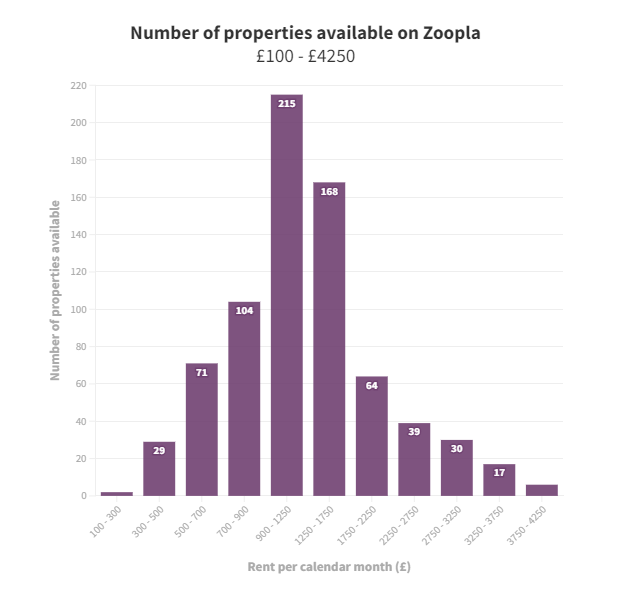
It is absolutely best to start your search for accommodation in Oxford online, especially if you are currently very far away from the city. Looking online will allow you to find out more information about the prices, so that you can work out your budget. You can also find out where the cheaper accommodation is in contrast to that with higher prices.
If you arrive in Oxford more spontaneously or want to take a look at your apartment before moving in, getting accommodation on Airbnb short-term is a solution while you actually visit your preferred properties. There are also many agencies and websites that can help you find accommodation in Oxford, although in that case you need to be prepared to pay rather high fees.
Cut costs with shared living
The best way to save on housing costs in Oxford is to share a flat or house. Oxford has a large selection of apartments and houses which have either been converted into flats or are shared houses. With a house share you will have your own room, or, for a cheaper option, you can share a room. The bathroom/s will be shared with other people in the house. There are many flats available for shared rental as well. Have a look on Oxford’s Gumtree page or SpareRoom or Easy Room Mate to find someone you can get on with to share the costs with you.
If you would rather avoid that hassle, and enjoy a great lifestyle while marrying convenience with affordability, coliving should be the right choice for you. The quality of this type of accommodation is elevated in comparison to traditional shared living arrangements while allowing for considerable savings. For one simple monthly bill, you can enjoy spaces specifically designed to bring people together and foster true connections and a safe, vetted community of like-minded people from around the world. You’ll find coliving properties anywhere you like at coliving.com.
B-Hive Living properties additionally provide interior design focused on holistic wellbeing, and a programme of activities to connect you to the place and your new community and inspire a healthier and more fulfilling lifestyle. It offers a perfect landing ground for a newcomer in the city. It makes life simpler from get go with on-site facilities such as on-side laundry, parking and bicycle storage, and home fitness equipment. Short- and long-term leases offer a solution to everyone. Best of all, you can apply to stay in one of the properties in Oxford or nearby Bicester from any place in the world, and visit the property of your choice and talk to our community manager before taking the decision. More than 80% of B-Hive Living residents are expats, and virtual viewings are offered so that you can secure a place before even landing in the country.
To make the decision easier, visit B-Hive Living’s website for a thorough description of the service. Either way check out the blog section with lots of info that will be useful on arrival to Oxford and interviews with current residents to give you an idea of the existing community feel (“Meet Your Hivemate” series).
Living in Oxford can be an adventure of a lifetime, whether you’re staying for a while or long-term. What really matters is how you feel at home and who you live with. The incredible lifestyle in Oxford can be just a click away.
B-Hive Living is a wellness-focused coliving brand operating properties in Oxford and Bicester, UK, and now expanding internationally. We drive social change by exploring and promoting the concept of living well. We place it at the heart of our coliving design for a more connected, healthy and fulfilling lifestyle for our residents.
A new £250 million plant from Siemens Healthineers is coming to north Oxfordshire. The company is building a 56,000 m² site near Bicester to design and make superconducting magnets for MRI scanners. When it opens in 2026, Siemens says the factory will bring more than 1,300 jobs, use a low‑helium cooling system to cut helium to under a litre per scanner and run carbon‑neutrally. Big projects like this often affect local housing, travel and community life.
If you work remotely or are thinking about a move, this guide looks at what the project could mean for you. It breaks down expected job needs, which areas might suit different lifestyles and offers a simple checklist to help you choose a place to live.
Why the Siemens Healthineers project matters
Jobs and training
Siemens says the new factory will create more than 1,300 jobs. It isn’t just about production: there will also be research and development. That means roles for engineers, technicians, physicists and support staff, as well as data analysts and software developers.
Local colleges usually respond to large projects by offering more training. Keep an eye on apprenticeship programmes and short courses in engineering or digital manufacturing if you’re hoping to gain new skills.
Housing and neighbourhoods
When a large employer moves in, demand for rentals and mid‑priced homes usually rises. Places like Bicester town centre, Chesterton, Launton and nearby villages may see more people looking for somewhere to live. Price changes can differ by street or housing type, so it’s worth checking listings and talking to local agents early. Renting a room or studio in a coliving home can offer flexibility while you decide where to settle.
B‑Hive Living offers furnished en‑suite rooms, studios and one‑bed flats in Bicester, Oxford and Kidlington. Bills are included in one monthly payment, which can make budgeting easier when things are changing.
Source: https://commons.wikimedia.org/wiki/File:Kidlington_old_village.jpg (Andrew Chapman / Wikimedia Commons, CC BY-SA 2.0)
Travel and daily life
More people travelling to the factory will mean more traffic on the A41, M40 and local roads. Siemens plans to improve bus routes, footpaths and cycleways, but rush‑hour traffic may still get busier. If you’re using public transport, look up bus and train times from your chosen area. Drivers should check parking rules and consider whether permits might change as shift patterns develop.
Try your commute at different times. Some routes are quiet mid‑morning but busy at the start and end of the day, and that can make a big difference to your daily routine.
Source: https://commons.wikimedia.org/wiki/File:Bicester_North_railway_station_1.JPG (Jon S / Wikimedia Commons, CC BY-SA 2.0)
Where to live for a balanced life
Comparing neighbourhoods
Bicester town centre – Close to shops, cafés and the main train station. Great if you want a lively high street and minimal travel time. Expect higher demand for rentals as the Siemens site approaches completion.
Chesterton and Wendlebury – Quiet villages just west of the A41. They offer more space and a village feel but still keep you within a short drive or cycle of the new factory. Local pubs and community centres add to the friendly atmosphere.
Launton – A village east of Bicester with a strong community spirit and easy access to the town’s amenities. Broadband coverage is generally good for remote work.
Kidlington and the Oxford fringe – Further south, these areas balance city amenities and access to the M40. Commutes to Bicester are longer but you’ll be closer to Oxford’s cultural life and larger supermarkets.
Area
Vibe
Commute to the Siemens site
Best for
Bicester town centre
Lively high street, shops and cafés
Shortest, minutes by car or bike
Minimal commute, walkable lifestyle
Chesterton & Wendlebury
Quiet villages, more space
Short drive or cycle
Village feel with easy access
Launton
Strong community, good broadband
Short hop into Bicester
Remote workers, community spirit
Kidlington & Oxford fringe
City amenities, cultural life
Longer, via the M40/A34
Oxford access, bigger supermarkets
When you’re weighing up different neighbourhoods, think about your budget, commute and lifestyle priorities. Do you want a lively high street or do you prefer quiet green spaces? Is a strong broadband connection a must for video calls? Do you need to be near schools, gyms or healthcare? Choosing a place that fits your everyday life matters more than living close to a headline‑making development.
Transport links and weekend life
Living near a station or regular bus can make your life easier. Bicester Village and Bicester North stations have trains to Oxford, Banbury and London, and buses connect smaller villages to the town. If you like going out in the evening, check how late services run, some rural buses stop early.
Driving on the M40 gives quick links to Birmingham and London, but junction 9 where the A34 and A41 meet often gets congested during rush hour. If you cycle or walk, look into the new cycle paths and footways planned as part of the Siemens project.
Source: https://commons.wikimedia.org/wiki/File:M40_in_Warwickshire.jpg (David Stowell / Wikimedia Commons, CC BY-SA 2.0)
How to plan your move: six practical steps
Clarify priorities: list your top needs, commute time, rent budget, lifestyle, and score each candidate neighbourhood against them.
Chart your commute: map routes from each area to the proposed Siemens site via car, train, bus or bike. Test them during typical peak times and at quieter periods.
Compare housing options: weigh the cost of renting versus buying. Consider service charges, utilities and how flexible each option is if circumstances change.
Evaluate amenities: look at supermarkets, fitness centres, healthcare access, childcare, green spaces and social spots that support your wellbeing.
Visit at different times: spend time in each neighborhood on weekdays, evenings and weekends to gauge noise, safety and community feel.
Set a timeline and budget: plan your move, including a buffer for moving expenses and early adjustments. If details about the Siemens site change, being financially flexible will help you adapt quickly.
Local logistics for visits and trial days
If you’re visiting the area or attending an open day, mid‑week mornings or early afternoons give the most typical traffic conditions. Siemens may host information sessions for potential employees where you can learn about parking, shuttle services and accessibility. If you have mobility needs, ask about step‑free routes. Transport timetables often change during big construction projects, so check for updates before you travel.
Frequently asked questions
Is Siemens Healthineers definitely building near Bicester? Yes. In May 2024 the company announced a £250 million investment in a 56,000 m² factory in North Oxfordshire. Construction has started, and the site is expected to open in 2026.
Will this make housing more expensive? Big employers often increase demand for nearby homes. Rents and house prices may go up, but the impact varies by area and property type. Flexible renting options can give you time to see how the market responds.
How should I plan my commute? Pick a few places you might live and check travel options for each driving, cycling and public transport. Try the routes at the times you’d normally travel and watch for news about new bus routes, cycleways and parking linked to the project.
Is it better to move now or later? That depends on your situation. Remote work or flexible hours might let you rent short‑term and wait for more details about the factory. Use reliable sources for updates and make choices based on what suits you.
Ready for a fresh start?
The Bicester corridor is on the cusp of change. A world‑class manufacturing facility will attract talent, spur investment and influence where people live and how they travel. Yet the fundamentals of a good life a supportive community, a manageable commute and a healthy living environment remain the same.
At B‑Hive Living, we specialise in creating wellness‑led living spaces in Bicester, Oxford and Kidlington. Our coliving homes, studios and one‑bed flats are designed with biophilic principles, fast broadband and flexible lease terms. If you’re ready to explore your options, apply to live with us or visit our Hives page to see current availability.
This article is for information only. Check company and local council updates before making housing decisions.
Oxford is one of the best cities in the country for street food from every corner of the world. You’ll find some of the best flavours from around the world: Asian, Indian, American and more here. And the prices are bound to positively surprise you. We made a list of 10 top picks of street food in Oxford you absolutely need to try.
Top Street Food in Oxford
The Hub: Start at the Covered Market for historic stalls and fresh pies.
Variety: From Texas BBQ (Sasquatch Lodge) to Sri Lankan street food (The Coconut Tree).
Dietary Friendly: Great vegan options at Delhish and gluten-free pizza at Pizza Pilgrims.
Local Favorite: Don’t miss the legendary ice cream at George & Davis.
Pro Tip: Living in the city makes food tours easier; check out our Oxford coliving locations to stay in the heart of the action.
Oxford Covered Market
Located near the City Centre, this historic market has been a favourite spot for locals and tourists alike. Fresh local produce, crafts, and street food vendors are all found under one roof. You can sit at one of the cafes or grab a takeaway and wander the market munching on fresh pastries or pies. This should probably be your first trip for street food in Oxford.
Location: Market St
Image source: oxford-coveredmarket.co.uk
C.R.A.F.T. Burger
C.R.A.F.T. Burger is perfect when love your burgers and are looking for fast service without it being a fast food place. Beef, chicken, fish, and vegetarian burgers are all available on the menu. Be sure to try the side dishes as well. We recommend their buffalo wings and halloumi fries with garlic dip, accompanied by one of the 13 available options of craft beers. Street food in Oxford at its best.
Location: 1 The Parade Windmill Road
Image source: tripadvisor.com
Pizza Pilgrims
Having started off as a street food vendor, Pizza Pilgrims is now a full restaurant, but they haven’t lost that authentic street food touch. You can sit inside the restaurant, out in the courtyard, or grab a slice to go. The brick-oven baked Neapolitan pizza is full of flavour, and the choices are fantastic, including the 8-cheese, mushroom & truffle, and classic Margherita. They offer gluten-free crusts at no extra charge!
Location: Westgate Centre Roof Terrace
Image source: tripadvisor.com
Oxford Fish Shop
With its large, really tasty, and reasonably priced portions of the classic UK dish, Oxford Fish Shop is one of the best places to get some. It tends to be busy, so you may have to wait a bit, but that’s how you know it is a great place for food.
Location: 287A Iffley Road
Image source: oxfordmail.co.uk
George & Davis
To satisfy your sweet tooth, visit George & Davis ice cream cafe. It has been serving delicious ice cream flavours for almost 20 years, while also offering bagels and other tasty treats like sandwiches, pizza bagels, and waffles with toppings. When it is cold outside, you can sip on a nice cup of hot chocolate or one of their specialty coffees. Being a hometown business, “G&D” like to support local businesses by using locally sourced ingredients whenever they can.
Locations: 94 St. Aldates, 104 Cowley Road, and 55 Little Clarendon St
Image source: pinterest.com
Delhish Vegan Kitchen
Offering vegan, delicious, and healthy street food in Oxford, Delhish Vegan Kitchen has become very successful, also among non-vegetarians. The Owner Jaya, who learned from her mother and grandmother, does all the cooking herself, and her passion shines through in the food. She makes sure to offer a warm and welcoming atmosphere. The menu includes delicacies like roti wraps and chaats, with gluten-free options.
Location: 19-20 St. Clements St
Image source: tripadvisor.com
The Coconut Tree
The Coconut Tree menu is a great combination of small and large Sri Lankan dishes, from vegan options to great fish, dairy, and a variety of meats. The drink menu features cocktails that use ingredients like elderflower, cardamom, and nettle. The prices are reasonable, and on top of that, from Monday to Wednesday all food is 50% off when you eat in, until the end of January 2023.
Location: 76 St. Clements Street, Oxford
Image source: thecoconut-tree.com
Mowgli Street Food
With multiple restaurants throughout the UK, the Mowgli Street Food award-winning concept is to bring the kind of Indian food that is eaten in the homes and streets of India. The food is made with the best ingredients sourced locally and directly from India. The menu includes both traditional homemade Indian food and a few dishes with modern twists. At Mowgli Street Food, the food and friendly service will make you feel like you are visiting a home not a restaurant.
Location: Unit 302, Westgate
Image source: tripadvisor.com
Sasquatch Lodge
Formerly known as the Urban Griller, the Sasquatch Lodge serves Texas BBQ the right way. The meat is rubbed in a special blend of herbs and spices and then slow-cooked with seasoned oak to mouthwatering perfection. The brisket and pulled pork is so tender it melts in the mouth. You can find Sasquatch Lodge everywhere. Operating a true street food business, the owner Sam travels around the city, setting up at food markets. To find out where he is, or to hire him for catering, check his website, also for the vegetarian selection.
Location: Varies
Image source: tripadvisor.com
Acropolis Greek Taverna
The family-run Acropolis serves up great authentic Greek food, with a wide selection of popular Greek dishes like saganaki, calamari, and dolmades (vine leaves filled with rice and spiced meat). And, of course, the most popular Greek street food item, the gyro. The portions are a good size and reasonably priced, and they have some great vegetarian and vegan options.
B-Hive Living is a wellness-focused coliving brand operating properties in Oxford and Bicester, UK, and now expanding internationally. We drive social change by exploring and promoting the concept of living well. We place it at the heart of our coliving design for a more connected, healthy and fulfilling lifestyle for our residents. Apply to live with us here.
Get an exclusive look into life at the Hive through the eyes of our vibrant residents! Meet Rachel and Piyush, one of our amazing Hive couples, as they share their unique experiences and insights on coliving. Let them guide you through the adventure of shared living at one of our Hive Homes.
Hi Rachel and Piyush! Tell us a bit about yourselves.
My name is Piyush Chaudhary, and I hail from the serene valley of Dehradun, India, where the majestic Himalayas cradle my hometown and the sacred Ganges flows nearby. With a degree in Electronics and Communication Engineering, followed by an MBA in Finance, I’ve always been driven by curiosity and a passion for solving complex challenges. My journey has led me through diverse experiences—working as a policy consultant with the governments of India and Israel, which broadened my global perspective.
A year ago, I successfully sold a startup I founded that blended my love for travel and language learning, which was a deeply enriching chapter of my life. Currently, I work as an Operations Officer for the Ministry of Justice in the UK, where I apply my skills to help streamline processes within the justice system. My career has been a tapestry of innovation, diplomacy, and leadership, and I’m excited for what comes next.
What made you choose coliving as your housing and lifestyle choice as a couple?
Rachel and I have always had a shared passion for exploring new places, meeting diverse people, and immersing ourselves in different cultures. Having lived in various parts of the UK, including cities like Edinburgh and London, we’ve been fortunate to experience the vibrant energy and cultural diversity that these cities offer. Our time living in the co-living space called “The Collective” in London really resonated with us and opened our eyes to the benefits of this lifestyle.
The idea of coliving appealed to us for a number of reasons. First, we love the sense of community that it fosters. Unlike traditional housing, where interactions with neighbours can be minimal, coliving offers an environment where social engagement is encouraged. We enjoy meeting new people, hearing their stories, and connecting with others from different geographical backgrounds. The variety of cultures and perspectives that we encounter in coliving environments is something that excites us and continues to inspire us.
Coliving also aligns with our values of collaboration and shared experiences. As a couple, we both thrive on learning from others, whether through casual conversations or organised events. The flexibility and fluidity of coliving spaces allow us to embrace these encounters without the constraints of typical housing arrangements. Moreover, coliving gives us a chance to form meaningful connections with others, while also offering the privacy and comfort we need as a couple.
For us, coliving represents a lifestyle that combines community, adventure, and cultural diversity—qualities we’ve both always sought. It allows us to continuously evolve our experiences, meet new people, and feel a sense of belonging, no matter where we are. That’s why Rachel and I have chosen coliving as our housing and lifestyle choice—it brings the world to our doorstep.
You’ve experienced coliving at The Collective in London. How does living at B-Hive compare?
Living at The Collective in London was an amazing experience for Rachel and me, especially since we stayed there for over a year. It felt vibrant and energetic, almost like living in a high-end hotel with a revolving door of guests. The amenities were top-notch, and the environment was lively, but after a while, we realised that we needed something more grounded—a place that truly felt like home. That’s when we discovered B-Hive, and our experience there opened our eyes to how coliving could be on a completely different level.
While The Collective provided more of a “hotel-like” vibe, often hosting short-term guests who were there for just a day or two, B-Hive offered a deeper, more authentic sense of community. At B-Hive, the focus was on building lasting relationships, something we really needed being away from home. It felt like a warm, welcoming space where people actually invested in getting to know one another. The property owners and managers at B-Hive played a big role in creating this environment. Unlike The Collective, where we never met the owner, the owners at B-Hive took the time to organise community dinners and barbecues, making everyone feel truly connected.
The shift from The Collective to B-Hive made us appreciate how the personal touches and genuine community involvement can turn a place from just a living space into a home.
Did you have any reservations before moving into Hive?
Before moving into Hive, I did have some reservations. I was particularly concerned about privacy, potential noise and disturbances, compatibility with housemates, and shared responsibilities.
Privacy was a key concern, as living in a shared space can sometimes feel intrusive. Noise and disturbances were also on my mind since shared living spaces can often come with unpredictable noise levels. I was also unsure how well I would get along with the housemates and whether shared responsibilities like cleaning and maintenance would be handled fairly.
However, Anton, the property manager, did a great job addressing these concerns. He assured us that the layout of the space was designed to offer privacy, with soundproofing in place to minimise noise. He also emphasised a system for selecting compatible housemates and outlined a clear structure for sharing responsibilities, making us feel that everything would be well-managed.
Once those concerns were addressed, it was a relief, and we felt much more confident about moving in!
What has your journey been like finding places to live as a couple?
Finding a couple-friendly accommodation has been quite a journey for us, marked by various challenges. One of the biggest hurdles has been finding spaces that cater to the specific needs of couples, such as privacy, comfort, and affordability. Many places either cater to individuals or larger families, leaving couples in a sort of middle ground where the available options either don’t fit their needs or come at an exorbitant cost.
When we were searching for a place, we found that many properties lacked the right balance of space and practicality. Some were simply too small or poorly designed for two people to live comfortably together. Others were out of our price range, even though they offered the amenities we were looking for. It often felt like the market wasn’t built with couples in mind, which added to the frustration of the search.
B-Hive, however, was a real blessing for us. It felt like the perfect place designed specifically for couples like us. Not only did it meet our needs in terms of space and comfort, but it was also economically well-suited, which is hard to come by in today’s housing market.
Speaking of the housing market for couples, it feels like it’s increasingly difficult to find something that strikes the right balance between affordability and quality. The options for couples in the UK, in particular, seem quite limited. Many properties are either designed for single occupants or larger families, leaving couples with fewer suitable choices. B-Hive stands out as an exception in this regard—it’s a space where couples can feel at home without having to compromise on their needs or break the bank.
In summary, while the overall housing market for couples feels bleak, with a lot of obstacles and limited options, places like B-Hive Living give us hope that there are still options out there that truly cater to the unique needs of couples.
Stay tuned for the second part of this interview with Rachel and Piyush!
Here’s the story of a wellness coliving brand on a mission to empower society to live a more connected, purposeful, and fulfilling life.
Story of a brand, with two people and a purpose behind it
The story starts with Silvia and Williams, both born and raised in cultures rooted in vibrant community life, and their dream to empower society to live well through home design and shared living.
Their background and early experiences shaped their belief that a life well lived starts at home, and the secret sauce is the people that surround you. It is by connecting with something larger than ourselves – a community – that we achieve our best life.
On moving to the UK, they faced the harsh reality of the rental market. At the time, 1 in 3 rented homes was unfit for human habitation. Hidden costs, absent landlords, inflexible contracts, and poorly maintained spaces were all part of a self-servient culture of disregard for the health, wellbeing, and convenience of tenants. Homes and rental spaces reinforced lifestyles that made residents sick, stressed, disconnected, and unhappy.
The higher purpose – more connected, healthy society
Driven by their background and its sad contrast to the reality, the couple saw an opportunity to impact society through the rental market. After all, we spend more than 80% of our lifetime in the built environment. The quality of the places we choose to live, work, and spend time have a profound impact on our mood, happiness and mental health. It’s only logical that living well must start at home.
Seeing it as an opportunity and privilege to positively impact human wellbeing through shaping the built environment, they went on a mission to depart from the traditional landlord mindset to contribute to a more connected, and healthier society. As a result, they’ve been proactively investing in, designing, and building nourishing shared living environments that foster connection and elevate the lifestyle and wellness of a growing generation of renters, as well as helping others do the same. They’ve become part of the new wellness coliving movement.
Biophilic design, community building and strong focus on ethics and empowering wellness have emerged as the core brand values of B-Hive Living.
These values and ethos particularly align with the current post-pandemic cultural shift towards a healthier and more fulfilling way of living. Months of isolation, and the constant reminder of the fragility of life has made millions seek to depart from the burnout corporate culture and endemic loneliness. As a result, one in four people in the UK suffer from diagnosable mental health issues. Depression has become the primary cause of disability and ill-health worldwide. B-Hive Living has evolved to see property as an active contributor to supporting life and wellbeing rather than the primary value in itself.
“We shape our buildings and afterwards the buildings shape us.”
Winston Churchill
Image: B-Hive Living
Changing the experience of shared living renters
Purpose
The solution to changing the experience of shared living renters is building Hives that are more than just a shared home. Built with a purpose, with a blend of biophilic design, fit-for-purpose technology, and social programme, they provide healthy spaces with everything you need for a fun, loving, and productive lifestyle. While remaining an affordable housing choice, they nurture quality sharing and the sense of belonging of those seeking to live well. The Hives host a vetted, like-minded, well-intentioned, and therefore safe community.
Image licenced through Canva.com
Design
Biophilic and circular design is the main cornerstone of the Hives’ wellness-led interior design approach. From choosing a safe and green location with easy access to transport links and providing parking and bicycle storage space, to functional and flexible layout of the homes catering to multiple users and activities, B-Hive Living carefully considers every aspect of the design. The process is organic and collaborative, combining efforts of a multitude of local designers, artists and craftspeople.
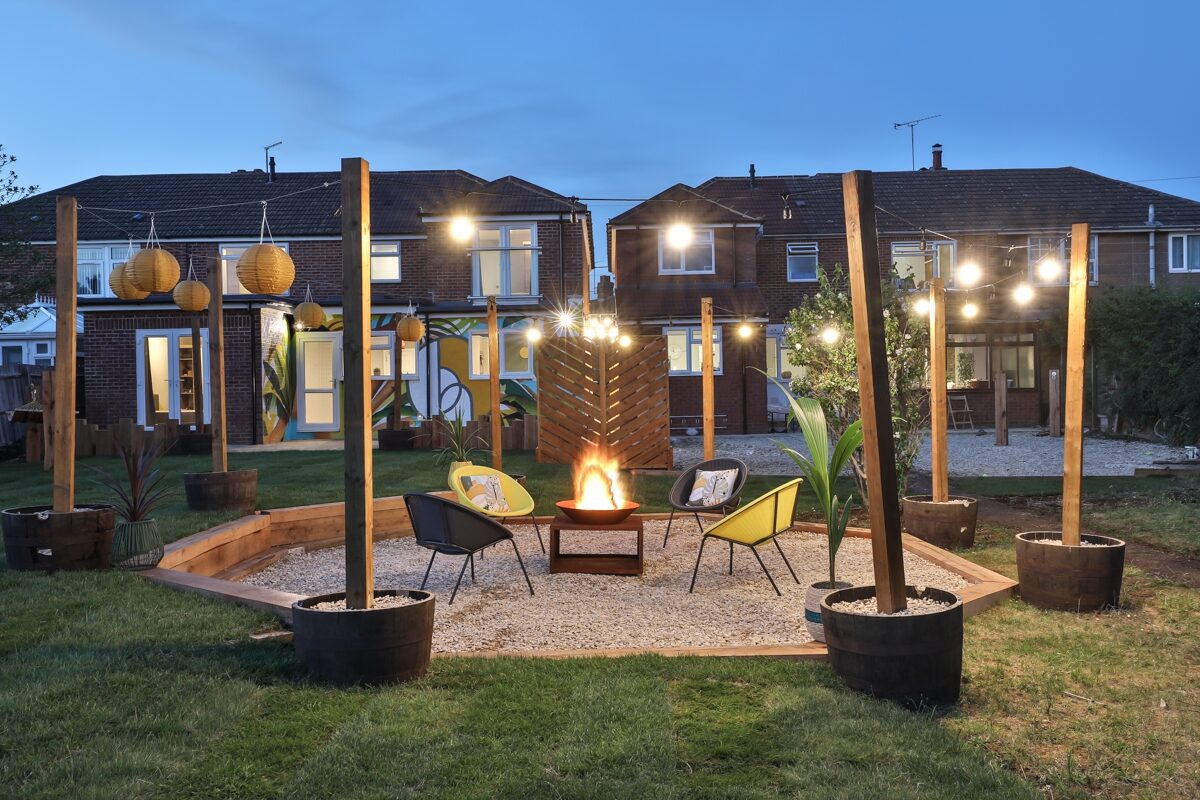
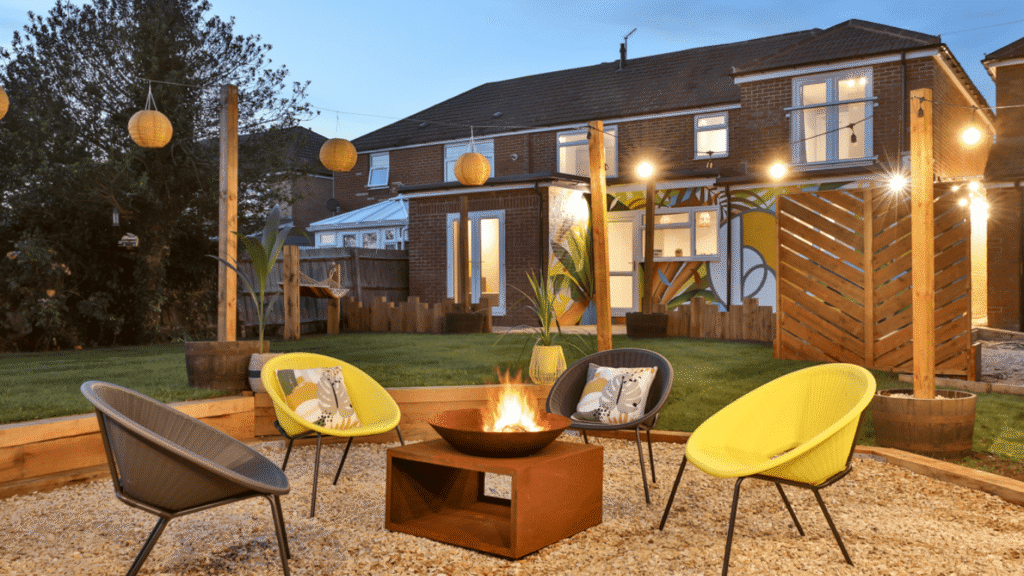
The garden that comes with each Hive encourages exercise and contact with nature. It fosters community, wellbeing and creativity by including a fire pit, outdoor gym, hammocks, and other facilities to relax, dine, talk, socialise, read, and enjoy nature. Nature-inspired street art in the outdoor area provides for a unique vibe of the space, and a sense of detachment from everyday life.
Image: B-Hive Living
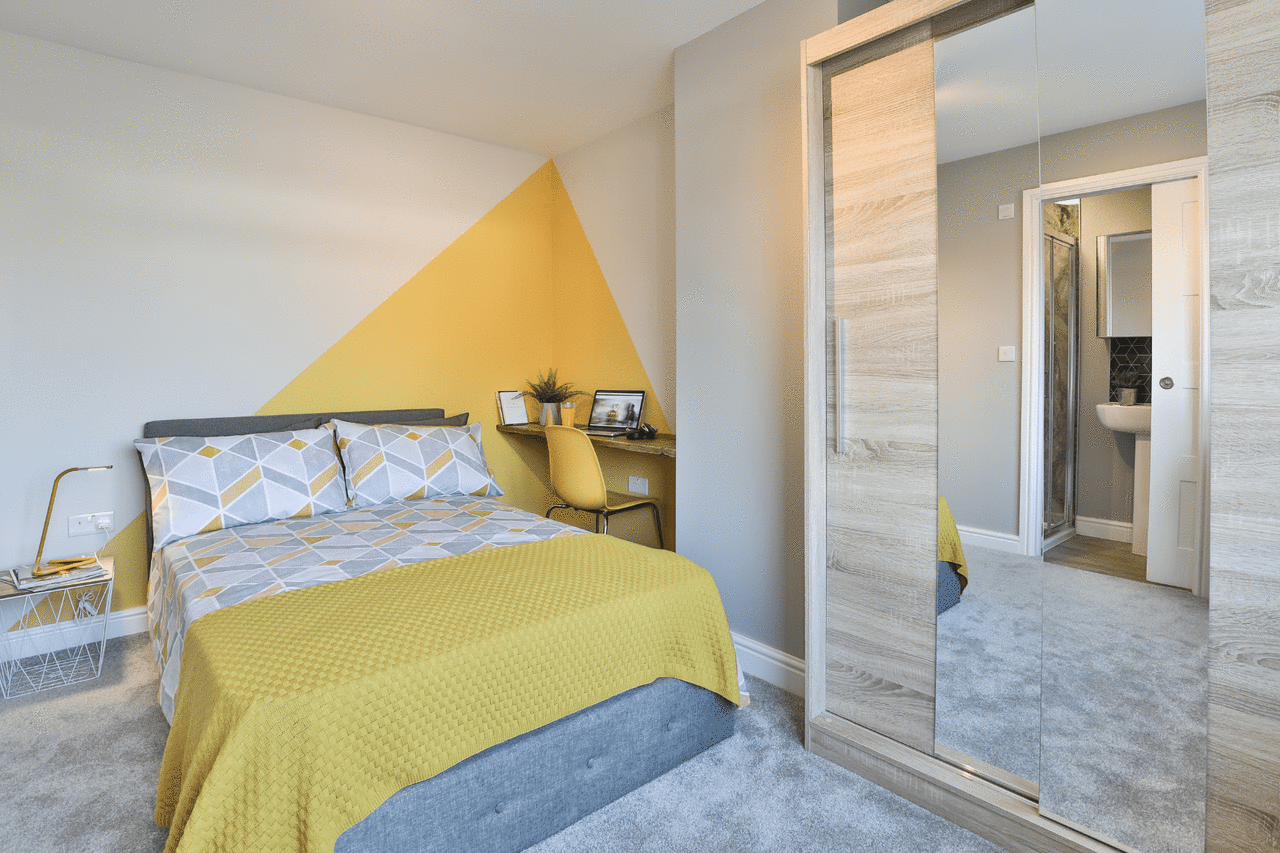
Inside each house, you’ll find harmonious spaces with tactile materials, furniture, and colours creating the sense of ease, warmth and relaxation. The colour scheme echoes nature too. The yellow in the bedrooms enhances mood, with the use of grey in the right places for balance. The shared spaces feature colours and materials contributing to the sense of calmness and socialisation.
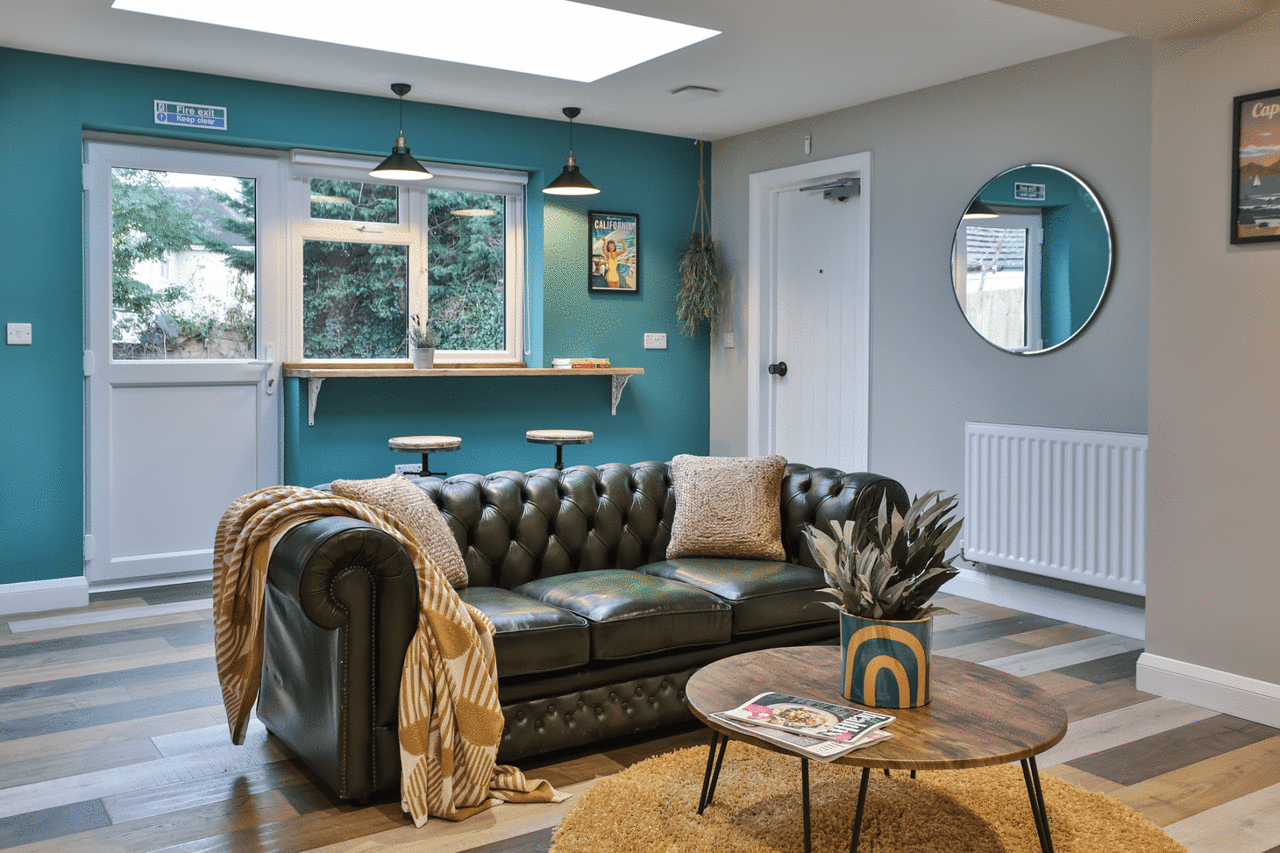
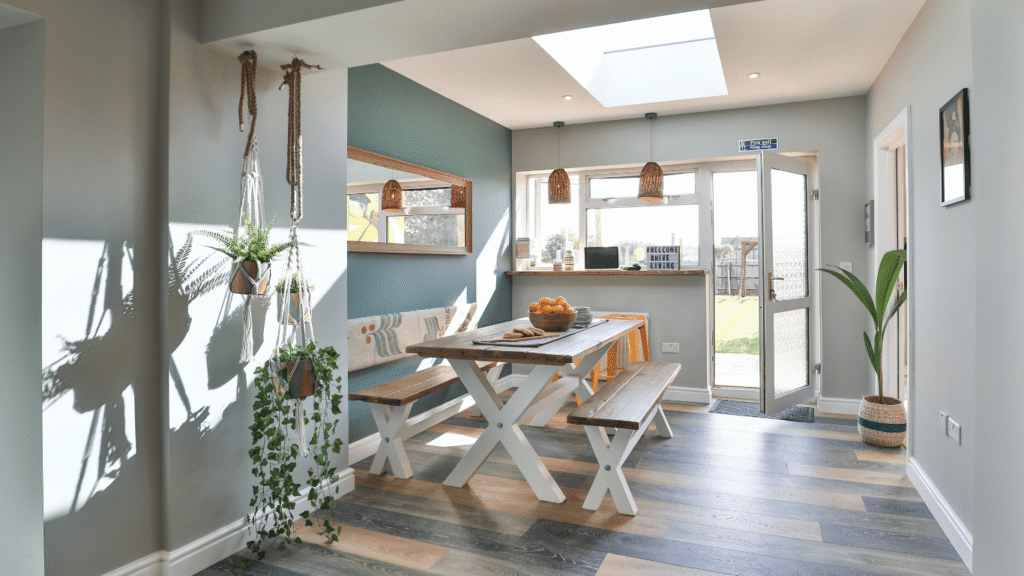
Every resident enjoys their own private bedroom, and large shared living, kitchen, and dining spaces. Those are built to be flooded with natural light through skylights and large windows. The abundance of plants also brings calm and stress reduction. Even the flooring is made to bring to mind nature and connection by harmoniously combining three types of wood.
Image: B-Hive Living
The bright kitchens are made for sharing. They are convenient with multiple sets of cooking facilities, a large circulation space, and private cabinets for everyone.
The wellness coliving design of the homes also aims at minimising the environmental impact by using natural and reclaimed materials along with modern elements. In one of the Homes you will find a feature wall made of pellets from construction. The properties are decorated with repurposed skate and surf boards throughout. All tables and desks are built from recycled construction wood. Items like old whisky barrels and railway sleepers are used in the gardens. All furniture and flooring is lined with natural bee wax.
Image: B-Hive Living
“The most successful interior design is that which most closely echoes the natural environment.”
HRH Prince of Wales
Technology
Wellness is not only interior design. It’s also daily convenience and sense of control, ownership, and belonging over your immediate environment. It is scientifically proven to be linked to overall happiness. B-Hive Living offers it through apps and digital hubs for adjusting the lighting, music, and temperature remotely. A wireless sound system in the Hives brings even more comfort, sense of freedom, and familiarity – residents can access thousands of local radios of their home countries. Customised bedrooms, each with a smart tv with USB for personal streaming, have the same effect.
Experiences
The comfortable, hassle-free living conditions empower a more socially rich and healthy lifestyle in the Hives. The residents have access to consultancy of a team of wellness experts. The monthly social events make bonding among residents and with the local community even easier. They include wellness-led experiences such as open-air fitness, culture expeditions , as well as bowling nights. The staff of B-Hive Living constantly works on providing content and technical support to empower residents to a more positive and harmonious lifestyle despite the pressures of life.
Image: B-Hive Living
Demystifying coliving
The wellness-focused design of the Hives follows the assumption that fitter, healthier, and more purposeful people lead to a happier society and more productive economy. How does that check out in practice? 100% of residents are satisfied with the quality and convenience of the homes; 90% feel connected with the people they live with; 60% notice an improvement in their overall health and wellbeing within 90 days; 100% are satisfied with their communication with the Hive team; 90% are proud of the place they live in; and 80% recommend B-Hive Living to their friends.
“The power of community to create health is far greater than any physician, clinic, or hospital.”
Mark Hyman
Over the 6 years of activity of B-Hive Living, coliving designed for wellness has proven a healthy and satisfying choice for locals, expats, digital nomads, remote workers, and both singles and couples.
The overwhelmingly unexpected effect of living well together showed in the midst of the Covid -19 pandemic. It was a trying time when coexisting within the restraints of one property and restrictions outside of it could ultimately make or break a group of cohabitants. ”Instead of conflict and withdrawal, we were amazed to see the love, care, and respect people have for each other come alive in our communities. Our residents went out of their way to cook, shop, and do all sorts of discretionary acts of care for each other and their community through volunteering”, says Williams Johnson – CEO of B-Hive Living. “Such culture made many residents, in particular key workers that we were forced to relocate because of the pandemic, return to the Hives afterwards”.
Coliving does not have to, and cannot continue to be solely a way to save money at the cost of personal space and struggling with absent and ignorant landlords. People are made to be social, and living together should be a celebration of a healthy, connected, and fulfilling lifestyle. And B-Hive Living is proof that it’s not only possible, but also needed and sought after. Coliving focused on wellness has a bright future, bringing a profound change in the lives of people, communities, the housing industry, and society.
B-Hive Living is a wellness-focused coliving brand operating properties in Oxford and Bicester, UK, and now expanding internationally. We drive social change by exploring and promoting the concept of living well. We place it at the heart of our coliving design for a more connected, healthy and fulfilling lifestyle of our residents.
Flexible living has evolved far beyond simply renting a room. Today’s best coliving spaces combine beautifully designed homes with wellness, community, work-friendly environments, and lifestyle experiences that traditional renting often lacks.
Across the UK, a new generation of coliving brands is redefining what modern urban living looks like — from luxury city-centre towers to slower wellness-focused communities surrounded by nature.
Here are five of the most interesting coliving concepts in the UK right now.
1. Cohabs (London)
Best for:
International professionals, design lovers, social city living
After major success across Brussels, Paris, Madrid, Milan, and New York, Cohabs officially entered the London market — bringing its highly recognisable design-led coliving concept to the UK.
Cohabs blends beautifully renovated heritage buildings with contemporary interiors and highly social shared spaces. The experience feels polished, international, and intentionally curated for young professionals looking for instant community in a major city.
Residents benefit from:
Fully furnished private rooms
Weekly cleaning
Community events
Coworking-friendly environments
Flexible stays
The brand has built a strong reputation globally for creating coliving spaces that feel elevated without becoming corporate.
2. Gravity Co (London & Reading)
Best for:
City professionals, flexible renting, convenience-led living
Gravity positions itself at the intersection of hospitality and residential living.
With locations in London and Reading, the brand focuses on highly flexible, service-led living designed around busy professionals. Their buildings combine private studios with coworking areas, gyms, lounges, wellness spaces, and regular community programming.
One of Gravity’s strengths is accessibility: residents can move in quickly with minimal setup while still benefiting from a strong social atmosphere.
The aesthetic leans modern, urban, and highly functional — ideal for people prioritising convenience and flexibility.
Based in Oxfordshire, B-Hive Living takes a different approach to coliving by focusing heavily on wellbeing, lifestyle design, and genuine human connection.
Rather than ultra-urban tower living, B-Hive creates wellness-driven shared homes surrounded by greenery, combining:
Ensuite bedrooms
Studios and one-bedroom flats
Large communal gardens
Biophilic interiors
Tech-enhanced living
Wellness experiences
Carefully curated communities
Many residents are entrepreneurs, remote workers, creatives, and international professionals looking for a healthier, more balanced way of living.
Located between Oxford and Bicester in the heart of Motorsport Valley, B-Hive Living also offers access to one of the UK’s most innovative regions while maintaining a calmer pace of life.
The atmosphere feels intentionally more human, slower, and community-oriented than many city-led coliving brands.
5. ARK Coliving (London)
Best for:
Luxury urban coliving with strong hospitality design
ARK is one of the newer premium names reshaping London’s coliving scene.
The brand combines luxury interiors with highly service-oriented living environments, including:
Stylish private studios
Coworking areas
Wellness spaces
Fitness facilities
Residents’ lounges
Events programming
ARK positions itself closer to modern hospitality than traditional renting, attracting professionals who want flexibility without sacrificing comfort or aesthetics.
Its spaces feel highly curated, contemporary, and internationally inspired.
Dandi deserves mention for pushing the boundaries between rental living, hospitality, sustainability, and smart-home technology.
Their approach focuses heavily on:
Flexible memberships
Design-led apartments
Sustainability
Smart technology integration
Wellness-focused urban living
Dandi represents the growing overlap between premium rental housing and lifestyle hospitality brands.
The Future of Coliving in the UK
The UK coliving market has evolved rapidly over the last few years. What began as a niche housing concept for digital nomads has become a serious alternative to traditional renting for professionals seeking:
Flexibility
Community
Better work-life balance
Wellness
Convenience
Design-led environments
Importantly, not all coliving brands are trying to offer the same lifestyle.
Some focus on ultra-urban convenience and hospitality. Others, like B-Hive Living, focus more on wellbeing, slower living, and meaningful human connection.
That diversity is exactly what makes the future of coliving so interesting.
Finding a comfortable, well-connected base near Oxford and Bicester can make a huge difference to a motorsport professional’s week. The demands of race weekends, team logistics, and post-event downtime all hinge on where you live. This practical housing guide aims to help you rent nearby with confidence, balancing proximity to circuits with sensible budgets, flexible leases, and a real sense of local life. Whether you’re relocating temporarily or seeking a longer-term arrangement, the right home sets the tone for focus, rest, and staying connected to the community you work with.
In this guide you’ll find neighbourhood considerations, rental types that typically suit fast-paced schedules, and insider tips that often go unmentioned when scoping homes around sport seasons. We’ll flag common mistakes to avoid and offer a quick-start box so you can map a sensible plan in minutes, not weeks. It’s all about making mobility work for you—without sacrificing daily comfort, broadband reliability, or parking near the team’s base.
Best base types for motorsport teams: serviced apartments, private rentals with flexible leases, or coliving arrangements.
Best time to search: start well ahead of race weeks; midweek viewings tend to be easier to secure.
Who this is for: remote workers and on-site team staff needing predictable commutes and flexible terms.
Quick logistics: prioritise proximity to major routes (M40, A34) and rail links to Oxford and surrounding towns; confirm parking where needed.
Map your key commute times to Silverstone, Oxford, and Bicester hubs to identify realistic bases.
Identify 3 top neighbourhoods with good rental options and a balance of quiet and convenience.
Prepare a rental pack early (references, proof of income, right-to-rent documents) so you can move fast.
Decide on lease types (short-term, flexible, or longer-term) based on upcoming race commitments.
Schedule viewings during off-peak times to avoid bidding pressure from peak season.
Check parking, broadband speed, and access to reliable gym or social spaces for downtime.
Your base near race hubs: location and commute shape your week.
Location and commute shape the rhythm of race weeks, downtime, and recovery between events.
Neighbourhoods and proximity: what to look for
When motorsport schedules tighten, you’ll value areas that offer straightforward access to major routes and practical post-event routines. In and around Oxford and Bicester there are different vibes—some closer to the city with lively cafés and easy grocery runs, others quieter and more suburban, yet still well connected to the main roads and rail links. Look for places with straightforward driving routes to the team hub, with ample parking or secure on-site options, and easy access to supermarkets, laundry facilities, and a reliable broadband connection for remote work when required.
Shortlists you can build quickly
Building a short list starts with a simple map: note the distance from each potential base to the circuit or team base, plus the best public transport or driving routes for race days. Serviced apartments can offer flexible tenancy terms and utilities included, which helps when you’re balancing long hours and travel. HMOs or coliving setups may deliver cost savings and social support, but pay attention to shared spaces and noise policies during busy weeks. Private rentals with flexible break clauses can be ideal for seasonal rotations, provided the lease terms suit your calendar.
Insider tips (three you’ll actually use)
– Insider tip: prioritise landlords and agents who understand seasonal work and can offer flexible start dates or mid-week viewings.
– Insider tip: clarify parking availability and vehicle access early—race-week volumes can change parking rules quickly.
– Insider tip: check broadband speed and mobile signal in the exact room you’ll use for video calls; a good line can cut down on late-night tech glitches.
For race weeks, a base with flexible terms and reliable transport links truly pays off.
Housing options that work for busy schedules
Long-term rentals with sensible lease terms
Long-term rentals with flexible break clauses are a solid backbone when schedules are fluid. They offer stability for off-season training or lighter workloads while preserving the option to relocate when teams shift bases. In practice, you’ll want to confirm that utilities are reasonably priced or included where possible, and that the lease allows for occasional extended stays if a race calendar throws a curveball. A quiet neighbourhood with good local services can help you recover after late nights at the facility.
Serviced apartments and short-term lets
Serviced options can be a smart match for busy professionals who move with race calendars or have variable weeks. They provide furnished spaces, on-site maintenance, and utilities bundled into one monthly rate, which simplifies budgeting. If you expect to stay for 1–3 months or need a seamless move-in process, these can be time-savers. Look for options with secure access, reliable housekeeping, and Wi‑Fi suitable for streaming, heavy uploads, or virtual meetings.
HMOs and coliving: pros, cons, and practical checks
Coliving or HMOs can reduce upfront costs and foster a supportive local network, which can be valuable during a demanding season. It’s important to review house rules, noise policies, and shared-space expectations, since you’ll be sharing kitchen, living, and sometimes parking spaces. If you prefer quiet evenings or have a late-night routine after a race, verify room layouts and sound insulation before committing. Insider tip: ask about dedicated workspace options within common areas or private rooms.
Short-term corporate lets: a flexible middle ground
Short-term corporate lets blend the flexibility of serviced options with the privacy of a private rental. They often come with more predictable terms for teams and contractors who need to align housing with shifting contracts. As with any lease, clarify renewal options, deposit terms, and the process for extending a stay if a major event runs longer than planned.
How to choose your base: budget, vibe, timing, transport
Budget and costs
Set a practical monthly cap that covers rent, utilities, and transport. In the UK rental market the total cost can fluctuate with demand around race periods, so build a buffer for potential increases or short-notice viewings. Where possible, negotiate inclusions (utilities, internet, or parking) to keep monthly outgoings predictable. If you’re unsure about long-term cost trajectories, a serviced option with bundled utilities can remove many unknowns.
Vibe and community
Your preferred environment matters for energy and focus. A busy city-edge base might provide quick social options and gym facilities, while a quieter suburb can offer calm after a hectic week. Consider proximity to healthcare, grocery stores, and a local café culture that supports late-night or weekend work if needed. A sense of community can be as valuable as a short commute when you’re on a demanding schedule.
Transport links
Efficient transport is essential for turning race weeks into smooth weeks. Prioritise homes near reliable rail or road corridors to your circuit and team hub. Verify parking arrangements if you’re bringing a vehicle, and check travel times during peak traffic periods to avoid mismatches between planning and reality. If you rely on public transport, ensure bus or rail services align with your typical working hours.
Timing around race days
If possible, align your move with quieter weeks or the off-season to secure better lease terms and avoid bidding spikes. For long-haul relocations or multi-event stretches, it’s worth considering a base that offers a flexible start date and an easy path to renewal should your schedule extend.
How to secure a rental quickly: fast-track steps you can follow
Define a practical search radius and a short list of priority areas near Oxford, Bicester, or Silverstone corridors.
Gather a rental dossier: reference letters, employer letter, proof of income, and right-to-rent documents so you can move fast.
Ask agents about flexible lease options and mid-season move-in dates; explain your race schedule up front.
Book viewing slots promptly, aiming for midweek times to reduce competition.
Keep a simple tracking sheet of properties, including rent, inclusions, lease length, and renewal options.
Be prepared to offer reasonable flexibility on start dates, parking, and furniture if needed.
Confirm essential details (parking, broadband speed, accessibility) before signing contracts.
The steps above help you move quickly without sacrificing important checks. For rights and tenancy clarity, you can consult GOV.UK guidance on private renting and rights to rent as you narrow your options. This ensures you’re aligned with standard practices while focusing on what matters most for your schedule and wellbeing.
Local logistics: getting there, best times, and practical notes
Oxford and Bicester sit within a network of accessible roads and rail links, making it possible to balance early starts with sensible evenings. When planning race-week commutes, consider preferred routes, potential traffic hotspots, and alternative options in case of incidents on those routes. For accessibility, choose homes with easy entry to a ground-floor space or lift if you’re carrying kit, and confirm nearby shops and pharmacies to minimise weekend trips during long events. If a particular property lists a parking space, confirm the permit process and any visitor restrictions ahead of time.
FAQs
What is a practical housing guide for motorsport professionals renting nearby?
A practical guide focuses on flexible lease options, reliable transport links, and how to balance race-week pressures with downtime, while keeping within a sensible budget and a connected community.
Which neighbourhoods around Oxford and Bicester are best for commuting to Silverstone or the team base?
Look for areas with straightforward road access and reliable public transport, prioritising proximity to major routes (such as M40 and A34) and rail stops that connect to Oxford and surrounding towns. Quiet residential pockets near these routes often offer a good balance of convenience and calm.
How far ahead should I start searching around race weeks?
Starting several months ahead is advisable, particularly if you need a flexible lease or plan to move during peak periods. Early preparation helps you secure options with appropriate parking, internet, and access to essential services.
What lease types offer the most flexibility for seasonal work?
Short-term lets, serviced apartments, or private rentals with flexible break clauses can provide the needed adaptability. Always confirm renewal terms, notice periods, and any restrictions on subletting or temporary adjustments.
What should I check before signing a tenancy?
Check parking arrangements, broadband speed and reliability, access to essential services, and the lease terms regarding break clauses, deposits, and utilities. Also verify the proximity to your workspace and any race-week scheduling constraints.
Soft brand close
Finding a home that supports a demanding motorsport schedule is about smart planning, local know-how, and a sense of belonging in a city that blends academic life with professional ambition. By focusing on practical bases, flexible lease options, and strong transport links, you can keep your week flowing smoothly and your downtime restorative. If you’re ready to move with confidence and clarity, consider applying to live with B-Hive and start the next chapter of your professional journey with a place that truly supports your pace.
Motorsport fans living in Oxfordshire or nearby may not realise just how much high-speed action sits within easy reach this year. While Silverstone Circuit remains the obvious hub for major F1 and national motorsport, the surrounding counties host a mix of historic race days, club events, and day-long track experiences that fit busy professional lives. This guide helps you map out the best options, choose viewing experiences that suit your vibe, and plan a weekend that keeps your work week intact while delivering maximum adrenaline.
Whether you’re chasing a pure adrenaline fix, a social weekend with colleagues, or a family-friendly outing, there are ways to slot motorsport into a hectic schedule. The goal is to balance travel time, ticket availability, and the kind of event you’ll enjoy most—from a seat in the grandstands to a relaxed track-side view. Below, you’ll find what to expect, how to watch smartly, and practical steps to lock in a memorable motorsport weekend near Oxfordshire.
Silverstone remains the focal point for Oxfordshire motorsport fans this year, with a packed calendar of high-speed action just a short drive away.
What events to expect at Silverstone this year
Silverstone consistently hosts a mix of marquee F1 weekends, GT and endurance racing, plus support events that give you a full two- or three-day motorsport experience. The official calendar is the best source for exact dates and ticket types, and it’s common for there to be track days or special events outside the peak weekends. If you’re prioritising F1 atmosphere, plan early and align your trip with the official announcements. Silverstone events can sell out quickly, especially for popular weeksender formats.
Nearby circuits and options within easy reach
For variety or a quieter day of racing, consider historic or club events at circuits within a comfortable drive from Oxfordshire. Castle Combe Circuit near Chippenham offers a compact, accessible weekend vibe with a strong club calendar. Thruxton Circuit in Hampshire provides high-speed layouts and frequent track days that are open to public spectators on certain days. Brands Hatch in Kent remains a classic choice for diverse racing programmes. Always verify the current calendar and ticketing details on each venue’s site before you go.
“Silverstone weekends bring a shared energy that’s contagious, especially when you’re driving from Oxfordshire with friends.”
“Booking ahead matters: tickets, parking, and transport options can fill up fast on peak event weekends.”
Watching this kind of weekend smartly: pick the option that fits your pace
Best viewing spots at Silverstone and beyond
Grandstand seating at Silverstone varies in price and perspective, with some areas offering more shelter or a closer line-of-sight to the pit lane and corner activity. If you’re aiming for a grassroots vibe, consider general admission on one of the viewing mounds or a ticket that grants access to certain stands and paddock areas during open practice or qualifying days. For a family-friendly day, look for packages that include access to entertainment zones and facilities around the circuit.
Budget-conscious and family-friendly approaches
To stretch a motorsport weekend without compromising enjoyment, mix a marquee event with a more affordable day at a nearby circuit. Many venues offer day tickets that include a mix of practice sessions and races, which can be easier to schedule around work commitments. Pack a lightweight picnic, bring blankets for grassy viewing zones where permitted, and check which facilities are open on the day you attend.
Accessibility and transport considerations
Getting to Silverstone and other circuits from Oxfordshire is typically straightforward by car, with ample parking on most weekends, though peak events can require early arrival. Rail options exist to nearby towns with onward transport to the venues, and some events run spectator shuttles or local bus services. If accessibility is a key factor, check current venue guidance on mobility access, seating availability, and any requirements in advance.
“A well-planned route between Oxfordshire and Silverstone can turn a busy weekend into a smooth, low-stress outing.”
“Double-check accessibility provisions and parking rules before you buy tickets.”
How to plan your weekend: a practical checklist
Identify the target event or events you want to see and cross-check official calendars for dates.
Decide your base: stay in Oxfordshire if you want to reduce travel time, or plan a longer day with a quick detour to a nearby town for dinner or sightseeing.
Choose transport: car travel is common for weekends with friends; if taking the train, map out a reliable route with a return option that fits your schedule.
Book tickets as soon as the calendar opens; look for early-bird or family packages where available.
Plan your viewing route and logistics: know which stands or viewing mounds you want to access and how to reach them from parking or stations.
Look for insider experiences: guided paddock tours or short pit-lane walks are sometimes available as add-ons at select events.
Pack practical gear: weather-appropriate clothing, sun protection, ear protection, a compact seat or blanket, and a small thermos or snacks.
Create a post-event plan: a relaxed drive back to Oxfordshire, with a plan to recover and catch up on work the next day if needed.
Insider tips: sign up for event newsletters in advance to receive last-minute updates on schedule changes, and favour flexible tickets where possible if your plans might shift due to work commitments. For accessibility, check venue pages for the latest parking and seating guidance before you travel.
Getting there and local logistics
Transport and parking basics
For a typical Oxfordshire-to-Silverstone journey, driving is the most common choice, offering the flexibility to depart when it suits you and to return home at your own pace. Peak event weekends may require arriving early to secure parking and the best viewing spots. If you’re relying on public transport, plan multi-leg routes with reliable return options, and be mindful of potential crowding on busy days.
Best times to visit and booking notes
Summer and early autumn often feature the most active race calendars at Silverstone and nearby venues, but schedules can vary year to year. Always confirm dates and ticketing windows on the official event sites and consider weekend combinations that let you enjoy a full motorsport experience without overloading a single day. Accessibility notes, food and beverage availability, and volunteer or club-lounge options can differ by venue, so read the latest guidance before purchasing.
At a glance: weekend snapshot
Base near Oxfordshire with flexible travel to Silverstone or nearby circuits
Choose between a marquee F1 weekend or a quieter track-day day
Book early, but check for a modular ticket option if possible
Plan a post-event meal or brief exploration in a nearby town
Pack a compact, weather-ready kit and comfortable footwear
FAQs
Can I watch F1 at Silverstone without staying overnight? Yes, but it may be a long day; check the event schedule and transport options to ensure you can return home comfortably the same day if that suits you.
Are there family-friendly motorsport days near Oxfordshire? There are events and facilities that cater to families at several circuits; verify age restrictions and kid-friendly zones on the official sites before booking.
What’s the best time to visit for a balance of action and travel ease? Summer and early autumn weekends are common favourites, but always verify the calendar as schedules shift year to year.
How long is the typical drive from Oxford to Silverstone? It’s usually around an hour or more, depending on traffic, so plan buffer time for peak periods and parking arrival.
Can spectators access paddock or pit areas? Some events offer limited-access experiences; confirm what’s available at the specific weekend you’re attending.
Are there accessible viewing options? Yes, many venues publish accessibility guidance, including seating and parking details; check in advance to book appropriate placements.
Living with purpose in Oxfordshire means weaving the local pace of life with global motorsport energy. A weekend at Silverstone or nearby circuits can fit alongside work commitments, offering a refreshing break and a chance to connect with the regional racing community. Our aim is to help you locate the best fits, maximise your viewing, and keep things practical for a busy professional life.
If you’re looking for a home base that supports an active, social lifestyle around your motorsport weekends, consider applying to live with B-Hive.
Why so many Formula 1 teams are based within 30 minutes of Bicester is a question that comes up frequently among local residents, engineers, and young professionals eyeing a high-octane career in motorsport. The short answer is that this corner of Oxfordshire sits at a strategic crossroads of talent, space, and connectivity, a combination that has quietly fostered a dense ecosystem of engineers, suppliers, and teams over the past few decades. From Enstone to Brackley and beyond, the area isn’t just about proximity to a track; it’s about access to live engineering culture, skilled graduates, and a logistics network that keeps complex projects moving smoothly—often at the speed the sport demands. For anyone settling into this part of the world, understanding why the clustering happened helps explain why so many teams call these lanes home.
In this guide, we’ll unpack the factors driving the motorsport concentration near Bicester, what it means for local living and work, and how you can navigate the ecosystem whether you’re a potential resident, a supplier, or simply a curious fan. You’ll see how the regional identity—often grouped under the broad label of Motorsport Valley—tends to attract ambitious projects that need durable partnerships, fast prototyping, and a workforce with practical, hand‑on know‑how. If you’re already exploring Oxfordshire as a base, you’ll also find practical tips for living nearby, including how to balance work with the local pace of life in Bicester and the surrounding towns.
Why the area became a magnet for Formula 1 teams
Takeaway: A long-standing engineering culture, an established supplier network, and excellent transport links create a compelling, if quiet, ecosystem for high‑performance teams.
Enstone’s historic base and the Alpine connection
Enstone has long been associated with UK-based Formula 1 activity, hosting facilities that have supported aero, chassis, and powertrain work for teams over the years. Its relative proximity to Bicester—combined with the region’s deep network of advanced engineering suppliers—means teams can run wind tunnel work, composite fabrication, and rapid prototyping without excessive travel. The footprint here tends to be practical: large workshops, secure access, and a climate that supports year‑round testing and development. This part of the map matters because the right kind of space tends to be as important as the talent pool when a team is planning a base.
“The talent here tends to move quickly, making decisions fast and keeping projects on track.”
Brackley and the precision engineering supply chain
Brackley, just up the road from Oxfordshire’s core towns, has long been a hub for precision engineering and manufacturing. The concentration of small to mid‑size engineering firms—many with aerospace or automotive heritage—provides a ready-made supply chain for F1 teams seeking high‑spec components and agile subcontractors. The locality’s familiarity with tight tolerances, long‑lifecycle components, and rapid turnaround times is frequently cited by teams as a decisive factor when selecting a base. It’s not about glamour; it’s about the robust, dependable network that can scale as a project moves from concept to race week readiness.
Banbury and the wider supplier network
Banbury, Didcot, and nearby towns have contributed to a broader, regional supplier ecosystem—from specialist machining and composites to precision instrumentation and logistics services. The near‑continuous stream of engineering talent graduating from nearby universities and colleges helps teams lean into a flexible, cost‑effective staffing approach without losing the hands‑on know‑how that makes complex development feasible. In practice, this means teams can access a broad talent pool while keeping the day‑to‑day operations within a sensible radius of their core facilities.
“Timing is everything—drive times vary with traffic, so plan visits with live maps and flexible schedules.”
Geography, logistics and access
Takeaway: Location matters as much for daily life as for engineering velocity—easy access to skilled labour, suppliers, and transport routes helps teams stay lean and productive.
Talent spillover from universities and apprenticeships
The Oxfordshire region benefits from a strong engineering education pipeline, with universities and technical colleges nearby that feed project work with practical graduates who understand composites, machining, and data-driven diagnostics. For teams, this can reduce onboarding time and widen the pool of capable technicians, engineers, and test‑rig operators. For residents, it means more opportunities for apprenticeships, internships, and early career roles within a thriving motorsport ecosystem.
Transport links and regional connectivity
One practical advantage of the area is its network of well‑maintained roads and proximity to major corridors. The region connects efficiently to well‑traveled routes that support rapid logistics for parts, prototypes, and equipment. While individual travel times depend on traffic and your exact site, the general layout supports a “hub and spoke” approach: bases in the vicinity can share parts and specialists with minimal downtime, which is critical for fast iteration cycles in racing development.
Cost, space and planning flexibility
Compared with central urban bases or high‑priced tech enclaves, the Oxfordshire countryside and peri‑urban areas tend to offer larger spaces at relatively more sensible cost brackets. This isn’t about a bargain; it’s about sustainable long‑term space for wind tunnels, machining floors, and secure storage. Planning considerations in the region typically favour flexible, scalable layouts that can evolve with a team’s growth or shifting testing needs, which is especially valuable for smaller outfits expanding their footprint.
“Locals tell you the best thing about this cluster is the practical, no‑nonsense approach to building a base that works.”
Insider tips for locals and residents near Bicester
Takeaway: Practical steps and insider knowledge can help you plug into the motorsport network quickly, whether you’re seeking a role, a partner, or a place to live that supports a demanding pace.
Map the actual base locations and key suppliers within a 30‑minute drive of Bicester, then plot commutable housing options in towns like Bicester, Banbury, and the northern Oxford suburbs.
Engage with local engineers and small firms early—ask about supply constraints, lead times, and preferred subcontractors to understand practical bottlenecks.
Investigate housing options that support shift work, short commutes, and reliable broadband for remote collaboration and data analysis.
Check planning and noise considerations before committing to a site; some testing activity can be restricted by local rules, so talk to the planning office early.
Talk to councils and business groups about incentives, grants, or partnerships that may support relocation, expansion, or apprenticeships.
Visit during typical working hours, not only on race weekends or media days, to gauge day‑to‑day operations, security, and accessibility.
Build a short list of trusted local suppliers and service partners who understand the pace and precision a Formula 1 project requires.
“In this region, speed is not just on the track—it’s how quickly teams can move from concept to concrete.”
At a glance: a quick checklist for exploring a base near Bicester
Identify potential base spaces with room for workshops, wind tunnels, and secure storage
Assess access to skilled technicians and graduates from nearby institutions
Evaluate transport links and travel times to Brackley, Enstone, and other clusters
Preview living options that balance commute, cost, and community feel
Discuss planning considerations with local authorities and landlords
Collect references from nearby firms about collaboration and supplier reliability
Local logistics: getting there, timing, and accessibility
When planning site visits or relocations, rely on clear, current maps and live transport updates rather than static estimates. The area is known for straightforward road access to major routes, but traffic patterns can shift, especially around peak commuting times. If you’re coordinating a move for a team or arranging a supplier visit, consider off‑peak scheduling and a flexible timetable to maximise access to facilities and staff. Accessibility notes for teams often emphasise secure facilities, controlled access, and on‑site visitor checks; if you’re exploring a base as a neighbour or partner, verify guest arrangements with the facility’s management in advance.
FAQs
Q: Why are Formula 1 teams based near Bicester? A: The region embodies a motorsport ecosystem with a long engineering heritage, a robust supplier network, and access to skilled labour from nearby educational institutions. These elements collectively support rapid development cycles and collaboration across a tight geographic area.
Q: Which teams have bases in or near Oxfordshire? A: The area has historical ties to several UK bases, including operations in Enstone and nearby hubs. It’s common for teams to partner with local suppliers and service providers in the broader Motorsport Valley corridor, but base locations can evolve over time, so it’s wise to check current official channels for the latest details.
Q: Are there opportunities for residents to engage with the motorsport ecosystem? A: Yes. The mix of apprenticeships, supplier roles, and collaborative projects offers pathways for local residents to participate in engineering, manufacturing, and testing activities, often with a strong emphasis on hands‑on training and practical problem solving.
Q: What’s the best time to visit or move to the area for motorsport work? A: Timing often depends on project schedules and race calendars rather than a single season. It’s useful to align visits with typical business hours and to request access during standard operating days to better understand daily operations and community considerations.
Q: How can a newcomer break into the local network quickly? A: Start by joining local industry groups, attending introductory events hosted by business associations, and reaching out to nearby universities and colleges for internship or mentoring opportunities. Building relationships with a few trusted suppliers can also accelerate your integration into the ecosystem.
Q: Where can I learn more about living options near Oxford and Bicester? A: Our guide to finding the best accommodation in Oxford offers practical insider tips for choosing homes that fit a motorsport‑driven lifestyle. If you’re considering a short‑term stay that gives you a feel for the area, you might also explore nearby shopping and lifestyle options, such as Bicester Village as a convenient local amenity.
If you’re drawn to this energetic motorsport‑adjacent lifestyle, you may want to explore living with B‑Hive as part of your next move. You can apply to live with B‑Hive to start your journey in a community designed for flexible, professional living right next to the track‑side buzz of Oxfordshire.