Category: Blog

  • Commuting to Oxford: The Best Towns to Rent in for a Fast Train (2026)

    Commuting to Oxford: The Best Towns to Rent in for a Fast Train (2026)

    If you’re exploring commuter towns near Oxford, the goal isn’t just to shorten your journey—it’s to find a place that fits your pace of life, budget, and daily routine. Whether you’re relocating for work or planning a regular commute into the city, the towns around Oxford offer a range of options that balance cost, convenience, and lifestyle.

    Quick takeaway: Most renters commuting into Oxford choose towns within 15–25 minutes by train, balancing lower rent with predictable travel costs.

    Town Minutes to Oxford Off-peak return Monthly season
    Didcot 12–15 min £10–£18 £220–£300
    Bicester 15–20 min £12–£20 £260–£340
    Oxford Parkway (Kidlington) 5–10 min £5–£10 £120–£180
    Banbury 20–25 min £18–£30 £350–£450
    Abingdon 20–30 min (bus) £4–£8 (bus) £80–£120 (bus pass)

    Estimates based on 2025–2026 rail fares and typical commuter routes. Prices vary by time of travel, railcard discounts, and service provider.

    Moving to Oxford or planning a daily commute into the city isn’t just about proximity to a station or a wallet-friendly rent. It’s also about finding a place that fits your pace of life, your working hours, and the kind of neighbourhood that makes sense for a busy professional. In and around Oxford and Bicester, the rental scene has grown smarter in recent years, with towns sprawling along rail lines and bus networks offering sensible options that balance cost with convenience. This guide helps you map where renters actually live when their commute goes into Oxford, explained with a practical, local lens that’s useful whether you’re relocating for a job, a new role, or a bigger city lifestyle just outside the centre.

    What you’ll gain from this article is a clearer sense of which towns tend to attract renters who work in Oxford, plus the trade-offs of each base. You’ll see how rail corridors, road links, and even cycle routes shape everyday life, from morning routines to weekend plans. There are insider tips for evaluating a neighbourhood during a viewing, and a reminder of common mistakes to avoid so you don’t sign a lease that complicates your commute. It’s all written with a warm, practical tone meant for young professionals and remote workers settling into the Oxfordshire area.

    Where renters actually live when commuting into Oxford

    One-sentence takeaway: In practice, renters gravitate toward a handful of towns and villages that offer reliable transport links plus a reasonable cost of living, rather than clustering only around the city itself.

    Brunch Spots in Oxford

    Key commuter towns along the rail corridor

    Didcot tends to feature prominently for renters who want a straightforward rail link into Oxford. As an interchange on the main line, it often provides a wider pool of rental options and tends to offer a more affordable entry point than central Oxford. Abingdon, a short hop south of the city, appeals to those who value a market-town atmosphere, good bus connections into Oxford, and a quieter pace on weeknights. Bicester is notable for its growing housing choice and a rail connection that feeds into Oxford’s network, making it an increasingly practical base for people who want more space or a lower rent but still need quick access to the city. Across the corridor, places like Kidlington and the Cherwell towns can offer viable alternatives for those who prefer a shorter journey to the station or a bike-friendly route into the city core. The common thread is that rail access remains a primary driver for where renters end up, with suburban towns offering a balance between price, space, and commutable distance.

    Local knowledge matters: the best commute is often a blend of quick rail access and straightforward road or bike links.

    Rural enclaves with quick bus access

    For some renters, the appeal lies in a village setting that’s still connected to Oxford by reliable bus services or a swift park-and-ride option. In these places, you may find cheaper rents and a friendlier day-to-day pace, with a short drive or a brisk bus ride to the station when needed. Villages and hamlets around the periphery—often a short ride from a town with a station—tend to offer a different quality of life: green spaces, local shops, and a sense of community that larger town centres may not deliver, without completely surrendering access to Oxford’s job market.

    Insider note: when evaluating a rural base, test the morning bus timing and the route back from the city at the end of a workday to gauge reliability.

    Transport and lifestyle: choosing the right base

    One-sentence takeaway: the choice between rail proximity, road access, and cycling infrastructure often defines daily life as much as rent prices do.

    Rail vs road: how it pans out in daily life

    Residents who prioritise the train may opt for towns with frequent services to Oxford and reliable connections during peak hours. Living near a station reduces the time spent walking to the platform and waiting on crowded platforms, which can be a meaningful daily saving, especially if you start early or finish late. On the other hand, towns with strong road links to Oxford, such as those tucked along the A34 corridor or near major park-and-ride sites, can be a pragmatic choice for those who prefer a car or bike commute, or who want to keep a flexible schedule during off-peak hours. It’s common to weigh a longer train ride against cheaper rent, but the reality is that both options have trade-offs in terms of reliability, parking, and local amenities.

    Insider insight: testing your route at typical commute times—not just mid-morning or mid-afternoon—often reveals delays you’ll otherwise miss on a weekend drive around.

    Where to start your search: neighbourhoods by vibe and budget

    One-sentence takeaway: start with your budget and desired vibe, then map to the towns that best align with your work pattern and social life.

    1. Define your target commute time and map likely rail or bus routes that fit your work hours.
    2. Assess rail services: line variety, frequency, and peak-time reliability.
    3. Compare rental ranges across Didcot, Abingdon, Bicester, and nearby villages to gauge where space and price balance best.
    4. Visit during typical commute windows to observe traffic, queues, and station crowding.
    5. Set up rental alerts with trusted agents and portals so you don’t miss new listings.
    6. Check parking, bike storage, and storage options in each property—these small details reduce daily friction.
    7. Ask landlords about lease flexibility, inc. start dates and notice periods, which matter for remote workers or project-based roles.
    8. Factor future infrastructure plans in the area that could affect traffic or service levels in the coming years.

    When you’re assessing options, consider how each base supports your weeknight routines: does a longer train ride still leave you time for a gym session, cooking, or socialising? Are the local shops and cafés within easy walking distance, or will you rely on the car? These practicalities matter as much as the headline rent price, particularly if you’re new to the area and still settling into a routine.

    Insider tips for choosing a commuter base

    • Tip 1: visit a town during a typical work morning and early evening to feel the pace and confirm it suits your routine.
    • Tip 2: prioritise towns with cycle routes and secure bike storage if you prefer two wheels for part of the journey.
    • Tip 3: ask about lease flexibility and renewal terms, as these can make it easier to adjust if your job changes or a hybrid schedule shifts your commute.

    Common mistakes to avoid when signing a commuter lease

    • Assuming rent alone determines value, proximity to the station, parking, and local amenities can dramatically affect your daily cost of living.
    • Underestimating the time and effort of off-peak transfers or bus connections that may be required on some routes.
    • Overlooking future infrastructure projects that might alter traffic patterns or rail frequency in the next few years.
    • Neglecting to test storage, parking, and building access during a viewing, which can become a daily friction if you rely on a bike or a car.

    These practical checks and considerations tend to make a noticeable difference when you’re balancing a busy work schedule with a life in Oxfordshire. In a region where multiple towns can plausibly serve as your radius base, the best outcome often comes from a well-timed visit, a clear sense of your ideal commute window, and a plan for a gradual relocation if you discover a better match after you move.

    Living well in Oxfordshire means more than a comfortable living space—it means choosing a base that supports your pace of work and your social life, with neighbourhoods that feel like home as soon as you step outside. By combining practical transport awareness with careful budgeting and a touch of local insight, you can build a genuine sense of place that makes your commute just part of a balanced, thriving lifestyle in Oxfordshire and Bicester. This approach keeps you connected to community, hobbies, and friends while you focus on the work you enjoy.


  • The 7 Best Areas Near Oxford to Rent (2026 Guide for Professionals)

    The 7 Best Areas Near Oxford to Rent (2026 Guide for Professionals)

    Moving to Oxford for work offers a rewarding mix of culture, career opportunities, and a compact city feel. For professionals who rent, the right neighbourhood near Oxford can shave minutes off your day, quicken your commute, and still deliver a vibrant after-work life. This guide focuses on the best areas around Oxford for renters, prioritising practical concerns like transport links, rental value, green spaces, and proximity to university campuses and business clusters. It’s written for young professionals and remote workers who want reliable housing without sacrificing access to amenities or a sense of community.

    Quick takeaway: Areas just outside Oxford often offer better value, with typical rents dropping £300–£800/month while keeping a manageable commute.

    Area Train / Commute Average Rent (Room) Our Pick
    Headington / East Oxford 10–20 min bus / cycle £900–£1,200 Best for hospital & uni access
    Summertown / Jericho 10–15 min walk / bike £1,100–£1,400 Lifestyle + walkability
    Botley / North Hinksey 15–25 min bus / cycle £850–£1,100 More space, quieter pace
    Abingdon 20–30 min bus / drive £800–£1,000 Balanced + reliable
    Didcot ~15 min train £800–£1,000 Fast rail connections
    Bicester 15–20 min train £850–£950 Best value + modern living
    Woodstock 20–30 min drive £900–£1,200 Character + scenic setting

    Estimates based on 2025–2026 rental trends across Oxfordshire.

    From Headington’s direct access to hospital and university life to Didcot’s growing rail links and affordable option sets, the area surrounding Oxford spans a spectrum of vibes and price points. The aim here is to help you compare quickly, with insider tips and honest caveats that can save you time and avoid common missteps. By the end, you should have a clear short-list and a straightforward plan to test a few locations in practice, before committing to a tenancy.

    Takeaway: these areas balance commute efficiency, rental value, and a liveable local life

    These locations tend to offer dependable transport links, a broad choice of rentals, and a community feel that supports both weekday focus and weekend downtime. Whether you prioritise proximity to work, access to cafes and gyms, or straightforward rail links to London and beyond, the best areas near Oxford tend to align with a pragmatic, mid-career lifestyle.

    Top areas near Oxford for renting professionals

    Headington and East Oxford

    Headington is popular with professionals for straightforward access to the JR Hospital, Oxford University departments, and nearby business campuses. East Oxford adds a touch more urban buzz, with convenient local shops and reasonably quick trips into the city centre. The transport picture is generally solid, with reliable bus routes and easy cycling routes that let you skip peak-traffic frustrations. Rents here are typically more approachable than central Oxford, while still keeping you close to work and green spaces.

    Insider tip: if you’re weighing a few properties, compare walking distance to your workplace vs. bus stop frequency—small differences can mean big impacts on daily routines.

    Summertown and Jericho

    For professionals seeking a balance of city life and suburb calm, Summertown and Jericho offer a refined vibe with plenty of cafés, shops, and light social scenes. North Oxford’s leafy streets meet a lively West End near Jericho, translating into shorter city-centre hops on foot or bike. It’s common to find well-presented flats and terraced homes here, though rents tend to reflect the desirability. The area is particularly attractive to those who want a walkable daily life without the sheer pace of central Oxford.

    Botley and North Hinksey

    Botley and the North Hinksey edge offer a more relaxed tempo while remaining well connected to the city. Botley sits near the western outskirts with good bus links into Oxford and beyond, plus parent-friendly amenities like parks and shops that may appeal to early-career couples and individuals who value quiet streets. This cluster can provide relatively more space for your money, and the cycle routes to the centre can be very convenient if you prefer two wheels to two stops on public transport.

    Second insider tip: look for homes within short walking distance to the river or a park—green spaces often translate into better long-term rental appeal and clearer views when you’re working from home.

    Abingdon and Didcot

    green belt UK

    Moving a little further out, Abingdon and Didcot have long-standing reputations as solid commuter towns with strong rail links and more space for your money. Abingdon feels historically balanced—pocket parks, a town centre with a compact range of services, and surprisingly good connectivity to Oxford. Didcot, meanwhile, has been growing its modern housing stock and amenities, which can translate into newer flats and more flexible lease options. If you’re open to a slightly longer daily commute, these towns often offer affordability without compromising reliability.

    Bicester and Woodstock

    For professionals willing to travel a touch further, Bicester and Woodstock represent a newer-wave and heritage-side pairing. Bicester benefits from modern housing estates and convenient rail and road links that can shorten your London or regional commuting times, while Woodstock appeals to those who prize a scenic, historic setting close to Blenheim Palace. These areas may involve longer trips to central Oxford, but they offer practical balance for renters looking for space, modern builds, and a distinct local character.

    How to choose your area: criteria that fit your life

    Decision framework

    Budget and lease flexibility are pivotal, but you’ll also want to weigh work proximity, transport options, and the daily rhythm of the place you’ll call home. Below is a concise framework to help you compare areas quickly.

    1. Define a realistic rent range that also accounts for utilities, council tax, and internet—your total monthly outlay matters as much as headline rent.
    2. Map your daily commute: consider travel time by train, bus, or bike, and how it might vary on mornings with weather or peak-hour traffic.
    3. Evaluate transport links beyond your commute—nearby bus routes, cycle lanes, and access to major roads can improve your weekend flexibility.
    4. Assess local amenities: proximity to supermarkets, gyms, cafes, pharmacies, and green spaces will shape your everyday life and downtime.
    5. Consider community and safety: check daytime and evening noise levels, street activity, and whether the area offers a pleasant, workable environment for remote work.
    6. Test different times: if possible, visit the neighbourhood at different times (weekday evenings, Saturday mornings) to feel the rhythm and crowds.

    Insider tip: a quick approach is to shortlist two areas that satisfy your commute and budget, then test both by living there for a week or two if possible—the difference in daily experience is often worth the extra planning.

    Common mistakes to avoid:

    • Overlooking the lease length and renewal terms, which can affect your flexibility if your job situation changes.
    • Neglecting to check parking arrangements or cycle storage, especially if you rely on a car or bike for most of your week.
    • Ignoring local noise patterns or the impact of nearby building work on your ability to work from home.

    Practicalities: transport, timing, and accessibility

    Own a Car in Bicester or Oxford

    Oxford’s surrounding areas are well served by rail and road, but the reality is that commute times can shift with traffic, events, or timetable changes. Consider how you’ll get to work on a typical day, and whether you prefer a short walk to a central hub, a frequent rail link, or a reliable bus route. If you’re working remotely part of the week, access to high-quality broadband is a practical must-have alongside a quiet space and good natural light. Always check current timetables and speak with letting agents about flexibility in lease terms and landlord expectations.

    Remember to ask about the condition and age of the heating and insulation, especially if you’ll be spending long days at home during autumn and winter.

    Accessibility is another key factor. If you or a family member has mobility needs, verify step-free access, elevator availability, and door widths, and confirm any building works are scheduled around you. Local authorities regularly publish guidance on housing standards and accessibility improvements; a quick check on council pages can save you surprises after you move in. For context, Oxfordshire’s transport and housing guidance materials can be found through official sources such as the county and city councils.

    At a glance

    • Shortlist 3–4 areas that meet your commute and budget needs.
    • Review current rental listings to gauge image and size versus price.
    • Schedule viewings at varied times to assess day/evening ambience.
    • Inspect transport options and cycle routes from each property.
    • Ask about lease length flexibility and renewal terms upfront.
    • Test broadband speed and workspace suitability in each candidate property.

    Oxford and its environs offer a lively mix of options for renting professionals, from leafy north Oxford suburbs to growing commuter towns. The right choice depends on how you balance your work needs with your daily life, and how much space, light, and local colour you want in your week. For fresh, community-focused living with a supportive local network, consider B-Hive Living as you plan your move to Oxfordshire, our team can help you map your short list to a concrete plan.

    If you’re ready to move, explore living with B-Hive Living by applying today; we’re here to help you settle into Oxford life and find a supportive home that fits your career and lifestyle. Find more information here.

  • Siemens Healthineers is setting up near Bicester

    Siemens Healthineers is setting up near Bicester

    A new £250 million plant from Siemens Healthineers is coming to north Oxfordshire. The company is building a 56,000 m² site near Bicester to design and make superconducting magnets for MRI scanners. When it opens in 2026, Siemens says the factory will bring more than 1,300 jobs, use a low‑helium cooling system to cut helium to under a litre per scanner and run carbon‑neutrally. Big projects like this often affect local housing, travel and community life.

    If you work remotely or are thinking about a move, this guide looks at what the project could mean for you. It breaks down expected job needs, which areas might suit different lifestyles and offers a simple checklist to help you choose a place to live.

    Why the Siemens Healthineers project matters

    Jobs and training

    Siemens says the new factory will create more than 1,300 jobs. It isn’t just about production: there will also be research and development. That means roles for engineers, technicians, physicists and support staff, as well as data analysts and software developers.

    Local colleges usually respond to large projects by offering more training. Keep an eye on apprenticeship programmes and short courses in engineering or digital manufacturing if you’re hoping to gain new skills.

    Housing and neighbourhoods

    When a large employer moves in, demand for rentals and mid‑priced homes usually rises. Places like Bicester town centre, Chesterton, Launton and nearby villages may see more people looking for somewhere to live. Price changes can differ by street or housing type, so it’s worth checking listings and talking to local agents early. Renting a room or studio in a coliving home can offer flexibility while you decide where to settle.

    B‑Hive Living offers furnished en‑suite rooms, studios and one‑bed flats in Bicester, Oxford and Kidlington. Bills are included in one monthly payment, which can make budgeting easier when things are changing.

    Church Street in Kidlington, Oxfordshire, looking toward St Mary's parish church

    Source: https://commons.wikimedia.org/wiki/File:Kidlington_old_village.jpg (Andrew Chapman / Wikimedia Commons, CC BY-SA 2.0)

    Travel and daily life

    More people travelling to the factory will mean more traffic on the A41, M40 and local roads. Siemens plans to improve bus routes, footpaths and cycleways, but rush‑hour traffic may still get busier. If you’re using public transport, look up bus and train times from your chosen area. Drivers should check parking rules and consider whether permits might change as shift patterns develop.

    Try your commute at different times. Some routes are quiet mid‑morning but busy at the start and end of the day, and that can make a big difference to your daily routine.

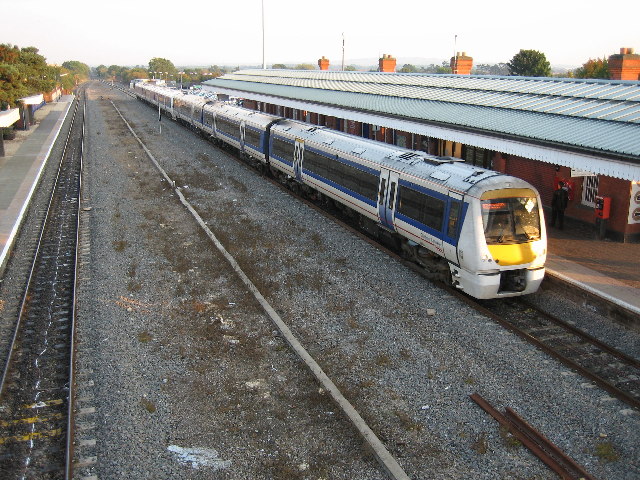
    Bicester North railway station, which connects Bicester to Oxford, Banbury and London

    Source: https://commons.wikimedia.org/wiki/File:Bicester_North_railway_station_1.JPG (Jon S / Wikimedia Commons, CC BY-SA 2.0)

    Where to live for a balanced life

    Comparing neighbourhoods

    • Bicester town centre – Close to shops, cafés and the main train station. Great if you want a lively high street and minimal travel time. Expect higher demand for rentals as the Siemens site approaches completion.
    • Chesterton and Wendlebury – Quiet villages just west of the A41. They offer more space and a village feel but still keep you within a short drive or cycle of the new factory. Local pubs and community centres add to the friendly atmosphere.
    • Launton – A village east of Bicester with a strong community spirit and easy access to the town’s amenities. Broadband coverage is generally good for remote work.
    • Kidlington and the Oxford fringe – Further south, these areas balance city amenities and access to the M40. Commutes to Bicester are longer but you’ll be closer to Oxford’s cultural life and larger supermarkets.
    Area Vibe Commute to the Siemens site Best for
    Bicester town centre Lively high street, shops and cafés Shortest, minutes by car or bike Minimal commute, walkable lifestyle
    Chesterton & Wendlebury Quiet villages, more space Short drive or cycle Village feel with easy access
    Launton Strong community, good broadband Short hop into Bicester Remote workers, community spirit
    Kidlington & Oxford fringe City amenities, cultural life Longer, via the M40/A34 Oxford access, bigger supermarkets

    When you’re weighing up different neighbourhoods, think about your budget, commute and lifestyle priorities. Do you want a lively high street or do you prefer quiet green spaces? Is a strong broadband connection a must for video calls? Do you need to be near schools, gyms or healthcare? Choosing a place that fits your everyday life matters more than living close to a headline‑making development.

    Transport links and weekend life

    Living near a station or regular bus can make your life easier. Bicester Village and Bicester North stations have trains to Oxford, Banbury and London, and buses connect smaller villages to the town. If you like going out in the evening, check how late services run, some rural buses stop early.

    Driving on the M40 gives quick links to Birmingham and London, but junction 9 where the A34 and A41 meet often gets congested during rush hour. If you cycle or walk, look into the new cycle paths and footways planned as part of the Siemens project.

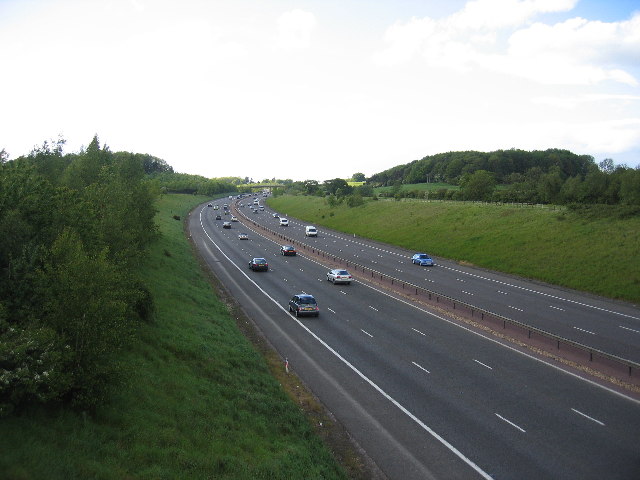
    The M40 motorway, one of the main routes into Bicester and Oxfordshire

    Source: https://commons.wikimedia.org/wiki/File:M40_in_Warwickshire.jpg (David Stowell / Wikimedia Commons, CC BY-SA 2.0)

    How to plan your move: six practical steps

    1. Clarify priorities: list your top needs, commute time, rent budget, lifestyle, and score each candidate neighbourhood against them.
    2. Chart your commute: map routes from each area to the proposed Siemens site via car, train, bus or bike. Test them during typical peak times and at quieter periods.
    3. Compare housing options: weigh the cost of renting versus buying. Consider service charges, utilities and how flexible each option is if circumstances change.
    4. Evaluate amenities: look at supermarkets, fitness centres, healthcare access, childcare, green spaces and social spots that support your wellbeing.
    5. Visit at different times: spend time in each neighborhood on weekdays, evenings and weekends to gauge noise, safety and community feel.
    6. Set a timeline and budget: plan your move, including a buffer for moving expenses and early adjustments. If details about the Siemens site change, being financially flexible will help you adapt quickly.

    Local logistics for visits and trial days

    If you’re visiting the area or attending an open day, mid‑week mornings or early afternoons give the most typical traffic conditions. Siemens may host information sessions for potential employees where you can learn about parking, shuttle services and accessibility. If you have mobility needs, ask about step‑free routes. Transport timetables often change during big construction projects, so check for updates before you travel.

    Frequently asked questions

    Is Siemens Healthineers definitely building near Bicester? Yes. In May 2024 the company announced a £250 million investment in a 56,000 m² factory in North Oxfordshire. Construction has started, and the site is expected to open in 2026.

    Will this make housing more expensive? Big employers often increase demand for nearby homes. Rents and house prices may go up, but the impact varies by area and property type. Flexible renting options can give you time to see how the market responds.

    How should I plan my commute? Pick a few places you might live and check travel options for each driving, cycling and public transport. Try the routes at the times you’d normally travel and watch for news about new bus routes, cycleways and parking linked to the project.

    Is it better to move now or later? That depends on your situation. Remote work or flexible hours might let you rent short‑term and wait for more details about the factory. Use reliable sources for updates and make choices based on what suits you.

    Ready for a fresh start?

    The Bicester corridor is on the cusp of change. A world‑class manufacturing facility will attract talent, spur investment and influence where people live and how they travel. Yet the fundamentals of a good life a supportive community, a manageable commute and a healthy living environment remain the same.

    At B‑Hive Living, we specialise in creating wellness‑led living spaces in Bicester, Oxford and Kidlington. Our coliving homes, studios and one‑bed flats are designed with biophilic principles, fast broadband and flexible lease terms. If you’re ready to explore your options, apply to live with us or visit our Hives page to see current availability.

    This article is for information only. Check company and local council updates before making housing decisions.

  • How to get a job in F1 when you already live in Motorsport Valley

    Living in Motorsport Valley gives you immediate access to the engines, the teams, and the ecosystem that drives Formula 1 excellence. If you’re wondering how to translate proximity into a practical career path, you’re not alone. The opportunity isn’t just about being in the right postcode; it’s about building the right skills, making the right connections, and applying with a plan that aligns with what F1 teams actually value. In this guide, we’ll map out concrete routes you can pursue from Oxfordshire, Banbury, and the surrounding hubs so you can move from “local proximity” to an on‑track role.

    You’ll find that the valley isn’t just a place to watch from the sidelines; it’s a living classroom with engineers, suppliers, and researchers who can accelerate your entry. The path may require focus and persistence, but it rewards practical action: targeted networking, hands‑on projects, and steady applications to openings that fit your experience. With the steps and insider tips below, you can shape a credible F1 profile while staying anchored to your local life in the Oxford/Bicester region.

    How to get a job in F1 when you already live in Motorsport Valley

    The core takeaway is simple: extend your local network, tailor your credentials to F1 needs, and pursue opportunities at the teams and suppliers that sit closest to home.

    Neighbourhoods and hubs you should know

    Motorsport Valley clusters around the Silverstone corridor and the Oxfordshire area, with Brackley and nearby towns hosting multiple engineering operations and supplier hubs. Grove and Oxford are notable for technical talent pools, while Milton Keynes and nearby business parks host a wide range of automotive and propulsion suppliers. The common thread is proximity: the closer you are to the teams and their suppliers, the more chances you have to collide with a relevant role through direct contact, referrals, or open days. Motorsport Valley remains a helpful starting point for mapping the landscape.

    “Networking isn’t a fancy extra in F1 recruitment; it’s how most people actually get in.”

    Shortlists and target roles to consider

    In the valley, there’s a practical split between engineering‑heavy roles and cross‑functional positions that keep the operation ticking. If you come from a traditional engineering background, look at mechanical, electrical, software, data analytics, and aero engineering roles that align with existing coursework or certifications. For non‑engineering entrants, operations, logistics, HR, marketing, sponsorship activation, and event coordination often value transferable skills and project experience. It’s common to find openings at teams directly or through Tier‑1 and Tier‑2 suppliers who partner with the F1 ecosystem.

    “The best entry points tend to be where your current skills meet immediate team needs—don’t force a square peg into a circular hole.”

    How to choose your path in the local context

    Choosing the right route depends on four practical factors: budget, vibe, timing, and transport. Budget covers any upskilling you might need (certifications, software training, or short courses). Vibe refers to team culture and whether you prefer a hands‑on lab atmosphere or a more structured corporate setting. Timing matters because recruitment cycles vary; internships and graduate schemes often run on annual timelines, while permanent roles appear year‑round in some shops. Transport is crucial; a short commute is a meaningful advantage when you’re in a fast‑moving industry where clocking in on time matters. Focus on roles where your current expertise gives you a credible entry point, and where you can realistically grow toward the skills F1 teams actively seek.

    “An informed plan beats a long shot—target opportunities that fit your skills and your commute.”

    Structured route to a role: a practical step‑by‑step plan

    1. Map the local F1 ecosystem: identify teams, suppliers, and engineering partners within your reach in Motorsport Valley.
    2. Tailor your CV to F1 needs: emphasise project work, simulations, CAD/CAE, data analytics, and problem‑solving capabilities relevant to race engineering.
    3. Build practical experience: complete small‑scale projects, open‑source simulators, or internships with local engineering groups to demonstrate tangible impact.
    4. Network strategically: attend local motorsport meetups, supplier days, and online communities; aim to connect with recruiters and engineers who work with F1 teams.
    5. Apply through official channels and nearby suppliers: submit targeted applications to teams’ internship/graduate programs and to Tier‑1/Tier‑2 suppliers that support F1 operations.
    6. Prepare for interviews with F1‑specific thinking: practise incorporating race‑team constraints, data‑driven decisions, and rapid problem solving into your responses.
    7. Keep a parallel track for adjacent roles: pursue opportunities in related sectors (aero, high‑tech manufacturing, or automotive R&D) to build momentum and transferability.

    Insider tip: cultivate a lightweight portfolio that shows how you’d contribute to a specific project your target team has publicised (e.g., a data‑driven decision or a CAD modification that could affect weight distribution). It helps you stand out in a crowded field.

    “Show tangible impact with your side projects; teams want to see what you can improve in real terms.”

    At a glance: a quick itinerary for starting out

      <liIdentify nearby teams and suppliers in Motorsport Valley and bookmark their recruitment pages.

    • Refresh your CV to highlight race‑relevant skills and projects.
    • Join local motor sport forums or clubs and attend one networking event per month.
    • Apply to internships, placements, and entry‑level roles, and set a reminder to follow up after two weeks.
    • Prepare a short, results‑focused pitch about how you’d contribute to a specific team goal.
    • Keep an eye on open days, open houses, or supplier demonstrations to meet engineers in person.

    Local logistics: getting there, timing, and practical notes

    Get comfortable with the practical rhythm of the valley’s opportunities. Travel times to Brackley, Silverstone, and the surrounding hubs are usually a consideration, so plan commutes during typical traffic windows and leave a buffer for site access. Book attendance at open days or recruitment events well in advance, and always check current hours before you go, as schedules can shift around racing calendars. If you’re visiting a team facility, bring a concise portfolio and a tailored one‑page CV you can hand to recruiters. For those relying on public transport, note that some teams are best reached by car, so map your route and parking options ahead of time. Accessibility notes vary by site; some facilities prioritise on‑site access for interview candidates, while others require a prior invitation or booking.

    If you’re in Oxford or Bicester and want to stay connected with the broader local scene, tapping into university‑led engineering cohorts and regional business networks can yield productive introductions. You might also discover open days or short courses hosted by local training providers that align with F1 needs. Always verify current schedules before planning a visit.

    FAQs

    FAQ: How to get a job in F1 when you already live in Motorsport Valley?

    Living in the valley gives you proximity, but you still need a practical plan: clear target roles, credible credentials, and a proactive network. Leverage local hubs, tailor your experience to F1 needs, and pursue pathways through teams and suppliers with a strong regional footprint.

    Do I need a degree to work in F1?

    Not all roles require a degree, but many technical positions benefit from STEM qualifications or relevant certifications. The most important factor is demonstrating applicable skills and a track record of practical problem‑solving that aligns with race engineering needs. If you don’t have a traditional degree, consider short courses or project work that demonstrates competency.

    Is it possible to switch from a non‑engineering background?

    Yes. Transferable skills can bridge the gap, especially in roles like data analysis, procurement, project management, and operations. Build a portfolio of relevant projects, seek targeted upskilling, and apply to roles that value your unique perspective alongside F1 requirements.

    How important is networking in Motorsport Valley?

    Networking is highly important. Many openings are filled through referrals or direct introductions, so building genuine relationships with engineers, suppliers, and recruiters increases your visibility and credibility.

    When do teams recruit for F1 roles?

    Recruitment cycles vary. Internships and graduate schemes often run in autumn or early spring, but there are permanent roles and contractor opportunities throughout the year, particularly with regional suppliers and engineering firms that support F1 operations.

    Can you work remotely in F1?

    Most core F1 roles require on‑site presence, especially in engineering and testing environments. Some data analytics or software‑focused positions may allow partial remote work, but on‑site collaboration is common in the valley’s teams and suppliers.

    Living in Oxfordshire’s Motorsport Valley provides a genuine edge for launching an F1 career, but it also demands a disciplined plan. Embrace the local ecosystem, build targeted skills, and commit to steady, strategic applications. If you’re ready to take the next step and want a place to call home between interviews and projects, consider exploring living options with B‑Hive Living in Oxford or Bicester to balance career momentum with a strong community base.

  • Why so many Formula 1 teams are based within 30 minutes of Bicester

    Why so many Formula 1 teams are based within 30 minutes of Bicester is a question that comes up frequently among local residents, engineers, and young professionals eyeing a high-octane career in motorsport. The short answer is that this corner of Oxfordshire sits at a strategic crossroads of talent, space, and connectivity, a combination that has quietly fostered a dense ecosystem of engineers, suppliers, and teams over the past few decades. From Enstone to Brackley and beyond, the area isn’t just about proximity to a track; it’s about access to live engineering culture, skilled graduates, and a logistics network that keeps complex projects moving smoothly—often at the speed the sport demands. For anyone settling into this part of the world, understanding why the clustering happened helps explain why so many teams call these lanes home.

    In this guide, we’ll unpack the factors driving the motorsport concentration near Bicester, what it means for local living and work, and how you can navigate the ecosystem whether you’re a potential resident, a supplier, or simply a curious fan. You’ll see how the regional identity—often grouped under the broad label of Motorsport Valley—tends to attract ambitious projects that need durable partnerships, fast prototyping, and a workforce with practical, hand‑on know‑how. If you’re already exploring Oxfordshire as a base, you’ll also find practical tips for living nearby, including how to balance work with the local pace of life in Bicester and the surrounding towns.

    Why the area became a magnet for Formula 1 teams

    Takeaway: A long-standing engineering culture, an established supplier network, and excellent transport links create a compelling, if quiet, ecosystem for high‑performance teams.

    Enstone’s historic base and the Alpine connection

    Enstone has long been associated with UK-based Formula 1 activity, hosting facilities that have supported aero, chassis, and powertrain work for teams over the years. Its relative proximity to Bicester—combined with the region’s deep network of advanced engineering suppliers—means teams can run wind tunnel work, composite fabrication, and rapid prototyping without excessive travel. The footprint here tends to be practical: large workshops, secure access, and a climate that supports year‑round testing and development. This part of the map matters because the right kind of space tends to be as important as the talent pool when a team is planning a base.

    “The talent here tends to move quickly, making decisions fast and keeping projects on track.”

    Brackley and the precision engineering supply chain

    Brackley, just up the road from Oxfordshire’s core towns, has long been a hub for precision engineering and manufacturing. The concentration of small to mid‑size engineering firms—many with aerospace or automotive heritage—provides a ready-made supply chain for F1 teams seeking high‑spec components and agile subcontractors. The locality’s familiarity with tight tolerances, long‑lifecycle components, and rapid turnaround times is frequently cited by teams as a decisive factor when selecting a base. It’s not about glamour; it’s about the robust, dependable network that can scale as a project moves from concept to race week readiness.

    Banbury and the wider supplier network

    Banbury, Didcot, and nearby towns have contributed to a broader, regional supplier ecosystem—from specialist machining and composites to precision instrumentation and logistics services. The near‑continuous stream of engineering talent graduating from nearby universities and colleges helps teams lean into a flexible, cost‑effective staffing approach without losing the hands‑on know‑how that makes complex development feasible. In practice, this means teams can access a broad talent pool while keeping the day‑to‑day operations within a sensible radius of their core facilities.

    “Timing is everything—drive times vary with traffic, so plan visits with live maps and flexible schedules.”

    Geography, logistics and access

    Takeaway: Location matters as much for daily life as for engineering velocity—easy access to skilled labour, suppliers, and transport routes helps teams stay lean and productive.

    Talent spillover from universities and apprenticeships

    The Oxfordshire region benefits from a strong engineering education pipeline, with universities and technical colleges nearby that feed project work with practical graduates who understand composites, machining, and data-driven diagnostics. For teams, this can reduce onboarding time and widen the pool of capable technicians, engineers, and test‑rig operators. For residents, it means more opportunities for apprenticeships, internships, and early career roles within a thriving motorsport ecosystem.

    Transport links and regional connectivity

    One practical advantage of the area is its network of well‑maintained roads and proximity to major corridors. The region connects efficiently to well‑traveled routes that support rapid logistics for parts, prototypes, and equipment. While individual travel times depend on traffic and your exact site, the general layout supports a “hub and spoke” approach: bases in the vicinity can share parts and specialists with minimal downtime, which is critical for fast iteration cycles in racing development.

    Cost, space and planning flexibility

    Compared with central urban bases or high‑priced tech enclaves, the Oxfordshire countryside and peri‑urban areas tend to offer larger spaces at relatively more sensible cost brackets. This isn’t about a bargain; it’s about sustainable long‑term space for wind tunnels, machining floors, and secure storage. Planning considerations in the region typically favour flexible, scalable layouts that can evolve with a team’s growth or shifting testing needs, which is especially valuable for smaller outfits expanding their footprint.

    “Locals tell you the best thing about this cluster is the practical, no‑nonsense approach to building a base that works.”

    Insider tips for locals and residents near Bicester

    Takeaway: Practical steps and insider knowledge can help you plug into the motorsport network quickly, whether you’re seeking a role, a partner, or a place to live that supports a demanding pace.

    1. Map the actual base locations and key suppliers within a 30‑minute drive of Bicester, then plot commutable housing options in towns like Bicester, Banbury, and the northern Oxford suburbs.
    2. Engage with local engineers and small firms early—ask about supply constraints, lead times, and preferred subcontractors to understand practical bottlenecks.
    3. Investigate housing options that support shift work, short commutes, and reliable broadband for remote collaboration and data analysis.
    4. Check planning and noise considerations before committing to a site; some testing activity can be restricted by local rules, so talk to the planning office early.
    5. Talk to councils and business groups about incentives, grants, or partnerships that may support relocation, expansion, or apprenticeships.
    6. Visit during typical working hours, not only on race weekends or media days, to gauge day‑to‑day operations, security, and accessibility.
    7. Build a short list of trusted local suppliers and service partners who understand the pace and precision a Formula 1 project requires.

    “In this region, speed is not just on the track—it’s how quickly teams can move from concept to concrete.”

    At a glance: a quick checklist for exploring a base near Bicester

    • Identify potential base spaces with room for workshops, wind tunnels, and secure storage
    • Assess access to skilled technicians and graduates from nearby institutions
    • Evaluate transport links and travel times to Brackley, Enstone, and other clusters
    • Preview living options that balance commute, cost, and community feel
    • Discuss planning considerations with local authorities and landlords
    • Collect references from nearby firms about collaboration and supplier reliability

    Local logistics: getting there, timing, and accessibility

    When planning site visits or relocations, rely on clear, current maps and live transport updates rather than static estimates. The area is known for straightforward road access to major routes, but traffic patterns can shift, especially around peak commuting times. If you’re coordinating a move for a team or arranging a supplier visit, consider off‑peak scheduling and a flexible timetable to maximise access to facilities and staff. Accessibility notes for teams often emphasise secure facilities, controlled access, and on‑site visitor checks; if you’re exploring a base as a neighbour or partner, verify guest arrangements with the facility’s management in advance.

    FAQs

    Q: Why are Formula 1 teams based near Bicester? A: The region embodies a motorsport ecosystem with a long engineering heritage, a robust supplier network, and access to skilled labour from nearby educational institutions. These elements collectively support rapid development cycles and collaboration across a tight geographic area.

    Q: Which teams have bases in or near Oxfordshire? A: The area has historical ties to several UK bases, including operations in Enstone and nearby hubs. It’s common for teams to partner with local suppliers and service providers in the broader Motorsport Valley corridor, but base locations can evolve over time, so it’s wise to check current official channels for the latest details.

    Q: Are there opportunities for residents to engage with the motorsport ecosystem? A: Yes. The mix of apprenticeships, supplier roles, and collaborative projects offers pathways for local residents to participate in engineering, manufacturing, and testing activities, often with a strong emphasis on hands‑on training and practical problem solving.

    Q: What’s the best time to visit or move to the area for motorsport work? A: Timing often depends on project schedules and race calendars rather than a single season. It’s useful to align visits with typical business hours and to request access during standard operating days to better understand daily operations and community considerations.

    Q: How can a newcomer break into the local network quickly? A: Start by joining local industry groups, attending introductory events hosted by business associations, and reaching out to nearby universities and colleges for internship or mentoring opportunities. Building relationships with a few trusted suppliers can also accelerate your integration into the ecosystem.

    Q: Where can I learn more about living options near Oxford and Bicester? A: Our guide to finding the best accommodation in Oxford offers practical insider tips for choosing homes that fit a motorsport‑driven lifestyle. If you’re considering a short‑term stay that gives you a feel for the area, you might also explore nearby shopping and lifestyle options, such as Bicester Village as a convenient local amenity.

    If you’re drawn to this energetic motorsport‑adjacent lifestyle, you may want to explore living with B‑Hive as part of your next move. You can apply to live with B‑Hive to start your journey in a community designed for flexible, professional living right next to the track‑side buzz of Oxfordshire.

  • Motorsport and F1 events happening around Oxfordshire this year

    Motorsport fans living in Oxfordshire or nearby may not realise just how much high-speed action sits within easy reach this year. While Silverstone Circuit remains the obvious hub for major F1 and national motorsport, the surrounding counties host a mix of historic race days, club events, and day-long track experiences that fit busy professional lives. This guide helps you map out the best options, choose viewing experiences that suit your vibe, and plan a weekend that keeps your work week intact while delivering maximum adrenaline.

    Whether you’re chasing a pure adrenaline fix, a social weekend with colleagues, or a family-friendly outing, there are ways to slot motorsport into a hectic schedule. The goal is to balance travel time, ticket availability, and the kind of event you’ll enjoy most—from a seat in the grandstands to a relaxed track-side view. Below, you’ll find what to expect, how to watch smartly, and practical steps to lock in a memorable motorsport weekend near Oxfordshire.

    Silverstone remains the focal point for Oxfordshire motorsport fans this year, with a packed calendar of high-speed action just a short drive away.

    What events to expect at Silverstone this year

    Silverstone consistently hosts a mix of marquee F1 weekends, GT and endurance racing, plus support events that give you a full two- or three-day motorsport experience. The official calendar is the best source for exact dates and ticket types, and it’s common for there to be track days or special events outside the peak weekends. If you’re prioritising F1 atmosphere, plan early and align your trip with the official announcements. Silverstone events can sell out quickly, especially for popular weeksender formats.

    Nearby circuits and options within easy reach

    For variety or a quieter day of racing, consider historic or club events at circuits within a comfortable drive from Oxfordshire. Castle Combe Circuit near Chippenham offers a compact, accessible weekend vibe with a strong club calendar. Thruxton Circuit in Hampshire provides high-speed layouts and frequent track days that are open to public spectators on certain days. Brands Hatch in Kent remains a classic choice for diverse racing programmes. Always verify the current calendar and ticketing details on each venue’s site before you go.

    “Silverstone weekends bring a shared energy that’s contagious, especially when you’re driving from Oxfordshire with friends.”

    “Booking ahead matters: tickets, parking, and transport options can fill up fast on peak event weekends.”

    Watching this kind of weekend smartly: pick the option that fits your pace

    Best viewing spots at Silverstone and beyond

    Grandstand seating at Silverstone varies in price and perspective, with some areas offering more shelter or a closer line-of-sight to the pit lane and corner activity. If you’re aiming for a grassroots vibe, consider general admission on one of the viewing mounds or a ticket that grants access to certain stands and paddock areas during open practice or qualifying days. For a family-friendly day, look for packages that include access to entertainment zones and facilities around the circuit.

    Budget-conscious and family-friendly approaches

    To stretch a motorsport weekend without compromising enjoyment, mix a marquee event with a more affordable day at a nearby circuit. Many venues offer day tickets that include a mix of practice sessions and races, which can be easier to schedule around work commitments. Pack a lightweight picnic, bring blankets for grassy viewing zones where permitted, and check which facilities are open on the day you attend.

    Accessibility and transport considerations

    Getting to Silverstone and other circuits from Oxfordshire is typically straightforward by car, with ample parking on most weekends, though peak events can require early arrival. Rail options exist to nearby towns with onward transport to the venues, and some events run spectator shuttles or local bus services. If accessibility is a key factor, check current venue guidance on mobility access, seating availability, and any require­ments in advance.

    “A well-planned route between Oxfordshire and Silverstone can turn a busy weekend into a smooth, low-stress outing.”

    “Double-check accessibility provisions and parking rules before you buy tickets.”

    How to plan your weekend: a practical checklist

      1. Identify the target event or events you want to see and cross-check official calendars for dates.
      2. Decide your base: stay in Oxfordshire if you want to reduce travel time, or plan a longer day with a quick detour to a nearby town for dinner or sightseeing.

    Choose transport: car travel is common for weekends with friends; if taking the train, map out a reliable route with a return option that fits your schedule.

    • Book tickets as soon as the calendar opens; look for early-bird or family packages where available.
    • Plan your viewing route and logistics: know which stands or viewing mounds you want to access and how to reach them from parking or stations.
    • Look for insider experiences: guided paddock tours or short pit-lane walks are sometimes available as add-ons at select events.
    • Pack practical gear: weather-appropriate clothing, sun protection, ear protection, a compact seat or blanket, and a small thermos or snacks.
    • Create a post-event plan: a relaxed drive back to Oxfordshire, with a plan to recover and catch up on work the next day if needed.


    Insider tips: sign up for event newsletters in advance to receive last-minute updates on schedule changes, and favour flexible tickets where possible if your plans might shift due to work commitments. For accessibility, check venue pages for the latest parking and seating guidance before you travel.

    Getting there and local logistics

    Transport and parking basics

    For a typical Oxfordshire-to-Silverstone journey, driving is the most common choice, offering the flexibility to depart when it suits you and to return home at your own pace. Peak event weekends may require arriving early to secure parking and the best viewing spots. If you’re relying on public transport, plan multi-leg routes with reliable return options, and be mindful of potential crowding on busy days.

    Best times to visit and booking notes

    Summer and early autumn often feature the most active race calendars at Silverstone and nearby venues, but schedules can vary year to year. Always confirm dates and ticketing windows on the official event sites and consider weekend combinations that let you enjoy a full motorsport experience without overloading a single day. Accessibility notes, food and beverage availability, and volunteer or club-lounge options can differ by venue, so read the latest guidance before purchasing.

    At a glance: weekend snapshot

    • Base near Oxfordshire with flexible travel to Silverstone or nearby circuits
    • Choose between a marquee F1 weekend or a quieter track-day day
    • Book early, but check for a modular ticket option if possible
    • Plan a post-event meal or brief exploration in a nearby town
    • Pack a compact, weather-ready kit and comfortable footwear

    FAQs

    • Can I watch F1 at Silverstone without staying overnight? Yes, but it may be a long day; check the event schedule and transport options to ensure you can return home comfortably the same day if that suits you.
    • Are there family-friendly motorsport days near Oxfordshire? There are events and facilities that cater to families at several circuits; verify age restrictions and kid-friendly zones on the official sites before booking.
    • What’s the best time to visit for a balance of action and travel ease? Summer and early autumn weekends are common favourites, but always verify the calendar as schedules shift year to year.
    • How long is the typical drive from Oxford to Silverstone? It’s usually around an hour or more, depending on traffic, so plan buffer time for peak periods and parking arrival.
    • Can spectators access paddock or pit areas? Some events offer limited-access experiences; confirm what’s available at the specific weekend you’re attending.
    • Are there accessible viewing options? Yes, many venues publish accessibility guidance, including seating and parking details; check in advance to book appropriate placements.

    Living with purpose in Oxfordshire means weaving the local pace of life with global motorsport energy. A weekend at Silverstone or nearby circuits can fit alongside work commitments, offering a refreshing break and a chance to connect with the regional racing community. Our aim is to help you locate the best fits, maximise your viewing, and keep things practical for a busy professional life.

    If you’re looking for a home base that supports an active, social lifestyle around your motorsport weekends, consider applying to live with B-Hive.

  • A practical housing guide for motorsport professionals renting nearby

    Finding a comfortable, well-connected base near Oxford and Bicester can make a huge difference to a motorsport professional’s week. The demands of race weekends, team logistics, and post-event downtime all hinge on where you live. This practical housing guide aims to help you rent nearby with confidence, balancing proximity to circuits with sensible budgets, flexible leases, and a real sense of local life. Whether you’re relocating temporarily or seeking a longer-term arrangement, the right home sets the tone for focus, rest, and staying connected to the community you work with.

    In this guide you’ll find neighbourhood considerations, rental types that typically suit fast-paced schedules, and insider tips that often go unmentioned when scoping homes around sport seasons. We’ll flag common mistakes to avoid and offer a quick-start box so you can map a sensible plan in minutes, not weeks. It’s all about making mobility work for you—without sacrificing daily comfort, broadband reliability, or parking near the team’s base.

    • Best base types for motorsport teams: serviced apartments, private rentals with flexible leases, or coliving arrangements.
    • Best time to search: start well ahead of race weeks; midweek viewings tend to be easier to secure.
    • Who this is for: remote workers and on-site team staff needing predictable commutes and flexible terms.
    • Quick logistics: prioritise proximity to major routes (M40, A34) and rail links to Oxford and surrounding towns; confirm parking where needed.
    • Map your key commute times to Silverstone, Oxford, and Bicester hubs to identify realistic bases.
    • Identify 3 top neighbourhoods with good rental options and a balance of quiet and convenience.
    • Prepare a rental pack early (references, proof of income, right-to-rent documents) so you can move fast.
    • Decide on lease types (short-term, flexible, or longer-term) based on upcoming race commitments.
    • Schedule viewings during off-peak times to avoid bidding pressure from peak season.
    • Check parking, broadband speed, and access to reliable gym or social spaces for downtime.

    Your base near race hubs: location and commute shape your week.

    Location and commute shape the rhythm of race weeks, downtime, and recovery between events.

    Neighbourhoods and proximity: what to look for

    When motorsport schedules tighten, you’ll value areas that offer straightforward access to major routes and practical post-event routines. In and around Oxford and Bicester there are different vibes—some closer to the city with lively cafés and easy grocery runs, others quieter and more suburban, yet still well connected to the main roads and rail links. Look for places with straightforward driving routes to the team hub, with ample parking or secure on-site options, and easy access to supermarkets, laundry facilities, and a reliable broadband connection for remote work when required.

    Shortlists you can build quickly

    Building a short list starts with a simple map: note the distance from each potential base to the circuit or team base, plus the best public transport or driving routes for race days. Serviced apartments can offer flexible tenancy terms and utilities included, which helps when you’re balancing long hours and travel. HMOs or coliving setups may deliver cost savings and social support, but pay attention to shared spaces and noise policies during busy weeks. Private rentals with flexible break clauses can be ideal for seasonal rotations, provided the lease terms suit your calendar.

    Insider tips (three you’ll actually use)

    – Insider tip: prioritise landlords and agents who understand seasonal work and can offer flexible start dates or mid-week viewings.
    – Insider tip: clarify parking availability and vehicle access early—race-week volumes can change parking rules quickly.
    – Insider tip: check broadband speed and mobile signal in the exact room you’ll use for video calls; a good line can cut down on late-night tech glitches.

    For race weeks, a base with flexible terms and reliable transport links truly pays off.

    Housing options that work for busy schedules

    Long-term rentals with sensible lease terms

    Long-term rentals with flexible break clauses are a solid backbone when schedules are fluid. They offer stability for off-season training or lighter workloads while preserving the option to relocate when teams shift bases. In practice, you’ll want to confirm that utilities are reasonably priced or included where possible, and that the lease allows for occasional extended stays if a race calendar throws a curveball. A quiet neighbourhood with good local services can help you recover after late nights at the facility.

    Serviced apartments and short-term lets

    Serviced options can be a smart match for busy professionals who move with race calendars or have variable weeks. They provide furnished spaces, on-site maintenance, and utilities bundled into one monthly rate, which simplifies budgeting. If you expect to stay for 1–3 months or need a seamless move-in process, these can be time-savers. Look for options with secure access, reliable housekeeping, and Wi‑Fi suitable for streaming, heavy uploads, or virtual meetings.

    HMOs and coliving: pros, cons, and practical checks

    Coliving or HMOs can reduce upfront costs and foster a supportive local network, which can be valuable during a demanding season. It’s important to review house rules, noise policies, and shared-space expectations, since you’ll be sharing kitchen, living, and sometimes parking spaces. If you prefer quiet evenings or have a late-night routine after a race, verify room layouts and sound insulation before committing. Insider tip: ask about dedicated workspace options within common areas or private rooms.

    Short-term corporate lets: a flexible middle ground

    Short-term corporate lets blend the flexibility of serviced options with the privacy of a private rental. They often come with more predictable terms for teams and contractors who need to align housing with shifting contracts. As with any lease, clarify renewal options, deposit terms, and the process for extending a stay if a major event runs longer than planned.

    How to choose your base: budget, vibe, timing, transport

    Budget and costs

    Set a practical monthly cap that covers rent, utilities, and transport. In the UK rental market the total cost can fluctuate with demand around race periods, so build a buffer for potential increases or short-notice viewings. Where possible, negotiate inclusions (utilities, internet, or parking) to keep monthly outgoings predictable. If you’re unsure about long-term cost trajectories, a serviced option with bundled utilities can remove many unknowns.

    Vibe and community

    Your preferred environment matters for energy and focus. A busy city-edge base might provide quick social options and gym facilities, while a quieter suburb can offer calm after a hectic week. Consider proximity to healthcare, grocery stores, and a local café culture that supports late-night or weekend work if needed. A sense of community can be as valuable as a short commute when you’re on a demanding schedule.

    Transport links

    Efficient transport is essential for turning race weeks into smooth weeks. Prioritise homes near reliable rail or road corridors to your circuit and team hub. Verify parking arrangements if you’re bringing a vehicle, and check travel times during peak traffic periods to avoid mismatches between planning and reality. If you rely on public transport, ensure bus or rail services align with your typical working hours.

    Timing around race days

    If possible, align your move with quieter weeks or the off-season to secure better lease terms and avoid bidding spikes. For long-haul relocations or multi-event stretches, it’s worth considering a base that offers a flexible start date and an easy path to renewal should your schedule extend.

    How to secure a rental quickly: fast-track steps you can follow

    1. Define a practical search radius and a short list of priority areas near Oxford, Bicester, or Silverstone corridors.
    2. Gather a rental dossier: reference letters, employer letter, proof of income, and right-to-rent documents so you can move fast.
    3. Ask agents about flexible lease options and mid-season move-in dates; explain your race schedule up front.
    4. Book viewing slots promptly, aiming for midweek times to reduce competition.
    5. Keep a simple tracking sheet of properties, including rent, inclusions, lease length, and renewal options.
    6. Be prepared to offer reasonable flexibility on start dates, parking, and furniture if needed.
    7. Confirm essential details (parking, broadband speed, accessibility) before signing contracts.

    The steps above help you move quickly without sacrificing important checks. For rights and tenancy clarity, you can consult GOV.UK guidance on private renting and rights to rent as you narrow your options. This ensures you’re aligned with standard practices while focusing on what matters most for your schedule and wellbeing.

    Local logistics: getting there, best times, and practical notes

    Oxford and Bicester sit within a network of accessible roads and rail links, making it possible to balance early starts with sensible evenings. When planning race-week commutes, consider preferred routes, potential traffic hotspots, and alternative options in case of incidents on those routes. For accessibility, choose homes with easy entry to a ground-floor space or lift if you’re carrying kit, and confirm nearby shops and pharmacies to minimise weekend trips during long events. If a particular property lists a parking space, confirm the permit process and any visitor restrictions ahead of time.

    FAQs

    What is a practical housing guide for motorsport professionals renting nearby?

    A practical guide focuses on flexible lease options, reliable transport links, and how to balance race-week pressures with downtime, while keeping within a sensible budget and a connected community.

    Which neighbourhoods around Oxford and Bicester are best for commuting to Silverstone or the team base?

    Look for areas with straightforward road access and reliable public transport, prioritising proximity to major routes (such as M40 and A34) and rail stops that connect to Oxford and surrounding towns. Quiet residential pockets near these routes often offer a good balance of convenience and calm.

    How far ahead should I start searching around race weeks?

    Starting several months ahead is advisable, particularly if you need a flexible lease or plan to move during peak periods. Early preparation helps you secure options with appropriate parking, internet, and access to essential services.

    What lease types offer the most flexibility for seasonal work?

    Short-term lets, serviced apartments, or private rentals with flexible break clauses can provide the needed adaptability. Always confirm renewal terms, notice periods, and any restrictions on subletting or temporary adjustments.

    What should I check before signing a tenancy?

    Check parking arrangements, broadband speed and reliability, access to essential services, and the lease terms regarding break clauses, deposits, and utilities. Also verify the proximity to your workspace and any race-week scheduling constraints.

    Soft brand close

    Finding a home that supports a demanding motorsport schedule is about smart planning, local know-how, and a sense of belonging in a city that blends academic life with professional ambition. By focusing on practical bases, flexible lease options, and strong transport links, you can keep your week flowing smoothly and your downtime restorative. If you’re ready to move with confidence and clarity, consider applying to live with B-Hive and start the next chapter of your professional journey with a place that truly supports your pace.

  • Weekend things to do in Bicester that aren`t the outlet village

    Weekend things to do in Bicester that aren`t the outlet village

    Weekend breaks in Bicester often orbit the outlet village, but there’s a richer weekend story to tell beyond the racks and queues. If you value quiet green spaces, a touch of local history, and low-key cafés, you’ll find plenty to enjoy without rushing from one shop to the next. This guide focuses on weekend things to do in Bicester that aren’t the outlet village, with practical tips to help you plan a relaxed, fulfilling couple of days in and around the town.

    From gentle strolls along countryside paths to hidden corners of historic lanes and friendly, independent spots to linger over coffee, you can craft a weekend that fits your energy. The aim is to showcase Bicester as a community hub with its own pace, where nature, culture, and good company come first. You’ll find insider tips, practical planning notes, and a few ideas you may not have considered before.

    A weekend compass: weekend things to do in Bicester that aren’t the outlet village.

    This quick takeaway helps you decide how to spend a weekend here: mix nature, culture and casual bites to create a low-stress but rewarding couple of days away from the main shopping strip.

    “Begin with a quiet morning walk before the town wakes, and you’ll see a different Bicester.”

    Green spaces and countryside on your doorstep

    One of the easiest ways to reset on a weekend is to step outside and breathe in the local countryside. Bicester sits near open spaces and gentle routes that tend to be quieter on weekend mornings. A short detour to nearby green spaces offers fresh air, birdsong, and a sense of space that’s hard to find amid the shopping corridors. If you’re new to the area, a simple circular stroll or a steady riverside or meadow walk can anchor your day and leave room for a relaxed lunch or a long coffee break. Always check current access notes before you go, especially in seasonal weather.

    “A calm stroll after breakfast often leads to surprising conversations with locals who are happy to share a hidden path or a favourite viewpoint.”

    Nature, walks and outdoor spaces

    Local parks and easy trails

    Like many Oxfordshire towns, Bicester offers approachable green spaces that work well for a weekend morning or an easy afternoon. These spots are ideal for a low-effort plan: a slow stroll, a bench for people-watching, and perhaps a picnic if the weather allows. Insider tip: start early to enjoy the grounds before anyone else arrives, then finish with a long, leisurely coffee in town.

    Short countryside loops for a half-day

    If you’ve got a couple of hours, explore a short countryside loop that can be completed at a gentle pace. These routes tend to be straightforward, well-signposted, and flexible for weather changes. Pack light and bring water; you can tailor the route to your mood, whether you want a longer ramble or a few quick, scenic viewpoints along the way.

    Culture, history and hidden corners

    Historic lanes, architecture and quiet corners

    Bicester’s town lanes and historic corners offer small stories that give you a sense of place without the crowds. Wandering a churchyard, peeking into a narrow alley, or spotting a timber-framed building can feel like a mini time travel. If you’re curious about local history, check for any short exhibitions or talks happening at small community spaces or libraries—these are often less crowded on weekend afternoons.

    Galleries, local displays and informal culture

    Even without a major museum, Bicester has intimate cultural pockets: small galleries, rotating local art, and occasional pop-up showcases. When you find a display, take your time with it—these spaces often reward slower, observant visits. For broader context on regional culture, you can explore resources from Visit Oxfordshire or local councils to see what’s on during your visit.

    “Little discoveries — a tucked-away door, a handwritten note in a doorway — are what make a weekend feel special.”

    Food, cafés and local spaces

    Independent cafés and casual bites away from the mass-market clusters

    After a morning out, a land-mark break at a small, independent café can be the heart of your weekend. Seek places with friendly service, real coffee, and simple plates that let you relax into the day. Choosing non-chain spots often means friendlier conversation and a sense of community you won’t get in the outlet corridor. If you’re visiting with a friend, a laid-back brunch or a light lunch can set a comfortable pace for the rest of the day.

    Secret corners and offbeat stops

    Off the main drag, you’ll find local favourites that aren’t on the typical tourist map. These may be tiny eateries, a bakery with daily specials, or a tea room with vintage decor. Insider tip: ask residents for a “favourite seat” or a “cozy corner” in a café; these micro-choices often lead to memorable conversations and a more personal experience.

    Common mistakes to avoid

    • Assuming all venues are open at the same times on weekends; always verify current hours before you plan a stop.
    • Trying to cram too many activities into one day; balance walking, downtime, and eating so you don’t burn out early.

    Practical planning: getting there, timing and choosing your vibe

    Plan your weekend with flexibility in mind. Bicester’s strength is in its mix of green spaces, small cultural pockets, and independent food spots, all of which feel accessible without a car if you map things carefully. It’s worth checking local transport options ahead of time and keeping a couple of backup options in case a venue is busier than expected or weather shifts your plans.

    Getting there and best times to visit

    Most visitors access Bicester by road or rail, and weekend schedules can vary. If you’re using public transport, verify the latest timetables before you go and consider a later afternoon return if you’re enjoying a long lunch or a second coffee stop. For drivers, aim to arrive mid-morning to beat any weekend shopping traffic, then depart before the late-afternoon peak. Accessibility is generally straightforward in town centre areas, but it’s worth checking specific venues in advance if you have particular access needs.

    How to choose your weekend vibe

    Think about three practical filters before you plan: budget, pace, and transport. If you’re prioritising nature and easy walks, build a route around green spaces and peaceful lanes. If culture calls, schedule a morning or afternoon around a couple of low-key galleries or exhibitions. If food and social time are your priority, cluster a couple of independent cafés and a casual lunch around the same area to minimise backtracking. These choices help you avoid fatigue and keep the weekend enjoyable.

    At a glance: weekend checklist

    1. Decide your vibe: nature, culture, or food-focused.
    2. Check opening hours and any required bookings for venues you want to visit.
    3. Map a practical route that minimizes backtracking and allows a relaxed pace.
    4. Reserve spaces where needed (cafés, small galleries, or community venues).
    5. Pack according to the forecast; layer for potentially changeable spring/fall.
    6. Start with a calm morning activity and finish with a leisurely coffee or dessert to round off the weekend.

    Frequently asked questions

    • Q: What are the best non-outlet weekend activities in Bicester?
      A: Focus on nature walks, quiet lanes for wandering, small galleries or exhibitions, and independent cafés away from the main shopping area.
    • Q: Is Bicester Heritage open on weekends?
      A: Hours can vary by season and events; check the official site before you go to confirm access and any ticketed events.
    • Q: How long should I spend in Bicester to cover these activities?
      A: A well-paced plan often fits two half-days or one full weekend day plus a relaxed morning or afternoon, depending on how much time you want to spend in cafés and outdoors.
    • Q: Are there kid-friendly options?
      A: Yes—easy nature walks, parks, and casual cafés with space for families tend to be good bets on weekends.
    • Q: What about public transport around Bicester?
      A: Local bus routes and railway connections can help you navigate between pockets of the town; always check current timetables before setting out.

    Soft brand close: Living well in Bicester comes from balancing time outdoors with small, enriching cultural moments and good, simple food. The town rewards a slower pace—one where you notice the textures of daily life, from the chatter in a café to the quiet hedgerows along a country path. It’s a place where remote workers and young professionals can find a weekend rhythm that suits both focus and social time, right here in Oxfordshire.

    If you’re exploring long-term living in Bicester, you might consider applying to live with B-Hive to join a community of like-minded peers.

  • What daily life is actually like for young professionals renting locally

    What daily life is actually like for young professionals renting locally

    Living as a young professional renting in Oxford or Bicester blends practical logistics with the texture of daily life. You balance a busy work schedule, commuting, and a budget that stretches across rent, bills, and the occasional social outing. It’s common to swap a long city centre commute for a shorter ride and a brighter flat that feels like home rather than a dorm. If you’re new to the area, you’re not alone; many peers navigate the same rhythms and choices. With energy, good timing, and clear priorities, daily life begins to feel manageable rather than overwhelming.

    Across Oxford and Bicester, weekdays often hinge on a reliable routine: a strong morning cafe, a workable commute, and evenings that offer both recharge and connection. The aim of this guide is to translate those rhythms into a realistic daily life blueprint—covering neighbourhood differences, housing types, transport, and budget-friendly hacks. By sharing practical steps and insider tips, we’ll help you move from staring at listings to feeling settled, productive, and part of a local network.

    Where daily life for rent-ready young pros tends to settle

    One clear takeaway is that location tends to shape your day as much as your rent amount. Proximity to work hubs, transit lines, and social spaces often determines how you spend mornings, where you grab coffee, and how you unwind after hours. In Oxford you might prioritise central access without sacrificing quiet streets; in Bicester, proximity to the town centre or new housing developments can reduce travel time while offering newer, more energy-efficient flats. The best balance is usually a short, pleasant commute plus enough local amenities to minimise evening chores.

    Proximity to work hubs and transit

    Many renters prefer pockets with fast bus routes, reliable cycle paths, and easy access to mainline stations. A compact, well-connected location can free up energy for evenings out, gym sessions, or a quick dinner with colleagues. If you’re on a hybrid schedule, a place with reliable Wi‑Fi in the common areas or a nearby cafe for virtual meetings can be a big win. UK tenancy guidance often highlights the importance of practical transport and sustainable utilities as part of a healthy rental arrangement.

    Neighbourhood vibe and safety

    Neighbourhood feel matters as much as price. Some renters choose quieter residential streets with easy access to parks or riverside paths, while others prefer lively streets near cafes and socials. It’s common to test the vibe by visiting on a weekday afternoon, noting footfall, noise levels, and how easy it is to find a park or bike stand. Insider tip: even a short walk beyond the student-friendly zones can yield calmer evenings and better room layouts without dramatically higher rents.

    Small daily choices—where you walk, where you work from home, and where you socialise—add up to bigger energy and mood shifts.

    Your daily routine: work, commute and after-work life

    A reliable routine is the backbone of a balanced rental life. Your weekday rhythm often starts with a quick morning ritual, a practical commute, and evenings that blend rest with social connection or personal projects. In Oxford and Bicester, the best routines streamline errands, grocery runs, and occasional gym sessions so they don’t steal time from work or leisure. If you’re new, gradually tuning this rhythm can help you identify your ideal work-from-home days, the best café for a late afternoon call, and the quickest route home after late meetings.

    Morning routines and coffee spots

    Many renters establish a predictable start: a quick shower, a simple breakfast, and a hot cup from a nearby café before you log on. Finding a couple of dependable spots along your route can cut decision fatigue and turn the morning into a pleasant ritual rather than a sprint. Insider tip: aim for places that offer reliable Wi‑Fi and plug points, so you can squeeze in a productive start if you need to.

    Commuting choices

    Bike paths, bus routes, and park-and-ride options all tend to feature in daily plans. If you bike, a light, well-lit route and safe storage can make cycles a no-brainer even on busy days. For many, a hybrid approach—cycling on pleasant days and taking a bus on wetter or darker mornings—works well. If you drive, consider nearby neighbourhoods with affordable resident parking or easy access to ring roads to reduce congestion during peak times.

    Efficiency in transport = more energy for weekdays and weekend plans.

    Evening wind-down

    Evenings often blend chores with social life or personal time. Cooking at home, meeting friends at a local café, or joining a weekday running club can be effective ways to decompress while staying within budget. The key is to avoid over-scheduling, so you don’t arrive at the weekend feeling drained. If you’re unsure where to start, a recurring weekly date at a near-by community space can help you build a sense of belonging without a heavy time commitment.

    Housing options and costs: what you can realistically expect

    Rents and living arrangements in this area tend to vary with location, size, and whether you choose to share. Shared flats, modest studios, and 1‑bed rentals are common options for young professionals. Tenancy terms can range from six to 12 months in many cases, with bills for electricity, water, and internet often separate unless included in the rent. It’s common to negotiate on the deposit and the inclusion of some utilities, especially if you’re willing to commit to a longer tenancy or a reputable letting agent. For solid guidance, official guidance on private renting can be found here.

    Types of housing you’ll see

    Expect a mix of compact studios, 1‑bed apartments, and shared houses. Shared housing can offer higher energy efficiency and sociable living, but it requires clear house rules and reliable communication with flatmates. Stand-alone options tend to be pricier but may provide more privacy and better sound insulation. Each option has trade-offs in space, noise, and the time you’ll spend coordinating with others.

    Tenancy terms and bills

    Most flats come with a minimum tenancy of six months to a year, with energy and water bills often billed separately. If you’re moving into a shared home, confirm who covers communal areas and whether bills are capped or set monthly. It’s helpful to verify internet speed and coverage for those who rely on remote work. For legally guided details on tenancy rights, see the private renting guidance cited above. Private Renting (UK)

    Budgeting tips and how to choose

    Smart budgeting balances rent with council tax, utilities, groceries, and social life. A practical rule is to keep total housing costs under a third of take-home pay where possible, and to track bills monthly to spot spikes. When choosing a place, weigh budget against vibe, commute time, and neighbourhood safety. How you split costs with flatmates can significantly affect what you can afford each month, so set ground rules early.

    Insider tip: ask landlords or agents about potential energy efficiency upgrades or recent boiler replacements—that can lower bills and improve comfort in the colder months.

    Budgeting well means more weekends and fewer energy debates at home.

    Social life and community: building a local network

    Building a social circle in a new city is often as important as finding a good apartment. In Oxford and Bicester, nearby coworking spaces, cafés with reliable Wi‑Fi, and community groups can become the backbone of your week. A little effort to join recurring events—like a weekday lunch hack, a running club, or a monthly residents’ meet‑up—can yield a reliable circle of colleagues and friends who understand the rhythm of your work week.

    Getting involved locally

    Joining a local club, volunteering for a campus or community event, or simply saying hello to neighbours in the block can quickly translate into practical support: someone to share a lift on bad days, a familiar face at the gym, or a recommendation for a reliable handyman. Insider tip: look for social runs or book clubs that meet near your usual commute to reduce extra travel and build familiarity fast.

    Insider tips

    Choose a neighbourhood with a couple of easily accessible social anchors—coffee shops, a park, and a small retail strip—so you don’t rely solely on formal invitations to feel at home. Blockquote: “Consistency beats intensity: small, regular social moments beat sporadic big nights.”

    Community grows from small commitments—a weekly meet‑up or shared dinner can change your week.

    At a glance: a practical week-by-week mini‑itinerary

    1. Define your monthly housing budget (rent + utilities) and set a target neighbourhood vibe (central, green, quiet, or mixed).
    2. List 3–5 candidate areas based on commute time and local amenities.
    3. Arrange viewings for 2–3 properties and confirm energy/bill setups before signing anything.
    4. Check internet options and speeds in each flat; verify landlord responsiveness and maintenance expectations.
    5. Decide on living with others or solo; establish clear house rules and cost-sharing if shared.
    6. Set up essential services (gas/electric, water, broadband, council tax) and a simple grocery plan.
    7. Build a flexible weekly routine that blends workdays, social slots, and downtime to avoid burnout.

    FAQs

    • Q: How soon should I start looking for a place after moving? A: It’s wise to start researching a few weeks before you move, then schedule viewings as soon as you arrive to secure options with reasonable terms.
    • Q: Is it better to rent alone or with housemates in this area? A: Shared housing can be more budget-friendly and social, but you’ll want clear house rules and reliable communication with flatmates.
    • Q: What should I check before signing a tenancy agreement? A: Confirm the rent, deposit, what bills are included, the length of the lease, notice periods, and responsibility for repairs. If in doubt, consult the official private renting guidance.
    • Q: Are there specific local tips for Oxford vs Bicester? A: Oxford typically offers more central options with dense transit, while Bicester may provide newer housing and more affordable rents in commuter-friendly pockets—evaluate trade-offs like travel time and access to services.

    Moving to Oxford or Bicester as a young professional is about translating aspiration into practical, repeatable routines. It’s about choosing a place that keeps you close to work, offers a humane pace, and invites you to belong to a micro-community that fits your life. If you’re ready to find your next home, applying to live with B-Hive can be a natural next step—connecting you with supportive housing and a welcoming local network that understands the rhythm of early-career life in this part of the UK.

  • Where your money goes further: Bicester versus Oxford

    Where your money goes further: Bicester versus Oxford

    Where your money goes further: Bicester versus Oxford may feel like a daily equation for young professionals balancing rent, transport, and coffee. In Oxford, the pull of history, universities, and culture makes every pound feel more precious, while Bicester often offers a calmer pace and more space for your money. This guide helps you compare day-to-day costs, housing options, and lifestyle trade-offs so you can choose a base that genuinely sustains your work-from-anywhere life. It’s not just about price tags; it’s about how your location supports your week, your network, and your downtime.

    From monthly bills to weekly groceries, commuting rhythm to after-work social life, the balance shifts with neighbourhoods and routines. Below, you’ll find practical criteria, straightforward comparisons, and pragmatic tips to help map where your money actually goes further in daily life. This isn’t about hype; it’s about realistic costs, local options, and a plan to make either place work for your career and your day-to-day.

    Housing and daily costs largely determine how far your money goes.

    Which Bicester neighbourhoods balance space, accessibility, and price

    In Bicester, you’ll typically find a mix of newer estates on the town’s edge and older streets closer to the town centre. Housing on the periphery tends to offer more space for your money, which can translate into a comfortable home office and room for guests without breaking the bank. If you value a quieter pace and green surroundings, consider developments that blend good transport links with easy access to local shopping and parks. Be mindful that proximity to essential services can vary by area, so map out your weekly routine before you choose.

    Oxford districts where lifestyle can push costs higher

    Oxford’s pull comes from culture, proximity to universities, and a compact town core. The places closest to the city centre or a university campus often carry premium rents and service costs, but they also shorten commutes and expand after-work activity options. It’s common for value to cluster in specific pockets—parts of East Oxford or university-adjacent streets, for example—where a balance between access and price can be found. Always check distance to work, groceries, and train or bus stops when weighing options.

    Transport and access: time, money, and convenience.

    Commuting patterns from Bicester: options and tweaks

    Living in Bicester can reduce housing costs, but it may require more time or planning for a regular commute to Oxford or surrounding employment hubs. Look for routes and timetables that align with your work hours, and consider whether you might swap some days for remote work or flexible hours. Cycling can be a practical option for shorter hops to stations or workplaces, provided you have secure storage and safe routes. Always verify current services and peak-time reliability before committing.

    Oxford’s commute essentials: proximity vs congestion

    In Oxford, being closer to work or study locations often shortens daily travel and can boost your overall quality of life. However, central locations may bring higher rents and busier streets. If your job or routines demand frequent trips into town, a well-connected neighbourhood with quick access to public transport can save time and reduce car costs. When evaluating options, map out your typical week—appointments, social events, and gym sessions—to see where time and money are best spent.

    Shopping, dining, and leisure: getting the most from every pound.

    Grocery choices and budget planning

    Both towns offer a mix of supermarkets and local shops, with price variance depending on location and type of store. In Bicester, you may find broader choice at slightly lower staple prices on the edge of town, while Oxford can offer convenience and variety that reduces additional travel costs but sometimes at a premium. Plan a weekly shop that aligns with your commute and storage space, and consider occasional bulk buys if you have the capacity to store them.

    Eating out and social life

    Eating out in Oxford tends to come with higher price tags in some parts of town, but it also delivers a wider range of cuisines and venues within walking distance of work or study hubs. Bicester offers a more relaxed dining scene with easy access to local cafés and family-style venues, which can help stretch evenings without a hefty bill. Your budget will breathe easier if you mix in occasional splurges with regular, affordable options close to home.

    Culture, fitness, and entertainment on a budget

    Access to museums, theatres, and outdoor spaces matters for daily life. Oxford’s academic and cultural institutions can provide rich experiences, sometimes with member or student discounts, while Bicester offers direct access to parks, community activities, and nearby countryside adventures that feel affordable and accessible. Plan a monthly mix of low-cost outings and occasional bigger experiences to keep evenings varied without overspending.

    How to choose: budget, vibe, and timing.

    How to decide: criteria to weigh

    1. List your essential monthly costs for each location (rent, utilities, internet, council tax bands where relevant).
    2. Estimate typical weekly groceries and meals out, plus any special food or fitness needs.
    3. Assess your commute time and flexibility: does one option dramatically shorten your week?
    4. Factor social life, hobbies, and cultural activities into the budget and proximity to venues you’ll actually use.
    5. Compare the quality and reliability of local services, such as shops, healthcare, and childcare if relevant.
    6. Test a real-life routine for a week in each area if possible, noting where you save time and where you spend more.

    At a glance: a mini budget checklist

    • Housing cost and space: look for a balance between rent and usable space for work and relaxation.
    • Transport balance: time saved versus travel costs and convenience.
    • Groceries and eating habits: identify stores and routines that maximise value.
    • Leisure and culture: prefer near-home options to reduce extra spending.
    • Flexibility: choose an area that allows for future changes in work or relationships.
    • Trial period: where feasible, test a short-term stay in both places to compare daily life.

    FAQs

    • Is Bicester always cheaper than Oxford for housing? It tends to be more affordable on average, especially for larger homes or longer commutes, but costs vary by neighbourhood and proximity to services.
    • Can I commute easily from Bicester to Oxford for work? Commuting options exist, but check current timetables and service reliability to ensure the arrangement fits your schedule.
    • What are the trade-offs of living in central Oxford versus a suburb? Central locations offer shorter trips to amenities and culture but can mean higher rents and busier streets; suburbs may provide more space and quieter living at lower housing costs.
    • How should I prioritise when planning a budget? Start by housing and essential bills, then consider transport, groceries, and leisure to see where you can optimise without sacrificing quality of life.
    • What if I’m unsure between the two right now? Consider a staged approach: split your time between the two for a few weeks, evaluate how each location supports work, social life, and well-being, then decide.

    In the end, choosing between Bicester and Oxford comes down to how much you value space and distance from the city versus proximity to work, culture, and a dense network of after-work options. Both places offer workable lifestyles for ambitious young professionals, with a range of housing, transport, and social choices that can align with a flexible, location-aware approach to living well. If you’re ready to explore living with B-Hive in Oxford or Bicester, our team can help you map the options that fit your working style and your daily routine.