Category: Hacks

  • Starting a New Job in Bicester? Your 30-Day Relocation Checklist

    Starting a New Job in Bicester? Your 30-Day Relocation Checklist

    You have the job offer, the start date is set, and now you need somewhere to live in a town you might have visited once. Relocating to Bicester for work is manageable when you break it into four weekly stages, and this 30-day relocation checklist covers what to sort first, where to look for a home, and how to settle into the town without losing a weekend to guesswork.

    Bicester sits in north-east Oxfordshire, with two railway stations, fast links to Oxford and London, and a town centre that has grown quickly around the retail parks at Bicester Village. Whether your new role is in logistics, motorsport, tech, or one of the many businesses along the M40 corridor, the plan below keeps the move calm and practical.

    • Best time to start looking: four to six weeks before your start date, especially for rental stock near Bicester North.
    • Best areas for commuters: Bicester North for London-bound trains, Bicester Village station for Oxford-bound trains, and the town centre for walking distance to shops.
    • Who this suits: young professionals and remote or hybrid workers who want town amenities with countryside on the doorstep.
    • Quick logistics: Chiltern Railways runs to London Marylebone, and Chiltern or Great Western services connect to Oxford. Check current timetables before you commit to a commute.
    • Budget note: rental prices vary by street and property age, so compare listings on the day you view rather than relying on older guides.

    Week 1: Get the paperwork and the search moving

    The first week is about removing blockers, not packing boxes. Most delays in a relocation come from missing documents or a search that starts too narrow.

    Confirm the essentials with your employer

    • Ask for the start date in writing, plus the exact office or site address. Bicester has several business parks, and the postcode matters for your commute.
    • Check whether hybrid working is available and how many days you are expected on site. This changes whether you need to live within walking distance or can look further out.
    • Request any relocation support your contract offers, such as a deposit loan or temporary accommodation. Get the terms in writing before you rely on them.

    Build a realistic budget

    List rent, council tax, energy, broadband, travel, and a buffer for the first month. Council tax bands differ between properties, so check the band for any address you shortlist on the Valuation Office Agency site. If you are moving from abroad or from a different part of the UK, add the cost of a van, a deposit, and any temporary stay.

    Start your property search

    Set up alerts on the major portals and register with two or three letting agents in Bicester. Local agents often know about properties before they appear online.

    Week 2: Shortlist neighbourhoods and view properties

    Viewing in person or by video is the only reliable way to judge a street, and Bicester’s neighbourhoods feel quite different from one another.

    Bicester North and the north side

    Best for London commuters. The station puts you on Chiltern services toward Marylebone, and the surrounding streets mix older terraces with newer developments. Insider tip: walk the route to the station at the time you would actually commute, because the walk feels longer with a bag and a crowd.

    Town centre and Market Square area

    Best for people who want to walk to cafés, the library, and the weekly market. You trade some quiet for convenience, and parking can be tight. Insider tip: ask about permit parking before you sign, not after.

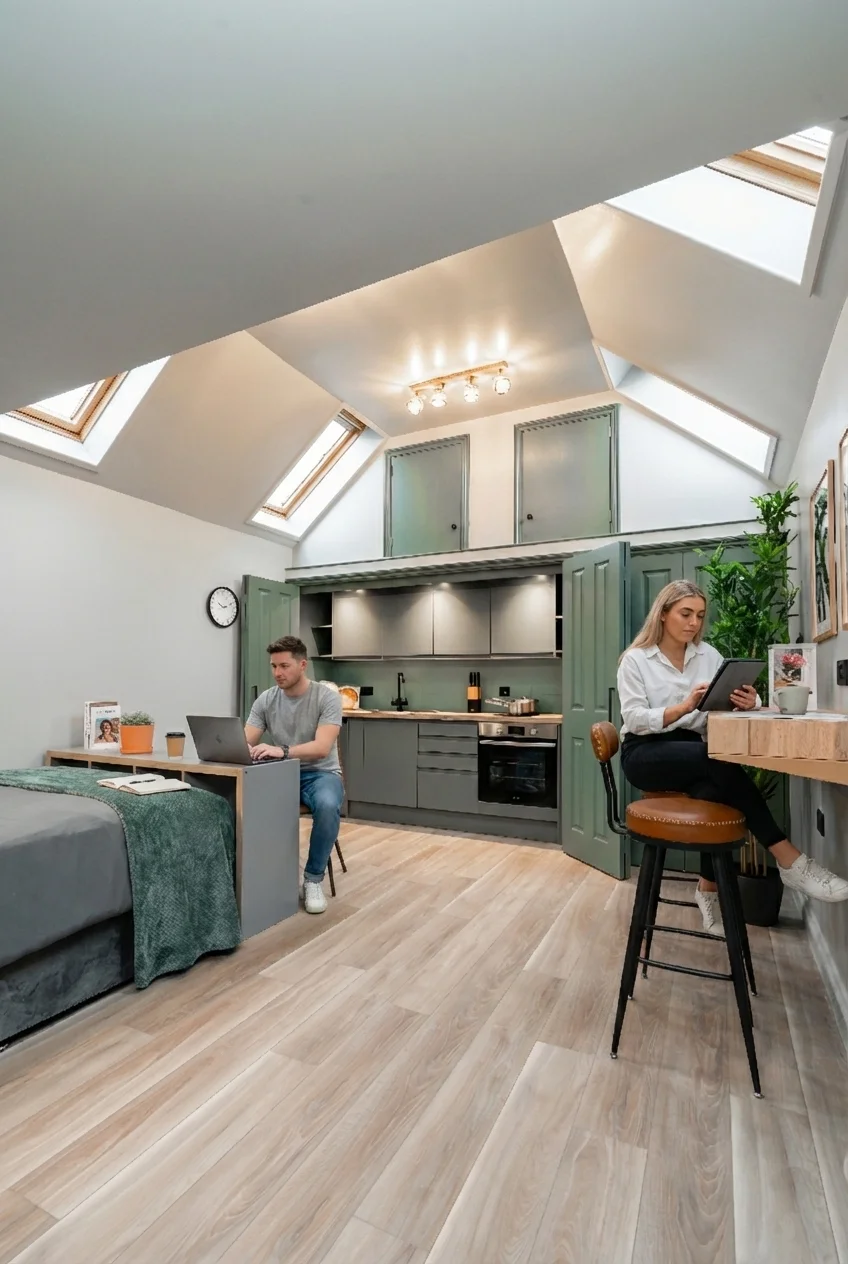
    Young professional couple enjoying a stylish coliving apartment in Bicester

    Bicester Village station and the south side

    Best for Oxford-bound commuters and anyone who wants quick access to the outlet village and the A41. Newer apartment blocks sit close to the station. Insider tip: check whether a service charge applies if you are buying rather than renting, as it changes the monthly cost noticeably.

    Langford Village and the eastern edges

    Best for a quieter base with family-sized housing and green space. You will likely want a car or a bike for everyday errands. Insider tip: test the drive to your workplace during rush hour, because the approach roads can be slower than the map suggests.

    How to choose between them

    • Transport: decide whether you need the London line, the Oxford line, or a car.
    • Vibe: town centre for bustle, edges for calm.
    • Budget: compare total monthly cost, not just rent.
    • Timing: ask when the property is available and whether it lines up with your start date.

    Week 3: Secure the home and set up utilities

    Once you have an offer accepted, the admin moves quickly, and doing it in order avoids gaps in your first week.

    1. Pay the holding deposit only after reading what it covers, and get a receipt.
    2. Arrange a viewing or inventory check before you move in, and photograph any existing damage.
    3. Set up energy, water, and broadband. Broadband speeds vary by street, so check availability at the exact address.
    4. Register with a GP surgery near your new home. Some practices have catchment areas, so confirm before you rely on one.
    5. Update your address with your bank, employer, and any subscriptions.

    Common mistake to avoid: leaving broadband until moving week. Installation appointments can take longer than expected, and working from home on a mobile hotspot gets old fast.

    Week 4: Settle in and learn the town

    The final week is about turning a new address into a routine, which matters more than unpacking every box.

    Young professionals and housemates sharing a sociable dinner in Bicester

    Learn your commute

    Do a trial run on a weekday at the time you will actually travel. Note the walk to the station, the parking situation, and any bus connections. Bicester has local bus services, and Stagecoach and other operators publish route maps online, so check current timetables rather than assuming.

    Find your everyday spots

    • Market day in the town centre: a good way to meet local traders and pick up fresh produce. Check current market days before you go.
    • Bicester Village: useful for a coffee or a quick shop, though weekends get busy. Insider tip: go on a weekday morning if you want it calm.
    • Green spaces: Bicester has parks and countryside walks nearby, which help when you need a break from screens.

    Build a social routine

    Look for local sports clubs, running groups, or evening classes. Joining one recurring activity is usually faster than waiting for invitations, and it gives you a reason to leave the flat after work.

    Common mistakes to avoid

    • Signing a lease without checking the commute at peak time.
    • Assuming you need a car for everything. Bicester is compact, and cycling works well for many trips.
    • Overlooking council tax and service charges when comparing two similar properties.

    At a glance: your first month in Bicester

    • Week 1: confirm start date, budget, and property alerts.
    • Week 2: view properties across two or three neighbourhoods.
    • Week 3: secure the home, set up utilities, register with a GP.
    • Week 4: trial the commute, join one local group, explore the town centre.
    • Ongoing: keep a buffer for the first month and check any local detail before you rely on it.

    Local logistics: getting around and booking notes

    Bicester is well connected, but the details matter. Two stations serve different lines, so match the station to your destination. Chiltern Railways runs services toward London Marylebone, and connections to Oxford are available via Chiltern or Great Western. Always check current timetables and any planned engineering works before a big journey.

    For viewings, weekdays are quieter than weekends, and agents often have more flexibility mid-morning. If you are viewing from a distance, ask for a video walkthrough and a floor plan, then confirm the property is still available before you travel.

    Accessibility varies by property and venue. Older town centre buildings may have steps, while newer developments near the stations are often more accessible. If you have specific needs, ask directly rather than assuming, and check venue websites for current access information.

    FAQs about relocating to Bicester

    Is Bicester a good place to live for young professionals?

    Yes, particularly if you value fast rail links and a compact town centre. It suits people who want Oxford and London within reach without city-centre prices, and the growing business community means more social and networking options than a small town might suggest.

    Which area of Bicester is best for commuting to London?

    Bicester North is the usual choice for London-bound trains. Check the current timetable and the walk from your shortlisted street to the station, because a ten-minute difference on paper can feel much longer in winter.

    Do I need a car in Bicester?

    Not necessarily. The town centre, both stations, and the main retail areas are reachable on foot or by bike for many people. A car helps for countryside trips, larger shops, and some employment sites on the edge of town.

    How far in advance should I start my 30-day relocation checklist?

    Begin four to six weeks before your start date if you can. That gives time for viewings, referencing, and utility setup without rushing the final week.

    What should I check before signing a lease in Bicester?

    Confirm the total monthly cost including council tax and any service charge, the deposit protection scheme, the notice period, and the commute at peak time. Photograph the inventory and keep a copy.

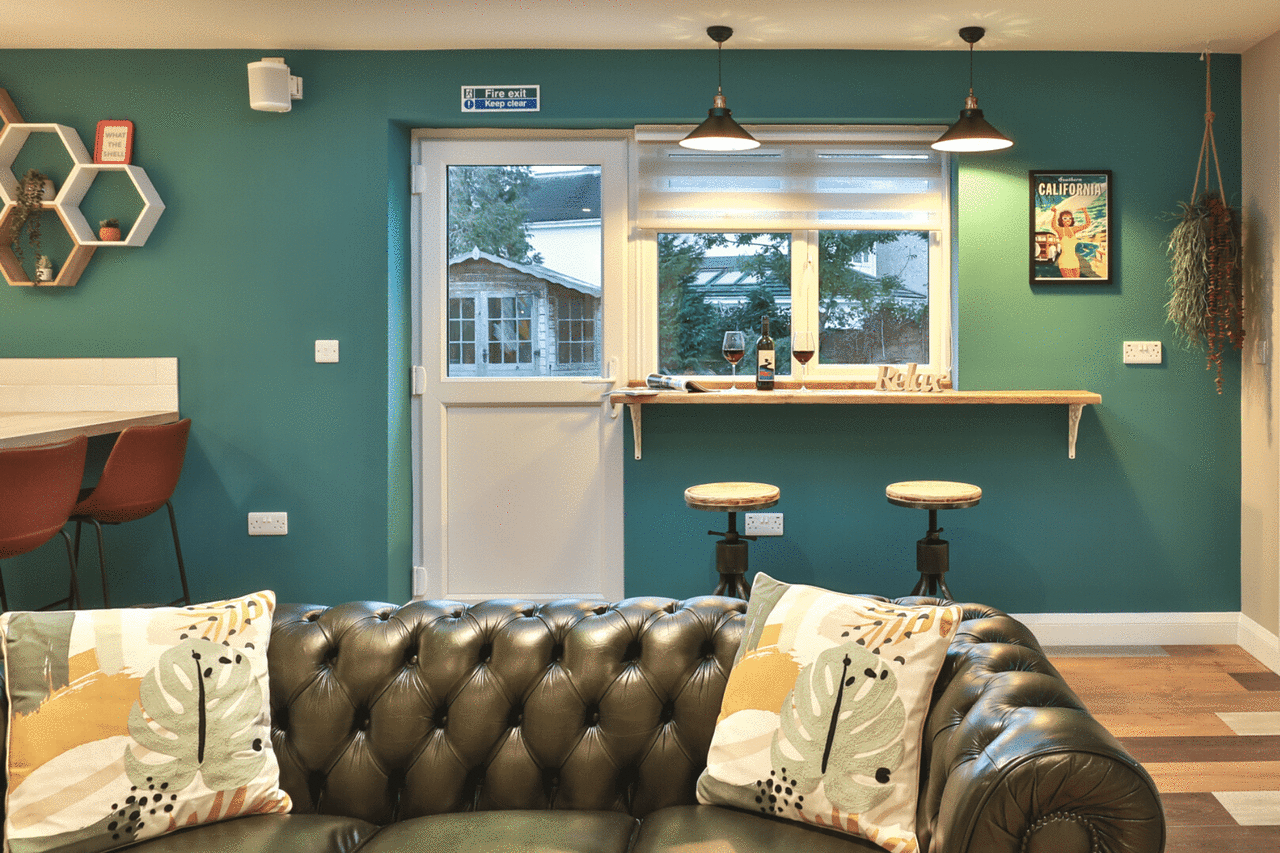
    Spacious communal kitchen and lounge area at B-Hive Living in Oxfordshire

    Living well in Bicester

    A relocation works best when the practical side and the lifestyle side move together. Getting the commute, budget, and paperwork right in the first month leaves room to actually enjoy where you live, from a walk along the canal to a coffee in the town centre. Bicester rewards people who build a routine early, and a comfortable home makes that routine much easier to keep.

    At B-Hive Living, we create shared homes for young professionals and remote workers in Oxford and Bicester, with community in mind and location at the centre. If you are planning a move for a new role, we would be glad to help you find a base that fits your working week.

    Ready to make Bicester feel like home? Apply to live with B-Hive Living and start your next chapter with a community around you.

  • Moving to Bicester With Only Two Suitcases: What to Bring and What to Buy

    Moving to Bicester With Only Two Suitcases: What to Bring and What to Buy

    Two suitcases, a new postcode, and a flat that echoes when you walk in. If you are moving to Bicester with limited luggage, the trick is treating your bags as a 72-hour survival kit rather than a miniature home. Get the first three days right and everything after that becomes a series of small, cheap decisions instead of one expensive panic. This guide covers exactly what to pack, what to buy on arrival, and how to settle in without wasting money or space.

    Quick answer: what to bring and what to buy

    • Best for: professionals relocating for work, remote workers chasing a cheaper base near Oxford, and anyone whose lease starts before their furniture does.
    • Pack: documents, tech, a week of clothes, medication, travel-size toiletries, one comfort item.
    • Buy on arrival: bedding, towels, kitchen basics, cleaning supplies, a SIM or broadband setup.
    • Best arrival time: a weekday morning, so shops, banks and utility calls all happen the same day.
    • Quick logistics: Bicester North and Bicester Village stations connect you to Oxford, London Marylebone and Birmingham; the town centre itself is walkable.

    What to pack in your two suitcases

    Pack for the first 72 hours only: land, sleep, wash, work. Anything beyond that is dead weight you will carry up stairs.

    Documents and admin

    • Passport, visa or right-to-work documents, and a printed copy of your tenancy agreement.
    • National Insurance number if you have one, plus a bank card that works in the UK.
    • Prescriptions and a written summary of any regular medication.
    • A physical document wallet. When you are tired and your phone is at 8%, paper wins.

    Tech and work gear

    • Laptop, charger, and a UK plug adapter if you are arriving from abroad.
    • Headphones for trains, cafes and shared kitchens.
    • A power bank for flat viewings and the gap before broadband goes live.
    • If you work remotely, a compact mouse or keyboard transforms a kitchen table into a usable desk.

    Clothing and personal items

    • One week of clothes, including a proper waterproof layer. Bicester weather changes its mind mid-walk.
    • Comfortable walking shoes. The town centre and Bicester Village are both easily done on foot.
    • Travel-size toiletries, then buy full sizes once you know your nearest shop.
    • One thing that makes a rental feel like yours: a favourite mug, a photo, a specific tea.

    What to leave behind

    • Kitchenware, bedding and towels. They eat suitcase space and are cheap to buy locally.
    • Shoes you have not worn in a year. Be honest.
    • Books you have been meaning to read. Charity shops and the library have you covered.

    What to buy once you are here

    Buy in this order: sleep, eat, clean, connect. It keeps week one functional rather than chaotic.

    Where to shop for essentials

    • Bicester town centre: pharmacies, banks and smaller shops, all reachable on foot. Useful for the odds and ends you forget on day one.
    • Bicester Village: discounted homeware and clothing brands. Worth a look, but check current opening hours before you go, as they differ from standard retail hours.
    • Retail parks and supermarkets: the practical option for bedding, kitchen basics and bulk cleaning supplies at sensible prices.
    • Charity shops: genuinely underrated for mugs, pans and books when you are furnishing from zero. Stock rotates fast, so pop in more than once.

    Your first-week shopping list

    1. Bedding: fitted sheet, duvet, duvet cover, two pillows, pillowcases.
    2. Bathroom: towels, bath mat, shower curtain if your rental lacks one, toiletries.
    3. Kitchen: one frying pan, one saucepan, a knife, a chopping board, plates, bowls, cutlery, mugs, tea towels.
    4. Cleaning: surface spray, cloths, bin bags, laundry detergent, toilet cleaner.
    5. Connectivity: a SIM card or broadband setup. Mobile data bridges the gap while installation is booked.
    6. Comfort: a lamp, a throw, a laundry basket. Small purchases that stop a rental feeling temporary.
    Comfortably dressed bed with modern headboard and nightstand, highlighting move-in bedroom essentials

    How to choose what to buy first

    Run every purchase through four filters: sleep, work, hygiene, mood. If it does not serve one of those in week one, it can wait.

    • Budget: set a hard cap for your first shop. Starting from zero makes overspending very easy.
    • Vibe: if the flat is furnished, check the inventory before buying duplicates.
    • Timing: bedding and towels on day one; decor in month two, once you know how the light and space actually work.
    • Transport: without a car, prioritise shops you can reach on foot or by bus, or order online for delivery.
    Smart compact studio with fold-away kitchenette, ideal for moving light with minimal belongings

    At a glance: your first 48 hours in Bicester

    • Hour 1: drop bags, check the flat, note what is missing.
    • Hour 2: buy bedding, towels and toiletries.
    • Hour 3: grab food and a SIM card, or check broadband options.
    • Evening: make the bed, shower, order something easy to eat.
    • Day 2: register with a GP if you are staying long term, walk your nearest high street, find your local supermarket.

    Local logistics: getting around and settling in

    Bicester is compact, which makes the first week far easier than most relocations.

    Fully equipped contemporary shared kitchen and breakfast bar in Bicester, avoiding the need to buy bulky appliances
    • Trains: Bicester North and Bicester Village stations link to Oxford, London Marylebone and Birmingham. Check timetables before committing to a commute.
    • Buses: local routes connect the town centre, Bicester Village and residential areas. A weekly pass often beats buying singles if you travel daily.
    • Cycling: the town is flat, and a bike is frequently faster than waiting for a bus.
    • Booking notes: furniture deliveries and broadband installations fill up fast, especially at weekends. Book as soon as you have a move-in date.
    • Accessibility: if you have mobility needs, check step-free access at your chosen station and the bus routes near your shortlisted streets before signing a lease.

    Insider tips most guides miss

    • Buy a laundry airer, not just a basket. Tumble dryers are not standard in every Bicester rental, and an airer is cheap, light and easy to store.
    • Photograph your meter readings on day one. It protects you when you set up energy accounts and again when you settle your deposit.
    • Join local Facebook groups before you arrive. Kitchenware and furniture change hands constantly, and it is one of the quickest ways to feel part of the community rather than just living in it.
    • Ask your landlord which broadband providers actually serve the building. Some older properties only have certain connections available, and finding out after you have ordered saves a wasted installation slot.

    Common mistakes to avoid

    • Buying everything at once. You will end up with duplicates and items that do not fit the space. Buy the basics, live in the flat for two weeks, then fill the gaps.
    • Ignoring broadband lead times. If you work remotely, sort internet before your first Monday. Tethering works short term, but check your data limit first.
    • Signing a lease without checking the commute. A street that looks close to the station on a map can add a long walk in the rain. Test the route at the time of day you would actually travel.

    FAQs

    What should I bring when moving to Bicester with only two suitcases?

    Documents, tech, a week of clothes, toiletries, medication and one comfort item. Leave bedding, kitchenware and bulky items to buy locally once you have seen the space.

    Where can I buy affordable home essentials in Bicester?

    Supermarkets and retail parks cover bedding, kitchen basics and cleaning supplies. Charity shops in the town centre are excellent for mugs, pans and books. Check current opening hours before you go.

    Do I need a car to live in Bicester?

    No. The town is walkable, has two train stations, and local buses connect the main residential areas. A bike helps if you are commuting to the station daily.

    How do I set up broadband and utilities?

    Compare providers online before you arrive, then book installation as soon as you have your move-in date. Take meter readings on day one and keep the photos.

    Is Bicester good for remote workers?

    Yes. Fast rail links to Oxford and London, plus a compact town centre with cafes, make it practical for hybrid and remote work. Check individual venues for current facilities and opening hours.

    Living well in Bicester starts with a calm first week, not a perfectly furnished flat. Get the basics right, walk your neighbourhood, and let the rest come together as you settle in.

    If you would rather skip the empty-flat phase altogether, B-Hive Living provides friendly, well-located homes for young professionals and remote workers across Oxford and Bicester. When you are ready to put down roots, apply to live with B-Hive and start your next chapter with a community already around you.

  • How to Find a Furnished Home in Bicester Before You Arrive

    How to Find a Furnished Home in Bicester Before You Arrive

    You have accepted a role in Bicester, or you are moving your remote setup closer to the M40, and you need somewhere furnished to land. The tricky part is doing it from another city, or another country, without flying over for viewings or buying a bed you will only use for a year. This guide is the process we would walk a friend through: which parts of Bicester suit which lifestyle, what a furnished rental actually includes, how long referencing takes, and how to hold a property remotely without losing your deposit to a scam.

    Quick answer: furnished homes in Bicester at a glance

    • Best options: Professional house shares with all-inclusive bills, build-to-rent apartments, and serviced apartments for the first month while you decide on an area.
    • Best time to search: Start 6 to 8 weeks before your move date. Bicester listings near the two stations let quickly, often within a week of going live.
    • Who it is for: Young professionals and remote workers who want to arrive with a suitcase and start work the next morning.
    • Quick logistics: Virtual viewings, digital right-to-referencing, and a holding deposit of around one week’s rent are standard. Most referencing completes in 3 to 5 working days.
    • Budget shape: Furnished rooms and flats carry a premium over unfurnished, but all-inclusive bills usually offset the difference within a few months.

    Why furnished beats unfurnished for a Bicester move

    Furnished removes the biggest hidden cost of a relocation: the setup week. Between buying a mattress, a sofa, kitchenware, and a broadband contract, an unfurnished move easily eats a fortnight and a four-figure sum before you have unpacked a single box. A furnished home lets you arrive on a Sunday and be on a video call on Monday morning.

    Fully furnished modern coliving apartment with ready-to-use kitchen and lounge in Bicester

    Bicester suits this model well. The town has grown quickly around Bicester Village and the two railway stations, and much of the newer housing stock was built with renters in mind. That means more landlords already offer furnished options, and more of them understand remote-working tenants who need reliable broadband and a quiet corner for calls.

    Which Bicester neighbourhood fits your lifestyle

    The right area depends on whether you value the walk to the station, the quiet of a new-build estate, or the buzz of the town centre. These four come up most often for professionals and remote workers.

    Bicester town centre and Bicester Village

    Walk to shops, restaurants, and Bicester Village station for the Chiltern line towards London Marylebone. Ideal if you want to leave the car behind and commute by train. Insider tip: flats above retail units on Sheep Street and Market Square can pick up delivery noise on weekend evenings, so ask about double glazing and whether the flat sits above a takeaway.

    Bicester North and Launton

    Quieter residential streets with quick access to Bicester North station, which runs Chiltern services to London Marylebone. Good for remote workers who want a calm home office and a garden or courtyard. Insider tip: some of the older terraces around Launton have thick stone walls that weaken mobile signal indoors. Test a call on your network before you commit, or ask the landlord whether a booster is fitted.

    Kingsmere and Elmsbrook

    New-build communities with green spaces, play areas, and modern insulation that keeps heating bills down. Popular with professionals and young families. Insider tip: some newer developments restrict wall mounting or exterior satellite dishes in the lease. Ask before you plan a monitor arm or a dish, or you may forfeit part of your deposit.

    Bure Park and Southwold

    Established suburbs with a mix of houses and low-rise flats, usually a short drive or bus ride from the town centre. Better value per square foot than the centre, and quieter at night. Insider tip: check the bus frequency into town if you do not drive. Some routes thin out in the evening, which matters if you work late in an office.

    What a furnished rental in Bicester usually includes

    Furnished means different things to different landlords, so confirm the inventory line by line before you sign. At the basic end you get beds, a sofa, a dining table, and white goods. At the all-inclusive end you get kitchenware, linen, broadband, and bills rolled into one monthly payment.

    • Standard furnished: beds, wardrobe, sofa, dining table and chairs, fridge, freezer, washing machine, oven and hob.
    • All-inclusive: the above plus utilities, water, broadband, and sometimes council tax and a cleaner.
    • Serviced: everything above plus linen changes, cleaning, and often a minimum stay of one month rather than twelve.

    Ask for the inventory as a PDF and a short video walkthrough of the actual flat, not the show-home photos. If a listing uses only developer imagery, treat that as a prompt to request a live tour.

    Where to search for furnished homes in Bicester

    Use a mix of national portals and local specialists, because the best listings do not always appear in the same place. Set saved alerts with the filters furnished and bills included, and check them daily rather than weekly.

    • Rightmove and Zoopla: the broadest coverage. Filter by furnished and by the two station postcodes if commuting matters.
    • Build-to-rent operator sites: these schemes often advertise directly and offer longer opening hours for viewings. Search for build-to-rent Bicester to find the current operators, as the market changes.
    • Local letting agents: Bicester has a handful of independent agents who handle the town-centre and Kingsmere stock. A phone call often surfaces properties before they hit the portals.
    • SpareRoom: the main route for professional house shares with all-inclusive bills, which suits a first move when you want a low-commitment landing.

    Insider tip: ask each agent whether they have any furnished properties coming available in the next 30 days but not yet listed. Landlords often give notice a month ahead, and agents will share that pipeline with a serious applicant.

    How to secure a Bicester rental before you arrive

    Remote applications are routine now, but the process runs on a clock. Here is the sequence, with the timings you should expect so you can plan your move date around it.

    1. Virtual viewing (day 1): request a live video tour, not a pre-recorded one. Ask the agent to open cupboards, show the boiler, and walk to the nearest bus stop on camera.
    2. Holding deposit (day 1 to 2): usually one week’s rent. This takes the property off the market. Get written confirmation of the amount and the terms before you transfer anything.
    3. Referencing (day 2 to 7): typically 3 to 5 working days. You will need photo ID, proof of income such as payslips or an employment contract, and a previous landlord reference if you have rented before.
    4. Right to rent check (day 2 to 7): a legal requirement in England. Share your passport or share code digitally with the agent.
    5. Tenancy agreement and deposit (day 7 to 14): sign digitally, pay the five-week deposit, and confirm which government deposit protection scheme holds it. This is a legal requirement, so the agent should tell you without hesitation.
    6. Key collection (move-in day): if you cannot collect in person, ask whether a key safe, a courier, or a nominated contact is possible. Not every agent offers this, so raise it early.

    Common mistake to avoid: transferring a holding deposit before you have seen the property on a live video call and confirmed the agent’s registration. Rental fraud usually relies on urgency and a refusal to show the property in real time.

    Move-in ready furnished living room in a high-spec Bicester professional home

    How to choose between two good options

    When two properties are close on price, these criteria usually settle it.

    • Total monthly cost: add rent, council tax band, utilities, broadband, and parking. An all-inclusive room at a higher headline rent can be cheaper than a cheaper flat with separate bills.
    • Commute and connectivity: walk the route to Bicester Village or Bicester North station on a map, and check the actual broadband speed the landlord can evidence, not the advertised maximum for the area.
    • Contract flexibility: ask about break clauses and notice periods. A six-month break clause matters if your job has a probation period.
    • Furniture condition: a worn mattress or a broken sofa is a repair request waiting to happen. Flag anything you see on the video tour in writing before you sign.
    • Housemate mix: in a shared house, ask who else lives there and whether the household is working professionals. It affects sleep, kitchen timings, and how quiet your calls will be.

    At a glance: your pre-arrival checklist

    • Set a total monthly budget including bills, council tax, and travel.
    • Shortlist three to five properties across at least two neighbourhoods.
    • Book live video viewings and ask for the inventory PDF.
    • Prepare digital ID, proof of income, and a landlord reference.
    • Confirm what is included: broadband, utilities, council tax, cleaning.
    • Verify the deposit protection scheme in writing.
    • Agree a move-in date and a key collection plan.
    • Arrange a short serviced stay if there is a gap between your arrival and the tenancy start.

    Local logistics: getting there, timing, and access

    Bicester sits on the M40 and has two stations: Bicester North for Chiltern services to London Marylebone, and Bicester Village for Chiltern and Oxford Parkway connections. If you are arriving by train, most town-centre and Kingsmere properties are a short taxi ride away, and some are walkable from Bicester Village station.

    For viewings, weekday mornings are quieter and agents are more likely to have time for a full walkthrough. Agents usually ask for 24 hours’ notice, so book the day before. If you are viewing remotely, ask for the tour at a time that matches when you would actually be home, so you can hear street noise and test the mobile signal.

    On accessibility, newer builds in Kingsmere and Elmsbrook are more likely to have step-free access and lifts. Older town-centre conversions may have narrow staircases and no lift. State your needs when you enquire so the agent filters the list before you spend time on viewings.

    Frequently asked questions

    How much does a furnished rental cost in Bicester?

    Prices move with the market and vary by size, area, and whether bills are included, so treat any figure you read as a starting point and check live listings for the week you are searching. As a planning method, add the rent to council tax for the band, estimated utilities, and broadband, then compare that total against an all-inclusive room. The all-inclusive option often wins on total cost even when the headline rent looks higher.

    How do I find a furnished home in Bicester before I arrive?

    Start six to eight weeks out. Set alerts on Rightmove and Zoopla with the furnished filter, call local agents for their upcoming pipeline, and book live video viewings. Have your ID, proof of income, and references ready to send the same day so you can move quickly when you find the right place.

    Can I rent without a UK guarantor?

    Some landlords accept a larger deposit, several months’ rent upfront, or a paid guarantor service. Ask the agent which options they accept before you apply, because the answer affects how much cash you need on day one.

    How long does referencing take for a remote applicant?

    Usually three to five working days once you have submitted everything. Delays almost always come from missing documents or a slow previous landlord reference, so chase your referee as soon as you pay the holding deposit.

    Is Bicester good for remote workers?

    Yes, provided you check the specifics. Most areas have fibre broadband, but speeds vary by street and by building, so ask the landlord for a real speed test rather than an area average. The two stations also make occasional London trips straightforward.

    Remote professional working comfortably on a laptop in a Bicester coliving home

    What should I check before paying a holding deposit?

    Confirm the agent is registered with a redress scheme, see the property on a live video call, get the holding deposit terms in writing, and never transfer money to a personal account. If anything feels rushed, pause and verify.

    Living well in Bicester comes down to the details: a home that fits how you actually work, an area that matches your commute, and a setup that does not swallow your first month in admin. B-Hive Living provides furnished, all-inclusive homes in Bicester and Oxford for young professionals and remote workers, with flexible contract lengths and bills handled so you can focus on the move rather than the meter readings. If you want a base that is ready when you are, we would love to show you what is available.

    Tell us your move date and the area you are considering, and we will match you with a furnished home that suits your budget and lifestyle. Apply to live with B-Hive Living and arrive to a place that already feels set up.

  • The Bicester Rental Viewing Checklist: 31 Questions to Ask

    The Bicester Rental Viewing Checklist: 31 Questions to Ask

    You have three viewings booked in Bicester this weekend, a notebook in your bag and about forty minutes in each flat to work out whether it actually suits how you live. It is easy to spend that time admiring the kitchen and forget to test the shower, find the nearest supermarket or ask who protects your deposit. This checklist walks you through 31 questions to ask at a Bicester rental viewing, grouped so you can work through them in order, plus the local detail that helps you compare one property against another with confidence.

    Quick answer: how to use this Bicester rental viewing checklist

    • Best time to view: a weekday evening after 5pm or a Saturday morning, so you can judge noise, parking and light at realistic times.
    • Who it is for: young professionals and remote workers who need dependable broadband, a workable desk spot and an easy route to Bicester North or Bicester Village station.
    • Time needed: allow 30 to 40 minutes inside the property, then 15 minutes walking the immediate streets.
    • What to bring: a tape measure, a phone charger to test sockets, your phone for signal checks, and this list saved offline.
    • How the 31 questions break down: 5 to ask the letting agent before you travel, 12 inside the property, 6 about the street and area, and 8 on tenancy and costs.

    Before the viewing: 5 questions to ask the letting agent

    Ask these before you travel, so you do not spend an evening on a property that fails on something fundamental.

    1. Is it still available, and are any applications already in? Bicester stock near the stations and around Bicester Village can attract several viewings in the first week, so ask directly rather than assuming.
    2. What is the exact monthly rent, and what does it include? Confirm whether council tax, water or any service charge sits outside the headline figure.
    3. How long is the minimum tenancy? Six or twelve months matters if your contract or relocation plan is shorter.
    4. Are pets considered? Ask before you fall for a place, since permission is often decided by the landlord rather than the agent.
    5. Is parking included, and is it allocated or permit-based? Off-street parking is worth confirming in writing, particularly near the town centre where on-street space is limited.

    Inside the property: 12 questions to ask during the viewing

    Once you are through the door, shift from how the rooms look to how they will function on a Tuesday in February.

    High-spec communal kitchen and dining area inspected during a property viewing in Bicester

    Heating, bills and energy

    1. What type of heating system is it, and how old is the boiler? Ask when it was last serviced and whether there is a current gas safety record.
    2. What is the EPC rating? A higher rating usually points to lower running costs, which matters more as energy prices move.
    3. Who controls the heating and hot water timings? Check you can set your own schedule rather than relying on a shared system.
    4. Are the windows double-glazed, and do they seal properly? This affects both warmth and how much road noise reaches a front-facing bedroom.

    Connectivity for remote work

    1. What broadband is actually available at this address? Ask for the current provider and, if possible, a recent speed test rather than the word “fibre”.
    2. Is there reliable mobile signal indoors? Test your own network in the room you would use as an office, not just in the hallway.
    3. Are there enough sockets where a desk would go? Plug your charger in to confirm they work, and note how many are already in use by white goods.

    Kitchen and bathroom

    1. How is the water pressure? Run the shower and a tap at the same time and watch what happens.
    2. Which appliances are included, and do they all work? Test the oven, hob, extractor and fridge rather than taking the inventory on trust.
    3. Is there space and plumbing for a washing machine or dishwasher? If not, ask where the nearest launderette or shared laundry is.
    4. How old is the bathroom suite, and is there any sign of damp or leaks? Look under the sink and around the sealant.
    5. Is there working ventilation? Check for an extractor fan or a window that opens properly in the bathroom and kitchen.

    Outside and the local area: 6 questions to ask

    The street around the flat will shape your daily routine as much as the flat itself, so budget time to walk it.

    1. What exactly is the parking arrangement? Allocated space, resident permit or first-come-first-served are three very different daily experiences.
    2. Is there any outdoor space, and who maintains it? A balcony, shared courtyard or garden all need a clear answer on upkeep.
    3. How noisy is the street at different times? If you can, return after dark or on a weekday morning before committing.
    4. Where is the nearest supermarket, and how long is the walk? Check the route on foot rather than by map distance alone.
    5. How far is the station you would actually use? Bicester North and Bicester Village serve different lines, so confirm which one fits your commute.
    6. Who else lives in the block or on the street? A mix of families, professionals and short-term lets will feel very different at 11pm.

    Tenancy and costs: 8 questions to ask before you commit

    Get the money and paperwork clear before you pay a holding deposit, not after.

    1. How much is the deposit, and which government-approved protection scheme holds it? Ask for the scheme name and how you will receive the certificate.
    2. Are there any fees at all? Most letting agent fees to tenants are banned in England, but check for charges around referencing, check-in or replacement keys.
    3. How and when can the rent be increased? Ask what the tenancy agreement says about frequency and notice.
    4. What notice do I need to give to end the tenancy? Confirm the period in writing, especially if your plans might change.
    5. Who handles repairs, and what is the reporting route? Ask whether there is an online portal or an out-of-hours number for emergencies.
    6. Is contents insurance required by the agreement? Check the wording rather than assuming your existing policy covers it.
    7. Can I put up shelves or redecorate? Get any permission in writing so it does not become a deposit dispute later.
    8. What is the check-in and inventory process? Ask how you report pre-existing damage and how quickly you need to return the signed inventory.

    At a glance: your viewing day itinerary

    • Morning: confirm each viewing by phone or email, and check the route between them.
    • Before you leave: charge your phone, pack a tape measure and download this checklist.
    • At each property: photograph every room, including any marks or damage, and note the date.
    • Test in person: taps, shower, windows, doors, sockets and mobile signal.
    • Walk the street: time the walk to the nearest shop and the station you would use.
    • After each viewing: write three lines on what you liked, what worried you and what you still need to ask.
    • Same evening: email the agent with any outstanding questions so you have a written record.

    Local logistics for Bicester viewings

    Bicester is compact enough to view two or three properties in an afternoon, provided you plan the travel between them.

    Getting there and moving between viewings

    Bicester North runs Chiltern services towards London Marylebone, while Bicester Village connects towards Oxford and onwards. If you are viewing without a car, check which station is closest to each address before you book slots, because the two are not interchangeable for every commute. Drivers should note that town-centre parking fills quickly on Saturdays, so allow extra time between appointments.

    Best times to book

    Weekday evenings and Saturday mornings give the most realistic picture of noise, parking pressure and natural light. Mid-afternoon slots can make a north-facing living room look brighter than it will feel in winter.

    Booking and paperwork notes

    Agents often run back-to-back viewings, so arrive a few minutes early and keep your questions on your phone. Some will ask for proof of employment or affordability before confirming a slot, so have a recent payslip or contract summary ready. If you are relocating from outside Oxfordshire, ask whether a video viewing is possible first, then visit in person before signing.

    Accessibility

    If you have mobility needs, ask about step-free access, lift availability, door widths and whether the entrance is lit at night before you travel. Not every period property in the town has been adapted, and it is better to rule a place out by phone than in person.

    Insider tips most viewers miss

    • Time the walk to the station you will actually use. Bicester North and Bicester Village serve different routes, and a flat described as “close to the station” may be close to the wrong one for your commute.
    • Ask what happens to the garden or shared outdoor space in winter. Drainage, leaf clearance and who salts a shared path are rarely in the advert but affect daily life from November onwards.
    • Note where the bins live. In terraced streets and newer apartment blocks, bin storage and collection days can be a bigger practical issue than the size of the bedroom.
    • Check the water pressure while a neighbour might be using it. Evening viewings give a more honest reading than a quiet Tuesday at 11am.

    Common mistakes to avoid

    • Relying on “fibre available” as proof of speed. Ask for the provider and a recent test, because availability at the exchange does not guarantee the speed reaching the flat.
    • Testing mobile signal only in the living room. Walk into the bedroom and bathroom with your phone, since thick walls in older properties can block signal in part of the flat.
    • Leaving deposit protection questions until after you pay. Ask for the scheme name before any money changes hands, so you know where your deposit will sit.
    • Viewing only in daylight. Street lighting, parking availability and noise all change after dark, and one return trip can prevent a year of irritation.

    FAQs about Bicester rental viewings

    How many questions should I ask at a Bicester rental viewing?

    Work through the 31 on this list, but prioritise the ones that affect your daily routine: broadband, heating, parking, deposit protection and repairs. If you are short on time, cover the five pre-viewing questions by phone and focus the visit on the property itself.

    What should I bring to a rental viewing?

    Bring a tape measure, a phone charger to test sockets, your phone for signal and photos, and a notebook. If you are viewing with a partner or housemate, agree beforehand who checks the kitchen and who checks the connectivity.

    How quickly do Bicester rentals get let?

    It varies by property, price and season, so ask the agent how long it has been listed and whether other viewings are booked. That gives you a clearer picture than any general rule about the market.

    Can I negotiate the rent?

    Sometimes, particularly if a property has been listed for a while or needs minor work. Ask politely, put your offer in writing, and be ready to explain why, such as a longer tenancy or a quick move-in date.

    Should I view a property more than once?

    A second visit is worth it if you are close to deciding. Go at a different time of day to check noise, parking and light, and take the opportunity to walk the route to the station or shop you would use most.

    Carefully designed coliving lounge space in an Oxfordshire professional rental home

    Living well in Bicester with B-Hive Living

    A good viewing checklist helps you avoid the wrong place, but the right home is about more than ticking boxes. B-Hive Living provides thoughtfully designed shared homes for young professionals and remote workers in Oxfordshire, with fast broadband, workable desk space and a community that makes settling into a new town easier. If you are weighing up Bicester against Oxford, our homes are positioned for straightforward access to both.

    Coliving community members enjoying dinner and social time together in a B-Hive Living home

    If you would like to see how a B-Hive Living home compares with the flats on your shortlist, start your application and we will talk you through what is currently available.

  • How to Prepare UK Rental References Before Moving to Oxfordshire

    How to Prepare UK Rental References Before Moving to Oxfordshire

    You have found the flat, paid the holding deposit, and the letting agent has asked for references. Then the questions start: who counts as a referee, what proof of income do they want, and how long does a guarantor take? Preparing your UK rental references before you apply in Oxford or Bicester can be the difference between signing a lease and losing the property to someone faster. This guide walks you through the documents, the timelines, and the local quirks so you can move with confidence.

    Quick answer: what you need before you apply

    • Best options: Employer reference or three months of payslips, previous landlord reference, photo ID, and proof of address.
    • Best time to start: Two to four weeks before you plan to move, especially if you need a guarantor.
    • Who it is for: Young professionals, remote workers, and anyone relocating to Oxfordshire from another city or country.
    • Quick logistics: Most letting agents ask for references after a holding deposit is paid, and they usually run affordability checks alongside them.
    • What to verify: Ask the agent exactly which documents they accept and whether they use a third-party referencing company.

    What UK letting agents actually check in a rental reference

    The referencing process is not a single document. It is a bundle of checks that together prove you can pay the rent and have a history of doing so.

    Professionally managed B-Hive Living apartment interior in Oxfordshire, setting the benchmark for rental referencing

    Identity and right to rent

    You will need a passport, a UK driving licence, or a biometric residence permit. Letting agents must check that you have the right to rent in the UK, and they will usually ask for this before they can progress your application. If you are moving from overseas, check which documents your agent accepts before you book travel.

    Proof of income

    Most agents use an affordability rule of thumb: your annual income should be around 30 times the monthly rent. This is not a legal requirement, and some agents set a different multiple, so confirm their threshold early. A remote worker on a non-UK contract should ask whether the agent accepts foreign payslips, accountant letters, or bank statements. Self-employed applicants often need two to three years of accounts or an SA302.

    Previous landlord reference

    This is usually a short written or emailed confirmation that you paid rent on time and left the property in good condition. If you are moving out of a shared house or a family home, ask your previous landlord or letting agent to send this directly to the new agent rather than forwarding it yourself.

    Guarantor checks

    A UK-based guarantor is often required if your income falls short, if you are a student, or if you have limited UK credit history. The guarantor usually needs to prove income and may be credit-checked too. If you do not have a UK guarantor, ask the agent about alternatives such as a larger deposit or a rent guarantee service before you assume you are out of options.

    Documents to gather before you view a property in Oxford or Bicester

    Having a folder ready means you can say yes on the spot rather than asking for a week to find paperwork.

    Your personal document checklist

    • Photo ID (passport or driving licence)
    • Proof of address dated within the last three months (utility bill, bank statement, or council tax letter)
    • Three months of payslips or an employer letter confirming your role and salary
    • Two to three months of bank statements showing rent payments or savings
    • Previous landlord or letting agent contact details
    • Guarantor details if applicable
    • Visa or right-to-rent share code if you are not a UK or Irish citizen
    Tenant sitting comfortably in living room reviewing rental agreement documents and referencing paperwork

    What remote workers should prepare

    If you work for a company based outside the UK, ask your employer for a letter on headed paper confirming your role, salary, and contract type. Some agents accept this in place of UK payslips, but not all. If you are a contractor, an accountant’s letter confirming your income can help. Keep a recent bank statement ready to show regular payments arriving.

    What students and first-time renters should prepare

    Without a rental history, a guarantor becomes more important. A UK-based guarantor who owns property or has a stable income is the strongest option. If you do not have one, ask the agent whether they accept a higher deposit or a rent guarantee scheme. Be honest about your situation early; it saves time later.

    How to choose the right reference route for your situation

    The right route depends on your income, your rental history, and how quickly you need to move.

    Employed with UK payslips

    This is the simplest route. Provide your employer letter, three months of payslips, and a previous landlord reference. If your income meets the affordability threshold, you may not need a guarantor at all.

    Self-employed or freelance

    Expect to provide accounts, tax returns, or an accountant’s letter. Some agents ask for a larger deposit or a guarantor. Start gathering these documents early because accountants can take time to respond.

    Relocating from abroad

    You may need to provide a UK guarantor, a larger deposit, or both. Ask the agent which referencing company they use and whether they accept international documents. If you are moving to Oxford for a job, a letter from your new employer can strengthen your application considerably.

    Remote worker with a non-UK employer

    Be upfront about your employment structure. Some agents in Oxford and Bicester are familiar with remote workers and will accept foreign payslips or bank statements; others will not. Asking before you view saves wasted trips.

    Insider tips most renters miss

    These small moves make a big difference when several applicants are chasing the same property.

    • Know the referencing company before you apply. Large agencies often use companies like Let Alliance or Van Mildert, while smaller local firms may run checks in-house. Knowing which one helps you prepare the right format and avoid delays.
    • Use the Tenant Fees Act to your advantage. In England, most fees are banned, but a holding deposit is capped at one week’s rent. If an agent asks for more, question it.
    • Keep a PDF folder on your phone. If you view a property and want to apply immediately, you can send everything within minutes.

    Common mistakes to avoid

    These are the errors that slow down or derail applications.

    • Leaving the guarantor until last. Guarantor checks can take longer than your own, especially if the guarantor is busy or needs to gather documents. Start that conversation early.
    • Assuming a verbal reference is enough. Most agents want something in writing or by email. Ask your referee to put it in a short message they can forward.

    At a glance: your two-week reference preparation plan

    • Days 1–3: Gather ID, proof of address, payslips, and bank statements. Ask your previous landlord to prepare a reference.
    • Days 4–7: If you need a guarantor, ask them now and send them the document list.
    • Days 8–10: Request your employer letter. Check your right-to-rent share code if applicable.
    • Days 11–14: Save everything as PDFs in one folder. Confirm with the agent which documents they accept.
    • Before you apply: Ask about the holding deposit, the referencing fee, and how long the process usually takes.

    Local logistics for Oxford and Bicester renters

    Oxford and Bicester have different rental rhythms, and knowing them helps you time your search.

    Smiling young professionals walking in Oxfordshire, ready to move into their new home once references are approved

    Getting there and around

    Oxford is well connected by rail and bus, and Bicester has fast trains to London and Oxford. If you are viewing properties in both towns, check train times before you book viewings back-to-back. Parking in central Oxford is limited, so many renters rely on buses or bicycles.

    Best times to search

    The rental market in Oxford moves quickly around the university term dates and the summer graduate season. Bicester tends to be steadier, though new developments can attract a flurry of interest. Start your reference preparation before you view, not after.

    Booking notes and accessibility

    Ask agents whether viewings are in person or virtual, and whether they can accommodate accessibility needs. If you are relocating from abroad, ask if a video viewing can be followed by an in-person visit before you sign. Check current opening hours and viewing policies directly with the agent, as these vary.

    FAQs about UK rental references

    How long does referencing take?

    It varies. Some agents complete checks in a few days, while others take one to two weeks, especially if a guarantor is involved. Ask your agent for their typical timeline so you can plan.

    Can I use a friend as a guarantor?

    Some agents accept a friend or family member if they meet the income and credit criteria. Others require a homeowner. Ask before you assume.

    What if I do not have a previous landlord reference?

    Explain your situation and offer alternatives such as a larger deposit, a guarantor, or a letter from your employer. Being upfront is better than hoping the agent will not notice.

    Do I need a UK bank account to rent?

    Not always, but it helps. Some agents accept international bank statements. Ask which documents they accept before you apply.

    How do I prepare UK rental references if I am self-employed?

    Gather your accounts, tax returns, or an accountant’s letter, and be ready to provide a guarantor or larger deposit if your income is variable.

    Can I rent without a guarantor?

    Yes, if your income and credit history meet the agent’s criteria. If they do not, ask about alternatives before you give up on the property.

    Advertisement

    Living well in Oxfordshire starts with a smooth move, and that means paperwork that works as hard as you do. At B-Hive Living, we know that young professionals and remote workers want a home that fits their life, not just their budget. Getting your references ready early is one of the simplest ways to make that happen.

    Ready to find your next home in Oxford or Bicester? Apply to live with B-Hive Living and join a community that makes settling in easier.

  • Your First Week in Bicester: The Essential Setup Checklist

    Your First Week in Bicester: The Essential Setup Checklist

    You have the keys, a suitcase, and a nagging feeling you should have sorted broadband before you arrived. Your first week in Bicester is less about grand gestures and more about sequence: get the base working, clear the admin, then build a routine you actually enjoy. This checklist covers the practical setup, plus the local details most relocation guides skip, so you finish week one settled rather than scrambling.

    Quick answer: what to prioritise in your first seven days

    • Best time to arrive: a weekday morning, so you can collect keys and start utility or council admin the same day.
    • Who this is for: young professionals and remote workers moving to Bicester for work, rail access, or a slower pace than Oxford.
    • Top priorities: keys and inventory, meter readings and broadband, GP registration, and a proper food shop.
    • Quick logistics: Bicester has two stations. Bicester North runs Chiltern services to London Marylebone; Bicester Village connects to Oxford Parkway and on to London via the Oxford line. Check current timetables before you travel.
    • Budget tip: set aside a contingency for the first week. Deposits, connection fees, and a full grocery run land at once.

    Day 1 to 2: keys, inventory, and the basics

    Your first 48 hours are about securing your base. Get the keys, check the inventory, and make sure you have heat, light, and something in the fridge.

    Collect keys and complete the inventory

    If you rent, your letting agent or landlord should provide an inventory. Walk every room and note anything damaged, missing, or not working. Photograph everything with timestamps. This protects your deposit and takes about twenty minutes.

    If something is already broken, say so in writing on day one, not week three. A dated email with photos is far stronger than a verbal mention.

    Young professionals settling into their fully furnished coliving home in Bicester

    Set up utilities and broadband

    Gas and electricity are often with different suppliers, and some properties have prepayment meters. Take meter readings on day one and send them to the supplier. If you are unsure who supplies the property, ask your landlord or letting agent.

    For broadband, check which providers serve your specific street. Availability varies even within Bicester. If you work remotely, book installation as your first priority, because lead times can stretch to two weeks.

    Find your nearest supermarket and pharmacy

    Bicester has a good spread of supermarkets and convenience stores. Locate your nearest large supermarket for a proper shop and a smaller convenience store for top-ups. Identify a pharmacy too, so minor ailments and prescriptions are easy to handle.

    Day 3 to 4: admin, health, and getting connected

    With the essentials running, use the middle of the week for paperwork and health registration. These tasks are easy to postpone and annoying to chase later.

    Register with a GP surgery

    You can often register with a GP without proof of address, but a utility bill or tenancy agreement helps. Search for surgeries near your postcode and check whether they are accepting new patients. If you take regular medication, ask about the repeat prescription process early.

    Update your address and banking

    Update your address with your bank, employer, DVLA, and any subscription services. Set up a Royal Mail redirect if you are forwarding post from your old address. This prevents missed letters and saves a lot of hassle.

    Get a local SIM or check your mobile coverage

    If you are arriving from abroad, sort a UK SIM in the first few days. Coverage in Bicester is generally good, but check your specific area if you rely on mobile data for work.

    Day 5 to 7: explore, settle, and build a routine

    The final days are about turning a house into a home. Explore your neighbourhood, find your go-to spots, and start building the routines that make a place feel like yours.

    Walk your neighbourhood

    Walk around your immediate area to get a feel for it. Note the nearest bus stops, cycle paths, and green spaces. Bicester has several parks and open areas that are great for a lunchtime walk or a weekend run.

    Find your local coffee shop and co-working spot

    If you work remotely, having a reliable coffee shop or co-working space nearby is invaluable. Bicester town centre has a mix of independent cafés and chains. Try a couple and see which has the best Wi-Fi and least background noise.

    Plan your commute or travel routine

    If you commute to Oxford or London, test your route before your first official day. Check train times, parking options, and cycle routes. Bicester’s two stations serve different lines, so make sure you know which one you need.

    Coliving resident working on laptop in a shared kitchen and dining space in Bicester

    Join a local group or activity

    Look for local meetups, sports clubs, or community groups. Bicester has a range of activities from running clubs to book groups. Joining one in your first week is the fastest way to meet people and feel settled.

    At a glance: your first-week checklist

    • Collect keys and complete inventory with photos
    • Take meter readings and set up utilities
    • Book broadband installation
    • Find nearest supermarket, pharmacy, and GP
    • Register with a GP surgery
    • Update address with bank, employer, DVLA
    • Set up mail redirect if needed
    • Get a UK SIM if arriving from abroad
    • Walk your neighbourhood and note transport links
    • Find a coffee shop or co-working space
    • Test your commute route
    • Join one local group or activity

    Local logistics: getting around Bicester

    Bicester is well connected by rail and road. Bicester North offers Chiltern services to London Marylebone, while Bicester Village station connects to Oxford and London via the Oxford line. Check current timetables and ticket options before you travel. Buses serve the town and surrounding villages, and cycling is popular for shorter journeys. If you drive, be aware of parking restrictions in the town centre and check resident parking schemes if you need a permit.

    Common mistakes to avoid

    • Delaying broadband: if you work remotely, book installation before you arrive if possible. Waiting until day three can mean two weeks without reliable internet.
    • Skipping the inventory: without a dated, photographed inventory, you risk losing part of your deposit for pre-existing damage.
    • Ignoring GP registration: it is tempting to put off, but you will want a doctor on record before you actually need one.

    Insider tips for a smoother move

    • Shop local on day one: Bicester’s independent shops and market can be great for basics and a warm welcome. Ask staff for their recommendations; locals are often the best source of practical advice.
    • Check bin day early: collection schedules vary by street. Find your collection day in your first week so you do not miss it.
    • Use the library: Bicester Library is a useful resource for printing, Wi-Fi, and local information, and it is a quiet place to work if you need a change of scene.

    Frequently asked questions

    How do I set up utilities in Bicester?

    Take meter readings on move-in day and contact the existing suppliers to set up your account. If you are unsure who supplies your property, ask your landlord or letting agent. You can switch suppliers later if you find a better deal.

    Can I register with a GP without a permanent address?

    Many GP surgeries will register you if you are new to the area and can provide some proof of address, such as a tenancy agreement or utility bill. If you are unsure, call the surgery and ask what they need.

    Housemates sharing an evening meal and building friendships in Bicester

    What’s the best way to get from Bicester to Oxford or London?

    Train is usually the quickest option. Bicester Village station connects to Oxford and London via the Oxford line, while Bicester North serves London Marylebone. Check current timetables and book tickets in advance for the best fares.

    Is Bicester a good place for remote workers?

    Yes, Bicester has a growing number of cafés and co-working spaces with Wi-Fi, and the town is well connected by rail. Many remote workers find the balance of town amenities and easy access to Oxford and London appealing.

    What should I do if something in my rental is broken?

    Report it to your landlord or letting agent in writing as soon as possible. Include photos and a clear description. Keep a record of all communication in case you need to follow up.

    Living well in a new town is about more than ticking off tasks. It is about finding your rhythm, connecting with people, and feeling at home. Bicester offers a friendly community and easy access to both countryside and city, which makes settling in a pleasure rather than a chore. Take your first week step by step, and you will soon wonder why you worried.

    If you are looking for a place to live that feels like home from day one, B-Hive Living offers community-focused homes for young professionals and remote workers in Oxford and Bicester. We would love to help you settle in. Get in touch to find out more about living with us.

  • How to Register With a GP, Dentist, and Local Services After Moving to Bicester

    How to Register With a GP, Dentist, and Local Services After Moving to Bicester

    You have the keys, most of the boxes are unpacked, and then it hits you: you cannot actually use any of it yet. No GP, no dentist, no idea which bin goes out on which day. This guide walks you through how to register with a GP, dentist, and local services after moving to Bicester, in the order that actually matters, so you can stop living on hold and start living here properly.

    Quick answer: what to sort first in Bicester

    • Week one: register with a GP practice. Referrals, repeat prescriptions, and most NHS admin flow from having a named GP.
    • Week one: register with a dentist separately. Dental and GP registration are not linked in England.
    • Week two: council tax, the electoral roll, and your council account for bins and recycling.
    • Within the first month: utilities, water, broadband, insurance, and a pharmacy you actually like walking to.
    • Who this is for: renters, first-time buyers, and remote workers relocating to Bicester or nearby villages, whether you are new to the UK or moving from another part of the country.
    Turnkey private en-suite bedroom at George Street in Bicester, ready for move-in and settling in smoothly

    How to register with a GP in Bicester

    You can register with a Bicester GP practice without proof of address, immigration status, or an NHS number, and you do not need to be a British citizen. That is the single most useful thing to know, because most people delay registering assuming they need paperwork they do not have.

    What you actually need

    • Photo ID if you have it (passport, driving licence, or a work ID badge).
    • Proof of address if you have it: tenancy agreement, utility bill, or bank statement. If you have just moved and have none of these yet, say so. Practices are expected to register you anyway.
    • Your NHS number if you know it. If not, you can find it through the NHS website or your previous practice.
    • Details of any repeat medication, so the new practice can set up your prescriptions.

    How to choose a practice

    Bicester practices sit across the town and the surrounding villages, and the differences that matter day to day are rarely the ones on the website homepage.

    • Travel time, not distance. A practice 1.5 miles away that you can reach on foot in 25 minutes beats one that needs two buses.
    • Appointment system. Ask whether they run a mix of pre-bookable and same-day appointments. Practices that are same-day only can mean calling at 8am sharp, which is brutal if you work shifts or have early meetings.
    • Online services. Check whether they support the NHS App for repeat prescriptions and appointment booking. This is the difference between a two-minute task and a 20-minute phone queue.
    • Out-of-hours cover. In England, evenings, weekends, and bank holidays are covered by NHS 111, not your practice. Knowing this saves you a panicked search at 10pm.

    How to actually register

    1. Use the NHS Find a GP service to list practices accepting new patients near your postcode.
    2. Check the practice website for a registration form, or collect one in person.
    3. Complete the form, including the GMS1 registration form if the practice uses it.
    4. Hand it in or submit it online, and ask how long registration usually takes to process.
    5. Once registered, download the NHS App and link your account so prescriptions and records are in one place.

    Insider tip: if you take regular medication, register the moment you have a tenancy agreement, even before you have moved in fully. Gaps in repeat prescriptions are the most common moving headache, and a new practice may need a few days to process your request.

    How to find an NHS dentist in Bicester

    Register with a dentist separately and early, because NHS dental places in and around Bicester fill up and waiting lists move slowly. There is no central queue you can join, so you have to contact practices directly.

    Realistic options

    • NHS practices taking new patients. Search the NHS Find a Dentist service for Bicester and filter for NHS. Call rather than email, and ask directly whether they are accepting new NHS patients, including for children.
    • Mixed practices. Many practices offer a limited number of NHS places alongside private plans. Ask what an NHS check-up costs and what the private equivalent looks like, so you can compare honestly.
    • Private or dental plans. If NHS places are full, a monthly dental plan often costs less than paying per treatment and covers check-ups and hygienist visits.
    • Emergency care. If you are in pain and not registered anywhere, call NHS 111. They can direct you to urgent dental care rather than leaving you to search.

    Insider tip: ask to be added to a cancellation list if the practice is full. People move, places open up, and being the person who called and left their number often beats waiting for a website to update.

    Common mistake: assuming a GP can refer you to an NHS dentist. They cannot. Dental registration in England is entirely separate, and waiting for a referral wastes weeks.

    Council services: bins, council tax, and the electoral roll

    Set up your local council account in your first fortnight, because council tax, bin collections, and voter registration all run through it and late setup creates avoidable admin.

    What to do and when

    • Council tax: register for a new account as soon as you have the keys. Single occupants can apply for the single person discount of 25%, which is worth claiming immediately rather than later.
    • Bins and recycling: check your collection day and what goes in which bin on your council’s website. Collection days vary by street, so do not copy a neighbour without checking.
    • Electoral roll: register to vote at your new address. It takes a few minutes online, and it also supports your credit file, which matters if you plan to apply for a mortgage, phone contract, or car finance.
    • Garden waste and bulky items: most councils charge separately for garden waste collection and for collecting large items. Check current fees and booking windows before leaving anything out.

    Insider tip: photograph your bin day and recycling rules and save it in your phone notes. Bicester’s collection schedules can shift around bank holidays, and the first missed bin is almost always the one you did not check.

    Utilities, broadband, and the practical setup list

    These are quick wins once your address is confirmed, and doing them in one sitting saves a fortnight of scattered phone calls.

    • Energy and water: take meter readings on move-in day and send them to the supplier. It protects you from paying for the previous occupant’s usage.
    • Broadband: check which providers serve your specific street, not just the town. Speeds vary between new-build estates and older terraced streets, and this matters if you work from home.
    • Mobile signal: test it in every room before committing to a long contract. Some parts of town and nearby villages have noticeably weaker indoor coverage.
    • Insurance: contents insurance is usually cheap and worth having from day one, especially in rented flats.
    • Pharmacy: choose one within walking distance and nominate it for repeat prescriptions through the NHS App.

    Common mistake: ordering broadband before confirming which providers actually serve your building. Some new-build blocks are tied to a specific network, and a standard contract elsewhere may not be installable.

    Modern open-plan living room and kitchen at Wise Court Bicester, ready for move-in and utilities setup

    At a glance: your first-month setup checklist

    • Day 1: meter readings, photograph them, send to suppliers.
    • Day 2: register with a GP practice and download the NHS App.
    • Day 3: call two or three dental practices about NHS availability.
    • Week 1: set up council tax, apply for single person discount if eligible.
    • Week 1: register to vote.
    • Week 2: check bin day and recycling rules.
    • Week 2: sort broadband, mobile, contents insurance.
    • Week 3: nominate a pharmacy and transfer repeat prescriptions.
    • Week 4: check your NHS record is linked and your address is correct everywhere.

    Local logistics: getting around and getting things done

    Bicester is compact enough that most errands are walkable or a short cycle, and the town has two railway stations serving different directions, so check which one your journey needs before you book.

    • Getting there: Bicester sits on routes between Oxford, Banbury, and London, with good road links and regular trains. If you commute to Oxford, compare train times against driving, since peak traffic on the A34 and A41 can change the maths.
    • Best times: weekday mornings before 9am are the quietest window for GP phone lines and council phone queues. Early afternoon tends to be busier.
    • Booking notes: most GP and dental practices now expect online booking or a phone call rather than walk-ins. Check current opening hours before you travel, as they change seasonally.
    • Accessibility: if you need step-free access, ground-floor consulting rooms, or an interpreter, ask when you register rather than on the day of your appointment. Practices can usually accommodate with notice.

    FAQs about registering for services in Bicester

    Can I register with a GP without proof of address?

    Yes. GP practices in England should register you even if you cannot provide proof of address or immigration documents. Bring what you have, explain your situation, and the practice should still accept you.

    How long does GP registration take?

    It varies by practice, but many process registrations within a few working days. Ask when you submit your form, and follow up if you need repeat medication urgently.

    Do I need to register with a dentist separately from my GP?

    Yes. Dental registration is completely separate in England. Your GP cannot register you with a dentist or guarantee you an NHS dental place, so contact dental practices directly.

    What if no NHS dentist in Bicester is taking new patients?

    Ask to join cancellation lists, widen your search to nearby towns, consider a private dental plan, and use NHS 111 for urgent pain if you are not registered anywhere.

    When should I register to vote after moving?

    As soon as you have your new address confirmed. It takes a few minutes online and helps your credit file as well as your right to vote in local and general elections.

    Do I need to tell anyone I have moved?

    Yes. Update your address with your GP, dentist, bank, employer, DVLA for your licence and vehicle log book, and any subscription services. Missing the DVLA update can lead to a fine.

    Getting the admin done early is what turns a new address into an actual home. Once your GP, dentist, and council accounts are set up, Bicester stops feeling like a place you moved to and starts feeling like somewhere you live. That shift matters, and it happens faster than you would expect.

    B-Hive Living flatmates enjoying their shared home together and helping new arrivals settle into Bicester

    At B-Hive Living, we build communities for people who want exactly that: a comfortable base, good connections, and neighbours who make a new town feel familiar from the first week. If you are thinking about your next move in Oxford or Bicester, we would love to show you what living with us looks like.

    Ready to make the move properly? Apply to live with B-Hive Living and let us help you settle in from day one.

  • How to Build a Social Life in Bicester When You’re New to the Area

    How to Build a Social Life in Bicester When You’re New to the Area

    Moving to Bicester for work is rarely the hard part. The hard part is the first quiet Tuesday evening, when the boxes are unpacked and you realise you don’t yet know anyone to grab a coffee with. Whether you’ve relocated for a role at one of the business parks, gone fully remote, or simply wanted more space for your money than Oxford offers, building a social life in Bicester comes down to a handful of repeatable habits rather than luck. This guide gives you the practical routes to meeting people here, the local quirks worth knowing, and a realistic first-month plan instead of vague advice to “put yourself out there”.

    Quick answer: the fastest routes into Bicester life

    • Best for instant company: join a weekly club or class rather than a one-off meetup. Repetition is what turns strangers into friends.
    • Best for remote workers: a co-working day or two per week, plus one evening activity, gives you both workday chat and weekend plans.
    • Best time to move: late spring and early summer, when outdoor sport, walks and town events are all running and it’s easier to say yes to things.
    • Quick logistics: Bicester has two railway stations (Bicester North for Chiltern services towards London Marylebone, Bicester Village for Oxford and beyond), so Oxford and London are both realistic for evenings out.
    • Who this suits: anyone aged roughly 25 to 40 who wants a social life built around regular habits, not one-off big nights.

    Start with one recurring commitment, not five apps

    Pick one recurring commitment in week one and protect it for at least six weeks. That single decision does more for your social life than any app.

    B-Hive Living resident app showing community events and social activities in Bicester

    The biggest mistake new arrivals make is downloading every social app at once and treating each one like a lottery ticket. Recurring beats one-off because familiarity does the work. The third time you turn up to the same run, the same five-a-side pitch or the same choir rehearsal, people start expecting you. That expectation is what becomes friendship.

    Where to look for recurring groups

    • Sports and fitness clubs. Running groups, netball, badminton, rugby and martial arts all tend to welcome beginners. Look for the phrase “all abilities” and check whether there’s a social element after sessions.
    • Adult classes. Language evenings, pottery, dance and life drawing attract a mix of newcomers and long-term locals, which is exactly the balance you want.
    • Volunteering. Conservation groups, community fridges and event crews need reliable pairs of hands and tend to be genuinely sociable.
    • Faith and cultural groups. If this matters to you, a regular congregation or society is often the quickest route to a real network.

    Insider tip: ask the organiser one question before you go: “Do people usually stay afterwards?” Groups that socialise after the activity are far better for meeting people than those where everyone disperses immediately.

    Use Bicester’s geography to your advantage

    Bicester is compact, which is a social asset. You can live, work and socialise within a short cycle of each other, and that low friction is what makes spontaneous plans possible.

    Bicester town centre

    The centre around Sheep Street and Market Square is where you’ll find cafes, pubs and the market. It’s the natural place for a first coffee with someone you’ve just met, because it’s easy for both of you to reach.

    Insider tip: Saturday mornings are busier than weekday evenings in the centre. If you’re meeting someone new and want a relaxed conversation rather than shouting over music, aim for a weekday evening or a Sunday.

    Bicester Village and the eastern side

    The designer outlet draws visitors from across the region, which means plenty of cafes and a steady stream of people, but it’s a shopping destination rather than a neighbourhood. Useful for a weekend wander, less useful for building a local circle.

    Bicester North and the residential north

    This side of town is where a lot of young professionals and commuters settle. It’s quieter, with local pubs and green spaces, and it’s handy for the Chiltern line into London.

    Bicester South and the Oxford corridor

    Growth has pushed new housing and amenities south and west, and the Oxford line makes Oxford’s pubs, gigs and societies genuinely reachable. If your social life leans towards Oxford, living near the Bicester Village station end saves you real time.

    Make remote work work for your social life

    Remote work removes the accidental social contact that offices provide, so you have to replace it deliberately. Two or three co-working days a week is usually enough to rebuild that contact.

    • Co-working spaces and cafe working. Look for places with good wifi, a plug socket and a policy that welcomes laptops. Buy something every couple of hours and you’re a good citizen.
    • Workday structure. Set a lunchtime walk at the same time each day. Familiar faces at the same hour become acquaintances surprisingly fast.
    • Separate work from home. Even one day a week working somewhere else gives you a reason to leave the flat and a chance encounter you wouldn’t otherwise have.

    Common mistake to avoid: treating co-working as a solo activity. The point isn’t the desk, it’s the other people. Say yes to the lunch group in week one, even if you’d rather eat at your screen.

    Communal outdoor garden with fire pit and festoon lighting for evening social gatherings in Bicester

    Build a first-month plan that actually fits real life

    You don’t need a packed calendar. You need a small number of repeatable slots that fit around work and don’t exhaust you.

    At a glance: your first four weeks

    • Week 1: Join one recurring group. Attend once, even if you feel awkward. Note one person’s name.
    • Week 2: Return to the same group. Add one co-working day to your week.
    • Week 3: Suggest a specific plan to someone you’ve met: “There’s a pub quiz on Thursday, fancy it?” Specific beats “we should do something sometime”.
    • Week 4: Add one second activity, ideally in a different part of town, so your network isn’t all in one place.
    • Ongoing: Keep two fixed commitments and let everything else be optional. Consistency is the whole strategy.

    How to choose what to join

    Use four filters before you commit your evenings.

    1. Budget. Club memberships, class fees and travel add up. Decide your monthly figure first, then choose within it.
    2. Vibe. Visit once before paying for a term. If the room feels cliquey and no one speaks to you, that’s information, not a personal failure.
    3. Timing. A 7pm start is very different from a 6pm one if you finish work at 5:30. Be honest about your energy.
    4. Transport. Check the last train and bus times before you say yes to anything across town. Nothing kills momentum like an expensive taxi home.

    Common mistake to avoid: overcommitting in month one. Three groups you attend twice are worth less than one group you attend twelve times.

    B-Hive Living awards collage recognizing UK's Best Community Experience and UK Manager of the Year

    Local logistics worth knowing

    Small practical details make the difference between a plan and a no-show.

    • Getting around. The town is very cycle-friendly, and cycling often beats driving for short hops. Check cycle routes before you commit to a venue.
    • Trains. Two stations serve different lines, so always check which one your journey needs. Services and timetables change, so confirm times before you travel.
    • Best times. Weekday evenings are calmer for conversation; Friday and Saturday nights are livelier but harder for meeting new people.
    • Booking. Popular classes and club terms often fill before the start date. Enquire early, and ask about waiting lists.
    • Accessibility. Venues vary. If you have access needs, contact the organiser directly before attending rather than relying on a listing.
    • Seasonal rhythm. Summer brings outdoor sport, walks and town events; winter pushes life indoors towards pubs, classes and quiz nights. Plan your first move around the season you arrive in.

    Frequently asked questions

    How do I build a social life in Bicester if I work from home?

    Replace the contact your office would have given you. Co-work two days a week, keep a fixed lunchtime walk, and join one evening group that meets weekly. The combination of daytime familiarity and a weekly commitment is usually enough to build a real circle within a couple of months.

    Is Bicester good for people in their twenties and thirties?

    It’s a good base if you value lower costs and quick access to Oxford and London. The town itself is calmer than a city, so your social life tends to be built around clubs, classes and local pubs rather than a big nightlife scene.

    Should I look for friends in Oxford instead?

    Many people do both. Oxford has more events and societies, but the journey adds time and cost to every plan. Building one local commitment in Bicester plus one occasional Oxford activity tends to be more sustainable than relying on Oxford alone.

    How long does it take to feel settled?

    Most people notice a shift after about six to eight weeks of consistent attendance at the same one or two activities. That’s the point where you start getting invited to things rather than having to organise them.

    What if I don’t know anyone at all?

    Start with a group that has a built-in reason to talk, such as a class, a team sport or a volunteering shift. Shared activity removes the pressure of making conversation from nothing, which is why it works better than a purely social meetup for most newcomers.

    Do I need a car to have a social life here?

    No, but it widens your options. The town centre is walkable and cycle-friendly, and the two stations cover Oxford and London well. A car helps most for evening activities on the edge of town where bus services thin out after dark.

    Living well somewhere new is less about the postcode and more about the rhythm you build around it. A short commute, a regular club, a cafe where they know your order and a handful of people who’ll text you on a Thursday: that’s what makes a town feel like yours. Bicester is small enough for those connections to form quickly, and well connected enough that you never feel stuck.

    If you’re planning your move and want a home base that makes the social side easier, B-Hive Living builds shared and private living for young professionals and remote workers in Oxford and Bicester, with community at the centre rather than as an afterthought. Take a look at what’s available and start your application when you’re ready.

  • Working From Home in Bicester: How to Build a Productive Weekly Routine

    Working From Home in Bicester: How to Build a Productive Weekly Routine

    You have the desk, the chair, and the broadband. What you have not got is a week that holds its shape. That is the part nobody warns you about when you start working from home in Bicester. Without a commute, the boundaries that used to be built into your day disappear, and by Wednesday evening every day feels the same.

    The fix is not another productivity app. It is a weekly routine built around what Bicester actually offers: two stations, a compact town centre, green space on the doorstep, and Oxford a short hop away. Here is a routine you can copy, adjust, and stick to.

    Quick answer: the working week at a glance

    • Best base for focus: a proper desk at home, plus one or two anchor days out in town.
    • Best days to work out: Tuesday to Thursday, when cafés and coworking spaces have life in them but tables are still free.
    • Best time for a walk: mid-morning or straight after lunch, before the school run fills the pavements.
    • Who this suits: remote workers, hybrid commuters, freelancers, and anyone relocating from London or Oxford.
    • Quick logistics: Bicester Village and Bicester North stations cover London and Oxford; most town-centre cafés sit within a short walk of each other.

    Build your week around three types of day

    The biggest single upgrade to remote work is deciding in advance what kind of day each day is going to be. Most people who work from home in Bicester settle into three patterns, and the pattern does the heavy lifting.

    Remote professionals working productively on laptop and tablet in an open-plan home workspace

    Deep work days (Monday and Friday)

    Keep these at home. Monday sets the tone for the week; Friday is when you want to close loops without distraction. Protect a two-hour block first thing for your hardest task, then use the afternoon for admin and planning. If the walls close in, a quiet town-centre café works well before 11am.

    Anchor days in town (Tuesday to Thursday)

    Pick one or two days a week to leave the house and work somewhere with background life. This is where coworking spaces, the library, and cafés earn their keep. The point is not the Wi-Fi. It is the separation between work and home, which makes both better.

    Hybrid commute days

    If your employer is in London or Oxford, Bicester’s rail links make a day trip realistic. Bicester Village station runs Chiltern services towards London Marylebone, and Bicester North connects towards Oxford and Birmingham. Check current timetables and book ahead for peak services, because fares vary considerably by time of day.

    Where to work in and around Bicester

    You do not need a long list of places. You need two or three you trust, each matched to a different kind of task.

    For focused mornings: a town-centre café

    Bicester’s town centre has a good spread of independent and chain cafés within a few minutes of each other. Arrive early, order properly, and treat the table as a desk for a defined block of time. Insider tip: ask about power sockets before you settle in. Cafés rarely advertise them, and knowing saves you packing up mid-task.

    For calls and collaboration: a coworking space

    Bicester has coworking options, and they are worth the day rate if you spend hours on video calls. A bookable meeting room means you are not the person whispering into a laptop in the corner of a café. Check current day rates and opening hours before you go, as both change.

    For a change of scenery: Oxford

    Oxford is a short train ride away and gives you a genuinely different working day: libraries, cafés, and a much larger coworking scene. Treat it as a once-a-fortnight trip rather than a daily habit, both for cost and for the time it takes out of your day.

    How to choose your setup

    Use four criteria to decide where you work, rather than defaulting to whatever is nearest.

    • Task type: deep work at home or a quiet café; calls in a bookable room; admin anywhere with a table.
    • Budget: set a monthly figure for cafés and coworking, then track it. Small daily spends add up faster than one membership.
    • Transport: walk or cycle where you can. Bicester is compact, and the walk between station and café is often the only fresh air you get.
    • Vibe: some people focus best with background noise, others need silence. Test both for a week before committing to a membership.

    A sample week you can copy

    This is a starting structure, not a rulebook. Move the blocks to fit your meetings and your energy.

    • Monday: home. Two-hour deep work block, then planning. Walk at lunch.
    • Tuesday: town-centre café in the morning, home for the afternoon. Batch your calls.
    • Wednesday: coworking space or library day. Take a proper lunch break away from the screen.
    • Thursday: home in the morning, then a walk or gym session before your final block.
    • Friday: home. Clear the inbox, review the week, finish at a set time.
    • Weekend: no work. Use the green space around Bicester to switch off properly.

    Insider tips most guides miss

    • Book your rail travel in two directions. Return fares bought on the day can cost far more than advance singles, so price both before you commit to a commuting pattern.
    • Use the school run as a scheduling tool. Town-centre cafés and pavements empty out between roughly 9.30am and 2.30pm on weekdays, which is your quietest working window.
    • Keep one “no-screen” errand in the week. A ten-minute walk to a shop or market does more for focus than a third coffee, because it resets your eyes and your posture.

    Common mistakes to avoid

    • Working from the sofa every day. It feels fine for a week, then your back and your concentration both suffer. A proper chair and a screen at eye level matter more than an expensive desk.
    • Treating every day as a hybrid commute day. The train is a great option, not a daily default. Use it deliberately and your energy lasts longer.
    • Never leaving the house on a weekday. Remote work quietly shrinks your world to one room. Build in at least one reason to go out, even if it is only a coffee.
    Remote worker taking an evening walk in nature along an Oxfordshire tree-lined road to disconnect after working from home

    Local logistics: getting there, timing and access

    Getting around: central Bicester is walkable, and cycling covers most of the town comfortably. For Oxford and London, the two stations give you real options. Check timetables and peak fares before you commit to a pattern.

    Best times: cafés are quietest before 11am and after 2pm. Coworking spaces are busiest midweek, so book meeting rooms ahead.

    Booking notes: day passes, meeting rooms, and rail tickets are all cheaper and easier when booked in advance. Hours and prices change, so verify before you travel.

    Accessibility: if you need step-free access or a quieter environment, contact venues directly before your first visit. Town-centre venues vary, and a quick email saves a wasted trip.

    FAQs about working from home in Bicester

    Is Bicester a good place to work from home?

    Yes, particularly if you want a quieter base with fast access to Oxford and London. The town is compact, the rail links are genuinely useful, and there is enough going on to keep your week varied without the noise of a big city.

    Do I need a coworking space to be productive?

    No. Plenty of remote workers do fine with a good home setup and one or two days a week in a café. Coworking pays off if you take a lot of calls or want a clearer line between work and home.

    How often should I commute to London?

    As often as your role genuinely needs, and no more. Once or twice a month is a common pattern for hybrid workers in Bicester. Book ahead and travel off-peak where you can.

    What is the best day to work from a café in Bicester?

    Tuesday to Thursday, arriving before 11am. You will get a table, quieter background noise, and a better chance of a free socket.

    How do I stop work bleeding into my evenings?

    Give the day a hard finish time and a closing ritual: shut the laptop, tidy the desk, and leave the house for ten minutes. A short walk around Bicester at the end of the day does more for your evenings than any productivity app.

    Outdoor garden hammock and wellness space for evening relaxation after working from home

    Living well and working well in Bicester

    A productive week is a lifestyle question, not a software one. It comes down to where you live, how easily you can get out, and whether your home supports both rest and focus. Bicester rewards people who build a routine rather than waiting for one to appear. Get the basics right and the town becomes a genuine advantage rather than somewhere you happen to log on.

    If you are planning a move to Oxford or Bicester and want a home that works as hard as you do, B-Hive Living builds communities for young professionals and remote workers. Have a look at what is available and see whether it fits the week you want to have.

  • A One-Month Bicester Budget for Relocating Professionals

    A One-Month Bicester Budget for Relocating Professionals

    You’ve landed the job in Bicester and now you’re staring at rental listings, wondering how far your salary will stretch. The town is more affordable than Oxford, but costs add up fast if you don’t plan. This guide gives you a realistic one-month budget for a young professional or remote worker, covering rent, bills, food, transport, and the small stuff that catches people out. By the end, you’ll know what to expect and how to keep your first month comfortable without draining your savings.

    Quick answer: what a month in Bicester costs

    • Rent (1-bed flat, town centre): £750–£950 per month
    • Bills (council tax, utilities, broadband): £180–£250 per month
    • Food and groceries: £150–£220 per month
    • Transport (if commuting to Oxford): £80–£120 per month
    • Best time to move: late spring or early autumn for more rental choice

    Housing: your biggest line item

    Rent will take the largest chunk of your budget, but Bicester offers more space for your money than Oxford. A one-bedroom flat in the town centre typically rents for £750–£950 per month, while a room in a shared house costs £450–£650 including bills. If you’re working remotely, prioritise a reliable broadband connection and a dedicated workspace over a prime postcode.

    Neighbourhoods to consider

    • Bicester Village area: Walkable to the outlet centre and restaurants, but can be noisy. Insider tip: check parking permits early if you have a car.
    • Kingsmere: New-build flats and houses, popular with young families and professionals. Good cycle paths into town.
    • Bure Park: Quieter residential area with a supermarket and takeaways nearby. Best for those who want calm without being isolated.

    How to choose

    Weigh commute time against rent savings. If you’re heading to Oxford daily, living near Bicester North station saves you time and taxi fares. If you’re remote, a slightly further-out spot like Bure Park gives you more square footage for the same price.

    Young professionals enjoying modern shared living and dedicated remote workspace in Bicester

    Bills and utilities: what to expect

    Budget £180–£250 per month for council tax (Band A or B for a one-bed), gas and electricity, water, and broadband. Council tax is usually paid over 10 months, so set aside a little extra for the two payment-free months. Insider tip: ask your landlord which broadband providers are already connected to the building; some new-builds have fibre included in the service charge.

    Food and groceries: eating well on a budget

    You can eat comfortably for £150–£220 per month if you cook most meals at home. Bicester has several supermarkets: Tesco, Aldi, and Lidl for budget shops, and Waitrose for top-up items. The market on Fridays and Saturdays offers fresh produce at competitive prices. Common mistake: relying on Bicester Village restaurants for weekday meals; they’re great for a treat but will blow your budget fast.

    Fully equipped modern designer kitchen at B-Hive Living, ideal for home cooking and grocery budgeting

    Transport: getting around and getting out

    If you work in Oxford, a monthly season ticket on Chiltern Railways between Bicester North and Oxford costs around £80–£120. Buses within Bicester are frequent and affordable, and many residents cycle. Insider tip: buy a railcard if you travel off-peak; it pays for itself in a couple of trips. For drivers, parking in the town centre adds up, so check if your rental includes a space.

    At a glance: your first-month checklist

    • Set a rent cap at 35% of your take-home pay.
    • Register for council tax as soon as you move in.
    • Compare broadband deals before you sign a contract.
    • Download the Chiltern Railways app for live train times.
    • Locate your nearest GP surgery and register.
    • Find the local library for free co-working space.

    Local logistics: timing, booking, and access

    Rental properties move quickly in Bicester, especially near the stations. Start your search 4–6 weeks before your move date and be ready to put down a holding deposit. Viewings are usually arranged through letting agents; book early in the day if you’re commuting. For accessibility, newer developments like Kingsmere generally have step-free access, but always confirm with the agent. If you’re arriving by train, Bicester North and Bicester Village stations both have step-free platforms.

    Young professional couple managing relocation expenses, rental deposits, and monthly living budget on a laptop in Bicester

    FAQs

    How much does a one-month Bicester budget for relocating professionals typically come to?

    For a single professional in a one-bed flat, expect total monthly outgoings of £1,200–£1,500 including rent, bills, food, and transport. Sharing a house can bring that down to £900–£1,100.

    Is Bicester cheaper than Oxford?

    Yes, rents are generally 20–30% lower than comparable Oxford properties, though you’ll need to factor in travel costs if you commute.

    What’s the best area to live in Bicester for young professionals?

    The town centre and Kingsmere are popular for their proximity to amenities and transport links. Bure Park suits those who prefer a quieter setting.

    Do I need a car in Bicester?

    Not necessarily. The town is compact, buses are reliable, and trains to Oxford and London are frequent. Many residents cycle or walk.

    How much is council tax in Bicester?

    For a Band A property, expect around £1,200–£1,400 per year, paid over 10 months. Check the Cherwell District Council website for exact rates.

    Living well in Bicester is about balancing cost with comfort. With a clear budget and a few local shortcuts, you can settle in without stress and still enjoy what the town offers, from the weekly market to the quick train into Oxford. It’s a place where you can build a routine that works for you.

    Ready to make Bicester home? B-Hive Living offers modern, community-focused rentals for professionals. Apply today and start your next chapter with us.