
Category: Coliving trends

  • Short-Term Accommodation for Film and Production Crews in Oxfordshire

    Short-Term Accommodation for Film and Production Crews in Oxfordshire

    You have a call sheet, a unit base somewhere off the A34, and a start time that means leaving before the coffee shops open. What you do not have yet is a base that works for a six-week shoot. Production work in Oxfordshire is rarely fixed to one address: you might be at a studio in Buckinghamshire one week and on a country estate near Bicester the next, with a recce in central Oxford in between. This guide covers how to find short-term accommodation for film and production crews in Oxfordshire that keeps your commute short, your kit safe, and your downtime genuinely restful.

    The quick answer

    • Best for most crew: a serviced apartment or purpose-built co-living room in Oxford or Bicester with parking, fast broadband, and a flexible rolling contract.
    • Best timing: book four to six weeks ahead for anything longer than a fortnight; Oxford’s short-let market tightens around graduation, conferences, and the Christmas period.
    • Best for early calls: somewhere within a 20-minute drive of the A34, A41, or M40, rather than a city-centre postcode with restricted parking.
    • Quick logistics: Oxford and Bicester are linked by Chiltern rail and the M40. Check current timetables and journey times before you rely on them for a call time.
    • Who it suits: camera, sound, and lighting crew on location shoots, plus production office staff on longer contracts who want a proper desk and a washing machine.

    Why Oxfordshire suits production work

    Oxfordshire sits within a comfortable radius of several major studios and a large number of country-house and village locations. That mix is exactly why short-term accommodation for film and production crews here tends to be booked in blocks rather than single nights.

    From Bicester you can reach the M40 quickly and be heading towards London or Birmingham without crossing the city. From Oxford you have the rail links, the hospitals, the equipment hire firms, and the late-night food. Most crews end up choosing between the two rather than looking further afield.

    Bicester: the practical base

    Bicester works well when your days start early and end late. Parking is easier, supermarket runs are quick, and the M40 is close enough that a change of location does not wreck your morning.

    Insider tip: if your unit base is on the north or east side of the county, Bicester will usually beat Oxford on journey time even though it looks further from the city on a map. Check the actual postcode against your call sheet route before you decide.
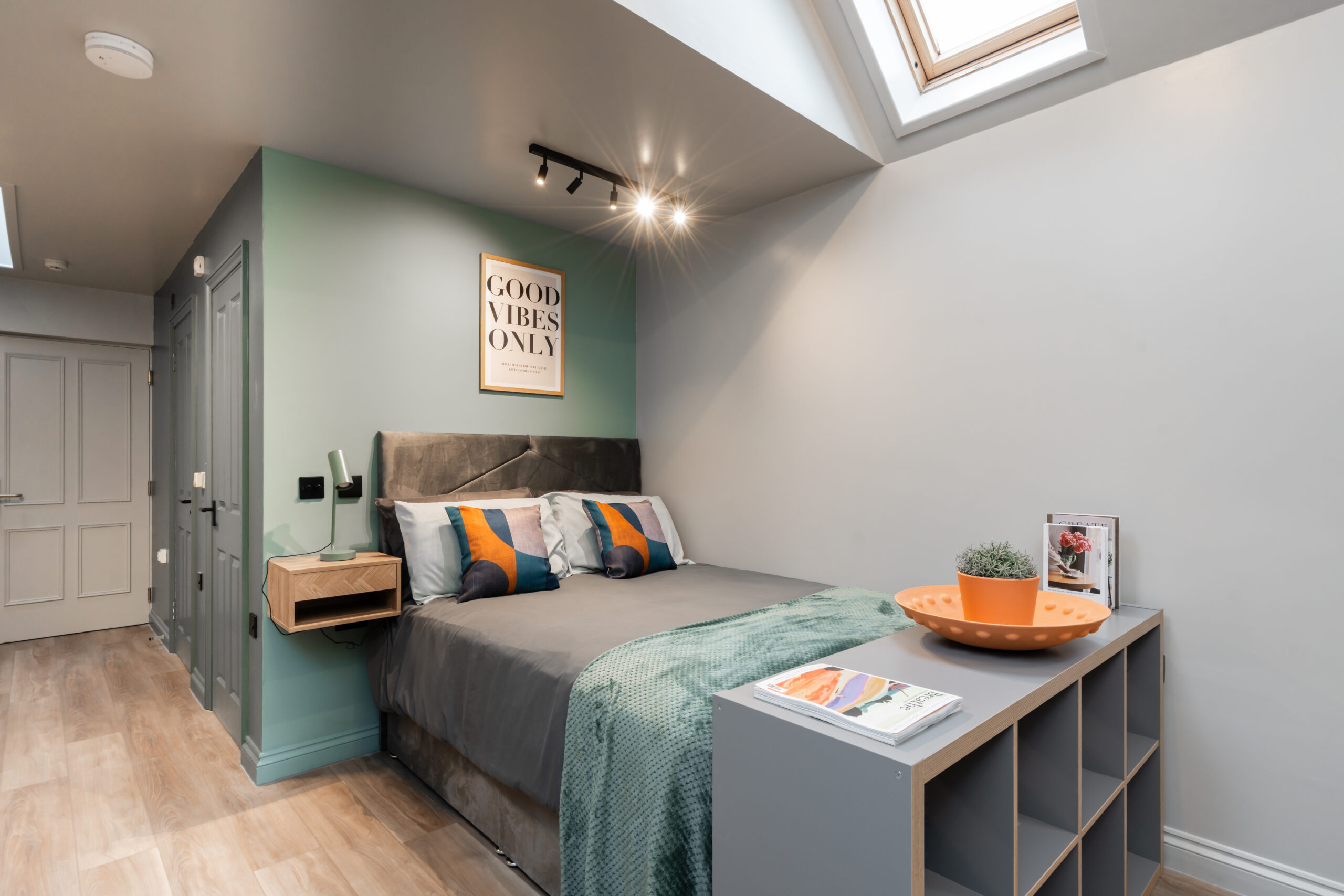
    Quiet, comfortable private bedroom in Bicester ideal for film crew resting between early call times and night shoots

    Oxford: the connected base

    Oxford suits production office staff, editors, and anyone who needs to be near the station or the city’s suppliers. The trade-off is parking, congestion, and higher short-let prices in term time.

    Insider tip: Oxford’s ring road can turn a two-mile trip into a 30-minute one between 08:00 and 09:00. If you are driving to set, check your route against the school-run window before you sign anything.

    How to choose short-term accommodation for film and production crews

    Work backwards from the call sheet rather than from the listing photos. Four criteria do most of the work.

    1. Commute and parking

    Ask for the postcode and check it against your unit base before you book. Confirm whether parking is allocated, whether a van will fit, and whether there are height restrictions on any barrier. Crew vehicles are often larger than a standard hatchback.

    Insider tip: if you are working at a rural location, ask the location manager for the nearest pub or village hall with a car park. Crews often end up parking there and walking the last stretch, so a base within a short drive of that point saves time.

    2. Contract flexibility

    Shoots move. Look for rolling weekly or monthly terms with a clear notice period rather than a fixed six-month AST. Get the notice terms in writing before you pay a deposit.

    Insider tip: ask whether the contract can be paused or extended if your shoot dates shift. Some operators will hold a room for a returning crew if you give them notice, which is useful on a series that blocks in the same area.

    3. Practical setup

    Check for a proper desk and chair, reliable broadband, a washing machine, and blackout curtains if you are working nights. These matter more on a long shoot than a view.

    Cooking a wholesome home meal in a fully equipped kitchen between film shoot call times

    Insider tip: if you are on a night shoot, ask about daytime noise. A room above a delivery yard or on a main road can be unusable when you are trying to sleep from 08:00 to 15:00.

    4. Cost and what it includes

    Compare like for like. A room with bills, Wi-Fi, and cleaning included can work out cheaper than a cheaper rent plus separate utilities, council tax, and a deposit scheme. Ask what is bundled before you compare headline prices.

    Common mistakes to avoid

    • Booking on price alone. A cheap let 40 minutes from set costs you more in fuel, fatigue, and lost sleep than the saving is worth.
    • Ignoring the summer and graduation calendar. Oxford short lets get scarce and expensive when the city fills up. Book earlier than you think you need to.
    • Assuming a van can park anywhere. Many central Oxford streets have permit-only or time-limited parking. Confirm before arrival, not at 05:30 on day one.

    At a glance: a workable week

    • Sunday: arrive, unpack, do a supermarket run, and drive your route to set once in daylight.
    • Monday to Thursday: early starts from your base; keep one evening free for laundry and rest rather than a trip into town.
    • Friday: if you finish early, use the time for a proper meal in Oxford or a walk along the canal rather than admin.
    • Saturday: reset the flat, restock, and check the following week’s call times and any location changes.

    Local logistics

    Getting around Oxfordshire without a car is possible but limiting. Bicester has two railway stations, Bicester North and Bicester Village, with Chiltern services towards London Marylebone and Birmingham. Oxford station connects to London Paddington and to Bicester via Chiltern.

    If you are relying on trains, check current timetables and last-service times before booking, particularly for late wraps. Taxis in rural areas can be hard to get at short notice, so pre-book anything after 22:00.

    Most short-term lets ask for a deposit and ID, and many want a copy of a contract or a reference. Have those ready before you start viewing. If you have accessibility requirements, ask specifically about step-free access, lift dimensions, and door widths, since older Oxford properties vary widely.

    Frequently asked questions

    How far ahead should I book short-term accommodation for film and production crews in Oxfordshire?

    Four to six weeks is a sensible minimum for stays over a fortnight. For summer, graduation season, or the run-up to Christmas, allow more. If your shoot dates are confirmed, book as soon as they are.

    Is Bicester or Oxford better for a location shoot?

    Bicester usually wins on parking, space, and motorway access. Oxford wins on rail links, suppliers, and evenings out. If your unit base is rural, Bicester is often the more practical choice.

    Can I get a rolling weekly contract?

    Many serviced apartments and co-living operators offer weekly or monthly rolling terms. Ask directly, and confirm the notice period and any early-exit fees in writing before you commit.

    Do I need a car?

    For most location work, yes. Public transport covers the towns well but not the rural estates and farms where much filming happens. If you are based in central Oxford or Bicester and working in the city, a car is optional.

    What should I check before paying a deposit?

    Confirm the total cost including bills, the notice period, the deposit protection arrangement, parking, and whether cleaning is included. Get it in writing and keep a copy.

    Living well between call times

    A long shoot is easier when your base feels like somewhere you live rather than somewhere you sleep. A kitchen you actually use, a desk that is not the end of the bed, and neighbours who understand that you sometimes leave at 04:30 all make a difference over six weeks. Oxford and Bicester both reward a little local knowledge: where to shop on a Sunday evening, which road to avoid at 08:15, and which café opens early enough for a pre-call coffee.

    Crew members relaxing with a tablet in a bright apartment living space between production calls

    If you are relocating for a production and want a base that handles the practical side, B-Hive Living provides flexible, well-connected homes in Oxford and Bicester with bills and Wi-Fi included, so you can focus on the shoot rather than the admin. Take a look at current availability and send us your dates.


  • Community and Convenience in Bicester Town Centre

    Community and Convenience in Bicester Town Centre

    Community and convenience are easier in Bicester when you know where to start.

    If you’re moving to Oxfordshire for work (or switching to remote life), you’ll want more than “a place to sleep”. You’ll want daily convenience—shops, services, and reliable routes—plus real community: places to meet people without forcing it. Bicester Town Centre is designed for exactly that rhythm. In this guide, you’ll get a practical shortlist of what to prioritise, when to go, and how to build a comfortable weekly routine quickly.

    Outcome: you’ll leave with an easy plan for settling in—plus insider tips to help you get to know the town faster.

    Quick answer: what’s best about Bicester Town Centre?

    • Best for: day-to-day errands, quick meet-ups, and building local routines without long travel times.
    • Best time: weekday mornings for services; early evenings and weekends for community events and casual browsing.
    • Who it’s for: young professionals, remote workers, and anyone who wants “walkable first” convenience.
    • Quick logistics: plan your top 3 errands (groceries, pharmacy, and post) and repeat weekly to lock in time-saving habits.

    Why Bicester Town Centre works for everyday life

    It’s compact enough to feel manageable, but connected enough that you’re not stuck relying on one route or one lifestyle pocket.

    Landlord Guide

    What “convenience” looks like day-to-day

    • Errands that don’t take an afternoon: you can group common tasks and keep weekends for exploring.
    • Services close by: think pharmacy runs, postal tasks, and practical shopping.
    • Casual options for downtime: coffee breaks and quick meals that fit between work calls and evenings out.

    What “community” feels like in practice

    • Low-pressure socialising: town-centre spaces make it easier to meet friends of friends or bump into neighbours.
    • Routine-based connection: regular visits (same café, same gym class, same market day) help people recognise you.
    • Local events and seasonal moments: you’ll often find something to join as your calendar fills up.

    Build your Bicester routine: an “at a glance” checklist

    Use this mini plan to get settled quickly, then adjust as you learn what you actually enjoy.

    • Pick your weekly anchor: choose one spot for groceries/essentials.
    • Lock in a “reset” route: map a short path for post/pharmacy/coffee.
    • Choose one community touchpoint: a class, volunteer slot, or a regular event.
    • Set a workday pattern: decide where you’ll do a walk-and-catch-up or a change-of-scene break.
    • Confirm timing: check opening hours before you go—town-centre schedules can vary.

    Where to spend time: errands, work breaks, and meet-ups

    Things to Do in Oxfordshire

    The goal isn’t to see everything at once—it’s to find a few reliable places that match your tempo.

    For essentials and quick errands

    Start by bundling three tasks into one outing: groceries/household essentials, pharmacy needs, and anything you need to post or collect. This reduces decision fatigue and helps you learn the fastest routes.

    Insider tip: go on a weekday morning in your first week. It’s usually easier to gauge flow and find the best parking options (or commuting routes) without the weekend crowds.

    For coffee, co-working energy, and short breaks

    Look for places where you can settle for 30–90 minutes: ideally with comfortable seating and a calm atmosphere. Even if you don’t work there every day, having one or two “reset spots” helps your routine feel less repetitive.

    Insider tip: test your spot on a typical day—not just a quiet lunchtime. You’ll quickly learn whether it suits calls, reading, or laptop time.

    For evening plans and low-pressure meet-ups

    As the week winds down, town centres tend to feel friendlier. If you’re new, aim for plans that invite conversation rather than long commitments—think casual meals, an after-work browse, or a community-focused event.

    Insider tip: keep a “one small plan” rule. If you’re unsure, choose one simple outing per week rather than trying to fill every social slot at once.

    How to choose what fits you (budget, vibe, timing, transport)

    Choosing well is less about finding the “perfect” place and more about matching your lifestyle with the town’s real rhythms.

    Budget and value

    • Set a weekly cap for convenience spending: it’s easy to overspend when errands and coffee stack up.
    • Compare “time cost” as well as price: sometimes a slightly pricier option saves you a detour and an extra journey.

    Vibe and social fit

    • If you’re quiet-by-default: choose calmer times and spaces for your first visits.
    • If you want to meet people: pick one repeatable activity (class, session, or event) rather than random meet-ups.

    Timing that makes life easier

    • Weekday mornings: errands, collections, and practical tasks.
    • Early evenings: a better mix of atmosphere and manageable crowds.
    • Weekends: good for discovery—just expect busier footfall.

    Transport and accessibility

    • If you’re walking: focus on a small radius first so you don’t get overwhelmed.
    • If you’re driving: arrive with a parking plan and allow extra time your first few trips.
    • If you use public transport: check service frequency and journey times at the time you’ll travel.
    • Accessibility note: when you’re heading to any venue, check step-free access and seating availability before you go.

    Insider tips for settling in faster

    These small moves will help you feel “local” sooner—without turning your life upside down.

    1) Repeat a route, not a plan

    Pick one short path you can walk regularly (even if it’s just groceries + coffee). Familiarity builds comfort, and you’ll start noticing where you naturally spend time.

    2) Use “soft launches” for socialising

    Try low-stakes conversations: ask a staff member what time is quietest, or attend a community event and simply observe first. You’re gathering context.

    3) Keep a “weather fallback”

    When the UK weather turns, you’ll thank yourself for having two indoor options within easy reach—somewhere for a proper coffee, and somewhere for a quick errand you can finish in one stop.

    Common mistakes to avoid

    These are the ones that quietly waste time (and can make the town feel less welcoming than it is).

    1) Trying to do everything in one weekend

    You’ll feel busier than you need to, and it’s harder to remember what you liked. Build in small repeat visits instead.

    2) Not checking current opening hours

    Town-centre schedules can shift. If you plan a “must-do” errand, check hours before you travel—especially for weekends and bank holidays.

    Getting there and local logistics

    Plan around the way you’ll actually live: short, frequent trips beat occasional rushed ones.

    Best times to visit

    • For errands: weekday mornings to evenings (before peak rushes).
    • For atmosphere and people: early evenings and weekends.

    Booking notes

    If you’re planning any classes or timed events, book in advance where possible. For casual venues, it’s still worth checking their latest policy (particularly if you’re meeting friends after work).

    Accessibility and comfort

    If you have specific mobility needs, check step-free access, seating availability, and toilet access before you commit—town centres can vary from venue to venue.

    FAQs about Bicester Town Centre convenience and community

    Question: What’s the best way to experience Bicester Town Centre if I’m new?

    Start with a practical routine: map your top errands, then choose one repeat social activity (coffee spot, class, or regular event). Try visiting on a weekday morning first, so you’re not deciding where to go in peak crowd conditions.

    Is Bicester Town Centre good for errands if I don’t have long weekends?

    Yes—its main advantage is that you can group tasks and keep trips short. Aim for a weekly anchor and add one extra stop only if it fits your schedule.

    What’s the best time to meet people locally?

    Early evenings and weekend time windows often feel more social. If you prefer calmer introductions, begin with weekday activities that happen at the same time each week.

    Can I rely on walking in and around the town centre?

    Many people find it manageable to walk for day-to-day needs, especially once you’ve chosen your main route. If you’re unsure, test it with one short “trial” outing and adjust based on your comfort.

    How do I choose between convenience and community-focused activities?

    Use a simple balance: prioritise your essential routine first, then add one community touchpoint that you’ll realistically repeat. Convenience keeps you steady; repetition is what builds familiarity.

    What should I check before visiting a venue?

    Check current opening hours, access notes (step-free options if needed), and any booking requirements. This prevents last-minute changes to your plan.

    Wrap-up: make Bicester feel like home

    Bicester Town Centre is at its best when you use it like a base rather than a checklist—short errands, familiar places, and one or two community touchpoints that grow with you. The more you repeat your routine, the more the town starts to feel personal: a place where you can work, reset, and meet people naturally. If you’re looking for that “settled in” feeling, you’ll find it easier when your home puts you close to where life happens.

    Ready to live where convenience and community meet? Apply to live with B-Hive Living and choose a home that fits the way you want to spend your time in Oxfordshire—so your weekdays feel easier and your weekends feel more yours.

  • Zero Surprises, Vetted Community: The True Alternative to Airbnb UK

    Zero Surprises, Vetted Community: The True Alternative to Airbnb UK

    Takeaway: If you want fewer headaches than short-stay rentals, focus on vetted, community-led options.

    When you’re relocating to Oxford or Bicester, a last-minute booking can feel risky—especially if you’re juggling work start dates, viewings, and moving logistics. Airbnb can work, but it also varies massively from host to host. The “zero surprises” approach is about choosing accommodation that’s set up with consistent standards, clearer expectations, and support when things go wrong.

    In this guide, you’ll learn what to look for in a serious Airbnb UK alternative, how to vet listings quickly, and why community-based living can be a better fit for young professionals and remote workers who want stability (without losing flexibility).

    Quick answer: best options, best timing, and who it’s for

    • Best options: vetted, managed community stays (often with utilities/internet included) and furnished short-to-mid stays designed for professionals.
    • Best time to book: 2–6 weeks before you move if you can; for Oxford and Bicester, earlier planning usually reduces last-minute compromises.
    • Who it’s for: remote workers, relocating professionals, and anyone who wants a predictable experience (not just a place to sleep).
    • Quick logistics: shortlist 3–5 options, confirm what’s included in writing, then book the one with the clearest support pathway.

    What “zero surprises” really means in the UK rental market

    Takeaway: Zero surprises comes from clarity—what you’re getting, who you contact, and what happens if plans change.

    Look for consistency, not just a good listing photo

    With any platform, listings can look polished while the fine print tells a different story. A “true alternative” usually replaces guesswork with standardised expectations: how check-in works, what’s included, and how issues are handled.

    Vetting should cover more than the host profile

    Good vetting typically includes checks on the property and the guest experience—things like accessibility of the space, cleanliness standards, and whether support is actually available.

    Best Airbnb UK alternatives: what to compare before you book

    Takeaway: Treat your shortlist like due diligence—compare inclusions, support, and flexibility.

    1) Managed, community-led stays

    Why it’s worth it: You’re not starting from scratch with every booking; instead, you’re choosing a provider that aims to deliver the same level of service across stays.

    Insider tip: Ask what happens on arrival if something doesn’t match the description. The quickest indicator of “zero surprises” is the clarity of the resolution process.

    2) Furnished short-to-mid term rentals (with services)

    Why it’s worth it: Many include basics you’d otherwise have to negotiate or chase—like internet access, utilities, and straightforward set-up.

    Insider tip: Confirm whether bills are included in the total price or added later. If the website doesn’t show it clearly, don’t assume.

    3) Co-living style arrangements

    Why it’s worth it: If you want structure and friendly company, these options often build community into the living experience rather than leaving it to chance.

    Insider tip: Look for house rules and quiet hours. For remote work, this is more important than “vibes” in a marketing description.

    How to choose an Airbnb UK alternative (fast)

    Takeaway: Use a checklist that prioritises what affects your day-to-day life: comfort, connectivity, and support.

    Budget and “what’s included”

    • Inclusions: broadband/wifi speed (or at least that it’s reliable), utilities, and any cleaning or linen arrangements.
    • Fees: watch for admin fees, cleaning charges, or additional charges that don’t appear until later.
    • Contract clarity: understand the rental term and how extensions work.

    Vibe and routine

    • Work-friendly setup: desk space, lighting, and noise considerations for video calls.
    • Community expectations: whether the environment feels social, quiet, or somewhere in between.

    Timing and flexibility

    • Check-in/out: confirm arrival times and whether early or late check-in is possible.
    • Move-in readiness: ask how quickly things are arranged—particularly internet activation and practical essentials.

    Transport and location reality

    • Oxford/Bicester fit: check how you’ll actually get to work (cycle, bus, walk, or car) rather than relying on distance alone.
    • Local daily needs: think about groceries, gyms, and where you’ll spend time when you’re not commuting.

    Insider checklist: vet in 15 minutes before you commit

    Takeaway: A quick vetting process can prevent the most common “surprise” problems.

    • Confirm inclusions in writing: wifi, bills, and whether you get towels/linen.
    • Check support: who you contact during the first 24 hours if something goes wrong.
    • Ask about standards: cleanliness process and how often basics are refreshed.
    • Review noise expectations: especially if you work from home.
    • Clarify access: key collection, entry security, and any restrictions.

    buy-to-let

    Common mistakes to avoid when booking an Airbnb UK alternative

    Takeaway: Most booking problems come from assumptions—not from bad luck.

    Mistake 1: Choosing purely by photos and nightly price

    Nightly costs can look attractive until you add fees, bills, or extra cleaning charges. Make sure the “all-in” cost matches your expectations.

    Mistake 2: Skipping the practical support question

    If you can’t quickly find out who helps when something’s wrong, you’re betting your arrival experience on chance. Ask early.

    At a glance: a mini itinerary for your Oxford/Bicester move

    Takeaway: A simple plan helps you secure the right place without stress.

    • Week 4–6: shortlist 3–5 options and note what’s included.
    • Week 2–4: ask for confirmation on wifi/bills/check-in and any noise or access rules.
    • 10–14 days before: confirm arrival arrangements and start dates.
    • Move day: do a quick walkthrough, log any mismatches, and contact support immediately if needed.

    Local logistics for Oxford and Bicester: getting set up smoothly

    Takeaway: Your accommodation choice should reduce friction around daily travel and working from home.

    Getting there and commuting

    When you choose a UK alternative to Airbnb, map your commute realistically—especially if you’ll be travelling to Oxford city centre for meetings. If you’re not sure, consider a mix of walking/cycling for short trips and public transport for longer routes.

    Best times to book

    Accommodation near Oxford and Bicester tends to move quickly around seasonal spikes and periods when professionals relocate. If you have flexibility, booking earlier helps you avoid the “only what’s left” situation.

    Booking notes to ask every time

    • Is broadband/router setup included and ready at arrival?
    • Are there any shared-space rules for remote working days?
    • What’s the process if something needs attention during your stay?

    Accessibility and comfort

    If you need specific accessibility support or have comfort requirements (e.g., step-free access, secure entry, or particular room layouts), clarify these before you book. Don’t rely on generic photos—ask direct questions.

    FAQs

    Takeaway: These answers reflect the questions most people ask before switching away from Airbnb-style stays.

    What is the best Airbnb UK alternative for a predictable stay?

    The best option is one with managed standards and clear support pathways—where inclusions, check-in, and issue resolution are communicated clearly before you arrive.

    Are community-led rentals good for remote workers?

    Often, yes—particularly if they prioritise reliable internet, quiet or structured shared spaces, and day-to-day consistency. Always check noise expectations and whether there’s a suitable work setup.

    How can I avoid extra fees when booking in the UK?

    Compare the all-in total price and confirm what’s included (utilities, cleaning, linen) before booking. If anything is unclear, ask rather than assuming.

    How far in advance should I book in Oxford or Bicester?

    If you can, 2–6 weeks is a practical starting point for reducing last-minute compromises. For exact timing, consider checking availability for your target dates early.

    What should I check on arrival to prevent disputes?

    Do a quick walkthrough and note any mismatches straight away. Contact the provider/support promptly so issues can be addressed while you’re still on-site.

    A more settled way to live near Oxford and Bicester

    Takeaway: When your home base is dependable, your work and your week feel easier.

    Moving to Oxford or Bicester is busy enough—so you deserve accommodation that behaves like a home base, not a gamble. A vetted community approach aims to remove common friction points: unclear bills, awkward check-ins, and slow responses when something needs fixing. It’s the kind of stability that helps you settle faster, focus on your job, and actually enjoy your new routine.

    Interested in a vetted community living option? If you’re planning a move and want a smoother start, consider applying to live with B-Hive. It’s designed for people who want comfortable, supported living in the Oxford and Bicester area—so you can focus on your work, meet new neighbours, and feel at home sooner.

  • The 1-Month Test Drive: Upgrading Standard UK Breaks with Coliving

    The 1-Month Test Drive: Upgrading Standard UK Breaks with Coliving

    Table of Contents

    The 1-Month Test Drive: Upgrading Standard UK Breaks with Coliving

    If you’ve ever booked a “standard” UK break and thought, it’s lovely, but I can’t quite settle, you’re not alone. For young professionals and remote workers moving around (or simply trying to reset), the real challenge isn’t finding somewhere nice—it’s finding somewhere that feels like yours after day one. This one-month test drive shows you how to use coliving as a practical stepping stone: a structured, social base in Oxford or Bicester that keeps your costs predictable and your routines easier to maintain.

    By the end, you’ll know what to pack, how to choose the right coliving setup for your work style, and how to decide whether you’re ready to stay longer—without guesswork.

    Quick answer: the best way to try coliving for a UK break

    • Best options: coliving stays with flexible entry dates and “pay-as-you-go” style plans (or monthly agreements).
    • Best time: aim for 3–4 full weeks so you experience at least one full work rhythm and a weekend social pattern.
    • Best for: remote workers, relocating tenants, and anyone who wants community without committing to a long lease first.
    • Quick logistics: confirm internet speed, key access, guest policy, and cleaning/laundry inclusions before you pay.

    Why a 1-month test drive beats a standard UK break

    A short trip can be restful, but it usually doesn’t teach you whether your day-to-day life will actually work. A one-month coliving trial is different: you test routine, privacy, work setup, and community while keeping your base stable.

    Takeaway: you’ll learn how it feels after the novelty wears off

    On day one, any place can feel great. After two or three weeks, you’ll notice the details that matter—noise levels, how easy it is to focus, whether shared spaces are calm when you need them, and how quickly you find your people.

    Takeaway: it’s “try before you sign” for your lifestyle

    Unlike a typical holiday with constant change, coliving gives you a consistent home base. That makes it easier to judge commute reality, household rhythms, and whether the social side supports your mental wellbeing.

    Takeaway: you can upgrade comfort and still keep your budget tidy

    Standard UK breaks can have hidden extras (trains, meals out, last-minute bookings). With coliving, you can compare costs more clearly: accommodation + utilities + shared facilities, depending on the provider. If anything is unclear, ask early so there are no surprises.

    How the 1-month test drive works (week by week)

    A good trial has structure. Here’s a simple timeline you can follow to make the decision easier at the 4-week mark.

    Week 1: settle and run your essentials

    Your mission is to establish routine. Check Wi-Fi reliability during video calls, test your key/door access, work out laundry logistics, and figure out where you prefer to work—your room, a quiet nook, or a shared space.

    Insider tip: schedule one “normal day” at the same hours you’ll use long-term. If you only test evenings or weekends, you’ll miss what workdays feel like.

    Week 2: measure privacy and focus

    Coliving can be sociable, but you still need a working environment. Pay attention to sound levels, room layout, and how easy it is to get quiet when deadlines land.

    Common mistake to avoid: assuming “shared house” means “always lively”. Ask how quiet time is handled and whether there are designated work-friendly areas.

    Week 3: test community without overcommitting

    Join one or two activities, chat with housemates naturally, and observe how the community supports you—without forcing yourself to be “on” every day.

    Insider tip: take note of who feels like your “weekend people” versus who helps with practical stuff (local routes, work accountability, recommendations). Both matter.

    Week 4: decide based on evidence, not vibes

    By week four, you’ll have enough signals. Write down what improved your routine and what didn’t—then compare it to your current setup.

    Insider tip: rank three categories: workability, comfort, and social fit. If one category is weak, you’ll know whether it’s a deal-breaker.

    What to check before you book your coliving trial

    The best 1-month upgrade starts with smart questions. Here’s a checklist you can use to compare coliving options properly.

    Internet, work setup, and daily routine

    • Internet: ask about reliability for calls and streaming; confirm whether common areas have good coverage.
    • Desk options: check if you can work from your room comfortably or if you’ll need to use communal spots.
    • Noise: ask how the space manages quiet times and whether rooms vary by sound exposure.

    House life, cleaning, and practicalities

    • Cleaning: what’s included (and what isn’t)?
    • Laundry: where it is and how it works (times, access, costs if any).
    • Kitchen access: can you cook reliably, and how is shared equipment managed?

    Logistics: keys, guests, and mail

    • Access: how keys/entry works and whether it supports flexible work hours.
    • Guests: check the policy if friends or family visit.
    • Post: confirm how deliveries and mail are handled.

    How to choose: your decision criteria (simple and specific)

    Use these four filters so you can decide quickly:

    • Budget: compare all-in monthly cost, including any expected extras.
    • Vibe: look for a community style that matches your personality (quiet, active, hybrid).
    • Timing: choose a start date that gives you a full month of workdays, not just weekends.
    • Transport: test your commute plan for Oxford or Bicester—especially mornings and evenings.

    Oxford and Bicester angle: making the most of your base

    In Oxford and Bicester, your coliving location will shape your weekdays more than most “holiday” factors. A good base can shorten your commute, make after-work plans easier, and reduce decision fatigue.

    Oxford: for walkable days and bigger-city energy

    Oxford can suit you if you want shops, cafes, and study-friendly spaces nearby, plus plenty of places to meet people. Insider tip: plan one evening out using public transport and one “homebody day” where you stay local—then compare how effortful each feels.

    Bicester: for calmer routines and efficient connections

    Bicester often appeals to people who want a less intense daily rhythm while still having access to Oxford and surrounding areas. Insider tip: check your quickest route options at the times you’ll actually travel (not just off-peak).

    Remote-work reality check: choose where you’ll feel steady

    Whether you’re in Oxford or Bicester, your best “upgrade” is the one that makes workdays repeatable. If you constantly commute farther than expected, social plans become effort instead of ease.

    At a glance: your 4-week coliving checklist

    • Internet works for calls during your typical hours
    • You can find a comfortable work spot (room or shared space)
    • You understand laundry and cleaning routines
    • Kitchen access fits your cooking habits
    • Noise level feels manageable on deadline days
    • Community is supportive, not pressuring
    • Transport plan is simple and reliable
    • Overall monthly cost matches your expectations

    Local logistics: getting set up quickly in Oxford/Bicester

    If you want your trial month to feel effortless, you’ll want the practical side sorted early.

    Getting there

    Plan your arrival around key access and settling time. If you’re flying in or arriving late, confirm entry instructions and whether there’s any orientation guidance.

    Best times to settle in

    Try to start at a point that gives you at least a couple of weekdays in your first week. That way you can test work routines and local transport rather than only enjoying weekends.

    Booking notes

    Before you commit, ask what’s included in the monthly rate (utilities, cleaning, laundry, and any communal costs). If anything is unclear, get it in writing or through a clear written summary.

    Accessibility and comfort

    If mobility needs matter to you, ask about step-free access, lift availability (if relevant), and bathroom/room layout. Don’t assume—coliving setups vary.

    FAQs about using coliving as a 1-month test drive

    Is a 1-month coliving trial enough to decide?

    For many people, yes. A month covers multiple workdays and at least one full weekend pattern, which helps you judge routine, privacy, and community fit. For complex moving plans, you may still want a longer trial—check options with the provider.

    What should I prioritise when upgrading standard UK breaks with coliving?

    Prioritise “workability” and daily comfort. In a trial, internet reliability, noise levels, and the ease of your commute usually matter more than the most attractive shared area.

    How do I know if the coliving community will suit me?

    Look for a balance between structure and choice: people should be friendly, but you should also feel able to step back when you need quiet. In your first weeks, join one or two activities and observe how you feel afterwards.

    Can I cook and keep my routine during a trial month?

    Most coliving setups aim to make daily life practical, but specifics vary. Confirm kitchen access, shared equipment rules, and cleaning expectations so your cooking habits stay consistent.

    What common mistakes should I avoid?

    Don’t judge based on weekends alone, and don’t assume “shared house” means you’ll always have noise or you’ll always feel excluded. Ask direct questions about quiet times, guest policies, and how common spaces are managed.

    Next step: make Oxford/Bicester feel like home

    A good home doesn’t just look good—it supports your days. A 1-month coliving test drive can turn an uncertain move into something grounded: you get a base you can work from, a community you can choose to lean into, and a routine that’s easier to maintain. If you’re exploring life in Oxford or Bicester, it’s a sensible way to upgrade your stay without rushing your decision.

    Interested in trying coliving with B-Hive Living? If you want a thoughtful, community-led approach to renting in Oxford or Bicester, consider applying for a stay. It’s a practical first step—designed for people who want to live well, not just visit somewhere nice.

  • The Professional Coliving Alternative to Unique Stays UK

    The Professional Coliving Alternative to Unique Stays UK

    The Professional Coliving Alternative to Unique Stays UK

    If you’re relocating to Oxford or Bicester, working remotely, or juggling a short project with flexible dates, you’ll know the trade-off: serviced stays can be convenient, but they’re not always built for day-to-day professional life. You might want a comfortable place to sleep, space to work, and a way to meet people without turning every evening into a networking event.

    This guide compares a professional coliving setup with the Unique Stays UK-style experience—so you can pick what fits your routine, budget, and preferred level of community. By the end, you’ll have a clear shortlist, the right questions to ask, and practical logistics for moving quickly and settling in well.

    Quick answer

    • Best option for routine + community: professional coliving with on-site support and shared social spaces.
    • Best option for “turn up and go”: unique/serviced stays when you want minimal involvement.
    • Best time to book: aim 2–6 weeks ahead for relocations; shorter stays depend on availability.
    • Who it’s for: remote workers, consultants, contractors, and early-career professionals.

    Coliving vs unique stays: what changes day-to-day?

    The biggest difference isn’t just the room—it’s how your week is supported.

    What “unique stays” typically give you

    Unique stays (often serviced apartments or boutique short lets) usually focus on independence: your own space, a curated feel, and a smooth arrival process. That can be perfect if you mainly need a private base and don’t want structured community.

    What professional coliving is designed to do

    Professional coliving prioritises your workday and your social rhythm. You’ll typically get a house-style setup with shared areas, resident-friendly norms, and (in many cases) staff support for practical living—helping you settle faster and avoid the “new town” loneliness.

    Insider tip #1: decide based on your evenings, not just your bedrooms

    Ask yourself: do you want a quiet home most nights, or do you want easy, low-pressure opportunities to meet people? If you’re new to Oxford, that difference matters more than you’d expect.

    How to choose between a Unique Stays UK approach and coliving

    Use a few criteria to match the accommodation style to your work pattern.

    Budget fit (and what’s included)

    Check what’s included in the weekly or monthly rate. Some stays bundle bills and utilities; others may add costs later. With coliving, shared services and community spaces can be part of the value—so compare “total cost of living” rather than just the nightly headline price.

    Vibe and boundaries

    Look for clarity around quiet hours, visitor rules, and how residents manage shared spaces. Professional coliving tends to work best when boundaries are explicit, so you can focus on work.

    Transport to your work (Oxford and Bicester context)

    Many remote professionals still need occasional in-person days. Consider how easily you can get to your office, co-working space, or client locations—then choose a base that reduces daily friction.

    Timing: short-term comfort vs longer-term stability

    If your dates are uncertain, it’s worth asking about extensions. Coliving can be helpful when you want stability without committing to a long tenancy immediately.

    Insider tip #2: ask how the place handles “late arrival” days

    Whether you’re landing after work or arriving mid-week, you want a clear process for keys, check-in, and getting set up. The smoothness of that first week is a strong predictor of whether you’ll enjoy the stay.

    Best coliving alternatives if you’re comparing “Unique Stays UK”

    Here are the common alternatives people in Oxford and Bicester consider when they want more professional structure than a typical short let.

    Option 1: Professional coliving with shared work-friendly spaces

    Why it’s worth it: you get a place that supports both focus and social life, which is useful if you’re working remotely or splitting time between home and hubs.

    Insider tip: check whether there are quiet corners or bookable spaces—open-plan communal areas can vary by house.

    rooms to rent in oxford

    Option 2: Serviced apartment style (private-first)

    Why it’s worth it: if you prefer independence and don’t want shared living norms, a serviced apartment can feel more “hotel-like” while still being comfortable.

    Insider tip: confirm the Wi-Fi setup and workspace suitability before you commit—some properties are great for evenings, but less ideal for long, laptop-heavy days.

    Option 3: Co-living communities with scheduled resident events

    Why it’s worth it: a steady social calendar can help you build local connections faster without forcing awkward small talk.

    Insider tip: look for events that fit your lifestyle (e.g., weekday meetups rather than only weekend plans).

    At a glance: a mini checklist for your shortlist

    • Workday setup: desk comfort, Wi-Fi reliability, and quiet options.
    • House flow: where you’ll spend time (kitchen, lounge, shared workspace).
    • Inclusion clarity: bills, utilities, cleaning, and any shared charges.
    • Check-in realities: late arrivals, keys, and getting settled quickly.
    • Boundaries: quiet hours, visitor rules, and respectful conduct.

    Local logistics: getting it right in Oxford and Bicester

    Choosing well is half the move—planning the practical bits makes it feel effortless.

    Getting there (what to check)

    Before you decide, confirm transport links from the area you’re considering to your usual destinations—your workplace (if applicable), co-working sessions, supermarkets, and getting back late after meetings.

    Best times to view or book

    If you can, view during normal working hours so you can judge noise levels and how shared spaces feel when people are actually using them.

    Booking notes to take seriously

    Ask what happens if you need to extend your stay, and whether there’s a smooth process for moving rooms (if the arrangement is flexible). For relocations, clarity around dates and agreements prevents stress.

    Accessibility notes

    If you need step-free access, lift availability, or particular facilities, check early. Shared houses can vary significantly, so don’t assume.

    Common mistakes to avoid when comparing Unique Stays UK vs coliving

    These are the pitfalls that cost time and lead to mismatched expectations.

    Common mistake #1: choosing based on photos alone

    Photos don’t reveal noise patterns, Wi-Fi performance, or whether shared spaces feel comfortable at 9am on a weekday. If possible, get a walkthrough or ask for details about day-to-day living.

    Common mistake #2: ignoring how you’ll meet people (or not)

    If you want community, a private-first stay may feel isolating. If you need a quiet bubble, coliving without strong boundaries could be draining. Match the living style to your social needs.

    Insider tip #3: run a “one-week reality test”

    Write down your week: work calls, gym time, shopping errands, and the most likely nights you’ll want company. Then check whether the accommodation makes that easy or awkward.

    FAQs

    What is the best professional coliving alternative to Unique Stays UK?

    The best fit depends on what you want day-to-day: if you need a private base with minimal social involvement, a serviced apartment-style stay may suit you. If you want a work-friendly routine plus built-in community, professional coliving is often the better match. Compare inclusion details, Wi-Fi/work setup, and house boundaries before you decide.

    Is coliving good for remote workers?

    Often, yes—provided the property supports focused work (reliable Wi-Fi, comfortable seating, and quiet space options). When you’re comparing, ask about workspace suitability for long calls and deep-focus tasks.

    How do I decide between short lets and longer coliving stays?

    If you’re unsure about your timing, consider the flexibility to extend. If you’re relocating and want to settle fast, a longer coliving stay can reduce the need for constant re-booking and help you build local routines.

    What should I ask before booking?

    Ask what’s included (bills/utilities), how check-in works for later arrivals, house rules (quiet hours/visitors), Wi-Fi reliability, and whether the community support is hands-on or mostly self-managed.

    Will I feel crowded in a coliving house?

    It depends on the property layout and resident mix. Look for clear shared-space rules and spaces designed for different moods—quiet time versus social time—so you can control your experience.

    Is it easy to transition to living in Oxford or Bicester?

    It can be, especially if your accommodation makes it easy to meet people and settle into daily routines. Choose a base with convenient transport access and clear living norms so your first couple of weeks feel manageable.

    Soft landing: living well with the right kind of space

    The accommodation you choose should support your actual life: your work rhythm, your evenings, and the way you want to feel in a new place. Whether you’re leaning towards a Unique Stays UK style setup or exploring professional coliving, the key is to match the experience to your needs—not just your preferences.

    Interested in a professional coliving experience in Oxford or Bicester?

    If you’re ready for a home that’s built for working professionals—comfortable, practical, and connected—consider applying to live with B-Hive. We’ll help you find the right fit so you can spend less time settling in and more time enjoying your Oxford or Bicester routine.

  • Escaping London: Finding a Studio Flat to Rent with Bills Included in Bicester

    Escaping London: Finding a Studio Flat to Rent with Bills Included in Bicester

    Table of Contents

    Escape London without the “unknowns”.

    If you’re moving from London to Oxfordshire, a studio flat can feel like the easiest way to reset—until you realise how many listings don’t tell you what you’ll actually pay each month. Bills included makes budgeting calmer, especially when you’re balancing commuting, new routines, and the cost of setting up your place. This guide walks you through the best ways to find a studio flat to rent with bills included in Bicester, what to check before you sign, and how to choose the right fit for a remote-working lifestyle.

    • Best options: purpose-built managed studios and landlords/agents that clearly bundle utility costs.
    • Best time: late month to mid-month for fresh availability, then act quickly.
    • Who it’s for: remote workers and busy professionals who want predictable bills.
    • Quick logistics: shortlist 3–5 listings, confirm what’s included, then book a viewing with questions ready.

    How to find a studio flat with bills included in Bicester (fast).

    The trick is to search with the right keywords and filter for transparency, not just “all bills included”.

    Start with the search terms people actually use

    When you search, try variations such as “studio flat bills included”, “bills included Bicester”, “all bills included studio”, “utilities included”, and “furnished studio” (if you want move-in simplicity). This helps you surface listings where the agent has done the work of bundling costs into the rent.

    Plan your shortlist around what you work like

    Most people moving from London to Bicester are working hybrid or remotely. When you view, think beyond the kitchen and storage: ask about internet options, noise levels, and whether the building layout supports a calm routine.

    Confirm the “bills included” definition in writing

    This is where many searches derail. “Bills included” can mean anything from basic utilities to a broader package. Ask for the exact list (and any caps) before you commit.

    What “bills included” should cover (and what often isn’t).

    Predictable bills are the goal—so you need clarity on what’s truly included.

    Common inclusions

    • Electricity and gas (sometimes under a usage allowance)
    • Water
    • Council tax (sometimes included depending on setup)

    Common exclusions or “not always included” items

    • Internet/TV licence (frequently separate)
    • Contents insurance
    • Parking (if you need it)
    • Service charges that might be separate from monthly rent

    Insider tip: ask, “If my usage is higher than expected, does the rent change or do I pay a top-up?” A clear answer usually means fewer surprises later.

    How to choose the right studio in Bicester for your life.

    Use a simple decision framework so you don’t get swept up by the nicest photos.

    Budget: look at total monthly cost, not just rent

    Even with bills included, factor in any monthly internet, insurance, or parking you expect to pay. If the listing is vague, assume you’ll need to top up.

    Vibe: choose what supports your routine

    • If you work from home: prioritise quieter locations and workable desk space.
    • If you like leaving the flat: proximity to shops and transport helps more than you think.

    Timing: act quickly but don’t rush the checks

    Studios with transparent bills can go quickly. However, rushing the “what’s included” conversation is one of the most common ways tenants end up unhappy.

    Transport: think about your most frequent journey

    If you travel to Oxford, London, or commute for work, consider how your studio’s location affects your daily route. When you view, check walking time to the nearest transport links and whether buses run at the times you need.

    Common mistake to avoid: accepting “bills included” without a written breakdown. You want the exact scope in your agreement or an email trail.

    At a glance: your Bicester studio checklist for viewings

    • Ask what’s included: electricity/gas, water, council tax, internet, and any caps
    • Check heating and ventilation: how the heating is controlled and whether windows get proper airflow
    • Look at noise sources: road noise, shared corridors, or neighbouring flats
    • Confirm furnishings: what’s included (especially desk setup if you work remotely)
    • Understand the contract: notice period, deposit details, and rent review approach
    • Test the internet plan (if possible): ask about provider and expected speeds

    Local logistics: getting around Bicester and settling in.

    Once you’ve found the right studio, the next step is making it easy to live well day to day.

    Getting there (and moving day)

    Before you commit, consider practicalities for moving: lift access, parking for a van, and whether you’ll need to arrange permits or timing. If the property is in a managed building, ask the landlord/agent what the move-in process looks like.

    Best times to search and book

    Availability can change quickly. Aim to browse regularly and book viewings as soon as you’re sure a listing matches your “bills included” criteria.

    Accessibility and comfort checks

    If you have mobility needs, ask about step-free access, lift availability, and the layout of the building (especially if the studio is on an upper floor). For remote workers, also check whether the heating controls are easy to use throughout the day.

    FAQs about studio flats with bills included in Bicester

    Search intent matters: these answers focus on practical steps for finding and choosing the right rental.

    How do I find a studio flat to rent with bills included in Bicester?

    Use targeted searches like “studio flat bills included” and shortlist only listings that specify what bills are included (and whether there are usage limits). Then confirm the exact breakdown in writing before you book your viewing.

    What should I ask about council tax and utilities?

    Ask whether council tax is included, whether electricity/gas are capped, and if there’s any process for paying a top-up. If the agent can’t provide specifics, treat it as a red flag.

    Are internet and contents insurance usually included?

    They’re often not included. It depends on the property setup, so ask directly. If the listing doesn’t mention them, confirm whether you’ll need to arrange your own internet plan and contents insurance.

    Can bills included still change month to month?

    Sometimes there are allowances or service charges that can vary. Look for wording about caps, estimated usage, and any rent or service charge reviews.

    Is furnished always included in bills-included studios?

    Not necessarily. Many studios are furnished, but you should check what’s included in the inventory list (and whether you’ll need to bring basics like bedding, cookware, or a desk chair).

    What’s the best way to avoid scams?

    Only communicate through reputable channels, avoid paying deposits before you’ve verified the property details, and ensure you can see paperwork or viewing arrangements. If anything feels rushed or unclear, pause and check again.

    Insider picks: how to identify the best fit when listings look similar.

    When multiple studios seem comparable, these small signals usually point to a smoother renting experience.

    1) The listing includes a clear bills breakdown

    Look for an explicit list of included costs rather than broad wording. If it’s detailed, it typically means less admin for you later.

    Insider tip: screenshot the “bills included” paragraph during your first look, then ask for confirmation in your viewing notes.

    2) Viewings feel structured and responsive

    Managed rentals and organised agents tend to answer questions clearly and provide paperwork. It’s a sign the process is set up for tenants, not just landlords.

    Insider tip: ask one “contract admin” question early—like deposit protection or the notice period—to see how they respond.

    3) The studio suits your daily rhythm

    A studio can be “nice” but still fail your routine if there’s no practical desk space, poor lighting, or too much noise.

    Insider tip: bring your working essentials (even mentally): where your laptop goes, whether you can sit comfortably, and how you’ll manage storage.

    Common mistake to avoid: focusing only on the cheapest monthly rent. If “bills included” isn’t truly inclusive, the real cost can creep up quickly.

    Make the move: settling in Bicester with less stress.

    Moving from London is a lifestyle decision as much as a housing one. When you choose a studio with bills included, you buy yourself breathing space: easier budgeting, fewer surprise costs, and more energy to build a routine—whether that’s desk days at home or weekend plans around Oxfordshire.

    At B-Hive Living, we’re focused on helping you live well where you’re based—comfortable spaces, community-minded living, and a location that makes everyday life feel smoother. If you’re ready to move, take a look at our available options and see whether Bicester is the fresh start you’ve been aiming for.

    Next step: If you’d like to live with B-Hive, apply to join us and we’ll guide you through the process—so you can go from searching to settling in with confidence.

  • Community Meets Privacy: The New Standard for Rooms to Let for Couples

    Community Meets Privacy: The New Standard for Rooms to Let for Couples

    Community Meets Privacy: The New Standard for Rooms to Let for Couples

    If you’re moving to Oxford or Bicester—perhaps for work, a fresh start, or a role that’s letting you work remotely—you’ll probably want two things at the same time: privacy at home, and a sense of belonging around you. Rooms to let for couples can be tricky to get right. Go too private and you feel isolated; go too communal and you lose the calm you need after a long day.

    This guide explains what “community meets privacy” looks like in real life, how to spot it quickly, and how to choose a room that fits your routine—without making compromises you’ll feel every day.

    Quick answer: what to prioritise when looking for rooms to let for couples

    • Best options: ensuite (or near-ensuite) couple rooms inside a shared home, with clear house rules.
    • Best time to view: weekdays early evening or weekends late morning (you’ll spot noise and how people interact).
    • Best for: couples who want quiet nights, but still like friendly, low-pressure company.
    • Quick logistics: ask about utilities, broadband, visitor rules, and whether the communal areas are used regularly.

    What “community meets privacy” actually means (beyond the wording)

    The new standard isn’t about having loads of shared spaces—it’s about sharing the right things, in the right way.

    Private by default

    You should expect a room setup that lets you switch off: secure door, good sound separation, and a bathroom arrangement that suits a couple’s day-to-day rhythm. If you share a bathroom, find out how many other people use it and whether it’s practical in the mornings.

    Community with boundaries

    Good community feels optional, not intrusive. Look for social spaces that encourage connection—like a calm lounge, a kitchen that’s truly set up for cooking, or regular “soft” events—while still having clear rules around quiet hours.

    House rules that protect both of you

    Ask what “respect” looks like in practice: visitors, shared cleaning schedules, noise expectations, and whether work-from-home spaces can be used without interruption. This is often where couples either thrive—or struggle.

    How to choose rooms to let for couples in Oxford or Bicester (a practical checklist)

    Use a quick scoring mindset: privacy, routine fit, transport, and clarity. That’s how you avoid guesswork.

    1) Budget and what’s included

    Start with what’s genuinely included: rent, council tax (if applicable), utilities, and broadband. If the listing says “all bills included”, confirm whether that covers your usage level and how the broadband is handled.

    Insider tip: ask what happens if you work long hours online—does the connection handle video calls reliably?

    Common mistake to avoid: focusing only on the monthly rent while ignoring what you pay for during peak usage (heating, hot water, or energy-heavy weekdays).

    2) The vibe: how it feels at different times

    Rooms can look calm in the daytime and turn lively at night. View at the time you’ll actually be home, and pay attention to shared areas—are they used in a relaxed way, or is there constant footfall?

    Insider tip: when you arrive, notice whether people are quietly working, chatting in a corner, or leaving doors open. These small cues tell you a lot.

    3) Transport and your “commute reality”

    Oxford and Bicester can be very different for travel depending on where your workplace is. If you’re commuting, prioritise practical links over best-looking neighbourhoods.

    Common mistake to avoid: picking a place that’s close to a station but not easy to reach on foot or by cycle at your usual times.

    Engaged tenants

    4) Shared spaces: choose the right kind of togetherness

    For couples, shared spaces should feel supportive, not unavoidable. Look for areas where you can be together without being forced into interaction—think a kitchen you can use confidently, and a lounge where conversation is light-touch.

    5) Privacy protection in writing

    Before you commit, confirm details in writing: visitors policy, quiet hours, cleaning expectations, and what happens when someone breaks the rules. If it isn’t clear now, it won’t magically become clear later.

    At a glance: mini itinerary for couple room viewings

    • Arrive at your real time: check how loud it is when people are cooking, walking through, or working.
    • Test the morning flow: ask about bathroom access and when it’s busiest.
    • Check the “quiet corner”: where can you both sit without feeling watched or interrupted?
    • Ask about visitors: how often, how long, and what the expectations are.
    • Confirm the broadband setup: speeds and shared usage at peak times.

    Local logistics for Oxford and Bicester (getting this right from day one)

    Logistics matter because couples need stability—especially in your first couple of weeks.

    Getting there

    If the room is in Oxford or Bicester, ask about the most reliable route from where you’ll commute from. For remote workers, also check local amenities nearby—coffee, supermarkets, and cycle parking—so you don’t waste time trying to solve daily needs.

    Best times to book and visit

    For a realistic sense of day-to-day life, book viewings on weekdays and aim for early evening if you’re in the office after 9–5. On weekends, late morning can show how the kitchen and shared areas work when people are home.

    Booking notes

    When you enquire, mention you’re a couple and ask what privacy looks like: room separation, bathroom access, and noise expectations. You’ll get clearer replies, faster.

    Accessibility and comfort checks

    If you need step-free access, good lighting, or particular bathroom adjustments, ask upfront. Don’t assume—confirm before you travel.

    Insider tips: how couples usually find the best fit

    These aren’t “nice to have” details—they’re the things that stop friction later.

    Insider tip 1: Ask how house decisions are handled

    Privacy and community both depend on agreement. Ask who sets rules, how changes are communicated, and whether residents have a say.

    Insider tip 2: Look for “soft structure”

    The best setups feel organised without being rigid: clear cleaning rota, shared expectations, and a calm vibe in communal areas.

    Insider tip 3: Clarify your alone-time and together-time

    For couples, it helps to know how people use the kitchen and lounge. You don’t need constant interaction, but you should have options.

    Common mistakes to avoid when searching rooms to let for couples

    Avoid these and you’ll reduce the chance of living arrangements that feel mismatched.

    Common mistake 1: Treating privacy as optional

    If sound travels easily or the bathroom arrangement doesn’t work for you, it will wear you down. Privacy isn’t a luxury—it’s part of daily comfort.

    Common mistake 2: Skipping the “shared areas” question

    Many listings describe the room, but couples live in the whole home. Ask how communal spaces are used and how visitors affect it.

    Brunch Spots in Oxford

    FAQs

    Q: What should I look for in rooms to let for couples in Oxford?
    Start with privacy (room separation and bathroom access), then check house rules around noise and visitors, and confirm what’s included (utilities and broadband). Viewing at the time you’ll be home helps you judge the day-to-day vibe.

    Q: Are communal kitchens and lounges a deal-breaker for couples?
    Not if they’re set up for comfortable use and the home has clear boundaries. Look for flexible “together time” rather than forced interaction.

    Q: How do I know the community side will feel friendly, not intrusive?
    Ask how residents interact, what events (if any) happen, and what quiet hours are like. You’re aiming for optional connection, with privacy protected.

    Q: What questions should I ask about bills and broadband?
    Confirm what’s included, how heating/hot water works, and whether broadband is reliable for video calls. If usage affects speed, ask how it’s managed.

    Q: What if we need a more flexible visitors policy?
    Bring it up early. Ask what the default policy is and whether exceptions are possible, so you’re not negotiating after you move in.

    Q: Can accessibility issues be overlooked in room listings?
    Yes—so it’s important to ask about step-free access, bathroom layout, lighting, and any mobility considerations before you commit.

    Soft close: a calmer way to settle in

    Moving as a couple is easier when your home supports both togetherness and privacy. When the right boundaries are in place, community stops feeling like a compromise and starts feeling like everyday support—someone to share a quick chat with, without losing your quiet at night.

    Whether you’re relocating to Oxford or already based in Bicester, choosing a room that protects your routine is one of the fastest ways to feel settled.

    Want a living setup designed around real couple life? Apply to live with B-Hive and explore rooms that aim to balance privacy, comfort, and community in Oxford and Bicester. It’s a practical way to find home—without giving up the calm you need.

  • Community Socials and Evenings Out for Couples in Bicester

    Community Socials and Evenings Out for Couples in Bicester

    Finding things to do as a couple in a new place can feel surprisingly tricky. You want something that’s easy to plan, relaxed enough to actually enjoy, and social without being loud or awkward. The good news: Bicester is packed with community energy, local venues, and regular get-togethers that make it simple to build routines—whether you’re balancing work days, remote schedules, or early starts in Oxford.

    This guide helps you pick the right kind of community socials and evenings out for couples in Bicester. You’ll find quick options, what to expect, when to go, and how to choose based on your vibe—so your next evening feels effortless.

    Quick-answer: best ways to plan couple socials in Bicester

    • Best options overall: community events (church/community halls, local talks), open-mic or quiz nights (if you enjoy conversation), and casual date nights at relaxed venues.
    • Best time to go: weeknights for quizzes/talks (quieter), and weekends for longer “start-to-finish” plans.
    • Best for: couples who want something social but not overly formal—especially if you’re new to town.
    • Quick logistics: check event pages for timings, book ahead for popular nights, and aim to arrive 10–15 minutes early to settle in.

    Choose your evening: social-first, date-first, or activity-first

    The easiest couples plans start with your goal for the night—whether that’s meeting people, switching off together, or trying something new.

    Social-first nights (meet people without the pressure)

    Look for community-led events where conversation is built in—talks, workshops, charity evenings, and local group meet-ups. These are ideal if one of you is more confident than the other, because you can ease in at a comfortable pace.

    • Why it’s worth it: you’re likely to see familiar faces over time, which helps conversations feel natural.
    • Insider tip: go as a pair even if it’s a “group” event—many couples find it easier to talk to others after you’ve both arrived together.

    A happy couple is taking a selfie at night, with the man laughing and the woman smiling warmly.

    Date-first evenings (fun, low-stress, and easy to repeat)

    If you want something you can schedule around work, choose venues with a consistent evening rhythm: casual dining, screenings, or relaxed live music where you can still hear each other.

    • Why it’s worth it: repeatable plans reduce planning fatigue.
    • Insider tip: pick a “buffer” plan—book a table first, then add a short activity afterwards (dessert, a walk, or a quick browse at shops) so the night flows even if you’re tired.

    Activity-first plans (bonding through something shared)

    Work your way towards a shared goal: a class, a tasting, an arts session, or a themed night. These suit couples who like doing something together rather than just talking.

    • Why it’s worth it: you’ll always have something to discuss afterwards (what you enjoyed, what you’d try again).
    • Insider tip: choose an activity that lasts long enough to feel like a date (not just a quick event), especially if you’re both commuting or working remotely.

    Local staples for couples: what to look for in Bicester

    Because event schedules change, the best approach is to target the categories that reliably turn into good couple evenings.

    1) Community talks, workshops, and volunteer-led evenings

    These are often calmer than big social events, and they’re a great fit for couples who want connection without crowds. Keep an eye on local community pages and noticeboards near community spaces.

    • Common mistake to avoid: waiting for a perfect “date-night theme”. A practical talk/workshop can be just as satisfying—especially if you both enjoy learning.

    2) Quiz nights and games evenings

    If you and your partner like friendly competition, quizzes can be a surprisingly good way to meet other locals—especially when you sit together and share answers.

    • Insider tip: check whether teams are pre-booked or walk-in—then decide based on your comfort level.
    • Common mistake to avoid: overcommitting. If you’re tired after work, aim for a shorter plan and keep it to one main event.

    3) Local performances and live music (for couples who like an atmosphere)

    Live evenings can be romantic, but only if you choose the right sound level and seating. If conversation matters, look for laid-back venues or earlier showtimes.

    • Insider tip: choose an earlier session if you want an easier way to chat afterwards—late ones can feel rushed.

    4) Relaxed dining + a “second stop” idea

    A simple formula works: dinner or a drink, then a second stop that’s low effort. Think: dessert, a gentle walk, or a short browse before heading home.

    • Why it’s worth it: it keeps the night from feeling like a single stop that ends abruptly.
    • Insider tip: agree on a small budget cap for the second stop so you’re not negotiating mid-evening.

    At a glance: a couple’s mini itinerary you can copy

    • 6:30–7:15pm: casual dinner or a quick pre-event drink (aim for somewhere you’ve been before if you’re nervous).
    • 7:30–8:45pm: community talk/workshop OR quiz/games night.
    • 8:45–9:30pm: short second stop (dessert, a calm walk, or a final drink).
    • 9:30–10:00pm: debrief chat on the journey home—what worked, what you’d repeat.

    How to choose the right social for you (budget, vibe, timing, transport)

    The best couple evening isn’t the “most popular”—it’s the one that fits your rhythm and comfort level.

    Budget that doesn’t steal your evening

    Decide early whether you’re paying for tickets, a meal, or both. If it’s a ticketed event, consider keeping dinner simple so you don’t overspend.

    Vibe check: loud vs chatty

    If you want conversation, prioritise events with seating or structured time for talking. For lively atmospheres, choose earlier showtimes or plan to arrive together and settle in.

    Timing: workdays vs weekend flow

    • Weeknights: often best for quizzes, talks, and shorter workshops.
    • Weekends: better if you want a longer plan with more breathing room.

    Transport and accessibility

    Choose based on how you’ll get home comfortably. If you’re driving, consider parking time and whether the event ends at a predictable hour. If you’re using public transport, check how late services run and whether you’ll need a calmer second stop nearby.

    Local logistics: getting there, booking notes, and practical timing

    This is the part that makes the evening feel smooth—especially when you’re balancing a busy week.

    Getting there in Bicester

    For most local events, arrive with enough buffer for parking/traffic, particularly on evenings. If you’re travelling from nearby Oxford/rail links, build in time for connections so you’re not rushing.

    Booking notes (when to reserve)

    • Book ahead: for ticketed events, limited-capacity workshops, or popular quiz nights.
    • Walk-in is fine: for casual community socials where the venue typically accommodates arrivals (still check the event page).

    Accessibility and comfort

    If accessibility matters, look for venue details on the event listing—especially step-free access and seating options. When in doubt, message the organiser to ask about entry arrangements.

    Insider tips that make couples socials easier (and better)

    • Tip 1: Choose one “low-effort” night per month. It prevents decision fatigue—pick a quiz or simple community event, then keep the rest of the night light.
    • Tip 2: Make a “micro-conversation plan”. Decide on two topics you can share quickly (a new hobby, something you’re watching/reading, your next weekend). It stops awkward pauses.
    • Tip 3: Rotate who leads the plan. One person picks the event category, the other picks the venue/food. It keeps it fair and builds anticipation.
    • Tip 4: Arrive together, then explore separately for 10 minutes. If it’s a room with mingling, spend a short time checking the layout and then return to each other—less overwhelm, more control.

    Brunch Spots in Oxford

    Common mistakes to avoid

    • Thinking you have to “meet loads of people”. If the goal is connection, conversation with one or two new people is already a win.
    • Over-planning a full evening when you’re tired. If you’re both busy, a single well-chosen plan beats a rushed schedule.

    FAQs

    What are good community socials for couples in Bicester?

    Look for community-led talks, workshops, volunteer activities, and quiz/games nights—these tend to be naturally social without demanding you “perform”. Always check the latest event listings for dates and accessibility details.

    How do we find events that suit a quieter vibe?

    Choose events with seated formats (talks, screenings, structured workshops) and earlier start times. If you’re unsure, read the event description carefully and look for notes on noise levels or seating arrangements.

    Are quiz nights a good option for new couples to Bicester?

    Yes—particularly if you go as a team and take a friendly approach. Quizzes also create shared focus, so you don’t have to “keep the conversation going” from scratch.

    What’s the best time for evenings out during the week?

    Weeknights are often easiest when the plan isn’t too late. Consider weeknight events that end before the late rush, especially if you have early commitments or want an easy second stop afterwards.

    How should we plan transport for an evening event?

    Check end times and how you’ll get home comfortably. If you’re driving, factor in parking; if you’re using public transport, check whether services run late enough or if you’ll need a nearby, calmer finish.

    Soft close: build a couple rhythm in Oxfordshire

    Good evenings out are the ones that fit your real life—work schedules, remote routines, and those “we just want to enjoy each other” moments. By choosing community socials and couples-friendly activities in Bicester, you’ll start recognising faces, building local familiarity, and turning casual plans into a rhythm. That’s where living well happens: in small routines, shared time, and a sense of belonging that grows over months, not just nights.

    Want to be part of a community while you settle in? If you and your partner are looking for a home base in Bicester (with a friendly, lived-in feel), you can apply to live with B-Hive. It’s one more way to make Oxfordshire feel like yours—steadily, together.

  • The Studio Upgrade: A Better Alternative to Finding a Room for Rent for Couples

    The Studio Upgrade: A Better Alternative to Finding a Room for Rent for Couples

    The Studio Upgrade: A Better Alternative to Finding a Room for Rent for Couples

    Looking for a home in Oxford or Bicester as a couple can feel oddly exhausting. You’re balancing budgets, commuting, and the practicalities of sharing space—while still wanting somewhere that feels like yours. If you’ve been scanning listings for a “room for rent” (and finding compromises around privacy, storage, or guest rules), a studio can be a calmer route. In this guide, we’ll help you compare the options, spot when a studio really is the upgrade, and plan your move with the right expectations—so you spend less time searching and more time actually living well.

    • Best options: a self-contained studio, or a small 1-bed if you need separate zones for work and sleep.
    • Best time: aim to search 4–8 weeks before your target move (and act quickly when a good studio appears).
    • Who it’s for: couples who want privacy, flexible routines, and a simple household setup.
    • Quick logistics: prioritise storage, broadband capacity, and how you’ll handle visits and washing/sharing duties.

    Why a studio often beats renting a room together

    The biggest win is usually privacy and predictability—without the “shared household” friction that can creep in when you rent a room.

    More privacy (and fewer negotiations)

    When you rent a room, you’re sharing a home with others and agreeing to their routines—noise expectations, cleaning norms, guest rules, and even kitchen timing. A studio is typically a single tenancy: you negotiate less, and you know exactly what “home” means.

    A layout that supports couple life

    Studios vary, but many include a combined living/sleeping area with a separate kitchenette or compact cooking zone. The practical advantage for couples is that you can set boundaries early—work-from-home, bedtime, and downtime become yours to manage.

    Better clarity on bills and responsibilities

    With rooms, bills can be split in complicated ways. Studio tenancies often make it clearer who pays what—though you should always check details in the listing or tenancy agreement.

    How to choose: when a studio is the upgrade (and when it isn’t)

    Use a quick checklist to decide whether a studio will fit your routines—before you fall for a pretty listing.

    Budget reality check

    • Compare total monthly cost: rent plus any service charges, council tax arrangements, and utilities.
    • Don’t forget move-in costs: deposits, admin fees, and potentially inventory charges.

    Rooms for Couples for Rent

    Common mistake to avoid: comparing only headline rent. For couples, “small” differences can compound once bills and admin costs are included.

    Vibe and day-to-day comfort

    • Noise tolerance: think about whether you’ll be on calls or watching TV at different times.
    • Light and ventilation: studios can feel warmer or stuffier—good ventilation matters.
    • Layout: can you create a clear “work zone” and “rest zone”, even if they’re within the same room?

    Insider tip: take a photo of the floor plan (or sketch it) and map where you’d put a desk, bed, and dining setup. If you can’t picture your routine, it won’t magically work once you move in.

    Storage and lifestyle needs

    Couples often underestimate storage in studios. Look for built-in cupboards, under-bed space, wardrobe rails, or the possibility of wall shelving. If you have bikes, seasonal clothes, or lots of shoes, you’ll want clarity on what fits.

    Common mistake to avoid: assuming you’ll “declutter later”. Measure what you own (even roughly) and check what the studio can realistically hold.

    Transport and location fit (Oxford and Bicester context)

    Studios can be a smart compromise if the commute is manageable. Consider access to your usual hubs—whether that’s city-centre days, office locations, or regular groceries and errands.

    • For Oxford: choose based on where you actually spend your week, not just where the building looks “central”.
    • For Bicester: look at how easy it is to reach your key routes for work and weekend plans.

    Insider tip: do a “two-journey test” before committing—check your route for both your typical commute time and a later evening return. That’s when travel friction shows up.

    What to expect from studio living as a couple

    Studios can feel surprisingly manageable once you design your routines around the space.

    Work-from-home arrangements

    If one or both of you work remotely, focus on practical setup: whether there’s room for a desk, how stable broadband is, and where you can sit without blocking light. You may need a compact monitor stand, a laptop dock, or even a secondary chair for calls.

    Cooking and cleaning flow

    Kitchenettes vary. Check how many hob rings you get (if any), where the food prep surface is, and whether there’s adequate ventilation. For couples, creating a simple “reset routine” helps keep the space feeling tidy.

    Guests, hosting, and boundaries

    Renting rooms can make guests complicated. In a studio, you’ll usually have more flexibility—but you should still confirm tenancy rules. If you regularly host friends, consider how many seats the space can realistically support.

    Couple preparing food and using tablet in kitchen.

    At a glance: a studio checklist before you apply

    • Confirm tenancy type: single tenancy as a couple (not shared household with a live-in landlord/tenants).
    • Check what’s included: utilities, broadband (if applicable), and any furniture.
    • Measure storage: wardrobes/cupboards and under-bed capacity.
    • Assess lighting and ventilation: especially if you work from home.
    • Review transport: commute time at your typical departure and return.
    • Plan for hosting: where guests would sit and how you’d keep the space comfortable.

    Local logistics: getting your studio search right in Oxford and Bicester

    Successful moves usually come down to timing, preparation, and asking the right questions quickly.

    Best time to look

    Rental availability cycles vary, but a good rule is to start your search 4–8 weeks before your target date. If you see a studio that matches your needs, be ready to act—availability can move fast.

    Booking viewings like a pro

    • Ask for a viewing at a realistic time: daylight helps you judge light, but an evening viewing can help with noise.
    • Request details in writing: inclusions, lease length, and any restrictions.
    • Bring your “fit check” list: storage, desk space, and cooking ventilation.

    Accessibility and suitability notes

    Studios are not always on the ground floor, and buildings can vary. If you have mobility needs, check lift access, stair counts, and parking arrangements (or nearby transport). If you work with assistive technology, confirm power sockets and practical layout.

    Frequently asked questions

    Is a studio really better than renting a room for a couple?

    Often, yes—especially if you value privacy, fewer household negotiations, and a clearer day-to-day routine. A studio can feel more like “your home” than a rented room within someone else’s setup.

    Will we feel cramped in a studio?

    It depends on your routines and the layout. If you need a separate office space or lots of storage, look harder at floor plan suitability, built-in storage, and how you’ll organise work and rest areas.

    What should we check about bills and utilities?

    Always confirm what’s included and how utilities are handled. Don’t assume it’s the same as a room rental—ask for details in writing or via the listing/landlord process.

    How can we make a studio work for remote working?

    Choose a studio with enough space for a desk, good light for calls, and stable internet (ask what’s available). Plan a consistent setup so your work doesn’t bleed into your rest routine.

    When is the best time to apply for a studio in Oxford or Bicester?

    As a practical starting point, begin 4–8 weeks ahead and move quickly when a studio fits your needs. Availability can change, so having documents ready can help.

    Common mistakes to avoid when you switch from room rentals

    Studios can be a smoother option—but a few classic missteps can still turn them into regret.

    • Assuming the listing photos tell the full story: storage and layout constraints often only become clear on inspection.
    • Underestimating storage and “life admin” space: laundry, ironing, and everyday clutter need somewhere to go.

    Soft close: live better, not just nearer

    Whether you’re relocating to Oxford or settling into Bicester, a home that fits your routine is the foundation for calm days—especially when you’re both working, commuting, and trying to enjoy downtime. If renting rooms has felt like a compromise, a studio can be the cleaner alternative: more privacy, fewer household variables, and a space you can genuinely make your own.

    Ready to focus on living well? Apply to live with B-Hive Living and we’ll help you find a setup that suits how you actually want to live—comfortably, practically, and with community in mind.

  • Why Coliving HMOs is the ultimate buy-to-let strategy to invest?

    Why Coliving HMOs is the ultimate buy-to-let strategy to invest?

    Rising inflation, market volatility and geopolitical tensions are propelling investors back into the stability offered by the UK buy-to-let market as a reliable pillar of wealth creation and preservation. In a year set to be marked by political uncertainty and market volatility with more than 26 elections worldwide and rising geopolitical tensions, the UK buy-to-let market can provide a safe haven for domestic and overseas investors in 2024 when compared to investments like stocks, which are way more susceptible to market events. 

    The UK rental market is however changing and the ingredients for building a resilient and stable stream of income from the UK buy-to-let are no longer the same. In the past, investors often favoured single-lets and cheap property markets like Liverpool and Leeds for property investment. Yet, high-interest rates and souring construction costs mean that single-lets and low-rent markets are no longer an assurance of a secure and consistent return on investment. That’s why high-yield strategies such as coliving HMOs in mature markets like Oxford provide a more compelling investment proposition in 2024. 

    buy-to-let

    To start with, let’s explain what a Coliving HMO is. House of Multiple Occupation (HMOs) have been the strategy of choice of most professional property investors in the UK for a while now. By splitting a property into rooms which are let separately, investors can achieve a lower void rate and higher yield from multiple streams of income. Coliving HMOs are an evolution of this strategy where progressive investors and operators layer design, services, and technology to offer a superior product, achieving an even higher yield and pound per sqm than traditional HMOs.

    Coliving is poised for growth in 2024 for the following reasons. It delivers a sound and practical solution to some of the UK’s most pressing housing challenges – namely, the high cost of living and appetite for higher quality as many professionals now work extensively from home. It suits the moment as its premium product and service make it easier to rebase rents in the current high inflation climate. Finally, it is most popular among 25-35-year-olds, which is the age group with the highest wage growth in the UK.

    buy-to-let

    At B-Hive Living, we’ve been at the forefront of the coliving movement since its inception having won multiple national and international awards for our innovative business model and best-in-class management practices. Whether you wish to make your first step into property investment in 2024 or have a traditional HMO or building in Oxford and surrounding areas you wish to reposition as a professionally managed coliving asset we’re here to support you every step of the way through our know-how, technology and innovative business model. 

    Williams Johnson is the co-founder and CEO of B-Hive Living – a multi-award winning coliving brand, operator and asset manager of coliving properties with a strong track record of best-in-class design, investment and management. Our mission is to empower professional renters to lead a more connected, healthy and fulfilling lifestyle through co-living. This relentless focus on our residents’ wellbeing ensures a sustained demand wherever we operate.