Tag: co-living

  • Why shared housing near Oxford keeps filling up with young professionals

    Why shared housing near Oxford keeps filling up with young professionals is a question many readers ask. The short answer is practicality: this part of Oxfordshire offers a compelling blend of accessible rents, furnished spaces, and a community atmosphere that supports early-career life. For those juggling new jobs, graduate roles, or hybrid work patterns, co-living options along the Oxford fringe provide not only a base but a network—helping you settle in, save money, and still enjoy a local flavour that’s very much real life, not a tourist snapshot.

    For remote or hybrid workers, the appeal goes further. Proximity to the city’s workplaces, hospitals, tech parks, and universities makes daily commutes simpler, while the ability to share bills and chores reduces financial pressure. Landlords and operators in Oxfordshire have adapted with clear house rules, responsive management, and flexible leases that acknowledge the changing rhythm of work. It’s a housing niche that tends to cultivate community without sacrificing independence, and it’s proving particularly popular with young professionals seeking balance.

    Shared housing offers community without compromising your independence, a combination many young professionals prize.

    Clear communication, predictable bills, and well-run houses are the backbone of a comfortable share arrangement.

    Shared housing near Oxford keeps filling up: one-sentence takeaway

    Neighbourhoods where demand is strongest

    • Jericho and central Oxford fringe — close to cafés, culture, and quick rail links; insider tip: aim for a room with a dedicated workspace to keep home life smooth.
    • Headington and Cowley — convenient for hospitals, science parks, and cycle routes; insider tip: look for properties with bike storage or parking options to stay mobile.
    • East Oxford and Botley — relatively affordable options with good bus routes to the city centre; insider tip: consider leases that include utilities to avoid monthly price shocks.
    • Summertown and Woodstock Road area — a calmer vibe with leafy streets and parks nearby; insider tip: inquire about access to shared living spaces for after-work socialising.

    Two practical realities drive this pattern: first, the Oxford area rewards proximity to work with real gains in daily life, and second, many young professionals prioritise flexible arrangements that align with changing job patterns. A well-managed share house can blend reliable housing costs with a social element that helps you build a local network quickly, which is especially valuable if you’re new to the area.

    In the right share home, neighbours can feel more like colleagues, and that sense of community makes late-week routines a little easier.

    How to choose a shared home near Oxford: practical criteria

    How to choose: budget, vibe, timing, transport

    Budget is usually the first filter. Shared housing near Oxford typically lowers rent and bills compared with whole-rent options, but the total cost still depends on location, room size, and what’s included in the package (furnishings, internet, cleaning, utilities). Vibe matters just as much as price: some houses prioritise quiet study spaces, others lean into a social calendar and regular events. Timing is crucial in Oxford’s market—viewings tend to move quickly, and leases often align with academic or project cycles. Transport links influence both value and convenience; near good bus routes or train stations, a room may be a smarter long-term choice than a cheaper but less connected option.

    6-step evaluation process

    1. Define your budget, including anticipated utility bills and council tax where applicable; set a firm ceiling to avoid overextending.
    2. Identify preferred areas by weighing commute time, noise levels, and lifestyle fit; create a short list of five options max.
    3. Check the lease structure: room-by-room sharing vs. whole-house bookings, renewal options, and notice periods.
    4. Inspect the property (in person if possible) or arrange a thorough virtual tour; assess furniture, storage, lighting, and acoustics.
    5. Clarify what’s included in the rent: cleaning, internet, laundry facilities, utilities, and any additional services; confirm response times for repairs.
    6. Plan move-in logistics and sensible timing with the current tenants or manager; secure keys, parking, and welcome details in writing.

    For readers weighing options, the point of this approach is to connect practical realities with personal needs—whether you value a close-knit community, a productive study corner, or a straightforward commute. The aim is to reduce surprises and increase predictability, which makes the transition into shared housing less stressful and more rewarding.

    Local logistics: getting there, best times, and booking notes

    Oxford’s housing market rewards early planning. If you’re evaluating a shortlist, consider visiting on a weekday evening or during a relaxed weekend slot to get a true sense of living rhythms and shared spaces. When you’re assessing a room, pay attention to core logistics: is the rent written clearly, are there hidden costs, what’s the inventory like, and how quickly is maintenance addressed? Accessibility matters too—if you or a housemate rely on public transport or walking, verify the routes and frequency of connections to your work site or university.

    • At-a-glance plan: map your top routes to work or study and compare them against your shortlisted houses.
    • Schedule viewings with enough buffer time to ask questions about bills and house rules.
    • Confirm move-in dates in writing and collect a signed inventory or condition report.
    • Ask about guest policies, quiet hours, and shared chores to align expectations early.
    • Prepare essentials for the first week (brings things you’ll need immediately for personal space and routines).

    Frequently asked questions

    • Q: Is shared housing in Oxford more expensive than private renting?
      A: Costs vary by neighbourhood and what’s included; some options offer inclusive bills which can simplify budgeting, but always compare total monthly outlay rather than headline rent alone.
    • Q: How quickly do rooms fill up?
      A: Demand tends to be high in popular areas; acting quickly when you find a good fit and submitting a complete application can help secure a room.
    • Q: Are there age or professional-status restrictions?
      A: Terms differ by landlord; some co-living setups target young professionals while others are more flexible—check the tenancy details before applying.
    • Q: Can I arrange short-term stays?
      A: Short-term options exist but may carry a premium and require flexible move-in timing.
    • Q: What should I look for in a house-share contract?
      A: Ensure deposit terms, notice periods, included services, and house rules are clearly documented in writing, ideally with an inventory list.

    Living well in Oxford’s shared-housing scene means balancing cost, environment, and schedule. A well-chosen space can be the difference between a stressful transition and a smooth entry into your new city life, with a supportive community to boot. If you’re ready to take the next step, consider applying to live with B-Hive to access flexible, community-forward options that fit a busy professional’s calendar.

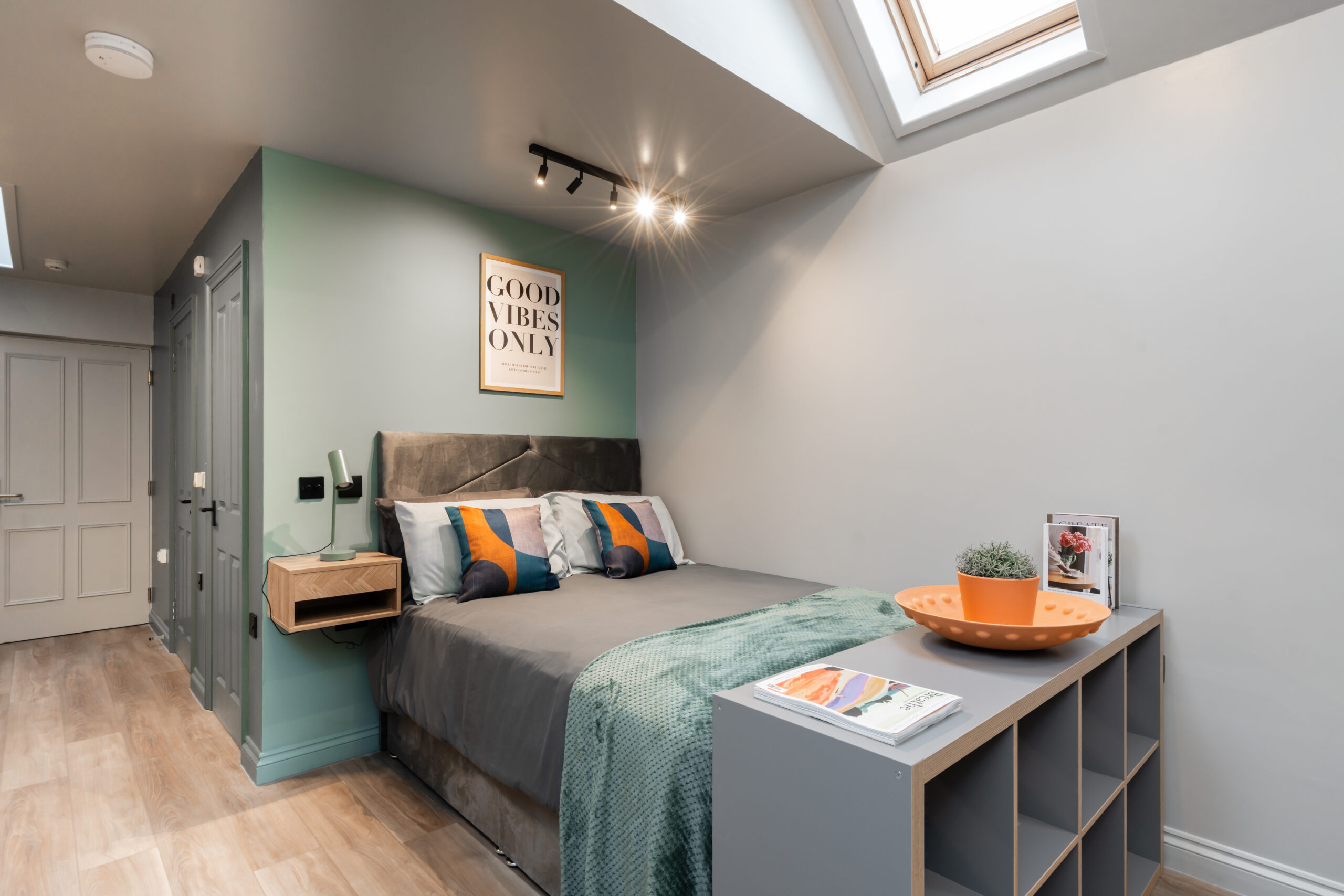
  • Flexible room rentals in Oxfordshire with no long-term contracts

    Flexible room rentals in Oxfordshire with no long-term contracts

    Moving to Oxfordshire for work can be exciting, yet arranging a place to live often feels daunting, especially when you value flexibility. For many young professionals and remote workers, a flexible room rental with no long-term contracts offers a smoother transition. You can try different neighbourhoods, adapt to hybrid work patterns, and avoid being tied down while you settle in. This approach tends to suit those juggling project briefs, rotations between home and office, or a temporary stay while you scout for a longer-term home in the county.

    Oxfordshire combines historic charm with a practical, commuter-friendly network, from central Oxford to business parks near Didcot and Bicester. No-long-term contracts are increasingly available in co-living setups, serviced rooms, and share houses, which may suit a hybrid schedule or a short assignment when you’re still exploring options. This guide explains how to identify genuinely flexible options, what terms to check, and how to set up your space quickly so you can focus on work, community, and discovering the county’s varied neighbourhoods, from university hubs to tranquil town centres.

    Flexible room rentals in Oxfordshire offer short commitments without sacrificing stability.

    Top neighbourhoods for flexible rooms

    • Central Oxford and surrounding areas like Jericho and East Oxford, which tend to have quick access to work hubs and transit links.
    • Bicester, where newer developments can offer shorter, serviced-style room options.
    • Didcot and the science-and-technologies corridor, popular with engineers and researchers seeking flexible stays.
    • Abingdon-on-Thames and surrounding towns for a quieter pace with good rail links to Oxford and London.
    • Witney and the western corridor, which can provide more affordable, flexible options with village connections.

    Flexible leases can help you adapt as life and work change, without long ties.

    Rooms for Couples for Rent

    Knowing where to look helps you find genuinely flexible options across the county.

    What to search for on listings

    • Look for explicit no-end-date language, or clearly stated month-to-month or short-term terms.
    • Clarify what is included in the rent—bills, internet, cleaning services, and any shared utilities.
    • Ask about furnishings, availability of a dedicated workspace, and the reliability of essential services (hot water, heating, Wi‑Fi).
    • Check cancellation policies and notice periods in writing so you can plan around project timelines.
    • Inquire about access to communal spaces, privacy options, and how shared areas are managed.
    • Consider parking, bike storage, and nearby amenities such as shops, green spaces, and libraries.

    “You can test a neighbourhood before committing.”

    How to evaluate a no-long-term rental agreement before signing.

    Key clauses to check

    • Minimum stay and renewal terms: ensure there is clarity on how the contract can be extended or terminated.
    • Deposit terms and refund conditions: understand how the deposit is protected and when it’s returned after check-out.
    • What is included in the rent: verify which utilities, internet speed, and services are covered.
    • Maintenance and repairs: who is responsible for what and typical response times for fix requests.
    • Move-in/move-out procedures: timing, handover checks, and any cleaning requirements on exit.
    • Access and privacy: confirm how often the landlord or housemates may access your room and communal spaces.
    1. Clarify your dates and budget, and note how flexible the arrangement truly is beyond advertised terms.
    2. Review the contract length and renewal options, paying attention to any price changes on renewal.
    3. Confirm what is included in the rent (bills, internet, laundry) and what could incur extras.
    4. Inspect the room and shared facilities in person or via a video tour, documenting any issues.
    5. Agree move-in and move-out processes, including handover checks and deposit refunds.
    6. Get everything in writing and keep a record of emergency contacts and maintenance arrangements.

    At a glance: mini itinerary

    • Define your move-in window and daily work pattern.
    • Filter listings by clear no-long-term terms and inclusive bills.
    • Schedule viewings and confirm logistics (keys, access, move-in day).
    • Confirm the exact inclusions and sign with a written agreement.
    • Plan a 2-week trial period to assess fit and routines.

    Insider tips to optimise your setup in Oxfordshire living spaces.

    Three insider tips for smoother stays

    • Prioritise spaces with reliable Wi‑Fi and a dedicated workspace; ask for a speed estimate and a backup option if needed.
    • Ask about parking, bike storage, and proximity to green spaces, libraries, and cafés that suit your working style.
    • Prepare a simple settling-in plan: map out your weekly routine, local amenities, and a short grocery/meal-prep strategy to minimise friction during the first weeks.

    “A well-settled base makes hybrid work feel effortless, not exhausting.”

    Common mistakes to avoid

    • Signing without a clear end date or renewal terms, which can trap you in a contract you didn’t intend to keep.
    • Assuming utilities are included without verification; always request a written breakdown and check energy use expectations.

    Frequently asked questions about flexible room rentals in Oxfordshire

    What defines a flexible room rental?

    In this context, a flexible room rental typically means a room rental with shorter terms—often month-to-month or fixed short durations—where you can extend or end the agreement with limited notice, subject to the contract. It is important to read the end-date and renewal language carefully to avoid misunderstandings.

    Are utilities included?

    In Oxfordshire, inclusions vary by listing. Some rooms include bills as part of the rent, while others itemise utilities separately. Always request a written list of what is included and check any caps or limits on usage.

    Can I move out on short notice?

    Move-out notice periods differ between landlords and agents. Flexible arrangements typically require a shorter notice, but there may be minimum stay requirements or fees for early termination. Always confirm the notice period in writing before signing.

    Do I need a deposit?

    Deposits are common in room rentals, including flexible options. Ensure the deposit terms are clear, including conditions for its return, the method of refund, and any deductions for damages beyond reasonable wear and tear.

    How quickly can I arrange a move-in?

    Move-in speed depends on the listing and the landlord’s readiness. Some spaces are available immediately, while others require a short lead time for cleaning, handover checks, and key collection. It helps to have documents ready and a flexible schedule when viewing.

    Living in Oxfordshire as a flexible renter can be a practical, community-minded choice for young professionals and remote workers. It lets you explore different neighbourhoods, balance work with life, and settle gradually without the pressure of a long lease. The county’s mix of city buzz, market towns, and countryside offers something for every rhythm. If you’re ready to test the Oxfordshire scene with ease and support, consider applying to live with B-Hive Living. }