Tag: coliving-trends

  • Building connected and inclusive society through coliving

    Building connected and inclusive society through coliving

    Silvia, a co-founder and Chief Operating Officer at B-Hive Living, talks about how running a coliving business drives social change.

    Hey Silvia, nice to have you with us today. Tell us a bit more about yourself. What drives you?

    Hello, I am Silvia. I am one of the co-founders and currently in charge of operations at B-Hive Living. My passion and life purpose is to build a more connected and inclusive society through running a coliving business. Before founding B-Hive Living I spent 15 years working in senior marketing management roles for blue-chip FMCG brands such as Wall’s, Lipton and Dove. My ambition was to drive change at scale by building purpose and social impact into these brands’ DNA through strategy and innovation. After all, we were reaching and shaping the lifestyle of millions of consumers around the world everyday.

    How did you get into running a coliving business?

    B-Hive Living was born out of our aspirations to radically shift the experience of shared living renters around the world. Both myself and Williams – my husband and co-founder at B-Hive Living – had lived in shared accommodations in many different cities and countries from Italy to Brazil and the UK. We often felt that the wellbeing and convenience of renters were an after-thought for developers and landlords. The rising rental prices in most major cities were at odds with the general quality of rental properties and home technology. The millennials also desire a more social and flexible way of living.

    Therefore, in 2016, we set the vision for the Hives – exceptional coliving spaces where purpose, design and technology come together to serve the wellbeing and convenience of a new generation who dares to live a more connected, purposeful, and fulfilling life. After two years of market research, we bought, refurbished and launched our first Hive prototype in Bicester, Oxfordshire (UK) at the end of 2017. Since then, we’ve acquired, developed and launched four new projects. They have been crucial for helping us learn and develop every aspects of our business model from land acquisition through development to interior design and service delivery. After such a steep learning curve, we have our eyes and hearts set on bringing our vision to a new scale in terms of size and locations in the UK and Europe.
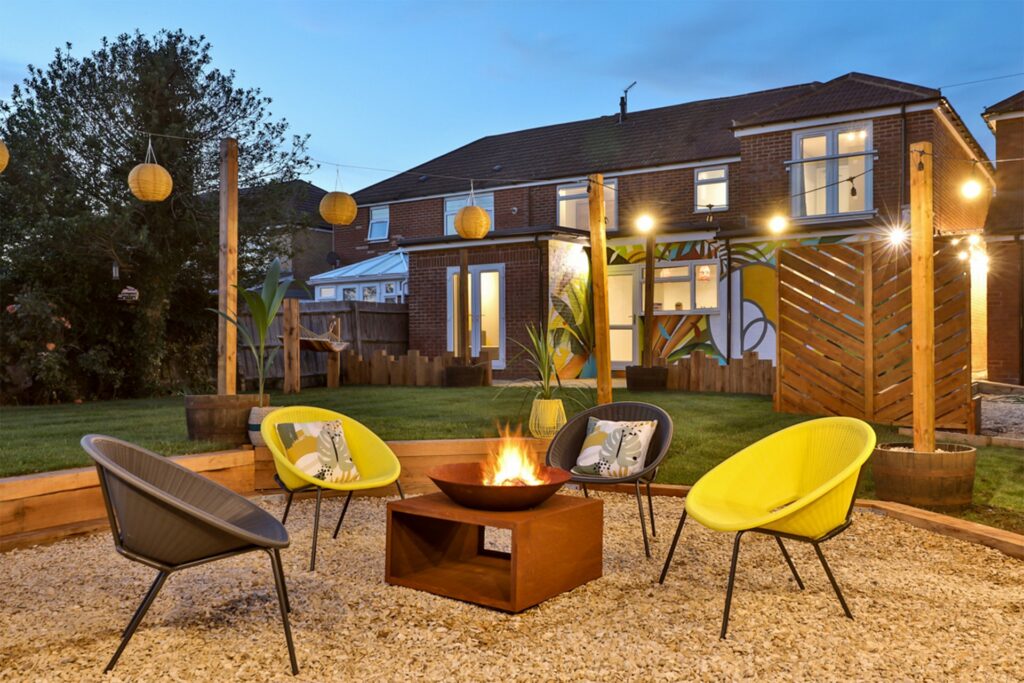
    B-Hive Living outdoor social area with a firepit
    B-Hive Living secret garden

    What makes you passionate about coliving, and why are you actively promoting the coliving scene?

    I truly believe that coliving is a great answer and antidote for two big societal challenges we currently face: affordable housing and loneliness.

    At B-Hive Living, we believe that living well starts at home. After all, over 80% of our health outcomes are determined by the standard of our home, relationships within it and the surrounding environment. Coliving homes should not simply be a place to rest your head. It should be an experience that elevates human condition through community and wellbeing-led design and build. This was our mindset in the development of all our Hives. We endeavour to create an empowering space for residents to lead a healthier, more connected and fulfilling lifestyle through an integrated approach to coliving involving wellbeing design, built and services.

    a group of people at a christmas table
    Silvia with the B-Hive community

    What are your vision and thoughts on the future of coliving for the year to come?

    I believe this pandemic will continue to trigger a host of new requirements from operators and tenants. With that, a greater emphasis on safety, wellbeing and convenience will become the norm. Remote working is becoming increasingly widespread. I therefore expect new coliving spaces to provide larger private spaces with communal areas designed to cater for both life and work, and diverse levels of intimacy. Further investment and training in community facilitation will be needed as mental health support and prevention becomes an essential skill in running a coliving business.

    As the long spell of remote working continues, the perceived need for presence and proximity in the workplace is dissolving. A new wave of remote workers, freelancers and digital nomads that shifts the demand and supply for coliving spaces might rise towards the outskirts of major cities and in more residential neighbourhoods. Nevertheless, I expect urban demand for coliving to remain high and growing.

    With stress, anxiety and burnout on the rise, the homebuilding community will have a massive opportunity to shift approach to sustainability. The industry will need to go beyond focusing on the 1% equation associated with the costs of energy, water and waste. It will truly embrace the transformative potential of healthy buildings supporting the health and wellbeing of current and future generations.

    Find out more about how coliving contributes to social wellbeing from the full interview published in Medium


    B-Hive Living
    B-Hive Living believes in building nourishing shared living environments that foster connection and elevate lifestyle and wellness of residents. We drive social change by exploring and promoting the concept of living well and placing it at the heart of our coliving design.
  • What are our 10 coliving predictions for 2021?

    What are our 10 coliving predictions for 2021?

    Highlights from Portugese coliving meetup

    Given the profound and dynamic nature of this global pandemic, Co-liv and B-Hive Living have been convening a series of roundtables to explore the impact of Covid-19 on the coliving sector. The aim is to help coliving and other build-to-rent strategies to pivot towards a sustainable future. We concluded with the top 10 coliving predictions for 2021.

    In January we hosted the first event of 2021 “Portugal Coliving Outlook 2021: Accelerating out of the crisis”.

    Some great speakers including Matt Lesniak (Co-founder and Head of Impact & Innovation, Coliving Insights Magazine & Conscious Coliving), Dave Williams (Chairman, CEO and Co-Founder, NOMADX), Nuno Nunes (Head of Capital Markets, CBRE Portugal) shared their insights on their coliving predictions for 2021.

    Our top 10 coliving predictions for 2021

    1.

    This pandemic will continue to trigger a host of new requirements from operators and tenants. With that, a greater emphasis on safety, wellbeing and convenience will become the norm in 2021. As remote working becomes widespread, new coliving spaces will be seeking to provide larger private spaces. They will include communal areas designed to cater for both live and work needs in equal measure and diverse levels of intimacy. Further investment and training in community facilitation will be needed. Mental health support and prevention will become an essential skill in the coliving professional toolkit.

    2.

    The long spell of remote working continues. The perceived need for presence and proximity in the workplace is dissolving. It will create a new wave of remote workers, freelancers and digital nomads towards the Portuguese shores once travel restrictions ease. This will shift the demand and supply for coliving spaces towards the outskirts of Lisbon and Porto to more residential neighbourhoods. It’s because this new audience look for a more authentic Portuguese experience away from the traditional touristic areas. The search for new retreat/work destinations is on the rise with locations such as Ericeira and Madeira Island likely to become a hot spot for foreign workers.

    3.

    Despite the mammoth influx of Airb&b properties in the traditional rental market in Porto and Lisbon in 2020, rental values are expected to remain stable in 2021. They may even grow for premium coliving properties offering the right combination of comfort, services and amenities for the professional market. Highly desirable amenities include flexible contracts, no deposits, plenty of natural light, comfy chairs, large desks and of course high-speed internet.

    4.

    Institutional investment into coliving is set to grow in Portugal after the show of strength and resilience demonstrated by coliving assets during the pandemic. According to CBRE, this growth will be marked by over 3000 purpose-built units which are expected to enter the market in the next eighteen months. The strong pipeline is the result of a growing trend of collaboration between Portuguese investors and developers and international operators.

    5.

    The renewed confidence in coliving together with the recent demise of Quarters coliving in the US will lead to management contracts replacing lease contracts as the prevalent contractual form for large-scale coliving. One of lessons learned in this pandemic is that having lease contract is no guarantee of income for investors in tough market conditions. Those lead to costly and time-consuming contractual renegotiations and hence the recognition of the management model as a better way to align the interests of both investors and operators in Portugal and elsewhere.

    6.

    The old stock of large apartments in Lisbon will represent a substantial opportunity for coliving companies in 2021. The inflated prices of the capital have so far been a major huddle for the proliferation of purpose-built coliving spaces. Retrofit of those properties could become a way forward to unlock the power of coliving in Lisbon.

    7.

    As banks and other more traditional forms of financing tighten, crowdfunding is set to become more prevalent in the financing of coliving projects which enjoy a growing popularity among consumers in general. This is already happening with success in the UK and Brazil. 2021 could be the year that crowdfunding for real estate investment takes off in Portugal.

    8.

    The real estate industry is the next in line to get its piece of the subscription economy cake. Economical and societal changes created an ideal condition for the new concept of subscription living to thrive. Living subscription models offer flexibility and convenience to consumers and a unique business opportunity to investors and shared living operators. They present themselves as a win-win model to please all stakeholders. Subscription living can establish a new paradigm for how people live, work, travel and connect. Businesses and investors in real estate need to prepare to take advantage of the subscription economy. Otherwise they will have to witness the competition creatively fulfill the market’s needs.

    9.

    With stress, anxiety and burnout on the rise, the homebuilding community will have the massive opportunity to shift approach to sustainability. The industry will need to go beyond the focus on the 1% equation associated with the costs of energy, water and waste. It will truly embrace the transformative potential of healthy buildings able to support the health and wellbeing of current and future generations. Environment certification and building design certification will become a must in the near future.

    10.

    Integrating different types of impact KPI will be paramount. These should measure not only the strength of the community and neighbourhood engagement, but also residents and staff wellbeing, building sustainability, energy/waste management, economic impact and more.


    Listen to the event podcast on the COLIV Spotify channel at the following link.


    B-Hive Living
    B-Hive Living is a multi-award winning coliving brand, operator and asset manager of coliving properties with a strong track record of best-in-class design, investment and management practices. Our mission is to empower professional renters to lead a more connected, healthy and fulfilling lifestyle through co-living. This relentless focus on our residents’ well-being ensures a sustained demand wherever we operate.


  • Podcast with B-Hive Living CEO Williams Johnson Mota

    Podcast with B-Hive Living CEO Williams Johnson Mota

    It has been an absolute pleasure for B-Hive Living CEO Williams Johnson Mota to share our vision, story and ethos in the latest interview with Caterina Maiolini at Coliv.

    B-Hive Living was created out of the ambition to proactively build homes, communities and shape experiences supporting the holistic health and wellbeing of a growing generation of renters. We believe in building nourishing shared living environments that foster connection and elevate lifestyle and wellness of residents. We drive social change by exploring and promoting the concept of living well and placing it at the heart of our coliving design.

    Listen to this episode on Spotify to hear more from our CEO Williams Johnson Mota. He shares our passion for coliving, how B-Hive Living started, what is our vision and why we believe coliving is not only the present but the future of living.

    This comes on a timely week – we have been recognised as one of the best coliving operators in the UK. Dreams come true to those that follow their purpose.

    Thank you to Coliv for hosting the podcast, and   for your support on this.


    B-Hive Living logo
    B-Hive Living is a wellness-focused coliving brand operating properties in Bicester and Oxford, UK. We believe in building nourishing shared living environments that foster connection and elevate lifestyle and wellness of residents. We drive social change by exploring and promoting the concept of living well and placing it at the heart of our coliving design.
  • B-Hive Living featured as one of the top 7 UK’s best coliving spaces

    B-Hive Living featured as one of the top 7 UK’s best coliving spaces

    We are delighted to be featured in the top 7 of the UK’s best coliving spaces by Stay The Night this week.

    The coliving concept has been growing rapidly in popularity over the past few years. In a world that is becoming increasingly lonely for many – particularly among younger generations – the coliving concept creates a sense of belonging that so many are seeking. Operating as a place for people to live, work and play, members can become part of a connected and engaged community while enjoying the convenience of flexible living (without the frustrations of a typical flatshare). You can read more about the benefits of coliving here.

    But who is leading the way in the UK? Stay The Night has listed 7 of the UK’s best coliving spaces, with B-Hive Living among them. The unique character of B-Hive Living is the mission to drive social change by constantly exploring and promoting the concept of living well and placing it at the heart of our coliving design. We build nourishing shared living environments that foster connection and elevate the lifestyle and wellness of our residents.

    Don’t miss out on reading the full article here.


    B-Hive Living logo
    B-Hive Living is a coliving brand operating properties in Oxford and Bicester, UK. We believe in building nourishing shared living environments that foster connection and elevate lifestyle and wellness of residents. We drive social change by exploring and promoting the concept of living well and placing it at the heart of our coliving design.
  • B-Hive Living featured in Coliving Insights N°3

    B-Hive Living featured in Coliving Insights N°3

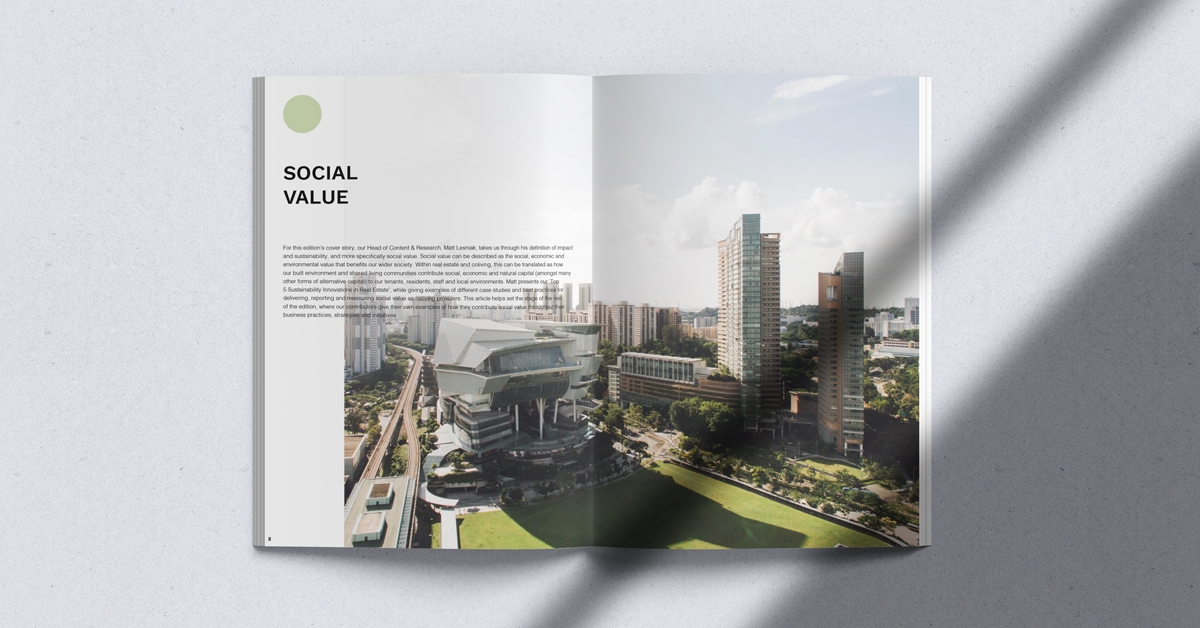
    Coliving Insights, the leading coliving media platform, released its third edition of the Coliving Insights publication on September 30th. Entitled “Impact & Sustainability in Coliving”, this 170+ page edition explores what Impact and Sustainability means in a coliving context.

    At B-Hive Living we’re delighted to contribute to this pioneering edition of the Coliving Insights Magazine on Impact & Sustainability. Coliving is at the cross roads. While it has undeniable potential to make a positive contribution to society, the strategy must remain true to its core values to deliver on its potential. In our article, our co-founders Williams Johnson Mota and Silvia Grattieri reflect on our story and how finally our “design for wellness living” vision is being recognised and embraced as the future of housing.

    This edition also features a variety of 30+ contributors, a cover story around the “Social Value in Coliving” and shines light on the most innovative frameworks on social value assessment. Some of the topics covered include:

    • Social Value in Coliving
    • Policy & Investments
    • Wellbeing & Sustainability
    • Social & Economic Impact
    • Technology & Innovation

    The publication can be downloaded here:

    https://www.colivinginsights.com/publications/impact-and-sustainability-in-coliving

    B-Hive Living logo
    B-Hive Living is a coliving brand operating properties in Oxford and Bicester, UK. We believe in building nourishing shared living environments that foster connection and elevate lifestyle and wellness of residents. We drive social change by exploring and promoting the concept of living well and placing it at the heart of our coliving design.
  • The rise of coliving – why do millenials opt for this form of urban living?

    The rise of coliving – why do millenials opt for this form of urban living?

    The millennial mindset has spurred a number of transformational developments for society. Social media platforms like WhatsApp, car sharing services like Uber, holiday home sharing like Airb&b, and co-working spaces like WeWork are just a few manifestations of their out-of-the-box disruptive thinking. In the real estate domain, coliving is quickly becoming the new buzzword. This idea of urban living has been gaining traction with millennials across the globe.

    Getting smart about space sharing

    Especially in the US and Europe, coliving or “community living” is a new take on the old idea. What’s new is that individuals are now being drawn together by lifestyle choices, and not so much by religious affiliations or other considerations. The idea is to get smart about space sharing.

    A millennial typically spends about 45 minutes a day in the living room and kitchen, and around nine hours in the bedroom. Yet, the living room and kitchen space account for 60% of the real estate price, while the bedroom accounts for 40% of the cost. Coliving spaces optimise real estate utilisation. By sharing less utilised areas with a larger community, residents easily save around 10% of the expense, and property owners get a higher yield on the property on account of being able to accommodate more people on a floor plate.

    For years, the “hacker house” has offered aspiring entrepreneurs a place to rest their heads — often a bunk bed — for cheap rent. In 2004, Mark Zuckerberg rented a five-bedroom house in Palo Alto, where early Facebook employees built the social network. But now the hacker-house concept has evolved into all-inclusive experiences that come with lots of perks. Residents, or “members,” as they’re often called, can join these communities and instantly tap into amenities such as free internet, maid service, and new friends.

    Unlike previous generations, young professionals today are not strung out about possessions. Your phone serves as your computer, TV, camera, photo storage, music player, book reader, and even credit card wallet, so having a physical space for your landline, TV, stereo, and etc. is an obsolete idea. What they value are experiences, being part of like-minded communities, and flexibility. And coliving delivers that.

    Here are four key reasons why millennials are switching to coliving as a lifestyle choice, and why it’s considered the future of residential real estate for the urban living millennial.

    Value for Money

    Many people nowadays are struggling to afford a house in major urban centres. It’s not simply the rent that is an obstacle. Large deposit expectations, inflexible commercial contracts, and absent landlords of traditional buy-to-let models are also serious challenges.

    In coliving spaces, people pay an all-inclusive rental package, covering all utilities, housekeeping, and maintenance, making shared living a very cost effective, convenient, and flexible solution.

    Ease of Urban Living

    For urban professionals who typically move jobs (and homes) every 20 months or so, having to deal with furnishing, kitchen appliances, and utility contracts when relocating can be a real hassle.

    Coliving is based on the plug-and-play model. Everything is provided — it’s like urban living in a classy hotel. Technology is applied to increase service efficiency, saving you the hassle of dealing with everyday household chores, and letting you focus on what’s more important in life.

    Sense of Community

    While most youngsters tend to be hungry for the freedom to explore new horizons and possibilities, the journey can often get lonely. Studies suggest that more than 40% of millennials suffer from chronic loneliness. That’s why they cherish being part of like-minded communities.

    Coliving offers the perfect antidote. Living in a community of like-minded individuals — bonding over breakfast and gaming evenings — makes it easier to have meaningful face-to-face conversations in an increasingly virtual world. Not surprisingly, community living is a trend on the up.

    Safety

    Among rental options, coliving spaces are surely the safer and more convenient choice for newcomers to the city. The community element ensures easy access to a host of inside knowledge about the location which otherwise could take months to grasp. They also tend to be more organised and transparent when it comes to security.

    For instance, in our coliving Hive spaces, keys are a thing of the past. Residents are provided with electronic access cards, fobs, and can even open doors using their phones. Background verification and screening process of the staff, residents, and contractors are also common practices.

    Bottom line

    Coliving is not a fad — it’s already becoming a sustainable category in the real state sector. Depending on the amenities and the kind of community you are looking for, there are quite a few options available today.

    Startups like us — B-Hive Living in the UK, Cohabs in Belgium, Open Door in the US, and others are experimenting with design, technology, and service to build coliving spaces that appeal to the generation that is always on the move.

    The rise of coliving does not necessarily mean the death of traditional home rental and ownership. But it only takes quick research to realise why the future of coliving looks bright — the market and social trends provide a strong basis for its exponential growth.

    Predictions state that in another five years we can expect home ownership to drop by 40% in the UK. Only 10% of homeowners are aged 16–34 — this represents a jaw dropping 50% decrease since 1998 according to a study by the Resolution Foundation. The most recent English Housing Survey shows, millennials between the ages of 25 and 34 are more likely to practice urban living by renting in the private sector than to buy with a mortgage. What’s more interesting, over the last 10 years. the number of those aged 25–34 living in privately rented households nearly doubled from 24% to 46%. The private rental sector is growing in the UK like never before. Housing can’t be built fast enough.

    With property prices rising and the growing influx of millennial renters in the market, things transform rapidly. Academics such as Alexandra Notay, policy director at the Urban Land Institute, argue that structural and lifestyle changes in society such as flexible employment are boosting long-term demand for rental homes. The self-employed, start-up workers, and flexi hour employees are all examples of a new segment of the population who do not want to be tied down by a mortgage, and prefer the flexibility that comes with renting.

    Technology has changed the way the world appears and functions. Coliving is set to change the way millenials and other segments of modern society approach housing and urban living in the future.


    You can read this and more useful articles in our Medium publication.

    B-Hive Living

    B-Hive Living is a multi-award winning coliving brand, operator and asset manager of coliving properties with a strong track record of best-in-class design, investment and management practices. Our mission is to empower professional renters to lead a more connected, healthy and fulfilling lifestyle through co-living. This relentless focus on our residents’ well-being ensures a sustained demand wherever we operate.

  • B-Hive Living launches new high tech homes at Motorsport Valley

    B-Hive Living launches new high tech homes at Motorsport Valley

    Coliving startup B-Hive Living launches groundbreaking build-to-rent developments for the motorsport community in Bicester – the heart of Britain’s Motorsport Valley.

    B-Hive Living – a rapidly expanding coliving startup, is developing hi-tech rental homes aimed at millennial professionals and entrepreneurs working for the motorsport industry in and around Bicester.

    Almost 3,500 high performance motorsport companies are based in the Motorsport Valley, employing around 40,000 people. Amongst them, more than 60% of the Formula One teams, including Mercedes, Hass, Force India and many new Formula E teams. This means that a staggering 80% of the world’s high-performance engineers work and live in the area.

    B-Hive Living’s tech friendly homes are increasingly popular among the motorsport millennial community.  While part of the appeal is certainly the various tech amenities provided, from smart locks to app controlled heating and sound system, Williams Johnson – B-Hive Living’s co-founder believes there are other more fundamental reasons for the success of their schemes.

    “Our ethos of placing the well-being and convenience of our residents first has resonated with many disillusioned tenants who can clearly see this commitment reflected in our build and design quality, and operational approach to our Hives”

    Mátyás N., a Formula 1 engineer who has recently moved from Hungary has also highlighted the valuable soft-landing provided by B-Hive Living’s “plug and play model” to young professionals immigrating to the Motorsport Valley. He said:

    The powerful mix of space, location and community make Hive Homes an easy choice. I recently moved here and landing into a friendly international community in a beautiful new home with everything you can possibly need has provided me with the perfect start for life in a new country.

    favicon

    B-Hive Living is a multi-award winning coliving brand, operator and asset manager of coliving properties with a strong track record of best-in-class design, investment and management practices. Our mission is to empower professional renters to lead a more connected, healthy and fulfilling lifestyle through co-living. This relentless focus on our residents’ well-being ensures a sustained demand wherever we operate.

  • Why do millennials want smart homes and coliving spaces?

    Why do millennials want smart homes and coliving spaces?

    Why the millennial generation want smart homes and how are coliving spaces uniquely placed to meet their expectations?

    It’s not a surprise that millennials are comfortable with technology. They are the first generation to grow up in a home with a smartphone in their hand and take advantage of the web’s infinite flexibility, global communication reach and limitless access to information.

    Growing up surrounded by tech devices has not only defined their ability to quickly adapt to new trends, but more importantly these experiences shaped their expectations as a consumer.  87% of millennials use between two and three tech devices at least once on a daily basis. They’ve grown used to access just about any service they could possibly need with just a click of a button.

    A new report by the tech company LivePerson confirms that the majority of millennials and Generation Z communicate digitally more than they do in person.

    Millenial using a tablet

    Millennials have now surpassed baby boomers as the largest living population. As baby boomers leave the workforce, millennials are quickly inheriting their buying power and their influence has been creeping up in every sector yet it’s just now it’s starting to be felt into the property world. But the big surprise is that they’re willing to pay more for the added convenience of smart home technology.

    A survey conducted by Wakefield Research found that 86 percent of millennials were willing to spend more money renting a place with smart home technology. In fact, millennials are willing to pay an average of 20 percent more a month in order to secure a home with smart technology.

    But, what sort of smart home technologies are millennials after? They are predominantly after smart home devices that:

    1. Enhance convenience and provide flexibility –  digital door locking technology, mobile-controlled security systems , interconnected doorbells and USB outlets are good examples of this category.

    2. Make entertainment choices easier –  Smart TVs, digital media players, voice-activated assistants and wireless speakers that can sync with multiple electronics like Sonos and Apple TV are favoured.

    3. Save energy and protects the environment – They love systems that can both slash energy costs and impact positively the environment like smart thermostats, automated lighting systems and controllable blinds.

    They particularly appreciate devices that devices that are able to sync with multiple electronics and are accessible on the go thanks to smartphones.

    Although the global smart home market is growing fast, many of these advances are being driven by relatively small start-ups and just now becoming mainstream. This has kept many large homebuilders and developers at bay. On the other hand new savvy coliving start-ups have been quick to pick up and adapt their spaces to these trends. Many of these companies are either run by millennials or they cater predominantly for millenials, which has placed them in a unique position to leverage these trends.

    It’s not simply about the technology but also about how millennials make these choices that favour coliving spaces.  Millenials read ratings, comments and reviews before choosing a service or product and coliving spaces are taking advantage of this tendency by curating products and brands trusted by these groups and developing a community that can relay first hand their experience of the lifestyle and culture of the space.

    Finally, the separation between home and office is ever so blur for this generation. This is why their home improvement preferences tend to be largely influenced by how the home space is organised for both living and working. Coliving spaces have also been quick to respond with versatile spaces and technologies that can cater for both activities interchangeably.

    Smart technology is only just beginning. But, as the millennial generation takes over, we‘re going to see a huge change in real estate as a result and those better prepared to meet their expectations will find success.


    favicon

    B-Hive Living is a multi-award winning coliving brand, operator and asset manager of coliving properties with a strong track record of best-in-class design, investment and management practices. Our mission is to empower professional renters to lead a more connected, healthy and fulfilling lifestyle through co-living. This relentless focus on our residents’ well-being ensures a sustained demand wherever we operate.


    .