
Moving to Bicester for work is rarely the hard part. The hard part is the first quiet Tuesday evening, when the boxes are unpacked and you realise you don’t yet know anyone to grab a coffee with. Whether you’ve relocated for a role at one of the business parks, gone fully remote, or simply wanted more space for your money than Oxford offers, building a social life in Bicester comes down to a handful of repeatable habits rather than luck. This guide gives you the practical routes to meeting people here, the local quirks worth knowing, and a realistic first-month plan instead of vague advice to “put yourself out there”.
Quick answer: the fastest routes into Bicester life
- Best for instant company: join a weekly club or class rather than a one-off meetup. Repetition is what turns strangers into friends.
- Best for remote workers: a co-working day or two per week, plus one evening activity, gives you both workday chat and weekend plans.
- Best time to move: late spring and early summer, when outdoor sport, walks and town events are all running and it’s easier to say yes to things.
- Quick logistics: Bicester has two railway stations (Bicester North for Chiltern services towards London Marylebone, Bicester Village for Oxford and beyond), so Oxford and London are both realistic for evenings out.
- Who this suits: anyone aged roughly 25 to 40 who wants a social life built around regular habits, not one-off big nights.
Start with one recurring commitment, not five apps
Pick one recurring commitment in week one and protect it for at least six weeks. That single decision does more for your social life than any app.
The biggest mistake new arrivals make is downloading every social app at once and treating each one like a lottery ticket. Recurring beats one-off because familiarity does the work. The third time you turn up to the same run, the same five-a-side pitch or the same choir rehearsal, people start expecting you. That expectation is what becomes friendship.
Where to look for recurring groups
- Sports and fitness clubs. Running groups, netball, badminton, rugby and martial arts all tend to welcome beginners. Look for the phrase “all abilities” and check whether there’s a social element after sessions.
- Adult classes. Language evenings, pottery, dance and life drawing attract a mix of newcomers and long-term locals, which is exactly the balance you want.
- Volunteering. Conservation groups, community fridges and event crews need reliable pairs of hands and tend to be genuinely sociable.
- Faith and cultural groups. If this matters to you, a regular congregation or society is often the quickest route to a real network.
Insider tip: ask the organiser one question before you go: “Do people usually stay afterwards?” Groups that socialise after the activity are far better for meeting people than those where everyone disperses immediately.
Use Bicester’s geography to your advantage
Bicester is compact, which is a social asset. You can live, work and socialise within a short cycle of each other, and that low friction is what makes spontaneous plans possible.
Bicester town centre
The centre around Sheep Street and Market Square is where you’ll find cafes, pubs and the market. It’s the natural place for a first coffee with someone you’ve just met, because it’s easy for both of you to reach.
Insider tip: Saturday mornings are busier than weekday evenings in the centre. If you’re meeting someone new and want a relaxed conversation rather than shouting over music, aim for a weekday evening or a Sunday.
Bicester Village and the eastern side
The designer outlet draws visitors from across the region, which means plenty of cafes and a steady stream of people, but it’s a shopping destination rather than a neighbourhood. Useful for a weekend wander, less useful for building a local circle.
Bicester North and the residential north
This side of town is where a lot of young professionals and commuters settle. It’s quieter, with local pubs and green spaces, and it’s handy for the Chiltern line into London.
Bicester South and the Oxford corridor
Growth has pushed new housing and amenities south and west, and the Oxford line makes Oxford’s pubs, gigs and societies genuinely reachable. If your social life leans towards Oxford, living near the Bicester Village station end saves you real time.
Make remote work work for your social life
Remote work removes the accidental social contact that offices provide, so you have to replace it deliberately. Two or three co-working days a week is usually enough to rebuild that contact.
- Co-working spaces and cafe working. Look for places with good wifi, a plug socket and a policy that welcomes laptops. Buy something every couple of hours and you’re a good citizen.
- Workday structure. Set a lunchtime walk at the same time each day. Familiar faces at the same hour become acquaintances surprisingly fast.
- Separate work from home. Even one day a week working somewhere else gives you a reason to leave the flat and a chance encounter you wouldn’t otherwise have.
Common mistake to avoid: treating co-working as a solo activity. The point isn’t the desk, it’s the other people. Say yes to the lunch group in week one, even if you’d rather eat at your screen.
Build a first-month plan that actually fits real life
You don’t need a packed calendar. You need a small number of repeatable slots that fit around work and don’t exhaust you.
At a glance: your first four weeks
- Week 1: Join one recurring group. Attend once, even if you feel awkward. Note one person’s name.
- Week 2: Return to the same group. Add one co-working day to your week.
- Week 3: Suggest a specific plan to someone you’ve met: “There’s a pub quiz on Thursday, fancy it?” Specific beats “we should do something sometime”.
- Week 4: Add one second activity, ideally in a different part of town, so your network isn’t all in one place.
- Ongoing: Keep two fixed commitments and let everything else be optional. Consistency is the whole strategy.
How to choose what to join
Use four filters before you commit your evenings.
- Budget. Club memberships, class fees and travel add up. Decide your monthly figure first, then choose within it.
- Vibe. Visit once before paying for a term. If the room feels cliquey and no one speaks to you, that’s information, not a personal failure.
- Timing. A 7pm start is very different from a 6pm one if you finish work at 5:30. Be honest about your energy.
- Transport. Check the last train and bus times before you say yes to anything across town. Nothing kills momentum like an expensive taxi home.
Common mistake to avoid: overcommitting in month one. Three groups you attend twice are worth less than one group you attend twelve times.

Local logistics worth knowing
Small practical details make the difference between a plan and a no-show.
- Getting around. The town is very cycle-friendly, and cycling often beats driving for short hops. Check cycle routes before you commit to a venue.
- Trains. Two stations serve different lines, so always check which one your journey needs. Services and timetables change, so confirm times before you travel.
- Best times. Weekday evenings are calmer for conversation; Friday and Saturday nights are livelier but harder for meeting new people.
- Booking. Popular classes and club terms often fill before the start date. Enquire early, and ask about waiting lists.
- Accessibility. Venues vary. If you have access needs, contact the organiser directly before attending rather than relying on a listing.
- Seasonal rhythm. Summer brings outdoor sport, walks and town events; winter pushes life indoors towards pubs, classes and quiz nights. Plan your first move around the season you arrive in.
Frequently asked questions
How do I build a social life in Bicester if I work from home?
Replace the contact your office would have given you. Co-work two days a week, keep a fixed lunchtime walk, and join one evening group that meets weekly. The combination of daytime familiarity and a weekly commitment is usually enough to build a real circle within a couple of months.
Is Bicester good for people in their twenties and thirties?
It’s a good base if you value lower costs and quick access to Oxford and London. The town itself is calmer than a city, so your social life tends to be built around clubs, classes and local pubs rather than a big nightlife scene.
Should I look for friends in Oxford instead?
Many people do both. Oxford has more events and societies, but the journey adds time and cost to every plan. Building one local commitment in Bicester plus one occasional Oxford activity tends to be more sustainable than relying on Oxford alone.
How long does it take to feel settled?
Most people notice a shift after about six to eight weeks of consistent attendance at the same one or two activities. That’s the point where you start getting invited to things rather than having to organise them.
What if I don’t know anyone at all?
Start with a group that has a built-in reason to talk, such as a class, a team sport or a volunteering shift. Shared activity removes the pressure of making conversation from nothing, which is why it works better than a purely social meetup for most newcomers.
Do I need a car to have a social life here?
No, but it widens your options. The town centre is walkable and cycle-friendly, and the two stations cover Oxford and London well. A car helps most for evening activities on the edge of town where bus services thin out after dark.
Living well somewhere new is less about the postcode and more about the rhythm you build around it. A short commute, a regular club, a cafe where they know your order and a handful of people who’ll text you on a Thursday: that’s what makes a town feel like yours. Bicester is small enough for those connections to form quickly, and well connected enough that you never feel stuck.
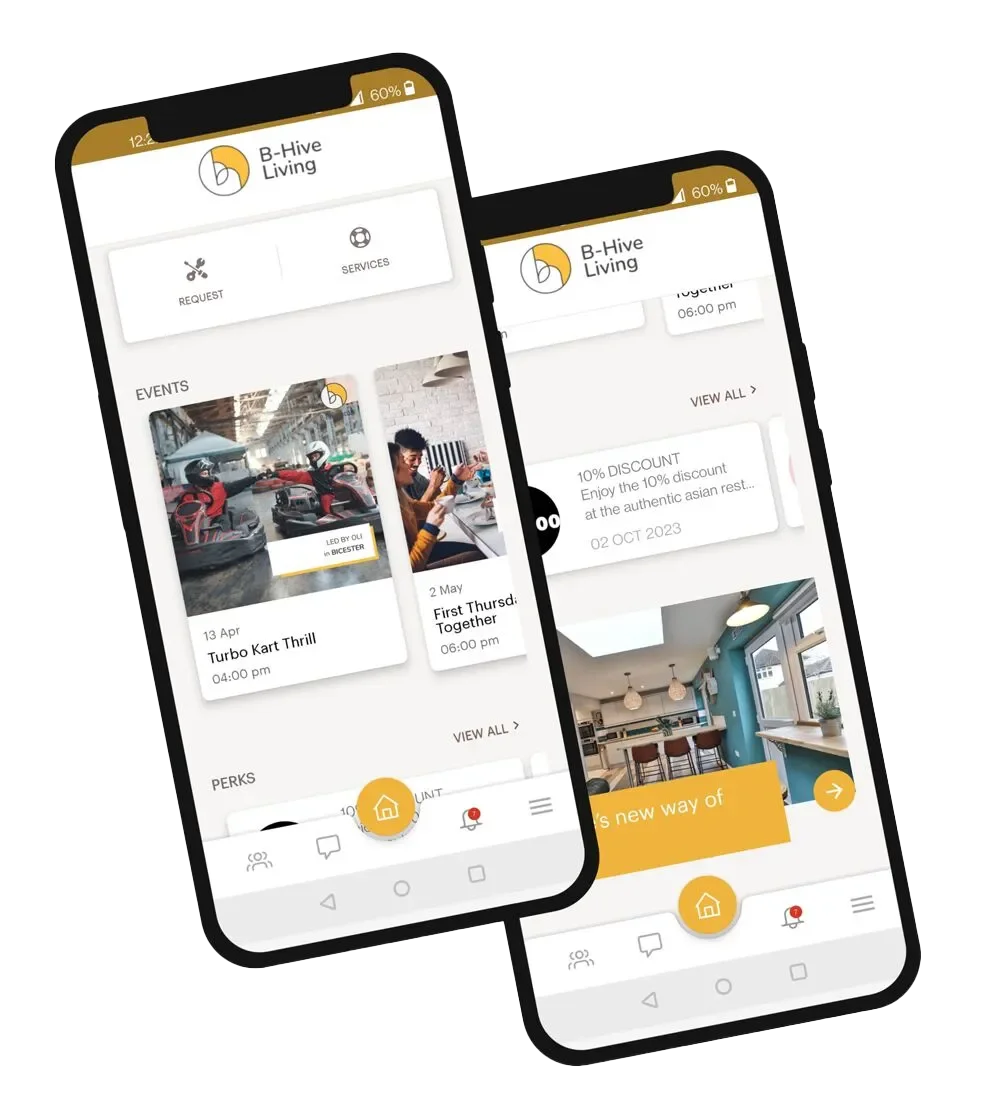
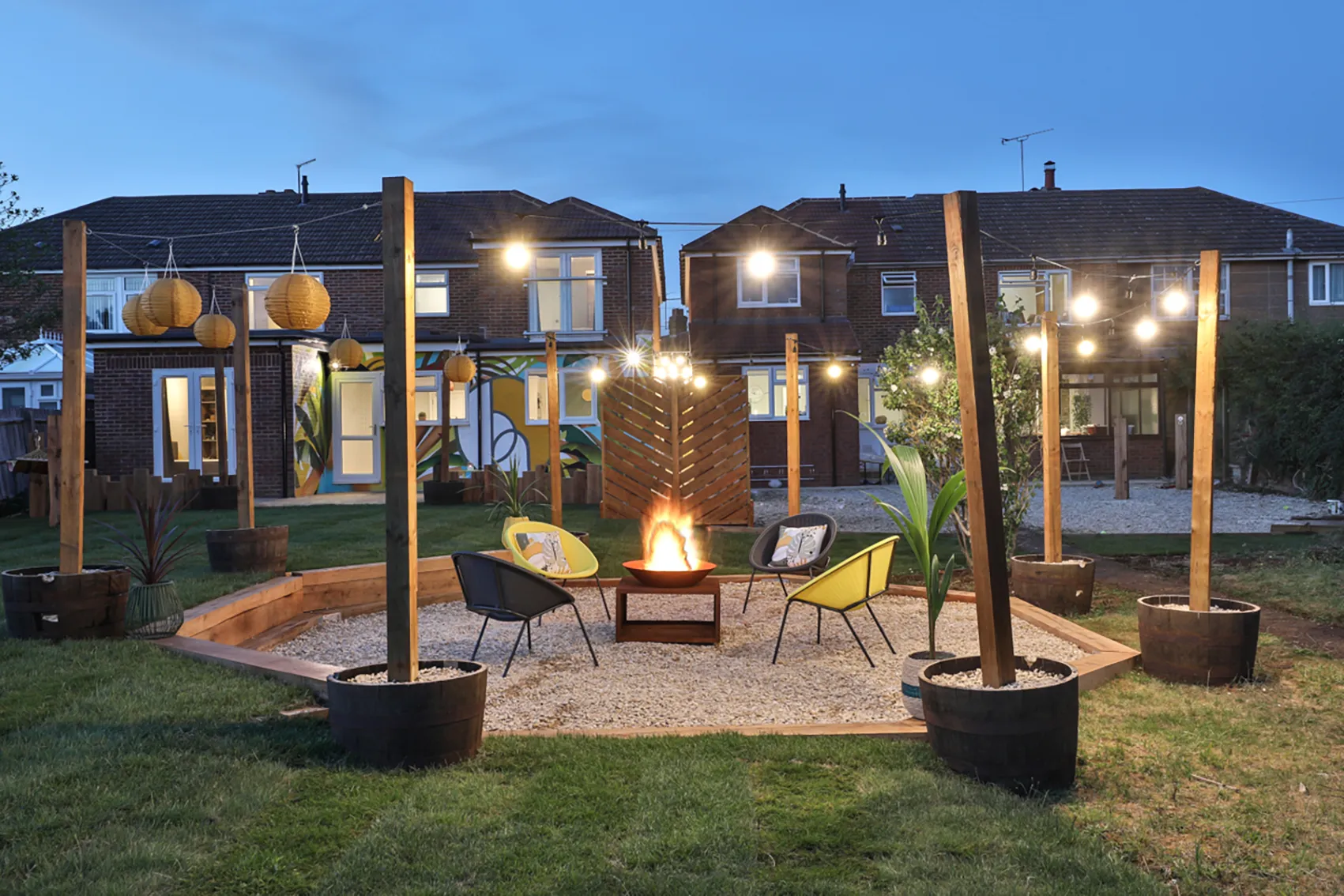
If you’re planning your move and want a home base that makes the social side easier, B-Hive Living builds shared and private living for young professionals and remote workers in Oxford and Bicester, with community at the centre rather than as an afterthought. Take a look at what’s available and start your application when you’re ready.