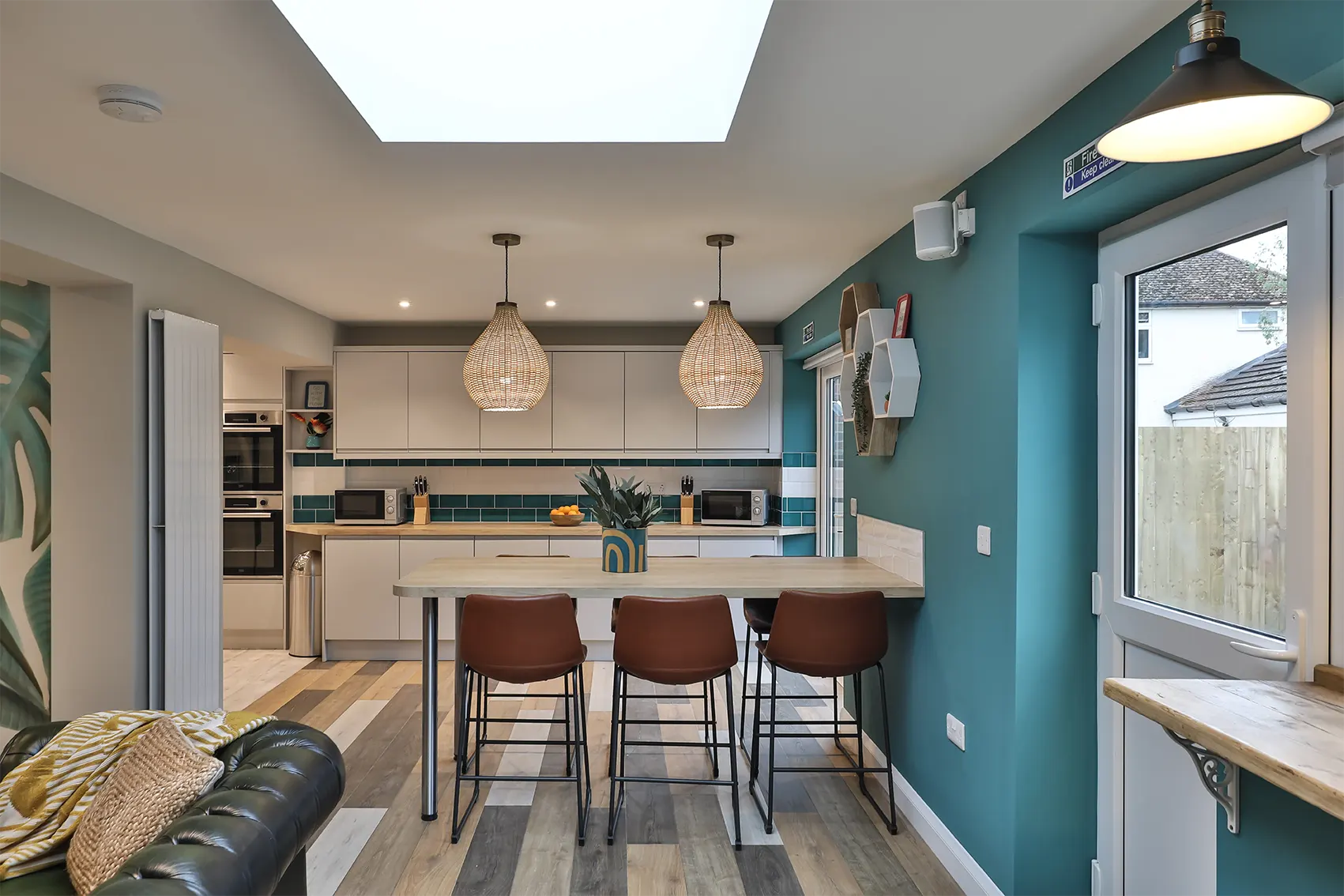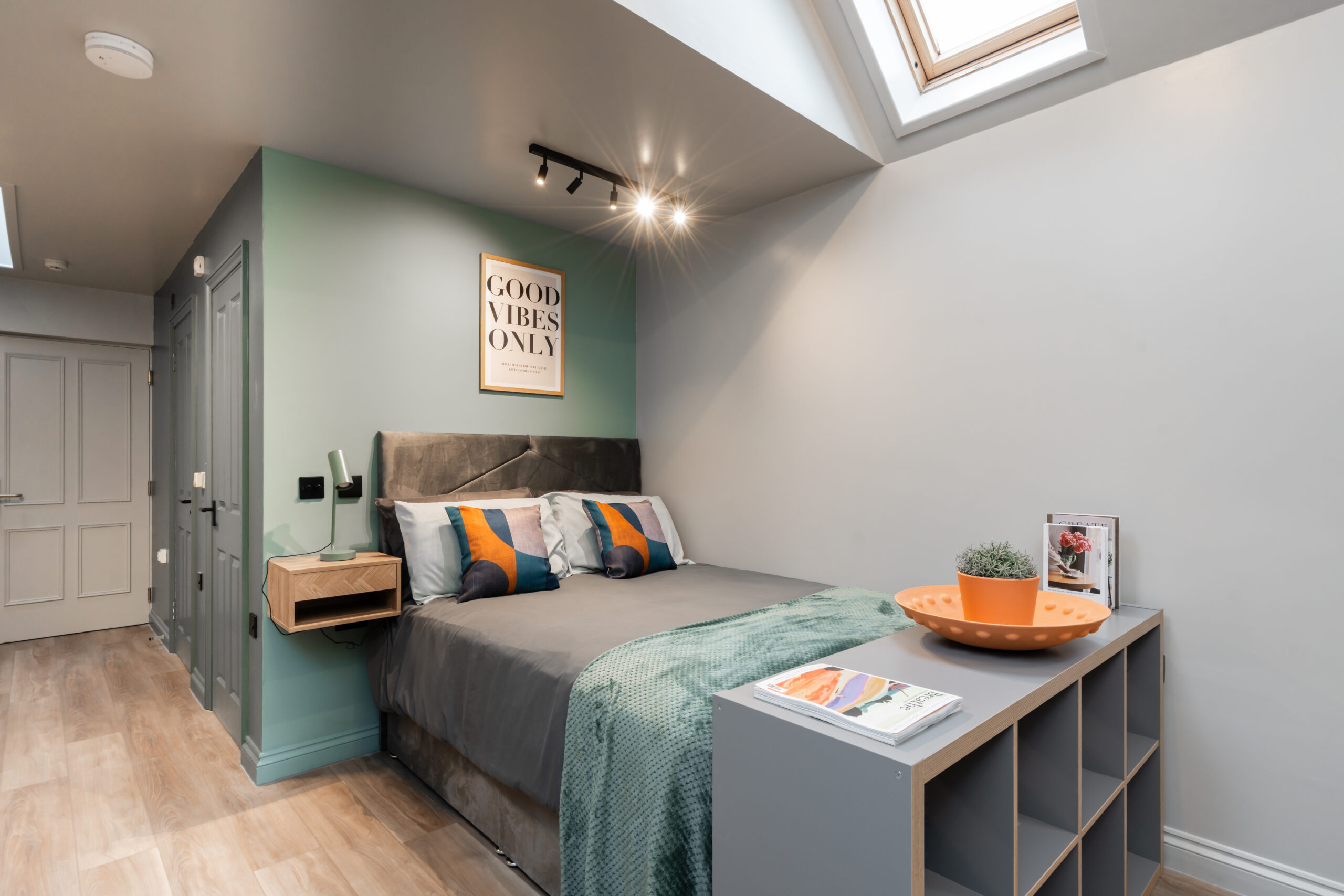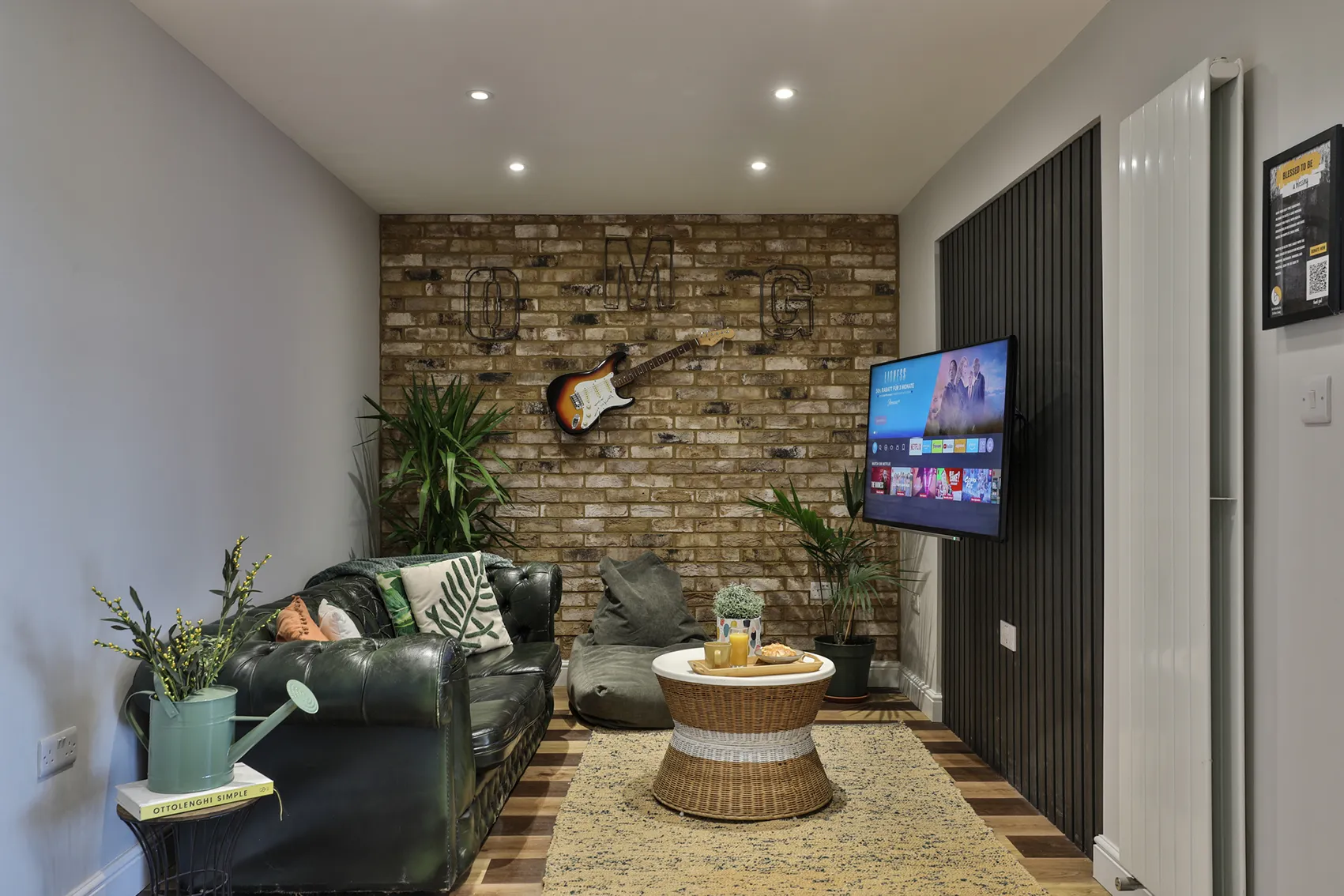
Category: Blog

  • Cost vs. Value: Upgrading Your Accommodation

    Cost vs. Value: Upgrading Your Accommodation

    Cost vs. Value: Upgrading Your Accommodation

    If you’re moving to Oxford or Bicester for work (or you’re already there and feeling the squeeze), upgrading your accommodation can feel like a big decision. You want more space, better comfort, and a layout that actually supports your routine—without overspending. The good news: you can make this choice calmly by comparing cost and value in the right way.

    This guide helps you work out whether a higher rent (or upgrade fees) genuinely improves your day-to-day life—then shows you how to narrow down options that suit young professionals and remote workers in the Oxford/Bicester area.

    Quick answer:

    • Best options: upgrades that reduce everyday friction (dedicated workspace, better transport access, reliable utilities/internet).
    • Best time: when you can view in daylight and test internet/work setup (and before major move-in peaks if possible).
    • Who it’s for: remote workers, busy commuters, and anyone juggling bills with limited time for admin.
    • Quick logistics: check total monthly cost (rent + bills + internet + parking), then score each option on “value per day”.

    Takeaway: Value isn’t just higher specs—it’s what your space lets you do every day.

    Two homes can cost the same, yet feel completely different depending on layout, noise, travel time, and how smoothly you can work, rest, and socialise. When you upgrade, you’re paying for “time returned” and fewer hassles—not only for square footage.

    Start with your real daily needs (not the brochure)

    • Remote work: reliable internet, enough light, and a quiet corner.
    • Commuting: walking/driving time and how easy it is to reach your usual route.
    • Living rhythm: storage for week-to-week life, and a layout that supports evenings.

    Score value using “value per day”

    When comparing options, convert the price difference into a per-day cost and then ask what you gain. For example, if an upgrade helps you avoid daily stress (noise, long commutes, constant connectivity issues), that’s value even if you don’t need extra “space” in theory.

    Takeaway: Prioritise upgrades that reduce friction—then cut costs somewhere else.

    Upgrading doesn’t have to mean spending everywhere. Choose one or two high-impact improvements, and offset the rest with smarter trade-offs.

    High-value upgrades for Oxford and Bicester renters

    • A proper work setup: If you’re working remotely, you’ll notice the difference most here—desk placement, outlets, and noise levels matter. Insider tip: arrive at your viewing time and sit where you’d work; ask how the space sounds during busy periods.
    • Transport-aware location: Shorter travel time can pay for itself in sleep and energy. Insider tip: plan a quick “last-mile” check (walk or cycle the final part) rather than relying on a map estimate.
    • Reliable utilities and internet: If bills are included, you reduce mental load. Insider tip: if internet speed isn’t guaranteed, ask what it’s been like for current residents and whether there’s a fall-back option.

    Where you can usually save without feeling worse

    • Extra rooms you won’t use: if you only need a home office and a calm living area, don’t pay for a spare space you’ll ignore.
    • Overly “on-paper” finishes: focus on comfort and function; decorative features rarely improve your routine.
    • Parking you don’t need: if you work hybrid and use public transport often, check whether parking cost is worth it.

    Takeaway: How to choose comes down to budget, vibe, timing, and transport.

    Use a simple framework so you’re not comparing everything at once. This is especially useful when you’re juggling job priorities and limited viewing windows.

    Budget: compare total monthly cost, not just rent

    • Rent
    • Bills (gas/electric/water)
    • Internet (included or separate)
    • Parking/storage/any service charges

    Common mistake to avoid: assuming “bills-included” means no extra cost—always confirm what’s covered and how utilities are billed.
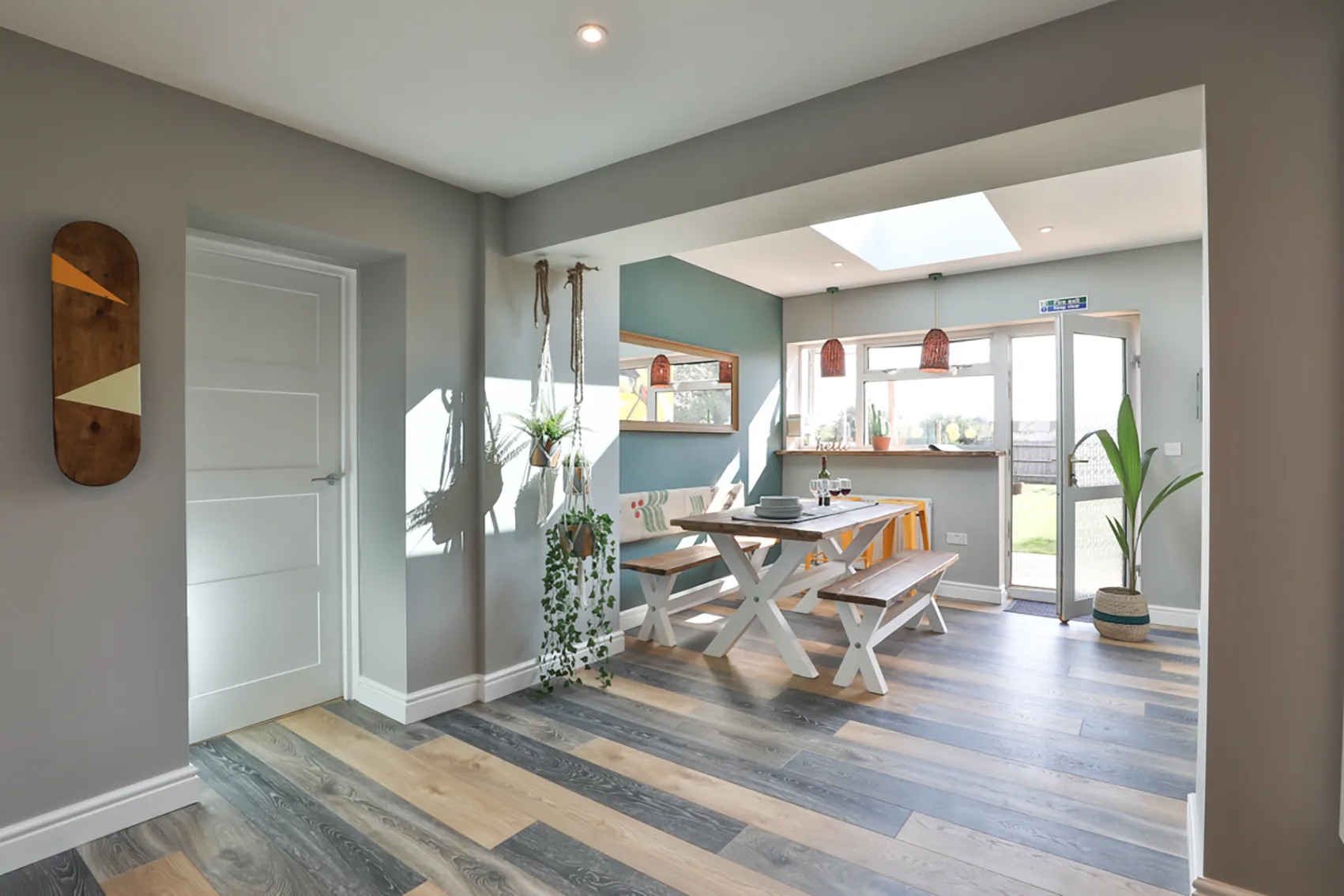
    Vibe: match the space to how you decompress

    • Do you want quiet to focus? Or a social environment?
    • Is there a comfortable common area (or is it mostly private space)?
    • Does the layout support downtime after work (lighting, circulation, storage)?

    Timing: test the upgrade under real conditions

    • View in daylight to judge natural light and noise.
    • If possible, check around the time you’d usually work or relax.
    • Ask what the move-in process looks like and what dates are realistic.

    Transport: reduce daily stress with location logic

    • Confirm route options for your commute (car/bus/cycle/walk).
    • Check how reliable the journey feels in typical conditions.

    Common mistake to avoid: choosing purely by distance to Oxford without considering the final route and parking/safety for your usual travel method.

    Takeaway: Use an at-a-glance checklist so you can decide quickly.

    At a glance: Upgrade checklist

    • Workability: desk space, outlets, lighting, noise level.
    • Costs: total monthly spend including bills and internet.
    • Comfort: heating, ventilation, and storage.
    • Everyday access: shops, transport, and routine essentials.
    • House rules: noise expectations, visitor rules, and quiet hours.

    Takeaway: Local logistics in Oxford/Bicester—what to check before you commit.

    Oxford and Bicester can look similar on a map, but day-to-day life varies. Before you commit to an upgrade, take 20 minutes to sanity-check your routine.

    Getting there

    Plan your commute for your typical week, not a “best case” day. If you’re hybrid, test the journey on a quieter day as well—timing can change depending on buses and traffic patterns.

    Best times to view

    • Daylight: to assess light and finish quality.
    • After work hours (if possible): to understand noise and traffic.
    • Weekdays: to gauge how day-to-day life feels.

    Booking and paperwork notes

    Upgrade decisions often fail at the admin stage—missing documents, unclear move-in dates, or unclear bills. Keep it simple: ask for a written breakdown of costs and confirm timelines in advance.

    Accessibility considerations

    If mobility, walking distances, or stairs are relevant, mention it early. Confirm lift access (if applicable), step-free routes, and how you’ll move items on move-in day.

    Takeaway: FAQs about upgrading—answers for real-life decisions

    What’s the best way to compare cost vs. value when upgrading my accommodation in Oxford?

    Compare the total monthly cost and then score value based on what improves your daily routine: workspace quality for remote work, noise and comfort, and how location affects your commute. If the upgrade saves you time or reduces stress every day, that’s meaningful value—even if the price is higher.

    Is it worth paying more for a nicer home office if I work from home?

    Often, yes. If the upgrade reduces interruptions, improves lighting, or gives you a dedicated work area, you’ll likely feel it throughout the week. Try to test noise and connectivity during viewings, and ask what internet is like in practice.

    How much should I prioritise location over space?

    If you’re commuting or regularly travelling to Oxford, location can be high impact because it affects your energy and time. If you’re spending most days at home, a better layout and comfort may matter more. Use the checklist to decide what impacts you most on a typical week.

    What should I ask before I sign an upgraded tenancy?

    Ask for a clear breakdown of costs (including bills and internet), move-in dates, any service charges, and house rules around noise/visitors. If remote work matters, ask about internet reliability and what support is available if issues come up.

    How do I avoid overpaying for upgrades I don’t use?

    Be strict about which features you’ll use weekly: a functional workspace, storage that keeps your home tidy, and a commute that doesn’t drain you. If a feature looks impressive but you won’t benefit from it regularly, it’s probably not value.

    Takeaway: The right upgrade supports your life, not just your listing preferences.

    When you’re choosing a place in Oxford or Bicester, the best upgrade is the one that makes your week feel easier—whether that’s a calmer workspace, fewer commuting headaches, or a home that actually supports your routine. At B-Hive Living, we focus on helping you settle well: comfortable living, practical day-to-day design, and a community that makes it simpler to feel at home where you live.

    If you’re ready to upgrade your accommodation with less uncertainty and more everyday comfort, we’d love to hear from you. Check what availability fits your plans and apply to live with B-Hive Living — and make the move so it supports how you work and live.

  • Avoiding Hidden Fees When Looking at Places to Rent in Bicester

    Avoiding Hidden Fees When Looking at Places to Rent in Bicester

    Avoiding Hidden Fees When Looking at Places to Rent in Bicester

    If you’re moving to Bicester for work or you’re working remotely and need a proper base, the last thing you want is surprise costs after you’ve fallen in love with a place. Hidden fees can creep in at every stage—from viewing to moving in, and even during your tenancy. This guide helps you spot the common traps, ask the right questions, and compare offers confidently, so you can choose a rental that’s genuinely affordable.

    By the end, you’ll have a simple checklist for viewings, a shortlist of documents to request, and the key “yes/no” questions to protect your budget—without slowing down your search.

    Quick answer: how to avoid hidden fees in Bicester

    • Best options: Compare like-for-like rentals using a written breakdown of costs and a full “move-in” total.
    • Best time: Ask fee questions before you pay anything and again right before signing.
    • Who it’s for: Anyone renting in Bicester—first-time tenants, remote workers, and young professionals.
    • Quick logistics: Request the tenancy agreement, inventory (or check-in report), and a schedule of charges early.

    Hidden fees you can spot early (before you commit)

    The easiest way to avoid surprises is to treat every “small” charge as a potential recurring cost.

    technology HMOs management

    Move-in fees that often get glossed over

    • Holding deposit vs reservation fee: Make sure you understand what’s refundable, what’s not, and what conditions apply.
    • Admin fees: Some landlords/agents describe charges for processing applications—ask whether these are one-off or separate from any other costs.
    • Change-over or inventory fees: If an inventory charge is mentioned, ask for a clear description of what you’ll receive and whether it’s included in another item.

    Insider tip: Ask for the total cost to move in in writing (even if it’s an estimate). If the agent won’t provide a clear breakdown, that’s a red flag.

    Ongoing “tenant responsibility” costs

    • Council tax and utilities: Clarify whether the rent includes anything and how bills are handled (separate meters, estimated billing, or included packages).
    • Service charges: If the flat/house is part of a shared building, ask what the service charge covers and how it’s calculated.
    • Communal charges: For buildings with shared areas, confirm whether there are separate communal electricity or cleaning costs.

    Insider tip: Don’t just ask “what are the bills?” Ask “what were the actual costs for the last 6–12 months?” Even if figures are estimates, it helps you compare properly.

    Fees that show up later in the tenancy

    • Early termination or contract break charges: Ask what happens if you need to leave for work or a lifestyle change.
    • Variation charges: For changes to contract details (names, renewals, extensions), request details up front.
    • Default fees: Clarify what “non-compliance” or arrears-related charges might apply.

    Common mistake to avoid: Only checking fees at the point of signing. Hidden charges sometimes appear in the “tenant obligations” part of the agreement.

    Questions to ask on viewings (use this script)

    Instead of asking vague questions like “Any extra fees?”, go item-by-item and request written answers.

    Before you pay a holding deposit

    • “Can you share a written schedule of charges for this property?”
    • “What fees are refundable, and under what circumstances?”
    • “What is the total cost to move in (deposit, first month, admin/process fees, inventory/check-in charges)?”

    Before you sign the tenancy agreement

    • “Is anything included in the rent (water, maintenance, broadband, or parking)?”
    • “Are there service charges or communal charges? If yes, what do they cover and how often are they billed?”
    • “What are the renewal and termination terms, and are there any charges?”

    Insider tip: Ask to see the tenancy agreement and inventory/check-in report before you view the property again or commit. If you can’t access these documents early, plan for delays.

    5 Tips Before Moving to Bicester Oxford

    At a glance: your Bicester “no surprises” checklist

    Use this quick list during viewings and follow-ups, so every offer is comparable.

    • Written breakdown of all move-in costs
    • Clarify what’s refundable (holding deposit, etc.)
    • Confirm what’s included in rent (utilities, council tax, broadband, parking)
    • Ask for last-known actual bills where possible
    • Check service/communal charges (what they cover + how billed)
    • Read renewal/termination clauses and note any charges
    • Inventory/check-in report: confirm timing and who pays

    How to choose a rental that stays affordable (not just cheap upfront)

    A lower advertised rent can still be expensive if fees and recurring costs are loaded.

    Budget test: look at the “true monthly” total

    When comparing two listings, estimate your monthly outgoings as: rent + typical utilities + council tax (if separate) + any recurring service/communal charges. If the agent can’t provide figures, ask for a best-effort estimate and whether it’s based on past bills.

    Vibe and practical fit: don’t let hidden fees distract you from basics

    • Transport: Consider how you’ll travel to work and whether parking is included or separately charged.
    • Remote working: Check broadband options and whether an internet service is included or you’ll need to set up your own.
    • Living pattern: If you’ll be in evenings/weekends, look closely at bills for heating and hot water.

    Common mistake to avoid: Signing before you’re satisfied with the inventory/check-in process. Even if fees are fair, an unclear inventory can lead to disputes later.

    Local logistics for renting in Bicester: getting there, booking, and accessibility

    Bicester searches move quickly—being organised helps you avoid last-minute decisions that can lead to fee surprises.

    Getting there for viewings

    Plan your transport route before the viewing. If you’re commuting, factor in how long it takes you to travel from your likely work base and whether the property’s location makes it easier for you to live day-to-day.

    Best times to ask fee questions

    Viewing time is often busy, so reserve your “fee and contract” questions for after the walk-through, when you can focus and ask for written details.

    Booking notes: request documents early

    When you book a viewing, ask what you’ll need to bring and when you’ll be able to receive the documents (tenancy agreement, fee schedule, inventory/check-in report). If you’re relocating to Bicester, build in buffer time for paperwork.

    Accessibility notes

    If mobility or step-free access matters, confirm details in advance: entry steps, lift access (if applicable), and whether there’s parking close to the entrance. It’s easier to get accurate answers before you commit to a viewing.

    Things to Do in Oxfordshire

    FAQs

    Q: What are the most common hidden fees when looking at places to rent in Bicester?

    A: The most common “surprise” costs tend to be unclear move-in admin charges, service/communal charges, fees related to inventory/check-in, and charges that appear in renewal/termination terms. Always request a written schedule of charges and a full move-in cost breakdown.

    Q: Should I ask about service charges even for a small flat?

    A: Yes. Shared buildings can include additional service or communal costs even when the rent looks straightforward. Ask what the charges cover and how they’re billed.

    Q: How can I tell if a holding deposit is truly safe?

    A: Ask what conditions affect whether it’s refundable, and get the terms in writing. If you can’t get clarity, don’t rush—seek the full terms before paying.

    Q: What documents should I request before signing a tenancy agreement?

    A: Request the tenancy agreement itself and the inventory/check-in report process (and ask who produces it and when). If there’s a schedule of charges, ask for that too.

    Q: Is it worth comparing broadband or utilities during the search?

    A: Definitely—especially if you work from home. Clarify what’s included (if anything) and whether you’ll need to set up services yourself.

    Q: What should I do if I feel fees were not clearly explained?

    A: Ask for a written breakdown and clarification of any unclear items. If you’re unsure about contract terms, consider getting independent advice before signing.

    Soft brand close: rent smarter in Oxfordshire

    Finding a place to rent in Bicester is about more than ticking boxes—it’s about building a homebase you can afford and enjoy, even when working remotely or fitting in a busy week. When fees are transparent, budgeting becomes easier and decisions feel calmer. If you’d like a move that’s organised from day one, focus on clear paperwork, honest cost breakdowns, and a community-minded approach to where you live.

    Ready for that kind of straightforward start? Consider applying to live with B-Hive Living. We’ll help you understand the process clearly so you can focus on what matters: settling in, feeling comfortable, and making the most of being based in Bicester.

  • The Hidden Costs of Traditional Flats to Rent Bicester And How to Avoid Them

    The Hidden Costs of Traditional Flats to Rent Bicester And How to Avoid Them

    Table of Contents

    The Hidden Costs of Traditional Flats to Rent Bicester And How to Avoid Them

    If you’re moving to Bicester for work or commuting into Oxford, renting should feel straightforward. But traditional flats can come with “small” extras that quietly eat your budget—before you’ve even unpacked. In this guide, we’ll break down the most common hidden costs people miss (from admin fees and inventory surprises to utility and council-tax timing). You’ll also get practical steps to spot red flags early, plus a simple checklist you can use before you sign anything. By the end, you’ll know how to compare options in Bicester without getting caught out.

    Quick answer: what hidden costs to look for in Bicester

    Takeaway: Hidden costs usually aren’t one big bill—they’re a stack of smaller charges and timing issues.

    • Best options: Compare total “move-in” cost (deposit + first month + fees) and ongoing monthly costs (utilities + council tax + internet).
    • Best time to check: During the viewing and before you pay any holding deposit.
    • Who it’s for: Young professionals and remote workers relocating to Bicester for flexible, predictable living costs.
    • Quick logistics: Ask for the written breakdown of fees and confirm utility/council-tax responsibility in writing.

    What counts as a “hidden cost” when you rent a flat in Bicester?

    Takeaway: Hidden costs are anything you pay that isn’t clearly included in the headline rent.

    1) Move-in charges that show up after you think you’ve budgeted

    Even if the rent looks reasonable, traditional tenancies can add costs around the start of your contract. This may include deposit protection admin, reference checks, tenancy setup charges, or contract-related fees. Tip: Request a single line-by-line total for “move-in day”.

    2) Utility bills and “who pays what?” confusion

    Some flats have separate meters; others use billed estimates or a landlord’s arrangement. If you’re working from home, small differences in energy and broadband costs matter. Insider tip: Ask when the last utility/broadband bills were issued and whether they’re based on actual usage.

    3) Council Tax timing (and whether you’re liable)

    Some tenants are responsible immediately; others discover liability rules after signing. If you’re not sure, confirm whether council tax is included in the rent or paid separately. Common mistake to avoid: Assuming council tax is included just because it’s mentioned informally during a viewing.

    5 Tips Before Moving to Bicester & Oxford

    4) Maintenance and “small things” that become big bills

    In traditional lets, there’s often a gap between what you report and when it gets fixed—plus the risk that you’re charged for damage you didn’t cause. How to avoid it: Check the inventory/condition report carefully and take dated photos before you move your belongings in.

    5) Admin and contract extras you only notice once you’re committed

    These can include fees for changes to the tenancy, renewal charges, or costs if you want to end the agreement early. Insider tip: Ask what happens if you need flexibility—then read the early termination clause before you pay anything.

    How to spot hidden costs during a viewing in Bicester

    Takeaway: You can reduce surprises by asking structured questions and insisting on written answers.

    Ask these “must answer” questions

    • Is council tax included? If not, who pays it and how is it calculated?
    • What are the current utility arrangements? (Electric/gas metering, water charges if applicable, and how bills are handled.)
    • What fees are payable to move in? Request a full breakdown (including any admin, referencing, and tenancy setup fees).
    • What’s included in the rent? Broadband, TV licence (if applicable), communal charges, or building management costs—confirm in writing.

    Bring a simple comparison sheet

    Create a quick table comparing each option on the same fields. Don’t compare only the monthly rent. Compare the full first 6–12 weeks cost and the typical monthly cost once bills settle.

    At a glance: your mini “before you sign” checklist

    • Move-in total: deposit + first month + any admin/holding deposit/tenancy fees
    • Ongoing costs: council tax, utilities, broadband, and any service charges
    • Responsibilities: who handles maintenance and what you’re expected to report
    • Condition: inventory details, photos, and how deductions are handled
    • Timing: when bills start and whether payment is immediate

    Common hidden-cost traps in Bicester (and how to avoid them)

    Takeaway: Most surprises come from timing, unclear responsibility, or costs buried in the fine print.

    Trap 1: Budgeting rent only, not the “first month and beyond” total

    Insider tip: Ask for the total you’ll pay in the first 30–60 days, including deposit and any fees. Then add a buffer for the first utility/broadband invoices.

    Trap 2: Overlooking broadband suitability for remote work

    Headline internet may sound fine—until you work from home and find upload speeds or reliability aren’t right for video calls. Ask whether there’s an existing provider and what the typical service is like.

    Trap 3: Missing inventory deductions risks

    Even clean flats can end up with disputes if the inventory is vague. Before you move in, go through the inventory line-by-line and photograph anything that looks inconsistent. If you’re unsure, ask how disagreements are resolved.

    man in blue long sleeve shirt sitting on gray couch

    Trap 4: Not checking what happens at renewal or early exit

    Short notice periods or renewal uncertainty can add cost. Read the renewal terms and any charges associated with ending early.

    How to choose a rental that keeps costs predictable (without guesswork)

    Takeaway: Choose based on total cost and clarity, not just monthly rent.

    Use this criteria list

    • Budget: Compare “move-in” and “monthly” totals, then add a small buffer.
    • Vibe & lifestyle: If you work from home, prioritise reliable internet and manageable utility bills.
    • Timing: Confirm when council tax and utilities start and whether estimates are used initially.
    • Transport: Consider how you’ll commute from the flat—parking costs and travel time can indirectly affect overall affordability.
    • Transparency: Look for written breakdowns and clear responsibility for maintenance.

    Best-fit scenarios (so you don’t overpay for the wrong setup)

    • New to Bicester: Prioritise clarity on bills and tenancy start dates.
    • Remote workers: Get confirmation on broadband reliability and what’s included in the rent.
    • Shorter stays: Check early exit terms before you commit.
    • Budget-conscious movers: Compare total costs and not just rent—especially move-in day.

    Local logistics for renting in Bicester: getting answers quickly

    Takeaway: Make it easy for agents/landlords to reply—then keep everything in writing.

    What to do before you pay a holding deposit

    Ask for key details in writing: the fee breakdown, council tax responsibility, utility arrangement, and what’s included. If responses are vague, treat that as a signal to slow down.

    Accessibility notes

    If you need step-free access, lift access, or specific parking arrangements, raise it early. Traditional flats vary widely by building layout, so it’s worth confirming during the viewing rather than later.

    Best times to ask questions

    During the viewing you can judge condition and ask about inclusion. Follow up within 24 hours with a short email so the details don’t get lost. If it’s urgent, ask when they can confirm answers.

    FAQs about the hidden costs of traditional flats to rent in Bicester

    Takeaway: These are the questions that typically prevent expensive surprises.

    What hidden costs should I expect when renting a flat in Bicester?

    Common hidden costs include deposit and move-in fees, utilities (plus who pays them and how estimates work), council tax responsibility, and potential maintenance or inventory-related deductions. Ask for a full fee breakdown and written confirmation of what’s included.

    How can I avoid deposit deductions?

    Use the inventory as your reference point. Take dated photos when you move in, report issues promptly, and keep copies of all written communications. If something in the inventory doesn’t match the flat, address it before you settle in.

    Are utilities usually included in the rent?

    It varies by property and landlord arrangement. Some rentals include certain services, while others require you to pay separately. Confirm the utility arrangement and responsibility in writing before paying any deposit.

    When does council tax start if I rent a flat in Bicester?

    Council tax liability usually depends on your tenancy start date and the agreement terms. Don’t rely on verbal explanations—confirm whether council tax is included or paid separately and from what date.

    Can broadband costs change after I move in?

    Yes. If broadband isn’t included, your monthly cost depends on the provider and plan you choose. Even where broadband exists, reliability and performance can differ, especially for video calls and large uploads—ask what’s installed or available.

    Insider tips that most people don’t mention

    Takeaway: These small moves can save real money and stress.

    • Insider tip: Ask for a “total first payment” number. You want the sum you’ll pay right away, not just the rent figure.
    • Insider tip: Photograph the flat in sections. Doors, skirting, appliances, and windows—then match them to the inventory.
    • Insider tip: Follow up with a short written recap. If you review something verbally, email a confirmation list so you have a record.
    • Common mistake to avoid: signing before you’ve seen the inventory. If you can’t review it beforehand, request the documentation before moving forward.
    • Common mistake to avoid: assuming “included” means “covered”. Clarify what’s included, how long it’s included for, and whether there are caps or exclusions.

    A simple way to budget (without overthinking it)

    Takeaway: Use a single rule: compare total costs and protect yourself against uncertainty.

    Start with the rent. Add the deposit and all fees due upfront. Then add a realistic estimate of utilities and council tax (confirm in writing if possible). Finally, leave a small buffer for the first bills and any immediate admin tasks like registering services.

    Soft close: Renting in and around Bicester is easier when your costs are predictable and your home life feels settled. When you know what to ask—move-in fees, council tax responsibility, utilities, and maintenance expectations—you can focus on work, routines, and community rather than unexpected bills. B-Hive Living is designed to make that transition smoother, with a lifestyle-first approach that suits young professionals and remote workers who want consistency in Oxfordshire.

    Ready to make your move feel simpler? If you’re relocating to Bicester and want to avoid budget surprises, explore whether living with B-Hive is right for you. Apply now to take the guesswork out of renting and focus on settling into a home that fits your day-to-day.

  • Rethinking the Traditional Apartment Complex Near Oxford: The Coliving Edge

    Rethinking the Traditional Apartment Complex Near Oxford: The Coliving Edge

    Rethinking the Traditional Apartment Complex Near Oxford: The Coliving Edge

    If you’re moving to Oxford or commuting in from Bicester, finding a place to live can feel like a trade-off: you get space, but not much community; privacy, but not much connection. Traditional apartment complexes can be convenient, yet they often leave you to figure out everything—social life, routines, and even how to make the most of your week—on your own. This guide breaks down the real-world advantage of coliving near Oxford, so you can choose the setup that fits how you actually want to live, work, and recharge.

    By the end, you’ll know what coliving does differently, how to evaluate options sensibly, and which pitfalls to avoid—especially if you’re a young professional or remote worker.

    • Best overall choice: Coliving if you want a ready-made social rhythm without giving up your own space.
    • Best time to decide: Before your move—ideally 2–6 weeks ahead—so you can compare availability and house rules.
    • Who it’s for: Remote workers, hybrid professionals, and newcomers to Oxford who want community and structure.
    • Quick logistics: Check commute links (Oxford/Bicester routes), house layout, and the quiet-hours approach before you commit.

    Why “traditional” can feel less traditional day-to-day

    Apartment complexes aren’t wrong—they’re just built for occupancy, not lifestyle.

    The gap: convenience without momentum

    In many traditional apartment buildings, you can have a great location and a decent flat, but still feel isolated. You might meet neighbours in passing, then never connect beyond that. For remote workers especially, that can affect motivation and even day-to-day wellbeing.

    When apartment living works best

    a coliving community in the kitchen

    Apartment complexes tend to shine when you’re already socially plugged in, you prefer minimal interaction, and you don’t want shared common areas or scheduled community time.

    What the coliving edge brings near Oxford

    Coliving is designed to support the way people live now—workdays, routines, and community in the same place.

    Shared space that’s actually usable

    Instead of corridors and lift lobbies, coliving typically centres communal areas that encourage small interactions: a kitchen that’s a natural meeting point, a lounge designed for calm conversations, and study-friendly zones if the house offers them.

    Insider tip: Before you tour, picture your typical day. If you’ll need somewhere to think, take calls, or decompress, ask to see the spaces at the time you’d use them (morning vs evening can feel very different).

    Community built into the structure

    Coliving houses often offer light-touch community—someone to point you in the right direction, occasional shared events, and an environment where meeting people feels normal rather than forced.

    Insider tip: Look for “how people communicate” cues: are residents welcoming to newcomers, and are expectations about noise and cleanliness clear? Those small details often predict your experience more than the brochure.

    Better onboarding for newcomers to Oxford and Bicester

    Moving to a new city can be more logistics than excitement—finding shops, figuring out commutes, and building a routine. Coliving can compress that learning curve by giving you social context alongside practical local guidance.

    Insider tip: Ask what residents usually recommend for your week (coffee spots, supermarkets, gyms, and the quickest route to work). You’re testing whether “local knowledge” is lived, not just advertised.

    How to choose coliving vs a traditional complex (without overthinking it)

    The best option is the one that matches your rhythm—so evaluate on a few practical criteria.

    1) Budget: understand what’s included

    Coliving can bundle utilities and reduce setup friction, while traditional apartments may separate costs. Check what’s included and what’s not (broadly: utilities, internet, and any service charges). If anything is unclear, ask for a simple breakdown before you apply.

    2) Vibe: introvert-friendly or community-forward?

    Some coliving places feel sociable but not overwhelming; others are more event-led. Consider your energy level on weekday evenings.

    3) Timing: match your move window

    If you’re relocating for a new job, you may want somewhere that feels stable quickly. If you’re between contracts, flexibility matters. Compare availability and the typical lead time for moves.

    4) Transport: don’t assume Oxford is “easy”

    Oxford can be walkable and cycle-friendly in parts, but your real commute depends on where you work and where you’ll be most days. If you’re commuting from Bicester, consider your travel time on both a normal day and a busy day.

    Common mistake to avoid: Only checking travel time once. Routes and traffic patterns change, especially around peak hours and campus/office movements.

    5) Quiet + boundaries: check house rules properly

    Shared living only works well with clear expectations—noise levels, use of common spaces, and how conflicts are handled. Ask direct questions; you’re protecting your own comfort.

    Common mistake to avoid: Touring only on a quiet day. If possible, get a feel for how the house operates in the evening and how residents behave when they’re home after work.

    At a glance: a mini checklist for your next viewing

    • Layout: Is there a private room that genuinely feels like your own space?
    • Work needs: Where will you take calls, read, and focus?
    • Shared areas: Are kitchens/lounges practical, not just pretty?
    • Rules: Are quiet hours and cleaning expectations explicit?
    • Community: Ask how new residents typically settle in.
    • Commute: Confirm your real route to Oxford workplaces and/or Bicester connections.

    Local logistics: getting there, booking notes, and accessibility

    Practical planning makes any move easier—especially when you’re choosing between shared and private living.

    Getting there (Oxford & Bicester context)

    Oxford and Bicester sit within a wider commuter network. When you shortlist a coliving option or apartment, map your typical route using your main transport method (car, public transport, or cycling). If you’re unsure, take a trial journey before you sign anything.

    Best times to visit

    Try to tour when you’ll be active in real life—weekday afternoons or early evenings. If there are communal spaces, watch how they’re used. That’s usually the fastest way to tell whether the space will support your routine.

    Booking notes

    Coliving houses can fill faster because the environment depends on a good fit between residents. When booking, ask about next steps and how quickly you’ll hear back.

    Accessibility and practical needs

    If you have mobility, sensory, or accessibility requirements, don’t rely on general listings. Ask about step-free access, layout accessibility, and how common areas are managed day-to-day.

    Frequently asked questions about coliving near Oxford

    Here are the questions people most often ask before switching from the traditional apartment mindset.

    Is coliving near Oxford right if I work remotely?

    Often, yes—if the house layout supports focus (quiet zones, reliable shared spaces, and clear boundaries). When you visit, check where you’d take calls and whether residents tend to be active at the same times you are.

    What should I look for when choosing a traditional apartment complex near Oxford?

    If you’re comparing to a traditional complex, focus on privacy, sound insulation, and how you’ll create community elsewhere. Also confirm the day-to-day reality of your commute and nearby essentials.

    How do I test whether the shared spaces suit my routine?

    Ask to see common areas at a time that matches your usage. Notice whether people can concentrate, whether the kitchen feels practical, and whether the lounge is calm or busy most evenings.

    Will I lose my independence in a coliving house?

    Good coliving should balance private space with shared support. Clarify what’s included, what’s optional, and how boundaries work—especially around noise and cleanliness.

    What are common mistakes people make when moving to coliving?

    The biggest ones are misunderstanding house rules (quiet hours and cleanliness), and assuming the “community” will automatically fit your personality. Ask direct questions and evaluate the vibe with honesty.

    How do I know I’m comparing fairly?

    Compare total day-to-day impact: commute time, included costs, privacy level, and how you’ll spend weekday evenings. If the coliving setup better supports your routine, it often wins—even if the headline details look similar.

    Soft close: living well is about more than a postcode

    Whether you’re looking at Oxford or Bicester, the best move isn’t just about where you’ll sleep—it’s about how you’ll live. Coliving can offer a calmer way to settle in: a private base, shared spaces that work for real life, and the kind of community that makes weekdays feel easier.

    If you want the benefits of location plus a smoother routine, it’s worth exploring a coliving option thoughtfully—then choosing what truly fits your pace.

    If you’re ready to live somewhere that supports your day-to-day (and helps you build connections without forcing it), consider applying to live with B-Hive Living. Share what you’re looking for—commute, work style, and how you like to spend your evenings—so we can help you find a home that feels like the right fit.

  • The Quiet Luxury of a Bills-Included Studio Flat at B-Hive

    The Quiet Luxury of a Bills-Included Studio Flat at B-Hive

    The Quiet Luxury of a Bills-Included Studio Flat at B-Hive

    If you’re a young professional or remote worker in Oxford or Bicester, you’ll know the feeling: you want your home to be calm, practical, and predictable—but without the admin stress. A bills-included studio can remove the monthly uncertainty and let you focus on your routine, your workday, and actually switching off at home. In this guide, we’ll walk you through what “quiet luxury” really means in everyday terms, who a bills-included studio suits best, and how to choose one that fits your budget and lifestyle—then share local logistics to help you settle quickly.

    Primary search query: bills included studio flat at B-Hive

    Quick answer

    • Best options: a bills-included studio if you want one predictable monthly cost and fewer subscriptions/admin tasks.
    • Best time to look: when you’re within 1–2 months of relocating so you can compare viewings and move-in dates calmly.
    • Who it’s for: remote workers, early-career professionals, and anyone who prefers simplicity over managing separate utility bills.
    • Quick logistics: check what’s included (utilities, internet—if applicable) and confirm move-in timing and access arrangements before you commit.

    Why “quiet luxury” looks like bills-included simplicity

    The difference with a bills-included studio is that your home becomes easier to run—so it feels more effortless day to day.

    Predictable monthly living (without the spreadsheet life)

    When utilities are bundled into your rent, you’re not chasing separate bills or worrying about monthly spikes. That predictability is especially useful if you’re budgeting around commuting, social plans, and working from home.

    More mental space for work and downtime

    Remote work can blur the line between “getting ready” and “actually living”. A calmer home setup—straightforward payments and fewer admin tasks—helps you keep your routine consistent.

    A studio layout that favours flow

    Studios work well when you want everything close: sleeping, working, cooking, and relaxing in one space. The “quiet luxury” angle is less about size and more about how thoughtfully the space supports everyday movement.

    What’s included, and what you should confirm first

    Before you fall in love with the idea, confirm the details—because “bills included” can mean different things.

    Ask about the exact bill coverage

    Clarify which costs are included (for example, utilities such as gas/electricity and water) and whether any items are charged separately. If internet is included, ask about connection type and any limits.

    Check moving costs and payment schedule

    Even with bills included, there may be separate requirements (e.g., deposit structure, rent start date, or admin fees). Request the full breakdown so there are no surprises.

    How to choose: a simple checklist

    • Budget: compare total monthly outgoings, not just the headline rent.
    • Vibe: ask about sound levels, building rules, and shared spaces.
    • Timing: confirm move-in availability and whether you can view outside working hours.
    • Transport: consider how you’ll get into Oxford or around Bicester day to day.

    Common mistakes to avoid:

    • Assuming that “bills included” always covers internet—confirm before you rely on it for video calls.
    • Comparing only monthly rent rather than the total you’ll pay after bills.

    Who a bills-included studio flat suits best

    A studio with bundled bills tends to fit people who value simplicity, routine, and low-friction living.

    man in blue long sleeve shirt sitting on gray couch

    Remote workers and hybrid professionals

    If your day is a mix of calls and focused work, the priority is stability: reliable utilities and a home setup that supports your routine.

    Insider tip: before you move in, test your “home working” plan—where you’ll sit, where you’ll charge devices, and whether any background noise could affect calls.

    Early-career professionals relocating to Oxford/Bicester

    When you’re new to the area, you’ll already have enough to manage—settling in, sorting transport, and setting up your life. Bills-included living reduces one layer of complexity.

    Insider tip: ask about local waste and recycling arrangements so your first week doesn’t feel like a new admin project.

    People who prefer fewer subscriptions and fewer things to remember

    If you’ve ever forgot a direct debit, misread a utility charge, or delayed paying because “it’s probably fine”, this is where bundled bills can genuinely improve day-to-day peace.

    Insider tip: set a single calendar reminder for your rent payment date—then you can stop checking multiple accounts.

    At a glance: a mini itinerary for viewing and choosing

    Use this quick checklist during viewings to judge fit fast—without rushing.

    • Arrive with questions: coverage of bills, internet details (if applicable), and payment schedule.
    • Scope the layout: see where your desk and bed will realistically sit.
    • Check storage: consider whether you’ll need wardrobe space for workwear and seasonal items.
    • Listen for sound: notice noise during the viewing period and corridor activity.
    • Test the “daily route”: imagine your morning routine—coffee, shower, work start.

    Local logistics for Oxford and Bicester living

    Moving into a bills-included studio is only the first step—how you commute and settle locally matters just as much.

    Getting there (practical steps)

    Plan your first few days as if you’re still learning the area: test your route, identify the nearest practical shops, and confirm how you’ll handle deliveries to your building.

    Best times to move and settle

    For most people, mid-week move-ins reduce weekend congestion and give you more time for small admin tasks. If you work in offices, aim for a move window that doesn’t force you to unpack late nights after a full day.

    Booking notes

    Before you book, clarify viewing availability and whether you can see the studio during a time that matches your routine (evenings or after work, if that’s when you’ll be in).

    Accessibility notes

    If accessibility is important to you—step-free access, lift availability, or mobility-friendly routes—ask in advance so you can confirm suitability before you arrive.

    FAQs about a bills-included studio flat

    Quick answers to the most common questions people ask before committing.

    What does “bills included” mean for a bills-included studio flat at B-Hive?

    It means your rent includes specific utility costs—but the exact items covered can vary. Ask for the full list of what’s included (and what’s not) so you can budget with confidence.

    Is a studio a good choice if I work from home?

    Often, yes—especially if you’re comfortable with an integrated living/work space. When you view, focus on where your desk will go, lighting, and whether you can keep calls comfortably without disruption.

    How do I compare bills-included rent with a separate-bills alternative?

    Compare total monthly costs and how predictable they are. Also factor in the admin effort: bundled bills usually reduce the number of accounts you manage.

    What should I check before signing?

    Confirm bill coverage, the payment schedule, move-in timing, any building rules that affect day-to-day living, and how maintenance requests are handled.

    When should I book a viewing?

    If you’re relocating soon, aim to view within 1–2 months of your target move date. That gives you enough time to compare options calmly and avoid last-minute decisions.

    Will I have enough storage in a studio?

    Studios can be very liveable, but storage varies. During your viewing, check closets/cupboards and consider whether you’ll need extra storage for seasonal items or work equipment.

    Soft close: living well in Oxford and Bicester, without the hassle

    A bills-included studio flat is about more than convenience—it’s about protecting your time and mental energy. In Oxford and Bicester, where your week can move quickly between work, errands, and social plans, having a home that’s simple to run helps you feel settled faster.

    CTA: If you’d like to live in a calmer, more predictable setup at B-Hive, consider applying. Choose the studio that fits your routine, confirm what’s included, and make your move with confidence.

  • No Bureaucracy, Just Living: A Guide to Bicester Property to Rent

    No Bureaucracy, Just Living: A Guide to Bicester Property to Rent

    No Bureaucracy, Just Living: A Guide to Bicester Property to Rent

    If you’re moving for a new role, a hybrid schedule, or simply a change of pace, the last thing you want is a rental process that feels like paperwork marathon season. This guide is here to make renting a property in Bicester feel straightforward—so you can focus on where you’ll live, how you’ll commute, and what your week will actually look like.

    We’ll walk through the best types of rentals to consider, how to choose quickly (without cutting corners), and what local logistics matter most for Oxford and Bicester life. Expect practical steps, insider tips, and a few common mistakes to avoid.

    • Best options: furnished flats/maisonettes for short-to-medium stays; family-friendly houses if you’re settling in.
    • Best time to look: mid-week viewings and the first couple of weeks after new listings drop.
    • Who it’s for: professionals and remote workers relocating to Bicester, or commuting to Oxford.
    • Quick logistics: shortlist viewings, prepare documents early, and confirm council tax/who pays utilities.

    Start with the kind of rental that fits your real life.

    The fastest way to feel “sorted” is to match the property type to your lifestyle, not just your budget.

    Furnished rentals (great for professionals and remote workers)

    Furnished properties can reduce the mental load—especially if you’re relocating from elsewhere. You’ll typically get a bed, seating, and basic essentials, which helps you settle without waiting for deliveries.

    Insider tip: before viewing, list what you’ll definitely need (desk space, storage, parking) and check it during the walk-through, not after.

    Short-let vs longer tenancy (choose stability without dragging your feet)

    If you’re unsure about your first few months—new job, new routine, or waiting on a move-in date elsewhere—shorter tenancies can offer flexibility. If you’re confident you’ll be in Oxfordshire for a while, longer terms often bring more certainty.

    Insider tip: ask how quickly you can move in and whether the property is likely to be re-let soon after your planned end date.

    Houses vs flats (space, sound, and work-from-home needs)

    Flats are often simpler and lower-maintenance, but noise and storage can be a trade-off. Houses can give you more room for working, hosting, or a gym corner at home.

    Insider tip: if you work from home, check internet reliability (signal and line reliability) where possible, and listen for street noise at different times if the agent allows it.

    Use a simple checklist for choosing a Bicester rental.

    A good rental decision is repeatable: you can evaluate it consistently, quickly, and without second-guessing.

    How to choose (budget, vibe, timing, transport)

    • Budget: confirm total monthly cost including service charges (if applicable), council tax responsibility, and what utilities are included.
    • Vibe: think about day-to-day comfort—light levels, storage, and how “liveable” the layout feels.
    • Timing: ask when references can be completed and what the earliest move-in date realistically is.
    • Transport: consider commute patterns to Oxford and whether the property fits your travel routine (car, cycle, or bus).

    What to prioritise for day-to-day comfort

    • Workspace: desk space, chair comfort, and whether the room layout supports meetings.
    • Storage: built-in cupboards, wardrobe space, and where you’ll put coats and daily items.
    • Daily access: parking arrangements and how easy it is to carry groceries from door to kitchen.

    Neighbourhood pointers to help you narrow it down.

    Bicester is compact enough to feel connected, but different areas can suit different routines—especially for commuters and remote workers.

    Bicester Town (central convenience)

    If you want straightforward access to local amenities and an easy daily rhythm, a central location can be convenient.

    Insider tip: check how busy the area feels in the evening, not just during the daytime viewing.

    Near the Station area (commute-friendly)

    If your week involves travel to Oxford or beyond, living closer to transport can reduce friction and make spontaneous plans easier.

    Insider tip: ask what the typical noise level is at peak commuting times—train proximity can vary by street.

    Residential pockets around Bicester (calmer, home-focused)

    For those who want a calmer feel at home—whether you’re taking calls, cooking more, or simply sleeping better—residential pockets can offer that “uncomplicated routine” effect.

    Insider tip: if the property has a road-facing frontage, take one extra look at rush hour to understand sound travel.

    What the rental process should look like (and how to speed it up).

    “No bureaucracy” doesn’t mean “no checks”—it means you’re prepared, responsive, and clear about the steps.

    Your pre-viewing setup (do this before you fall in love)

    1. Prepare documents early: ID, proof of address (if requested), employment/earnings details, and references where applicable.
    2. Get your questions ready: move-in date, deposit handling, utilities, and any planned works.
    3. Set your must-have list: 3–5 items max so you don’t waste viewings.

    During viewings (how to spot “future admin” problems)

    • Ask who pays what: council tax and utilities can vary by property.
    • Check fixtures properly: taps, heating, locks, and appliances—turn them on, not just glance.
    • Clarify parking and access: especially if you have a car or expect visitors.

    Common mistakes to avoid

    • Skipping the total cost: rent is only part of the monthly picture—confirm council tax, utilities, and any service charges.
    • Focusing on aesthetics alone: a beautiful living room can still fail you if the heating, storage, or layout doesn’t work for your week.

    At a glance: a mini itinerary for finding your Bicester rental.

    Use this as a practical, low-stress plan for the next 7–14 days.

    • Day 1: Decide your top budget range and must-haves (workspace, parking, furnishings).
    • Day 2–3: Shortlist listings and book viewings mid-week.
    • Day 4–7: Attend viewings and ask the same questions each time.
    • Day 7–10: Submit references quickly and confirm move-in logistics.
    • Finalise: read the key terms (deposit, start date, utility responsibilities) before signing.

    Local logistics: getting there, booking, and accessibility notes.

    Local logistics are where smooth moves are made—small confirmations now can save big hassle later.

    Getting there (Bicester ↔ Oxford routine)

    Many renters in Bicester plan their Oxford commute around transport options rather than “just location.” If you commute regularly, consider travel time buffers and how you’ll travel on busy days.

    Insider tip: when you’re comparing properties, include how long it takes to get from your likely door to your next step (station, bus stop, or parking) rather than just the postcode distance.

    Best times to view

    For a more honest feel, aim for mid-week viewings and—where possible—check the property at a similar time to your usual routine (evenings can reveal noise levels).

    Booking notes (what to request)

    • Confirm the exact start date (and whether it can flex).
    • Ask what’s included: furniture, appliances, and any maintenance responsibilities.
    • Clarify whether there’s a viewing schedule block that affects how quickly you can decide.

    Accessibility considerations (plan early)

    If you need step-free access, parking access, or specific layout requirements, ask at the earliest stage. Don’t wait until you’re “emotionally committed” to the listing.

    Common mistake to avoid: assuming a ground-floor flat will always be accessible—always confirm entrance steps, hallway widths, and any shared areas.

    FAQs about renting a property in Bicester

    These are the questions people ask when they want clarity before making a decision.

    What should I check first when looking for Bicester property to rent?

    Start with total monthly costs (rent plus council tax and utilities), the move-in date, and whether the layout supports your work and daily routine. Then check heating, storage, and how the area feels at the time you’d usually be home.

    Is furnished usually better for first-time movers in Bicester?

    It can be, especially if you’re relocating for work or remote working and want to settle quickly. However, it’s still worth checking what’s included and whether it matches your storage and workspace needs.

    How can I speed up the rental application process?

    Have your documents ready before you apply, respond quickly, and ask clear questions about references, timelines, and move-in logistics. If there’s anything you’re waiting on, tell the agent early so they can advise the best next step.

    What’s the biggest cost surprise to watch for?

    Utilities, council tax responsibility, and any service charges (where applicable) are common surprises. Confirm these during the viewing or in writing before you commit.

    How do I choose between a flat and a house?

    Choose based on your routine. If you prioritise simplicity and lower maintenance, a flat may suit you. If you need more space for working, storage, or hosting, a house can fit better.

    Can I view more than one property before deciding?

    Yes, and it’s often smart. Just keep your shortlist tight and compare properties using the same criteria each time—budget, costs, transport fit, and liveability.

    If you’re after a rental that feels like it supports your day—not a process that drains it—Bicester can be a genuinely practical place to land. Whether you’re commuting into Oxford, setting up a home office, or simply wanting a calmer routine, choosing the right property type and being ready with your questions makes the biggest difference.

    At B-Hive Living, we believe good living is about the details: feeling settled, connected, and able to move through your week easily. With the right support, your next step doesn’t have to feel heavy.

    Ready to make the move? Apply to live with B-Hive and let us help you find a home that supports your work, your pace, and your Oxfordshire routine. If you’re relocating to Bicester, we’ll guide you through the essentials so you can focus on settling in.

  • Settle Instantly: The New Standard for Accommodation

    Settle Instantly: The New Standard for Accommodation

    Settle Instantly: The New Standard for Accommodation

    If you’ve just arrived in Oxford or you’re planning a move to Bicester, the hardest part is often the first week: finding a place to sleep, getting your basics in order, and still having energy for work. “Settle instantly” accommodation is designed for exactly that—less admin, fewer delays, and a smoother start so you can focus on your new routine. This guide breaks down what “instant settling” really means, which options tend to suit young professionals and remote workers best, and how to choose the right setup without getting caught out by common pitfalls.

    Quick promise: by the end, you’ll know what to look for, when to book, and how to check the practical details before you commit.

    • Best options: serviced apartments, furnished corporate lets, and short-stay rentals with “ready-to-move-in” guarantees.
    • Best time to book: 2–4 weeks ahead if you want more choice; last-minute options can work, but expect a smaller range.
    • Who it’s for: remote workers, contract staff, and professionals relocating for work who need stability quickly.
    • Quick logistics: confirm check-in method, deposit terms, utilities included, and Wi‑Fi reliability before arrival.

    What “settle instantly” actually means in practice

    The goal is simple: you should be able to move in quickly and function immediately, not spend your first days chasing paperwork.

    Ready-to-live details to look for

    • Furnished basics: bed, sofa, dining space, storage, and usable kitchenware.
    • Work-ready setup: desk space, reliable Wi‑Fi, and enough outlets (especially if you’re hybrid or fully remote).
    • Predictable check-in: clear arrival instructions, contact number, and a straightforward process (ideally without waiting around).
    • Transparent costs: utilities, council tax arrangements (where applicable), and service charges should be clear up front.

    Why this matters for Oxford and Bicester arrivals

    Local moves often come with tight timelines—viewings, start dates, and commuting adjustments. Instant-settling accommodation reduces friction so you can get into a daily rhythm sooner: grocery runs, gym routines, and remote-work focus.

    Accommodation types that fit the “instant settle” expectation

    Different setups deliver instant settling in different ways—here’s how to choose based on your priorities.

    Serviced apartments

    Serviced apartments usually feel like a hotel with the practicality of a home: furnishings, quicker move-in, and less day-to-day admin.

    Why it’s worth it: you can arrive, unpack, and get on with work without building your home from scratch.

    Insider tip: ask whether Wi‑Fi is included and whether there are any fair-use limits (important for video calls and large uploads).

    Furnished corporate or professional lets

    These are tailored for people relocating for work. They’re often best for longer short-stays when you still want a “ready now” experience.

    Why it’s worth it: you get stability without the lag of furnishing a flat.

    Insider tip: check the earliest you can move in (not just the start date) and what happens if your job date changes.

    Short-stay rentals with move-in readiness

    Some short-stay homes are set up to feel liveable immediately—fully furnished, stocked basics, and clear arrival instructions.

    Why it’s worth it: they can be flexible if you need a short bridge into a longer home.

    Insider tip: confirm what’s actually provided (towels, bedding, cleaning basics) so you don’t arrive to gaps.

    How to choose the right “instant settle” option

    Use a simple checklist: timing, transparency, workability, and comfort—then verify everything before you pay.

    1) Budget and total cost (not just the headline rent)

    • Look for what’s included: Wi‑Fi, utilities, and any building or service charges.
    • Check deposit terms and how quickly it’s returned.
    • Common mistake to avoid: assuming “all bills included” means exactly what you need—always confirm.

    2) Timing and booking terms

    • Confirm check-in and check-out times.
    • Ask about late arrivals and whether self check-in requires an app or a code.
    • Insider tip: if you’re travelling from outside Oxford, request arrival instructions in writing before you leave.

    3) Vibe and daily usability

    • Do you want a quieter base for deep work, or a more social environment?
    • Check kitchen usability (space, cookware, and storage) if you plan to cook.
    • Common mistake to avoid: choosing purely by photos—test the layout mentally: desk placement, light, and storage.

    4) Transport and location logic

    • If you’re commuting, map your route to your typical work day area.
    • Consider evening travel: you’ll notice it after a long day.
    • For Oxford and Bicester, factor in how you’ll move around when you don’t yet know the city well.

    At a glance: a mini itinerary/checklist for your first 48 hours

    A good start isn’t just about getting the keys—it’s about turning the place into a workable routine quickly.

    • Before arrival: save Wi‑Fi login details, check-in instructions, and any access codes.
    • Hour 1: verify essentials (heat/AC, water, Wi‑Fi, cooker).
    • Hour 2: set up your work spot—desk, chair, lighting, and charging.
    • Day 1: confirm bins and waste rules; plan a simple grocery route.
    • Day 2: do one “commute trial” (even if short) to reduce weekday stress.

    Local logistics (Oxford & Bicester): getting set up smoothly

    Even if the accommodation is ready, the move is smoother when you plan the logistics around it.

    Getting there

    If you’re arriving by train or coach, aim to arrive during daylight hours where possible—Oxford especially can feel less straightforward when you’re tired and unfamiliar. If late arrival is unavoidable, prioritise options with clear, contact-light check-in.

    Best times to book or enquire

    For the widest choice, enquire a few weeks ahead—this tends to reduce the “limited availability” effect that shows up closer to moving dates.

    Booking notes you should always confirm

    • Wi‑Fi reliability: ask about typical speeds or whether it’s suitable for calls.
    • Parking and bike storage: only if you actually need it.
    • Cleaning and maintenance: what’s included, and how to report issues.

    Accessibility and comfort checks

    If you have mobility needs, confirm step-free access, lift availability (if relevant), and bathroom configuration before arrival. Also check noise factors—thin walls and street-facing rooms can affect remote work.

    FAQs

    Quick answers to common questions people ask when they search for “instant settle accommodation”.

    What should I check before booking “settle instantly” accommodation?

    Confirm check-in process, Wi‑Fi suitability, what’s included (bedding, towels, kitchen basics), utilities, and the deposit terms. If anything is unclear, ask before you pay.

    Is “instant settle” suitable for remote workers?

    It can be—just prioritise a proper work setup: desk space, enough power outlets, and dependable Wi‑Fi. If possible, ask about typical connection performance.

    How far in advance should I book for Oxford or Bicester?

    Two to four weeks ahead usually gives you more choice. If you’re booking last minute, expect fewer options and be extra strict about confirming Wi‑Fi and check-in details.

    Will I need to bring bedding or cookware?

    It depends on the specific listing or provider. Don’t assume—check what’s provided and whether replenishment (like towels) is included.

    How do I avoid scams or risky listings when moving quickly?

    Use well-established booking channels, keep communications in writing, and verify total costs and terms before arrival. If a listing asks for unusual payment methods or vague terms, walk away and reassess.

    Can I extend my stay if my plans change?

    Sometimes yes, but policies vary. Ask about extension options, availability, and any fee changes before you commit.

    Soft close: move in with confidence, not chaos

    “Settle instantly” is really about protecting your time and your focus. When your accommodation is ready to live in, you can spend your energy on the parts that matter—work, community, and building a routine in Oxford or Bicester. The best choice will feel practical on day one and comfortable by day ten, with details that don’t fall apart when you need them most.

    One small step: shortlist options, then verify the essentials—check-in, Wi‑Fi, inclusions, and total cost—before you commit.

    Interested in living locally with an easier start? If you’re relocating and want a base that helps you settle into real life quickly, consider applying to live with B-Hive Living. We’re here to make the move feel smoother—so you can focus on your new rhythm in Oxford and beyond.

  • The 2026 Guide to Finding Hassle-Free Apartments for Rent in Bicester

    The 2026 Guide to Finding Hassle-Free Apartments for Rent in Bicester

    Start with the right plan so you don’t waste weeks chasing listings.

    Looking for an apartment in Bicester in 2026 can feel like a sprint: listings move quickly, viewings stack up, and it’s easy to miss the small details that later become big headaches. Whether you’re a remote worker relocating from Oxford, a young professional starting fresh, or simply downsizing your commute, this guide is built to help you find a rental that fits your lifestyle—and your budget—without the stress.

    By the end, you’ll know what to prioritise, how to compare properties fairly, when to view, and how to avoid the common traps that cost time (and sometimes deposits).

    Quick answer: what’s the easiest way to find hassle-free rentals in Bicester?

    • Best options: purpose-built apartments, professionally managed rentals, and listings that include clear move-in timelines and bills info.
    • Best time to search: 6–10 weeks before you want to move, with extra checking in the week before viewings.
    • Who it’s for: remote workers, young professionals, and anyone who wants fewer uncertainties (and less back-and-forth).
    • Quick logistics: shortlist 5–8 properties, book back-to-back viewings, and prepare questions about internet, parking, and maintenance.

    What “hassle-free” renting actually means (and how to measure it).

    Hassle-free doesn’t just mean “nice photos”—it’s about predictable processes, responsive management, and fewer surprises after you move in.

    The checklist: signs a rental will be smoother

    • Clear tenancy terms: length of contract, break clauses (if any), and what happens at renewal.
    • Transparent costs: what’s included (for example, internet access approach) and how council tax and utilities are handled.
    • Maintenance clarity: who you contact for repairs and how quickly issues are typically addressed.
    • Practical basics: storage, heating type, bike storage/parking arrangements, and noise considerations.

    How to choose: your comparison scorecard

    Create a simple table for each listing. Rate (1–5) on:

    • Commute reality: not just distance—how often you’ll use your route.
    • Work-from-home suitability: broadband setup and whether the flat is quiet enough for calls.
    • Day-to-day friction: parking access, bin collection, and cycle options.
    • Future flexibility: whether the contract length matches your likely plans for 2026.

    Neighbourhoods and micro-locations to consider in Bicester.

    Choosing the right part of Bicester can reduce commute stress and make everyday life easier.

    Near the town centre

    Living closer to the centre often helps if you want walkable errands and quick access to local services. You may also find it easier to meet friends or run short appointments without planning parking.

    Insider tip: visit at two different times (weekday evening and weekend) to judge noise and footfall.

    Newer residential areas

    Some newer parts of Bicester can feel more straightforward for parking and day-to-day layouts, especially if you’re looking for modern flats.

    Insider tip: check the “in-between” details—like visitor parking and bin storage—because these can be different from what the listing implies.

    Transport-friendly locations

    If you’ll travel into Oxford or elsewhere, a transport-friendly position matters more than it seems on paper. Even small differences in access can change your routine.

    Insider tip: test your route on your usual days. Use the time you’d actually leave, not a theoretical “average”.

    Your shortlist: the apartment types that tend to feel least stressful.

    Certain rental set-ups naturally reduce admin and uncertainty.

    Professionally managed apartments

    These often come with clearer processes for repairs, renewals, and day-to-day questions. You’ll typically get a more predictable experience when something goes wrong.

    Insider tip: ask how maintenance requests are logged and whether you’ll receive updates in writing.

    All-in or clearly itemised bills approaches

    When bills are explained clearly, you avoid the “what’s included?” scramble once your first statement arrives.

    Insider tip: confirm the exact wording for what you pay. If the listing is vague, treat it as a red flag.

    Rooms for Couples for Rent

    Furnished rentals (with the right boundaries)

    Furnished can be a win for relocators because you can move faster and spend less time sourcing essentials.

    Insider tip: inventory the furniture and condition during viewing. Take photos/video (if permitted) to avoid later disputes.

    When to search and view in 2026 (timing that actually helps).

    Good timing reduces competition and gives you time to think.

    How the 6–10 week window works

    To find hassle-free apartments, aim to start searching about 6–10 weeks before your target move date. That gives you enough runway to request paperwork, compare options properly, and avoid rushing into the first “yes”.

    Best times for viewings

    • Weekdays late afternoon or early evening: helps you spot lighting, noise, and how the space feels at dusk.
    • A second check (if you can): a quick return visit or a follow-up walk around the street can confirm parking and access.

    Booking notes that prevent delays

    • Ask for a move-in date you can realistically commit to.
    • Confirm whether references and paperwork must be completed before any offer.
    • Request details on how deposit protection is handled (don’t assume).

    What to ask at the viewing: the questions most people forget.

    A great viewing is where you prevent future friction.

    Work-from-home essentials

    • What broadband options exist, and do the walls/flat layout affect signal?
    • Is there any known noise source (roads, communal areas, above/side neighbours)?

    Costs and practicalities

    • What exactly is included in the rental price?
    • How are utilities billed, and are there monthly estimates?
    • What are the arrangements for parking and visitors?

    Maintenance and responsibilities

    • How quickly are repairs responded to, and what’s the usual process?
    • Who deals with common areas and how are issues reported?

    At a glance: a mini itinerary/checklist for a stress-reduced apartment search.

    • Day 1–2: define your must-haves (commute, parking/cycle, budget, working-from-home needs).
    • Day 3–7: shortlist 5–8 properties and book viewings in one tight block.
    • Each viewing: ask the maintenance + bills questions and take photos if allowed.
    • Same day after viewing: update your comparison scorecard while details are fresh.
    • Within 48 hours: follow up politely with the paperwork checklist and next steps.

    Local logistics in Bicester: getting there, planning around it, and accessibility.

    Even when the apartment is perfect, the commute and access realities can make or break your experience.

    Getting there

    If you’re travelling into Oxford or beyond, plan your route based on when you’ll actually move (mornings, evenings, and weekends). Don’t rely on distance alone—transport frequency and parking rules matter.

    Insider tip: if you drive, ask about parking permits or visitor rules early, not after you’ve decided.

    Best times to search and move

    Leases often turn over at certain points in the year, and demand can vary by season. For 2026, the practical approach is to search well ahead, then schedule viewings so you can decide without pressure.

    Common mistake to avoid: waiting until the last 2–3 weeks. That’s when you’re most likely to accept a “maybe” rental due to urgency.

    Accessibility and everyday access

    If steps, lifts, or narrow corridors would affect your day-to-day, treat this as a must-check item. Ask how accessibility is handled for communal areas and whether there are alternatives to stairs.

    FAQs about finding apartments for rent in Bicester in 2026.

    Q: What’s the best approach to finding hassle-free apartments for rent in Bicester in 2026?
    A: Start 6–10 weeks ahead, shortlist a manageable number of options, and compare properties using a scorecard focused on bills clarity, maintenance process, quietness, and your actual commute pattern.

    Q: Should I prioritise a modern apartment or a better location?
    A: If you work from home or value quiet, location can matter more than the “latest” finish. Use your scorecard to balance both, rather than choosing based on photos alone.

    Q: How can I avoid wasting time on listings that won’t work?
    A: Ask early questions about what’s included, move-in dates, parking/visitor arrangements, and broadband situation. If answers are vague, pause and move on.

    Q: Are furnished rentals always easier for first-time movers?
    A: They can be, especially if you’re relocating. Just make sure you review the inventory/condition during viewing and confirm any restrictions or responsibilities for repairs.

    Q: What documents will I likely need to apply?
    A: Requirements vary by landlord/agent, and you should confirm specifics with each listing. Typically, you’ll be asked for reference information and identity details—start collecting what you can early.

    Q: What common mistake should I avoid when choosing a rental?

    A: Don’t decide only on aesthetics. Check the practical stuff—noise, bills clarity, maintenance process, and parking access—because that’s where “hassle” usually comes from.

    Brunch Spots in Oxford

    Insider tips and common mistakes (the stuff you’ll thank yourself for later).

    These points are often overlooked, but they’re exactly what make a rental feel calm rather than chaotic.

    3 insider tips to level up your search

    • Time your viewing twice: once for light and layout, once for noise/footfall and parking reality.
    • Ask about maintenance workflow: who you contact, how updates are handled, and what happens when something breaks.
    • Document condition: if permitted, record the state of fixtures to reduce later disputes about wear and tear.

    2 common mistakes to avoid

    • Skipping the bills details: vague “utilities included” wording is where surprises can hide.
    • Rushing the decision window: if you’re forced to choose within 24 hours, you’re more likely to miss an issue you could have spotted in a second viewing.

    Soft close: make the move feel like a step forward.

    Finding the right apartment in Bicester is easier when you approach it like a process, not a scramble. Focus on the practical realities—bills clarity, responsive maintenance, transport access, and a layout that suits your work-life rhythm. When those boxes are ticked, the move stops being stressful and starts feeling like an upgrade.

    If you’re looking for a place that supports day-to-day comfort and community, you’ll find it easier to settle in when the foundations are right.

    Ready to move in 2026? Apply to live with B-Hive Living to make relocating (or upgrading) feel organised from day one. We’ll help you find a home that fits your routine, so you can focus on living well in Oxfordshire—without the hassle.

  • The Smarter Way to Rent in Bicester: All-Inclusive and Fully Furnished

    The Smarter Way to Rent in Bicester: All-Inclusive and Fully Furnished

    Why all-inclusive, fully furnished rentals work well in Bicester

    If you’re relocating for work, moving between Oxford and Bicester, or just want the freedom to unpack once, an all-inclusive furnished rental can feel like a reset button. Instead of juggling bills, furniture logistics, and short-term uncertainty, you get a ready-to-live setup with simpler monthly planning.

    This guide walks you through what “all-inclusive” should actually include, how to compare options fairly, and how to choose the right fit for your routine—whether you’re commuting, working from home, or living a more social weekday life.

    Quick answer: what to choose in Bicester

    • Best overall: all-inclusive fully furnished rentals with transparent bills and clear Wi-Fi/service details.
    • Best for fast moves: furnished places where you can book without a long furniture timeline.
    • Best for remote workers: setups that confirm Wi-Fi reliability and workspace basics (desk/light/outlets).
    • Best time to look: weekday viewings and mid-week admin (you’ll get quicker responses).
    • Best for short notice: options that spell out move-in dates and what’s included on day one.

    What “all-inclusive” should include (and what to double-check)

    The word “all-inclusive” is helpful—until it’s vague. The smarter approach is to compare line-by-line what’s covered, what’s capped, and what you’re expected to pay separately.

    Corporate Housing Bicester

    Core items you should expect

    • Utility bills: ask whether gas/electric, water, and council-related charges are included.
    • Broadband/Wi-Fi: confirm whether it’s included, the type of connection, and any usage or speed limitations.
    • Contents included: confirm the furnishings list (bed, sofa, dining, storage) and whether linens are provided.
    • Housekeeping or waste: some rentals bundle cleaning or waste arrangements—ask what’s included.

    Common “not really included” areas

    • Parking: confirm whether parking permits or allocated spaces are included.
    • Energy caps: if the deal includes utilities, check whether there are caps or “you pay extra above X” clauses.
    • Council tax approach: council tax responsibilities can vary—ask early so there are no surprises.

    Insider tip: ask for a “day-one” checklist

    Request a short list of what you’ll have when you move in (TV, kettle, utensils, vacuum, bedding, Wi-Fi details). It’s the fastest way to spot fluff in listings.

    Fully furnished: what “fully” should cover for day-to-day life

    Fully furnished is about comfort and efficiency, not just having a bed and a couch. The goal is to reduce your setup time—and your shopping list.

    Living essentials that matter in real routines

    • Kitchen basics: cookware, everyday utensils, and a functioning oven/hob.
    • Working-from-home set-up: adequate lighting, enough outlets, and a desk/chair that supports your posture.
    • Storage: wardrobes or cupboards where your week doesn’t spill into the living room.
    • Internet and streaming setup: Wi-Fi placement and whether there are boosters or repeaters.

    Insider tip: check the “ergonomics” details before you commit

    If you’ll work from home, don’t just look at the desk—check chair height, desk depth, and whether you can comfortably fit a laptop/monitor setup.

    How to choose the right all-inclusive furnished rental in Bicester

    Use a simple comparison method: clarity, convenience, and your lifestyle. A good option should make your monthly cost predictable and your daily life easy.

    1) Budget clarity (no guesswork)

    • Compare the total monthly cost, not just the rent.
    • Ask what’s included in all-inclusive pricing and what’s billed separately.
    • Look for “how disputes are handled” details (e.g., if something breaks).

    2) Vibe and practical layout

    • Consider how you’ll use the space: quiet corners vs open-plan living.
    • If you host friends, check whether there’s comfortable seating and dining space.

    3) Timing and move-in logistics

    • Confirm move-in and move-out procedures (keys, inventory, check-in).
    • Ask about minimum stays or notice periods and whether they’re flexible.

    4) Transport and commute fit

    • Think about your usual route: public transport, cycling, or driving.
    • If you commute regularly, prioritise practical access over “pretty” listings.

    Common mistake to avoid: relying on screenshots only

    Photos rarely show Wi-Fi performance, outlet placement, or whether the sofa is comfortable for evenings. If possible, arrange a viewing or a live video walkthrough focused on working, cooking, and storage.

    Common mistake to avoid: assuming “included” means “unlimited”

    Ask whether there are any limits on broadband, heating, or utility usage. Predictability is the whole point of all-inclusive—so verify the terms.

    At a glance: your Bicester checklist before you sign

    • Confirm what’s included: utilities, Wi-Fi, council tax approach, parking, and waste arrangements.
    • Verify furnished quality: furniture condition, kitchen essentials, and bedding/linens.
    • Check your work setup: desk/chair comfort and outlet access.
    • Plan for your move: move-in date, key collection, and any admin steps.
    • Understand rules: visitors, quiet hours, and any restrictions that affect your routine.

    Local logistics: getting around Bicester (and why it matters)

    Bicester is practical for busy schedules, but your best rental choice depends on how you commute and how often you’re in and out of Oxford.

    Getting there and around

    If you’re using rail for Oxford or other nearby locations, consider travel time variability at peak hours. For driving and local errands, parking details can change the day-to-day experience more than you’d expect.

    Best times to view and ask questions

    • Weekdays: you’ll often get faster answers about bills, Wi-Fi, and move-in steps.
    • Late afternoon/evening: helpful for lighting checks and seeing how the space feels after work.

    Booking notes and accessibility

    • Ask about step-free access, lifts (if applicable), and bathroom accessibility needs.
    • If you have mobility equipment or specific requirements, confirm them in advance so the move is smooth.

    How all-inclusive furnished living fits remote workers and young professionals

    This style of rental suits people who want a “live now” setup without long setup projects. It can also help if your schedule changes week-to-week.

    For remote workers

    • Why it helps: you start with a consistent workspace rather than hunting for desk setups.
    • Insider tip: confirm the Wi-Fi router location or whether there’s mesh coverage for reliable video calls in every room.

    For early-career professionals

    • Why it helps: you avoid buying furniture you might replace after a short move.
    • Insider tip: check storage capacity in wardrobes and drawers—tiny storage gaps are one of the fastest ways to feel overwhelmed.

    For Oxford-to-Bicester commuters

    • Why it helps: a predictable monthly cost makes travel and lifestyle planning easier.
    • Insider tip: if parking is involved, ask about permit rules and whether enforcement is strict.

    FAQs about all-inclusive, fully furnished rentals in Bicester

    What should “all-inclusive” mean when renting in Bicester? Ideally, it should clearly state which bills are covered (such as utilities and Wi-Fi) and what isn’t included (like parking or any council tax approach). Always check the fine print and ask for a day-one inclusion list.

    Are fully furnished rentals suitable for homeworking? They can be—provided the workspace basics are genuinely usable. Confirm desk/chair comfort, lighting, and reliable Wi-Fi coverage before you sign.

    Will I need to pay council tax separately? This depends on the specific property and agreement. Don’t assume—ask the landlord or provider to clarify how council tax is handled for that rental.

    How do I compare two “all-inclusive” listings fairly? Compare the total monthly cost and break down what’s included: utilities, broadband, parking, waste, and any caps or separate charges. A cheaper rent can cost more if key bills aren’t included.

    What’s a sensible move-in plan for a fully furnished rental? Confirm move-in timing, key collection, and what items are already provided (including bedding and kitchen basics). Keep a short checklist so you don’t scramble on day one.

    Can I request accessibility adjustments? You can usually discuss accessibility needs in advance. Ask about step-free access, bathroom layout, and whether anything can be accommodated before you proceed.

    Note: Specific inclusions, move-in dates, and costs vary by property. Please check current terms with the provider before making decisions.

    Soft close: make the move feel lighter

    Renting doesn’t have to feel like a project. When your home in Bicester is all-inclusive and fully furnished, you spend less time on admin and more time building a routine—whether that’s work, weekends, or simply having your evenings back.

    For young professionals and remote workers, it’s a practical way to settle near Oxford without the friction of start-up logistics.

    Ready to make Bicester feel like home? Apply to live with B-Hive and choose a place designed for real life—so you can move in, plug in, and get on with your week.

  • B-Hive’s Blueprint for High-End Professional Accommodation in Oxfordshire

    B-Hive’s Blueprint for High-End Professional Accommodation in Oxfordshire

    B-Hive’s Blueprint for High-End Professional Accommodation in Oxfordshire

    If you’re a young professional moving to Oxfordshire (or settling in after a remote-work switch), “high-end” needs to mean something practical. You want a place that supports your routine: reliable comfort, quiet focus, good internet for video calls, and a home that feels considered—not just expensive. This guide walks you through a clear blueprint for choosing premium professional accommodation in the Oxford and Bicester area, with local logistics and real-life decision tips. By the end, you’ll know what to prioritise, what to question before you sign, and how to narrow down options fast.

    Quick answer: what “high-end professional” should include

    • Best options: furnished, service-led homes in Oxford or Bicester with dependable utilities and desk-friendly layouts.
    • Best time to look: weekdays in the morning for walkthroughs, and early evenings to test noise levels.
    • Who it’s for: remote workers, hybrid professionals, and early-career movers who want hassle-free living.
    • Quick logistics: check transport links (Oxford/Bicester routes) and confirm broadband performance before moving in.

    Start with outcomes, not the brochure

    The fastest way to find truly high-end accommodation is to define the results you need day-to-day.

    What you should optimise for (especially with hybrid work)

    • Work-ready space: a desk area, proper lighting, and enough room to store essentials without clutter.
    • Quiet and privacy: look for sound insulation, sensible room layouts, and minimal through-traffic.
    • Reliable comfort: temperature control and bedding/finish quality that you’ll actually notice after a long day.
    • Digital reliability: confirm broadband suitability for video calls and stable Wi-Fi coverage where you’ll work.

    Insider tip #1: test your “call conditions”

    When you view, do a simple check: imagine your working posture and where your Wi-Fi would sit. If the accommodation is open-plan, ask how sound carries in the evenings. Even high-spec interiors can feel less premium if the environment isn’t call-friendly.

    Use this “premium checklist” to compare properties

    High-end should be consistent across the basics, so use a repeatable checklist to avoid being swayed by aesthetics alone.

    Core living standards

    • Furnishings: durable, well-fitted pieces; no “looks good on day one, tired by month three” items.
    • Kitchen usability: storage, cookware suitability, and counter space for real routines.
    • Bathroom experience: good water pressure, practical storage, and ventilation.
    • Cleaning and maintenance: ask how issues are handled and how quickly routine maintenance is addressed.

    Professional-grade convenience

    • Bill and service clarity: check what’s included and what isn’t, so your monthly cost is predictable.
    • Check-in and support: confirm who you contact for access, queries, and day-to-day problems.
    • Security and access: sensible entry systems and safe feel in common areas.

    Insider tip #2: look at storage like it’s your job

    For professionals, storage determines whether you feel “settled” or constantly reorganising. Open wardrobes and drawers during viewing—premium isn’t just about space, it’s about usable space.

    Choose the right Oxfordshire base for your routine

    Oxford and Bicester aren’t interchangeable—your commute, lifestyle rhythm, and meeting spots should guide the area you pick.

    Oxford: best for culture, central meetings, and walkable days

    Oxford’s pull is in its density: you’re closer to libraries, professional services, cafés, and the day-to-day places that make hybrid work smoother.

    Insider tip: if you’ll cycle or walk, ask about secure storage and consider daylight routes for winter evenings.

    Rooms for Couples for Rent

    Bicester: best for an efficient, calmer week

    Bicester often suits people who want an easier daily rhythm and straightforward access to wider Oxfordshire without feeling “in the thick of it”.

    Insider tip: factor in your local errands: test how long common journeys take at the times you’re most likely to go out.

    How to choose by transport and timing

    • Commute: prioritise reliability over speed—buffers matter when you’re juggling calls and meetings.
    • Peak times: view during busier hours to get a realistic feel for roads and nearby footfall.
    • Last-mile: check the “final 5–10 minutes” on foot or by bike, not just the main route.

    Match the accommodation to your work style

    Not all high-end living supports the same routines, so align the space with how you work.

    Remote-first professionals

    • Prioritise Wi-Fi coverage, lighting, and a dedicated working zone (even if it’s a flexible one).
    • Check for noise sources: shared walls, lift/corridor sounds, and evening footfall.

    Hybrid professionals (office days + focused evenings)

    • Choose a base that keeps mornings calm—quick access, easy routines, and minimal “house logistics”.
    • Ask about support response times for small issues that disrupt weekly plans.

    Common mistakes to avoid

    • Being seduced by staging: beautiful photos can hide awkward layouts or weak Wi-Fi zones.
    • Skipping the “evening test”: always revisit (or ask about) how the area feels after work, not just during the daytime.

    At a glance: your mini itinerary before you commit

    • Day 1: shortlist areas (Oxford vs Bicester) based on your commute and meeting pattern.
    • View 1: focus on storage, lighting, noise, and work-ready space.
    • View 2: confirm service clarity (what’s included), maintenance approach, and support contacts.
    • Final check: verify broadband suitability and ask any “small disruption” questions (access, repairs, routine issues).

    Local logistics in Oxfordshire (getting there, best times, and booking notes)

    Good planning reduces moving stress, especially when you’re balancing work and viewings.

    Getting there

    Oxford and Bicester are well connected, but your best route depends on where you’ll spend most of your time (office days, client meetings, and social evenings). For any shortlisted address, consider your likely travel method (car, train, cycle, or walking) and check the last-mile leg.

    Best times to view

    • Weekday mornings: clearer lighting for desk and kitchen checks.
    • Early evenings: better for noise and neighbour feel.
    • After work hours (if possible): to understand how busy entrances and corridors feel.

    Booking notes

    Before confirming a viewing, ask whether you can check basic working conditions (desk lighting, Wi-Fi availability, and noise levels). If the accommodation uses a service model, confirm what support looks like after move-in.

    Accessibility notes

    If accessibility matters—step-free access, lift availability, or bathroom layout—raise it early. Confirm routes to key areas and any restrictions in advance so there are no surprises later.

    FAQ: high-end professional accommodation in Oxfordshire

    How do I choose high-end professional accommodation in Oxfordshire?

    Start with outcomes: a work-ready layout, reliable comfort, and support you can count on. Then compare options using a repeatable checklist (storage, noise, Wi-Fi suitability, and service clarity) and prioritise an area that fits your commute and evenings—Oxford for walkable days, Bicester for a calmer rhythm.

    Is Oxford or Bicester better for remote workers?

    It depends on your routine. If you want frequent quick trips to central spots, Oxford can feel easier. If you prefer a calmer home base for focused evenings and efficient errands, Bicester may suit you better. Either way, verify working conditions during your viewing.

    What should I ask before moving into a premium furnished place?

    Ask what’s included (especially utilities and services), who manages maintenance, how quickly issues are handled, and whether Wi-Fi and shared spaces support your working needs. If your role involves video calls, ask about call-friendly conditions (noise and Wi-Fi coverage).

    What are the biggest deal-breakers to watch for?

    Common deal-breakers include weak sound insulation, awkward desk positioning, poor lighting, and unclear service/support. Don’t rely on photos—use viewings to validate the basics.

    How early should I start looking for a move?

    If you can, start early enough to view at multiple times of day and compare at least two areas. That keeps decisions grounded in real conditions rather than pressure.

    Our close: living well is the real luxury

    High-end accommodation is ultimately about how it supports your life—steady comfort, calm spaces for focus, and a home that helps you show up well for work and friends. In Oxfordshire, choosing the right base can make even busy weeks feel manageable. At B-Hive Living, we focus on the details that matter day-to-day, so you can settle in with confidence and join a community that feels genuinely local.

    Ready to find your next home? If you’re looking for professional accommodation in Oxfordshire that’s designed around real routines, explore the opportunities at B-Hive Living and apply to live with us. We’ll help you through the next steps—so you can spend less time planning, and more time living.

    Note: This article is a blueprint-style guide. Always verify current availability, inclusions, and viewing arrangements with the specific provider before making decisions.