Category: Lifestyle articles

  • How to Find the Best Accommodation in Oxford: Expert Insider Tips

    How to Find the Best Accommodation in Oxford: Expert Insider Tips

    Oxford is a beautiful city with rich cultural and historical heritage. It attracts lots of expats, digital nomads, and obviously Harry Potter fans. It offers excellent schools and ample job opportunities. Plus it’s under an hour by train from London. Being a very attractive location, it is admittedly also quite an expensive city to live in, coming second after London in the UK. So your move might turn out quite tricky. Here are some tips on how to look for accommodation in Oxford when moving there for the first time.

    Consider the costs

    Whether you’re moving from within the UK or from another country, there are many other factors to consider rather than just the living costs and cultural offerings.

    You need to know where to leave your possessions while looking for a new home. The answer, you could leave it in self-storage.

    Other things include rent, parking permit costs, council taxes, and services you’d like to use on site, such as gym or laundrette, as well  as costs of local cafes and entertainment.

    While looking for accommodation in Oxford, make sure to check out shipping costs offered by several shipping companies to ensure that you save money while making the move. Also, don’t forget to check out the Oxford City Council website to learn more about their programs and services.

    If you are moving because of a job, it is also best to check out whatever relocation package, or even international moving packages your company is offering. Use this information to fully understand just how much moving costs in your situation.

    This is how rents in Oxford compare with other cities around the globe.

    London is 43.90% more expensive
    New York is 107.78% more expensive
    Los Angeles is 38.33% more expensive
    Toronto is 17.04% cheaper
    Sydney is 37.21% more expensive
    Paris is 10.71% cheaper
    Dubai is 51.89% more expensive

    Source: Numbeo

    And here’s how rental property prices are shaped in Oxford according to Zoopla
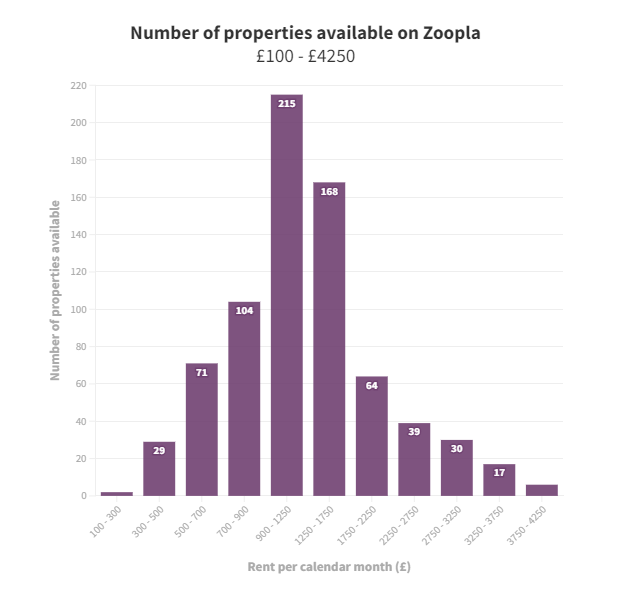
    Source: Oxfordmail.co.uk


    Image licenced from Canva

    Check out the neighbourhoods

    First off, there are a variety of neighbourhoods in Oxford, each with their own positive and negative points. You might want to prioritise some over others depending on your needs. East Oxford is a diverse neighbourhood that also offers beautiful parks. Jericho is one of the most fashionable districts in the city. Summertown has a strongly independent community feel that can really appeal to families. Cowley Road is a bit more ethnically diverse and has a large academic community, both of which join together in a yearly carnival that happens in this neighbourhood. Headington is a more serious business area, with many companies in the research, education and medicine industries. A suburb north of Oxford’s city center, Cutteslowe is a residential are a that is popular for its quiet streets and kid-friendly amenities. Botley is a small village just outside the boundaries of Oxford city featuring the local gem – The Tap Social. You might also opt for attractive towns around Oxford such as Witney, Woodstock, or Bicester.

    Start online

    It is absolutely best to start your search for accommodation in Oxford online, especially if you are currently very far away from the city. Looking online will allow you to find out more information about the prices, so that you can work out your budget. You can also find out where the cheaper accommodation is in contrast to that with higher prices.

    If you arrive in Oxford more spontaneously or want to take a look at your apartment before moving in, getting accommodation on Airbnb short-term is a solution while you actually visit your preferred properties. There are also many agencies and websites that can help you find accommodation in Oxford, although in that case you need to be prepared to pay rather high fees.

    Cut costs with shared living

    The best way to save on housing costs in Oxford is to share a flat or house. Oxford has a large selection of apartments and houses which have either been converted into flats or are shared houses. With a house share you will have your own room, or, for a cheaper option, you can share a room. The bathroom/s will be shared with other people in the house. There are many flats available for shared rental as well. Have a look on Oxford’s Gumtree page or SpareRoom or Easy Room Mate to find someone you can get on with to share the costs with you.

    Image licenced from Canva

    Go for a coliving adventure

    If you would rather avoid that hassle, and enjoy a great lifestyle while marrying convenience with affordability, coliving should be the right choice for you. The quality of this type of accommodation is elevated in comparison to traditional shared living arrangements while allowing for considerable savings. For one simple monthly bill, you can enjoy spaces specifically designed to bring people together and foster true connections and a safe, vetted community of like-minded people from around the world. You’ll find coliving properties anywhere you like at coliving.com.
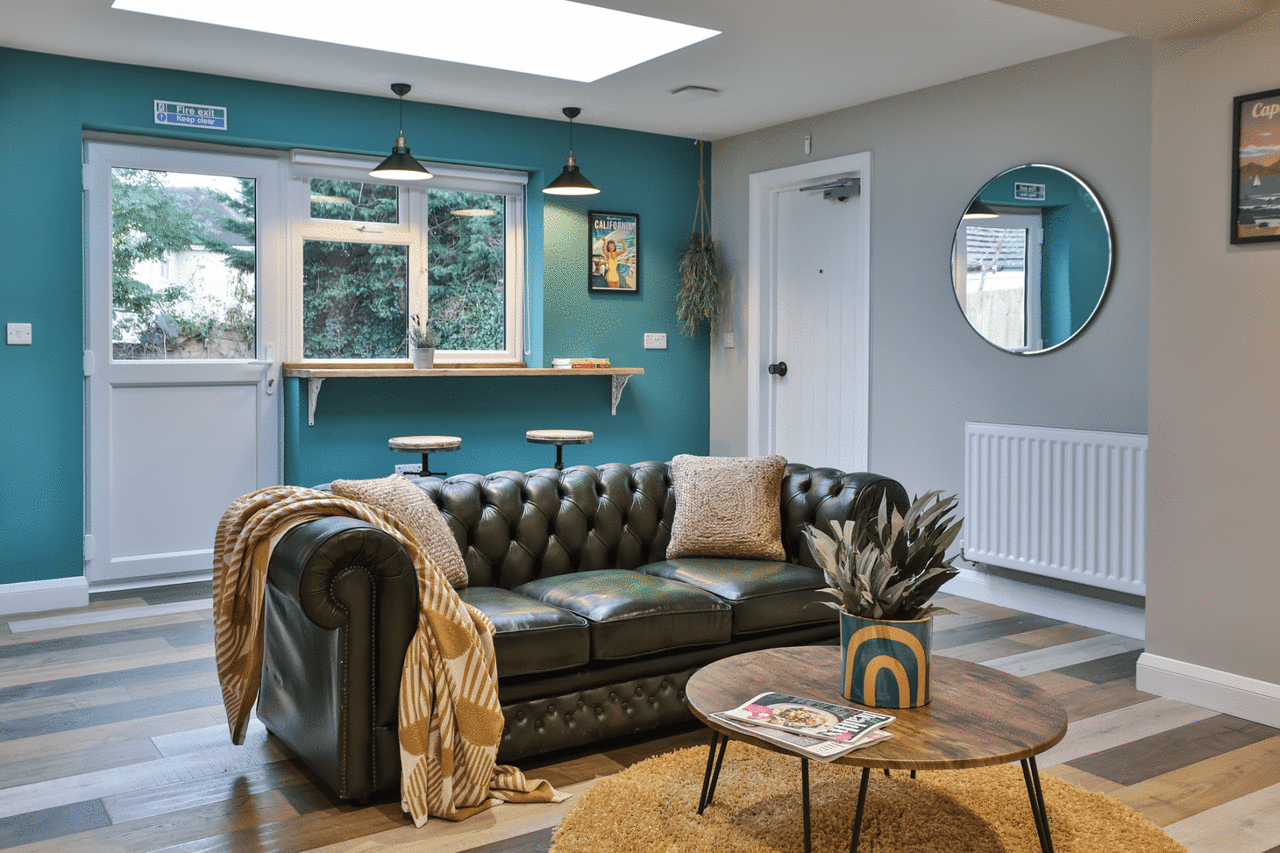
    Image: B-Hive Living

    B-Hive Living properties additionally provide interior design focused on holistic wellbeing, and a programme of activities to connect you to the place and your new community and inspire a healthier and more fulfilling lifestyle. It offers a perfect landing ground for a newcomer in the city. It makes life simpler from get go with on-site facilities such as on-side laundry, parking and bicycle storage, and home fitness equipment. Short- and long-term leases offer a solution to everyone. Best of all, you can apply to stay in one of the properties in Oxford or nearby Bicester from any place in the world, and visit the property of your choice and talk to our community manager before taking the decision. More than 80% of B-Hive Living residents are expats, and virtual viewings are offered so that you can secure a place before even landing in the country. 

    To make the decision easier, visit B-Hive Living’s website for a thorough description of the service. Either way check out the blog section with lots of info that will be useful on arrival to Oxford and interviews with current residents to give you an idea of the existing community feel (“Meet Your Hivemate” series).
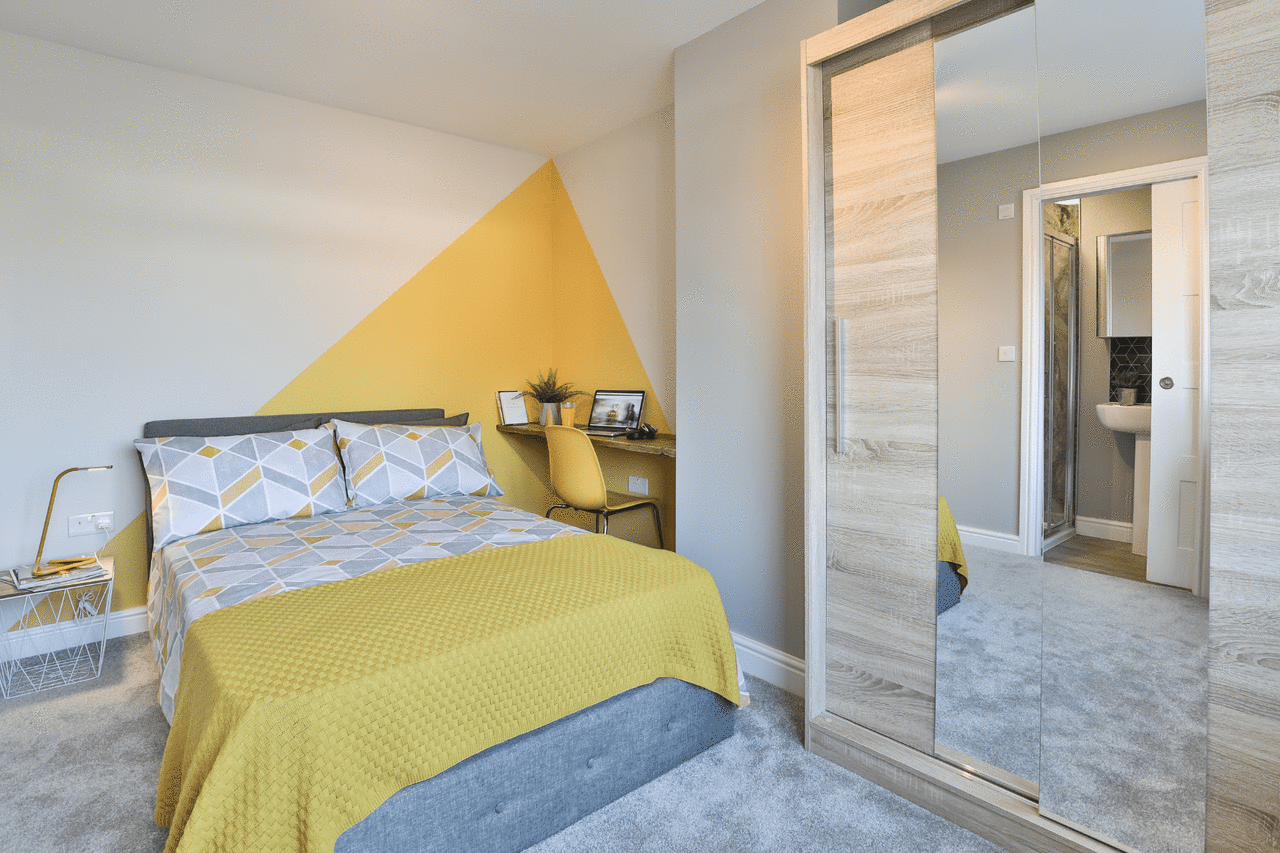
    Image: B-Hive Living

    Living in Oxford can be an adventure of a lifetime, whether you’re staying for a while or long-term. What really matters is how you feel at home and who you live with. The incredible lifestyle in Oxford can be just a click away.



    B-Hive Living

    B-Hive Living is a wellness-focused coliving brand operating properties in Oxford and Bicester, UK, and now expanding internationally. We drive social change by exploring and promoting the concept of living well. We place it at the heart of our coliving design for a more connected, healthy and fulfilling lifestyle for our residents.


  • The 10 Best Street Food Spots in Oxford (2026 Local Guide)

    The 10 Best Street Food Spots in Oxford (2026 Local Guide)

    Oxford is one of the best cities in the country for street food from every corner of the world. You’ll find some of the best flavours from around the world: Asian, Indian, American and more here. And the prices are bound to positively surprise you. We made a list of 10 top picks of street food in Oxford you absolutely need to try.

    Top Street Food in Oxford

    • The Hub: Start at the Covered Market for historic stalls and fresh pies.

    • Variety: From Texas BBQ (Sasquatch Lodge) to Sri Lankan street food (The Coconut Tree).

    • Dietary Friendly: Great vegan options at Delhish and gluten-free pizza at Pizza Pilgrims.

    • Local Favorite: Don’t miss the legendary ice cream at George & Davis.

    • Pro Tip: Living in the city makes food tours easier; check out our Oxford coliving locations to stay in the heart of the action.

    Oxford Covered Market

    Located near the City Centre, this historic market has been a favourite spot for locals and tourists alike. Fresh local produce, crafts, and street food vendors are all found under one roof. You can sit at one of the cafes or grab a takeaway and wander the market munching on fresh pastries or pies. This should probably be your first trip for street food in Oxford.

    Location: Market St

    Image source: oxford-coveredmarket.co.uk

    C.R.A.F.T. Burger

    C.R.A.F.T. Burger is perfect when love your burgers and are looking for fast service without it being a fast food place. Beef, chicken, fish, and vegetarian burgers are all available on the menu. Be sure to try the side dishes as well. We recommend their buffalo wings and halloumi fries with garlic dip, accompanied by one of the 13 available options of craft beers. Street food in Oxford at its best.

    Location: 1 The Parade Windmill Road

    Image source: tripadvisor.com

    Pizza Pilgrims

    Having started off as a street food vendor, Pizza Pilgrims is now a full restaurant, but they haven’t lost that authentic street food touch. You can sit inside the restaurant, out in the courtyard, or grab a slice to go. The brick-oven baked Neapolitan pizza is full of flavour, and the choices are fantastic, including the 8-cheese, mushroom & truffle, and classic Margherita. They offer gluten-free crusts at no extra charge!

    Location: Westgate Centre Roof Terrace

    Image source: tripadvisor.com

    Oxford Fish Shop

    With its large, really tasty, and reasonably priced portions of the classic UK dish, Oxford Fish Shop is one of the best places to get some. It tends to be busy, so you may have to wait a bit, but that’s how you know it is a great place for food.

    Location: 287A Iffley Road

    Image source: oxfordmail.co.uk

    George & Davis

    To satisfy your sweet tooth, visit George & Davis ice cream cafe. It has been serving delicious ice cream flavours for almost 20 years, while also offering bagels and other tasty treats like sandwiches, pizza bagels, and waffles with toppings. When it is cold outside, you can sip on a nice cup of hot chocolate or one of their specialty coffees. Being a hometown business, “G&D” like to support local businesses by using locally sourced ingredients whenever they can.

    Locations: 94 St. Aldates, 104 Cowley Road, and 55 Little Clarendon St

    Image source: pinterest.com

    Delhish Vegan Kitchen

    Offering vegan, delicious, and healthy street food in Oxford, Delhish Vegan Kitchen has become very successful, also among non-vegetarians. The Owner Jaya, who learned from her mother and grandmother, does all the cooking herself, and her passion shines through in the food. She makes sure to offer a warm and welcoming atmosphere. The menu includes delicacies like roti wraps and chaats, with gluten-free options.

    Location: 19-20 St. Clements St

    Image source: tripadvisor.com

    The Coconut Tree

    The Coconut Tree menu is a great combination of small and large Sri Lankan dishes, from vegan options to great fish, dairy, and a variety of meats. The drink menu features cocktails that use ingredients like elderflower, cardamom, and nettle. The prices are reasonable, and on top of that, from Monday to Wednesday all food is 50% off when you eat in, until the end of January 2023.

    Location: 76 St. Clements Street, Oxford

    Image source: thecoconut-tree.com

    Mowgli Street Food

    With multiple restaurants throughout the UK, the Mowgli Street Food award-winning concept is to bring the kind of Indian food that is eaten in the homes and streets of India. The food is made with the best ingredients sourced locally and directly from India. The menu includes both traditional homemade Indian food and a few dishes with modern twists. At Mowgli Street Food, the food and friendly service will make you feel like you are visiting a home not a restaurant.

    Location: Unit 302, Westgate

    Image source: tripadvisor.com

    Sasquatch Lodge

    Formerly known as the Urban Griller, the Sasquatch Lodge serves Texas BBQ the right way. The meat is rubbed in a special blend of herbs and spices and then slow-cooked with seasoned oak to mouthwatering perfection. The brisket and pulled pork is so tender it melts in the mouth. You can find Sasquatch Lodge everywhere. Operating a true street food business, the owner Sam travels around the city, setting up at food markets. To find out where he is, or to hire him for catering, check his website, also for the vegetarian selection.

    Location: Varies

    Image source: tripadvisor.com

    Acropolis Greek Taverna

    The family-run Acropolis serves up great authentic Greek food, with a wide selection of popular Greek dishes like saganaki, calamari, and dolmades (vine leaves filled with rice and spiced meat). And, of course, the most popular Greek street food item, the gyro. The portions are a good size and reasonably priced, and they have some great vegetarian and vegan options.

    Location: 146 London Road

    Image source: acropolisgreektaverna.uk


    B-Hive Living

    B-Hive Living is a wellness-focused coliving brand operating properties in Oxford and Bicester, UK, and now expanding internationally. We drive social change by exploring and promoting the concept of living well. We place it at the heart of our coliving design for a more connected, healthy and fulfilling lifestyle for our residents. Apply to live with us here.

  • Coliving as a Couple: Can It Really Work? Meet a Hive Couple

    Coliving as a Couple: Can It Really Work? Meet a Hive Couple

    Get an exclusive look into life at the Hive through the eyes of our vibrant residents! Meet Rachel and Piyush, one of our amazing Hive couples, as they share their unique experiences and insights on coliving. Let them guide you through the adventure of shared living at one of our Hive Homes.

    Hi Rachel and Piyush! Tell us a bit about yourselves.

    My name is Piyush Chaudhary, and I hail from the serene valley of Dehradun, India, where the majestic Himalayas cradle my hometown and the sacred Ganges flows nearby. With a degree in Electronics and Communication Engineering, followed by an MBA in Finance, I’ve always been driven by curiosity and a passion for solving complex challenges. My journey has led me through diverse experiences—working as a policy consultant with the governments of India and Israel, which broadened my global perspective.

    A year ago, I successfully sold a startup I founded that blended my love for travel and language learning, which was a deeply enriching chapter of my life. Currently, I work as an Operations Officer for the Ministry of Justice in the UK, where I apply my skills to help streamline processes within the justice system. My career has been a tapestry of innovation, diplomacy, and leadership, and I’m excited for what comes next.

    What made you choose coliving as your housing and lifestyle choice as a couple?

    Couple preparing food and using tablet in kitchen.

    Rachel and I have always had a shared passion for exploring new places, meeting diverse people, and immersing ourselves in different cultures. Having lived in various parts of the UK, including cities like Edinburgh and London, we’ve been fortunate to experience the vibrant energy and cultural diversity that these cities offer. Our time living in the co-living space called “The Collective” in London really resonated with us and opened our eyes to the benefits of this lifestyle.

    The idea of coliving appealed to us for a number of reasons. First, we love the sense of community that it fosters. Unlike traditional housing, where interactions with neighbours can be minimal, coliving offers an environment where social engagement is encouraged. We enjoy meeting new people, hearing their stories, and connecting with others from different geographical backgrounds. The variety of cultures and perspectives that we encounter in coliving environments is something that excites us and continues to inspire us.

    Coliving also aligns with our values of collaboration and shared experiences. As a couple, we both thrive on learning from others, whether through casual conversations or organised events. The flexibility and fluidity of coliving spaces allow us to embrace these encounters without the constraints of typical housing arrangements. Moreover, coliving gives us a chance to form meaningful connections with others, while also offering the privacy and comfort we need as a couple.
    For us, coliving represents a lifestyle that combines community, adventure, and cultural diversity—qualities we’ve both always sought. It allows us to continuously evolve our experiences, meet new people, and feel a sense of belonging, no matter where we are. That’s why Rachel and I have chosen coliving as our housing and lifestyle choice—it brings the world to our doorstep.

    You’ve experienced coliving at The Collective in London. How does living at B-Hive compare?

    Living at The Collective in London was an amazing experience for Rachel and me, especially since we stayed there for over a year. It felt vibrant and energetic, almost like living in a high-end hotel with a revolving door of guests. The amenities were top-notch, and the environment was lively, but after a while, we realised that we needed something more grounded—a place that truly felt like home. That’s when we discovered B-Hive, and our experience there opened our eyes to how coliving could be on a completely different level.

    While The Collective provided more of a “hotel-like” vibe, often hosting short-term guests who were there for just a day or two, B-Hive offered a deeper, more authentic sense of community. At B-Hive, the focus was on building lasting relationships, something we really needed being away from home. It felt like a warm, welcoming space where people actually invested in getting to know one another. The property owners and managers at B-Hive played a big role in creating this environment. Unlike The Collective, where we never met the owner, the owners at B-Hive took the time to organise community dinners and barbecues, making everyone feel truly connected.

    The shift from The Collective to B-Hive made us appreciate how the personal touches and genuine community involvement can turn a place from just a living space into a home.

    Did you have any reservations before moving into Hive?

    Before moving into Hive, I did have some reservations. I was particularly concerned about privacy, potential noise and disturbances, compatibility with housemates, and shared responsibilities.


    Privacy was a key concern, as living in a shared space can sometimes feel intrusive. Noise and disturbances were also on my mind since shared living spaces can often come with unpredictable noise levels. I was also unsure how well I would get along with the housemates and whether shared responsibilities like cleaning and maintenance would be handled fairly.

    However, Anton, the property manager, did a great job addressing these concerns. He assured us that the layout of the space was designed to offer privacy, with soundproofing in place to minimise noise. He also emphasised a system for selecting compatible housemates and outlined a clear structure for sharing responsibilities, making us feel that everything would be well-managed.

    Once those concerns were addressed, it was a relief, and we felt much more confident about moving in!

    What has your journey been like finding places to live as a couple? 

    Finding a couple-friendly accommodation has been quite a journey for us, marked by various challenges. One of the biggest hurdles has been finding spaces that cater to the specific needs of couples, such as privacy, comfort, and affordability. Many places either cater to individuals or larger families, leaving couples in a sort of middle ground where the available options either don’t fit their needs or come at an exorbitant cost.

    When we were searching for a place, we found that many properties lacked the right balance of space and practicality. Some were simply too small or poorly designed for two people to live comfortably together. Others were out of our price range, even though they offered the amenities we were looking for. It often felt like the market wasn’t built with couples in mind, which added to the frustration of the search.

    B-Hive, however, was a real blessing for us. It felt like the perfect place designed specifically for couples like us. Not only did it meet our needs in terms of space and comfort, but it was also economically well-suited, which is hard to come by in today’s housing market.

    Speaking of the housing market for couples, it feels like it’s increasingly difficult to find something that strikes the right balance between affordability and quality. The options for couples in the UK, in particular, seem quite limited. Many properties are either designed for single occupants or larger families, leaving couples with fewer suitable choices. B-Hive stands out as an exception in this regard—it’s a space where couples can feel at home without having to compromise on their needs or break the bank.

    In summary, while the overall housing market for couples feels bleak, with a lot of obstacles and limited options, places like B-Hive Living give us hope that there are still options out there that truly cater to the unique needs of couples.


    Stay tuned for the second part of this interview with Rachel and Piyush!

  • Can Community-Led Accommodation Reduce Relocation Loneliness?

    Can Community-Led Accommodation Reduce Relocation Loneliness?

    You have unpacked the last box, sorted the Wi-Fi, and found the nearest supermarket. Then Sunday evening arrives and the flat is silent. Relocating to Oxford or Bicester for a new job or a remote role often brings that odd mix of opportunity and empty weekends. The fix is rarely more apps or bigger social plans. It is usually the setup you come home to. This guide explains how community-led accommodation reduces relocation loneliness, what to check before you sign, and how to settle into Oxfordshire faster.

    Quick answer: what actually helps

    • Best option for most relocators: a managed shared or co-living home with a regular social rhythm, rather than a solo flat in an anonymous block.
    • Best time to move: the start of a month, when most tenancies and house events begin, so you are not the only new face.
    • Who it suits: young professionals and remote workers who want a private room but company in shared spaces.
    • Quick logistics: Oxford and Bicester are linked by Chiltern Railways services from Oxford Parkway and Bicester Village, with journey times typically around 15 to 20 minutes. Check the current timetable before you commit.
    • What to check: who runs house events, how often they happen, and whether bills and Wi-Fi are included.

    Why relocation loneliness happens, and why housing is part of the fix

    Loneliness after a move is rarely about being unsociable. It is about missing the low-effort contact that builds friendship: bumping into someone in a kitchen, walking to the shops together, or sharing a takeaway on a Tuesday.

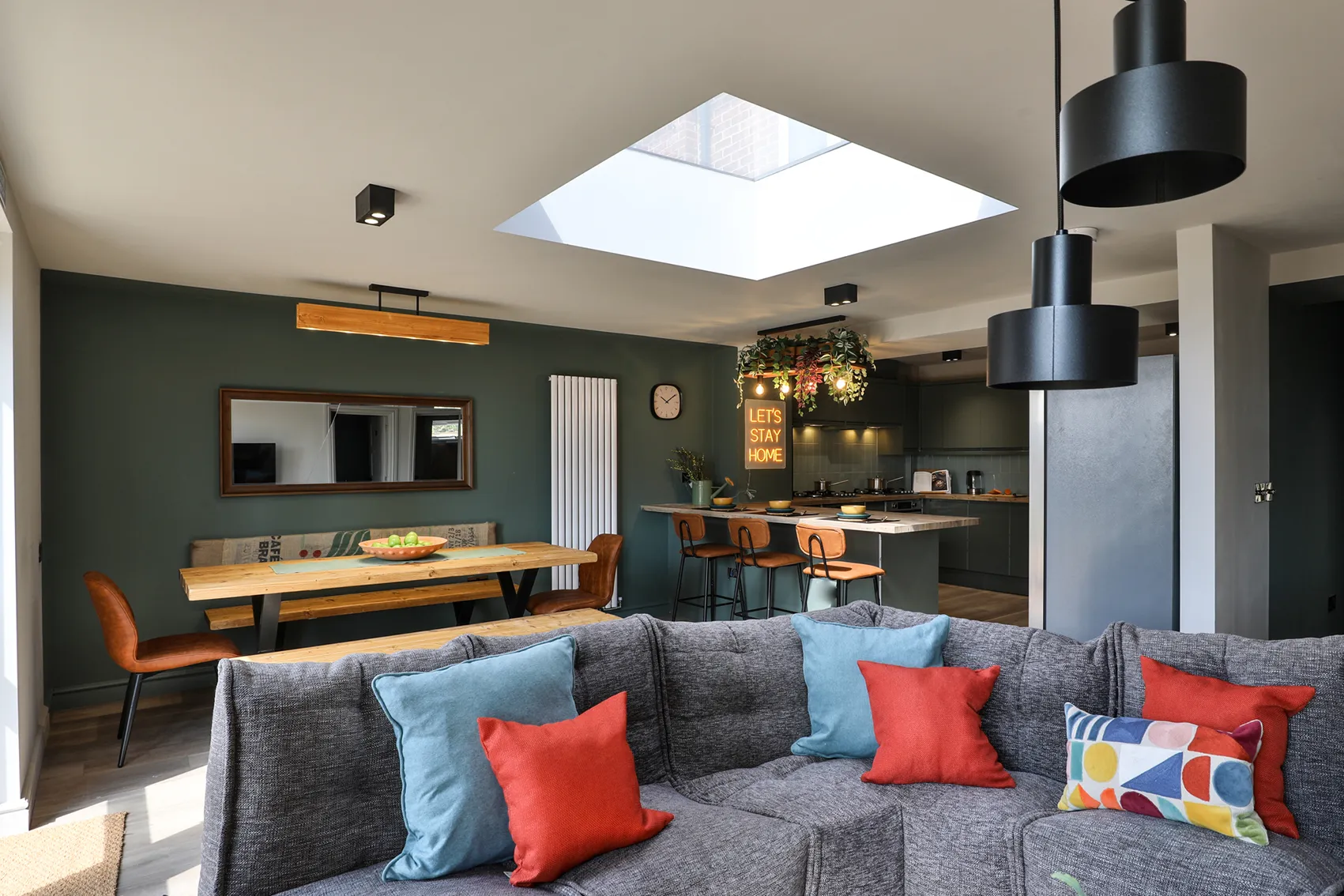
    Co-living kitchen and breakfast bar with 'Let's Stay Home' neon sign, designed for spontaneous conversations and shared meals

    A solo rental gives you a front door and not much else. Community-led accommodation builds those small, repeated moments into the setup. You still get your own space, but the shared areas and organised events do the introductions for you.

    Research on loneliness consistently points to the same pattern: it is not the number of people around you that matters, but the quality and regularity of contact. That is why a house with a weekly dinner and a shared kitchen tends to beat a city-centre flat with a busy high street below it.

    What community-led means in practice

    It is more than a shared kitchen. Look for three things: a person or team responsible for house life, a regular rhythm of events, and shared spaces people actually use. Without all three, a “community” home is just a flatshare with nicer furniture.

    Community-led accommodation options in Oxford and Bicester

    The right choice depends on your budget, how much privacy you want, and how easily you can get to work. Here is how the main options compare.

    Co-living and managed shared houses

    These are purpose-run homes where you rent a private room and share kitchens, lounges and sometimes workspaces. Why it is worth it: the social side is organised for you, which matters most in your first three months. Ask how often events run and whether attendance is optional. The best operators make it easy to join in without pressure, and they usually publish a house calendar or WhatsApp group before you move in.

    Expansive open-plan communal living and dining area with skylight and corner sofa, fostering community and connection

    Traditional house shares

    Renting a room in an existing household can work well if the current tenants are settled and sociable. Why it is worth it: lower rents and a more homely feel. Visit in the evening if you can. A house that feels warm at 7pm tells you more than a midday viewing, and you will see whether people actually use the shared spaces.

    Build-to-rent developments

    Newer blocks in Oxford and around Bicester often include shared lounges, gyms and resident events. Why it is worth it: good amenities and central locations. Ask how many residents actually attend the events, not just how many are advertised. A concierge can tell you which nights are busiest.

    Living in Bicester and commuting to Oxford

    Bicester offers more space for your money and fast train links into Oxford. Why it is worth it: a calmer base with easy access to both towns. Check the walk from your home to the station before you commit, especially in winter, and confirm the last train time if you plan to stay out in Oxford.

    How to choose the right place for you

    Use these criteria to compare homes rather than judging on photos alone.

    • Budget: work out your true monthly cost including bills, travel and any service fees.
    • Vibe: quiet and studious, or lively and social? Both exist, and mismatching is the most common regret.
    • Timing: moving at the start of a month usually means more housemates are around to meet.
    • Transport: check bus and train routes to your workplace or nearest co-working space.
    • Privacy: confirm whether your room has a desk, a lock and enough sound insulation for calls.

    Questions to ask before you sign

    1. Who organises house events, and how often do they happen?
    2. Are bills, Wi-Fi and cleaning included in the rent?
    3. How are shared spaces maintained and by whom?
    4. What is the process if a housemate leaves or a room is empty?
    5. Is there a quieter area for remote work and calls?

    Common mistakes to avoid

    Two traps catch most relocators. First, choosing purely on price and ending up somewhere with no social structure, which often costs more in takeaway coffees and lonely evenings. Second, saying yes to the first room because you are under time pressure, without checking the commute or the house culture.

    Slow down for one extra viewing. It is cheaper than moving twice. If you are relocating from outside Oxfordshire, ask for a video tour of the shared spaces as well as your room, and speak to a current housemate if the operator allows it.

    Three insider tips most guides miss

    • Ask about the summer lull. In Oxford, many social groups thin out between July and September as students leave. A house with a year-round calendar keeps things steady when the city quietens down.
    • Check the winter train times, not the summer ones. Bicester to Oxford services can feel very different on a dark Tuesday in January. Try the journey once at the time you would actually travel before you commit.
    • Look at the kitchen, not the lounge. A well-used kitchen with a shared shelf system tells you more about daily life than a styled lounge. If the kitchen feels lived-in at 6pm, the community is real.

    At a glance: your first two weeks

    • Day 1 to 2: unpack, set up your workspace, find your nearest shop and café.
    • Day 3: join the first house event, even if you only stay for an hour.
    • Day 5: walk or cycle your commute at the time you would actually travel.
    • Week 1: find a co-working space or café for a change of scene.
    • Week 2: try one local club, class or meet-up linked to something you already enjoy.
    Housemates chatting and enjoying drinks together at a community social event, reducing relocation loneliness

    Local logistics for Oxford and Bicester

    Getting around is straightforward once you know the basics. Trains connect Oxford and Bicester regularly via Chiltern Railways, and both towns have good bus networks and cycle routes. Oxford is compact and best explored on foot or by bike; Bicester is more spread out, so check your route before choosing a home.

    Book viewings early, especially for rooms near stations or city centres, as good ones move quickly. If you have accessibility needs, ask directly about step-free access, lift availability and room layouts before viewing. It is also worth checking whether your chosen area has a regular bus service in the evening, not just during the day.

    FAQs about community-led accommodation

    Can community-led accommodation really reduce relocation loneliness?

    It can help significantly, because it creates regular, low-pressure contact with the same people. Friendship tends to grow from repetition rather than big events, and shared housing provides that naturally. The key is choosing a home where the social side is actively managed, not just advertised.

    Is co-living more expensive than a standard flatshare?

    Often yes, but the gap narrows once you factor in included bills, Wi-Fi and amenities. Compare total monthly costs rather than headline rent, and ask what a typical month of bills looks like in winter.

    What if I am introverted and prefer my own space?

    Choose a home where events are optional and your room is a genuine retreat. You can join in at your own pace without feeling obliged to socialise every evening. A room with a desk and good sound insulation makes remote work easier.

    Do I need to live in Oxford to meet people there?

    No. Many people live in Bicester and spend time in Oxford for work or social plans. The train link makes it practical, though it is worth checking the timetable for the times you would actually travel.

    How soon should I start looking before I move?

    Start browsing four to six weeks ahead and book viewings as soon as you can travel. Popular rooms near transport links go quickly, and having a shortlist ready makes the decision less rushed.

    Living well starts with the right front door

    Settling into a new city is easier when your home does some of the work for you. A well-run shared house gives you privacy when you need it and company when you want it, plus people who know the area and can point you to the good café, the quieter gym and the quickest route to the station. That combination is what makes a relocation feel less like a logistics exercise and more like a life.

    If you are planning a move to Oxford or Bicester and want a home with a genuine social side, B-Hive Living would love to hear from you. Apply to live with us and start your next chapter with neighbours who are glad you arrived.

  • Starting a New Job in Oxfordshire? 25 Things to Organise Before Day One

    Starting a New Job in Oxfordshire? 25 Things to Organise Before Day One

    Starting a new job in Oxfordshire is exciting, but the weeks before day one can feel like a logistical maze. You might be juggling a house move, a new commute, and the small matter of actually finding the office. Whether you are relocating to Oxford or Bicester for a graduate scheme, a remote-first role, or a hybrid contract, this checklist covers the 25 things worth sorting before your first morning. Get these done and you can walk in calm, confident, and without a last-minute panic about parking permits or broadband.

    Quick answer: the essentials at a glance

    • Best time to start: give yourself 2–3 weeks between moving in and day one if you can.
    • Who this is for: young professionals and remote workers moving to Oxford or Bicester.
    • Quick logistics: confirm your commute, set up broadband early, and register with a GP.
    • Budget watch: Oxford city rents are higher than Bicester, but Bicester offers more space for the money.
    • Insider shortcut: book a trial run of your commute on a weekday before your first day.

    1. Confirm your commute and transport options

    Your commute shapes your daily routine more than almost anything else, so test it before you commit. Oxford has two main rail stations (Oxford and Oxford Parkway), while Bicester has Bicester North and Bicester Village. If you are driving, check whether your employer offers parking or a permit scheme.

    Rail and bus basics

    • Oxford to London: frequent services from Oxford and Oxford Parkway; check current timetables before you travel.
    • Bicester to Oxford: trains run regularly from Bicester Village; journey times are short, but verify times on the day.
    • Local buses: Oxford has an extensive network; Bicester is smaller but well connected to the town centre and the station.

    Insider tip: if you are hybrid, ask HR whether your office has a cycle-to-work scheme or a discounted bus pass. It is often overlooked in the first week.

    2. Sort your housing and tenancy paperwork

    Secure your address before you accept a start date, because your employer may need it for payroll and right-to-work checks. If you are renting, read the tenancy agreement carefully and note the notice period.

    Neighbourhoods to consider

    • Oxford – Jericho: leafy, central, and popular with professionals; expect higher rents.
    • Oxford – Cowley Road area: lively, diverse, and good for independent cafes; busier at weekends.
    • Bicester – Bure Park: quiet, family-friendly, and a short drive from the town centre.
    • Bicester – Kingsmere: modern housing, good for remote workers who want a home office.

    Common mistake: signing a lease before checking broadband speed. If you work remotely, test the connection or ask the letting agent for the provider.

    3. Set up utilities, broadband, and council tax

    These admin tasks are dull but essential, and they take longer than you expect. Start with broadband, because installation slots can be booked up weeks in advance.

    • Broadband: compare providers for your postcode; fibre availability varies street by street.
    • Energy: take a meter reading on move-in day and set up an account.
    • Water: register with your local water supplier.
    • Council tax: register with Oxford City Council or Cherwell District Council (for Bicester) and check whether you qualify for a single-person discount.

    Insider tip: keep a digital folder with your tenancy agreement, council tax reference, and utility account numbers. You will need them for payroll and GP registration.

    High-quality furnished living room in a modern Oxfordshire rental home

    4. Register with a GP and sort health admin

    You can register with a GP as soon as you have a permanent address, and it is worth doing before you get ill. Oxford and Bicester both have multiple practices; use the NHS website to find one accepting new patients near you.

    • GP: register online or in person; bring ID and proof of address.
    • Dentist: NHS dental places can be limited, so join a waiting list early if needed.
    • Prescriptions: if you take regular medication, arrange a repeat prescription before you move.

    5. Open a UK bank account and check your right to work

    Your employer will ask for proof of your right to work in the UK, so have your documents ready. If you are new to the UK, opening a bank account can take a few days, so start early.

    • Documents: passport, visa (if applicable), and proof of address.
    • Bank: many banks let you apply online; some require a UK address.
    • National Insurance: if you do not have a National Insurance number, apply for one as soon as possible.

    6. Plan your first week wardrobe and office kit

    Check your employer’s dress code before you buy a new wardrobe. Many Oxfordshire workplaces are smart-casual, but client-facing roles may expect more formal attire.

    • Layers: Oxford weather can change quickly; a light waterproof is useful year-round.
    • Comfortable shoes: you may walk more than you expect, especially in the city centre.
    • Tech: if you are remote, test your laptop, headset, and Wi-Fi before day one.

    Insider tip: pack a small notebook and pen. It sounds old-school, but it is handy for jotting down names and passwords on day one.

    Remote worker on laptop in an open-plan kitchen and workspace in Oxfordshire

    7. Get to know the local area

    Feeling at home outside work makes a big difference to your first month. Spend a weekend exploring before your job starts.

    Oxford highlights

    • Port Meadow: wide open space for a walk or run; a good reset after a long day.
    • Covered Market: independent food stalls and cafes; great for lunch if you work centrally.
    • South Park: views over the city; ideal for a picnic on a sunny evening.

    Bicester highlights

    • Bicester Village: outlet shopping, but also a useful landmark for meeting friends.
    • Garth Park: pleasant green space near the town centre.
    • Bicester Heritage: former RAF base with motoring events; check dates before you go.

    Common mistake: assuming you need a car in Oxford. The city is very walkable and cycle-friendly, though a bike is worth the investment if you commute across town.

    8. Build a simple routine before day one

    A little structure in the days before you start helps you sleep better and feel more prepared. Try a dry run of your morning routine.

    • Wake-up time: set your alarm for the time you will need on your first day.
    • Breakfast: know what you will eat and where you will buy it.
    • Commute: do a practice run at the same time of day.

    At a glance: your pre-day-one checklist

    • Confirm start date, time, and location with your manager.
    • Complete right-to-work checks and payroll forms.
    • Set up broadband, energy, water, and council tax.
    • Register with a GP and dentist.
    • Open a UK bank account if needed.
    • Plan your commute and do a trial run.
    • Check dress code and prepare your first-week outfit.
    • Explore your local area and find a favourite cafe.

    Local logistics: getting there, best times, booking notes

    Oxford and Bicester are well connected, but peak times are busy. If you are commuting by train, buy your ticket in advance or use a contactless card where available. For buses, check the operator’s app for live times. If you cycle, invest in a good lock and lights. Accessibility: both Oxford and Bicester stations have step-free access to most platforms, but check before you travel if you need assistance.

    FAQs

    What should I organise first when starting a new job in Oxfordshire?

    Secure your housing and confirm your commute. Everything else, from broadband to GP registration, follows once you have an address.

    Do I need a car to live in Oxford or Bicester?

    Not necessarily. Oxford is very walkable and has good bus and rail links. Bicester is smaller but has regular trains to Oxford and London. A car can be useful for rural areas, but parking in central Oxford is limited and expensive.

    How do I register with a GP in Oxfordshire?

    Use the NHS website to find a practice near you that is accepting new patients. You will need ID and proof of address. It is best to register as soon as you move.

    When should I start looking for a place to live?

    Start at least a month before your job begins, especially if you are looking in popular areas of Oxford. Bicester may have more availability, but it is still worth viewing early.

    Housemates enjoying dinner together and welcoming new arrivals in Oxfordshire

    What is the best way to commute from Bicester to Oxford?

    The train is usually the quickest option. Services run regularly from Bicester Village to Oxford. Check current timetables and consider a season ticket if you travel often.

    Are there any local apps or resources I should download?

    Download your train operator’s app for live times, and a bus app for Oxford. For cycling, Oxford has a bike-sharing scheme; check availability in your area.

    Living well in Oxfordshire is about more than just your job. It is about finding a community, a routine, and a place that feels like home. B-Hive Living creates welcoming spaces for young professionals and remote workers in Oxford and Bicester, with a focus on comfort and connection. If you are planning your move, we would love to help you settle in.

    Ready to make your move? Apply to live with B-Hive Living and start your Oxfordshire chapter with a supportive community behind you.

  • Relocating to Bicester From Abroad: A Practical Guide for International Employees

    Relocating to Bicester From Abroad: A Practical Guide for International Employees

    Relocating to Bicester from abroad is less daunting when you know which decisions to make first. Most international employees arriving for Bicester’s tech, logistics and motorsport employers need to sort four things quickly: the right to work, a UK bank account, a place to live, and a realistic daily routine. This guide walks you through each step in order, with the local detail that generic relocation checklists miss.

    Quick answer: your first 30 days in Bicester

    • Best time to arrive: late spring or early autumn, when rental demand is steadier and the town is at its most walkable.
    • Best areas for young professionals: Bicester town centre for walkability, Bure Park and Langford Village for quieter streets and easy parking.
    • Who this suits: remote workers and office-based employees on a two to three year UK assignment, or those commuting to Oxford, Milton Keynes or London.
    • Quick logistics: Bicester Village and Bicester North stations give you two rail routes; Bicester North is faster to London Marylebone, Bicester Village connects toward Oxford.
    • Budget reality: Bicester rents sit below Oxford’s, which is the main reason many international professionals base themselves here and commute.

    Why Bicester works for international professionals

    Bicester gives you a small-town base with big-city connections. It sits in north-east Oxfordshire, roughly an hour from London by train and around twenty minutes from Oxford by car on a good day, with the M40 close by for Birmingham and the south coast.

    The town has grown quickly around two anchors: the retail destination at Bicester Village and a cluster of employers in logistics, engineering and motorsport. That mix means you will find a wider range of international colleagues than you might expect for a town of its size.

    The commuter calculation

    Before you sign a lease, test the commute you will actually do. Drive to your workplace at the time you would normally travel, not on a quiet Sunday. If you are heading to Oxford, the A34 and A41 can be slow at peak times, and park-and-ride options are often quicker than driving into the city centre.

    Who tends to settle well here

    People who value a calmer home base, easy rail access and a lower cost of living than Oxford do best. If you want a late-night city atmosphere on your doorstep, Bicester will feel quiet, and it is worth being honest with yourself about that before you commit.

    Getting your paperwork in order before you arrive

    Sort your immigration and tax basics before you book flights. The order matters, because several later steps depend on the earlier ones.

    1. Confirm your visa route or right to work. Check the current requirements on the official UK government website for your specific route, and keep digital and printed copies of your approval.
    2. Gather your documents in one folder. Passport, visa approval, employment contract, proof of address from your home country, and any qualification certificates.
    3. Apply for a National Insurance number once you are in the UK and can attend an appointment if required. Your employer will usually guide you.
    4. Open a UK bank account. Many banks ask for proof of address, which often means you need a lease or tenancy agreement first. Some digital banks let you start the process sooner, so check their current requirements.
    5. Register with a GP surgery near your new home as soon as you have an address. Do this early; it is easy to postpone and awkward when you need it.

    Insider tip: keep a scanned copy of every document in cloud storage. You will be asked for the same paperwork by landlords, banks and employers, and having it ready saves days.

    Finding a home in Bicester: neighbourhoods compared

    Choose your area around your commute and your evenings, not just the rent. Here is how the main options compare for professionals new to the UK.

    Modern fully furnished open-plan apartment in Bicester, ideal for relocating international professionals

    Bicester town centre

    Best for walkability. You can reach shops, restaurants and both stations without a car. Expect smaller flats and less parking. Insider tip: check whether parking is included before you view; it is the detail most often assumed and then missed.

    Bure Park and Langford Village

    Popular with young families and professionals who want quieter streets, green space and easier parking. You will likely want a car or a bike for everyday errands.

    Kingsmere and the newer developments

    Modern housing with contemporary interiors, often appealing if you are arriving with little furniture. Check the walking distance to a bus stop or station before committing, as some edges of town are a longer walk than they look on a map.

    Villages around Bicester

    Places such as Chesterton and Launton suit people who want village life and do not mind driving for groceries. They can be excellent value, but public transport is limited.

    How to choose

    • Budget: compare total monthly cost, including council tax, energy and parking, not just rent.
    • Vibe: town centre for convenience, edge-of-town for space and quiet.
    • Timing: start your search four to six weeks before your move if possible, and expect to move quickly on a good property.
    • Transport: decide whether you need a car, and factor in insurance and parking costs if you do.

    Common mistake to avoid: renting remotely without seeing the property or the street. Ask for a live video viewing and check the route to the station yourself.

    Getting around: trains, buses and driving

    Bicester is well connected by rail, and most residents combine trains with walking, cycling or driving. Two stations serve the town, so check which one is closest to your home and which serves your regular destination.

    • To London: services from Bicester North reach London Marylebone, which suits a hybrid working pattern.
    • To Oxford: services from Bicester Village connect toward Oxford, useful for meetings and nights out.
    • By car: the M40 is close, making Birmingham and the wider south-east reachable.
    • Local buses: useful for town centre trips, but less frequent in the evenings and on Sundays. Check current timetables before relying on them.

    Insider tip: if you commute regularly, price a season ticket against daily fares before you decide. The saving is often larger than people expect, but only if you travel consistently.

    Cost of living and money admin

    Plan for more than rent. Beyond your monthly housing cost, budget for council tax, energy, water, broadband, mobile, transport and groceries. Bicester is generally cheaper than Oxford, but the gap narrows once you add commuting costs.

    Set up your UK bank account, direct debits and a mobile plan early. Many services expect a UK address and a UK phone number, so these enable other tasks.

    Common mistake to avoid: underestimating the deposit and upfront costs. You will usually need a deposit plus the first month’s rent before you move in, and the deposit should be protected in a government-approved scheme. Ask which scheme your landlord uses.

    Building a life here: work, community and weekends

    Settling in is about routine as much as paperwork. Once your admin is done, invest in the parts of life that make a place feel like home.

    For remote workers

    Check your broadband speed at the specific address before you sign, not just the postcode average. Cafes and co-working spaces in and around the town centre give you a change of scene, and the rail links make occasional trips to Oxford or London easy.

    Dedicated home workspace with desk and laptop for remote professionals living in Bicester

    For social connection

    Join something structured in your first month: a sports club, a running group, a volunteering rota or a professional network. Structured commitments beat hoping to meet people by chance.

    Weekends worth having

    Bicester Village draws visitors from far afield, and locals use it for specific errands rather than a whole day. Beyond that, the Oxfordshire countryside, nearby market towns and Oxford’s museums and theatres are all within easy reach.

    Young international professionals enjoying town life and building community in Bicester

    At a glance: your first month checklist

    • Confirm visa or right to work and store copies safely.
    • Arrange temporary accommodation for your first two to four weeks.
    • View properties in person or by live video before signing.
    • Open a UK bank account and set up a UK mobile number.
    • Apply for a National Insurance number.
    • Register with a GP surgery near your address.
    • Test your commute at peak time before committing to a lease.
    • Set up council tax, energy, water and broadband in your name.
    • Join one club, group or network.

    Local logistics: timing, booking and accessibility

    Timing your move well reduces friction. Rental listings move quickly in Bicester, so be ready to decide within a day or two of a good viewing. Weekday viewings are easier to arrange than weekend ones, and late spring and early autumn tend to be calmer than the summer peak.

    For accessibility, check step-free access at the specific station and platform you will use, as this varies by route and can change with engineering works. If you have mobility requirements, confirm them directly with the train operator and with any property you view.

    Always verify current opening hours, prices and service details before you rely on them, as these change.

    Frequently asked questions

    Is Bicester a good place to live for international employees?

    Yes, particularly if you want a lower cost of living than Oxford with strong rail links to London and Oxford. It suits people who value a calm base and easy travel over a busy nightlife on the doorstep.

    Do I need a car in Bicester?

    Not necessarily. The town centre is walkable and the stations are well placed, but a car makes village living, weekend trips and some commutes much easier. Decide based on your specific address and workplace.

    Which Bicester station should I use?

    Bicester North is generally the one to check for London services, while Bicester Village connects toward Oxford. Confirm current timetables for your route before you commit to a home based on a station.

    How much should I budget beyond rent?

    Include council tax, energy, water, broadband, mobile, transport and groceries, plus a deposit and first month’s rent upfront. Ask your landlord which deposit protection scheme is used.

    Living well in a new country is mostly about rhythm: a home you like, a commute you can tolerate, and a few people you see regularly. Bicester rewards that approach. It is small enough to feel familiar within weeks, and connected enough that you never feel cut off from Oxford, London or the wider region.

    If you are planning a move and want a straightforward place to land, B-Hive Living builds homes and communities for professionals in Oxford and Bicester. When you are ready, you can apply to live with us and start your UK chapter with the admin and the neighbourhood sorted.

  • Car-Free Living in Bicester: A Guide for Relocating Professionals

    Car-Free Living in Bicester: A Guide for Relocating Professionals

    You have a job offer in Bicester, or you are already here, and the question is whether you can skip the car. You can. Bicester is compact, largely flat, and has two railway stations, so most daily trips work on foot, by bike, or by train. This guide covers how to live car-free in Bicester properly: which areas actually work, how to get to Oxford and London, and the trade-offs nobody mentions until you have signed a lease.

    Quick answer: Bicester without a car at a glance

    • Best for: Commuters to Oxford, London, or Birmingham; remote workers who want shops, gyms, and cafés within walking distance.
    • Best time to move: Spring or early autumn, so you can learn the walking and cycling routes before dark evenings arrive.
    • Two stations, two jobs: Bicester North serves London Marylebone and Birmingham; Bicester Village station serves Oxford and Marylebone via Oxford Parkway.
    • Where it works best: Town centre, Kingsmere, and Langford Village are the easiest car-free bases. Launton and Chesterton need more planning.
    • Budget reality: Check current fares before you commit, because a season ticket is now a significant monthly cost that partly offsets your car savings.

    Why Bicester works without a car

    Bicester is small enough to cross on foot in roughly half an hour, and the terrain is flat, which makes cycling realistic for most people rather than a hobby for the very fit. The town also has two stations rather than one, so you are rarely more than a short bus or bike ride from a direct train.

    The catch is that car-free living here rewards location more than it does in a bigger city. A mile in the wrong direction can mean a 25-minute walk to a station in the rain, or a bus that stops running at 7pm. Choose the area first, then the property.

    Neighbourhoods that work best on foot and bike

    Town centre (Market Square, Sheep Street, Causeway)You are within walking distance of both stations, the market, and most everyday shops. Best for: anyone commuting regularly, or who wants to leave the flat and be somewhere in two minutes. Insider tip: the Friday and Saturday markets on Market Square are where you can do a proper food shop on foot, but go before 11am if you want the good bread.

    KingsmereA modern development on the south-west edge with a primary school, local centre, and cycle links towards Bicester Village station. Best for: remote workers who want newer housing and green space without being stranded. Insider tip: the walk to Bicester Village station is genuinely doable, but time it yourself before signing, because the estate is larger than it looks on the map.

    Langford VillageEstablished residential area on the south-east side, close to Bicester Village station and the outlet. Best for: people who want a quieter street but still need a fast train to Oxford. Insider tip: the footpath network here is better than the road layout suggests, so check pedestrian cut-throughs on a map before you rule a street out.

    Bure Park and SouthwoldFamily-heavy residential areas with local shops and parks. Best for: more space per pound, provided you are happy to cycle 15 to 20 minutes to a station. Insider tip: the paths through Bure Park link to the town centre away from the busier roads, but you will want proper lights and a reflective layer from October onwards.

    Launton and ChestertonVillage feel, countryside walks, and cheaper rents. Best for: remote workers who only need London occasionally. Insider tip: these villages are the weakest links in a car-free plan. Check the last bus back from town on a weekday evening before you commit, not after.

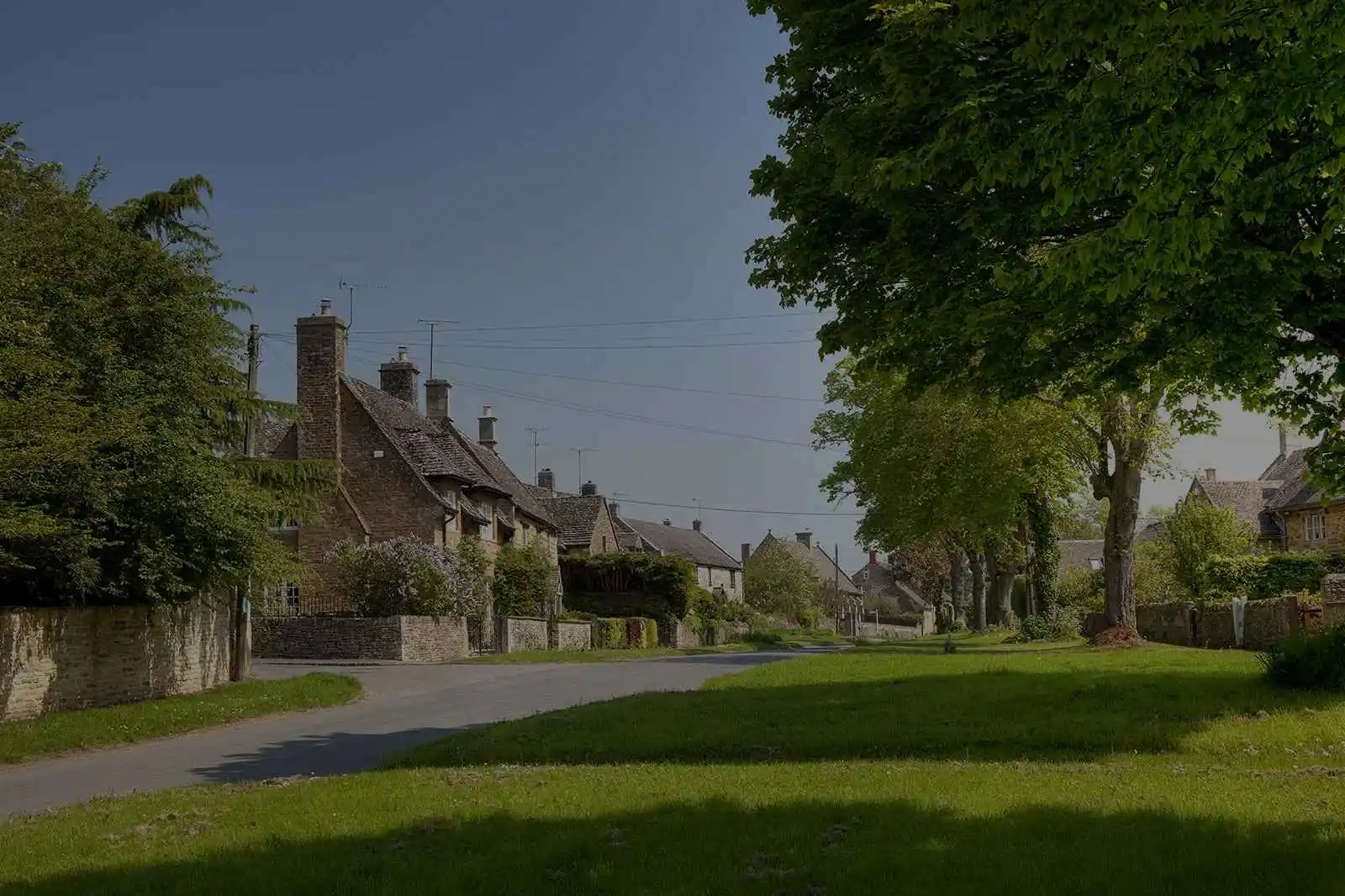
    Picturesque village lane and countryside greenery near Bicester, ideal for walking and cycling

    Getting around: trains, buses, and bikes

    Trains do the long trips, buses fill the gaps between estates and stations, and a bike covers everything else. The weak point is evenings and Sundays, so plan around that rather than assuming it will be fine.

    Trains from Bicester North and Bicester Village

    Bicester North is on the Chiltern Main Line, with direct services towards London Marylebone and Birmingham. Bicester Village station connects to Oxford and onwards to Marylebone via Oxford Parkway. Journey times vary by service, so check the current timetable on National Rail or the operator’s site before you travel.

    Two practical points. First, the two stations are not interchangeable: check which one your regular route actually leaves from before you choose a flat. Second, fares and season ticket prices change, and the difference between an annual season and a flexi-style pass can be substantial, so get a current quote from the operator for your specific route rather than relying on figures in an old blog post, including this one.

    Buses between the estates and the stations

    Local buses connect the residential estates to the town centre and both stations during the day. Stagecoach and Arriva are the names you will see on the buses around Bicester, though routes and operators do change, so confirm the current network on the operator’s own site or at the bus station before you rely on a specific service.

    Evening and Sunday frequencies are noticeably thinner than weekday daytime services. If your job involves late finishes or weekend shifts, treat the bus as a backup and build a taxi budget into your monthly costs.

    Cycling and walking

    Bicester is flat and the town centre is compact, so most short journeys are quicker by bike than by car once you factor in parking. National Cycle Route 51 passes through the area, and there is cycle parking at both stations.

    Insider tip: use the covered cycle parking at the stations rather than leaving a bike locked to a railing overnight, and budget for a lock that costs a meaningful fraction of the bike. Opportunist theft is the main risk, not organised crime.

    How to choose where to live without a car

    Pick the transport link first, then the property. In a town this size, the difference between a good and a bad car-free location is usually about ten minutes of walking, not a different postcode.

    • Commute: If you travel to London or Oxford more than twice a week, live within a 15-minute walk or cycle of the station your route actually uses.
    • Everyday errands: Check that a supermarket, pharmacy, and GP surgery are within a 20-minute walk. This matters more than proximity to a café.
    • Evening transport: Test the last bus home from town on a weekday before you sign. This is the single most common regret among car-free movers.
    • Budget: Without a car you save on insurance, fuel, parking, and maintenance, but a commuter season ticket can absorb much of that. Work out both numbers before deciding what rent you can afford.
    • Future plans: If you might buy a car later, check whether parking is included, but do not pay a premium for a space you will not use this year.

    What living near Bicester Village is really like

    The outlet village brings real benefits and real friction, and most guides skip the second part. On the plus side, it puts shops, cafés, and a station on your doorstep, and it makes the area feel busy rather than sleepy.

    Pedestrian promenade and boutique shops at Bicester Village, walkable without a car

    The friction is congestion and parking pressure. On busy shopping days and around seasonal sales, roads into that side of town slow down and car parks fill, which affects visitors more than residents but still shapes your day if you live nearby. For a car-free resident this is mostly good news: you are not competing for a parking space, and you can walk past the queues. Just expect the pavements and the station to be busier at weekends.

    At a glance: a car-free weekend in Bicester

    • Saturday morning: Walk into town for the market on Market Square and a coffee on Sheep Street.
    • Late morning: Train from Bicester Village to Oxford for museums, the covered market, or a walk along the river.
    • Afternoon: Back in Bicester, browse the outlet village or follow the town’s public art and heritage trail on foot.
    • Sunday morning: Cycle or walk out towards Launton or Chesterton for a countryside loop and a pub lunch.
    • Sunday evening: Eat in the town centre, and book ahead for Friday and Saturday, when the good tables go early.

    Local logistics: what to know before you go

    Arriving: From London, trains run from Marylebone to both Bicester stations. From Oxford, services run to Bicester Village. From Heathrow or Birmingham airports, you will usually need a rail leg plus a bus or taxi for the final stretch, so allow extra time on your first trip.

    Best times: Weekday mornings and late afternoons are the peaks on trains and buses. Off-peak travel is quieter and often cheaper, which matters if you have any flexibility in your working hours.

    Booking notes: Advance rail tickets are usually cheaper than walk-up fares. If you commute regularly, compare a season ticket against a flexi-style option for your actual travel pattern rather than assuming the annual pass wins.

    Accessibility: National Rail provides station facilities and accessibility information for both Bicester stations, including step-free access details where available. Check the current information for your specific station and platform before travelling, and contact the operator in advance if you need assistance boarding.

    Common mistakes to avoid

    • Renting on the wrong side of town. A flat that looks close to “Bicester station” may be close to the one you never use. Confirm the walking route to your actual station before you sign.
    • Assuming buses run late. Weekday daytime service is fine; evenings and Sundays are not. Test it in person rather than trusting a route map.
    • Buying an expensive bike and a cheap lock. The reverse is the better investment in a town where station cycle parking is the main theft risk.
    • Ignoring the outlet traffic. If you live near Bicester Village, weekend congestion is part of daily life. It is manageable on foot, but plan your errands around it.

    FAQs about car-free living in Bicester

    Do I need a car to live in Bicester?

    No. The town is compact and flat, with two stations and a daytime bus network. You will find car-free living easiest in the town centre, Kingsmere, or Langford Village, and harder in the outlying villages.

    Remote worker on laptop in modern coliving living room, thriving in car-free Bicester

    How do I get from Bicester to Oxford without a car?

    Take the train from Bicester Village station. It is the quickest option, and buses also run between the towns if the train times do not suit. Check the current timetable before you travel.

    Is Bicester a good place for remote workers?

    Yes, provided you choose your area for transport rather than just for the property. The town centre has cafés and shared workspaces, and the rail links make occasional trips to London or Oxford straightforward.

    What is the best area to live in Bicester without a car?

    The town centre wins on convenience, Kingsmere and Langford Village win on space with a reasonable station link, and Launton or Chesterton only work if you have checked the evening buses and accepted the trade-off.

    How much can I save by not having a car in Bicester?

    You avoid insurance, fuel, parking, servicing, and MOT costs, which is a genuine monthly saving. However, a commuter season ticket can absorb a large share of it, so price your actual route before you treat the saving as spare cash.

    Living car-free in Bicester is less about sacrifice and more about choosing the right street. Get the location right and you gain time, skip the parking hunt, and still reach Oxford or London without thinking about it.

    B-Hive Living provides shared homes in Oxford and Bicester for young professionals and remote workers, with locations chosen for exactly this kind of practical, low-friction living. If you want a base where the station, the shops, and a decent coffee are all within walking distance, see our current rooms and apply to live with B-Hive.

  • How to Build a Social Life in Bicester When You’re New to the Area

    How to Build a Social Life in Bicester When You’re New to the Area

    Moving to Bicester for work is rarely the hard part. The hard part is the first quiet Tuesday evening, when the boxes are unpacked and you realise you don’t yet know anyone to grab a coffee with. Whether you’ve relocated for a role at one of the business parks, gone fully remote, or simply wanted more space for your money than Oxford offers, building a social life in Bicester comes down to a handful of repeatable habits rather than luck. This guide gives you the practical routes to meeting people here, the local quirks worth knowing, and a realistic first-month plan instead of vague advice to “put yourself out there”.

    Quick answer: the fastest routes into Bicester life

    • Best for instant company: join a weekly club or class rather than a one-off meetup. Repetition is what turns strangers into friends.
    • Best for remote workers: a co-working day or two per week, plus one evening activity, gives you both workday chat and weekend plans.
    • Best time to move: late spring and early summer, when outdoor sport, walks and town events are all running and it’s easier to say yes to things.
    • Quick logistics: Bicester has two railway stations (Bicester North for Chiltern services towards London Marylebone, Bicester Village for Oxford and beyond), so Oxford and London are both realistic for evenings out.
    • Who this suits: anyone aged roughly 25 to 40 who wants a social life built around regular habits, not one-off big nights.

    Start with one recurring commitment, not five apps

    Pick one recurring commitment in week one and protect it for at least six weeks. That single decision does more for your social life than any app.

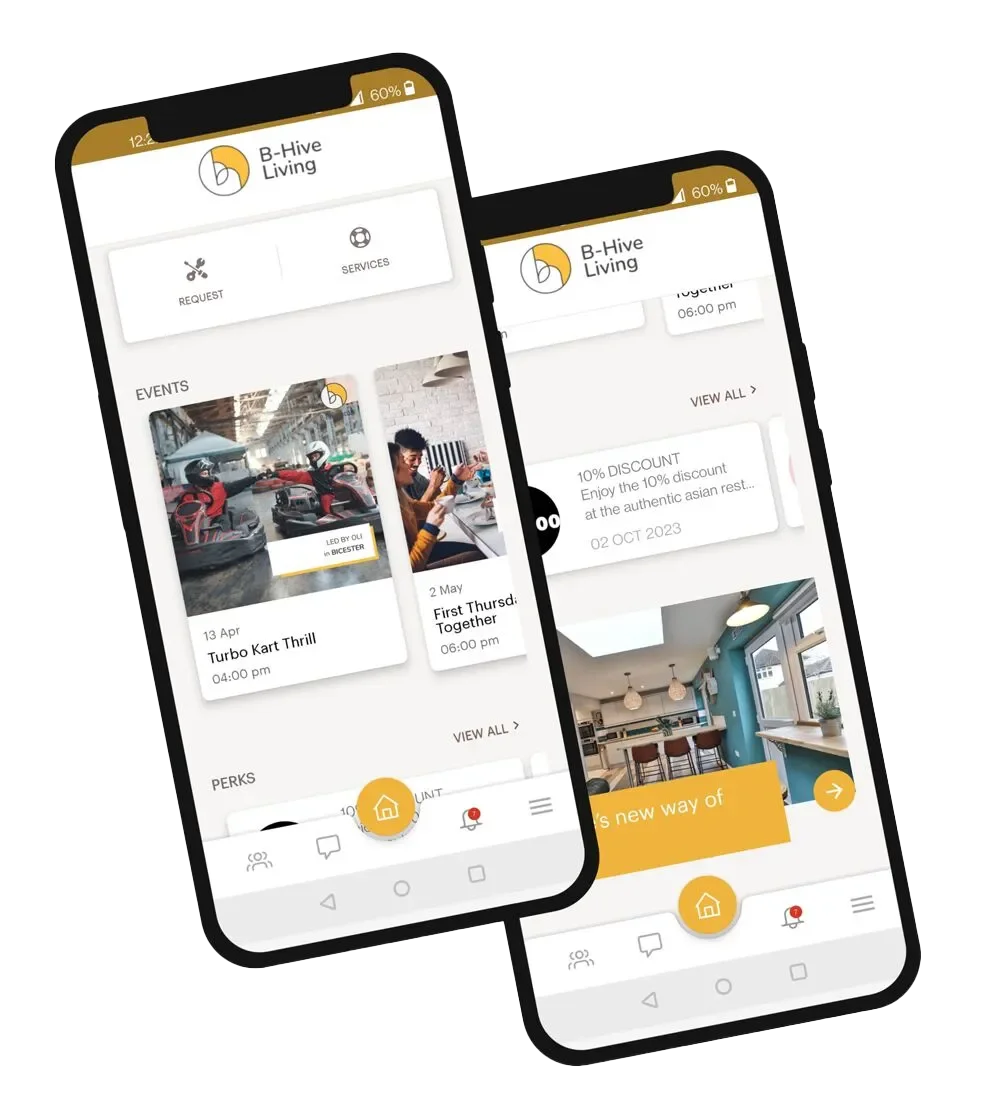
    B-Hive Living resident app showing community events and social activities in Bicester

    The biggest mistake new arrivals make is downloading every social app at once and treating each one like a lottery ticket. Recurring beats one-off because familiarity does the work. The third time you turn up to the same run, the same five-a-side pitch or the same choir rehearsal, people start expecting you. That expectation is what becomes friendship.

    Where to look for recurring groups

    • Sports and fitness clubs. Running groups, netball, badminton, rugby and martial arts all tend to welcome beginners. Look for the phrase “all abilities” and check whether there’s a social element after sessions.
    • Adult classes. Language evenings, pottery, dance and life drawing attract a mix of newcomers and long-term locals, which is exactly the balance you want.
    • Volunteering. Conservation groups, community fridges and event crews need reliable pairs of hands and tend to be genuinely sociable.
    • Faith and cultural groups. If this matters to you, a regular congregation or society is often the quickest route to a real network.

    Insider tip: ask the organiser one question before you go: “Do people usually stay afterwards?” Groups that socialise after the activity are far better for meeting people than those where everyone disperses immediately.

    Use Bicester’s geography to your advantage

    Bicester is compact, which is a social asset. You can live, work and socialise within a short cycle of each other, and that low friction is what makes spontaneous plans possible.

    Bicester town centre

    The centre around Sheep Street and Market Square is where you’ll find cafes, pubs and the market. It’s the natural place for a first coffee with someone you’ve just met, because it’s easy for both of you to reach.

    Insider tip: Saturday mornings are busier than weekday evenings in the centre. If you’re meeting someone new and want a relaxed conversation rather than shouting over music, aim for a weekday evening or a Sunday.

    Bicester Village and the eastern side

    The designer outlet draws visitors from across the region, which means plenty of cafes and a steady stream of people, but it’s a shopping destination rather than a neighbourhood. Useful for a weekend wander, less useful for building a local circle.

    Bicester North and the residential north

    This side of town is where a lot of young professionals and commuters settle. It’s quieter, with local pubs and green spaces, and it’s handy for the Chiltern line into London.

    Bicester South and the Oxford corridor

    Growth has pushed new housing and amenities south and west, and the Oxford line makes Oxford’s pubs, gigs and societies genuinely reachable. If your social life leans towards Oxford, living near the Bicester Village station end saves you real time.

    Make remote work work for your social life

    Remote work removes the accidental social contact that offices provide, so you have to replace it deliberately. Two or three co-working days a week is usually enough to rebuild that contact.

    • Co-working spaces and cafe working. Look for places with good wifi, a plug socket and a policy that welcomes laptops. Buy something every couple of hours and you’re a good citizen.
    • Workday structure. Set a lunchtime walk at the same time each day. Familiar faces at the same hour become acquaintances surprisingly fast.
    • Separate work from home. Even one day a week working somewhere else gives you a reason to leave the flat and a chance encounter you wouldn’t otherwise have.

    Common mistake to avoid: treating co-working as a solo activity. The point isn’t the desk, it’s the other people. Say yes to the lunch group in week one, even if you’d rather eat at your screen.

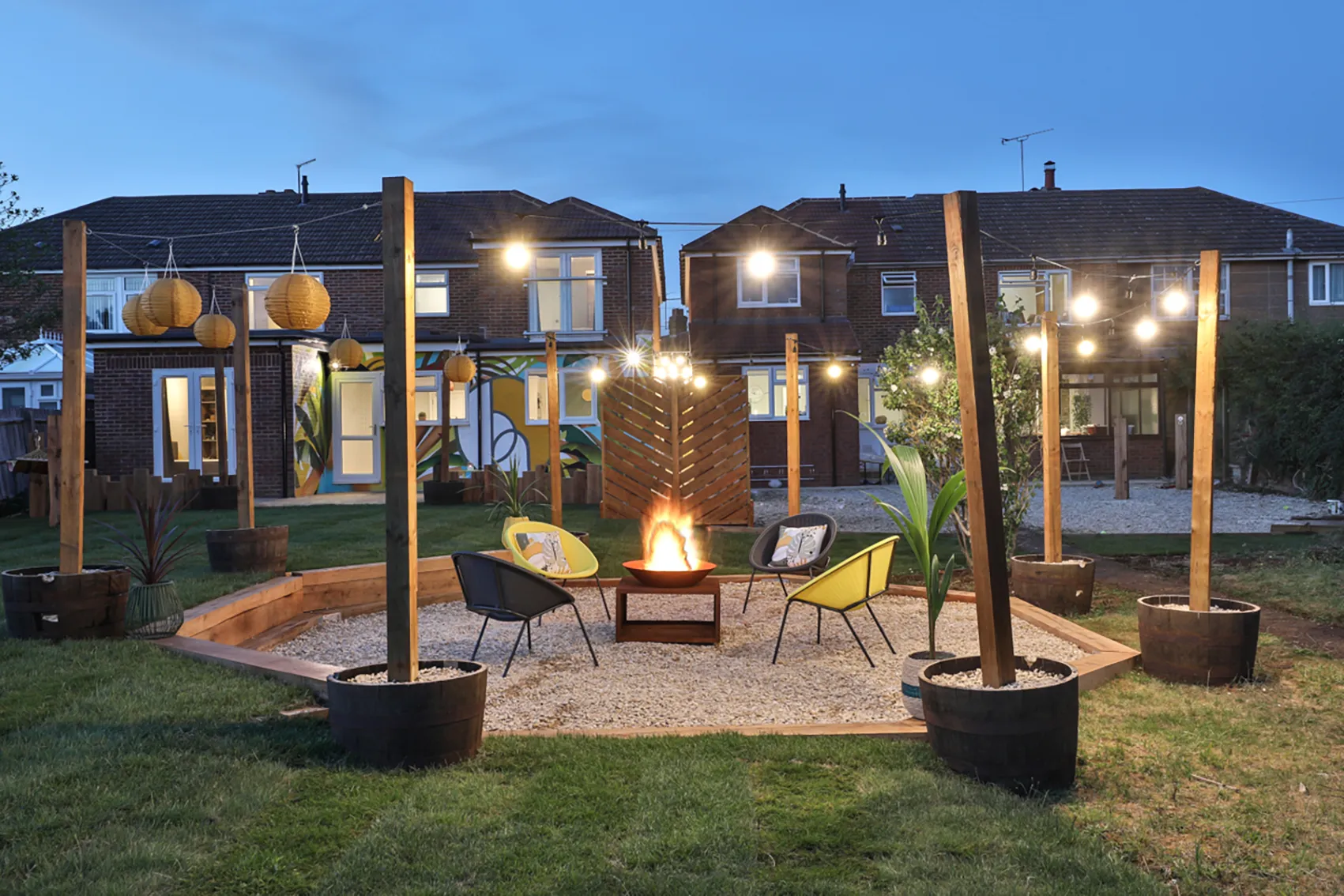
    Communal outdoor garden with fire pit and festoon lighting for evening social gatherings in Bicester

    Build a first-month plan that actually fits real life

    You don’t need a packed calendar. You need a small number of repeatable slots that fit around work and don’t exhaust you.

    At a glance: your first four weeks

    • Week 1: Join one recurring group. Attend once, even if you feel awkward. Note one person’s name.
    • Week 2: Return to the same group. Add one co-working day to your week.
    • Week 3: Suggest a specific plan to someone you’ve met: “There’s a pub quiz on Thursday, fancy it?” Specific beats “we should do something sometime”.
    • Week 4: Add one second activity, ideally in a different part of town, so your network isn’t all in one place.
    • Ongoing: Keep two fixed commitments and let everything else be optional. Consistency is the whole strategy.

    How to choose what to join

    Use four filters before you commit your evenings.

    1. Budget. Club memberships, class fees and travel add up. Decide your monthly figure first, then choose within it.
    2. Vibe. Visit once before paying for a term. If the room feels cliquey and no one speaks to you, that’s information, not a personal failure.
    3. Timing. A 7pm start is very different from a 6pm one if you finish work at 5:30. Be honest about your energy.
    4. Transport. Check the last train and bus times before you say yes to anything across town. Nothing kills momentum like an expensive taxi home.

    Common mistake to avoid: overcommitting in month one. Three groups you attend twice are worth less than one group you attend twelve times.

    B-Hive Living awards collage recognizing UK's Best Community Experience and UK Manager of the Year

    Local logistics worth knowing

    Small practical details make the difference between a plan and a no-show.

    • Getting around. The town is very cycle-friendly, and cycling often beats driving for short hops. Check cycle routes before you commit to a venue.
    • Trains. Two stations serve different lines, so always check which one your journey needs. Services and timetables change, so confirm times before you travel.
    • Best times. Weekday evenings are calmer for conversation; Friday and Saturday nights are livelier but harder for meeting new people.
    • Booking. Popular classes and club terms often fill before the start date. Enquire early, and ask about waiting lists.
    • Accessibility. Venues vary. If you have access needs, contact the organiser directly before attending rather than relying on a listing.
    • Seasonal rhythm. Summer brings outdoor sport, walks and town events; winter pushes life indoors towards pubs, classes and quiz nights. Plan your first move around the season you arrive in.

    Frequently asked questions

    How do I build a social life in Bicester if I work from home?

    Replace the contact your office would have given you. Co-work two days a week, keep a fixed lunchtime walk, and join one evening group that meets weekly. The combination of daytime familiarity and a weekly commitment is usually enough to build a real circle within a couple of months.

    Is Bicester good for people in their twenties and thirties?

    It’s a good base if you value lower costs and quick access to Oxford and London. The town itself is calmer than a city, so your social life tends to be built around clubs, classes and local pubs rather than a big nightlife scene.

    Should I look for friends in Oxford instead?

    Many people do both. Oxford has more events and societies, but the journey adds time and cost to every plan. Building one local commitment in Bicester plus one occasional Oxford activity tends to be more sustainable than relying on Oxford alone.

    How long does it take to feel settled?

    Most people notice a shift after about six to eight weeks of consistent attendance at the same one or two activities. That’s the point where you start getting invited to things rather than having to organise them.

    What if I don’t know anyone at all?

    Start with a group that has a built-in reason to talk, such as a class, a team sport or a volunteering shift. Shared activity removes the pressure of making conversation from nothing, which is why it works better than a purely social meetup for most newcomers.

    Do I need a car to have a social life here?

    No, but it widens your options. The town centre is walkable and cycle-friendly, and the two stations cover Oxford and London well. A car helps most for evening activities on the edge of town where bus services thin out after dark.

    Living well somewhere new is less about the postcode and more about the rhythm you build around it. A short commute, a regular club, a cafe where they know your order and a handful of people who’ll text you on a Thursday: that’s what makes a town feel like yours. Bicester is small enough for those connections to form quickly, and well connected enough that you never feel stuck.

    If you’re planning your move and want a home base that makes the social side easier, B-Hive Living builds shared and private living for young professionals and remote workers in Oxford and Bicester, with community at the centre rather than as an afterthought. Take a look at what’s available and start your application when you’re ready.

  • What to Do After Work in Bicester: 19 Ways to Meet People and Settle In

    What to Do After Work in Bicester: 19 Ways to Meet People and Settle In

    You’ve unpacked the last box, the commute from Oxford or London is done, and now it’s 6pm on a Tuesday. The kettle’s on, but the quiet feels a bit much. Bicester is a brilliant place to live, yet like any new town, the social life doesn’t just happen. You have to go and find it. This guide is for young professionals and remote workers who want to turn a postcode into a proper home. We’ll skip the tourist trail and focus on 19 practical things to do after work in Bicester, so you can meet people, build a routine, and actually enjoy your evenings.

    Quick answer: the best ways to settle in after work

    • Best for a quick pint and chat: Town-centre pubs such as The Lamb Inn, or a welcome drink at a co-working space.
    • Best for hobbyists: A club at Bicester Sports Association or a short course at The Mill Arts Centre.
    • Best for remote workers: Co-working days at venues like The Old Fire Station or Bicester Innovation Centre.
    • Best time to go: Weeknight evenings, Tuesday to Thursday, are quieter and easier for conversations than packed weekends.
    • Quick logistics: Most town-centre spots sit a 10 to 15 minute walk from Bicester Village station or the Sheep Street bus stops.

    Start with the town centre: pubs, bars and casual meetups

    The quickest way to feel part of Bicester is to become a regular somewhere local. You don’t need a big night out; a solo drink with a book or a chat with the bar staff can lead to introductions.

    Young professionals relaxing and socializing at home in Bicester after a busy workday

    The Lamb Inn (Sheep Street)

    A proper town-centre pub with a friendly mix of after-work drinkers. Why it’s worth it: it’s central, so you can pop in on your walk home. Insider tip: sit at the bar rather than a table if you’re on your own; it’s the easiest place to strike up a conversation.

    The Bell (Market Square)

    A historic pub with a lively but not overwhelming atmosphere. Why it’s worth it: good for a midweek pint and a bite. Insider tip: check the board for quiz nights or live music; these are low-pressure ways to meet people.

    The White Hart (London Road)

    A short walk from the town centre, with a beer garden for warmer evenings. Why it’s worth it: it attracts a slightly older crowd, including professionals. Insider tip: go on a Thursday if you want a buzz without the Friday crush.

    Bicester Hotel, Golf & Spa (near Chesterton)

    If you want a more polished setting for a drink or a coffee, the bar here is open to non-members. Why it’s worth it: a quiet spot to read or work remotely for an hour. Insider tip: check current opening times before you go, as they can vary seasonally.

    Join a club or class: the fastest route to a social circle

    Shared interests beat small talk every time. Bicester has a surprisingly active club scene for a town its size, and most welcome newcomers.

    Bicester Sports Association

    Home to rugby, cricket, football and more. Why it’s worth it: team sports give you an instant group and a weekly fixture. Insider tip: message the club secretary before you turn up so they can introduce you to the right team.

    Bicester Athletics Club

    For runners of all levels. Why it’s worth it: structured sessions make it easy to chat while you train. Insider tip: Tuesday and Thursday evening sessions tend to be the most sociable; check the club website for current times and meeting points.

    The Mill Arts Centre

    A community arts hub with workshops, theatre and film. Why it’s worth it: creative classes such as pottery, painting and drama attract a friendly, mixed crowd. Insider tip: sign up for a short course rather than a one-off; you’ll see the same faces each week.

    Bicester Library

    Not just books; it runs reading groups and author events. Why it’s worth it: free or low-cost, and a calm way to meet people. Insider tip: ask at the desk about current adult events, as evening sessions are often added quietly.

    Language and board game meetups

    Check local Facebook groups or Meetup.com for informal gatherings. Why it’s worth it: low commitment and easy conversation. Insider tip: suggest a venue yourself if none is listed; people are often waiting for someone to organise.

    Co-working and remote-worker meetups

    If you work from home, your colleagues are virtual. Co-working spaces and dedicated meetups fill that gap and get you out of the spare room.

    Modern flexible coworking lounge and collaborative workspace for remote professionals in Oxfordshire

    The Old Fire Station (Bicester)

    A community venue that sometimes hosts co-working days. Why it’s worth it: you’ll meet other freelancers and remote workers. Insider tip: check their schedule online; co-working days are often advertised a week or two in advance.

    Bicester Innovation Centre

    Offers flexible desk space and networking events. Why it’s worth it: a professional environment with like-minded people. Insider tip: ask about guest passes if you’re not ready for a membership.

    Remote-worker meetups (Oxford and Bicester)

    Search for local groups that organise casual coffee mornings or after-work drinks. Why it’s worth it: everyone is in the same boat, so conversations start easily. Insider tip: suggest a Bicester venue if the group is Oxford-centric; you might become the local organiser.

    Cafés with a laptop-friendly vibe

    Try independent cafés in the town centre or at Bicester Village. Why it’s worth it: a change of scene and a chance to nod hello to other regulars. Insider tip: avoid peak shopping hours if you want a table and a quiet corner.

    Volunteer and give back

    Volunteering is a two-way street: you help your community and you meet people who share your values.

    Bicester Food Bank

    Always looking for helping hands. Why it’s worth it: a tangible way to contribute and a team that appreciates you. Insider tip: email ahead to ask about the current volunteer induction process.

    Bicester Green

    A charity focused on repairing and reusing items. Why it’s worth it: practical, hands-on and a friendly crew. Insider tip: their workshop sessions are a good way to learn a skill while you chat.

    Local parkrun

    Free, weekly, timed 5k runs. Why it’s worth it: you can run, walk or volunteer, and the volunteer roles are very sociable. Insider tip: arrive 15 minutes early for the first-timers’ briefing and you’ll meet the core team.

    Explore Bicester’s food and drink scene

    Food is a social lubricant. Try a supper club, a tasting event, or simply become a regular at a market stall.

    Bicester Market (Tuesday and Friday)

    Why it’s worth it: chat with traders and pick up local produce. Insider tip: go late morning when it’s quieter and stallholders have time to talk.

    Bicester Village restaurants

    Why it’s worth it: convenient for a post-work bite, especially if you work nearby. Insider tip: weeknights are far less crowded than weekends, and some places offer early-evening deals.

    Supper clubs and pop-ups

    Keep an eye on local social media for one-off dining events. Why it’s worth it: shared tables mean you’re seated with new people. Insider tip: if you’re nervous, message the organiser beforehand and ask to be seated with a friendly group.

    How to choose what’s right for you

    Don’t try to do everything. Pick one regular commitment and one occasional outing, then let the rest follow.

    • Budget: Free options include parkrun, library events and volunteering. Paid options range from a pub pint to a course fee.
    • Vibe: Sporty, creative, intellectual or purely social. Match it to your energy after work.
    • Timing: Weeknights suit recurring clubs; weekends suit one-off events.
    • Transport: Bicester has two train stations, Bicester North and Bicester Village, plus good bus links. If you’re car-free, stick to town-centre options or check bus routes first.

    At a glance: your first week after work

    • Monday: Unpack the last box, then walk the town centre to get your bearings.
    • Tuesday: Try a pub quiz or a drink at The Lamb Inn or The Bell.
    • Wednesday: Join a club session, whether running, sport or arts.
    • Thursday: Book a co-working day or a remote-worker meetup.
    • Friday: Explore Bicester Market or treat yourself to a meal at Bicester Village.
    • Saturday: Parkrun or a volunteer session.
    • Sunday: Rest, or browse local Facebook groups for the week ahead.

    Local logistics: getting there, best times and booking notes

    Bicester is compact, but a little planning helps.

    • Getting there: Bicester North and Bicester Village stations connect to Oxford, London Marylebone and Birmingham. Local buses run from Sheep Street and Manorsfield Road.
    • Best times: Tuesday to Thursday evenings are ideal for meeting people; Fridays and Saturdays are busier but more transient.
    • Booking notes: Clubs and classes often require advance sign-up, so check websites or social media for current details. Pubs are generally walk-in.
    • Accessibility: Many town-centre venues are step-free, but check individual websites or call ahead if you have specific needs.

    Frequently asked questions

    What can I do after work in Bicester if I don’t know anyone?

    Start with low-pressure options: a drink at a town-centre pub, a parkrun, or a volunteer shift. These activities have built-in conversation starters and you can leave whenever you like.

    Are there any remote-worker meetups in Bicester?

    Yes, though they can be informal. Check co-working spaces like The Old Fire Station or Bicester Innovation Centre for advertised sessions, and look for local Facebook or Meetup groups. If none exist, consider starting one.

    What’s the best way to meet people in Bicester if I’m new?

    Join a club or class that meets weekly. Repeated contact is what turns acquaintances into friends. Sport, arts and volunteering are particularly effective.

    Is Bicester good for young professionals?

    It’s a growing town with a friendly feel and good transport links to Oxford and London. The social scene is smaller than a city’s, so you need to make a bit of effort, but that also makes it easier to become a familiar face.

    B-Hive Living awards recognition for UK's Best Community Experience and Coliving User Experience

    Do I need a car to get around Bicester?

    Not necessarily. The town centre is walkable, and there are bus routes and two train stations. For some clubs and rural venues, a car or a lift-share helps.

    What are common mistakes to avoid when settling in?

    Waiting for invitations instead of initiating them, and trying to do everything at once. Don’t assume everyone already has their group either; many people are in the same position and will welcome a friendly hello.

    Living well in Bicester

    Settling in is about more than finding a flat; it’s about building a life. The 19 ideas above are starting points. The real change happens when you become a regular somewhere, when the barista knows your order, and when you bump into a new friend at the market. Bicester is small enough to feel like a community but big enough to offer variety. Give it a few weeks of consistent effort and you’ll wonder why you ever worried about the quiet.

    If you’re looking for a home that makes settling in easier, B-Hive Living creates welcoming spaces for young professionals and remote workers in Oxford and Bicester. With a focus on community and location, we help you feel at home from day one. Ready to make your move? Get in touch to find out about current availability and how to apply.

  • Is Bicester Walkable? A Practical Guide for New Residents

    Is Bicester Walkable? A Practical Guide for New Residents

    You’ve got the keys, the boxes are stacked in the hallway, and the car is still parked outside. Before you build a routine around driving, it helps to know whether Bicester is walkable enough to leave the car at home. For most people living in the town centre and the newer estates, the answer is yes: daily errands, a coffee, even the station can sit within a 20-minute walk. This guide covers the distances, the streets, and the shortcuts so you can plan a car-free weekday before you’ve memorised the ring road.

    Quick answer: Bicester walkability at a glance

    • Most walkable: Town centre and Pioneer Square, where shops, the library and cafes sit within 10 minutes of each other.
    • Walkable with planning: Kingsmere and Elmsbrook, connected by footpaths and green corridors but roughly 1.2 to 1.5 miles from the centre.
    • Best time to walk: Weekday mornings and early evenings. Weekends get busier around the outlet village.
    • Quick logistics: Most daily needs sit within a 20-minute walk if you’re centrally based. Outlying villages realistically need a bike or bus.
    • Who it suits: Remote workers who want a car-free weekday and anyone who prefers a stroll to a drive for groceries or coffee.

    Which parts of Bicester are actually walkable?

    Central Bicester and the newer estates are genuinely pedestrian-friendly, with wide pavements and crossings, but the town spreads out. Knowing your neighbourhood’s walking distances saves you from surprises on a rainy Tuesday.

    Sunlit dining area with garden access and skylight, reflecting a relaxed, walkable town-centre lifestyle in Bicester

    Town centre and Pioneer Square

    This is the most walkable pocket. From Pioneer Square you can reach the library, the council offices and a cluster of cafes and shops in under 10 minutes. The streets are well lit and mostly flat. Waitrose on Sheep Street and the nearby convenience stores cover most of a weekly shop without a car.

    Insider tip: The underpass near the bus station connects you to the retail village without crossing the busy ring road. It’s a small shortcut locals use daily, and it’s step-free at both ends.

    Kingsmere and Elmsbrook

    These newer developments were designed with footpaths and green corridors. Kingsmere has a primary school and a small convenience store within the estate, so you can handle basics without leaving. Elmsbrook, the eco-town, prioritises walking and cycling with traffic-calmed streets.

    From Kingsmere to the town centre is roughly 1.5 miles, about 30 minutes on foot. From Elmsbrook to Bicester North station is around 1.2 miles, closer to 25 minutes. Both are realistic for a daily commute if you’re happy with the distance.

    Insider tip: Kingsmere’s paths can be confusing at first. Look for the wooden fingerposts rather than relying on your phone signal, which can drop between buildings.

    Bicester Village and the outlet area

    Bicester Village is walkable from the town centre, about 1.2 miles or a 20 to 25-minute walk, but the route along Oxford Road lacks a continuous pavement in places. Many people drive or take the shuttle. If you do walk, use the underpass near the bus station and follow signs for the village. Alternatively, cut through Garth Park and join the path near the station for a greener, quieter route.

    Common mistake: Assuming you can cut through the car parks. They’re private and often gated after hours.

    Outlying areas: Langford, Chesterton, Launton

    These villages sit beyond the ring road and have limited pavements or street lighting. Walking to town from here isn’t practical for daily errands; a bike or bus is a better bet. If you’re set on village life, check the bus timetable before you sign a lease.

    How to choose where to live if walking matters

    Prioritise proximity to a footpath network and a bus route. Even if you walk most days, having a backup for heavy shopping or wet weather makes a difference.

    • Budget: Central flats and new-build estates tend to cost more than older terraces further out, but you save on transport.
    • Vibe: Want buzz? Pioneer Square. Prefer quiet? Kingsmere or Elmsbrook.
    • Timing: Check commute times on foot to the station if you travel to London or Oxford. A 10-minute walk versus 25 minutes changes your morning.
    • Transport: Look for bus stops within a 5-minute walk. Bicester Village station is a key hub, but Bicester North is closer to the town centre.
    Cozy communal lounge with brick feature wall and comfortable seating in central Bicester

    At a glance: a car-free Saturday in Bicester

    • 9am: Walk to Pioneer Square for a coffee at one of the independent cafes.
    • 10am: Browse the library or the market if it’s on (check the town council website for current days).
    • 11:30am: Stroll to Bicester Village via the underpass; window-shop or grab lunch.
    • 2pm: Walk back through Garth Park for a green breather.
    • 4pm: Pick up groceries at Waitrose on Sheep Street or a town centre convenience store.
    • 6pm: Head to a pub or restaurant within walking distance of your flat, such as one of the options on Market Square.

    Local logistics: getting around on foot

    Bicester is relatively flat, which helps. But a few practical notes make walking smoother.

    • Getting there: If you’re arriving by train, Bicester North is about a 10-minute walk from the town centre, while Bicester Village station is closer to the outlet village and the eco-estates. Both have pedestrian routes into town.
    • Best times: Avoid the school run, roughly 8:30 to 9am and 3 to 3:30pm, around Kingsmere and the town centre if you prefer quieter pavements.
    • Booking notes: No booking needed for walking, but if you plan to visit Bicester Village on a weekend, check opening hours as they can vary seasonally.
    • Accessibility: Most central pavements have dropped kerbs, and the underpass near the bus station has ramps. Some older streets have uneven surfaces, so take care with wheeled luggage or a pram.

    Insider tips for walking in Bicester

    • Use the ring road underpasses. They’re safer and faster than trying to cross the dual carriageway.
    • Download an offline map. Signal can be spotty on some paths, especially around Elmsbrook.
    • Invest in a good waterproof. Bicester’s weather is typically British; a lightweight raincoat lives in many locals’ bags.

    Common mistakes to avoid

    • Underestimating distances to the retail village. It’s a 20 to 25-minute walk from the centre, not 5. Wear comfortable shoes.
    • Assuming all estates have pavements. Some newer areas are still finishing infrastructure; check before you commit to a daily walk.

    FAQs about walking in Bicester

    Is Bicester a walkable town?

    Yes, central Bicester and many residential estates are walkable for daily needs. Outlying villages are less so, but you can still reach them via bus or bike.

    Can you walk from Bicester town centre to Bicester Village?

    Yes, it takes about 20 to 25 minutes. Use the underpass near the bus station for a safer route, or cut through Garth Park for a quieter one.

    Are there pedestrian-only areas in Bicester?

    Pioneer Square and parts of the town centre are pedestrianised or traffic-calmed. Bicester Village is pedestrian-only within its grounds.

    What’s the best way to get around Bicester without a car?

    Walking works for central areas. For longer trips, use local buses or a bicycle. The town is flat, so cycling is a good option.

    Is Bicester safe to walk at night?

    Central streets are well lit and generally safe. Stick to main routes and avoid unlit paths in outlying areas.

    Living in Bicester means you can genuinely embrace a slower pace, whether you’re strolling to a coworking space or meeting friends for dinner. At B-Hive Living, we create homes that make the most of the town’s walkable pockets, so you can spend less time in traffic and more time enjoying the community. Our spaces are designed for young professionals and remote workers who value connection and convenience.

    Resident enjoying outdoor exercise and wellness on green spaces in walkable Bicester

    Ready to find your base in Bicester? Apply to live with B-Hive and discover a home that puts you within walking distance of what matters.