Category: Lifestyle articles

  • Parking and EV Charging in Bicester: What Relocating Drivers Need to Know

    Parking and EV Charging in Bicester: What Relocating Drivers Need to Know

    Moving to Bicester with a car means learning new routines: which streets need a permit, where to park near Bicester North or Bicester Village station, and how to keep an electric vehicle charged when you do not yet have a driveway. If you are renting near the town centre or settling into a new-build on the edge of town, the first month is where most of the friction sits. This guide walks through parking and EV charging in Bicester so you can plan your commute, errands and weekend trips without collecting penalty notices along the way.

    Oxfordshire’s parking rules change more often than most people expect, and Bicester is growing quickly. Use the sections below as a starting point, then confirm current tariffs, hours and permit zones with Cherwell District Council or the relevant operator before you commit to a contract or a long stay.

    Quick answer: Bicester parking and EV charging at a glance

    • Best for commuters: Bicester North and Bicester Village station car parks, well placed for Chiltern services towards London Marylebone and the Oxford Parkway line.
    • Best for town centre errands: short-stay car parks around Sheep Street, Crown Walk and Pioneer Square, usually pay-and-display or app payment.
    • Best for EV drivers without a home charger: rapid chargers at retail and service locations on the edge of town, plus slower destination chargers at some hotels and supermarkets.
    • Who this suits: young professionals and remote workers who drive occasionally rather than daily, or who are waiting for a home charge point installation.
    • Quick logistics: check the app or council website on the day, allow extra time on Saturdays and bank holidays, and never assume a charger is working until you arrive.

    How parking works in Bicester town centre

    Most town centre parking in Bicester falls into three categories: council-run pay-and-display car parks, privately operated car parks tied to retail or leisure, and on-street bays with time limits or resident permits. Knowing which one you are pulling into saves both money and penalty notices.

    Council car parks and pay-and-display

    Cherwell District Council operates several car parks around the town centre. Payment is typically by cash, card or a parking app, and tariffs usually differ between short stay and long stay. If you work from home and only need the car for evening plans, a short-stay bay is often cheaper than a full-day ticket. Check the council’s current list before you travel, as sites are periodically reviewed or redeveloped.

    On-street bays and permit zones

    Residential streets close to the centre often sit inside controlled parking zones. If you are renting, ask the letting agent or landlord whether a resident permit is available and how long the waiting list is. Do not assume a space outside your new flat is yours; many central streets restrict parking to permit holders during weekday hours.

    Retail and leisure car parks

    Bicester Village and the retail parks around it have large car parks, but several are designed for shoppers rather than all-day commuters. Some enforce maximum stays or validate parking against a purchase. Read the signs carefully: a free few hours can turn into a charge if you overstay.

    Bicester Village retail and shopping parking destination

    Parking near Bicester’s stations

    If you commute or travel to London and Oxford regularly, station parking is the detail that shapes your morning routine. Both Bicester North and Bicester Village have station car parks, and both can fill on weekday mornings.

    • Bicester North: serves Chiltern Railways services towards London Marylebone and Birmingham. Arrive early on weekdays if you want a space, and check whether season tickets or app-based parking suit your pattern.
    • Bicester Village: serves Chiltern services and connects with the Oxford Parkway line towards Oxford. The station sits beside the retail village, so parking demand spikes at weekends and during sales periods.

    Train station directional signage at Bicester Village for commuter parking

    Insider tip: if you travel only two or three days a week, compare the cost of a season ticket against pay-as-you-go parking plus rail fares over a full month. The cheaper option is not always the one the ticket machine suggests.

    EV charging options in and around Bicester

    Bicester’s EV charging network is expanding, but it is still a patchwork of rapid chargers, destination chargers and home installations. For most new residents, the realistic plan is a mix: charge at home if you can, top up at a rapid charger when you cannot, and keep a backup location in mind.

    Rapid and ultra-rapid chargers

    Rapid chargers are typically found at service areas, retail parks and some fuel stations on the main routes around Bicester, including the A41 and M40 corridors. They are best for a quick top-up rather than a full charge, and they usually cost more per kilowatt-hour than home charging. Check the connector type your car uses and whether the site has more than one unit, because a single charger can mean a queue at peak times.

    Destination chargers

    Slower destination chargers appear at some hotels, supermarkets and leisure venues. They suit a longer stop: a weekly shop, a gym session or an evening meal. Speeds vary widely, so do not assume a destination charger will add meaningful range in 20 minutes.

    Charging at home

    If you are buying or renting a property with off-street parking, a home charge point is usually the cheapest and most convenient option. For renters, permission from the landlord is normally required, and listed buildings or shared parking areas can add complications. If you are moving into a flat with a communal car park, ask early whether charging infrastructure is planned or already installed.

    How to choose your parking and charging setup

    Work through these criteria in order, because the first one usually decides the rest.

    1. Do you have off-street parking at home? If yes, prioritise a home charge point and use public chargers only for longer trips.
    2. How often do you drive? Occasional drivers can rely on public parking and rapid chargers; daily commuters should look at season tickets and permit zones.
    3. Where do you work? If you commute to Oxford or London by train, station parking matters more than town centre bays.
    4. What is your budget? Compare permit costs, season tickets and pay-as-you-go rates over a month, not a single day.
    5. What is your backup plan? Identify a second charger or car park you can reach if your first choice is full or out of service.

    Common mistakes to avoid

    • Assuming a car park is free because it looks open. Many Bicester sites use cameras and send charges by post, so a missing ticket does not mean a missing fee.
    • Relying on a single rapid charger. If it is occupied or faulty, you need a nearby alternative. Save two or three locations in your phone before you need them.
    • Ignoring permit zone signs on residential streets. A short visit to a friend can become a penalty notice if you miss the weekday restrictions.
    • Buying an EV without checking your charging options first. Confirm what you can install at home and what is within walking distance before you commit.
    • Paying for a full-day ticket when you only need an hour. Check the short-stay tariff first, since the difference across a month adds up quickly.

    At a glance: your first week with a car in Bicester

    • Day one: check whether your street is in a permit zone and apply if needed.
    • Day two: download the parking apps used by the main car parks and register your vehicle.
    • Day three: test the station car park at the time you would normally travel.
    • Day four: locate your nearest rapid charger and your nearest destination charger.
    • Day five: if you have off-street parking, get a quote for a home charge point.
    • Weekend: try the town centre car parks on a Saturday to see how busy they get.

    Local logistics: getting around and planning ahead

    Bicester sits between Oxford and Milton Keynes, with the M40, A34 and A41 within easy reach. That makes it convenient for drivers, but it also means peak times are genuinely busy. Weekday mornings and Saturday afternoons are the worst windows for both parking and charging.

    Booking notes: some car parks and charging networks let you reserve or check live availability through an app. Where that is not possible, arrive earlier than you think you need to. Accessibility: council car parks generally include designated bays, but availability varies by site, so check the specific location if you rely on a wider space. For charging, look for sites with pull-through or accessible bays if you need extra room around the vehicle.

    Insider tip: keep a small amount of cash or a backup payment method. Not every machine or charger accepts the same cards or apps, and mobile signal can be patchy in some car parks.

    FAQs about parking and EV charging in Bicester

    Is parking free anywhere in Bicester?

    Some retail car parks offer free periods, usually with a time limit or a minimum spend. Council car parks generally charge, and on-street bays in controlled zones are restricted. Always read the signs at the specific site.

    Can I charge an EV without a driveway in Bicester?

    Yes, but it requires planning. You will rely on public rapid and destination chargers, so identify at least two convenient locations and check their live status before travelling.

    Do I need a permit to park on residential streets?

    Many streets near the town centre are in controlled parking zones. Check with Cherwell District Council and ask your landlord whether a resident permit is available for your address.

    When are Bicester car parks busiest?

    Weekday mornings around commuter times and Saturday afternoons tend to be busiest, particularly near the stations and the retail village. Allow extra time during school holidays and sales periods.

    What should I check before signing a rental contract?

    Confirm whether off-street parking is included, whether the street is in a permit zone, and whether you can install or use a charge point. These details affect both your daily routine and your monthly costs.

    Is Bicester a good base for an EV driver?

    It can be, especially if you have off-street parking at home. Without it, you are relying on public rapid and destination chargers, so test the locations near your new address before you commit to a long lease.

    Living well in Bicester

    A car makes Bicester feel smaller in the best way: a quick run to the shops, a weekend in the Cotswolds, a late train home from London. Getting the parking and charging basics right early means fewer surprises and more time for the parts of Oxfordshire you moved for. Take an afternoon to map your routes, save your backup chargers, and set up your apps. It is a small upfront effort that pays off every week.
    Modern B-Hive Living coliving interior with allocated parking for relocating residents

    At B-Hive Living, we help young professionals and remote workers settle into homes and communities in Oxford and Bicester. If you are planning a move and want somewhere that fits your commute, your car and your lifestyle, we would be glad to talk you through what is available. Get in touch to start your application and find a place that works for the way you actually live.

  • Where Should You Live If Your Job Takes You Across Oxford, Bicester, and Milton Keynes?

    Where Should You Live If Your Job Takes You Across Oxford, Bicester, and Milton Keynes?

    If your week is split between Oxford, Bicester and Milton Keynes, the usual “best place to live” advice falls apart. Bicester sits roughly midway between Oxford and Milton Keynes, with the M40 and two rail lines doing the heavy lifting, so the real question is not which town is nicest but which commute you are willing to repeat four or five days a week. This guide breaks down the realistic options, the trade-offs nobody mentions, and how to choose a base that still feels like home when work pulls you in three directions.

    Quick answer: which town fits which working week

    • Best all-rounder: Bicester, if you genuinely split your time and want one home base with reasonable access to both cities.
    • Best for Oxford-heavy weeks: Oxford itself, ideally near a station or a quick bus corridor rather than the centre.
    • Best for Milton Keynes-heavy weeks: Milton Keynes or a Buckinghamshire village close to a direct rail link.
    • Best balance of space and cost: a Bicester or Oxfordshire village with parking, accepting a short drive to a station.
    • Quick logistics: check live train times and season ticket prices before you commit to a postcode, because the difference between one change and two changes is the difference between a calm commute and a miserable one.

    Start with the commute, not the postcode

    Your commute pattern decides almost everything else. Before you view a single flat, write down how many days a week you actually travel to each city, and at what time of day.

    Bicester is the obvious geographic compromise. It sits on the Chiltern mainline towards London and on the line towards Oxford, so Oxford is a short hop and Milton Keynes is usually reached by changing at Bicester, Oxford or further along the network. That sounds convenient on paper, but the number of changes matters more than the total distance. A direct service you can sleep through beats a shorter journey with two platform sprints.

    If you drive, the A41 and M40 shape your life. The A41 link between Bicester and the Milton Keynes area is the route most hybrid workers end up using, and it behaves very differently at 8am than at 10am. Test it yourself at the time you would actually travel, not on a quiet Sunday.

    Work desk setup with laptop in an Oxfordshire home base, supporting hybrid commuting across Oxford and Milton Keynes

    How to judge a commute before you sign

    1. Run the journey on a normal weekday morning, not a weekend.
    2. Count the changes, not just the minutes.
    3. Check the last train home for any evening commitments.
    4. Price a season ticket or flexible ticket for your real pattern, not a daily one you will never use.
    5. Check parking at the station if you will drive to it, including permit rules and how early the car park fills.

    Where should you live if your job takes you across Oxford, Bicester, and Milton Keynes?

    Most people in this situation are best served by Bicester or a village on its edges, because it is the only one of the three towns that sits within a realistic reach of both cities. The exception is someone whose role is 80 per cent in one city, in which case living in that city usually wins.

    Bicester: the practical middle

    Bicester has grown quickly into a commuter town with two stations serving different lines, a large outlet shopping village, and a steady supply of newer apartments and houses. For young professionals and remote workers, the appeal is straightforward: you can work from home comfortably, reach Oxford quickly, and still get to Milton Keynes without relocating.

    Look at areas within walking distance of a station if you travel often, and slightly further out if you drive. Newer developments tend to have better broadband and parking, while older streets near the centre put you closer to cafés and the market feel of the town.

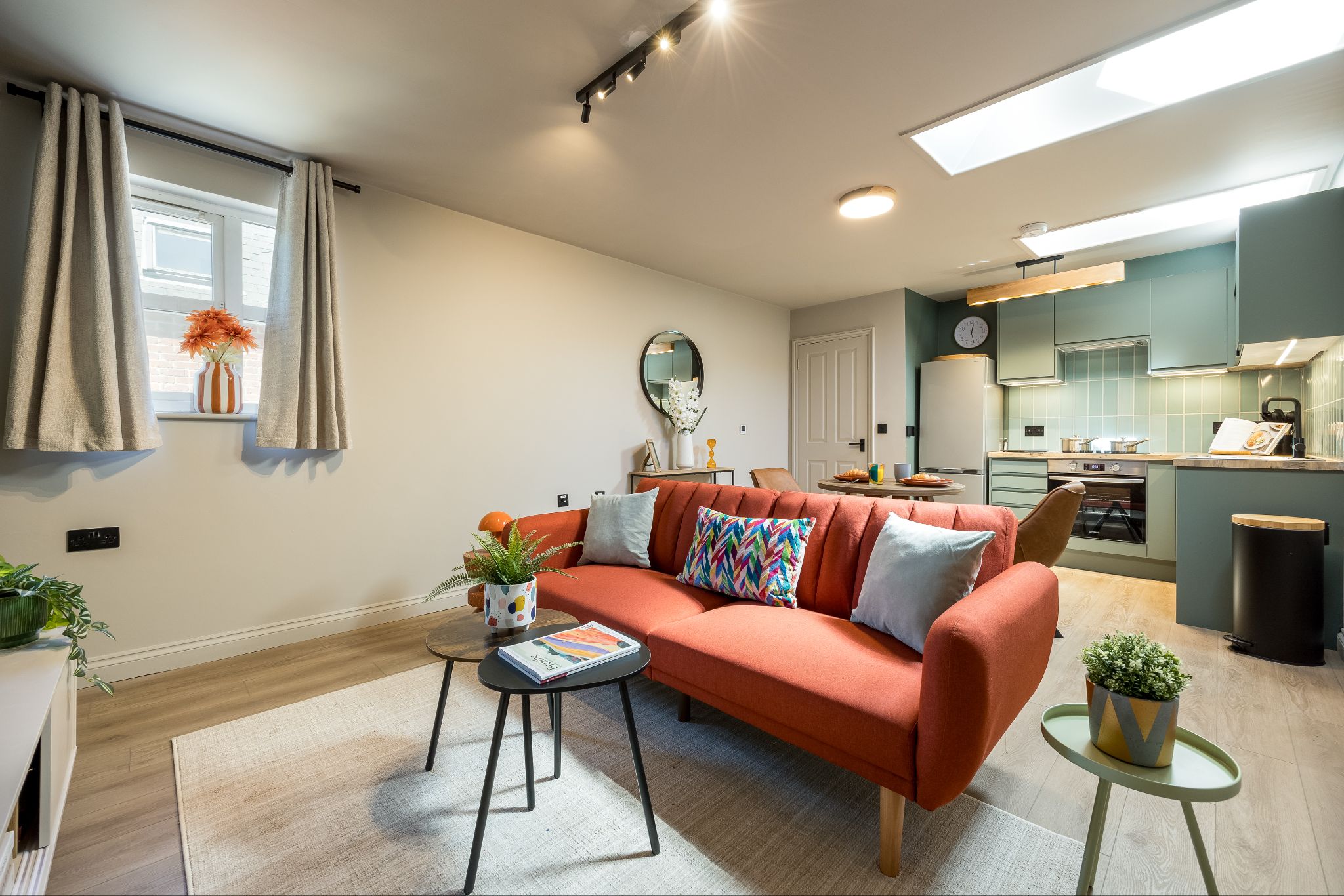
    Stylishly furnished living room in a B-Hive Living Bicester apartment, positioned conveniently between Oxford and Milton Keynes

    Insider tip: Bicester has more than one station, and they serve different directions. Work out which one your actual route uses before you fall for a flat near the wrong one.

    Oxford: best if the city is your centre of gravity

    Oxford suits people whose work, social life and identity all sit in the city. You get the colleges, the riverside walks, the pubs and a strong professional network, plus frequent buses and two stations.

    The trade-off is cost and congestion. Rents are high, parking is limited, and the historic centre is not designed for daily driving. If you only visit Oxford occasionally, paying Oxford prices rarely makes sense. If you are there most days, it often does.

    Insider tip: living just outside the centre near a park-and-ride corridor can give you city access without city parking headaches. Check bus frequency in the evening, not just at peak times.

    Milton Keynes: best value if your role is anchored there

    Milton Keynes is built around driving, with grid roads, plentiful parking and a spread-out layout of estates and business districts. If your office or clients are there, you will get more space for your money than in Oxford, and the town is well connected by rail towards London and the Midlands.

    The catch is that Milton Keynes is not a natural base for an Oxford-heavy week. The journey across is doable but rarely quick, and it is the leg most people underestimate.

    Insider tip: in Milton Keynes, the estate you choose matters more than the town. Some areas are walkable to shops and stations; others assume you own a car.

    Villages and market towns in between

    Places like Bicester’s surrounding villages, Buckingham, Brackley and the smaller Oxfordshire settlements offer quieter living, more space and often better value. They work well for remote workers who travel two or three days a week and drive to a station or straight to the office.

    What you give up is spontaneity: fewer late buses, fewer takeaways that deliver, and more reliance on a car. Visit in the evening as well as the daytime to see how quiet quiet actually is.

    How to choose: budget, vibe, timing and transport

    Use these four criteria to compare any two options honestly rather than by gut feel.

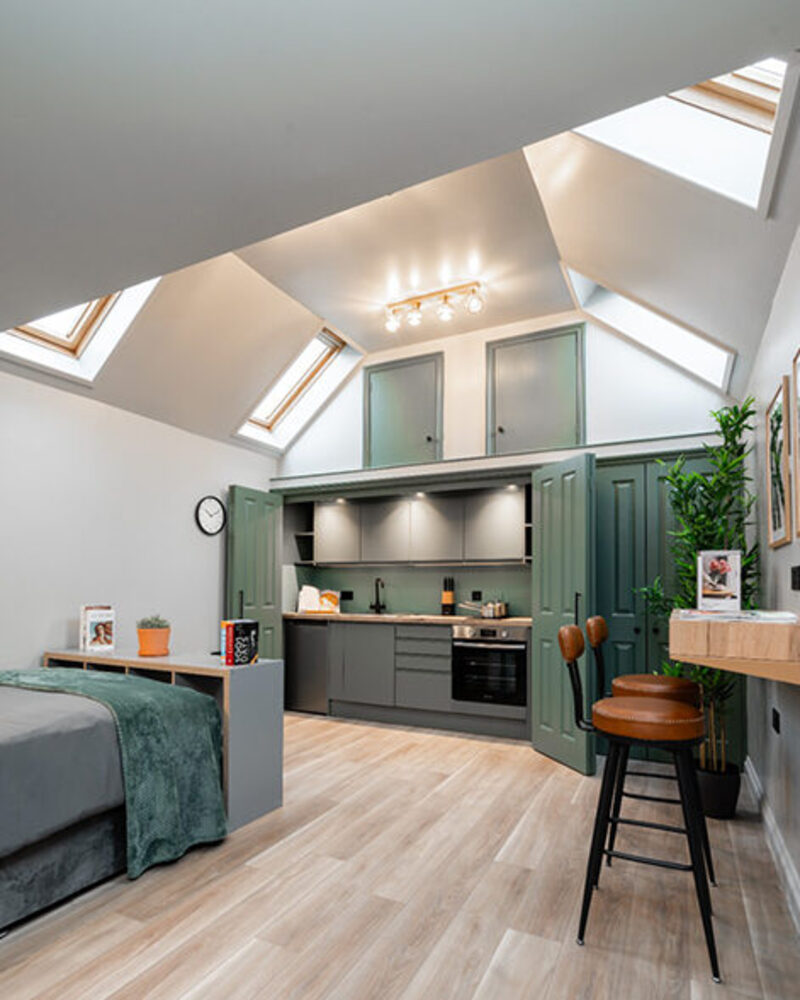
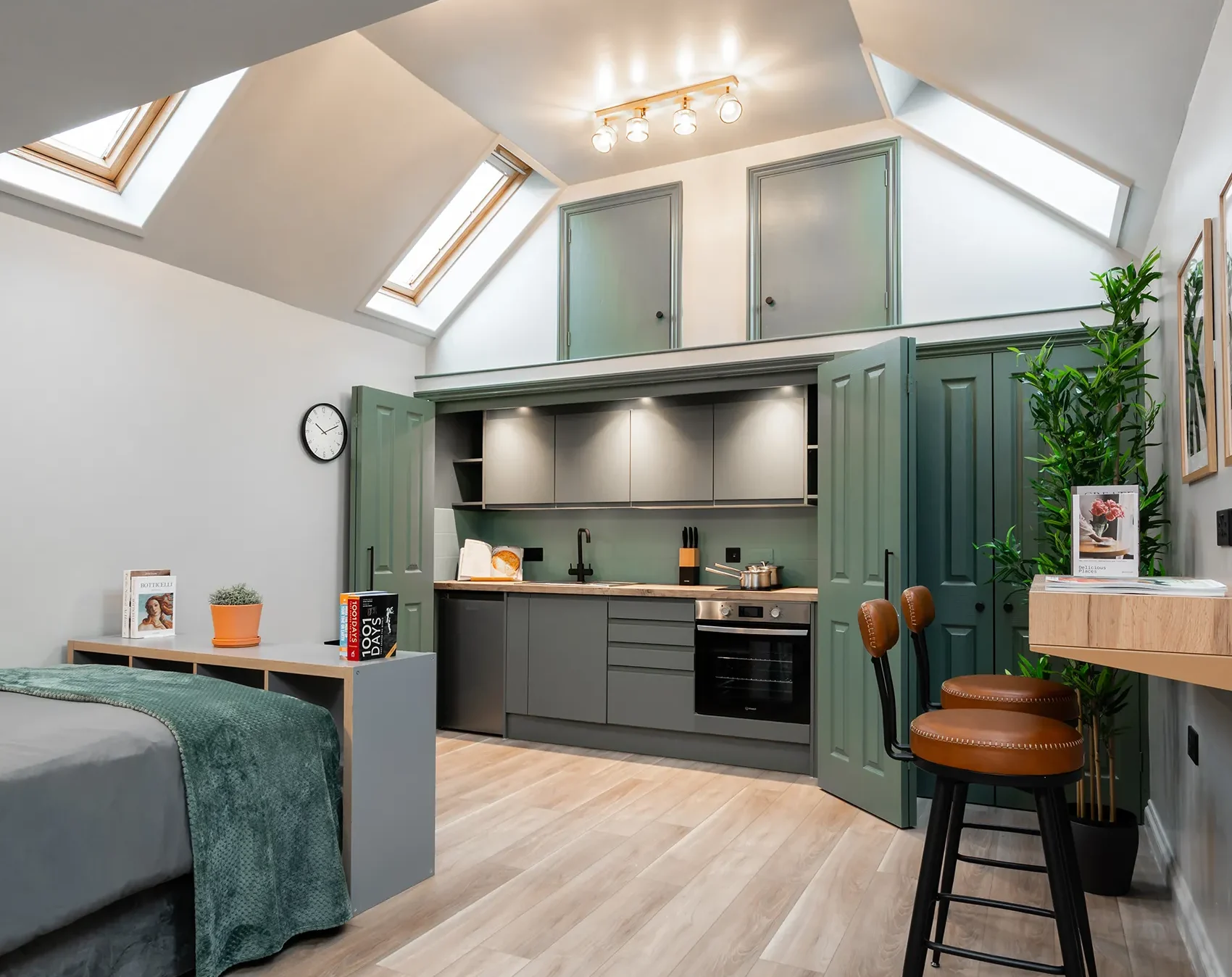
    Bright loft studio apartment with skylights in Oxfordshire, offering a balanced living space for regional professionals
    • Budget: compare rent plus travel cost plus parking, not rent alone. A cheaper flat with an expensive season ticket is not cheaper.
    • Vibe: decide whether you want a city centre, a commuter town with amenities, or a village. Be honest about how often you will actually go out.
    • Timing: match the area to your working hours. If you finish late, the last train home becomes the deciding factor.
    • Transport: favour direct routes over short ones, and check both rail and road options so you are not stranded when one fails.

    At a glance: a one-day area-check itinerary

    • Morning: travel the exact commute route you would use, at the exact time.
    • Midday: walk the town centre or estate you are considering. Buy lunch locally and see who else is around.
    • Afternoon: check broadband options at the address, plus parking rules and any permit costs.
    • Early evening: test the return journey, including the last service if you might work late.
    • Night: drive or walk the street after dark. Noise, lighting and parking pressure look different then.

    Local logistics: getting around and when to book

    Rail is the backbone here. Oxford and Bicester are linked by a frequent service, and Bicester connects onward towards London and the Midlands. Milton Keynes sits on the West Coast mainline, which makes it excellent for long-distance travel but less convenient for cross-country hops to Oxford.

    Book viewings early in the week and, where possible, in daylight. Rental stock near stations moves fast, and good flats in commuter towns are often taken within days. If you are relocating, ask about minimum tenancy lengths and notice periods before you commit, since a job pattern can change.

    Accessibility varies widely between older Oxford properties and newer builds elsewhere. If you have specific access needs, ask directly about step-free entry, lift access and station facilities rather than assuming.

    Common mistakes to avoid

    • Choosing on distance alone. A shorter route with two changes can be worse than a longer direct one.
    • Ignoring the evening network. Plenty of people love a location until their first late finish.
    • Forgetting the true cost. Add season tickets, parking permits and taxis to your rent before comparing.
    • Assuming hybrid means rare travel. Two office days a week still adds up over a year.

    FAQs

    Is Bicester a good base for working across Oxford and Milton Keynes?

    For most people, yes. Bicester sits between the two and offers rail links towards Oxford and onward connections towards Milton Keynes, which makes it the most balanced single base. Check the specific route and number of changes for your own working pattern before deciding.

    Should I live in Oxford or commute in?

    Live in Oxford if you are there most days and value the city lifestyle. Commute in if you visit once or twice a week, since you will get more space and lower costs elsewhere for the same budget.

    Is Milton Keynes a realistic option for an Oxford-based role?

    It is possible but rarely comfortable for frequent travel. Milton Keynes suits roles anchored there or along the West Coast mainline. If Oxford dominates your week, choose closer.

    What should I check before signing a tenancy?

    Confirm the commute at your real travel times, the last train home, broadband availability, parking rules and the notice period. Ask about station parking permits if you plan to drive to a station.

    Do I need a car?

    In Oxford, often not. In Bicester, a car helps but is not essential near the stations. In villages and in much of Milton Keynes, a car makes daily life considerably easier.

    Living well across three towns is less about finding the perfect postcode and more about building a week that does not exhaust you. A home base that shortens the journeys you make most often, and keeps the ones you make rarely manageable, leaves more energy for the parts of life that are not timetabled. That balance is what makes a relocation stick.

    At B-Hive Living, we create shared homes for young professionals and remote workers in Oxford and Bicester, with the practical things that matter to a hybrid week: reliable connectivity, comfortable spaces to work, and a community that makes a new town feel familiar faster. If you are weighing up a move and want a base that works with your commute rather than against it, we would love to hear from you. Apply to live with B-Hive and start with a home that fits the way you actually work.

  • Where Is Bicester? The Quietly Booming Hub for Tech & Business Travellers

    Where Is Bicester? The Quietly Booming Hub for Tech & Business Travellers

    Where Is Bicester? The Quietly Booming Hub for Tech & Business Travellers

    If you’re relocating to Oxfordshire for work (or commuting in for a few days a week), the “where exactly is it?” question comes up fast. Bicester sits in a convenient spot between Oxford and key regional routes, and it’s increasingly attractive to tech and business travellers who want calmer surroundings without losing access to meetings, airports, and city life. This guide helps you pin down where Bicester is, what it’s like day-to-day, and how to choose the best base for work trips—whether you’re staying temporarily or planning a longer move.

    Quick answer:

    • Best option: Base yourself in central Bicester for walkable essentials, or choose accommodation closer to transport links if you’re commuting.
    • Best time to arrive: Weekdays early morning for straightforward travel; evenings for a feel of the local rhythm.
    • Who it’s for: Tech workers, consultants, and business travellers who need quick access to Oxfordshire and beyond.
    • Quick logistics: Plan routes via Oxford and the rail network; confirm exact journey times before you go.

    Takeaway: Bicester is in north Oxfordshire—close enough to Oxford for work, far calmer for life.

    Bicester is a market town in Oxfordshire, positioned between Oxford and major road corridors that connect to London and the Midlands. It’s the kind of place where you can reach business meetings without feeling like you live in a constant rush.

    Where is Bicester, exactly?

    In practical terms, Bicester sits in north Oxfordshire, and it’s commonly used as a base for people working across the Oxford area and wider Thames Valley. If your travel depends on train connections and road routes, Bicester’s location is one reason it’s becoming popular with professionals.

    How close is it to Oxford?

    Oxford is nearby enough for regular commuting, but Bicester still feels distinct—less hectic, more local, and easier to settle into after work.

    Takeaway: For tech and business travellers, “where to base” matters as much as “where is it”.

    If you’re spending time in Bicester for work, your best base depends on how you’ll travel to clients and offices. Most people fall into one of two patterns: commuting into Oxford and meeting sites, or using Bicester as a calmer base while covering wider regional work.

    rooms to rent in oxford

    Neighbourhood-style areas to consider (how to choose)

    • Central Bicester: Helpful if you want shops and everyday services within an easy distance. Insider tip: if you’ll be walking between dinner and your accommodation after long travel days, prioritise a place you can reach on foot from local amenities.
    • Near transport links: Best if your schedule is built around trains or quick road access. Insider tip: check the “first/last” services for your typical day—small timing differences can make mornings smoother.
    • Quieter residential pockets: Good for sleep, wind-down time, and remote work. Insider tip: if you’ll take calls from home, ask about mobile reception or Wi‑Fi quality before you commit.

    Takeaway: The “quietly booming” feel is real—but it’s still a place you can breathe in after meetings.

    Bicester’s appeal to business travellers isn’t just about proximity. It’s the combination of practical transport access, a town-centred routine, and a slightly slower pace once your workday ends.

    Why business travellers tend to like it

    Many people choose Bicester because it balances access with ease—getting to meetings doesn’t have to mean sacrificing rest. It’s also a straightforward base for short stays when you need to work, recharge, and still have options for food and downtime.

    Local “after work” routine ideas

    • Evening walks and reset time: A practical way to decompress between meetings and dinner. Insider tip: choose routes you can repeat—consistency helps when you’re juggling travel.
    • Local dining close to where you stay: Keeps nights simple on busy weeks. Common mistake to avoid: planning only “destination” restaurants; prioritise places you can get to without a late transport scramble.
    • Coffee and casual workspace: Ideal for quick catch-ups or call prep. Insider tip: if you rely on your laptop, arrive early enough to avoid peak queues.

    Takeaway: “Best for me” depends on your schedule—weekday commutes, occasional travel, or longer work placements.

    Here’s a fast way to match your work pattern to the right approach when staying in Bicester.

    At a glance: mini itinerary / checklist for planning a work stay

    • Before booking: map your typical routes (Oxford meetings, station journeys, and any onward travel).
    • Pick your base: central for convenience, transport-linked for timing, quieter spots for sleep.
    • Account for buffer: add a little slack to mornings if your day includes trains.
    • Plan one “recovery evening”: schedule a calm dinner or a short walk so you’re not constantly on the move.
    • Check connectivity: confirm Wi‑Fi and mobile coverage if you’ll work remotely.

    Takeaway: Getting there is usually the easy bit—just make sure your timing works for your meetings.

    Bicester is well-placed for travel around Oxfordshire and beyond, but the best route depends on where you’re coming from and where you need to go that day.

    Getting to Bicester from Oxford and nearby areas

    Many people travel between Oxford and Bicester regularly, using a mix of road and rail options. If your schedule is tight, plan routes in advance and consider travel time variability.

    Best times to travel

    • Weekdays early: often the smoothest for commuting and getting set up.
    • Evenings: useful for settling in and checking how easy local errands feel.
    • Day-of travel: always verify services closer to departure, especially if you’re connecting to a meeting.

    Booking notes for business stays

    • For short trips: prioritise location and check-in simplicity.
    • For longer stays: prioritise working comfort—Wi‑Fi reliability and a quiet space matter.
    • For hybrid schedules: choose a base you can work from between commutes.

    Accessibility notes

    If you have mobility needs, check the practical details that matter for your stay—step-free access where relevant, lift availability, and whether routes from accommodation to amenities are easy to navigate.

    Takeaway: How to choose the right Bicester base (budget, vibe, timing, transport)

    Use these criteria to narrow down quickly, especially if you’re making a decision around work deadlines.

    Budget

    • Compare total cost for your number of nights, not just headline nightly rates.
    • Common mistake to avoid: assuming cheaper accommodation is always better—extra transport costs and time can quickly outweigh savings.

    Vibe

    • Decide what you need after work: a social hub, quiet focus time, or something in between.
    • Insider tip: if you’ll take calls or do deep work, bias towards quieter streets even if you’re sacrificing a bit of “nightlife convenience”.

    Timing

    • If you have early meetings, prioritise places that reduce morning friction.
    • Verify transport links for your typical day, then book around that reality.

    Transport

    • Choose your accommodation based on your most frequent route: station, client offices, or Oxford direction.
    • Insider tip: do a quick “door-to-door” check once—your commute can feel very different depending on walking time and local access.

    Takeaway: FAQs—quick answers for common “where is it?” and “is it practical?” questions

    What’s Bicester like for business travel?

    Bicester is often chosen because it offers practical access while remaining calmer than larger city centres. That balance suits professionals who need reliable days for meetings and genuine downtime at night.

    Where is Bicester in relation to Oxford?

    Bicester is in north Oxfordshire and is close enough to Oxford for regular work trips, while still feeling like its own town. If you commute, plan your route so your schedule lines up with transport times.

    Is Bicester a good base for tech professionals?

    Many tech and business travellers find Bicester convenient because it supports routine: you can work, commute as needed, and still enjoy a more relaxed local setting after meetings. If remote work is part of your plan, prioritise Wi‑Fi and quiet space.

    How do I decide which part of Bicester to stay in?

    Start with transport and your typical day. Central areas tend to be convenient for everyday errands, while accommodation closer to transport links can reduce timing pressure. Quiet residential pockets can be better for sleep and calls.

    What are the most common mistakes when booking in Bicester?

    Two big ones are: choosing purely by price without accounting for commute time, and not checking connectivity if you’ll work remotely. Prioritise door-to-door practicality and confirm Wi‑Fi quality before arrival.

    When is the best time to visit or relocate to Bicester for work?

    Weekdays are usually easiest for assessing travel routes and local routines. For relocating, consider arriving in a normal working week so you can judge transport, noise levels, and daily logistics realistically.

    Final thought: If you’re trying to get set up quickly for work, treat Bicester like a practical base—optimise your route first, then pick the accommodation that supports your evenings and remote-work needs.

    Settling into Bicester doesn’t need to feel complicated. When you pick the right base for your commute pattern, you get the best of both worlds: straightforward access for your working week and a calmer town feel for evenings that actually recharge you. For remote workers and young professionals around Oxford and Bicester, that balance is often the difference between “just getting by” and building a routine you enjoy.

    If you’re planning a move or looking for a business-friendly home in the Oxford/Bicester area, explore options with B-Hive Living and find a setup that makes workdays easier and evenings feel more like yours.

  • Analyzing the Bicester UK Map: Commute Times vs. Quality of Life

    Analyzing the Bicester UK Map: Commute Times vs. Quality of Life

    Table of Contents

    Analyzing the Bicester UK Map: Commute Times vs. Quality of Life

    If you’re considering Bicester for work and life—especially as a young professional or remote worker—you’ve probably noticed the tension right away: commute time is easy to measure, but quality of life is harder to pin down. The good news is that you don’t need to guess. By reading the map with a few practical filters (transport links, daily convenience, and who your area suits), you can make a decision that feels right on day one and stays manageable months later.

    This guide walks you through an easy way to analyse Bicester and nearby Oxfordshire locations, so you can balance commuting pressures with everyday comfort—gym walks, errands, green space, and the kind of neighbourhood vibe that supports your routine.

    Quick answer: the map approach that actually works

    • Best options: areas that give you a realistic commute and keep daily errands within short trips (by foot, cycle, or bus).
    • Best time to plan: a weekday morning and an evening (for the commute) plus a late-afternoon slot (for shops/queues).
    • Who it’s for: remote workers who still commute occasionally, and hybrid professionals trying to reduce “time cost”.
    • Quick logistics: use commute time “ranges” first, then tighten with a 7-day lived test (walk a route, check parking, try a bus).

    Start with your commute reality—then zoom out to daily life

    The key takeaway is simple: treat commute time as one input, not the decision.

    1) Pick your commute anchor points

    On your map, don’t just mark “Bicester” — mark the places you actually travel to: your office (or likely office days), a regular meeting point, and any frequent hubs (for example, station connections). If you’re remote-based, include at least one in-person weekday route so you’re not optimising for a fantasy schedule.

    2) Compare commute time bands, not exact minutes

    Commute “exactness” can be misleading (traffic, weather, and platform timing add noise). Instead, compare bands like:

    • Under 20 minutes (easy repeatable trips)
    • 20–35 minutes (manageable but check reliability)
    • 35+ minutes (evaluate alternatives—car pooling, different times, or closer amenities)

    3) Add quality-of-life signals to the same map

    Quality of life becomes measurable when you visualise daily friction. Add pins for:

    • Grocery and everyday stores
    • Healthcare basics (chemist, GP access points if relevant)
    • Green space or walking routes
    • Where you’re likely to spend your downtime (cafés, gyms, libraries)

    Neighbourhood patterns: where commute comfort meets day-to-day ease

    The takeaway: in Bicester, the “best” area often comes from match-making your routine to the nearest practical services.

    Town-centre and walkable-adjacent spots

    Why it’s worth it: you’re more likely to handle errands without a car, which is a big quality-of-life lever—especially after work. It also tends to make social plans easier because you can move around quickly.

    Insider tip: trace a 20-minute walk radius from your target listing and check what you’d actually do there on a typical Tuesday (groceries, coffee, essentials). If the radius supports your routine, commute time matters less.

    sustainable and smart living

    Station-connected areas (for hybrid and frequent travel)

    Why it’s worth it: if you commute often, being near rail connections can reduce “mental load” and shorten the time between leaving home and being at your platform. That matters when your day is meetings-heavy.

    Insider tip: test the timing around real scenarios—like leaving for the station 10 minutes later than planned. If your route still feels workable, you’re less likely to resent your commute.

    Edge-of-town and “space” locations

    Why it’s worth it: you may get more room, quieter streets, or a more residential feel. For some people, that’s a real health and wellbeing boost—especially if you like cycling, walking, or having a calmer evening.

    Insider tip: check whether the practical services you rely on are genuinely reachable without long waits. A quiet street is great—until the bus frequency forces last-minute car trips.

    Near Oxford and commuting links (if you’ll travel out regularly)

    Why it’s worth it: you might trade some local convenience for broader job access or a particular lifestyle preference. If Oxford is part of your plan, build your map around the routes you’ll repeat.

    Insider tip: compare weekdays only, then add one “wilder” day (a school holiday, a late evening, or a weather disruption) to see how fragile your routine is.

    How to choose: a simple scorecard you can run in 20 minutes

    The takeaway: decisions get easier when you score what matters, then sanity-check it with a real-week test.

    Use a 5-point score for each category

    • Commute manageability: time band and reliability feel
    • Errand friction: how often you’d need to drive
    • Evening wellbeing: safe-feeling walks, nearby options, noise level
    • Transport flexibility: buses/cycles/rail alternatives if one route fails
    • Future-proof fit: how the area supports changes (hybrid → office-heavy, or vice versa)

    Budget isn’t only rent—add “time cost”

    Quality of life is partly time. If one option saves you 15 minutes a day but adds a 20-minute errand trip and more driving, your “cheap rent” may become expensive in your week. Aim for balance, not extremes.

    Best time to assess (so you don’t get fooled)

    • Weekday morning: check how your commute feels in practice.
    • Weekday evening: listen for noise and check light/walkability.
    • Weekend late afternoon: observe queues for essentials and how busy local spots feel.

    At a glance: a mini itinerary/checklist for your viewing day

    • Pin your top route: from the property to your commute anchor (station or office cluster).
    • Walk the “errand loop”: groceries + a coffee + something practical within a short radius.
    • Check access: crossings, pavements, lighting, and how easy it is to carry bags.
    • Try a realistic departure: would you manage the route on a slightly rushed day?
    • Take two sound notes: early evening and late evening (or the closest you can).

    Local logistics: getting there, booking notes, and accessibility

    The takeaway: logistics reduce stress—so check them before you commit.

    Getting around (what to verify)

    Use your map to confirm how you’ll travel on your actual schedule: walking routes for errands, cycling where relevant, and public transport links for commute days. If you’re driving, check typical parking availability and how it changes at different times of day.

    Note: I can’t reliably state specific service frequencies or exact travel times from here without the exact address and your destination. If you share your likely commute point (e.g., your workplace or nearest station), you can run a direct “from this postcode to there” check.

    Best times to visit a potential home

    Try to view in daylight, then do a quick “after-work check” if possible. Evening visibility (footpaths, lighting, and crossings) is often the difference between “nice street” and “not for me”.

    Booking notes for viewings

    • Ask for a visit window that matches your routine (not just midday).
    • If you commute hybrid, ask for the plan to work from home days—does the area feel calm enough?
    • Bring a printed map and do a 10-minute walk comparison on-site.

    Accessibility and comfort details to look for

    • Footpath continuity and any pinch points (steps, narrow sections).
    • Crossing safety near main roads.
    • Level access from transport stops to local services.

    Insider tips and common mistakes to avoid

    The takeaway: small checks now prevent big regret later.

    Insider tips (3+)

    • Do a “bags test”: can you carry groceries comfortably from the nearest shop to your likely home route? This is a quality-of-life multiplier.
    • Check your fallback plan: if the most convenient route is disrupted, what’s your backup—alternate bus, earlier departure, or cycle lane access?
    • Measure the emotional commute: even if two areas are similar on time, one may feel calmer or easier to start your day from.

    Common mistakes to avoid (2+)

    • Over-optimising for fastest commute: the quickest route on a perfect day can still create weekly friction if errands and downtime are inconvenient.
    • Ignoring “after-work reality”: rush-hour and evening queues change the feel of an area. You’re choosing a routine, not a screenshot.

    FAQs about analysing the Bicester UK map

    The takeaway: the most useful answers help you act quickly on your shortlist.

    How do I analyse the Bicester UK map for commute times versus quality of life?

    Mark your commute anchors, compare time bands (rather than single minutes), then layer in daily friction points like errands, walkability, and evening options. Finish with a short “lived test” (walk routes and check one weekday morning and evening) to confirm it fits your routine.

    Is it better to live closer to station links or closer to everyday amenities?

    It depends on how often you commute and whether you rely on quick errands. Frequent in-person days usually favour station-connected convenience, while regular errands and social plans often favour walkable access. Many people find the best balance sits between the two.

    What should remote workers in Bicester prioritise on the map?

    Prioritise convenience for daily life (shops, green space, and stress-free routes), then verify the commute plan for your occasional in-person days. A calmer home base can outweigh a slightly longer commute if your workdays are mostly remote.

    What’s the best time of day to check an area before renting?

    A weekday morning (commute reality), a weekday evening (walkability and noise), and a late-afternoon weekend slot (queues and atmosphere) are the most revealing for lifestyle fit.

    Should I plan using an exact travel time or an estimate?

    Use estimates and ranges first, then validate with a short on-the-ground test. Exact travel times can vary, and the lived experience—lighting, walking routes, and waiting times—often matters more.

    Looking after your week matters as much as your commute

    Choosing where to live in Bicester is about building a routine you can actually sustain: a commute that doesn’t steal your energy, and a local area that makes errands feel simple and downtime feel easy. When you analyse the map with quality-of-life signals—not just travel minutes—you give yourself a clearer path to a home that supports work, health, and community.

    If you’re relocating or planning your next move in Oxfordshire, B-Hive Living can help you find a place that feels well-connected and easy to live in. Check what’s available and apply when you find the right fit.

    Ready to make Bicester (and Oxfordshire) your base? Apply to live with B-Hive and choose a home that balances location, comfort, and a community-minded way of living—so your days run smoother from the moment you arrive.

  • Where Is Bicester in England? The Ultimate Base for the London Commute

    Where Is Bicester in England? The Ultimate Base for the London Commute

    Quick takeaway: Bicester is a commuter-friendly town in Oxfordshire, between Oxford and London’s wider region.

    If you’re working in London but want a calmer weeknight routine (and often more space), Bicester is the kind of place people start considering early. It sits in Oxfordshire, close to Oxford and not far from the major rail corridors that connect you to London. This guide helps you answer the practical question—where is Bicester?—and then ties it to the reality of the commute: routes, timing, and what to check before you commit.

    By the end, you’ll know exactly where Bicester is, which areas feel best for remote workers and London commuters, and how to plan your journey so mornings don’t become a gamble.

    Best options at a glance

    • Best for rail-based commuting: Bicester North station area (typical choice when you want regular connections).
    • Best for Oxford access + daily life: areas nearer Oxford Road routes and the town centre for shops and services.
    • Best for “set and forget” remote work: anywhere walkable to local essentials so you’re not spending evenings travelling.
    • Best time to plan your commute: a weekday peak (arrive 10–15 minutes earlier than you think you’ll need).
    • Who it’s for: young professionals relocating to Oxfordshire who need London access without the London cost of living.

    Where is Bicester in England, exactly?

    Bicester is in Oxfordshire, in the south-east of England, positioned between Oxford and the wider routes that run towards London.

    Where it sits on the map (plain-English geography)

    Think of Bicester as a town you can reach fairly comfortably from both Oxford and the main commuter direction towards London. That’s why it often comes up for people who want an Oxfordshire base but still need predictable access to the capital.

    Tip: When you map it, switch to a “commute” view (train-based directions) rather than driving-only—rail time can change the picture quickly.

    Why Bicester works as a London commute base

    bicester village shops

    The appeal isn’t just “distance”—it’s choosing a base where your daily logistics stay manageable.

    Rail-friendly living (what to check first)

    When you’re considering Bicester for a London commute, focus on:

    • Which Bicester station you’d use most (and how that affects where you live).
    • Frequency at your typical departure time (peak trains can be very different from off-peak).
    • Connections—whether you’re changing trains or staying on the same service.

    Important: I can’t confirm live timetable details or exact journey times here, so check current schedules before you make plans.

    The “best base” idea: choose your station-first

    If your work location is London-central or near major stations, your routine depends on getting to the right rail access point without stress.

    Insider tip #1: Do a “door-to-station” test. Walk or cycle to the station from the exact place you’re considering—especially if you’ll be travelling in winter darkness.

    Neighbourhood vibe: where to live around Bicester for commuters and remote workers

    Pick an area based on how you actually spend your day: mornings, evenings, and the places you need close to home.

    Town-centre and nearby areas: convenient for daily life

    Staying closer to the centre typically helps with errands, coffee runs, and quick access to local services—useful if you’re hybrid or remote for part of the week.

    Insider tip #2: Prioritise evening convenience. If your commute arrives you home later, you want options that don’t require a late taxi or long walk.

    Station-linked areas: smoother commute routines

    If trains are your main route, living nearer to rail access can reduce the “buffer time” you otherwise need every morning.

    Common mistake to avoid #1: Don’t choose solely based on property photos. Always check how far you are from the station during real weather—rain and icy paths matter more than you think.

    Oxford-side and transport-connected pockets: balance with Oxford access

    If you like the idea of Oxford weekends (or occasional meetings there), look for areas that make both Bicester and Oxford straightforward to reach.

    Insider tip #3: If you’ll use buses as a backup, check routes in advance. It’s worth knowing your “plan B” before you rely on it.

    How to choose Bicester if you’re commuting to London

    The best places to walk, cycle, and relax in and around Oxford

    Use a simple scoring approach so you don’t get distracted by the “nice-to-have” details.

    Budget and travel trade-offs

    • Budget: Decide what you can afford for rent first; then choose a location that doesn’t force unrealistic travel add-ons.
    • Transport time: Compare commute plans from the specific area—not just the town overall.

    Vibe: commuter energy vs calm evenings

    • Do you want a more walkable lifestyle, or are you happy driving/cycling to most things?
    • Are you regularly out late (social plans), or mostly home-focused?

    Timing: align home choice with your train pattern

    Your best-fit area depends on when your trains run. If your start time shifts week to week, you may prefer a location that gives you flexibility.

    Common mistake to avoid #2: Don’t assume your commute will stay the same. Check at least two departure times (your typical one, plus one slightly later) to avoid surprises.

    At a glance: a mini commute checklist for Bicester

    • Check train routes for your target London station/work area.
    • Confirm frequency during your usual departure time.
    • Test door-to-station time from your shortlisted area.
    • Plan a “plan B” (bus option or alternative station access).
    • Consider weather buffers (winter walking time can change).
    • Look at evening practicalities—shops, takeaways, and safe walking routes back.

    Local logistics: getting there, best times, and booking notes

    Good logistics make commuting feel reliable, even when the journey isn’t perfect.

    Getting there (practical direction)

    Bicester is easiest to approach using rail for commuting and combining local roads for everyday errands. For exact directions and travel times, use a current journey planner rather than relying on outdated estimates.

    Best times to travel (general guidance)

    • Peak windows: build in buffer time; crowds and platform changes can slow you down.
    • Off-peak: often feels smoother for errands and return trips, but confirm your specific service pattern.

    Booking and “what to verify”

    If you’re planning long-term commuting, verify:

    • Whether your travel requires ticket types or season options (check current availability and rules).
    • Platform access and walking routes at the station you’ll use most.

    Note: I’m not able to provide real-time booking links or current ticket details here. Always check the latest information from the relevant rail operator.

    Accessibility and getting about locally

    Before you commit to a place, check how you’ll move around on foot and public transport.

    • If mobility is a factor, ask about step-free access routes where possible and confirm walking distances between home and station.
    • For cyclists, check whether routes and parking arrangements suit your commute rhythm.

    Tip: If you visit Bicester in person, do a short loop at your “commute hour” (or as close as you can) to see how easy it feels.

    Brunch Spots in Oxford

    FAQs about Bicester and the London commute

    Where is Bicester in England?

    Bicester is a town in Oxfordshire, in the south-east of England, positioned between Oxford and the wider commuter routes that connect towards London.

    Is Bicester a good base for the London commute?

    For many people, yes—because it offers a calmer Oxfordshire lifestyle while still being workable for London via rail. The best decision comes down to how your specific trains line up with your work timetable.

    Which areas of Bicester are best for commuting?

    In general, the best areas are the ones that reduce your morning friction—often those nearer to your main rail access point and with easy evening practicalities. Always verify the door-to-station time from your exact shortlist.

    What should I check before moving to Bicester for work?

    Check your train frequency at your typical departure times, confirm connections to your London destination, and run a real door-to-station test. If you’re hybrid, also check how convenient local amenities feel on a normal weekday evening.

    Can I plan a “backup commute” from Bicester?

    Yes—by checking alternative stations, bus routes, or other rail options in advance. Having a plan B is especially useful if your start time changes or if you sometimes need later services.

    Is Bicester suitable for remote workers too?

    It can be. If you’re remote for part of the week, you’ll likely appreciate the everyday convenience and the balance between Oxfordshire calm and access to wider places.

    Soft close: a commute-friendly base, with room to breathe

    Bicester’s main strength is how it lets you keep the best of two worlds: an Oxfordshire base that feels more settled day-to-day, while still giving you workable routes towards London. When you choose well—station-first, then home-life logistics—you can make commuting feel like a routine rather than a daily stress.

    Once you’re settled, it’s easier to invest in evenings, social plans, and work-life rhythms that suit your life in Oxfordshire.

    Ready to make Oxfordshire your home base? If you’re relocating to Oxford and Bicester (or already here and looking to upgrade your setup), consider applying to live with B-Hive Living. We’re focused on helping young professionals enjoy great location, practical living, and community—so your week feels balanced from day one.

  • Community and Convenience in Bicester Town Centre

    Community and Convenience in Bicester Town Centre

    Community and convenience are easier in Bicester when you know where to start.

    If you’re moving to Oxfordshire for work (or switching to remote life), you’ll want more than “a place to sleep”. You’ll want daily convenience—shops, services, and reliable routes—plus real community: places to meet people without forcing it. Bicester Town Centre is designed for exactly that rhythm. In this guide, you’ll get a practical shortlist of what to prioritise, when to go, and how to build a comfortable weekly routine quickly.

    Outcome: you’ll leave with an easy plan for settling in—plus insider tips to help you get to know the town faster.

    Quick answer: what’s best about Bicester Town Centre?

    • Best for: day-to-day errands, quick meet-ups, and building local routines without long travel times.
    • Best time: weekday mornings for services; early evenings and weekends for community events and casual browsing.
    • Who it’s for: young professionals, remote workers, and anyone who wants “walkable first” convenience.
    • Quick logistics: plan your top 3 errands (groceries, pharmacy, and post) and repeat weekly to lock in time-saving habits.

    Why Bicester Town Centre works for everyday life

    It’s compact enough to feel manageable, but connected enough that you’re not stuck relying on one route or one lifestyle pocket.

    Landlord Guide

    What “convenience” looks like day-to-day

    • Errands that don’t take an afternoon: you can group common tasks and keep weekends for exploring.
    • Services close by: think pharmacy runs, postal tasks, and practical shopping.
    • Casual options for downtime: coffee breaks and quick meals that fit between work calls and evenings out.

    What “community” feels like in practice

    • Low-pressure socialising: town-centre spaces make it easier to meet friends of friends or bump into neighbours.
    • Routine-based connection: regular visits (same café, same gym class, same market day) help people recognise you.
    • Local events and seasonal moments: you’ll often find something to join as your calendar fills up.

    Build your Bicester routine: an “at a glance” checklist

    Use this mini plan to get settled quickly, then adjust as you learn what you actually enjoy.

    • Pick your weekly anchor: choose one spot for groceries/essentials.
    • Lock in a “reset” route: map a short path for post/pharmacy/coffee.
    • Choose one community touchpoint: a class, volunteer slot, or a regular event.
    • Set a workday pattern: decide where you’ll do a walk-and-catch-up or a change-of-scene break.
    • Confirm timing: check opening hours before you go—town-centre schedules can vary.

    Where to spend time: errands, work breaks, and meet-ups

    Things to Do in Oxfordshire

    The goal isn’t to see everything at once—it’s to find a few reliable places that match your tempo.

    For essentials and quick errands

    Start by bundling three tasks into one outing: groceries/household essentials, pharmacy needs, and anything you need to post or collect. This reduces decision fatigue and helps you learn the fastest routes.

    Insider tip: go on a weekday morning in your first week. It’s usually easier to gauge flow and find the best parking options (or commuting routes) without the weekend crowds.

    For coffee, co-working energy, and short breaks

    Look for places where you can settle for 30–90 minutes: ideally with comfortable seating and a calm atmosphere. Even if you don’t work there every day, having one or two “reset spots” helps your routine feel less repetitive.

    Insider tip: test your spot on a typical day—not just a quiet lunchtime. You’ll quickly learn whether it suits calls, reading, or laptop time.

    For evening plans and low-pressure meet-ups

    As the week winds down, town centres tend to feel friendlier. If you’re new, aim for plans that invite conversation rather than long commitments—think casual meals, an after-work browse, or a community-focused event.

    Insider tip: keep a “one small plan” rule. If you’re unsure, choose one simple outing per week rather than trying to fill every social slot at once.

    How to choose what fits you (budget, vibe, timing, transport)

    Choosing well is less about finding the “perfect” place and more about matching your lifestyle with the town’s real rhythms.

    Budget and value

    • Set a weekly cap for convenience spending: it’s easy to overspend when errands and coffee stack up.
    • Compare “time cost” as well as price: sometimes a slightly pricier option saves you a detour and an extra journey.

    Vibe and social fit

    • If you’re quiet-by-default: choose calmer times and spaces for your first visits.
    • If you want to meet people: pick one repeatable activity (class, session, or event) rather than random meet-ups.

    Timing that makes life easier

    • Weekday mornings: errands, collections, and practical tasks.
    • Early evenings: a better mix of atmosphere and manageable crowds.
    • Weekends: good for discovery—just expect busier footfall.

    Transport and accessibility

    • If you’re walking: focus on a small radius first so you don’t get overwhelmed.
    • If you’re driving: arrive with a parking plan and allow extra time your first few trips.
    • If you use public transport: check service frequency and journey times at the time you’ll travel.
    • Accessibility note: when you’re heading to any venue, check step-free access and seating availability before you go.

    Insider tips for settling in faster

    These small moves will help you feel “local” sooner—without turning your life upside down.

    1) Repeat a route, not a plan

    Pick one short path you can walk regularly (even if it’s just groceries + coffee). Familiarity builds comfort, and you’ll start noticing where you naturally spend time.

    2) Use “soft launches” for socialising

    Try low-stakes conversations: ask a staff member what time is quietest, or attend a community event and simply observe first. You’re gathering context.

    3) Keep a “weather fallback”

    When the UK weather turns, you’ll thank yourself for having two indoor options within easy reach—somewhere for a proper coffee, and somewhere for a quick errand you can finish in one stop.

    Common mistakes to avoid

    These are the ones that quietly waste time (and can make the town feel less welcoming than it is).

    1) Trying to do everything in one weekend

    You’ll feel busier than you need to, and it’s harder to remember what you liked. Build in small repeat visits instead.

    2) Not checking current opening hours

    Town-centre schedules can shift. If you plan a “must-do” errand, check hours before you travel—especially for weekends and bank holidays.

    Getting there and local logistics

    Plan around the way you’ll actually live: short, frequent trips beat occasional rushed ones.

    Best times to visit

    • For errands: weekday mornings to evenings (before peak rushes).
    • For atmosphere and people: early evenings and weekends.

    Booking notes

    If you’re planning any classes or timed events, book in advance where possible. For casual venues, it’s still worth checking their latest policy (particularly if you’re meeting friends after work).

    Accessibility and comfort

    If you have specific mobility needs, check step-free access, seating availability, and toilet access before you commit—town centres can vary from venue to venue.

    FAQs about Bicester Town Centre convenience and community

    Question: What’s the best way to experience Bicester Town Centre if I’m new?

    Start with a practical routine: map your top errands, then choose one repeat social activity (coffee spot, class, or regular event). Try visiting on a weekday morning first, so you’re not deciding where to go in peak crowd conditions.

    Is Bicester Town Centre good for errands if I don’t have long weekends?

    Yes—its main advantage is that you can group tasks and keep trips short. Aim for a weekly anchor and add one extra stop only if it fits your schedule.

    What’s the best time to meet people locally?

    Early evenings and weekend time windows often feel more social. If you prefer calmer introductions, begin with weekday activities that happen at the same time each week.

    Can I rely on walking in and around the town centre?

    Many people find it manageable to walk for day-to-day needs, especially once you’ve chosen your main route. If you’re unsure, test it with one short “trial” outing and adjust based on your comfort.

    How do I choose between convenience and community-focused activities?

    Use a simple balance: prioritise your essential routine first, then add one community touchpoint that you’ll realistically repeat. Convenience keeps you steady; repetition is what builds familiarity.

    What should I check before visiting a venue?

    Check current opening hours, access notes (step-free options if needed), and any booking requirements. This prevents last-minute changes to your plan.

    Wrap-up: make Bicester feel like home

    Bicester Town Centre is at its best when you use it like a base rather than a checklist—short errands, familiar places, and one or two community touchpoints that grow with you. The more you repeat your routine, the more the town starts to feel personal: a place where you can work, reset, and meet people naturally. If you’re looking for that “settled in” feeling, you’ll find it easier when your home puts you close to where life happens.

    Ready to live where convenience and community meet? Apply to live with B-Hive Living and choose a home that fits the way you want to spend your time in Oxfordshire—so your weekdays feel easier and your weekends feel more yours.

  • Flexible Leases, Premium Feel: The Best Short Stay Accommodation Near Me

    Flexible Leases, Premium Feel: The Best Short Stay Accommodation Near Me

    Flexible Leases, Premium Feel: The Best Short Stay Accommodation Near Me

    Heading to Oxford (or popping over from Bicester) for work, a visit, or a short relocation can be surprisingly stressful—especially when you want somewhere that feels like home, not a compromise. If you’re searching for short stay accommodation near me, you likely need a comfortable base, flexible terms, and easy day-to-day logistics. In this guide, we’ll help you compare the best options available around Oxford and Bicester, share what to look for, and give you a practical checklist so you can book confidently—without wasting time or money.

    Quick answer

    • Best overall: serviced apartments for a “premium feel” with kitchen and space.
    • Best for flexibility: aparthotels or short-lease furnished lets with clear contract terms.
    • Best for short trips: hotels or compact furnished stays if you only need basics.
    • Best time to book: 1–4 weeks ahead for most weeks; longer for peak demand (events, holidays).
    • Who it’s for: remote workers, visiting professionals, and anyone between homes.

    Start with the outcome: what does “short stay” mean for you?

    The “best” place depends less on the brand name and more on your schedule, routine, and comfort requirements.

    Choose your length first (then filter)

    Before you compare providers, decide your minimum and maximum stay. Many short-stay options look similar online, but policies differ for early check-out, extensions, and cleaning intervals.

    • 1–7 nights: hotels and compact furnished stays often make the most sense.
    • 1–4 weeks: serviced apartments and furnished lets tend to feel more “liveable”.
    • 1–3 months: short-lease furnished accommodation can offer the closest match to normal renting.

    Work-from-anywhere basics (the non-negotiables)

    If you’re remote, prioritise a setup that supports your day: a desk (or at least a table you can use confidently), reliable Wi‑Fi, and practical lighting.

    • Wi‑Fi: ask what the connection is like for video calls (a fast headline number doesn’t guarantee stability).
    • Laundry: check whether it’s in-unit or requires a shared facility.
    • Kitchen access: even a small kitchen makes week-to-week life easier.

    Best short stay accommodation near Oxford and Bicester (how to compare types)

    You’ll usually find better value by comparing accommodation types—then choosing the specific listing that matches your vibe and transport needs.

    Serviced apartments (premium feel, real routine)

    Serviced apartments are popular with professionals because they tend to balance comfort, privacy, and “home-like” features—especially if you’re staying more than a few days.

    • Why it’s worth it: more space, kitchen access, and fewer “hotel-only” inconveniences.
    • Insider tip: look for listings that clearly state what’s included for stays (towels, basics in the kitchen, bedding changes). Unclear inclusions often cost more than you expect.

    Aparthotels (flexible and usually straightforward)

    If you want an easy booking process with less admin, aparthotels can be a good middle ground between hotels and longer lets.

    • Why it’s worth it: you get hotel-style support with apartment-style living.
    • Insider tip: check the check-in method (reception vs contactless) if your arrival time is unusual—especially after meetings or train delays.

    Furnished short-lease lets (most like “proper renting”)

    For professionals relocating or bridging between homes, short-lease furnished lets can feel the most familiar.

    • Why it’s worth it: you can settle into a normal routine—like you would in a longer tenancy.
    • Insider tip: confirm what happens if you need an extension. Some contracts allow it; others require a full re-booking.

    Hotels (simple, reliable, and good for very short stays)

    Hotels can work well when you’re in and out, or when you’re only in Oxford for a few nights.

    • Why it’s worth it: central locations and low-fuss logistics.
    • Common mistake to avoid: assuming room service and takeaways replace a kitchen. If you’ll be working days, you’ll want somewhere to store and prep food.

    How to choose the best short stay accommodation near me

    Use a simple comparison framework so you don’t get swept up by photos alone.

    1) Budget: include the “hidden” extras

    When you compare options, check what’s included and what isn’t. Even small differences can change the real cost over a week.

    • Utilities (heating/electricity)
    • Cleaning fees and frequency
    • Deposit size and repayment time
    • Parking (especially around Oxford)

    Common mistake to avoid: booking the lowest nightly rate without checking total cost for your exact dates—short stays can have higher effective daily costs once extras are included.

    2) Vibe and privacy: suit your working style

    Think about how you want your space to function: quiet focus, social evenings, or a practical base for meetings.

    • If you need focus: prioritise building quiet and desk setup.
    • If you host: check seating and whether communal areas are shared.
    • If you’re tired after commuting: consider how long it takes to get from your base to your key locations.

    3) Timing: match your stay to local demand

    Oxford can book up around events and peak periods. If your dates are fixed, don’t leave it too late.

    • For fixed dates, aim to book earlier (often 1–4 weeks).
    • If you can be flexible, you may find better availability mid-week.

    4) Transport and “near me” reality

    “Near me” should mean near to where you’ll actually spend time: your office, meetings, or preferred neighbourhood.

    • Consider walking time to essentials (supermarket, pharmacy, cafés).
    • If you’ll travel by train or bus, check whether the journey is consistent in the time of day you’ll use it.

    At a glance: your 10-point booking checklist

    • Confirm exact address and what “near” means in minutes.
    • Check length and extension rules (and any fees).
    • Look for Wi‑Fi suitability for video calls.
    • Verify workspace setup (desk/table) and chair comfort.
    • Confirm laundry arrangements.
    • Check kitchen items and whether cleaning is included.
    • Review parking/bike storage details.
    • Understand deposit and damage liability terms.
    • Confirm check-in method and late arrival policy.
    • Read cancellation terms carefully before paying.

    Local logistics: getting around Oxford and Bicester comfortably

    Plan your route before you book—small commute differences can make a stay feel either effortless or exhausting.

    Getting there

    If you’re coming by train or coach, choose a base that reduces “first-mile” stress on arrival day. If you’re driving, check parking rules early because Oxford can have restrictions that affect where you can leave your car.

    Best times to book and to arrive

    For smoother check-in, aim for standard hours where possible. If you’re arriving late, confirm you’ll be able to access the property without a delay.

    Accessibility notes (worth checking)

    If you need step-free access, lift access, or specific bathroom arrangements, don’t rely on photos—ask for confirmation in writing.

    FAQs about short stay accommodation near me

    Here are the most common questions people ask before booking a flexible short stay.

    What’s the best short stay accommodation near me for a work trip?

    For work trips, serviced apartments or aparthotels are often the best match because you get apartment-style space and practical facilities. If you’ll be working from the property, prioritise Wi‑Fi stability, a proper work surface, and laundry access.

    Are flexible leases always more expensive?

    Not necessarily. Flexible terms can reduce risk (like needing to change plans quickly), but the “headline” rate may not include deposits, cleaning, or utilities. Compare total cost for your exact dates.

    Can I extend a short stay?

    Many providers allow extensions, but the process varies—some require a new booking, and some have specific extension windows. Always check extension rules before you arrive.

    What should I check if I’m staying for a month?

    Confirm cleaning frequency, laundry setup, utility inclusions, and whether there’s a defined end-of-stay process. For remote workers, check whether the Wi‑Fi is suitable for video calls consistently, not just “fast” on paper.

    What’s the biggest mistake people make with short stay bookings?

    Booking based on photos and nightly price without confirming inclusions (Wi‑Fi performance, kitchen essentials, laundry, cleaning, and deposits). It’s safer to shortlist options and verify the details.

    Making a short stay feel like home in Oxford or Bicester

    Short stay accommodation doesn’t have to feel temporary. When you choose the right type—serviced apartment comfort, aparthotel convenience, or a short-lease setup that matches real renting—you’ll find it easier to settle, stay productive, and enjoy Oxford and Bicester without constantly thinking about logistics. The aim is simple: a base that supports your routine and a community that makes the area feel yours.

    Apply to live with B-Hive if you’re ready for a community-led approach to working, living, and settling in Oxford. Whether you’re relocating soon or exploring flexible options, we’ll help you find a space that fits your day-to-day life.

  • The 2026 Guide: Solving the “Where to Stay in UK” Problem for Professionals

    The 2026 Guide: Solving the “Where to Stay in UK” Problem for Professionals

    The 2026 Guide: Solving the “Where to Stay in UK” Problem for Professionals

    If you’re a young professional juggling work trips, remote days in a new city, or a relocation to Oxford or Bicester, “where to stay” can feel like a spreadsheet problem with human consequences. You want somewhere that’s easy to settle into, gives you reliable Wi-Fi and space to focus, and doesn’t waste your evenings. The good news: once you match your stay type to your schedule and budget, the decision gets much simpler. This 2026 guide helps you choose the right accommodation style across the UK—then narrow it down to a short list you can actually book with confidence.

    • Best options: serviced apartments (for work focus), aparthotels (for convenience), and short-lease rentals (for longer stays).
    • Best time to book: 2–6 weeks ahead for most city stays; closer to 8–12 weeks for peak periods.
    • Who it’s for: remote workers, relocating professionals, and anyone who needs calm, practical living—not just a bed.
    • Quick logistics: confirm Wi-Fi reliability, workspace setup, deposit terms, and check-in timing before you commit.

    Start with one question: what’s your stay for?

    The fastest way to solve “where to stay in UK” is to match accommodation to purpose. Different needs should lead to different choices—otherwise you end up paying for the wrong trade-offs.

    Work-focused short stays (1–14 nights)

    If your main goal is to work effectively, choose somewhere with a proper desk area and a predictable environment. Look for serviced apartments or aparthotels because they typically support a more settled routine than a standard hotel room.

    • Why it’s worth it: more “home rhythm” (kitchen, laundry options in many cases) helps you keep evenings yours.
    • Insider tip: message ahead to ask what the Wi-Fi is used for best (video calls vs general browsing) and whether there’s a dedicated workspace.

    Relocation and settling-in (2–8+ weeks)

    When you’re moving to Oxford, Bicester, or anywhere else, the priority often shifts to stability. A short-lease rental or corporate let can reduce the stress of living out of a suitcase while you find a longer-term home.

    • Why it’s worth it: you can build habits—groceries, local routines, and a consistent work setup.
    • Insider tip: budget for viewing time. A place near transport can save you time when you’re house-hunting.

    Visiting friends/family while you plan (weekends to 1 month)

    If you’re in the UK briefly and trying to keep costs down, you may still want a “workable base”. Consider a short-term stay that supports your schedule, even if you’re not there all day.

    • Why it’s worth it: you get independence without losing your personal plans.
    • Insider tip: don’t assume “free parking” means “easy parking” in central areas—confirm access details.

    three men using MacBooks

    Choose the right accommodation type for professionals

    Once you know your purpose, the accommodation type becomes clearer. Here are the main options professionals tend to shortlist—and when each one makes sense.

    Serviced apartments

    Typically ideal for people who need a predictable workspace and a more private routine than a hotel. They often suit longer short stays and remote work patterns.

    • Best for: remote workers, project work, and “arrive and settle” relocations.
    • Common mistake to avoid: assuming every unit has an ergonomic chair and desk. Check photos and ask questions.

    Aparthotels

    A practical middle ground: hotel-style convenience with apartment-style living. This can work well for business travel that needs flexibility.

    • Best for: easy check-in/out, quick stays with a home feel.
    • Insider tip: verify laundry arrangements if you’ll be there more than a week.

    Short-lease rentals / corporate lets

    For longer stays, this is often the “feels like home” option. It’s useful when you’re waiting for a move-in date or finalising a longer-term lease.

    • Best for: 2–8+ week stays and people building routines.
    • Common mistake to avoid: overlooking deposit terms and what’s included (utilities, council tax, internet).

    Hotels (usefully, but selectively)

    Hotels can still be right when your priority is convenience, location, or a very short trip. The downside is often the workspace setup and the cost per night for longer stays.

    • Best for: 1–5 nights, meetings near the hotel, or quick turnarounds.
    • Insider tip: ask about early access to rooms if your workday starts before check-in.

    How to choose: a 10-minute checklist that saves money

    Before you book, run this quick criteria check. It prevents the most common professional “regrets” (Wi-Fi, noise, and hidden costs).

    1) Workspace and Wi-Fi reliability

    Don’t just ask “is Wi-Fi included”. Ask whether it supports video calls and how strong the signal is in your room. If the desk is an afterthought, your productivity will suffer.

    2) Total cost, not just the headline price

    Confirm what’s included: cleaning schedule, utilities, internet, and any service charges. For longer stays, this is where costs can quietly stack up.

    3) Transport and commute reality

    A location that looks great on a map might be inconvenient in real life. Consider walking time to stations, the evening vibe around you, and whether you’ll need to use taxis late on.

    4) Timing and availability

    If you can, book earlier for popular periods (major events, school holidays, and mid-week weekdays). If you can’t, focus on flexibility terms and cancellation policies.

    5) House rules, deposit terms, and quiet hours

    If you’re working remotely, quiet matters as much as comfort. Check noise policies and how security works for your routine.

    Brunch Spots in Oxford

    At a glance: mini itinerary for booking in 4 steps

    • Step 1: Decide your stay purpose (work, relocation, or planning).
    • Step 2: Pick your accommodation type (serviced apartment, aparthotel, short-lease, or hotel).
    • Step 3: Shortlist 3 options and ask the same 5 questions about Wi-Fi, workspace, total costs, transport, and check-in timing.
    • Step 4: Confirm cancellation/deposit terms and take a final look at photos for desk setup and light (day and evening).

    Local logistics: getting to Oxford and Bicester without the stress

    If your “where to stay in UK” search is really about Oxfordshire, your logistics should reduce friction, not add to it.

    Getting there

    For professionals, the best base is usually the one that reduces transfers and keeps your evenings predictable. Aim for easy links to key workplaces, offices, and the places you’ll visit most—especially if you’ll be commuting after long workdays.

    Best times to book

    Generally, booking 2–6 weeks ahead gives a wider choice of dates and accommodation styles. For busier periods, earlier can matter more—especially for longer stays where availability can narrow.

    Booking notes to check (before you click confirm)

    • Wi-Fi speed expectations for video calls (ask directly).
    • Workspace layout (desk space, chair, and whether it’s comfortable for 4–6 hours).
    • Noise levels and how the building manages late arrivals.
    • What “included” means (internet, utilities, cleaning, and laundry arrangements).

    Accessibility and comfort

    If you need step-free access, lift access, parking arrangements, or specific bathroom/bed requirements, check early. Don’t wait until after you’ve booked—policies and unit availability can vary.

    Insider tips professionals use (but most guides don’t mention)

    These are the small details that typically decide whether a stay feels smooth or stressful.

    • Insider tip 1: Do a “work test” at booking time—ask if the desk is positioned for natural light and whether you can comfortably take calls without facing a wall or window glare.
    • Insider tip 2: Check the household rhythm: ask how cleaning is handled during your stay so you can plan conference calls and quiet hours.
    • Insider tip 3: If you’ll cook, confirm kitchen basics (not just “a kitchen”): kettle, pan set, and whether essentials like coffee/tea are provided (if that matters to you).

    Common mistakes to avoid

    A few predictable missteps can waste money and time—especially for professionals working on tight schedules.

    • Common mistake 1: choosing based on photos alone. Desk setup and sound insulation can’t be fully judged—ask questions and compare listings.
    • Common mistake 2: underestimating total stay costs. Deposits, utility structures, and cleaning fees can change the real budget.

    HMO Investment

    FAQs

    Where to stay in UK? The best answer depends on your purpose: for work-focused stays, serviced apartments or aparthotels usually fit better; for longer settling-in periods, short-lease rentals can feel more stable. Define your timeline and working needs first, then shortlist options and confirm Wi-Fi, workspace, and total costs.

    How early should professionals book for short stays?

    For many UK city stays, booking 2–6 weeks ahead often works well. For peak times or longer stays, 8–12 weeks can improve availability—always check the listing’s cancellation policy.

    Is it better to choose a serviced apartment or a hotel for remote work?

    Generally, serviced apartments and aparthotels are more likely to support remote work routines thanks to dedicated living space and often a kitchen. However, some hotels can work for very short stays—confirm Wi-Fi and desk setup either way.

    What should I ask before booking accommodation?

    Ask about Wi-Fi for video calls, workspace setup, total costs (including utilities and cleaning), check-in timing, and noise/quiet hours. If you’ll cook or use laundry, confirm what’s available.

    What’s the safest way to compare three options quickly?

    Use a consistent checklist: workspace + Wi-Fi, transport convenience, total cost, deposit/cancellation terms, and the practical “evening experience” (noise, access, and convenience). Then choose the option that supports your routine—not just your trip.

    How do I avoid hidden costs?

    Read the “what’s included” section carefully and ask directly if it’s unclear. Pay attention to deposits, utility charging, cleaning frequency, and any service charges that apply for longer stays.

    Soft landing: living well is part of the plan

    Staying somewhere that supports your routine—quiet enough to focus, practical enough to cook, and well connected enough to keep evenings free—makes relocation and remote work feel manageable. Whether you’re deciding where to stay in Oxford, Bicester, or elsewhere in the UK, the best move is to choose the accommodation style that matches how you actually work and live. You’ll spend less time troubleshooting and more time building momentum.

    Want a more settled base while you focus on life and work? Explore living options with B-Hive Living and apply to join a community designed for professionals relocating or living locally. If you tell us your timing and what matters most (workspace, location, and ease), we’ll help you take the next step.

  • Turning Last Minute UK Breaks into a Flexible Month-Long Residency

    Turning Last Minute UK Breaks into a Flexible Month-Long Residency

    Turning Last Minute UK Breaks into a Flexible Month-Long Residency

    If you’ve ever booked a last-minute UK break and then thought, “I could stay longer if I sorted the logistics,” you’re not alone. For many young professionals and remote workers, a month away can be the sweet spot: long enough to feel settled, short enough to keep plans flexible. This guide shows you how to transform a quick trip into a month-long residency without stress—by choosing the right base, setting up practical routines, and avoiding the common booking traps that leave people scrambling.

    Whether you’re staying in Oxford, near Bicester, or somewhere else in the UK, you’ll walk away with a clear plan for dates, accommodation style, and day-to-day comfort—so your extended stay feels like real living, not extended admin.

    Quick answer: how to do it smoothly

    Tip: If you want month-long flexibility, focus on accommodation that’s designed for longer stays and can flex with your schedule.

    • Best options: serviced apartments, extended-stay rentals, or purpose-built co-living/short-let style stays
    • Best time: start planning 2–4 weeks before your intended month so you can secure the right base
    • Who it’s for: remote workers, relocators, and anyone trying to trial a new area
    • Quick logistics: confirm Wi-Fi suitability, check cleaning frequency, and lock in move-in/move-out flexibility

    Start with your intent (then pick the right “base”)

    Takeaway: Month-long success comes from matching your accommodation choice to why you’re extending the stay.

    Choose your residency goal

    • Work-focused: prioritise reliable Wi-Fi, a quiet workspace, and predictable cleaning
    • Relocation trial: pick a location with easy commuting links and local amenities
    • Social reset: look for communities or neighbourhood areas with regular routines (cafés, gyms, co-working)

    Consider these residency styles

    • Serviced apartments: usually come with essentials and clear support—helpful when you’re extending late.
    • Extended-stay rentals: can suit longer plans, but double-check contract length and flexibility.
    • Co-living or flexible stays: often built for travellers and working professionals, which can make month extensions simpler.

    How to choose your month-long accommodation

    Takeaway: Use a checklist so you don’t discover problems after you’ve committed to a longer stay.

    Budget reality check (without overcommitting)

    Before you extend, confirm what’s included. Some stays include utility bills and broadband; others require add-ons. If you’re working remotely, treat “internet quality” as a non-negotiable—not a nice-to-have.

    • Ask what’s included: Wi-Fi, utilities, cleaning, and any service charges
    • Plan for your peak usage: video calls, uploads, and any time-sensitive work
    • Leave a buffer: month-long stays can add “small” costs (transport top-ups, laundry, kitchen extras)

    Vibe and routines

    Month-long living is about comfort, not just cost. Think about noise levels, privacy, and whether you’ll feel able to settle into a routine.

    • Quiet factor: you want a workspace that doesn’t get disrupted during your working hours
    • Community factor: if you’re relocating or going solo, it helps to have social rhythm nearby
    • Daily convenience: shops, gyms, and reliable transport routes

    Timing and flexibility

    Last-minute breaks can become month-long residencies only if the accommodation supports changes to dates.

    • Confirm move-in and move-out flexibility: how strict are the dates?
    • Check extension rules: is a month extension straightforward, or does it reset terms?
    • Watch cancellation cut-offs: ensure you know the window before your payment becomes locked

    At a glance: your month-long residency checklist

    Takeaway: If you tick these boxes, you’ll reduce the “scramble” factor massively.

    • Wi-Fi check: ask about reliability and whether the workspace is suitable for calls
    • Work setup: desk space, lighting, and chair comfort (if not provided, plan alternatives)
    • Cleaning schedule: confirm frequency and what’s included
    • Utilities: understand what’s covered
    • Laundry and kitchen: clarify how laundry works and whether basics are supplied
    • Transport: plan your commute or local travel routes before you arrive
    • Post-plan: where you’ll receive deliveries and how you’ll handle returns

    Local logistics: make it feel like home, wherever you land

    Takeaway: The quickest way to settle is to plan your everyday essentials first.

    Getting there without last-minute stress

    On an extended stay, travel becomes part of your routine rather than a one-off event. Choose travel times that keep your first day calm: arrive when you can handle keys, check-in, and basic errands.

    • Arrive with margin: aim for daylight check-in when possible
    • Keep documents ready: ID and any booking references
    • Plan one “first day errand”: groceries or a pharmacy run—then stop, so you can rest

    Best times to book or extend

    If you’re trying to turn a last-minute break into a month-long stay, your best window is usually when the accommodation’s availability is still open. As a rule of thumb, aim to confirm your extended dates at least a couple of weeks ahead—especially during busier periods.

    Booking notes that prevent headaches

    • Ask about room changes: if you’re extending, will you keep the same space?
    • Clarify guest policies: if friends or family may visit, confirm limits
    • Confirm Wi-Fi setup: especially if you have work security requirements

    Accessibility considerations (worth checking early)

    If you need step-free access, lift availability, or specific facilities, check the accommodation’s access details early. Don’t assume “accessible” means “accessible for your exact needs”—ask directly.

    Insider tips: what most people miss when extending

    Takeaway: These details are where extended-stay comfort is won or lost.

    Insider tip 1: run a “work-day test” before you commit

    If you’re extending for remote work, ask whether the space is stable for calls and video meetings. Even a short test day after arrival can help you spot issues quickly—then you can raise them while you still have options.

    Insider tip 2: treat cleaning like part of your schedule

    For month-long living, cleaning days affect your calendar. Confirm the usual timing and what’s included so you can plan deep-work blocks without surprises.

    Insider tip 3: lock your local routine within the first 7 days

    Don’t wait until you’re “settled” to build habits. Within a week, identify your go-to café, a grocery option, and one exercise route—then you’ll stop feeling like you’re always adjusting.

    Local Business

    Common mistakes to avoid

    Takeaway: Avoid these and your month-long residency will feel effortless.

    Common mistake 1: assuming your last-minute booking can simply be extended

    Many short stays can’t be extended without changing terms or moving spaces. Always confirm extension rules, cut-off dates, and whether you’ll keep the same accommodation.

    Common mistake 2: forgetting “small life admin” for a full month

    Post, deliveries, laundry, and transport add up. If you’ve only planned for a weekend break, you’ll feel it quickly in week two—so plan those essentials early.

    FAQ: turning a last-minute UK break into a month-long stay

    Takeaway: Clear answers now prevent uncertainty later.

    What’s the best way to turn a last-minute UK break into a month-long residency?

    Choose accommodation designed for longer stays, confirm Wi-Fi and cleaning details, and check extension rules and date flexibility before you commit. If you can, secure your extended dates a couple of weeks ahead to improve availability.

    Is it cheaper to book a month-long stay than extend a shorter one?

    It can be, but it depends on the accommodation provider and their extension terms. Compare the total cost of extending versus booking a month from the start, including any differences in cleaning and utilities.

    How soon should I start planning a month-long residency?

    If you want flexibility, start as early as practical—ideally 2–4 weeks before your intended month. Last-minute extensions may still be possible, but earlier planning improves your options.

    Do I need to set up anything for remote work while staying long-term?

    Yes—confirm your workspace setup, broadband suitability, and any practical needs like a reliable place for documents and deliveries. Also consider your daily routine for calls and quiet time.

    What should I check in the accommodation before I extend?

    Confirm what’s included (Wi-Fi, utilities, cleaning), understand extension and cancellation cut-offs, and check accessibility details if you need step-free access or specific facilities.

    Next steps: make your stay feel settled, not temporary

    Takeaway: A month-long residency is easiest when your base supports real living.

    Extending a UK break into a month-long residency is one of the best ways to balance spontaneity with stability—especially when you’re working remotely or testing out a new area. With the right accommodation setup, a simple local routine, and clear logistics, you’ll stop feeling like you’re waiting for “real life” to start. You’ll be living it from day one.

    If you’re considering Oxford or Bicester and want a comfortable base for a longer stretch, B-Hive Living can be a practical option. Apply to live with B-Hive and choose a setup that supports your daily rhythm—work, rest, and community—without the constant move-around feeling.

  • A Slower Pace: Navigating Bicester Town Centre Shops and Local Culture

    A Slower Pace: Navigating Bicester Town Centre Shops and Local Culture

    A Slower Pace: Navigating Bicester Town Centre Shops and Local Culture

    If you’ve moved to (or back to) Oxfordshire for work, you’ll know how quickly a day can blur into meetings, commutes, and emails. A slower pace can feel like a luxury—until you build it into your week. Bicester Town Centre is a practical place to do that: it’s easy to pop in between errands, browse at a relaxed tempo, and catch the local rhythms without having to plan a whole day out.

    This guide helps you navigate the town centre shops and local culture in a way that suits modern schedules—whether you’re grabbing essentials, finding something nice for the weekend, or just taking a breather between work and home.

    Quick answer: where to go in Bicester town centre

    • Best options: start with High Street essentials, then browse giftware/independent-style shops for something more personal.
    • Best time to visit: weekday late morning for calmer browsing, or early evening for an easier stroll.
    • Who it’s for: remote workers planning a low-effort break, and newcomers who want to learn the town quickly.
    • Quick logistics: aim for a short loop, keep 1–2 “missions” (e.g., groceries + a treat), then leave before you overplan.

    Your town-centre loop (that doesn’t feel rushed)

    The trick in Bicester is to plan a simple loop—one or two priorities—so you can enjoy the browsing rather than sprint through it.

    Step 1: Start with the High Street basics

    Begin on or near Bicester’s main shopping streets to cover the “need it now” items: everyday essentials, quick errands, and any service stops you’ve been postponing.

    Insider tip: if you’re working from home or hybrid, build your loop around a natural break—after lunch or just before your evening walk—so it feels like a pause, not an extra chore.

    Step 2: Add one “culture” stop

    Local culture in town centres often shows up through smaller independent shops, community-focused spaces, and seasonal displays. Pick one place you can linger in—something you can return to later.

    Insider tip: take two minutes on your first visit to note what you’d come back for (a shop type, a service, a stall style). Your next trip will be smoother.

    Step 3: Finish with a treat that slows you down

    Whether it’s a coffee, a sweet, or a casual sit-down, end your loop with a moment to reset. This is where the “slower pace” becomes real.

    Insider tip: choose somewhere with comfortable seating rather than the fastest takeaway spot—your nervous system will thank you after a busy week.

    How to choose what to browse: budget, vibe, and timing

    Choosing by “mission” helps you avoid spending time—and money—on the wrong things.

    Budget filters

    • Low spend: focus on essentials plus a single under-£20 treat (set a ceiling before you enter).
    • Mid spend: shortlist one item you’ve been needing (shoes, toiletries, home basics) and make that the anchor.
    • Splurge: only browse luxury categories after you’ve completed your essentials, so you don’t lose track of priorities.

    Vibe filters (how you want to feel)

    • Calm browsing: go for weekdays or earlier evenings when footfall is lighter.
    • Energy: if you like bustle, aim for busier periods—then keep your route short so it doesn’t become overwhelming.
    • Comfort: pair shops with one sit-down stop to create a predictable rhythm.

    Timing filters (remote-worker friendly)

    • Before work: quick errands if you’re starting early.
    • Lunch break: a “one stop + walk” plan works best when time is tight.
    • After work: a short loop feels easier when you’re unwinding rather than rushing.

    At a glance: a mini itinerary you can repeat

    Use this checklist as a default plan when you don’t want to think too hard.

    • Pick 2 missions: one essential + one “nice-to-have”.
    • Set a time box: 60–90 minutes for a satisfying, not exhausting loop.
    • Walk the perimeter first: get your bearings before you browse deeply.
    • Stop for a sit-down: schedule it halfway through (or at the end).
    • Leave with one win: a restock, a new habit, or a small cultural find.

    Local logistics: getting there and making it easy

    Making logistics straightforward is part of how you keep the slower pace.

    Getting there

    Choose the option that suits your week: walk from nearby areas where possible, or use public transport/car where it saves you time and stress. If you’re unsure about the most convenient route, check current travel options before you set off.

    Best times to go

    For calmer browsing, aim for weekday late mornings or early evenings. If you’re looking for a livelier atmosphere, visit during busier periods—but keep your route tight.

    Booking notes and opening hours

    Shop opening hours can vary by day and season. Before you plan a specific outing, check the latest details for the places you want to visit (especially if you’re going after work).

    Accessibility

    Town centre streets can include uneven pavement and busy junctions. If you’re managing mobility needs, consider planning a route with fewer crossings and allowing extra time for comfortable browsing.

    Insider tips (that many people miss)

    A few small choices can make the whole experience feel more relaxed.

    • Bring a “soft list” instead of a strict list: write three items you’d like (not just must-buys). You’ll feel less pressure and enjoy the browsing.
    • Use the “loop then browse deeper” rule: first walk the area, then commit to the shops that fit your vibe.
    • Ask staff what’s new: in smaller town-centre shops, staff often have the best quick pointers on current stock or seasonal favourites. It’s a fast way to discover what’s worth your time.

    Common mistakes to avoid

    These are the habits that accidentally turn a relaxed trip into a stressful one.

    • Trying to do everything in one visit: when you stack too many missions, you rush and you miss the local culture.
    • Going at only one time of day: if your first visit felt busy, try a different slot. Bicester town centre can feel very different depending on the hour.

    FAQs about Bicester town centre shops and local culture

    Here are quick answers to common questions when you’re planning a slower-paced visit.

    What are the best Bicester town centre shops for a first visit?

    For a first trip, start with the main shopping streets for essentials, then add one browse for something personal (giftware-style shops or specialty retailers). Since shop mixes and opening hours can change, it’s worth checking current listings or signs once you arrive.

    When is the quietest time to shop in Bicester town centre?

    Weekday late mornings and early evenings are often easier for browsing. If you’re aiming for a calmer experience, avoid peak commute times and plan a shorter loop.

    How long should I spend in town centre shops?

    A solid starting point is 60–90 minutes. If you enjoy browsing, you can extend it by adding one sit-down stop rather than trying to fit everything in.

    Is Bicester town centre good for remote workers?

    Yes—because it supports “low-planning breaks”. You can do a quick loop between work commitments, grab essentials, and reset with a short walk or coffee without needing a whole day.

    What should I look for to experience the local culture?

    Look for seasonal displays, independent-style retailers, and community-focused touches along the main streets. Local culture here is often in the small, everyday details rather than large attractions.

    Do I need to book in advance?

    Many shops don’t require bookings, but services or events might. Check any specific places you plan to visit before you go, especially for after-work or weekend timings.

    Soft brand close: In Oxfordshire, a good week isn’t only built from productivity—it’s built from recovery. When you take a slower stroll through Bicester town centre shops, you’re not just running errands. You’re switching off the constant “next task” feeling and giving yourself something small but real: local variety, friendly interactions, and a rhythm that fits how young professionals actually live.

    CTA: If you’re relocating to Oxfordshire and want a home base that supports balanced living, consider applying to live with B-Hive Living. We’ll help you settle in and find your everyday routines—so your new chapter feels calm from the start.