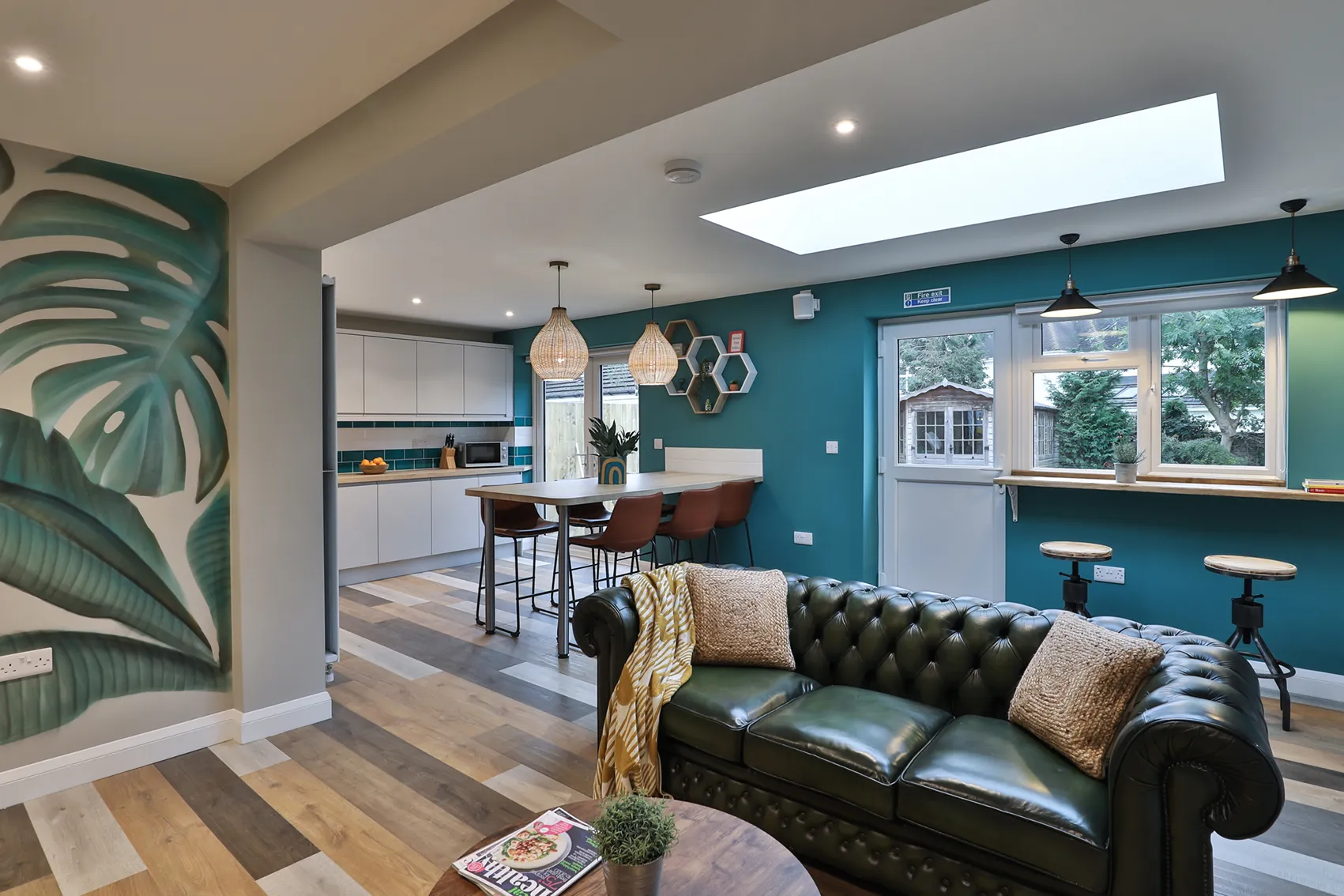
Category: Latest buzz

  • Relocating for Work: Why B-Hive Beats Standard Bicester Hotels

    Relocating for Work: Why B-Hive Beats Standard Bicester Hotels

    Relocating for Work: Why B-Hive Beats Standard Bicester Hotels

    If you’re moving for a new role in Oxford or Bicester, “just staying in a hotel” can feel convenient at first—until you factor in real life. You need space to work, somewhere to unwind properly after meetings, and routines that don’t collapse after a week. Bicester can be busy during the week, so having a base that supports your day-to-day matters more than you’d expect.

    This guide compares B-Hive with standard Bicester hotels for relocating professionals. You’ll get a practical, no-fluff breakdown of what to choose, when to book, and how to make the smoothest transition—so your first weeks feel steady, not stressful.

    Quick answer: is B-Hive better than a Bicester hotel for relocation?

    • Best overall for relocating professionals: B-Hive, if you want a work-friendly base with home comforts.
    • Best time to start planning: 2–4 weeks before your start date (or as soon as you know your move window).
    • Best for: remote workers, hybrid teams, and anyone who needs to reset their routine quickly.
    • Quick logistics: consider how long you’ll need temporary accommodation, then match it to your work routine (calls, quiet time, laundry, cooking needs).

    Takeaway: A hotel is built for short stays; relocation needs a base you can live out of.

    Hotels are designed for a night or two at a time. When you’re relocating for work, you’re usually there for weeks—building habits, getting paperwork in order, and fitting meetings into your day. That’s where B-Hive’s longer-stay approach tends to feel more natural.

    Corporate Housing Bicester

    More “living” and less “checking in and out”

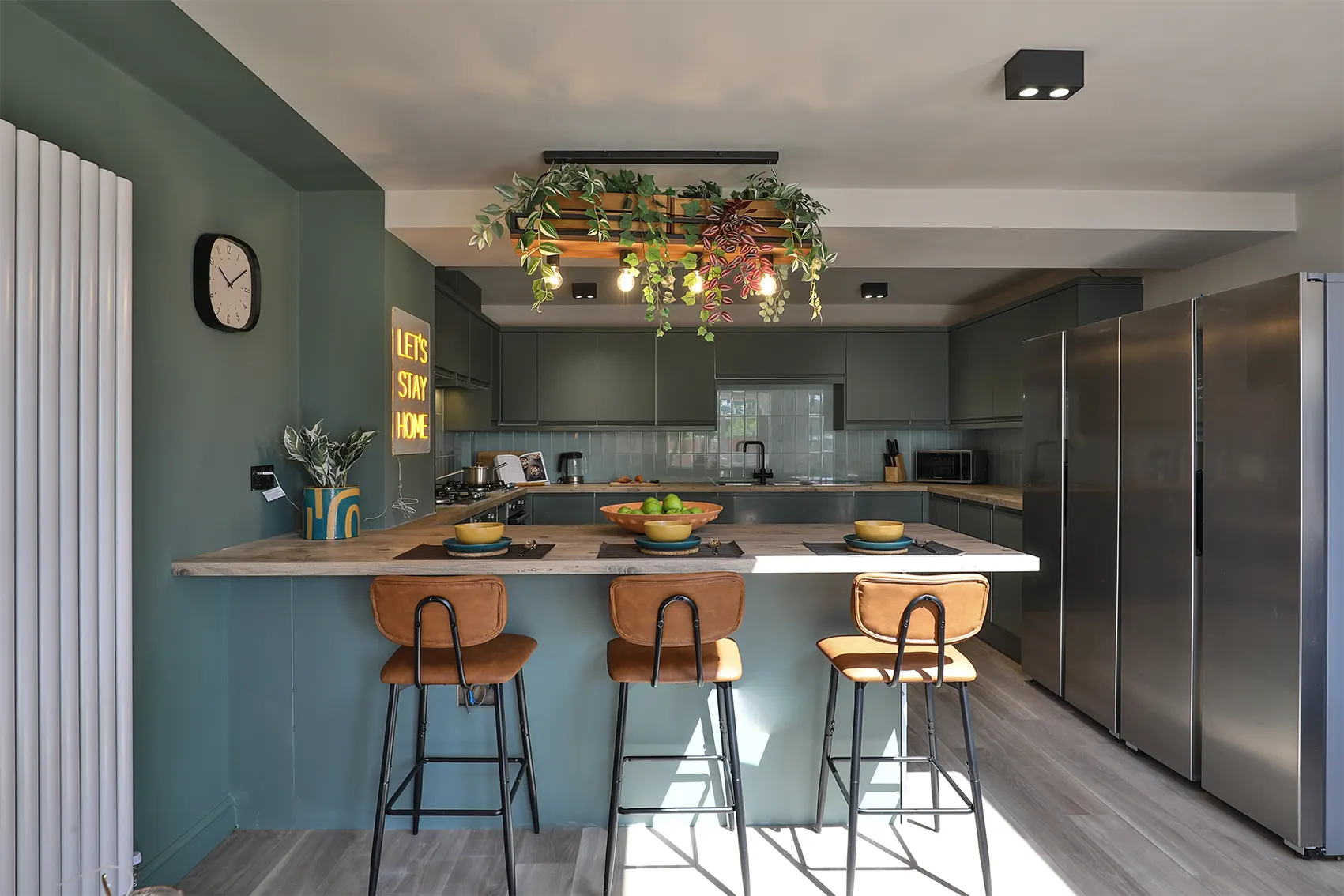
    With standard hotels, you’ll often repeat the same patterns—breakfast on the run, limited storage, and less flexibility around cooking or laundry. B-Hive is designed to support day-to-day routines, which is exactly what makes the first month easier.

    Insider tip: before you choose, list the non-negotiables you’ll need for work—quiet space for calls, a comfortable desk setup, and somewhere to keep essentials organised. The right accommodation will match that list, not just the location.

    Consistency helps your first weeks feel calmer

    Relocation is already a change: new commute, new neighbourhoods, new faces. A stable base reduces friction. When your accommodation supports your routines—sleep, meals, downtime—it’s easier to focus on settling into the role.

    Takeaway: Work-friendly comfort is the real differentiator when you’re relocating.

    If your job involves remote days, client calls, or deep-focus tasks, the accommodation setup becomes part of your productivity. Bicester hotels can be perfectly fine for travellers, but they rarely fit the rhythm of working from home.

    Desk time, meetings, and “quiet hours”

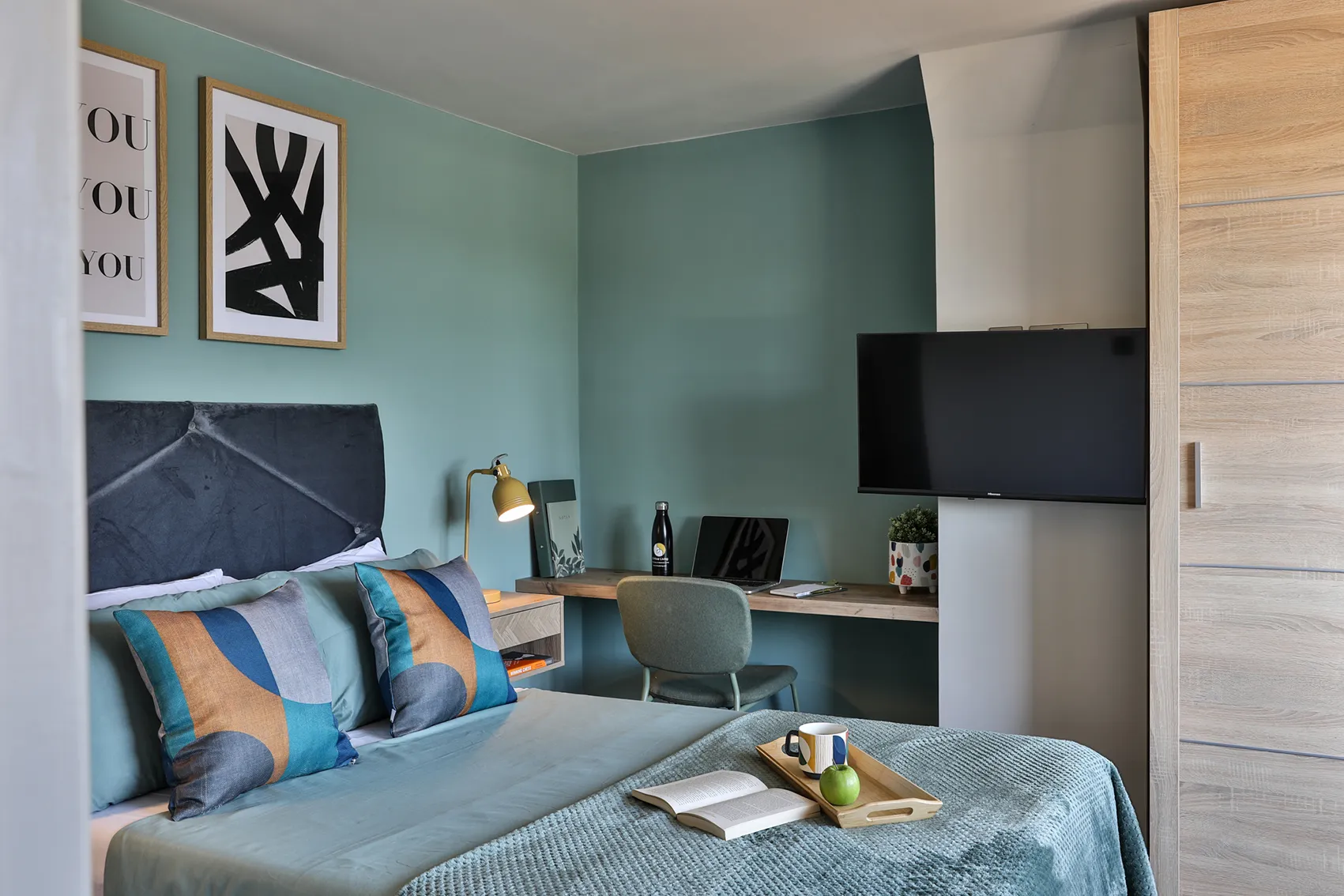
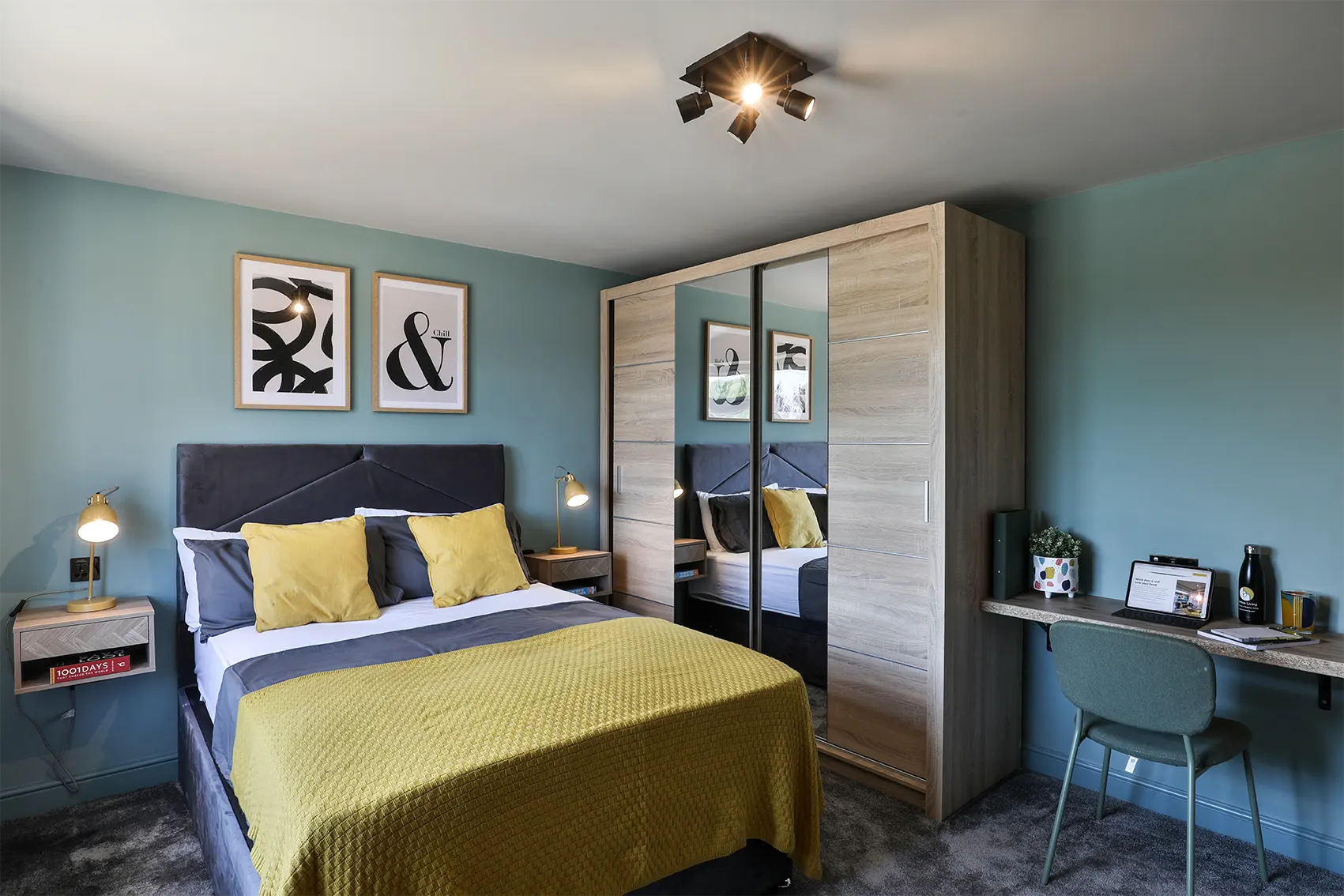
    Think about where you’ll actually work: lighting, chair comfort, noise levels, and whether you can concentrate without constantly adjusting your setup. A relocation-ready stay prioritises a calmer environment, so your workday feels smoother.

    Insider tip: do a 24-hour “real life” test on your future schedule. Include a morning call, an afternoon task, and an evening wind-down. If you can’t picture yourself doing that comfortably, it’s a sign to dig deeper.

    Meals that fit your routine (not just hotel schedules)

    Hotel breakfasts and takeaway convenience can be a lifesaver—but they can also get repetitive quickly and push your budget up if you’re there for long enough. Having the option to prepare meals (and store groceries properly) can make a noticeable difference.

    Common mistake to avoid: comparing only nightly rates. For longer stays, total cost includes eating out, travel to shops, and the time and effort of living on the go.

    Takeaway: Better logistics can save your energy—especially in Oxfordshire.

    Oxford and Bicester each have their own pace. During relocation, you’ll likely be doing admin, meeting people, shopping for essentials, and figuring out transport. Accommodation that reduces friction helps you get out of “move mode” faster.

    Getting settled around Bicester and Oxford

    Bicester is a practical base for Oxfordshire connections. A good temporary home should also make local errands easier—so you’re not spending weekends simply restocking basics.

    Insider tip: check how you’ll get groceries, laundry items, and office essentials within your first week. If that feels like a logistical headache, you’ll feel it more than you expect.

    Access to routines that support your week

    Relocation usually comes with a “moving checklist”: unpacking, setting up your work space, sorting out post, and getting to appointments. A longer-stay set-up makes those tasks feel normal instead of disruptive.

    Takeaway: Choose Bicester temporary accommodation by matching it to your work style.

    The best option isn’t just “cheapest” or “closest”. It’s the place that supports your specific workflow—especially if you’re hybrid or working from home part of the time.
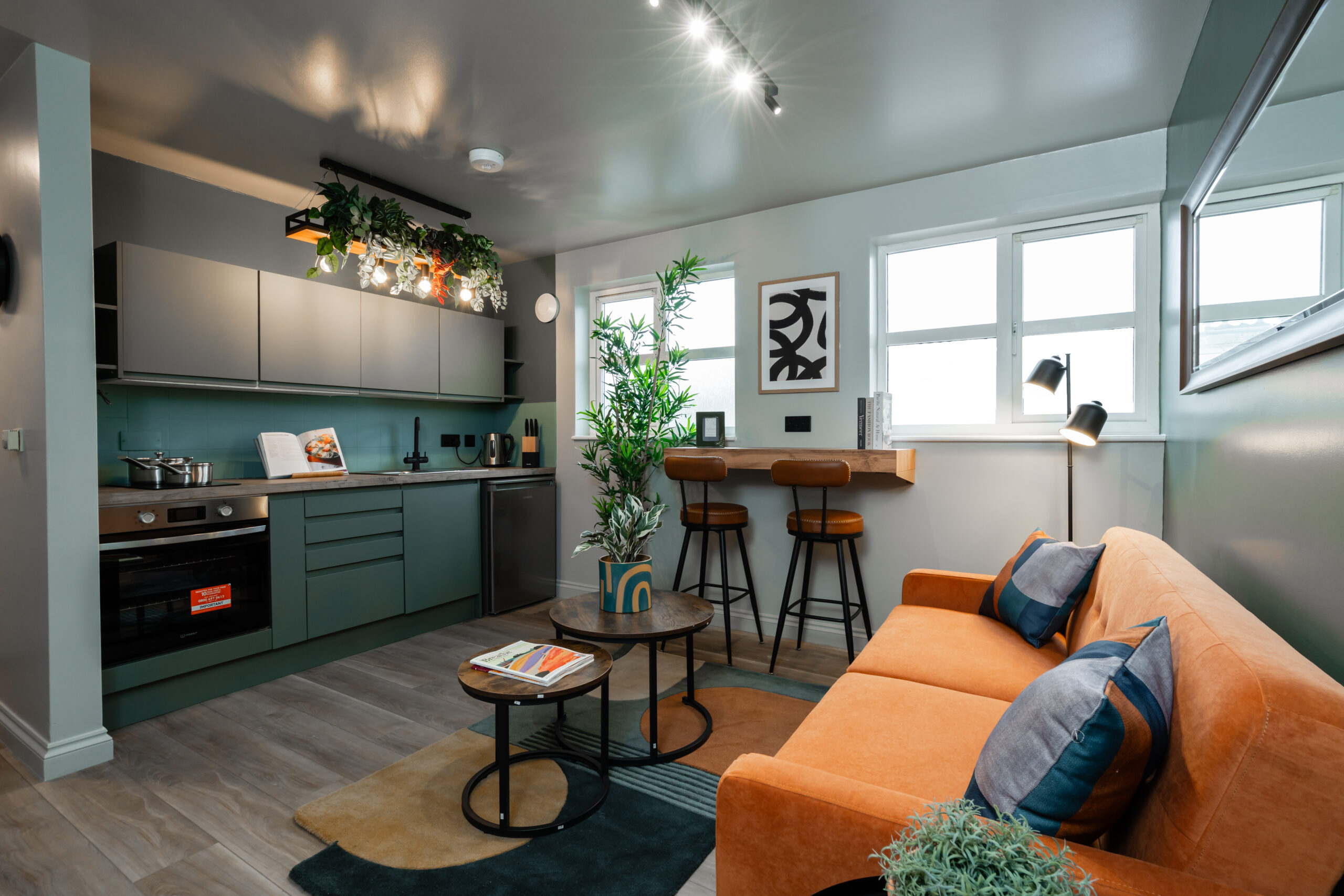
    Rooms for Couples for Rent

    How to choose (quick criteria)

    • Budget: compare total stay cost, not just nightly pricing.
    • Vibe: think calm vs. transient—will you be able to relax properly between workdays?
    • Timing: if you’re staying several weeks, prioritise storage, routine support, and practical comfort.
    • Transport: plan your commute and your local errands. Convenience reduces stress when you’re new to the area.
    • Work setup: consider calls, focus time, and how you’ll manage your day.

    Who B-Hive suits best

    B-Hive is a strong fit for young professionals and remote workers who want a reliable, relocation-friendly base in Oxfordshire—particularly if you’re moving with equipment, building a routine, and aiming for a smooth transition into a new job.

    At a glance: a relocation stay checklist

    • How long are you staying? Days vs weeks changes what “good” means.
    • What’s your work rhythm? Calls, focus time, hybrid days.
    • Do you need laundry support? If you’re unpacking and moving, think about clothing rotation.
    • Where will meals come from? Eating out constantly can add cost quickly.
    • Storage matters: can you unpack and keep essentials tidy?
    • Quiet and comfort: the ability to reset after a long day is underrated.

    Local logistics: making your move to Bicester smoother

    Relocating for work often means you’re balancing time pressure with a lot of admin. A few practical steps can help you get through the first week without losing momentum.

    Getting there

    When choosing temporary accommodation in Bicester, consider your likely routes to Oxford and to any workplaces you’ll visit in person. If you’re unsure, confirm your typical commute method (car, train, or a mix) and pick a base that makes that routine easy.

    Best times to book

    Availability for temporary stays can tighten around peak moving seasons and busy work periods. As a rule of thumb, start your search 2–4 weeks before your start date (or sooner if you’ve only just confirmed your move window).

    Booking notes (what to check)

    • Length of stay flexibility: can you extend if your permanent move takes longer?
    • Housekeeping expectations: what’s included, and how often?
    • Work-from-base reality: whether the space supports quiet time and comfort.
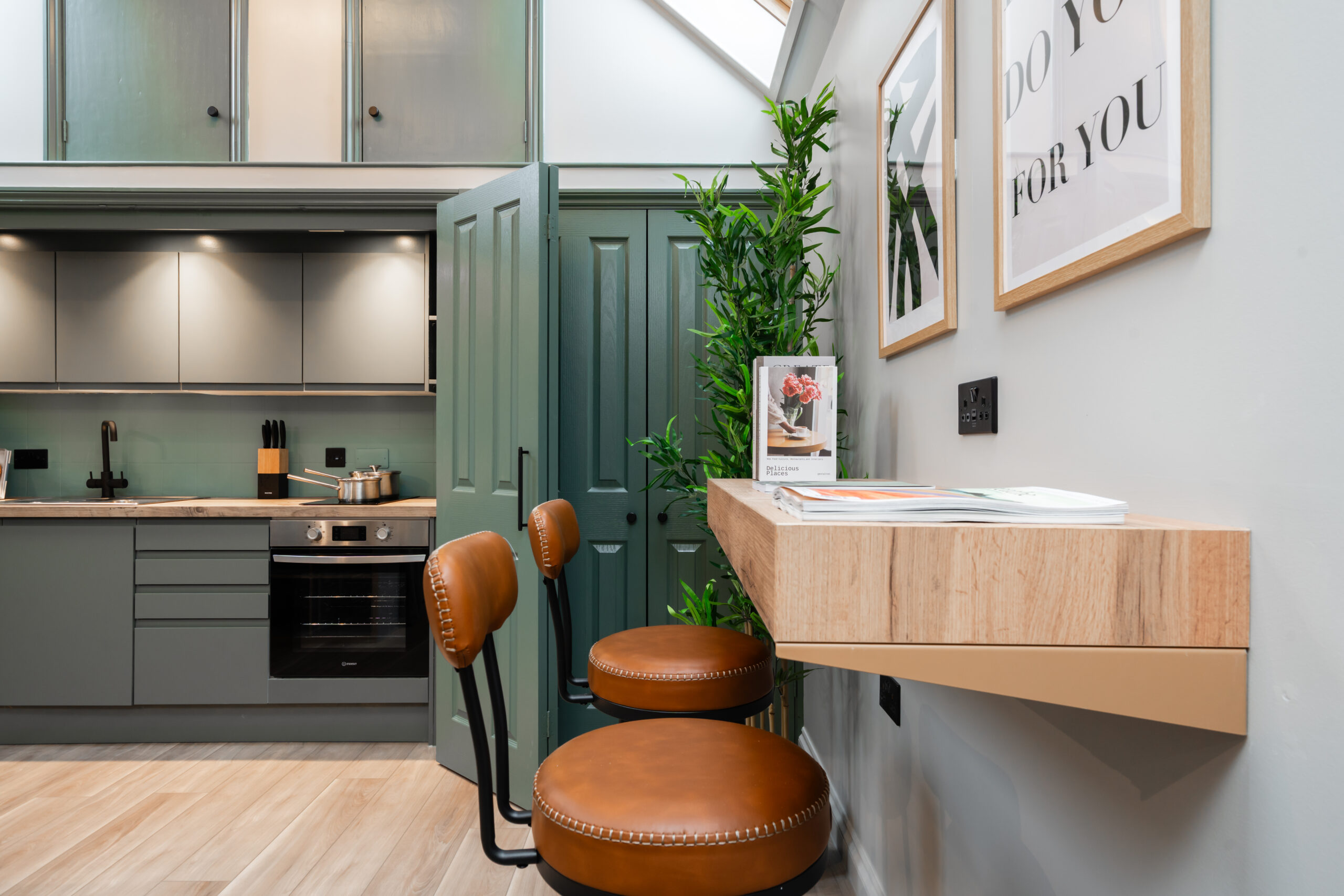
    Rooms for Couples for Rent

    Accessibility considerations

    If you have accessibility needs (mobility, step-free access, or other requirements), check the accommodation details directly before booking. If information isn’t clear online, it’s worth asking the provider to confirm what will work for you.

    Common questions when relocating to Bicester for work

    Tip: these are the questions most people only think about after they’ve committed—so it’s worth checking them now.

    Is B-Hive better than a standard Bicester hotel for a work relocation?

    For many relocating professionals, yes—especially if you need to work comfortably, maintain routines, and stay for more than a couple of nights. The advantage comes from “living-ready” comfort rather than short-stay hotel logistics.

    How long should I plan for temporary accommodation in Bicester?

    It depends on how quickly your permanent place is confirmed. Many people aim for a few weeks to allow time for viewings, paperwork, and setting up. If your timeline is unclear, prioritise flexible extension options.

    What’s the best area or base for working around Oxford and Bicester?

    Choose a base that fits your commute and your weekly errands. If your work schedule changes (hybrid days, visits to different sites), convenience and flexibility tend to matter more than “being right next to everything”.

    Will I be able to work from my temporary stay?

    That depends on the accommodation setup—particularly desk comfort, noise levels, and whether you have a space that supports calls and focused work. When you check options, imagine your real day (morning meetings, quiet focus, and evening wind-down).

    What should I avoid when booking relocation accommodation?

    A common mistake is comparing only the nightly cost and ignoring total cost and time impacts (meals, travel for essentials, and the hassle of living out of bags). Another is underestimating how much storage, routine support, and quiet space you’ll need once the novelty wears off.

    Relocating with confidence—so you can focus on work and life

    Moving to Oxfordshire for work shouldn’t feel like you’re always “between places”. B-Hive Living is built around the reality of staying somewhere for longer—helping you create routines, settle into your week, and feel more at home while you get established.

    Where you live temporarily matters. When your accommodation supports your workday and downtime, you’ll have more energy for building a life in Oxford or Bicester—one calm day at a time.

    Ready to make your move smoother? Apply to live with B-Hive and choose a relocation-ready base that supports how you actually work and live in Oxfordshire.
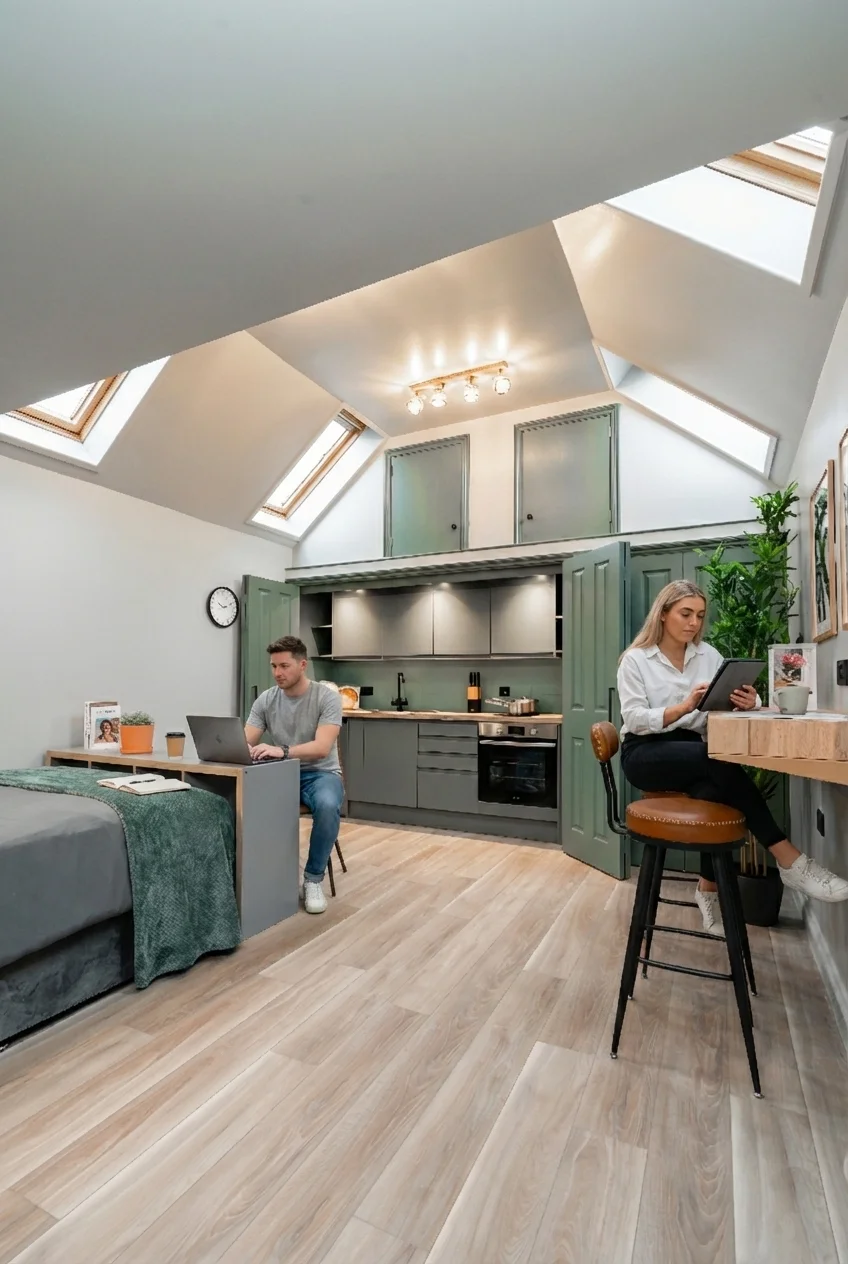
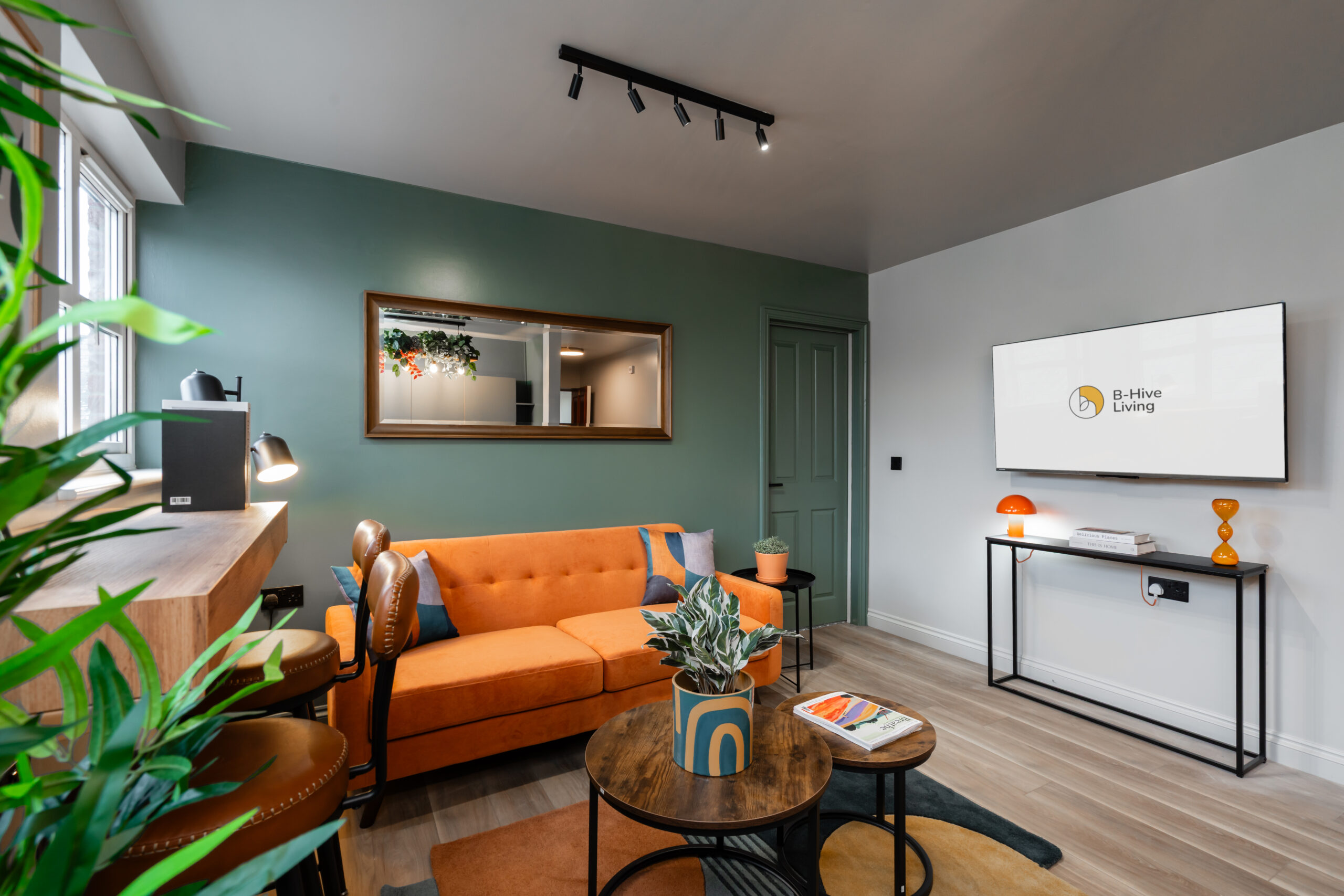
  • One Easy Monthly Bill: The Future of Bicester Rentals

    One Easy Monthly Bill: The Future of Bicester Rentals

    One Easy Monthly Bill: The Future of Bicester Rentals

    If you’re moving to Bicester for work (or settling in after a long commute pattern), bills can quietly steal your focus. Between rent, utilities, broadband, and the occasional admin headache, monthly costs stop feeling predictable. The good news: “one bill” living is becoming a more realistic option for renters—especially for remote workers who want fewer account logins and a clearer monthly budget.

    This guide breaks down what a single monthly bill usually covers, when it makes the most sense, and how to compare it properly—so you can choose a rental setup that’s genuinely simple, not just marketed that way.

    Quick answer: is “one easy monthly bill” worth it in Bicester?

    For many young professionals, a bundled monthly bill is about predictability and time saved—provided you check what’s included and how usage is handled.

    • Best options: Rentals that bundle rent + utilities + broadband (and sometimes council tax) into one monthly payment.
    • Best time to act: When you’re planning a move and want fewer things to set up on arrival.
    • Who it’s for: Remote workers, early-career professionals, and anyone who values budgeting consistency.
    • Quick logistics: Ask for an itemised breakdown and confirm how charges change during peak usage.

    What “one easy monthly bill” typically includes (and what to verify)

    The promise sounds straightforward, but the details matter—especially around utilities, broadband, and any pass-through costs.

    Common inclusions

    • Rent: Usually the baseline payment for your tenancy.
    • Utilities: Often gas/electric and sometimes water. In some setups, these may be estimated and then adjusted.
    • Broadband: Many “bundled” options include internet, which is a big win for remote workers.
    • TV/streaming: Sometimes offered, but it’s far less common than broadband.

    What may be excluded

    • Council tax: In many rental arrangements, council tax may still be separate—so check how it’s handled.
    • Household services: Things like phone contracts or premium streaming are typically on you.
    • Metered usage charges: If utilities are metered, you’ll want clarity on whether there’s a cap, an estimate, or a true-up.

    Why one-bill rentals are gaining traction in Bicester

    It’s not just about convenience—one-bill rentals align with how people work now and how they prefer to budget.

    Remote work changes what “home” needs

    When you’re online for meetings and deadlines, broadband reliability becomes non-negotiable. Bundling helps reduce the “set up and troubleshoot” phase and can remove the stress of managing separate providers.

    Insider tip: Before signing anything, ask how support works if broadband drops mid-call—who you contact and what response time you should expect (and get it in writing if possible).

    Predictable budgeting reduces monthly stress

    Instead of juggling multiple direct debits, a single payment can make your outgoings easier to forecast—particularly when you’re also paying for travel, childcare, or a new routine in Oxfordshire.

    Insider tip: Request a sample “typical month” estimate (or the last few statements, if available) so you’re not surprised by seasonal heating or usage spikes.

    Fewer admin tasks when you move

    One-bill living reduces the checklist: fewer accounts, fewer registrations, and fewer chances to miss a start date and end up with backdated charges.

    Insider tip: Confirm whether everything starts on your tenancy date (especially broadband activation) and how quickly any utilities will be live.

    How to choose a one-bill rental setup in Bicester (without getting caught out)

    Use a simple comparison framework: inclusion, usage rules, support, and exit terms.

    1) Budget clarity: look for an itemised breakdown

    You should be able to see what you’re paying for. If the bill is “one number”, ask for the components underneath.

    2) Usage handling: estimated vs metered vs capped

    • Estimated: You pay a fixed amount, then it may be reconciled later.
    • Metered: You may pay based on actual usage, sometimes with additional charges.
    • Capped: Your risk may be reduced if there’s a ceiling on certain costs.

    Common mistake to avoid: Signing without asking what happens in winter. Heating use can make “low-cost” assumptions inaccurate.

    3) Broadband quality and responsibility

    Check what service is provided (and whether it’s business-grade, shared, or subject to local constraints). Reliability matters more than headline speed.

    Common mistake to avoid: Focusing only on speed. Ask about outages, router specifics, and who handles faults.

    4) Support and escalation

    If something goes wrong—no hot water, broadband instability, or billing confusion—know your route to resolution. Faster support is often worth more than small discounts.

    5) Move-in and move-out terms

    Confirm what happens when you leave: are there final readings, is the bill settled, and will you receive any adjustment?

    Corporate Housing Bicester

    At a glance: a pre-move checklist for one easy monthly bill

    • Ask for an itemised inclusion list.
    • Check utilities usage method (estimated/metered/capped).
    • Confirm broadband activation date and fault contact.
    • Request an example of seasonal cost range if available.
    • Clarify council tax (included or separate).
    • Understand what happens at move-out (settlement/true-up).

    Local logistics: getting set up smoothly in Bicester

    A “one bill” setup still benefits from good timing. Plan your start date and confirm activation details before your first week.

    Getting there and timing your move

    If you’re balancing work and viewings, aim to schedule your handover so you’re not waiting for broadband activation or utility confirmation during your first productive days.

    Insider tip: If your role depends on stable internet, treat broadband readiness like a priority appointment—because it is.

    Best time to ask questions

    Use the viewing or pre-tenancy stage to ask direct “what if” questions: winter usage, service faults, and billing adjustments. Waiting until after move-in can make issues harder to resolve.

    Booking notes and accessibility

    Accessibility needs vary by property, so check arrangements in advance—especially if you require step-free access, parking considerations, or support with communications.

    Insider tip: Ask whether accessibility details can be shared early so you can plan your move with confidence.

    FAQs about one-bill rentals in Bicester

    Here are the questions most renters ask when they’re comparing a single monthly bill against separate payments.

    What does one easy monthly bill cover in Bicester rentals?

    It depends on the specific rental, but it often includes rent, utilities (such as electricity and gas), and sometimes broadband. You should ask for an itemised breakdown to confirm what’s included and whether any costs are estimated or metered.

    Is the one-bill price fixed every month?

    Many setups aim for predictable monthly payments, but utilities may still be estimated and then adjusted later if usage differs. Confirm whether there’s a true-up and how it’s calculated.

    How do they handle broadband issues?

    Typically, you’ll have a clear support route (who to contact and what to expect). Ask who manages faults and whether there’s an agreed response process.

    Will council tax be included?

    Sometimes it is, but often it’s separate. You’ll need to verify how council tax is handled for the specific property and tenancy arrangement.

    Are one-bill rentals better for remote workers?

    Often, yes—because broadband and service management are frequently bundled, which reduces admin and can make it easier to resolve issues quickly. Still, reliability and support terms matter most.

    What should I do before I sign?

    Request an itemised cost breakdown, confirm usage rules for utilities, check broadband activation and fault handling, and understand the move-out settlement process.

    The future of Bicester rentals: simpler, clearer, more liveable

    One easy monthly bill is trending because it matches how people want to live and work now: predictable costs, less admin, and fewer “who do I call?” moments. If you choose carefully—especially around utilities usage and broadband support—you can turn moving into something that feels manageable from day one.

    At B-Hive Living, the goal is to help you settle into Oxfordshire with less friction and more energy for your real routine—work, social life, and community.

    Ready to make your move simpler? If you’re considering a rental in Bicester and want a more organised way to budget and live, explore B-Hive Living and consider applying. We’ll help you find the right setup for how you work and how you want your home to feel.

  • Maximum Flexibility: Why Professionals Rent Studio 1 Bedroom Spaces at B-Hive

    Maximum Flexibility: Why Professionals Rent Studio 1 Bedroom Spaces at B-Hive

    Maximum Flexibility: Why Professionals Rent Studio 1 Bedroom Spaces at B-Hive

    For many Oxford and Bicester professionals, the move is never quite straightforward. You might be juggling a new role, a hybrid schedule, or an ongoing job hunt, while still wanting a home that feels settled from day one. That’s where studio and 1-bedroom flexibility really matters—because it supports your day-to-day without locking you into a long, heavy lifestyle change. In this guide, we’ll break down what makes studio and 1-bedroom living so practical, who it suits best, and how to choose the right fit for your routine, space needs, and transport links.

    Quick answer: the fastest way to decide

    • Best option for flexibility: a studio if you prioritise simplicity and less housekeeping; a 1-bedroom if you need a clear work/rest split.
    • Best time to move: typically when your work calendar is stable (often after major onboarding weeks). If you can, tour before committing.
    • Best for: remote workers, early-career professionals, and anyone relocating for a role in Oxford/Bicester.
    • Quick logistics: check availability, confirm what’s included, and clarify move-in timing plus any guest/parking arrangements.

    Takeaway: Studio and 1-bedroom layouts reduce friction when life is changing

    When your schedule shifts—new commute patterns, hybrid working days, or weekend social plans—your home needs to adapt with you. Studio and 1-bedroom spaces are designed to balance comfort and practicality, helping you settle quickly without the overhead of extra rooms.

    Why studios work for modern routines

    Studios are often ideal when you want everything close: your living area becomes your dining space, your sleep space stays streamlined, and your day flows without constant re-setup. They suit busy weeks and short-notice plans because the space is easy to maintain.

    • Why it’s worth it: less cleaning and less “stuff” means more time back for work, gym sessions, and nights out in Oxford.
    • Insider tip: if you’ll work from home often, plan your desk position near natural light (where available) and keep cables tucked away to avoid visual clutter.

    Why 1-bedrooms suit professionals who need a work/rest split

    If your job requires focus calls, deep work, or a dedicated desk setup, a 1-bedroom can give you a more natural separation between “work mode” and “home mode”. That boundary helps when your working hours expand into evenings or weekends.

    • Why it’s worth it: separate rooms (even in a compact footprint) can make routines easier—especially for remote days.
    • Insider tip: choose a layout that lets you keep work items out of sight when you’re done—use storage where possible to maintain that reset.

    Takeaway: Flexibility is about more than the room—it’s about the pace of your life

    Professionals rent studio and 1-bedroom spaces because they often support change: a new job start date, a move between projects, or a temporary stay that could become longer. The goal is to create stability without feeling trapped.

    How to choose: match the space to your “days at home” pattern

    Use these criteria to make the decision feel obvious:

    • Budget: decide what you can comfortably pay now, not what you hope you’ll afford later.
    • Vibe: studio living tends to feel cozier and more integrated; 1-bedroom living feels more structured.
    • Timing: if you’re moving for a role with a tight start date, prioritise a smooth move-in timeline.
    • Transport: consider how often you’ll commute versus staying local on evenings and weekends.
    • Work setup: think about whether you need uninterrupted focus, or if a flexible desk setup works.

    At a glance: your studio vs 1-bedroom checklist

    • Do you want a separate “work zone”? If yes, lean 1-bedroom.
    • Do you prefer minimal upkeep and simpler storage? If yes, lean studio.
    • Will you host friends? If yes, check how you’ll arrange seating and dining.
    • Do you need a quiet place for calls? If you do, choose the layout that best supports privacy.
    • How often will you stay in for evenings? More time at home usually favours a 1-bedroom.

    Takeaway: Practical benefits matter most when you’re balancing work and life

    For young professionals and remote workers, the “best home” is the one that makes everyday tasks easier. That’s why compact layouts can feel surprisingly effective.

    Remote work needs: light, layout, and setup

    Whether you’re in Oxford or commuting from Bicester, remote work is often a blend of meetings and focused tasks. A good layout reduces friction—so your home supports your productivity without becoming a second job.

    • Insider tip: bring or plan for the basics you’ll use daily (a comfortable chair, a proper monitor setup if needed) before you worry about decorative extras.
    • Common mistake to avoid: choosing a space based only on photos, then realising later that your desk setup doesn’t fit comfortably.

    Moving life: packing, storage, and settling quickly

    Studio and 1-bedroom spaces tend to be more forgiving when you’re new to the area or upgrading/downgrading your belongings. They help you avoid overcommitting to storage-heavy living.

    • Insider tip: do a “realistic week” audit—list what you use daily and store the rest later if you still need it.
    • Common mistake to avoid: bringing large furniture early that won’t suit the layout; measure first and buy only when you’ve tested the space.

    Local logistics for Oxford & Bicester professionals

    This section is written to help you plan like a local. Exact details (like specific transport times and building-specific access arrangements) can vary, so it’s worth double-checking with the property before you commit.

    Getting there: plan your route for both workdays and evenings

    If you’re commuting during the week and staying local at weekends, you’ll feel the difference in how easy it is to move around. Prioritise routes that reduce stress—especially on days when your schedule changes at short notice.

    Best times to view and decide

    Try to tour when you can imagine your day: around late morning/early afternoon for light and layout, and if possible, during the evening to sense the atmosphere.

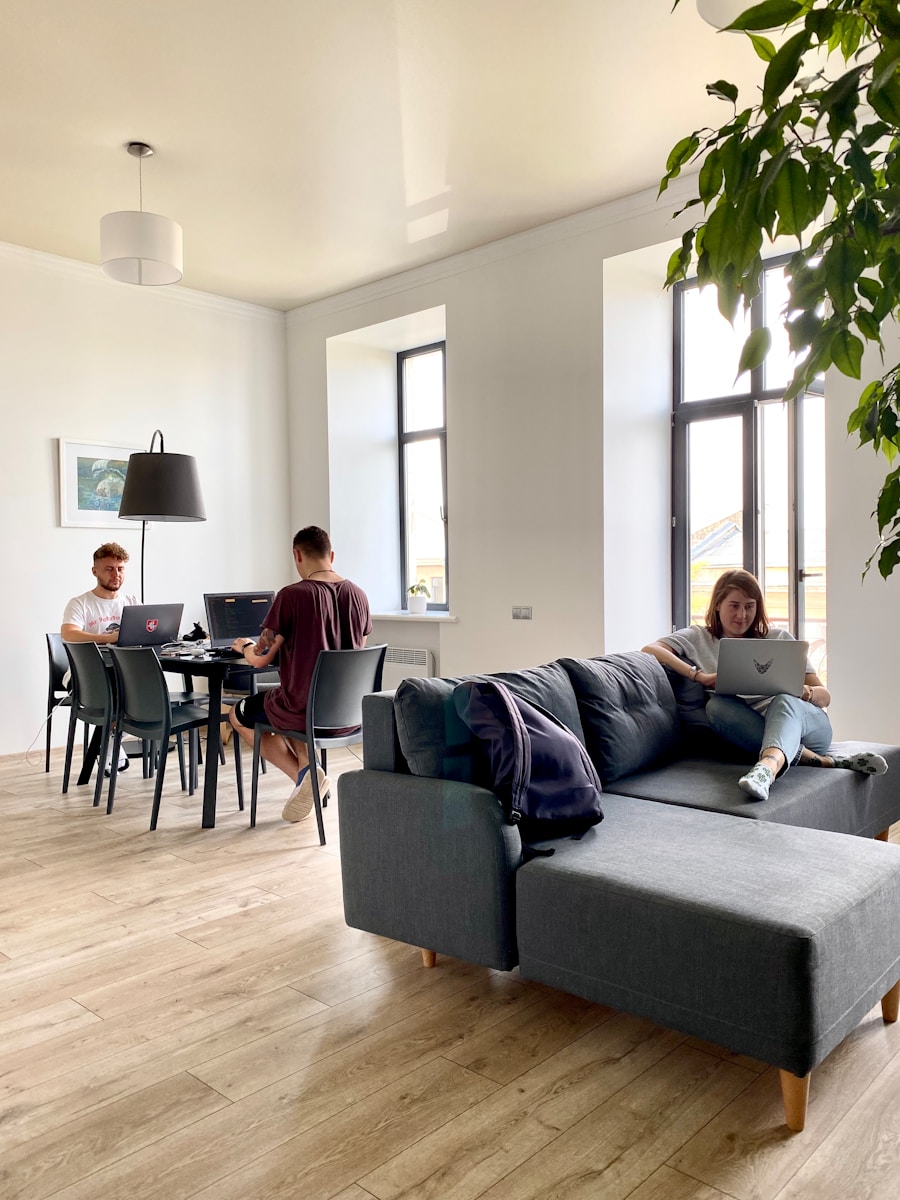
    man in blue long sleeve shirt sitting on gray couch

    Booking notes: what to clarify early

    Before signing anything, confirm:

    • what’s included (and what isn’t) in the space
    • move-in timing and any handover process
    • how guests, deliveries, or parking work if relevant to your routine

    Accessibility and practical considerations

    If you have mobility needs, it’s best to ask about step-free access, lift availability, and any other day-to-day access considerations during your enquiry—don’t assume.

    FAQs

    Is a studio or 1-bedroom better for remote workers?

    If you want a simple setup and minimal upkeep, a studio can work brilliantly. If you need a clearer separation between work and rest—especially for calls or focused tasks—a 1-bedroom is often the better fit. Consider your daily routine rather than just your preferences.

    How do I choose between studio vs 1 bedroom spaces at B-Hive?

    Start with your work-from-home needs, then your storage habits and how you spend evenings. Use the checklist above and confirm what’s included and how the move-in timeline works before you commit.

    What’s the main advantage of maximum flexibility for professionals?

    Maximum flexibility helps you adapt as your job, schedule, or plans change—without turning your home into a major project. A well-suited studio or 1-bedroom supports your routine with less overhead.

    Will a studio feel cramped if I work from home?

    It doesn’t have to—many people manage a comfortable work setup with the right desk placement and tidy cable management. The key is choosing a layout that genuinely fits your daily essentials.

    What common mistakes should I avoid when renting a compact space?

    Avoid choosing based only on photos, and avoid bringing bulky furniture before you’ve checked the layout. If you can, test how you’ll place your desk, and plan storage for daily items from day one.

    Wrapping up: flexible living that still feels like home

    Studio and 1-bedroom rentals can be a smart match for young professionals and remote workers who want stability without losing momentum. When your home supports your routine—work days, downtime, and the occasional last-minute plan—it becomes easier to settle in Oxford or Bicester and feel at home sooner. At B-Hive Living, the aim is simple: help you live well with less hassle, more clarity, and a community mindset.

    Ready to make your next move? If you’d like to live in a space that supports your day-to-day and your next chapter, apply to live with B-Hive. We’ll help you find the right fit—so you can focus on your work, your life, and being comfortably settled in the right place.

  • A Better Base for Business: Alternatives to Hotels in Bicester Oxfordshire

    A Better Base for Business: Alternatives to Hotels in Bicester Oxfordshire

    A Better Base for Business: Alternatives to Hotels in Bicester Oxfordshire

    If you’re heading to Bicester for work, the usual hotel routine can feel a bit… one-size-fits-all. Maybe you need a proper work area, a kitchen for quick breakfasts, or space to unwind after back-to-back meetings. The good news: you can build a more comfortable “work base” without sacrificing location or convenience. In this guide, we’ll compare practical alternatives to hotels in Bicester and nearby Oxfordshire—so you can pick the option that fits your budget, schedule, and working style. By the end, you’ll have a clear short-list and a simple checklist to book confidently.

    Quick answer: what to choose instead of a hotel in Bicester

    • Best overall for flexibility: serviced apartments (space, kitchen, longer-stay comfort).
    • Best for short trips: corporate-friendly apartments or stays with self check-in (easy arrivals).
    • Best for longer work blocks: month-to-month rental-style stays (more value and less moving around).
    • Best time to book: aim for 2–4 weeks ahead for weekdays, especially around busy Oxfordshire events.
    • Who it’s for: consultants, remote workers, project teams, and anyone balancing work with evenings at home.

    Serviced apartments: the “hotel feel” with home comforts

    Serviced apartments are often the closest alternative to a hotel, but with extra space and day-to-day practicality.

    Why they work well for business

    • Separate work + living zones: better for calls, laptops, and focus time.
    • Kitchen access: saves money on takeaways and helps you eat on schedule.
    • More personal routines: laundry and longer stays are usually easier than standard hotels.

    Insider tip

    Before booking, ask whether the Wi-Fi is suitable for video calls and whether there’s a dedicated desk or proper table for working. It sounds obvious, but it’s the difference between “I can work” and “I can actually work”.

    Common mistake to avoid

    Don’t assume “serviced” means “daily cleaning”. Check the cleaning frequency and what’s included, especially for stays over a week.

    Self-catering corporate apartments: flexible and often better value

    If you prefer independence, corporate apartments can be a calmer, more custom base than hotels.

    What to look for

    • Work-ready setup: desk space, good lighting, and power sockets within easy reach.
    • Transport fit: how quickly you can reach your meetings (and where you’ll park, if needed).
    • Practical arrival: self check-in can save time after travel.

    Insider tip

    When you receive the address, check the street parking situation and typical peak times for Bicester. If you’re arriving late or have early meetings, the best “deal” can become inconvenient fast.

    Common mistake to avoid

    Avoid choosing purely on photos. Look for signals of a workable layout: a real table/desk, not just a small dining surface.

    rooms to rent in oxford

    Short-stay rentals (including longer-than-hotel stays)

    For multi-week projects, a rental-style stay can reduce disruption and help you settle.

    How this helps busy professionals

    • Stable base: fewer check-ins/check-outs and a consistent routine.
    • More room for visiting colleagues: depending on the property type, you may be able to host or coordinate more easily.
    • Better for meal prep: saves time and cost during busy weeks.

    How to choose (budget and timing)

    • Budget: compare total cost including cleaning fees, parking, and any service charges.
    • Timing: longer stays often bring better value—confirm the minimum night requirements.
    • Transport: check the commute time in both directions (morning can be different from evening).

    Coliving or community-style stays: for remote work with company

    If you’re remote (or partly remote), coliving can add structure and social energy without the formality of hotels.

    Who it suits

    • Remote workers who want a reliable routine.
    • People travelling in solo who still want community.
    • Professionals who like shared spaces for focus or informal networking.

    Insider tip

    Before you commit, ask about quiet hours and how shared spaces are managed on weekdays—especially if you have calls. A community can feel ideal, or disruptive, depending on the day-to-day rules.

    Common mistake to avoid

    Don’t ignore your own working patterns. If your job needs uninterrupted focus, prioritise private work space over “lively communal areas”.

    Serviced offices and “work day” alternatives (when your main need is space)

    Sometimes the base is fine, but you need proper working space—serviced offices or coworking can fill that gap.

    How this can work alongside a stay

    • Stay at a short-let base in Bicester and work elsewhere for meetings or deep focus.
    • Use meeting rooms for client calls so you’re not negotiating noise at home.

    How to choose (vibe and transport)

    • Vibe: choose calm if you take lots of calls; choose collaborative if you’re networking.
    • Transport: pick a location that matches your travel route to/from Oxfordshire meetings.

    At a glance: a mini itinerary checklist for booking

    • Confirm your travel window: arrival/departure times and how you’ll get around.
    • Check work basics: desk, chair comfort, lighting, and Wi-Fi suitability for video calls.
    • Plan meals: do you need a kitchen for breakfast or to store supplies?
    • Budget the “extras”: parking, cleaning, service charges, and any local fees.
    • Think about quiet: noise levels matter more than you think for early calls.

    Local logistics: getting to and from Bicester for work

    A good base is only half the story—your commute and arrival plan can make or break the trip.

    Getting there

    • By rail: check your nearest station options and typical walking/transit times to your base.
    • By car: allow extra time for parking and peak traffic periods around Oxfordshire routes.

    Tip: if you’re unsure about exact journey times, use a live route planner on the day you book (times can vary by day and time).

    Best times to visit for smoother bookings

    • Weekdays can be more in-demand for business stays—booking earlier gives more choice.
    • If your schedule is flexible, mid-week arrivals often feel smoother than Monday rushes.

    Booking notes to check

    • Wi-Fi reliability (especially for calls and uploads).
    • Check-in process (self check-in vs. reception hours).
    • Cancellation terms (useful if meetings shift).

    Accessibility considerations

    If you need step-free access, lifts, or specific facilities, confirm details before booking. Many properties list accessibility features, but they can vary significantly between buildings.

    FAQs about alternatives to hotels in Bicester, Oxfordshire

    Here are direct answers to common questions when you’re looking for a better business base.

    What are the best alternatives to hotels in Bicester for business trips?

    For most business travellers, serviced apartments and corporate short-stays tend to offer the best mix of comfort and practicality: space to work, kitchen access, and a more settled routine than a typical hotel stay. If your priority is pure working space, pair a short-let base with a coworking or serviced office option.

    Are serviced apartments in Bicester good for longer stays?

    They often are, because they’re designed for day-to-day living rather than just overnight stays. When comparing options, check minimum stay requirements, what “servicing” includes, and how utilities and cleaning are handled.

    How can I tell if a rental will suit my work setup?

    Look for practical clues: a real desk/table, good lighting, enough power sockets, and reliable Wi-Fi. If possible, message the host or provider with questions about video-call reliability and work-friendly layout.

    Is self check-in common for business stays?

    It can be. Self check-in is particularly helpful if you’re arriving outside typical reception hours. Always confirm the process in writing before travel.

    What should I compare when budgeting versus a hotel?

    Don’t just compare nightly rates. Factor in cleaning/service charges, parking, Wi-Fi, and whether meals are easier with a kitchen. For multi-week trips, longer-stay value can be a real advantage if terms are flexible.

    Any tips for choosing the right neighbourhood in Oxfordshire?

    Base your choice on your commute and meeting locations, not just the property listing. Consider how you’ll get around at the times you’ll travel most (morning and evening can differ), and check parking if you’ll drive.

    Putting down roots (even temporarily) in Oxfordshire

    When you’re working in Bicester, the goal isn’t just “somewhere to sleep”—it’s a base that keeps your day flowing: space to focus, somewhere to recharge, and an easy rhythm when evenings matter. That’s why people doing hybrid work or repeat trips often prefer apartment-style living over a traditional hotel setup. Living well locally means you can arrive, work, and reset without feeling like you’re constantly on the move.

    Want a business-friendly place to call home in Oxfordshire? Explore applying to live with B-Hive Living—a community built for comfort, routine, and the kind of support that makes working away from home feel steadier. If you tell us your timing and needs, we’ll point you towards the best fit.

  • Community Socials and Evenings Out for Couples in Bicester

    Community Socials and Evenings Out for Couples in Bicester

    Finding things to do as a couple in a new place can feel surprisingly tricky. You want something that’s easy to plan, relaxed enough to actually enjoy, and social without being loud or awkward. The good news: Bicester is packed with community energy, local venues, and regular get-togethers that make it simple to build routines—whether you’re balancing work days, remote schedules, or early starts in Oxford.

    This guide helps you pick the right kind of community socials and evenings out for couples in Bicester. You’ll find quick options, what to expect, when to go, and how to choose based on your vibe—so your next evening feels effortless.

    Quick-answer: best ways to plan couple socials in Bicester

    • Best options overall: community events (church/community halls, local talks), open-mic or quiz nights (if you enjoy conversation), and casual date nights at relaxed venues.
    • Best time to go: weeknights for quizzes/talks (quieter), and weekends for longer “start-to-finish” plans.
    • Best for: couples who want something social but not overly formal—especially if you’re new to town.
    • Quick logistics: check event pages for timings, book ahead for popular nights, and aim to arrive 10–15 minutes early to settle in.

    Choose your evening: social-first, date-first, or activity-first

    The easiest couples plans start with your goal for the night—whether that’s meeting people, switching off together, or trying something new.

    Social-first nights (meet people without the pressure)

    Look for community-led events where conversation is built in—talks, workshops, charity evenings, and local group meet-ups. These are ideal if one of you is more confident than the other, because you can ease in at a comfortable pace.

    • Why it’s worth it: you’re likely to see familiar faces over time, which helps conversations feel natural.
    • Insider tip: go as a pair even if it’s a “group” event—many couples find it easier to talk to others after you’ve both arrived together.

    A happy couple is taking a selfie at night, with the man laughing and the woman smiling warmly.

    Date-first evenings (fun, low-stress, and easy to repeat)

    If you want something you can schedule around work, choose venues with a consistent evening rhythm: casual dining, screenings, or relaxed live music where you can still hear each other.

    • Why it’s worth it: repeatable plans reduce planning fatigue.
    • Insider tip: pick a “buffer” plan—book a table first, then add a short activity afterwards (dessert, a walk, or a quick browse at shops) so the night flows even if you’re tired.

    Activity-first plans (bonding through something shared)

    Work your way towards a shared goal: a class, a tasting, an arts session, or a themed night. These suit couples who like doing something together rather than just talking.

    • Why it’s worth it: you’ll always have something to discuss afterwards (what you enjoyed, what you’d try again).
    • Insider tip: choose an activity that lasts long enough to feel like a date (not just a quick event), especially if you’re both commuting or working remotely.

    Local staples for couples: what to look for in Bicester

    Because event schedules change, the best approach is to target the categories that reliably turn into good couple evenings.

    1) Community talks, workshops, and volunteer-led evenings

    These are often calmer than big social events, and they’re a great fit for couples who want connection without crowds. Keep an eye on local community pages and noticeboards near community spaces.

    • Common mistake to avoid: waiting for a perfect “date-night theme”. A practical talk/workshop can be just as satisfying—especially if you both enjoy learning.

    2) Quiz nights and games evenings

    If you and your partner like friendly competition, quizzes can be a surprisingly good way to meet other locals—especially when you sit together and share answers.

    • Insider tip: check whether teams are pre-booked or walk-in—then decide based on your comfort level.
    • Common mistake to avoid: overcommitting. If you’re tired after work, aim for a shorter plan and keep it to one main event.

    3) Local performances and live music (for couples who like an atmosphere)

    Live evenings can be romantic, but only if you choose the right sound level and seating. If conversation matters, look for laid-back venues or earlier showtimes.

    • Insider tip: choose an earlier session if you want an easier way to chat afterwards—late ones can feel rushed.

    4) Relaxed dining + a “second stop” idea

    A simple formula works: dinner or a drink, then a second stop that’s low effort. Think: dessert, a gentle walk, or a short browse before heading home.

    • Why it’s worth it: it keeps the night from feeling like a single stop that ends abruptly.
    • Insider tip: agree on a small budget cap for the second stop so you’re not negotiating mid-evening.

    At a glance: a couple’s mini itinerary you can copy

    • 6:30–7:15pm: casual dinner or a quick pre-event drink (aim for somewhere you’ve been before if you’re nervous).
    • 7:30–8:45pm: community talk/workshop OR quiz/games night.
    • 8:45–9:30pm: short second stop (dessert, a calm walk, or a final drink).
    • 9:30–10:00pm: debrief chat on the journey home—what worked, what you’d repeat.

    How to choose the right social for you (budget, vibe, timing, transport)

    The best couple evening isn’t the “most popular”—it’s the one that fits your rhythm and comfort level.

    Budget that doesn’t steal your evening

    Decide early whether you’re paying for tickets, a meal, or both. If it’s a ticketed event, consider keeping dinner simple so you don’t overspend.

    Vibe check: loud vs chatty

    If you want conversation, prioritise events with seating or structured time for talking. For lively atmospheres, choose earlier showtimes or plan to arrive together and settle in.

    Timing: workdays vs weekend flow

    • Weeknights: often best for quizzes, talks, and shorter workshops.
    • Weekends: better if you want a longer plan with more breathing room.

    Transport and accessibility

    Choose based on how you’ll get home comfortably. If you’re driving, consider parking time and whether the event ends at a predictable hour. If you’re using public transport, check how late services run and whether you’ll need a calmer second stop nearby.

    Local logistics: getting there, booking notes, and practical timing

    This is the part that makes the evening feel smooth—especially when you’re balancing a busy week.

    Getting there in Bicester

    For most local events, arrive with enough buffer for parking/traffic, particularly on evenings. If you’re travelling from nearby Oxford/rail links, build in time for connections so you’re not rushing.

    Booking notes (when to reserve)

    • Book ahead: for ticketed events, limited-capacity workshops, or popular quiz nights.
    • Walk-in is fine: for casual community socials where the venue typically accommodates arrivals (still check the event page).

    Accessibility and comfort

    If accessibility matters, look for venue details on the event listing—especially step-free access and seating options. When in doubt, message the organiser to ask about entry arrangements.

    Insider tips that make couples socials easier (and better)

    • Tip 1: Choose one “low-effort” night per month. It prevents decision fatigue—pick a quiz or simple community event, then keep the rest of the night light.
    • Tip 2: Make a “micro-conversation plan”. Decide on two topics you can share quickly (a new hobby, something you’re watching/reading, your next weekend). It stops awkward pauses.
    • Tip 3: Rotate who leads the plan. One person picks the event category, the other picks the venue/food. It keeps it fair and builds anticipation.
    • Tip 4: Arrive together, then explore separately for 10 minutes. If it’s a room with mingling, spend a short time checking the layout and then return to each other—less overwhelm, more control.

    Brunch Spots in Oxford

    Common mistakes to avoid

    • Thinking you have to “meet loads of people”. If the goal is connection, conversation with one or two new people is already a win.
    • Over-planning a full evening when you’re tired. If you’re both busy, a single well-chosen plan beats a rushed schedule.

    FAQs

    What are good community socials for couples in Bicester?

    Look for community-led talks, workshops, volunteer activities, and quiz/games nights—these tend to be naturally social without demanding you “perform”. Always check the latest event listings for dates and accessibility details.

    How do we find events that suit a quieter vibe?

    Choose events with seated formats (talks, screenings, structured workshops) and earlier start times. If you’re unsure, read the event description carefully and look for notes on noise levels or seating arrangements.

    Are quiz nights a good option for new couples to Bicester?

    Yes—particularly if you go as a team and take a friendly approach. Quizzes also create shared focus, so you don’t have to “keep the conversation going” from scratch.

    What’s the best time for evenings out during the week?

    Weeknights are often easiest when the plan isn’t too late. Consider weeknight events that end before the late rush, especially if you have early commitments or want an easy second stop afterwards.

    How should we plan transport for an evening event?

    Check end times and how you’ll get home comfortably. If you’re driving, factor in parking; if you’re using public transport, check whether services run late enough or if you’ll need a nearby, calmer finish.

    Soft close: build a couple rhythm in Oxfordshire

    Good evenings out are the ones that fit your real life—work schedules, remote routines, and those “we just want to enjoy each other” moments. By choosing community socials and couples-friendly activities in Bicester, you’ll start recognising faces, building local familiarity, and turning casual plans into a rhythm. That’s where living well happens: in small routines, shared time, and a sense of belonging that grows over months, not just nights.

    Want to be part of a community while you settle in? If you and your partner are looking for a home base in Bicester (with a friendly, lived-in feel), you can apply to live with B-Hive. It’s one more way to make Oxfordshire feel like yours—steadily, together.

  • The Studio Upgrade: A Better Alternative to Finding a Room for Rent for Couples

    The Studio Upgrade: A Better Alternative to Finding a Room for Rent for Couples

    The Studio Upgrade: A Better Alternative to Finding a Room for Rent for Couples

    Looking for a home in Oxford or Bicester as a couple can feel oddly exhausting. You’re balancing budgets, commuting, and the practicalities of sharing space—while still wanting somewhere that feels like yours. If you’ve been scanning listings for a “room for rent” (and finding compromises around privacy, storage, or guest rules), a studio can be a calmer route. In this guide, we’ll help you compare the options, spot when a studio really is the upgrade, and plan your move with the right expectations—so you spend less time searching and more time actually living well.

    • Best options: a self-contained studio, or a small 1-bed if you need separate zones for work and sleep.
    • Best time: aim to search 4–8 weeks before your target move (and act quickly when a good studio appears).
    • Who it’s for: couples who want privacy, flexible routines, and a simple household setup.
    • Quick logistics: prioritise storage, broadband capacity, and how you’ll handle visits and washing/sharing duties.

    Why a studio often beats renting a room together

    The biggest win is usually privacy and predictability—without the “shared household” friction that can creep in when you rent a room.

    More privacy (and fewer negotiations)

    When you rent a room, you’re sharing a home with others and agreeing to their routines—noise expectations, cleaning norms, guest rules, and even kitchen timing. A studio is typically a single tenancy: you negotiate less, and you know exactly what “home” means.

    A layout that supports couple life

    Studios vary, but many include a combined living/sleeping area with a separate kitchenette or compact cooking zone. The practical advantage for couples is that you can set boundaries early—work-from-home, bedtime, and downtime become yours to manage.

    Better clarity on bills and responsibilities

    With rooms, bills can be split in complicated ways. Studio tenancies often make it clearer who pays what—though you should always check details in the listing or tenancy agreement.

    How to choose: when a studio is the upgrade (and when it isn’t)

    Use a quick checklist to decide whether a studio will fit your routines—before you fall for a pretty listing.

    Budget reality check

    • Compare total monthly cost: rent plus any service charges, council tax arrangements, and utilities.
    • Don’t forget move-in costs: deposits, admin fees, and potentially inventory charges.

    Rooms for Couples for Rent

    Common mistake to avoid: comparing only headline rent. For couples, “small” differences can compound once bills and admin costs are included.

    Vibe and day-to-day comfort

    • Noise tolerance: think about whether you’ll be on calls or watching TV at different times.
    • Light and ventilation: studios can feel warmer or stuffier—good ventilation matters.
    • Layout: can you create a clear “work zone” and “rest zone”, even if they’re within the same room?

    Insider tip: take a photo of the floor plan (or sketch it) and map where you’d put a desk, bed, and dining setup. If you can’t picture your routine, it won’t magically work once you move in.

    Storage and lifestyle needs

    Couples often underestimate storage in studios. Look for built-in cupboards, under-bed space, wardrobe rails, or the possibility of wall shelving. If you have bikes, seasonal clothes, or lots of shoes, you’ll want clarity on what fits.

    Common mistake to avoid: assuming you’ll “declutter later”. Measure what you own (even roughly) and check what the studio can realistically hold.

    Transport and location fit (Oxford and Bicester context)

    Studios can be a smart compromise if the commute is manageable. Consider access to your usual hubs—whether that’s city-centre days, office locations, or regular groceries and errands.

    • For Oxford: choose based on where you actually spend your week, not just where the building looks “central”.
    • For Bicester: look at how easy it is to reach your key routes for work and weekend plans.

    Insider tip: do a “two-journey test” before committing—check your route for both your typical commute time and a later evening return. That’s when travel friction shows up.

    What to expect from studio living as a couple

    Studios can feel surprisingly manageable once you design your routines around the space.

    Work-from-home arrangements

    If one or both of you work remotely, focus on practical setup: whether there’s room for a desk, how stable broadband is, and where you can sit without blocking light. You may need a compact monitor stand, a laptop dock, or even a secondary chair for calls.

    Cooking and cleaning flow

    Kitchenettes vary. Check how many hob rings you get (if any), where the food prep surface is, and whether there’s adequate ventilation. For couples, creating a simple “reset routine” helps keep the space feeling tidy.

    Guests, hosting, and boundaries

    Renting rooms can make guests complicated. In a studio, you’ll usually have more flexibility—but you should still confirm tenancy rules. If you regularly host friends, consider how many seats the space can realistically support.

    Couple preparing food and using tablet in kitchen.

    At a glance: a studio checklist before you apply

    • Confirm tenancy type: single tenancy as a couple (not shared household with a live-in landlord/tenants).
    • Check what’s included: utilities, broadband (if applicable), and any furniture.
    • Measure storage: wardrobes/cupboards and under-bed capacity.
    • Assess lighting and ventilation: especially if you work from home.
    • Review transport: commute time at your typical departure and return.
    • Plan for hosting: where guests would sit and how you’d keep the space comfortable.

    Local logistics: getting your studio search right in Oxford and Bicester

    Successful moves usually come down to timing, preparation, and asking the right questions quickly.

    Best time to look

    Rental availability cycles vary, but a good rule is to start your search 4–8 weeks before your target date. If you see a studio that matches your needs, be ready to act—availability can move fast.

    Booking viewings like a pro

    • Ask for a viewing at a realistic time: daylight helps you judge light, but an evening viewing can help with noise.
    • Request details in writing: inclusions, lease length, and any restrictions.
    • Bring your “fit check” list: storage, desk space, and cooking ventilation.

    Accessibility and suitability notes

    Studios are not always on the ground floor, and buildings can vary. If you have mobility needs, check lift access, stair counts, and parking arrangements (or nearby transport). If you work with assistive technology, confirm power sockets and practical layout.

    Frequently asked questions

    Is a studio really better than renting a room for a couple?

    Often, yes—especially if you value privacy, fewer household negotiations, and a clearer day-to-day routine. A studio can feel more like “your home” than a rented room within someone else’s setup.

    Will we feel cramped in a studio?

    It depends on your routines and the layout. If you need a separate office space or lots of storage, look harder at floor plan suitability, built-in storage, and how you’ll organise work and rest areas.

    What should we check about bills and utilities?

    Always confirm what’s included and how utilities are handled. Don’t assume it’s the same as a room rental—ask for details in writing or via the listing/landlord process.

    How can we make a studio work for remote working?

    Choose a studio with enough space for a desk, good light for calls, and stable internet (ask what’s available). Plan a consistent setup so your work doesn’t bleed into your rest routine.

    When is the best time to apply for a studio in Oxford or Bicester?

    As a practical starting point, begin 4–8 weeks ahead and move quickly when a studio fits your needs. Availability can change, so having documents ready can help.

    Common mistakes to avoid when you switch from room rentals

    Studios can be a smoother option—but a few classic missteps can still turn them into regret.

    • Assuming the listing photos tell the full story: storage and layout constraints often only become clear on inspection.
    • Underestimating storage and “life admin” space: laundry, ironing, and everyday clutter need somewhere to go.

    Soft close: live better, not just nearer

    Whether you’re relocating to Oxford or settling into Bicester, a home that fits your routine is the foundation for calm days—especially when you’re both working, commuting, and trying to enjoy downtime. If renting rooms has felt like a compromise, a studio can be the cleaner alternative: more privacy, fewer household variables, and a space you can genuinely make your own.

    Ready to focus on living well? Apply to live with B-Hive Living and we’ll help you find a setup that suits how you actually want to live—comfortably, practically, and with community in mind.

  • The Couple’s Rental Trap: Why Finding a Room for Rent for Couples Is So Hard

    The Couple’s Rental Trap: Why Finding a Room for Rent for Couples Is So Hard

    Table of Contents

    The Couple’s Rental Trap: Why Finding a Room for Rent for Couples Is So Hard

    If you’re moving to Oxford or Bicester as a couple, you probably expected the search to be straightforward: find a decent room, sign a contract, and get on with life. Instead, it often feels like the process is designed to make you start again—shared bills, shared bathrooms, “single occupants only”, and landlords who prefer a single tenant profile. The result? Long viewings, disappearing listings, and a nervous feeling that you’ll miss your move-in window.

    This guide explains why the “room for couples” options are unusually limited, and how to improve your odds fast—without burning money or your weekends. You’ll leave with a practical checklist, wording you can use when you enquire, and common pitfalls to avoid.

    Quick answer: what works best when searching for a room for rent for couples

    • Best options: purpose-built co-living, smaller “spare room + partner” setups, and rooms where bills are bundled.
    • Best time to look: 6–8 weeks before your target move-in date, when adverts refresh and viewings are scheduled.
    • Who it’s for: couples on a clear budget who can provide references and accept a shared-house layout.
    • Quick logistics: prepare a single PDF with both incomes, ID, and references so you can reply within minutes after you spot a listing.

    Takeaway: many “room-only” rentals are set up for single occupants

    The phrase “room for rent” sounds flexible, but most listings are written around a room-based letting model—meaning the contract, safeguarding checks, and house rules are built for one person per room.

    A happy couple is taking a selfie at night, with the man laughing and the woman smiling warmly.

    Why landlords and agencies often avoid couple tenancies in rooms

    • Risk and administration: add a second adult and landlords may need updated references, a new tenancy agreement structure, and clearer responsibility for bills.
    • House rules and shared facilities: kitchens and bathrooms are already shared; landlords sometimes worry about increased wear and noise expectations.
    • Compliance and capacity planning: some properties are managed with a maximum occupancy mindset (fire safety, licensing, or internal policies).
    • Pricing expectations: couples can cost more (utilities, wear-and-tear), so “room pricing” may not cover it in the landlord’s model.

    Takeaway: Oxford and Bicester demand can make “couple rooms” disappear quickly

    Even when couple-friendly arrangements exist, they often don’t stay online long. In Oxford and Bicester—where young professionals and remote workers are actively looking—shared rentals can get snapped up after the first viewing window.

    Related search terms to try (so you don’t miss listings)

    When you search, try variations beyond “room for couples”. These can surface different listing styles, including co-living and “lodger” arrangements:

    • double room or shared house double room
    • couple to share or room for two
    • co-living or inclusive bills room
    • short-term lets (if you’re bridging)
    • lodger or lodger couple (varies by policy)
    • two-person room or double occupancy
    • bills included or utilities included
    • near Oxford Parkway or near Bicester Village (location-based searches)
    • near city centre (Oxford) / near Bicester town centre

    Takeaway: the property that “could fit” you may still say no—because of how it’s marketed

    One of the most frustrating parts of this search is seeing a room that looks ideal, then reading “single occupant only” after you’ve already mentally moved in. In many cases, the listing isn’t about the property—it’s about the tenancy paperwork.

    How to spot couple-friendly setups faster

    • Look for phrases like bills included, inclusive of utilities, or couples considered.
    • Check for “co-living” or “shared living” models (these often handle partner arrangements more smoothly).
    • Notice whether the landlord/agent describes a room (one-person) or a bedspace/living area with flexible occupancy.
    • Prefer listings that include house rules in detail—good management is a strong sign you won’t be chasing clarifications later.

    Takeaway: your approach (and wording) can change the outcome

    Most couple searches fail because the message is too broad. You’ll do better if you make it easy for the landlord to say yes—by presenting both of you as a single, well-prepared application.

    Insider tip: enquire with a “two-person pack”

    Prepare one PDF (or a clearly labelled link) that includes:

    • ID for both people
    • Proof of income (or employment contracts/offer letters where appropriate)
    • References (if you have them)
    • Basic details: move-in date, preferred length of stay, and confirmation you’re happy with shared facilities

    Why it matters: when a listing allows discretion, a complete application can shorten the decision time dramatically.

    Insider tip: ask the “policy question” early

    Don’t wait for a viewing to find out the rule. In your first message, ask:

    • “Do you consider couples for rooms under your current policy, or is it strictly single occupancy?”
    • “If couples aren’t permitted, is there an alternative arrangement you manage (e.g., a second room, or inclusive co-living options)?”

    Insider tip: offer clarity about bills and routines

    Landlords worry about unpredictability. Address it by stating practical points:

    • Whether you both work from home sometimes
    • How you’ll manage shared spaces (kitchen/bathroom)
    • Whether you’re comfortable with a house rota for chores or cleaning standards

    Takeaway: common mistakes to avoid when searching for a room for rent for couples

    These aren’t “small errors”—they can eliminate you from consideration even when a landlord would otherwise be open-minded.

    Common mistake #1: applying to the wrong listing type

    If a listing explicitly says “single occupants only”, don’t assume you can negotiate after viewing. Use it as a signal to search in the right category (co-living, double occupancy, or inclusive bills room setups).

    Common mistake #2: waiting too long to move quickly

    Couple-friendly rooms are competitive. If you can’t commit within a short window, you’ll lose listings. Aim to be ready to schedule viewings within 24–48 hours.

    Takeaway: how to choose the right couple-friendly room

    Use a simple decision framework so you’re not choosing purely on photos.

    Criteria to compare (budget, vibe, timing, transport)

    • Budget: confirm whether rent includes council tax, utilities, and broadband.
    • Vibe: ask about tenant mix (young professionals vs families), and whether quiet hours are enforced.
    • Timing: set a realistic move-in date and check if deposits and references are fast-tracked.
    • Transport: consider commute patterns (Oxford city, Oxford Parkway, or Bicester Village area) and how you’ll get home after work.
    • Shared facilities: count bathrooms and evaluate morning/evening congestion.

    At a glance: a couple-room checklist before you book a viewing

    • Does the advert explicitly allow couples or double occupancy?
    • Are bills and broadband included, or is it “separate and variable”?
    • How many people share the bathroom/kitchen?
    • What are the house rules on visitors, noise, and working from home?
    • What’s the contract length and notice period?
    • Do you understand the deposit and referencing process?

    Local logistics for Oxford and Bicester: getting set up without delays

    When your move date is approaching, small delays can feel huge. Use these practical steps to keep momentum.

    Getting there and viewings

    For viewings across Oxford and Bicester, build buffer time into your schedule. Travel times can vary depending on traffic and train links, so aim to arrive early and give yourself time to walk the route between the property and your closest commute point.

    Best times to look and contact

    Listings often refresh during the working week. If you can, send enquiries mid-morning and mid-afternoon, and be ready to respond quickly if a viewing is offered.

    Booking notes and paperwork

    If an agent requests references, it’s easier when you have both applications ready. Keep copies of payslips and employment details to avoid scrambling when the opportunity appears.

    Accessibility and practical fit

    If stairs, narrow corridors, or limited storage could be an issue for either of you, raise it early. A quick check now saves you from a “great photos, unsuitable in real life” situation.

    5 Tips Before Moving to Bicester & Oxford

    FAQs

    Is it normal for room rentals to reject couples?

    Yes. Many “room only” rentals are marketed and administered for single occupants, even when the property would physically fit two people. Always check the listing policy and ask directly.

    What should I say when a listing says “single occupant only”?

    Ask whether there’s any flexibility or alternative arrangement they manage (for example, a co-living model or a different tenancy type). Don’t assume negotiation will be possible after viewing.

    How can we stand out as a couple applying for a room?

    Prepare a two-person application pack and enquire with clear, practical details about bills, shared living expectations, and your move-in timeline. Speed matters in competitive Oxford and Bicester listings.

    Are inclusive-bills rooms easier to manage as a couple?

    Often, yes. Inclusive pricing reduces the risk of disputes about utilities and helps you budget accurately—particularly if you both work from home sometimes.

    How long should we plan for the search?

    It varies, but if you can, plan for 6–8 weeks before your target move-in date. Couples looking for room-only tenancies usually need time to filter for the right policies.

    Should we choose location first or room suitability first?

    Ideally, balance both. If transport access affects your daily routine, prioritise that—but also make sure shared facilities and house rules match your working style.

    Soft close: Moving as a couple should feel energising, not exhausting. When you understand why “room for couples” listings are limited—and you approach the search with the right questions and paperwork—you can get to a home that works for both of you. Whether you’re commuting around Oxford, popping into Bicester for errands, or working from home most days, the best choice is the one that supports an easy routine.

    CTA: If you’d like a simpler route to shared living in Oxford and Bicester, explore B-Hive Living and apply to be part of a community that’s built for everyday comfort. We’ll help you find a setup that fits your lifestyle and your move-in timeline.

  • Cost Analysis: Month-to-Month Coliving vs. Hotels Near Bicester UK

    Cost Analysis: Month-to-Month Coliving vs. Hotels Near Bicester UK

    Cost Analysis: Month-to-Month Coliving vs. Hotels Near Bicester UK

    If you’re working remotely from the Oxfordshire area (or you’re between home moves), “where should I stay?” quickly becomes a budget question. Hotels can feel easy—book a room, turn up, done—but the costs can creep up when you need weeks or months. Month-to-month coliving can be steadier, with more of your day-to-day handled in one place. This guide breaks down the typical cost drivers, compares the two options in a practical Oxfordshire context, and helps you choose confidently based on your timeline, routine, and travel plans.

    Quick answer: which is usually cheaper (and when)?

    • Best overall value for longer stays: month-to-month coliving (often lowers the “total weekly spend”).
    • Best for short, flexible trips: hotels (especially if you only need a few nights).
    • Best time to compare prices: mid-week for hotels; confirm coliving availability and bills upfront for coliving.
    • Who it’s for: remote workers, relocators, contractors, and anyone waiting for a tenancy to start.

    Takeaway: the “headline rate” isn’t the full cost—add up the real essentials.

    When people compare coliving and hotels, they often look only at the nightly or monthly figure. The better approach is to estimate your total cost per week, including bills, Wi‑Fi, cleaning, and day-to-day convenience. That’s usually where month-to-month coliving starts to win for longer stays near Bicester.

    What to include in your comparison

    • Accommodation cost: nightly rate vs monthly rent (or per-week equivalent).
    • Bills and utilities: check what’s included (electricity, heating, water, and internet).
    • Wi‑Fi reliability: for video calls and focused work, confirm the setup and any fair-use limits.
    • Cleaning: hotel cleaning is built in; coliving may include regular communal cleaning and sometimes laundry options.
    • Kitchen access: hotel dining can raise costs fast—being able to cook changes everything.
    • Transport assumptions: decide whether you’ll rely on taxis, driving, or buses/trains.

    Insider tip #1: Create a “minimum viable week” budget. Estimate two meals out, one takeaway, and groceries for the rest. Then compare both options using those same assumptions—this prevents coliving and hotel prices from being misread.

    Insider tip #2: Ask what happens if you extend by a week. Hotels often re-price heavily; month-to-month coliving typically behaves more predictably, but you’ll want confirmation.

    Takeaway: month-to-month coliving tends to spread costs, so your budget feels calmer.

    Month-to-month coliving near Bicester is usually designed for people who want a proper base: a room, a workable setup for remote work, and shared spaces that reduce decision fatigue. Costs are often structured to include essentials, which helps you plan your month.

    technology HMOs management

    Where coliving can save you money

    • Included internet and utilities: reduces the “surprise” factor compared with paying for extras line-by-line.
    • Lower daily spend: access to a kitchen can cut the cost of eating out.
    • Less admin time: fewer bills to manage and fewer bookings to juggle.
    • Community spaces: can replace the need for paid co-working days (depending on your routine).

    How to choose (coliving)

    • Budget clarity: confirm exactly what’s included (and what isn’t).
    • Work setup: check desk space, lighting, and whether quiet areas exist.
    • Timing: ask about move-in dates and how month-to-month extensions work.
    • Transport: be realistic about how you’ll get to Oxford/Bicester sites most days.
    • Vibe fit: if you like quiet evenings, find out house norms around noise and visitors.

    Common mistake to avoid #1: comparing coliving rent with a hotel’s “best-case” bargain price. Hotels vary wildly by day and season—always compare with a realistic range.

    Takeaway: hotels near Bicester can be convenient, but the weekly total can climb quickly.

    Hotels are great when you need a short stay, want minimal planning, and don’t mind dining out. But if you’re staying for multiple weeks, the nightly cost plus meals and transport can outgrow the simplicity.

    Where hotels can cost more than you expect

    • Meals: breakfast, lunch, and dinner costs add up fast if you eat on-site or order in.
    • Transport and parking: depending on where you are and how you travel, these can add weekly spend.
    • Work-from-room limitations: if Wi‑Fi is patchy or desk space is tight, you might pay for co-working days.
    • Extensions at short notice: last-minute hotel re-pricing is common.

    How to choose (hotels)

    • Location for your routine: pick the area that reduces daily travel, not just the cheapest rate.
    • Wi‑Fi and workspace: confirm connectivity and whether there’s a desk suitable for laptop work.
    • Cancellation terms: if your move date is uncertain, look for flexible booking conditions.
    • Parking and extras: factor these into your total cost per week.
    • Meal plan assumptions: decide whether you’ll eat out most days or actually stay local and eat simply.

    Insider tip #3: When comparing hotels, check the “total price” including taxes/fees and parking, not just the room rate. It’s the fastest way to avoid a false bargain.

    Common mistake to avoid #2: forgetting you may need laundry. Hotels often offer laundry services, but using them every week can noticeably raise your spend.

    At a glance: a simple checklist to work out your real weekly cost

    • Accommodation: estimate the weekly cost (nightly × nights, or monthly ÷ 4.3).
    • Internet and bills: confirm what’s included for each option.
    • Food plan: set your baseline (e.g., 2 meals out per week, groceries rest).
    • Cleaning and laundry: confirm what’s included and what’s extra.
    • Transport: decide whether you’ll use buses, trains, taxis, or a car.
    • Work location: decide if you’ll rely on the room or pay for co-working.

    sustainable and smart living

    Takeaway: the best choice often depends on your length of stay and how stable your schedule is.

    If you need 1–7 nights

    Hotels can be the simplest fit: you can book quickly, benefit from daily servicing, and avoid a longer commitment. If your dates are firm, hotel pricing may be easier to manage.

    If you need 2–8 weeks

    This is where coliving commonly becomes more cost-effective. You’ll likely spend more time in your accommodation, so included utilities, a kitchen, and predictable monthly costs matter.

    If you need 2+ months

    Month-to-month coliving often makes the most sense for remote workers and relocators: the setup is geared towards living rhythm, and your budget is less exposed to day-to-day price swings.

    Local logistics: getting near Bicester and planning your stay

    Near Bicester, your transport needs will depend on where you’re working in Oxfordshire (Oxford, Bicester town, and nearby business parks are common destinations). Before you lock in a booking, map your commute and check how often you’ll need to travel.

    Getting there (practical steps)

    • Work out your route: decide whether you’ll drive, use buses, or rely on trains for most trips.
    • Check the “last mile”: even short distances can take longer without parking or direct routes.
    • Confirm arrival timing: if you’re late arriving, ask about check-in/entry instructions for your chosen option.

    Best times to book

    • Hotels: mid-week can sometimes be cheaper than weekends, but verify current rates.
    • Coliving: confirm availability early if you have a move-in date tied to work.

    Accessibility notes

    If you need step-free access, lifts, or specific bathroom/room features, ask directly before booking. Hotel accessibility can vary by room category, and coliving homes may have different layouts.

    FAQs: month-to-month coliving vs hotels near Bicester

    Is coliving near Bicester usually cheaper than hotels for longer stays?

    Often, yes for stays measured in weeks, because monthly costs can include essentials (such as utilities and reliable internet) and a kitchen can reduce daily food spending. However, the right answer depends on your exact dates, how you travel, and whether you’d be eating out a lot in a hotel. Compare the total weekly spend, not just the headline rate.

    What costs should I check in hotel “extras”?

    Check parking/fees, Wi‑Fi terms (if any restrictions apply), breakfast inclusions, and laundry options. Also confirm cancellation terms if your move date isn’t fully locked in.

    What should I ask before committing to month-to-month coliving?

    Ask what’s included (bills, internet, cleaning), the house expectations around quiet hours and visitors, how extensions work, and what the work setup is like (desk space and connectivity).

    How do I compare Wi‑Fi suitability for video calls?

    Look for what’s promised for remote work, and if possible confirm typical performance expectations. If you need highly reliable calls, ask about any shared-network constraints and whether there are quiet work areas.

    Can I switch from a hotel to coliving if my dates change?

    It’s often possible, but you’ll need to check availability and the terms for your current booking (especially for hotels). If you’re flexible, you may reduce costs by planning a short hotel buffer while you secure longer accommodation.

    What’s the simplest way to budget for a move to Oxfordshire?

    Use a weekly plan: estimate accommodation cost, bills/internet, meals (including groceries), transport, and any co-working/extra services you expect to pay for. That makes it easier to see which option is better for your real routine.

    Soft close: choose a base that supports your working week

    Whether you go for a hotel room or a month-to-month coliving setup near Bicester, the goal is the same: settle into a routine that helps you focus, sleep well, and spend calmly. With the right comparison—especially around bills, Wi‑Fi, and food—your choice stops being a gamble and becomes a practical lifestyle decision. In Oxfordshire, location and day-to-day comfort matter just as much as price.

    Next step: apply to live with B-Hive

    If you’re relocating to Oxford or Bicester and want a more predictable monthly base, consider applying to B-Hive Living. We’ll help you understand what’s included, what the house is like, and whether it fits your work routine—so you can get moving with confidence.

  • Work-Friendly and Design-Led: Rethinking Unusual Accommodation UK

    Work-Friendly and Design-Led: Rethinking Unusual Accommodation UK

    Table of Contents

    Work-Friendly and Design-Led: Rethinking Unusual Accommodation UK

    If you’re working remotely (or switching between meetings and deadlines), “unusual accommodation” needs to do more than look good in photos. You need reliable Wi-Fi, space to focus, and a layout that supports your routine—whether you’re based in Oxford, commuting from Bicester, or relocating for a new chapter. This guide helps you rethink what to prioritise, spot the right set-up faster, and choose stays that feel intentional rather than improvised. You’ll come away with a practical shortlist framework, local booking logistics, and a few insider checks that prevent common hassles.

    Quick answer: what to choose when you want work + design

    Start here—these options and checks typically deliver the best balance of comfort, style, and day-to-day usability.

    • Best for most remote workers: serviced apartments or design-led studios with a proper desk and dedicated workspace area.
    • Best for short “reset” trips: boutique stays with flexible check-in and strong connectivity (verify speeds).
    • Best for teams or longer stays: larger self-contained rentals where you can create a consistent work zone.
    • Best time to book: a few weeks ahead for weekdays; for weekends, book earlier if demand spikes locally.
    • Best for: people in Oxford/Bicester who want to work comfortably without losing their style or routine.

    Takeaway: “Unusual” works best when it’s planned for daily use, not just aesthetics.

    The best design-led stays are thoughtful about how you actually live and work. Instead of being wow-factor only, they make it easy to set up quickly, keep meetings smooth, and switch off properly afterwards.

    What “work-friendly” really means (in plain terms)

    • Stable Wi-Fi: enough for video calls—ask about reliability, not just availability.
    • A real desk or desk-like surface: not just a dining table that’s cramped or awkward for long sessions.
    • Lighting that supports focus: desk lamp or bright, glare-free overhead light.
    • Sound and privacy: quieter rooms, good insulation, or a layout that reduces background noise.
    • Storage and workflow: somewhere to stow bags, chargers, and documents so you can reset daily.

    Design-led doesn’t have to mean impractical

    Look for stays where style supports function: comfortable seating, sensible power sockets, and a layout that doesn’t constantly push you into awkward postures. If you’re filming calls, consider reflectivity and window placement too.

    Bohemian living room in a coliving property in Brussels

    Takeaway: the UK has more unusual-but-practical choices than you might think.

    When you broaden your search beyond standard hotels, you often find spaces that are better suited to remote work—provided you check a few essentials first.

    Design-led studios and serviced apartments

    These can be ideal because they’re set up for longer stays and everyday routines. You’re more likely to get a proper kitchen, storage, and a steadier “home base” feel.

    Insider tip: message the host or property manager with a simple question about desk set-up (space, chair comfort, and where you’ll likely place a laptop for calls).

    Common mistake to avoid: booking purely on photographs and assuming the Wi-Fi will handle video calls.

    Converted spaces (warehouses, coach houses, quirky flats)

    These are often spacious and characterful. The trade-off can be acoustics or inconsistent connectivity, so you’ll want to verify details rather than rely on vibes.

    Insider tip: check where the router is described (or ask). Even a great Wi-Fi connection can be patchy if your desk is far from the source.

    Common mistake to avoid: ignoring noise sources—busy roads, shared hallways, or thin internal doors.

    Boutique stays with intentional layouts

    Some smaller, design-led properties prioritise comfort, lighting, and calm. If the stay is marketed for “workation” or longer stays, it’s usually a good sign.

    Insider tip: look for mentions of “workspace” or “long-stay” features rather than only “aesthetic” descriptions.

    Private rooms in smart shared accommodation

    Shared can work well when the property has clear rules, quiet hours, and a genuine communal/work area. If you need focus for calls, pick a place with privacy safeguards.

    Insider tip: ask how phone calls are handled in shared areas and whether there are quiet zones.

    Takeaway: a simple checklist will help you filter fast (and avoid regret later).

    Use this as your “at booking” checklist. It’s designed for busy working lives: minimal back-and-forth, maximum clarity.

    At a glance checklist (copy/paste)

    • Desk reality: Can you comfortably work for 3–4 hours without rearranging furniture?
    • Wi-Fi confidence: Is video calling feasible in your workspace zone?
    • Noise check: Are there likely interruptions (thin walls, street noise, shared entry)?
    • Power access: Enough sockets for laptop, chargers, and headphones.
    • Bathroom and routines: Hot water reliability and sensible shower timing.
    • Transport fit: Can you get to your meetings easily without daily stress?

    Takeaway: how to choose the right unusual accommodation (without overthinking)

    Here’s a practical way to compare options when the descriptions all sound appealing.

    Budget (and what it should actually buy you)

    Design-led stays can be priced higher because of finishes and space. Prioritise the features you’ll use daily: desk comfort, storage, and stable connectivity. If you’ll be on calls, treat Wi-Fi reliability as “must-have”, not “nice-to-have”.

    Vibe and focus mode

    Think about your working style. Do you need quiet, or are you okay with a lively environment as long as you can retreat? A calm, uncluttered room often makes a bigger difference than you expect.

    Timing and booking strategy

    If you’re planning around weekday meetings, book earlier for quieter, work-friendly availability. For weekends, double-check noise expectations—design-led spaces can attract social activity in certain buildings.

    Transport and local life

    If you’re in Oxford or relocating to the Oxford/Bicester area, convenience matters. Prioritise stays with easy access to the roads and public transport routes you’ll actually use.

    Takeaway: local logistics matter—especially when you’re working, not just touring.

    Below are the kinds of “small” details that tend to affect remote-work stays in Oxford and the surrounding area.

    Getting there (what to check in the listing)

    • Parking and drop-off: if you’re driving, confirm parking terms and where you can stop safely.
    • Public transport links: check walking distance to your usual station/bus stop route.
    • Late arrival access: if your meetings run long, confirm self check-in and key collection.

    Best times to book and settle in

    If you can, choose arrival times that give you enough daylight to set up your workspace properly and test Wi-Fi. Even a quick “two-hour check” on day one saves time when deadlines land.

    Booking notes to ask before you commit

    • “Is there a dedicated desk area, and where would I place my laptop for calls?”
    • “How reliable is Wi-Fi for video calls in that room?”
    • “Are there quiet hours or noise limitations in the building?”

    Accessibility considerations

    When stays are quirky or converted, accessibility can vary (stairs, split levels, narrow doors). If you need step-free access, ask the host about lift access, step heights, and bathroom layout.

    Takeaway: insider tips that most people miss

    A few checks can significantly improve your experience—especially if you’re juggling calls and focused work.

    Insider tip 1: test your “call corner” before a full workday

    Once you arrive, set up exactly how you’d work. Do a short test call and watch for audio issues and dropped connections. Don’t wait until you’ve got a real meeting booked.

    Insider tip 2: measure your lighting, not just your space

    Window glare and harsh overhead light can make video calls look unprofessional and make focus harder. If possible, position your screen so light falls evenly.

    Insider tip 3: check the “reset routine” (kitchen, washing, storage)

    Design-led places sometimes look minimal. That can be great, but you still need practical storage for chargers, clothes, and work items. A simple drawer or cupboard makes a surprising difference to daily calm.

    Takeaway: common mistakes to avoid when searching “unusual” work stays

    • Choosing aesthetics over usability: a beautiful space can still be uncomfortable for long sessions if the desk and chair aren’t right.
    • Assuming all rentals have good Wi-Fi: connectivity can be inconsistent depending on room location and building layout.

    FAQs

    How do I find work-friendly unusual accommodation UK options?

    Look for listings that mention workspace features (desk, seating, quiet), then confirm Wi-Fi reliability for video calls and ask about noise levels. Comparing desk set-up and power sockets in the specific room will save you time.

    What should I ask the host before booking?

    Ask about desk space for laptop work, Wi-Fi reliability for video calls in the room you’ll use, and whether there are quiet hours or building noise you should expect.

    Are boutique or converted properties good for remote work?

    They can be excellent for comfort and atmosphere, but they vary more than standard stays. Prioritise acoustics, router distance to your desk, and the practicality of the workspace layout.

    What’s the best length of stay for settling into a new setup?

    For most remote workers, a longer block gives you time to test your routine and adjust your workspace. If you’re unsure, start with a shorter stay and reassess after you’ve done a couple of test calls.

    How can I make sure my accommodation is quiet enough for meetings?

    Check reviews for noise mentions, ask about shared spaces or building soundproofing, and plan your desk location away from hallways and any likely sound sources.

    Takeaway: living well is about the details you can control.

    Design-led accommodation is at its best when it supports your working rhythm—clear lighting, a genuinely usable workspace, and calm you can return to after meetings. Whether you’re in Oxford for a season or based near Bicester and exploring flexible stays, the right set-up helps you feel grounded and productive. Aim for practical comfort first, style second, and you’ll find places that actually fit your life.

    Ready for a place that works the way you do? If you’re looking to live well in Oxford or the wider area while staying connected to your work, consider applying to live with B-Hive Living. Share what you need from your day-to-day space—we’ll help you find a home base that supports both productivity and community.

  • Vetted Communities and Premium Design: A Guide to Oxford Rooms UK

    Vetted Communities and Premium Design: A Guide to Oxford Rooms UK

    Vetted Communities and Premium Design: A Guide to Oxford Rooms UK

    If you’re relocating to Oxford or Bicester while working remotely, housing decisions can feel like a full-time job. You want somewhere that looks good, feels calm to live in, and doesn’t come with surprises—especially when you can’t easily view properties in person. This guide walks you through what “vetted communities” and “premium design” should mean in practice, how to spot genuinely well-run setups, and what to check before you commit. By the end, you’ll know how to compare options confidently and choose a room that supports your routine, budget, and commute.

    Primary search query: Oxford Rooms UK

    Quick answer: how to approach Oxford Rooms UK

    • Best options: look for properties with transparent tenancy terms, clear service standards, and recent photos that match the room layout.
    • Best time: start browsing mid-week and book viewings/virtual tours early—availability can move quickly.
    • Who it’s for: young professionals and remote workers who want convenience, design-led living, and a reliable community feel.
    • Quick logistics: shortlist 3–5 options, compare costs and inclusions, then confirm bills, internet reliability, and house rules before paying anything.

    What “vetted communities” should look like (not just a label)

    The most trustworthy communities feel organised in everyday life: clear standards, consistent communication, and fewer awkward unknowns.

    Look for screening you can actually understand

    “Vetted” should translate into something practical. Ask how the screening works and what it’s designed to achieve (for example, compatibility, reliability, or maintaining shared-space standards). If the process is vague, treat that as a warning sign.

    Community is about behaviour, not buzzwords

    A good community setup reduces friction—quiet hours, cleaning expectations, and shared-space etiquette are usually spelled out. If you’re told “we’ll sort it out” without specifics, it’s harder to predict how the house will feel once you move in.

    Insider tip: ask about recent changes

    Rather than only asking what’s “included”, ask what’s been improved recently—cleaning routines, maintenance response times, or how noise issues are handled. Strong operators tend to have clear answers and examples.

    Common mistake to avoid: trusting only marketing photos

    Premium claims often come with staged images. Always request current room shots, including the parts people forget (wardrobes/lighting/storage, bathroom condition, and soundproofing where possible).

    Premium design: how to judge it in a real-life room

    Premium design is felt in daily comfort—light, acoustics, storage, and practical layout—not just a stylish headboard.

    Check the “lived-in” details

    • Lighting: can you work comfortably in the evening without harsh glare?
    • Storage: wardrobes, shelving, and desk space for cables and chargers.
    • Bathroom usability: ventilation, water pressure, and whether the space stays clean easily.

    Insider tip: assess sound and routine compatibility

    If you’re remote working, sound matters. When you view (or during a virtual tour), stand near the door and ask how noise is managed—especially at typical evening and morning times.

    Common mistake to avoid: ignoring internet and working setup

    A “designed-for-professionals” room should support your work. Confirm broadband type/speed if available, ask where the router sits, and check whether Wi‑Fi reaches your desk area consistently.

    How to choose an Oxford room that fits your life

    Use a simple checklist so your decision is about fit—budget, vibe, timing, and transport—rather than pressure to move quickly.

    Budget: compare total cost, not just rent

    When costs vary, it’s usually due to inclusions. Confirm what’s covered (bills, council tax treatment if applicable, cleaning support, and any service fees). If anything is unclear, get it in writing or ask for a breakdown.

    Vibe: consider your comfort with shared living

    Do you want a social house, a calmer environment, or a mix? Ask about shared-space expectations and how new residents are introduced.

    Timing: match availability to your move plan

    If you’re working in Oxford and commuting, avoid moving on a date that creates gaps in your setup (for example, delayed internet activation). Ask about move-in timing and how quickly maintenance requests are handled.

    Transport: plan your route before you fall in love with a room

    Oxford and Bicester can feel close, but commute times vary. Check whether you’ll rely on buses, trains, cycling, or parking. Even within Oxford, walking time to local amenities can change your day-to-day ease.

    Insider tip: do a “two-visit” sanity check

    Try to see the place once in daylight and once around an evening period. It’s the quickest way to understand lighting quality, noise levels, and how the space feels when you’re actually home.

    At a glance: your Oxford Rooms UK checklist

    • Terms: understand length of stay, deposit handling, and notice period.
    • Bills: confirm what’s included and what you’ll pay separately.
    • Internet: ask about Wi‑Fi coverage where you’ll work.
    • Shared spaces: kitchen cleanliness expectations and how often cleaning happens.
    • Maintenance: response times and how requests are submitted.
    • Design: storage, desk setup, bathroom usability, and light quality.
    • Community: house rules, quiet hours, and resident expectations.

    Local logistics for Oxford and Bicester living

    Living well is about more than the room—it’s also access to daily essentials and smooth connections across Oxfordshire.
    Getting there: plan for your most common journey

    Before committing, map your primary commute and your usual “after work” route (groceries, gym, or a coffee stop). If you’re in Bicester, your travel pattern may differ significantly from central Oxford.

    Best times to view

    Mid-week viewings tend to give you the most realistic sense of how people use the space. If possible, aim for an evening slot to judge noise and lighting.

    Booking notes and readiness

    Prepare documents early where required and keep a list of questions so you don’t lose clarity under time pressure. If a company offers virtual tours, still ask for close-up detail of bathroom and Wi‑Fi/work setup.

    Accessibility notes

    If mobility, step-free access, or specific facilities matter for you, confirm details during your first enquiry. Don’t rely on general building descriptions—ask for specifics about entrances, bathrooms, and any stairs or lifts.

    FAQs about Oxford Rooms UK

    Q1: How do I choose the right Oxford Rooms UK option for remote work?

    Prioritise internet reliability, desk lighting, noise levels, and the kitchen/bathroom setup you’ll use daily. During a viewing or virtual tour, ask where the router sits and whether the Wi‑Fi covers your work area.

    Q2: What does “vetted community” mean in practice?

    It should mean you can understand the standards and expectations: how residents are selected, what house rules exist, and how issues (noise, cleanliness, maintenance) are handled consistently.

    Q3: Is premium design worth it?

    Premium design is worth it when it improves comfort and routine—storage, lighting, acoustic comfort, and a bathroom you can maintain easily. If the aesthetic doesn’t translate to daily usability, it may not be the right fit.

    Q4: What should I ask before paying a deposit?

    Ask for a clear breakdown of costs and inclusions, confirmation of bills responsibility, the tenancy terms (especially notice period), and how maintenance requests work. If anything is unclear, request it in writing.

    Q5: Can I view rooms without travelling to Oxford?

    Many providers offer virtual tours, but you should still request current photos and close-ups for the details that affect day-to-day living (bathroom condition, storage, and work setup). If you can, do at least one in-person visit before signing.

    Q6: What common mistakes do people make when renting in Oxford?

    Two frequent issues are trusting staged images without checking practical details (sound, storage, bathroom usability) and overlooking internet/work suitability for remote roles.

    Insider tip recap: ask about recent improvements, assess sound and Wi‑Fi coverage where you’ll work, and do a daylight + evening viewing if you can.

    If you’d like, share what matters most (budget range, commute pattern, preferred vibe, and whether you need strong Wi‑Fi) and I’ll help you refine a shortlist approach for Oxford Rooms UK.

    Soft close

    Moving to Oxford (or settling into Bicester) is easier when your home supports your rhythm: a space that’s designed for focus, run with clear standards, and placed in reach of your everyday essentials. When you choose with the right checks—community standards, premium-feel comfort, and real logistics—you’re not just renting a room; you’re building a routine that works. That’s the kind of living we like at B-Hive Living: calm, connected, and genuinely local to your life.

    CTA

    If you’re considering a room that combines thoughtful design with a community-minded approach, explore opportunities with B-Hive Living. Apply when you’re ready, and we’ll help you move in with clarity—so Oxford feels like home from day one.