Category: Latest buzz

  • One Easy Bill, Zero Stress: Renting a Premium Studio Flat at B-Hive

    One Easy Bill, Zero Stress: Renting a Premium Studio Flat at B-Hive

    One Easy Bill, Zero Stress: Renting a Premium Studio Flat at B-Hive

    If you’re moving to Oxford or Bicester for work, you don’t need extra admin on top of everything else. Between setting up utilities, managing bills, and trying to predict monthly costs, renting can feel like a part-time job. The good news: a premium studio should make life simpler, not more complicated.

    In this guide, we’ll walk you through how “one easy bill” works in a B-Hive studio, what to consider before you commit, and how to choose the right setup for your routine—whether you’re working from home, heading into Oxford during the week, or settling in for the longer term.

    Quick answer:

    • Best option: A premium studio with an all-in bill approach for predictable monthly costs.
    • Best time to rent: Aim to choose early if you need to align move-in with a job start date.
    • Who it’s for: Remote workers, young professionals, and commuters who want minimal admin.
    • Quick logistics: Shortlist, check inclusions, then confirm availability and move-in steps with B-Hive.

    Why “one easy bill” matters for premium studio living

    When bills are simplified, you can spend your time (and budget) on life—not spreadsheets.

    Predictable monthly costs

    An all-in approach typically helps you understand your total monthly outgoings upfront. Instead of juggling multiple direct debits, you’re dealing with one arrangement designed to reduce day-to-day stress.

    Insider tip: Before you sign, ask what’s included and what isn’t (for example, any add-ons or optional services) so you’re not surprised later.

    Less admin when you’re busy

    For remote workers, the biggest hassle is often not the move—it’s the ongoing setup. A streamlined billing setup reduces interruptions, so you can focus on work, routines, and settling in.

    Common mistake to avoid: Assuming “all bills included” means everything; always confirm the inclusions in writing.

    Better planning for Oxford and Bicester routines

    If you commute into Oxford or pop over to Bicester on evenings and weekends, budgeting becomes much easier when your costs are consistent. That predictability helps with everything from groceries to transport and social plans.

    What to look for in a premium studio flat at B-Hive

    A premium studio should feel good day-to-day: comfortable, functional, and easy to run.

    Studio layout that works for work and downtime

    In a studio, every square metre counts. Look for a layout that lets you create a clear work zone—ideally with enough room for your desk, equipment, and everyday storage.

    Insider tip: Check where natural light hits at different times of day. If you’ll work from home, morning light can make a real difference.

    Kitchen and laundry practicality

    A premium studio should support real life: cooking without clutter and laundry without fuss. When reviewing a studio, consider how storage works (pantry space, cupboard depth, and whether you can keep daily items off surfaces).

    Common mistake to avoid: Forgetting to consider your laundry routine until after you’ve moved in—ask how laundry is managed and what facilities are available.
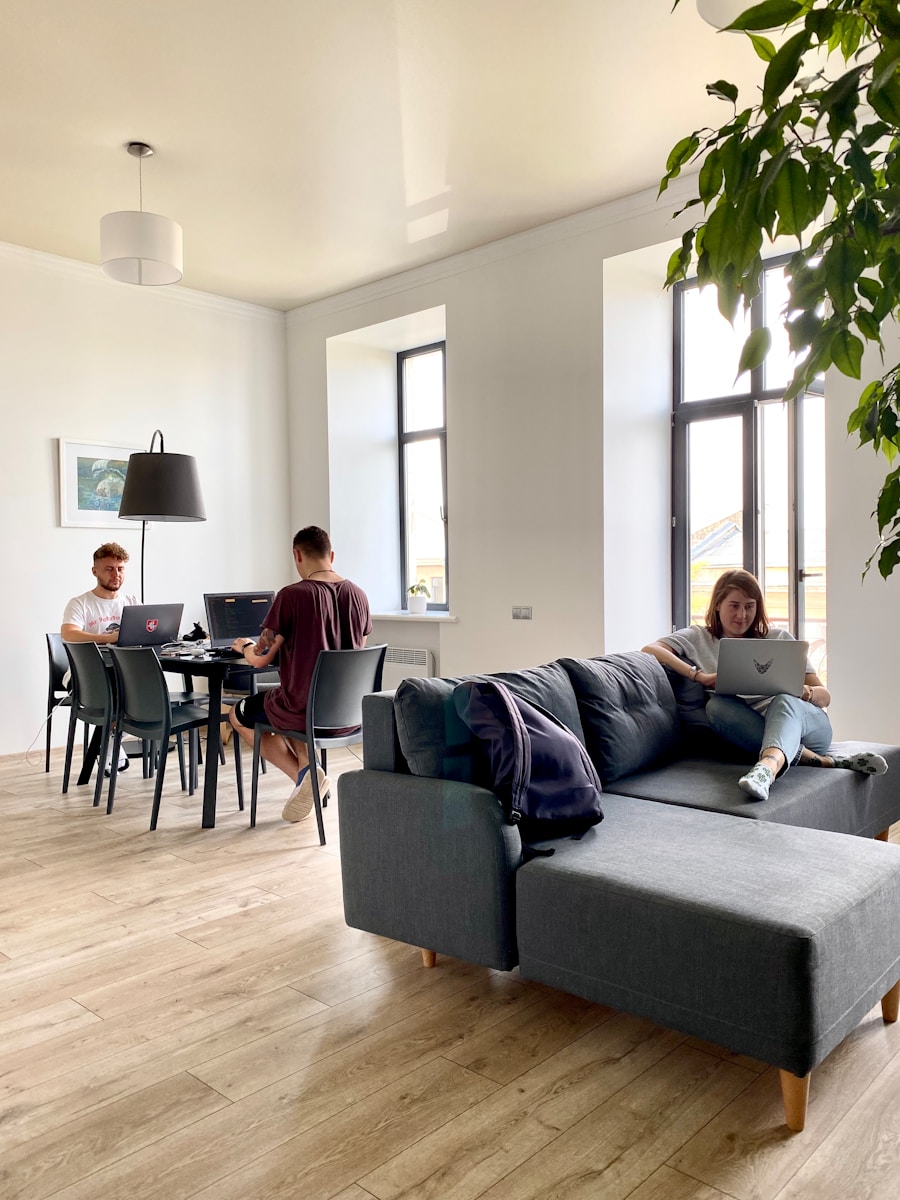
    man in blue long sleeve shirt sitting on gray couch

    Comfort and sound considerations

    Even with an all-in bill approach, your day-to-day comfort matters. Think about insulation, ventilation, and how quiet the space feels—especially if you’re on calls or working flexible hours.

    Connectivity for remote work

    If you’re working from home, your internet setup matters. Confirm what connectivity options exist and whether any setup is required (router placement, login details, or service included).

    Note: I can’t confirm specific connectivity or inclusions for B-Hive from the information provided—please check the latest studio specification and inclusions with B-Hive before you choose.

    How to choose: budget, vibe, timing, and transport

    Choosing a studio is easier when you rank your priorities rather than comparing every detail equally.

    Budget: focus on total monthly outgoings

    Start with the overall monthly cost under the “one easy bill” model. Then check for any items that might sit outside the bundle.

    • Budget check: Ask what’s included, what’s excluded, and whether there are any usage caps or additional charges.

    Vibe: make sure it fits your lifestyle

    For some people, a premium studio is about calm and focus. For others, it’s about community, convenience, and a space that supports social life without feeling cluttered.

    Insider tip: If you can, visit at a time that matches your routine—weekday evenings if you’ll often be back late, or mid-morning if you work mornings.

    Timing: align move-in with your work schedule

    If you have a contract start date, plan backwards. You’ll want enough time to settle, set up your desk, and confirm anything you need for day one.

    Common mistake to avoid: Leaving move-in setup too close to your first week at work—buffer time helps more than you think.

    Transport: check the commute pattern you’ll actually use

    Oxford and Bicester have different rhythms. Think about how you’ll travel most days (and how you’ll feel doing it during bad weather or late shifts).

    Insider tip: Decide in advance: will you rely more on walking/cycling or driving for local trips? It changes what “best” location means for you.

    At a glance: studio decision checklist

    Use this quick checklist to compare options without getting lost in details.

    • Confirm the “one easy bill” inclusions and any exclusions.
    • Check the studio layout for a workable desk and storage plan.
    • Assess natural light and comfort (ventilation, noise, and warmth).
    • Look at kitchen and laundry practicality for your routine.
    • Confirm connectivity arrangements for remote work.
    • Match the move-in date to your work calendar.
    • Plan your commute realistically (Oxford vs Bicester travel times and transport mode).

    Local logistics: getting there, booking notes, and accessibility

    Small practicalities make a big difference when you’re relocating for work.

    Getting there around Oxford and Bicester

    Studios in this area are often chosen for their balance between daily convenience and access to Oxford. When comparing options, think about your typical week: where you’ll work from, where you’ll shop, and how you’ll get to appointments.

    Note: I don’t have the exact B-Hive location details in the information provided, so I can’t give specific directions. If you share the site address or development name, I can tailor “getting there” guidance.

    Best times to view or ask questions

    If you’re checking noise, light, and day-to-day feel, aim for a time close to when you’ll actually live in the space. For example, an evening visit can help you gauge ambience after work.

    Booking and move-in readiness

    Before you proceed, ask for a clear timeline: what happens after you apply, when you can expect confirmation, and any documents or checks required. That clarity prevents last-minute stress.

    Accessibility and support

    If you have accessibility needs, ask early about step-free access, lifts (if relevant), and any on-site support available. It’s much easier to plan before your move than after.

    Note: I can’t confirm specific accessibility features without details—please request the accessibility information directly from B-Hive.

    FAQs about renting a premium studio at B-Hive

    Here are the most common questions people ask when they want a smooth, low-admin move.

    How does one easy bill work when renting a studio?

    Typically, it means your monthly cost is bundled into a single arrangement so you don’t manage multiple separate utility bills. However, the exact inclusions can vary, so check what’s included and what’s not with B-Hive before you decide.

    Is a premium studio suitable if I work from home?

    Often, yes—provided the layout supports a proper work setup and connectivity is suitable for your routine. Confirm internet arrangements and whether any setup is required.

    What’s the best way to choose between studios?

    Compare on total monthly outgoings, then focus on day-to-day function: layout, storage, comfort, and how the space supports your typical day (work, evenings, and weekends).
    Can I move in around a specific job start date?

    Move-in timing is usually dependent on availability. If you have a fixed start date, ask about current availability and the lead time needed for the application and onboarding steps.

    What should I ask before I sign?

    Ask for a clear list of what’s included in the one-bill approach, any exclusions, what the process is after you apply, and any key rules or responsibilities that affect day-to-day living.

    Is there anything people commonly forget with studio renting?

    Many people forget to confirm inclusions, connectivity details, and their laundry routine until after moving in. It’s worth verifying these before you commit.

    Why B-Hive is designed for life after you arrive

    Moving to Oxford or Bicester is a big step—so your home should make that transition feel lighter. A premium studio with one easy bill helps you settle quickly, keep your monthly outgoings predictable, and spend more time on the things that matter: your work, your pace, and the people you meet along the way.

    At B-Hive Living, the aim is simple: a smooth living experience in a location that fits your week.

    Ready to take the next step? If you’re looking for a premium studio flat with one easy bill and a calmer way to settle in, explore the B-Hive options and apply to live with B-Hive. The right fit can make day one feel far less stressful.

  • No Hidden Fees: Finding a Premium Room for Rent in Oxford and Bicester

    No Hidden Fees: Finding a Premium Room for Rent in Oxford and Bicester

    Table of Contents

    Sem taxas ocultas: encontrando um quarto premium para alugar em Oxford e Bicester

    Se você está se mudando para trabalhar, criando uma nova rotina ou conciliando dias remotos com planos sociais, a última coisa que você precisa é de um quarto que tenha uma ótima aparência —até que os “extras” apareçam. Em Oxford e Bicester, os custos de aluguel podem parecer complicados porque diferentes provedores agrupam (ou separam) contas, depósitos, taxas administrativas e custos de mudança. Este guia ajuda você a eliminar o ruído e identificar o custo mensal total e real antes de se comprometer. Você sairá com uma lista de verificação clara, perguntas inteligentes para fazer e logística local para poder escolher um quarto premium com confiança.

    Resposta rápida: como encontrar um quarto premium sem taxas ocultas

    • Melhores opções: Procure listagens que indiquem claramente se as contas estão incluídas e mostrem o custo mensal total antecipadamente.
    • Melhor época para pesquisar: Dias úteis para respostas mais rápidas; tente visualizar no início da semana para obter respostas claras sobre custos.
    • Para quem é: Jovens profissionais e trabalhadores remotos que desejam estabilidade (e contas transparentes).
    • Logística rápida: Solicite uma tabela de taxas por escrito antes de pagar qualquer coisa e solicite os termos do depósito de retenção por escrito.

    O que “sem taxas ocultas” realmente significa em Oxford e Bicester

    A maneira mais segura de evitar surpresas é tratar cada anúncio como se precisasse de um detalhamento completo dos custos, não apenas de um preço de aluguel principal.

    Peça um valor total mensal “tudo incluído”

    Os quartos premium devem ser simples: seu aluguel mensal mais quaisquer taxas de serviço, serviços públicos, banda larga e responsabilidades fiscais municipais (se aplicável) devem ser claramente declarados. Se um anúncio apenas cita “aluguel” e menciona contas “separadamente”, você está na zona onde surpresas acontecem.

    Conheça as categorias de taxas que geralmente pegam as pessoas de surpresa

    • Depósito: Quanto, quando está protegido (se aplicável) e em que condições podem ser feitas deduções.
    • Taxas de depósito/administração de retenção: O que você paga antes de seguir em frente e se é reembolsável.
    • Custos de mudança: Taxas de estoque, taxas de chave/administração ou taxas de serviço “únicas”.
    • Utilitários: Se eletricidade, gás, água e aquecimento estão incluídos; caso contrário, como eles são calculados.
    • Banda larga e TV: Se está incluído e quais velocidades/uso são típicos.
    • Taxas de manutenção ou limpeza: Quaisquer taxas periódicas para áreas comuns ou reparos.

    Onde procurar quartos premium com preços transparentes

    Para encontrar um quarto premium que não pague taxas mais tarde, concentre-se em provedores e listagens que mostrem seus custos de forma clara e consistente.

    Opções de estilo de vida compartilhado e co-living construídas especificamente

    Muitos arranjos premium de moradia compartilhada agrupam serviços (como manutenção, Wi-Fi e, às vezes, serviços públicos) em um único valor mensal. Por que vale a pena: você gasta menos tempo decodificando a papelada e mais tempo se adaptando. Dica interna: peça uma cópia da página “detalhamento do aluguel” ou de qualquer tabela tarifária, mesmo que esteja online.

    Proprietários profissionais com documentação de locação clara

    Alguns proprietários oferecem contratos independentes ou acordos de hospedagem claramente descritos. Por que vale a pena: você pode comparar coisas semelhantes e entender o que está incluído. Dica interna: solicite o contrato com antecedência para que você possa revisar as cobranças linha por linha antes de agendar uma visita.

    Plataformas de aluguel de quartos—use-as para obter leads, não para ter certeza

    As plataformas podem ser úteis para restringir áreas como Jericho, Cowley, Headington ou perto do centro da cidade de Bicester —e depois verificar os detalhes diretamente. Por que vale a pena: você verá rapidamente uma gama maior. Erro comum a evitar: supondo que “contas incluídas” em uma breve descrição significa que tudo está incluído (sempre confirme).

    Como escolher um quarto premium: orçamento, ambiente e tempo

    Transparência não diz respeito apenas às taxas—, mas também se o quarto se encaixa na sua rotina, especialmente se você trabalha em casa.

    Lista de verificação do orçamento (o “custo mensal real”)

    • Aluguel: Qual é exatamente o aluguel mensal e inclui alguma taxa administrativa/de serviço?
    • Contas: Quais utilitários estão incluídos e existem limites ou intervalos típicos?
    • Internet: A banda larga está incluída? Caso contrário, qual é o custo esperado?
    • Imposto municipal: Confirme quem paga e como é tratado.

    Vibração e adequação ao dia a dia

    • Ruído e trabalho em casa: Pergunte sobre regras para horários de silêncio e se há espaço para ligações.
    • Armazenamento e layout: Se você usa o controle remoto, o guarda-roupa e o espaço na mesa são mais importantes do que você imagina.
    • Áreas comuns: Verifique o que é fornecido e com que frequência a manutenção ou limpeza está programada.

    Estratégia de tempo e visualização

    • Reserve uma visualização durante a semana: É mais provável que você fale com alguém que possa responder aos custos com clareza.
    • Faça perguntas sobre custos com antecedência: Não espere até o final—carregue-os antecipadamente para não perder tempo.
    • Confirme o cronograma de mudança: Os quartos premium geralmente têm datas de início definidas; certifique-se de que as suas estejam alinhadas.

    Perguntas privilegiadas para fazer (para não perder taxas)

    Se você fizer as perguntas certas logo de cara, você identificará o risco da taxa antes de entregar qualquer dinheiro.

    Pergunte a eles antes de pagar um depósito de retenção

    • “Você pode listar todas as taxas que pagarei, com valores e datas?”
    • “Contas e banda larga estão incluídas? Se sim, quais?”
    • “Qual é o valor do depósito e como são tratadas as deduções?”

    Pergunte a eles durante ou logo após a visualização

    • “Qual é o custo mensal típico de serviços públicos para inquilinos?” (mesmo que seja uma estimativa—pergunte como é calculado).
    • “Há algum custo de manutenção ou limpeza comunitária?”
    • “Como funcionam as solicitações de reparos e qual é o tempo de resposta?”

    Em resumo: seu mini itinerário sem taxas ocultas

    • Passo 1: Selecione 3–5 quartos e anote o aluguel principal e o que foi declarado sobre as contas.
    • Passo 2: Solicite um detalhamento por escrito das taxas (depósito + depósito/administração + inclusões mensais).
    • Passo 3: Compare o custo total mensal “tudo incluído”, não apenas o aluguel.
    • Passo 4: Confirme a adequação à internet e ao trabalho em casa.
    • Passo 5: Verifique a data de início do arrendamento e o processo de mudança antes de se comprometer.
    • Passo 6: Pague somente quando tiver os termos completos por escrito.

    Logística local: locomoção tranquila em Oxford e Bicester

    Uma vida premium é mais fácil quando o transporte e a logística diária são práticos —especialmente se você se desloca ou tem dias úteis híbridos.

    Noções básicas de Oxford a considerar

    É possível chegar a Oxford a pé em algumas partes, mas seu tempo de deslocamento depende muito de onde você estiver. Ao comparar quartos, priorize a proximidade do seu percurso regular (escritório, academia, dias de coworking ou reuniões com clientes). Dica interna: faça um teste rápido “no mesmo dia” verificando sua viagem habitual no horário em que você viajará —de manhã e no início da noite podem parecer muito diferentes.

    Noções básicas de Bicester a considerar

    Bicester costuma ser atraente para profissionais porque pode oferecer melhor custo-benefício e conexões diretas, dependendo das suas necessidades de deslocamento. Dica interna: se você depender de trens/ônibus, confirme a rota que você realmente usaria — não é a rota mais rápida em teoria.

    Verificações de acessibilidade e conforto

    Se a acessibilidade for importante, faça perguntas específicas durante a visualização: acesso sem degraus, disponibilidade de elevadores (se aplicável), como os resíduos são gerenciados e se há iluminação adequada nas áreas comuns. Erro comum a evitar: assumir “boa localização” significa automaticamente “fácil de viver” para sua mobilidade e rotinas diárias.

    Erros comuns a evitar ao alugar um quarto premium

    Um quarto premium deve parecer mais fácil, não mais arriscado. Fique atento a esses padrões.

    • Erro 1: Comparar apenas o aluguel e depois descobrir a banda larga ou os serviços públicos são extras. Compare sempre o total custo mensal.
    • Erro 2: Pagar um depósito de retenção sem condições de taxa por escrito. Se não estiver escrito com clareza, você não poderá planejar seu orçamento com segurança.

    Perguntas frequentes sobre como encontrar um quarto premium para alugar em Oxford e Bicester

    Respostas rápidas às perguntas que as pessoas fazem antes de reservar, pagar ou assinar.

    O que devo verificar primeiro ao procurar um quarto premium para alugar em Oxford e Bicester?

    Comece com o custo mensal total: aluguel mais taxas de serviço e as contas exatas/acordo de internet. Em seguida, confirme o depósito e quaisquer taxas administrativas ou de retenção por escrito.

    As contas geralmente estão incluídas nos quartos premium?

    Às vezes, mas varia de acordo com o provedor e a listagem. Trate “contas incluídas” como “confirme as inclusões exatas” (serviços públicos, aquecimento, banda larga e se há tampas ou medidores separados).

    Como posso evitar cobranças inesperadas depois de me mudar?

    Solicite uma tabela de taxas antes de pagar e obtenha os termos do contrato por escrito. Esclareça os custos de manutenção/limpeza comunitária e o que acontece se os reparos demorarem mais do que o esperado.

    5 Tips Before Moving to Bicester & Oxford

    Um depósito de retenção é reembolsável?

    Depende dos termos específicos do contrato de locação ou reserva. Não confie em suposições—solicite os termos do depósito de retenção e as condições de reembolso por escrito.

    Qual o melhor horário para ver os quartos?

    Os dias úteis podem ser melhores para obter respostas rápidas e detalhadas sobre os custos. Se você trabalha em casa, tente visualizar em um horário que corresponda à sua rotina diária para que você possa avaliar o ruído e a adequação da internet.

    Fazendo com que pareça um lar—sem a névoa da taxa

    Encontrar o quarto premium certo em Oxford ou Bicester deve ser uma questão de estilo de vida, não uma surpresa de custo de última hora. Ao comparar o valor mensal real, solicitar um detalhamento por escrito das taxas e verificar como as contas e a Internet são tratadas, você escolherá com confiança. Na B-Hive Living, acreditamos que uma boa vida é prática — custos claros, espaços confortáveis e uma comunidade que apoia sua semana, não a complica.

    Quer morar em algum lugar que mantenha as coisas transparentes? Se você estiver pronto para um quarto premium em Oxford ou Bicester, explore o B-Hive Living e considere se inscrever —para que você possa se concentrar em se estabelecer, criar rotinas e aproveitar ao máximo sua localização e comunidade.

  • Local Discoveries: The Best Places to Go as a Couple Around Bicester

    Local Discoveries: The Best Places to Go as a Couple Around Bicester

    Local Discoveries: The Best Places to Go as a Couple Around Bicester

    Finding time for each other can be tricky when you’re commuting, working remotely, or juggling social plans around Oxfordshire. If you and your partner want something different from the usual dinner-and-a-walk routine, this guide is built for you: quick ideas for weekdays, proper date-day plans for weekends, and a few “we’ll remember this” moments without long travel. Below, you’ll find couple-friendly places around Bicester, including riverside walks, countryside changes of pace, cosy evening stops, and practical logistics so you can plan quickly and go.

    Quick answer

    • Best options overall: Bicester Village for an easy date, and nearby countryside walks for a low-cost reset.
    • Best time: late afternoon to golden hour for walks; early evening for a slower dinner pace.
    • Best for: young professionals, remote workers, and anyone relocating who wants “local” without stress.
    • Quick logistics: pick one anchor activity (walk, view, or food), then add one small extra (coffee, dessert, or a short browse).

    Choose a “base date” first, then build around it.

    The easiest way to plan a couple outing around Bicester is to start with one anchor plan—somewhere you’ll both enjoy—and then layer in the food and timing.

    1) Low-effort, high-comfort: browse and snack at Bicester Village

    If you want a date that feels different but doesn’t require hours of planning, Bicester Village is a simple win. It’s ideal for a relaxed wander, then a sit-down for hot drinks or dinner nearby.

    Insider tip: aim for the quieter parts of the day—often weekdays and earlier evenings—so you can actually talk while you walk.

    Common mistake to avoid: going in with a “we must buy something” mindset; treat it as an experience and take photos or pick one small “treat each”.

    2) Reset together outdoors: countryside walks and viewpoints

    Oxfordshire’s countryside around Bicester is perfect for couples who want conversation without screens. Choose a route that’s scenic rather than punishing—your best date shouldn’t be a fitness test.

    Insider tip: bring a small thermal flask and plan to stop mid-route. Those 15 minutes where you slow down often become the highlight.

    Common mistake to avoid: leaving timing too tight—if you arrive hungry and late, the date can feel rushed even if the walk was great.

    3) A calmer evening: cosy dinner + a short post-meal wander

    Many people underestimate how much better a date feels when you include a gentle “cool-down” after dinner. Pick a restaurant near a pleasant street or open space so you can stretch your legs without planning a second trip.

    Insider tip: check whether you can book a time that matches your energy—earlier meals can feel more romantic because you’re not racing the evening clock.

    Best couple-friendly places around Bicester (mix and match).

    Here are practical date ideas you can combine into a weekend plan or drop into an evening routine.

    Oxfordshire countryside (short drives, big atmosphere)

    In the areas around Bicester you can usually find walking routes that change the mood quickly—from hedgerows to open fields. It’s a good choice when you want fresh air without a full-day commitment.

    Insider tip: choose a route where you can “pause” easily—near a pub, parking area, or a clear turnaround point—so you’re never stuck deciding on the spot.

    Riverside strolls nearby (conversation-friendly pacing)

    Water-side routes naturally create a slower pace. They’re great for couples who want to chat, take a few photos, and keep the plan flexible if one of you feels tired.

    Insider tip: pack a light layer—riverside areas can feel cooler than the town, even in mild weather.

    Creative browsing + a “choose one” treat

    For a date that’s low pressure, set a rule: each of you picks one small thing for the other (a book, a scented candle, or a favourite snack). It turns a casual browse into a shared moment.

    Insider tip: keep the budget small but consistent so it stays fun rather than competitive.

    Local café date with a structured conversation prompt

    When you’re both busy, a simple café date can feel surprisingly meaningful. Add a tiny twist: bring one prompt each—things like “what’s one win this week?” or “what’s a place we want to visit next?”.

    Insider tip: if you’re remote-working partners, use this as a decompression ritual—turn off notifications for 60 minutes and treat it like a mini retreat.

    How to choose the right couple plan for today.

    Use these criteria to pick an outing that matches your time, your mood, and your transport reality.

    Budget

    • Lower spend: walk + coffee, or browsing + a shared dessert.
    • Middle spend: walk + meal booking.
    • Higher spend (special day): structured reservation for dinner plus a planned activity.

    Vibe

    • Cozy: slower streets, cafés, and early-evening meals.
    • Adventurous: longer countryside loops and scenic stops.
    • Playful: browse, pick-one treats, and post-date photos.

    Timing

    • Weekdays: late afternoon for walks and early evening for food.
    • Weekends: morning for less crowded browsing, then lunch and a gentle second stop.

    Transport

    • On foot / short drive: combine nearby activities so you don’t waste time travelling.
    • By car: plan parking first for stress-free transitions.
    • Public transport: build buffer time and keep the second stop close to your arrival point.

    At a glance: a mini itinerary you can copy.

    Here’s a simple blueprint for a “good date” that doesn’t spiral into over-planning.

    • 15:00–16:30: stroll around a scenic area near Bicester (aim for easy pace).
    • 16:30–17:15: coffee or hot drinks with a “tomorrow check-in” chat.
    • 17:30–19:00: dinner with a reservation (or early walk-in timing).
    • 19:00–19:45: short post-meal walk to close the loop without rushing.

    Local logistics: getting there, booking, and accessibility notes.

    Good planning removes friction—especially when you’re balancing work weeks with relationship time.

    Getting there

    Most couple outings around Bicester can be done either by short drive or by combining walking with short travel. If you’re using public transport, check journey times and plan for a little buffer—local schedules can vary.

    Best times to go

    • Golden hour: late afternoon for walks and photos.
    • Quieter browsing: weekdays or earlier evenings tend to feel calmer.
    • Night plans: book dinner earlier in the evening if you want a relaxed pace.

    Booking notes

    • If you’re planning dinner, try to book ahead rather than leaving it to chance.
    • For popular date spots, consider a slightly earlier time to avoid peak crowd energy.

    Accessibility

    When choosing a countryside walk or outdoor stop, look for routes with clear paths and manageable gradients. If one of you has mobility needs, consider shorter loops and choose a place where you can turn back easily.

    FAQs about couple days around Bicester

    Quick answers to common questions—so you can plan with confidence.

    What are the best places to go as a couple around Bicester?

    A strong mix is a relaxed browsing date at Bicester Village paired with a countryside or riverside stroll for conversation and fresh air. The best choice depends on whether you want a quick evening reset or a fuller weekend plan.

    Are there good options for a weekday date around Bicester?

    Yes—weekday dates work well when you keep the plan simple: a late-afternoon walk, then coffee or dinner. This reduces travel time and helps you avoid feeling rushed after work.

    What’s a low-cost date idea that still feels special?

    Go for a scenic walk and bring a small treat (like hot drinks or dessert). Add one shared “choose one” moment—each of you picks a small item or souvenir for the other.

    How do we choose the best time to visit local spots?

    For outdoor walks, late afternoon is often ideal. For browsing and meals, earlier evenings or mid-week times can feel less crowded and more relaxed.

    What should we pack for a couple walk?

    Wear comfortable shoes, bring a light layer, and consider a small bottle of water (and a warm drink if it’s cold). If you’re planning photos, a phone power bank can be a lifesaver.

    Common mistake: how can we avoid a rushed date?

    Give yourselves a buffer between activities. Choose an anchor plan first (walk or food), then schedule the next step with travel time in mind—so the date stays calm, not frantic.

    Soft close: living well around Oxfordshire is often about rhythm—small plans that fit real schedules, and places that make you feel like you’re part of the area. Whether you’re new to Bicester, settling into remote work life, or simply craving better couple time, these local discoveries are built to help you slow down and enjoy the moments that count.

    If you’d like a home base that supports your best local life—easy commutes, community energy, and a space that works for you—consider applying to live with B-Hive Living. We’d love to help you make Oxfordshire feel like home.

  • The Turnkey Solution: Transforming Flats for Working Professionals

    The Turnkey Solution: Transforming Flats for Working Professionals

    The Turnkey Solution: Transforming Flats for Working Professionals

    You’ve found the right area (maybe Oxford or Bicester), you’ve sorted your move dates, and now you’re facing the last hurdle: getting your flat set up fast. For working professionals, time is the real luxury—especially when you’re balancing a busy week, meetings, and commuting. A turnkey approach is designed to take the pressure off: planning, sourcing, and delivering the essentials so you can focus on work (and actually enjoy your space) from day one.

    In this guide, you’ll get practical ways to transform a flat efficiently—what to choose, how to avoid common pitfalls, and what to ask for so the end result feels polished, functional, and liveable.

    Quick answers at a glance

    • Best options: turnkey furnishing and setup, plus a targeted “needs-first” layout plan for remote work.
    • Best time: start scoping the moment you commit to the flat; schedule deliveries around your first week in.
    • Who it’s for: remote workers, commuters, and anyone who wants minimal admin after moving.
    • Quick logistics: confirm access times, parking/building rules, and what is included vs. optional.

    Why turnkey flats suit working professionals

    The takeaway: turnkey transformation reduces admin and delays, so you get a usable home without the DIY stress.

    What “turnkey” should cover

    When people say turnkey, they often mean more than furniture. A good turnkey package typically includes a plan, delivery, and installation of the essentials—so you aren’t chasing separate contractors or piecing everything together after your move.

    • Space planning: a layout that supports work, storage, and everyday flow.
    • Provisioning: furnishings and equipment that match your intended use (working from home, hosting, relaxing).
    • Setup and installation: assembling, positioning, and getting utilities-related items ready (where relevant).
    • Hand-over: a “ready to live” handover so you can start the week calmly.

    What you gain (in real life)

    • Less scheduling: fewer calls to organise deliveries and fit-outs.
    • Fewer decisions: curated options reduce choice fatigue.
    • Faster usability: you move in and work sooner—especially important if your first week is full.

    Step-by-step: transforming a flat efficiently

    The takeaway: break the transformation into a simple sequence—layout first, then essentials, then finishing touches.

    1) Start with how you’ll live (not just how it looks)

    Before you buy anything, list your non-negotiables. For working professionals, these usually include a stable work setup, reliable storage, and a calm evening routine.

    • Remote-work needs: desk space, comfortable chair, and lighting that doesn’t strain your eyes.
    • Commuting needs: entryway storage, charging points, and “grab-and-go” organisation.
    • Light and sound: where daylight falls and where noise tends to carry.

    2) Choose a layout that supports your week

    A layout plan prevents the most common transformation problem: buying “nice pieces” that don’t work together. Aim for practical zones.

    • Work zone: desk + task lighting + a clear path in/out.
    • Storage zone: near entrances or along the most used wall.
    • Reset zone: a consistent spot for bags, coats, and day-to-day items.

    3) Build the core package (then refine)

    If you try to finalise everything at once, you risk delays and mismatches. The most reliable approach is to get the foundation right first.

    • Priority items: seating for working and relaxing, dining essentials (if needed), and bedding.
    • Utility items: storage solutions, mirrors to improve perceived space, and lighting.
    • Finishing touches: rugs, wall art, and styling once everything else is in place.

    Insider tip: “deliver around your routine”

    If you’re juggling meetings, plan deliveries and installation for a window that doesn’t clash with your key work days. Even a single day saved from living in a half-finished space can reduce stress dramatically.

    5 Tips Before Moving to Bicester Oxford

    How to choose the right turnkey approach

    The takeaway: use a checklist—budget, vibe, timing, and transport/access details will decide what works.

    Budget: separate must-haves from nice-to-haves

    Start by defining your spend tiers. A helpful method is to list items you use daily (must-haves) versus items you can add later (nice-to-haves). This keeps the transformation realistic and avoids last-minute compromises.

    • Must-haves: work seating, desk functionality, storage, and lighting.
    • Nice-to-haves: decorative pieces, extra seating, or upgraded finishes.

    Vibe: aim for “easy to live with”, not just “easy to photograph”

    For professionals, durability and maintenance matter. Choose materials and colours that look good quickly—after a long day—without constant tidying.

    Timing: confirm lead times early

    Turnkey success depends on timing. Ask what is included in the schedule, what depends on access, and what could affect installation—like building rules or courier windows.

    Transport and access: don’t skip the details

    Access is where projects can stall. Before installation day, confirm building access, lift availability, and whether deliveries require booking.

    Common mistakes to avoid

    • Mistake 1: assuming “furnished” means “fully set up.” Always ask what’s included and what you’ll still need to buy or arrange.
    • Mistake 2: choosing items that don’t fit the room measurements. Even one oversized desk can wreck circulation and make the flat feel cramped.

    What to prioritise for remote work setups

    The takeaway: remote-friendly flats need the right work ergonomics, lighting, and storage—more than fancy extras.

    Create a dedicated work footprint

    You don’t need a separate room, but you do need a consistent area for focus. A fixed desk position also helps your routine—especially on days you’re working from home.

    Lighting that reduces eye strain

    Use layered lighting: overhead light for general visibility and task lighting for your desk area. If your desk sits near a window, manage glare with the right angle and positioning.

    Storage that keeps the desk clear

    A tidy desk supports a tidy mind. Add practical storage solutions close to where you work, so cables, documents, and daily items don’t end up on the surface.

    Insider tip: “cable control is comfort control”

    If your setup has cables across walkways or in view, your space feels cluttered even when it’s technically organised. Plan cable routes early and keep power points accessible.

    At a glance checklist for a smooth transformation

    The takeaway: use this quick list to keep everything moving from move-in to set-up.

    • Define your must-haves (work seating, desk functionality, storage, lighting).
    • Measure key spaces (desk area, circulation paths, storage walls).
    • Confirm what’s included (furnishings, setup, and any optional upgrades).
    • Plan your delivery window around your first week of work.
    • Check access rules (lift, parking, booking requirements).
    • Leave finishing touches for later once the core layout is working.

    man in blue long sleeve shirt sitting on gray couch

    Local logistics: getting it done smoothly (Oxford & Bicester)

    The takeaway: the small admin details—access, timing, and practicalities—make the biggest difference during a move.

    Getting set up efficiently

    If you’re relocating to Oxford or Bicester, keep your early days simple: prioritise the work setup, sleeping comfort, and a “daily reset” area. Then layer in décor and extras once you know your routine.

    Best times to plan deliveries

    In general, mornings or weekday mid-block windows tend to be easier to coordinate—especially when you need access confirmations. If you’re working, choose times that won’t collide with the meetings you can’t reschedule.

    Booking notes and access

    If your building requires delivery booking, allow extra time for confirmation. This avoids last-minute changes that can push installation into your already packed week.

    Accessibility notes

    If you use mobility aids or need step-free access, raise accessibility requirements early—before furniture arrives—so your space can be set up safely and comfortably.

    FAQs

    The takeaway: clear answers to the questions most people ask before committing to a turnkey flat transformation.

    What is a turnkey solution for flats?

    A turnkey solution typically means a coordinated package that covers planning, furnishing, and getting your flat ready to live—rather than you arranging everything separately.

    How do I choose the best turnkey setup for my working-from-home routine?

    Start with your working needs: desk size, chair comfort, task lighting, and storage to keep your workspace clear. Then check timing and what’s included in the handover so you can begin working soon after move-in.

    Will I still need to buy anything after a turnkey transformation?

    That depends on what’s included in your package. Always confirm what is provided and what you’re expected to arrange yourself, so there are no surprises on arrival.

    How early should I plan my flat transformation?

    As soon as you commit to the flat. Planning early helps you coordinate access and schedule deliveries around your first week.

    What are the most common mistakes people make?

    Two big ones are assuming “furnished” means “fully set up”, and buying items without checking room measurements. Asking for a clear inclusion list and confirming dimensions can prevent both.

    Ready to live well in Oxford & Bicester?

    The takeaway: a good home set-up supports your working week—and leaves space for community and downtime.

    A thoughtfully transformed flat isn’t just about looks; it’s about comfort, efficiency, and how quickly you can settle into your routine. Whether you’re relocating for a new role or building a stable remote-work rhythm, having the right essentials in place makes everyday life smoother. With B-Hive Living, the aim is simple: help you move in with less admin and more confidence—so you can spend your energy where it matters.

    Next step: If you’re looking for a place you can live in comfortably from the start, explore living with B-Hive Living. We’ll help you find the right fit for your lifestyle—then get you into a home that supports your week, not just your weekends.

  • Zero Bureaucracy: The Modern Approach to Professional Properties to Let

    Zero Bureaucracy: The Modern Approach to Professional Properties to Let

    Table of Contents

    Takeaway: The fastest way to move for a professional let is to reduce paperwork friction and plan your checks early.

    If you’re a young professional or remote worker relocating to Oxford or Bicester, the last thing you need is a property process that feels like a second job. “Professional properties to let” shouldn’t come with endless back-and-forth, unclear steps, or delays that mess with your move-in date. This guide lays out a modern, low-admin approach: what to expect, how to prepare in advance, and how to choose a let that keeps things simple—without skipping the practical checks.

    Below, you’ll find a clear shortlist mindset, quick logistics, and insider tips that help you secure the right space with less hassle.

    Quick answer: how to get a professional property to let with minimal admin

    • Best options: furnished or serviced arrangements with clear online steps and transparent costs.
    • Best time: weekdays for viewings and follow-ups; start document prep before you apply.
    • Who it’s for: remote workers, early-career professionals, and relocators who need speed and clarity.
    • Quick logistics: keep your ID, references, and employment details ready to upload; ask what’s decided “in writing” before you pay anything.

    What “zero bureaucracy” should actually look like

    Takeaway: Real simplification is about transparent processes, fast decisions, and clear documentation—not skipping due diligence.

    A modern letting flow (the steps you want to see)

    • Clear shortlist: you can compare locations, layouts, and included services quickly.
    • Online eligibility: a straightforward checklist for what’s required (so you don’t chase missing items).
    • Fast verification: references and affordability checks completed promptly with minimal back-and-forth.
    • Written clarity: contract terms, move-in timing, and costs explained in plain language.

    What to ask before you commit

    • What’s the typical decision timeline from application to confirmation?
    • Which documents are required, and can they be submitted online?
    • What costs are included (utilities, internet, maintenance) versus payable separately?
    • How are issues handled after move-in (repairs, access, notifications)?

    Choose the right “professional property” for your work style

    Takeaway: The best low-admin let matches your routine—commute, home-working setup, and flexibility—first.

    1) Remote-first setups (quiet, reliable, easy to settle)

    If you work from home most days, prioritise dependable internet, sound insulation, and a desk-friendly layout. Insider tip: ask whether the space is set up for regular video calls (lighting and noise matter more than you think).

    • Good for: remote workers, hybrid teams, freelancers.
    • Local fit (Oxford/Bicester): focus on areas with straightforward access to shops and transport so errands don’t eat your day.

    2) Shorter timelines and smoother moves (less paperwork stress)

    If you’re relocating and your dates are fluid, look for listings that explain move-in options upfront and set expectations clearly. Insider tip: confirm any move-in deadlines in writing before you book travel or resign from work.

    • Good for: job starters, contract roles, planned relocations.

    3) Furnished or “ready to work” properties

    Furnished arrangements reduce admin because you’re not arranging replacements or waiting for bulky deliveries. Insider tip: take a quick video walkthrough on the day you view (notes on storage, desks, and sockets save time later).

    • Good for: early-career professionals who want to settle quickly.

    How to choose with a low-admin checklist

    Takeaway: Use a simple framework—budget, vibe, timing, and transport—to avoid delays and regret.

    Budget clarity (avoid cost surprises)

    • Check what’s included: internet, heating, utilities, and maintenance response.
    • Ask about deposit handling and the move-out process (what counts as “wear and tear”).

    Vibe and day-to-day convenience

    • Spend time thinking about your routine: where you’ll buy groceries, get coffee, and walk after calls.
    • If you’re working evenings, consider street lighting and access routes.

    Timing (speed is only helpful if you can verify)

    • Confirm turnaround times for referencing and confirmation.
    • Ask whether changes to your start date are possible and what notice period applies.

    Transport and “commute reality”

    • Don’t only check travel time—check reliability and walking links from the station or bus stop.
    • For Bicester, consider how you’ll get around locally without relying on parking plans.

    At a glance: your mini itinerary to book quickly and move calmly

    • Day 1: shortlist 2–3 properties based on layout and included services.
    • Day 2: prepare documents for referencing (ID, right-to-rent evidence if applicable, proof of income/contract).
    • Day 3: view, ask for a written summary of costs and move-in steps.
    • After viewing: apply quickly, confirm the timeline, and request any key dates in writing.

    Local logistics for Oxford and Bicester (how to reduce friction)

    Takeaway: When you manage logistics smartly, the paperwork feels lighter.

    Getting there for viewings

    Plan viewings around weekday windows when buildings and neighbourhood access are easiest to navigate. Insider tip: if you’re arriving for a viewing, do a quick “walk from transport to front door” test—small friction adds up when you move in.

    Best times to follow up

    • Morning: helps you catch decision-making earlier.
    • Mid-week: viewings and responses often run smoother than weekends.

    Booking notes and accessibility

    • Ask about step-free access, lift availability (if applicable), and parking or bike storage.
    • If you need specific access arrangements, mention them early so you don’t lose time later.

    Things to Do in Oxfordshire

    Booking a “fast but safe” process

    Speed is useful only when you have clarity. Before you pay anything, make sure you’ve got a written breakdown of what you’re signing up to and what happens if your move-in date changes.

    Insider tips: the details that most people miss

    Takeaway: These small moves prevent the kind of admin loops that slow professional relocations.

    Insider tip 1: Create a “ready-to-apply” folder

    Keep your ID and supporting documents in a single, clearly named folder so you can submit without delays. If a property asks for specific wording or document types, you’ll be able to respond quickly.

    Insider tip 2: Ask for a timeline before you ask for a viewing

    It’s surprisingly common to view first, then discover referencing takes longer than you expected. Ask the decision and move-in timeline upfront so your dates stay realistic.

    Insider tip 3: Clarify how maintenance requests are handled

    Low bureaucracy isn’t just about paperwork. Confirm the process for reporting issues and the typical response approach so your home-working isn’t interrupted.

    Insider tip 4: Confirm what “included” really means

    Some listings say utilities are included but exclude certain usage. Ask for a plain-language explanation of what’s covered.

    Common mistakes to avoid

    Takeaway: Avoid these and you’ll reduce delays, confusion, and last-minute surprises.

    Common mistake 1: Signing without a written breakdown

    If costs and terms are only explained verbally, you increase the risk of confusion later. Request written summaries of key costs and responsibilities.

    Common mistake 2: Treating speed as the only priority

    Fast is great, but it must be paired with practical fit—noise levels, layout, internet reliability, and transport access. If those don’t work, you’ll end up spending more time fixing the situation than moving could save.

    FAQs about professional properties to let

    Takeaway: Use these direct answers to speed up your decision and avoid misunderstandings.

    How do I find professional properties to let with minimal paperwork?

    Look for listings that explain the process clearly, accept documents online, and provide a written timeline from application to confirmation. Start by preparing your documents in advance and asking what’s required before you view.

    What documents are usually needed for a professional let?

    Typically you’ll be asked for ID and evidence related to income or references, but the exact requirements vary by landlord or scheme. Always check the specific listing for the current requirements.

    Should I worry about faster move-ins?

    Only if clarity is missing. A good process should still cover due diligence, written terms, and confirmation of move-in steps.

    Are furnished properties more admin-free?

    Often, yes—because you skip major setup decisions. However, you should still confirm what’s included, how repairs are handled, and the expectations around inventory or condition at move-out.

    What’s the best way to avoid costly surprises?

    Ask for a plain-language breakdown of included costs and any separate charges. Also confirm deposit handling and what counts as damage versus normal wear.

    Can I ask for accessibility or home-working considerations?

    Yes—especially if you need step-free access, quieter locations, or specific equipment suitability. Mention requirements early so you’re not deciding late.

    A modern way to live (and work) in Oxford & Bicester

    Takeaway: When your property process is clear, you can put energy back into your work and your week.

    Finding somewhere to live shouldn’t drain your momentum. A low-admin approach helps you settle quickly, focus on your routine, and enjoy Oxford and Bicester properly—whether that’s a calm weeknight at home or a smoother start after an early meeting. If you want a professional property to let that feels organised from the first step, you’re in the right mindset.

    Want to make your move simpler? Apply to live with B-Hive and we’ll guide you through the process with clarity and community in mind—so you can get comfortable faster, right where you need to be.

  • The Professional’s Choice: Filtering Through “Rooms Available Near Me”

    The Professional’s Choice: Filtering Through “Rooms Available Near Me”

    The Professional’s Choice: Filtering Through “Rooms Available Near Me”

    Searching for rooms available near me is stressful when you’re juggling work, travel, and a move you can’t keep postponing. You want somewhere that feels practical on day one, not a gamble that only looks good in photos. This guide helps you filter quickly, spot the red flags early, and narrow down the right rooms for your routine—commutes, quiet time, Wi-Fi needs, and evenings at home. By the end, you’ll have a short, realistic shortlist and a simple way to compare options across Oxford and Bicester without losing days to listings that don’t match.

    • Best options: Shortlisted rooms with clear bills/Wi‑Fi details, sensible transport links, and a schedule that fits your work week.
    • Best time to search: Weekdays after lunch and in the evening—when updates and replies are more likely to come through.
    • Best for: Remote workers, young professionals, and anyone moving to Oxford or Bicester for a new job.
    • Quick logistics: Before booking viewings, confirm deposit terms, what’s included (utilities/Wi‑Fi), and house rules in writing.

    Start with your real “near me” radius (not the one in the listing)

    rooms to rent in oxford

    A location filter only helps if it matches your commute reality—so begin by defining time, not miles.

    Use time-to-work, not postcode guesses

    rooms to rent in oxford

    If your job is office-based even occasionally, map your typical travel window. Many professionals in Oxford and Bicester care more about reliable door-to-door time than being technically “close”.

    Common related terms to check alongside “near me”

    • Oxford room to rent
    • Bicester room to rent
    • shared house near me
    • city centre room
    • rail links room (Oxford/Bicester Village)
    • remote worker friendly room
    • bills included room
    • quiet room for working from home

    Insider tip: filter for listings with full details, then refine

    Listings that mention included bills, Wi‑Fi expectations, and house routines usually require fewer back-and-forth messages—saving you time.

    Common mistake to avoid: chasing “near” without checking noise and boundaries

    rooms to rent in oxford

    A room can be close and still disruptive. Ask about early mornings, shared space etiquette, and whether video calls are common in the household.

    Shortlist like a professional: score, don’t scroll

    Your goal is a shortlist you can act on, so use a simple scoring method to compare rooms fairly.

    How to choose: your comparison criteria

    Use a quick score (e.g., 1–5) across these categories:

    • Commute fit: travel time consistency and transport options.
    • Work-from-home compatibility: Wi‑Fi reliability expectations and quiet hours.
    • House setup: how many bathrooms, shared space layout, and storage.
    • Costs clarity: what’s included (rent, bills, council tax if applicable) and how payments are handled.
    • Comfort factors: natural light, heating, and whether the room gets used as an occasional workspace.
    • Communication: how quickly the landlord/agent answers and whether they provide written answers.

    Insider tip: ask one “hidden” question in every viewing

    Try: “What tends to annoy people here day-to-day?” It often reveals noise patterns, cleaning expectations, or scheduling issues before you commit.

    Common mistake to avoid: relying on the photo angle

    A room can look spacious in a listing photo. In person, check: desk placement, wardrobe size, and how you’ll charge devices overnight.

    Know the Oxford and Bicester rhythms before you book viewings

    Timing matters—if you view at the wrong time, you’ll miss how the house actually feels.

    Oxford: areas often searched for rooms

    Oxford listings vary widely by street and access route. When you see “rooms available near me”, consider whether you’re aiming for walkable routes, cycle-friendly links, or proximity to transport.

    • City-centre and near-centre: best for easy access to amenities and social life; insider tip: check evening noise levels by walking past at night.
    • Rail-linked Oxford areas: helpful if you commute occasionally; insider tip: confirm the practical commute route, not just the station name.

    Bicester: a practical base with commuter logic

    Bicester can suit professionals who want a calmer base while keeping transport options open. Insider tip: consider how you’ll get home after work—especially if your evenings are unpredictable.

    • Bicester Village-adjacent searches: useful for rail access; insider tip: check last-train timing if you might travel after late meetings.
    • Residential streets: often better for quiet; insider tip: ask whether streetside parking is straightforward or stressful.

    Where to look and how to filter without missing good rooms

    The best rooms move quickly, so you need both strong filters and a fast follow-up system.

    Step-by-step: your 30-minute daily routine

    1. Set two alerts: one broader radius, one tighter radius around your commute.
    2. Scan for “needs your response” listings: filter for updated posts and clear cost summaries.
    3. Message with a template: confirm bills/Wi‑Fi, deposit terms, and viewing availability.
    4. Book viewings in batches: cluster viewings on one day so you can compare properly.


    1. rooms to rent in oxford

    Insider tip: keep a simple spreadsheet with 5 fields

    Track: rent, bills included, commute time, availability date, and one “why yes” note. It stops you from re-reading every message later.

    At a glance: your mini checklist before you say yes

    • Costs: Are bills and Wi‑Fi included or estimated? How are payments made?
    • Availability: Does the move-in date match your start date?
    • House rules: cleaning rota, guest policy, and quiet hours.
    • Work setup: reliable Wi‑Fi, desk/storage, and lighting.
    • Communication: Do you get clear written answers?
    • Location reality: test the route at your likely commute time.

    Local logistics: getting there, booking viewings, and accessibility notes

    Good logistics prevent last-minute issues—especially when you’re balancing work commitments.

    How to get to viewings

    Plan routes using your typical commute method. If you’re moving between Oxford and Bicester, factor in time for platform changes or connections, and allow extra buffer for parking if you drive.

    Best times to view rooms

    • Weekdays: mid-afternoon and early evening to see the household in “real” mode.
    • Before/after work: if possible, time your viewing around when you’ll be home.

    Booking notes (to protect your time)

    • Ask for the viewing duration and whether it’s staffed with the decision-maker.
    • Request a summary of inclusions (bills, Wi‑Fi, laundry access) before you travel.
    • Bring a short list of questions and take notes immediately after.

    Accessibility: what to check

    If you have mobility or sensory needs, ask about step-free access, stair layout, noise levels, and whether communal spaces are easy to navigate.

    FAQs

    How do I filter rooms available near me when I’m working full-time?

    Use time-to-work as your main filter, then confirm bills and Wi‑Fi details before viewings. Message quickly with 3–5 targeted questions and book viewings in one or two blocks so you don’t keep losing evenings.

    Should I prioritise Oxford or Bicester first?

    Base the decision on your commute pattern and the kind of evenings you want. If you travel to Oxford frequently, prioritise routes that are consistent. If you want a calmer base, Bicester can be a practical option—just check late travel and day-to-day access.

    What questions should I ask during a room viewing?

    Ask about what’s included (rent vs bills vs Wi‑Fi), house rules, cleaning expectations, and how the house behaves during the times you’ll be using shared spaces.

    Is it a red flag if a listing has limited details?

    It can be. Sparse listings often mean you’ll spend extra time chasing answers. If details are unclear, ask for written confirmation before you commit.

    How can I avoid getting stuck with the wrong room after moving in?

    Don’t rely on the photo. Confirm Wi‑Fi expectations, desk/storage practicality, and quiet hours. Also, clarify deposit terms and notice periods early so you know what flexibility you have.

    Final thoughts from B-Hive Living

    Finding a room is more than matching a postcode—it’s matching your daily rhythm. When you filter smartly, ask the right questions, and check the practical details, you give yourself the best chance of settling quickly and feeling at home. In Oxford and Bicester, that can make all the difference: the right place supports your routine, your remote work, and your week’s energy.

    If you’re ready to live somewhere that’s designed around everyday comfort and community, consider applying to live with B-Hive. We’ll help you find a setup that fits your lifestyle and your location goals—so your move feels organised, not overwhelming.

  • Beyond Hotels in Bicester Oxon: The 1-Month Flexible Stay for Professionals

    Beyond Hotels in Bicester Oxon: The 1-Month Flexible Stay for Professionals

    Table of Contents

    In Bicester, a “1-month base” can be more practical than another hotel week-by-week

    If you’re relocating for work, waiting on a rental, or juggling remote work and commitments around Oxfordshire, paying for nightly stays can get expensive fast. The good news: you can build a comfortable, professional routine in Bicester with flexibility—without feeling boxed in. In this guide, we’ll compare your realistic options for a one-month stay, help you choose the right fit, and share local logistics so you can settle in smoothly. By the end, you’ll know what to look for, when to book, and the small details that make the biggest difference.

    Quick answer: best options for a flexible 1-month stay in Bicester

    • Serviced apartments (monthly rates): best overall for professionals who want space, privacy, and an “arrive-and-live” feel.
    • Corporate lets or short-let apartments: best if you want a home-like set-up and flexible move-in/out dates.
    • House-share with your own room: best for budget-conscious stays, especially if you’ll be out most days.
    • Extended-stay suites: best for quick start-ups when you prioritise minimal admin and standard amenities.
    • Best time to book: aim 4–6 weeks ahead for predictable availability, and sooner if you’re moving during busy periods.

    Why “beyond hotels” matters for remote workers and young professionals

    A hotel is designed for short visits; a one-month stay needs space to cook, work, rest, and store your day-to-day items. When you choose the right longer-stay option, you’ll typically get better value, more control over your routine, and less friction around laundry, groceries, and internet reliability.

    Option shortlist: where a 1-month flexible stay usually works best

    Pick based on your daily rhythm—office hours, commuting needs, cooking habits, and how settled you want to feel.

    Serviced apartments with monthly flexibility

    Serviced apartments are often the closest “hotel feel” without the nightly cost pressure. You’re more likely to get a proper living area, a work-ready setup, and amenities that suit longer stays.

    • Why it’s worth it: you can maintain a professional routine (breakfast, calls, evenings in) without the constant overhead of takeaways and laundry runs.
    • Insider tip: ask whether utilities, Wi-Fi, and cleaning are included in the monthly rate—this can change the real cost.

    Corporate lets and short-let apartments (home-like, usually)

    If you want a “settling in” experience—similar to your own place—corporate lets and short-let apartments can be a strong middle ground.

    • Why it’s worth it: you’ll typically have a more home-like layout, which helps for longer remote-work weeks.
    • Insider tip: check the move-in and check-out flexibility in writing (especially if you’re waiting on a tenant reference or contract start date).

    Extended-stay suites (simple, standardised)

    Some extended-stay properties offer a straightforward stay with familiar amenities. This can be convenient if you’re prioritising speed and predictability.

    • Why it’s worth it: it’s often easier to manage logistics (key collection, basic services, predictable layout).
    • Insider tip: confirm whether you’ll have dedicated workspace or whether you’ll need to bring a monitor and desk organiser.

    Room lets / house-shares (budget-friendly, more social)

    If your budget is tight and you’re comfortable sharing communal space, a room in a shared home can be ideal while you search for longer-term accommodation.

    • Why it’s worth it: you can stretch your monthly spend further and use the time to view rentals.
    • Insider tip: test your working setup: ask about quiet hours and Wi-Fi reach in your room.

    How to choose the right 1-month flexible stay in Bicester (a practical checklist)

    Use this framework to make sure the “monthly” part of the deal actually supports your day-to-day life.

    1) Budget: look at the real monthly total

    Monthly pricing can look similar across options, but the included items often differ.

    • Confirm what’s included: Wi-Fi, council tax (if applicable), utilities, parking, cleaning.
    • Ask about deposit rules and how refunds are handled at the end of your stay.

    2) Vibe: decide between “hotel-ready” and “home-like”

    Serviced apartments and suites can feel more managed; short-let apartments can feel more like living normally.

    • If you need frequent day-one support, lean toward serviced-style stays.
    • If you want to cook, decorate, and settle, lean toward a proper apartment setup.

    Brunch Spots in Oxford

    3) Timing: match flexibility to your move timeline

    A truly flexible 1-month stay shouldn’t lock you into fixed dates that don’t suit real life.

    • Look for clear cut-off dates for changes.
    • If you’re moving for a contract, align with your start date and notice period.

    4) Transport and routine: commute planning is part of the decision

    Your accommodation choice should reduce friction during busy weeks.

    • If you’ll commute to Oxford regularly, plan for realistic travel time and the reliability of your transport option.
    • If you’ll stay in Bicester more often, choose an area that keeps you close to daily essentials.

    At a glance: your 1-month stay planning checklist

    • Confirm the exact end date and whether you can extend.
    • Ask what’s included: Wi-Fi, utilities, cleaning, parking.
    • Check your workspace: desk space, lighting, and internet reliability.
    • Plan laundry: in-unit, shared facilities, or service included?
    • Consider storage: will you be able to unpack, not just “temporarily live”?
    • Prepare for handover: ask about key collection and late arrival options.

    Local logistics in Bicester: getting settled quickly

    Even a great stay can feel difficult if you underestimate the first-week essentials.

    Getting there and around

    Bicester is well placed for Oxfordshire travel, so many professionals manage commuting and errands without constant car dependence. If you’ll rely on parking, confirm it early—some longer-stay arrangements include it, while others need a request or add-on.

    • Insider tip: if you’re arriving from out of town, plan your first day to include groceries and basics—your place will feel much more “settled” by evening one.

    Best times to book and to move in

    For smoother options, book when availability is widest and move-in days are less rushed. If your contract start date is fixed, ask providers about early access or flexible check-in where possible.

    • Insider tip: send your move-in window with a buffer (even by a few days). It often helps the provider match availability.

    Accessibility and comfort basics

    If you have accessibility requirements—stairs, lift access, step-free entry, or workspace needs—raise them early. It’s easier to resolve before you commit.

    • Common mistake to avoid: assuming every “monthly” stay has the same layout. Even within the same building, units can differ.

    Common mistakes to avoid when booking a 1-month flexible stay

    These are the pitfalls that most people only spot after they’ve moved in.

    • Don’t only compare the headline rate. Check what’s included (Wi-Fi, utilities, cleaning, parking). The “cheapest” option can become the most expensive once extras are added.
    • Don’t underestimate your work setup needs. A good Wi-Fi connection and a proper place to focus matter more than you think—especially when you’re in “temporary” mode for a month.
    • Don’t leave flexibility vague. Ensure extension and change policies are clear before you pay.

    FAQs: Beyond hotels in Bicester Oxon

    Quick answers to the questions professionals most often ask when planning a one-month stay.

    What’s the best option for a 1-month flexible stay in Bicester Oxon?

    For many professionals, serviced apartments or corporate short-lets offer the best balance of space, privacy, and day-to-day convenience. The right choice depends on your budget, how much you’ll cook, and how important a dedicated workspace is.

    How flexible is a “1-month” stay usually?

    Flexibility varies by provider. Look for written policies on extensions, check-in/check-out times, and any cut-off dates for changes—especially if your move is tied to contracts or tenancy timelines.

    Are utilities and Wi-Fi usually included?

    Sometimes they are, sometimes they aren’t. Always confirm what’s included in the monthly rate and whether there are usage limits or separate billing.

    Is it better to rent a room or choose an entire apartment?

    A room can be a good fit if you’re budget-focused and comfortable with shared living. An entire apartment is usually better if you need privacy for calls, consistent workspace, or a routine that doesn’t revolve around communal areas.

    What should I prioritise for remote work during a month-long stay?

    Prioritise internet reliability, a stable desk/work area, lighting, and quiet. If you’ll be on video calls, confirm the noise levels and whether the accommodation is suitable for working at your typical hours.

    How far in advance should I book?

    A practical rule is 4–6 weeks ahead for the best availability. If your dates are fixed or you’re moving during peak periods, booking earlier can reduce stress.

    A warm way to land in Oxfordshire—without losing your routine

    A month is long enough to feel settled, but short enough that you don’t want to commit to something inflexible. That’s why many professionals choose a longer-stay approach that supports their workday, their evenings, and the practical steps of settling in. B-Hive Living is built around the idea that your home base should help you focus, connect, and feel at ease in Oxfordshire—especially when life is mid-transition.

    Want a community-minded place to call your own? If you’re planning a stay in Bicester and you like the idea of living somewhere that feels organised and welcoming, you can apply to live with B-Hive. Check availability and share your dates—then we’ll help you find a setup that supports your month in Oxfordshire.

  • Relocating to Bicester Town: Why Professionals Are Leaving London Behind

    Relocating to Bicester Town: Why Professionals Are Leaving London Behind

    Relocating to Bicester Town: Why Professionals Are Leaving London Behind

    If you’re a young professional weighing up London versus somewhere calmer, you’re not alone. Many people relocating for work want more space, a steadier day-to-day, and an easier route to outdoors time—without feeling cut off from everything they need. Bicester Town often lands as a practical middle ground: still well-connected, but less hectic, with a strong sense of community and day-to-day convenience.

    In this guide, you’ll get a clear snapshot of why professionals are moving from London to Bicester Town, what the lifestyle changes feel like in real terms, and how to choose an area and home setup that fits your routine—especially if you’re remote or hybrid.

    Quick answer: what makes Bicester Town so appealing?

    • Best overall option: Bicester Town for a balanced blend of local amenities and practical commuting links.
    • Best time to move: aim for spring or early autumn to make viewings and settling in easier.
    • Best for: remote workers, hybrid commuters, and professionals who want a quieter baseline.
    • Quick logistics: shortlist areas first, then plan a couple of visits at your usual travel time.

    Better day-to-day living: space, calm and easier routines

    The biggest reason professionals leave London is the feeling of having your time back. Bicester Town is simply less crowded, and that changes everything from home logistics to how quickly you can switch off after work.

    More room for the same (or less) budget

    Many movers find they can trade London’s premium for something more liveable: a larger place, a quieter street, or a home with a proper workspace for remote days. Even if your rent ends up similar, the day-to-day comfort can feel notably different.

    Insider tip: when viewing, ask about where the light hits at the hours you’ll actually work. In a quieter town, a bright home office can make a bigger difference than you expect.

    A slower pace that still feels connected

    Bicester Town has enough going on to keep life convenient—while the “never-ending” pressure of London can fade. That matters if you’re building routines around fitness, errands, and social plans without squeezing every activity into a tight commute window.

    Commuting without the constant grind

    People don’t move just to be “farther away”—they move to commute in a way that feels manageable.

    three men using MacBooks

    Hybrid-friendly travel planning

    If you’re hybrid, you may only need to travel on a couple of days a week. Bicester Town can help you front-load your travel days and create a calmer schedule for the rest.

    Insider tip: do a “realistic test” commute: travel at the time you’d usually leave (not just off-peak). Your experience of stress changes more than your journey time.

    What to check before committing

    • Door-to-door time: include the walk or onward journey from station/stop to your workplace if applicable.
    • Backup options: check whether you’d have a Plan B for disruptions on the days you must attend.
    • Working pattern: confirm whether your employer expects office attendance on specific days.

    Common mistake to avoid: assuming a commute is fine because it’s “not far”. In practice, reliability and timing matter more than distance.

    Remote work upgrades: space for focus (and for your life outside it)

    When you’re working from home, the location should support your routine—not fight it.

    A home setup that supports longer focus blocks

    Many London-based professionals find they need a more comfortable setup for concentrated work: a separate room, better sound insulation, or simply enough space to keep life organised. In Bicester Town, it’s more realistic to create a dedicated work zone.

    Local outlets that make evenings easier

    After work, you want errands and leisure to be frictionless—so you don’t end up “saving everything for the weekend”. Bicester Town’s local essentials can make weeknights feel less like admin and more like downtime.

    Insider tip: before you move, do a quick “one evening run” from the areas you’re considering—walk to local conveniences, then imagine doing it after a long day.

    Cost pressure: the practical maths of leaving London behind

    Cost is often the starting point, but it’s the value you get with that budget that keeps people in Bicester Town after they’ve moved.

    Rent, bills, and lifestyle trade-offs

    London costs can be relentless. Moving to Bicester Town can reduce pressure on rent and help you channel spending into what improves your week: fitness, travel, home comfort, or time-saving services.

    Common mistake to avoid: only comparing the headline rent. Compare the full picture: commute time costs, travel frequency, and whether the home supports your daily routine.

    Community feel: building your network faster than you think

    London can feel like it’s full of people but low on “belonging”. A town setup can make community-building feel more direct.

    Practical ways to meet people after relocating

    • Choose a routine: pick one regular class or activity (weekday evenings can be especially effective).
    • Join local groups: search for community meetups tied to interests like cycling, running, volunteering, or book clubs.
    • Use your commute days: if you’re travelling sometimes, keep social plans local on arrival days rather than only on weekends.

    Insider tip: when you’re new, aim for “small repeat contacts”—you’ll build familiarity faster than trying to attend lots of one-off events.

    How to choose the right part of Bicester Town (and a home that fits your life)

    The right choice is less about “trend” and more about how you actually move through the week.

    Selection criteria to use on viewings

    • Budget reality: confirm total monthly costs (including any service charges or similar ongoing costs if applicable).
    • Vibe: decide whether you prefer quieter streets, walkable access to amenities, or easier parking.
    • Transport match: check your most common routes—work, errands, and weekend plans.
    • Workspace needs: ask whether you can create a proper home office setup (even if you share space).

    Timing matters

    Moving can feel smoother when you plan around daylight and settling time. Spring and early autumn are often practical for viewings and getting your bearings.

    At-a-glance checklist for your move

    • Shortlist 2–3 areas/streets and visit at your typical routine time.
    • Plan a weeknight “walk test” for essentials and food options.
    • Check commute reliability for your must-travel days.
    • Confirm home office comfort: light, noise, and layout.
    • Budget for the first month’s setup costs (moving, connectivity, household basics).

    Local logistics: getting there, best times to explore, and booking notes

    A small amount of planning upfront can make Bicester Town feel instantly more familiar.

    Getting there (practical guidance)

    If you’re travelling from London or connecting through Oxfordshire, your journey experience will vary based on your exact destination and timing. Before committing, confirm your preferred route and check service reliability on the days you’ll travel most.

    Best times to view and explore

    • Mornings: gauge noise levels and traffic patterns.
    • Evenings: test how it feels after work and how easy errands are.
    • Weekends: see what “quiet” really means for your lifestyle.

    Accessibility notes

    Accessibility needs vary by household. If you rely on step-free access, parking, or lifts, check these details during your viewing or before you travel to see a property. For accurate information, confirm with the property manager or landlord.

    FAQs about relocating to Bicester Town

    Quick answers to the questions people most often ask before making the move.

    Rooms for Couples for Rent

    Is Bicester Town good for professionals relocating from London?

    For many professionals, yes—mainly because it offers a more relaxed day-to-day while still supporting commuting and local convenience. The best fit depends on your work pattern and how often you travel.

    What’s the best neighbourhood area to look at for work-from-home professionals?

    There isn’t one universal “best” area—rather, look for places that suit your routine: easy access to essentials, a home layout that supports focused work, and transport routes that match your hybrid schedule.

    How do I compare commute options properly?

    Compare door-to-door time, the reliability of your route, and how long you’ll spend on onward connections. Do at least one test travel at your real departure time.

    Will I feel socially isolated after leaving London?

    Not necessarily. Moving to a smaller town can make it easier to build familiarity through repeat activities. Set a simple routine for meeting people, and don’t wait for weekends alone.

    What are common moving mistakes when relocating from London?

    Two big ones are comparing only headline costs (instead of total value) and assuming commute distance automatically translates into commute comfort. Timing and day-to-day frictions matter.

    How soon should I start searching for a place?

    Start early enough to do viewings calmly and plan a couple of visits at different times of day. If you’re tying the move to a specific job start date, give yourself buffer time for paperwork and setup.

    At B-Hive Living: making relocation feel like settling in

    Relocating is about more than changing addresses—it’s about creating a routine that supports your work, your downtime, and the people you’ll meet along the way. Bicester Town offers a strong lifestyle fit for professionals who want quieter energy without sacrificing connection. With the right home base, you can turn moving from something stressful into something steady.

    If you’re ready to start building your Oxfordshire chapter, we’re here to help you find a place that works for your week—not just your weekend.

    Ready to move? Apply to live with B-Hive Living and let us help you take the next step—smoothly, thoughtfully, and with a setup designed for modern life in Oxfordshire.

  • Business Travel Upgraded: Alternatives to Hotels Bicester Town Centre

    Business Travel Upgraded: Alternatives to Hotels Bicester Town Centre

    Business Travel Upgraded: Alternatives to Hotels Bicester Town Centre

    If you’re heading to Bicester for work, you probably want the same things you do at home: somewhere quiet to focus, fast Wi‑Fi, and an easy commute to meetings. But classic hotels in the town centre can feel pricey, rigid, or just not quite set up for long days (and late emails). This guide gives you practical options for business travel in Bicester—so you can pick a stay that fits your routine, your budget, and how you like to work.

    We’ll compare the main alternatives to hotels in/near the town centre, explain when each option makes sense, and share insider tips (including what most people forget to check). You’ll finish with a clear checklist to book smarter and arrive calmer.

    Quick answer: the best alternatives to hotels near Bicester Town Centre

    Start with these options based on how you’ll use your evenings and whether you need flexibility.

    • Best overall for work-ready comfort: serviced apartments or corporate-style stays (great if you need space and longer routines).
    • Best for flexibility (especially for short notice): apartments/rooms with clear self-check-in and predictable Wi‑Fi.
    • Best for longer assignments: a furnished apartment feel (more “home base” than “hotel stopover”).
    • Best time to book: aim for at least 1–2 weeks ahead for peak work weeks, and check cancellation terms carefully.
    • Best for who: remote workers, consultants, and anyone doing meetings across Oxfordshire who wants a calmer base.

    Serviced apartments: hotel comfort with a working setup

    Serviced apartments are often the closest match to a hotel—minus the “one-size-fits-all” feeling.

    Why they work for business travel

    They typically offer more space than a standard hotel room and a more practical layout for working from your laptop. You can also cook or reheat meals, which is handy if you’re trying to keep routines consistent between meetings.

    Insider tip

    Ask (or check listing notes) about Wi‑Fi reliability and desk space. Some places advertise Wi‑Fi, but not whether it’s strong enough for video calls.

    Common mistake to avoid

    Don’t assume “serviced” means “fully business-ready”. Confirm whether there’s a dedicated workspace, ironing facilities, and a suitable chair.

    Furnished apartments (corporate lets): the “settle in” option

    If your trip is more than a quick overnight, furnished apartments can feel dramatically easier day-to-day.

    When to choose them

    Choose this route for visits that include training, project work, or a few weeks on-site. It’s also great if you’re juggling early starts, calls, and downtime where you want the space to stay uncluttered.

    Insider tip

    Look for places that include laundry access or in-apartment washing. Even one washing option can make a multi-day trip feel much lighter.

    Common mistake to avoid

    Don’t ignore practical transport links. Being “near town” is helpful, but check how long it takes to get to where you’re working (Oxford/Bicester routes vary by time of day).

    Short-let rooms and aparthotel-style stays: streamlined and efficient

    For simple trips—arrive, work, and sleep—streamlined options can be better than hotels if they’re managed well.

    What to check before booking

    • Self-check-in (especially if your meeting times are unpredictable)
    • Sound insulation (town-centre areas can be busy)
    • Work essentials like a lamp and enough power sockets for laptop + charger

    Insider tip

    Prioritise “power + comfort” over “size”. A smaller room with a proper desk chair and strong lighting will outperform a bigger space with awkward seating.

    Neighbourhood-focused choices: pick your base for how you move

    The best alternative isn’t just about the property type—it’s about the commute pattern and your end-of-day routine.

    Bicester Town Centre (meetings, walkability, quick errands)

    If your schedule includes quick meetings in town, staying central can save time and reduce the hassle of parking.

    Insider tip: If you’ll be up late working, check what’s nearby that could affect noise (main roads, late-night food spots, or footfall areas).

    Near Bicester Village (shopping-side access, easy “arrive and go” feel)

    Some people like the convenience of being close to retail and transport options, especially when they’re balancing work with errands.

    Insider tip: Confirm the distance to your specific meeting addresses and whether you’ll be relying on taxis/ride shares.

    Oxford-side options (if your work stretches beyond Bicester)

    If your itinerary frequently includes Oxford, a base outside Bicester may reduce total travel time depending on where your meetings are scheduled.

    Insider tip: Build in realistic buffer time for peak periods—short journeys can become longer when you’re juggling deliveries, parking, or walking links.

    How to choose: a quick decision framework

    Use this checklist to narrow down options fast, without falling into common booking traps.

    1) Budget and “hidden costs”

    Compare the total cost including cleaning fees, service fees, and any charges for additional guests. If you’re staying multiple nights, watch for costs that only appear at checkout.

    2) Vibe and routine

    Do you need quiet focus time, or are you mostly out between meetings? A place with a reliable check-in and good lighting can matter more than “premium” aesthetics.

    3) Timing and flexibility

    Check cancellation terms and whether you can extend if meetings run late or plans change.

    4) Transport reality

    Look beyond the word “central”. Estimate your travel time to each appointment location and consider where you’ll park or pick up taxis.

    At a glance: mini itinerary checklist for your Bicester business stay

    • Confirm Wi‑Fi strength for video calls (not just availability).
    • Check work setup: desk space, chair comfort, and lighting.
    • Plan meals: kitchen access vs local delivery/nearby options.
    • Sort laundry: in-unit or on-site access if you’re there more than a few days.
    • Verify check-in: self-check-in timing and access instructions.
    • Stress-test the commute: allow buffer for peak times.

    Local logistics: getting there and booking notes

    Getting the “last mile” right is part of upgrading your trip.

    Getting there

    Bicester is well placed for journeys across Oxfordshire. If your travel includes trains or onward commutes, build in time for the final leg to your property—especially if you’re walking with luggage.

    Note: For exact routes and times, check current travel schedules close to your trip, as services and timetables can change.

    Living room, orange sofa-2

    Best times to book

    For business travel, demand can spike around busy work weeks and local events. Booking 1–2 weeks ahead can help you secure better options, particularly for flexible rates.

    Accessibility notes

    If you need step-free access or specific facilities, confirm details in the listing before you book—property layouts can vary widely between converted buildings and purpose-built stays.

    FAQs about alternatives to hotels in Bicester Town Centre

    Quick answers to common questions before you commit.

    What are the best alternatives to hotels Bicester Town Centre?

    Typically, the best alternatives are serviced apartments and furnished short lets, because they offer more space and a more practical working setup than many standard hotel rooms. For very short stays, streamlined rooms with reliable Wi‑Fi and self-check-in can also work well.

    Are serviced apartments good for remote work while travelling?

    They often are, but you should confirm desk space, chair comfort, and Wi‑Fi reliability—those details matter more than the label.

    How far in advance should I book for a business trip?

    If your dates are flexible, you may find options last-minute. For the best selection around peak weeks, booking 1–2 weeks ahead is usually a sensible target.

    What should I check to avoid surprises?

    Check the total price at checkout (including any fees), cancellation terms, and whether the stay includes essentials like laundry access or kitchen facilities if you need them.

    Is staying central always the fastest option?

    Not necessarily. Town-centre stays can be convenient for walkability, but commute times depend on where your meetings are. Always compare travel time to your specific addresses.

    Can I extend my stay if meetings run longer?

    Sometimes yes, but it depends on availability and the property’s rules. Look for flexible extension options and confirm whether rates change.

    Soft landing: making Bicester feel like your base

    Upgrading business travel isn’t about adding more things—it’s about reducing friction. When your stay supports your working routine, you arrive sharper, sleep better, and feel more in control of your day. In and around Bicester, the right alternative to a hotel can turn travel days into predictable, calmer “time to focus”.

    If you’re planning more than one trip, choosing a consistent base across Oxford and Bicester can make everything from transport to meals feel simpler.

    Ready to make your next stay feel easier? Apply to live with B-Hive Living and enjoy a community-led, location-smart approach to working and living in Oxfordshire—built for the rhythm of professionals and remote working life.

  • The Rise of All-Inclusive Studio and One Bedroom Apartments for Rent

    The Rise of All-Inclusive Studio and One Bedroom Apartments for Rent

    The Rise of All-Inclusive Studio and One Bedroom Apartments for Rent

    If you’re moving to Oxford or Bicester, or you’re already working remotely and want a calmer, simpler setup, bills and admin can feel like a second job. All-inclusive studio and one bedroom apartments are designed to remove that friction: one monthly price, fewer separate payments, and more predictable budgeting. In this guide, you’ll learn what “all-inclusive” really includes, which places suit different lifestyles, and how to choose the right apartment without getting caught out by hidden exclusions. You’ll also find local, practical logistics so you can plan your move confidently—whether you’re viewing this weekend or arranging remotely.

    Quick answer: what’s best about all-inclusive rentals?

    Takeaway: They’re easiest for budgeting and remote living—especially when you want fewer bills to manage.

    • Best for: Remote workers, professionals on a predictable monthly budget, and anyone who hates chasing utility payments.
    • Best time to look: Aim for 2–4 weeks before you move so you can compare options and avoid last-minute choices.
    • Most common setups: Studios for maximum simplicity; one bedroom for more space and a clearer work-from-home boundary.
    • Quick logistics: Check what’s included (and what isn’t) before you commit—especially internet, council tax, and utilities.

    Why all-inclusive apartments are rising in popularity

    Takeaway: People want predictable costs and less admin, not just a place to sleep.

    1) Remote work makes monthly planning matter more

    When you work from home, consistency helps: reliable internet, stable utilities, and fewer surprise charges. Many renters now prioritise “comfort + certainty” over squeezing every bill into a separate spreadsheet.

    Insider tip: Treat the internet as a work tool, not a convenience—ask about connection type and whether it’s included in the all-inclusive price.

    2) Studios and one beds fit modern schedules

    Shorter commuting times, hybrid work, and flexible lifestyles mean smaller spaces are often enough—especially if storage and layout are well thought out.

    Insider tip: Look for a plan that supports both living and working (e.g., a natural separation between bed area and desk area).

    3) The cost of “separate bills” adds up fast

    Energy prices, service charges, and payment deadlines can create budgeting stress. All-inclusive models aim to make the monthly number feel more stable.

    Common mistake to avoid: Assuming “all-inclusive” always means council tax and broadband are covered. Confirm in writing.

    What “all-inclusive” usually means (and what to verify)

    Takeaway: The label can vary—your job is to confirm the exact inclusions and exclusions.

    Common inclusions to ask about

    • Utilities: Often electricity and heating (sometimes water too).
    • Broadband: May be included, but check speed expectations and any fair usage policies.
    • Service charges: Building maintenance and shared area upkeep (where applicable).
    • Wi-Fi setup: Whether you get it ready-to-use or need to activate it.

    Common exclusions (where surprises happen)

    • Council tax: Frequently not included—varies by provider and property arrangement.
    • Contents insurance: Usually separate unless explicitly stated.
    • Parking: Not always included (if available at all).
    • Peak usage or metered limits: Some models include utilities up to a point—verify how that’s handled.

    Common mistake to avoid: Signing based on a brochure line without checking the tenancy documentation. If it’s not clear in writing, ask for clarification before paying any fees.

    Choosing between an all-inclusive studio and a one bedroom

    Takeaway: Pick the layout that matches how you live, not just how you commute.

    Studio apartments: simple, streamlined, efficient

    Studios work well if you’re out most of the day, you don’t need a separate guest space, and you’re happy creating a “zone” for work.

    Insider tip: Choose a studio with practical storage (wardrobe + under-bed or built-in options). It’s the difference between calm and clutter in a smaller footprint.

    One bedroom apartments: better boundaries for work and rest

    If you want a clearer separation between your working life and your downtime, a one bedroom can help—especially if you host occasionally or need a dedicated place for focus.

    Insider tip: Check the desk location and natural light. If the bedroom blocks daylight, your “work corner” may become a compromise.

    How to choose an all-inclusive rental that fits Oxford and Bicester life

    Takeaway: Use a checklist—budget, vibe, timing, and transport should decide the short list.

    Budget clarity

    Compare the all-inclusive monthly total alongside what you’d pay in a traditional setup. Confirm what’s included, and whether there are caps, separate council tax responsibilities, or additional service charges.

    Vibe and daily routine

    • Do you prefer a quieter residential feel or somewhere more lively?
    • Are you likely to work long calls at home? If yes, ask about sound considerations (walls, windows, communal areas).
    • Is there space for bike storage or walking routes you’ll actually use?

    Timing and move-in practicalities

    • Ask when utilities and internet are active.
    • Check the availability window—some rentals suit flexible moves more than fixed dates.
    • Confirm the process for remote viewing if you can’t be in person.

    Transport and commute realism

    Even if you work hybrid, you’ll still need easy routes for errands, shopping, and occasional office days. Use the walk-to-transport reality, not just distance.

    Insider tip: If you’re commuting by train or bus, plan a “normal day” test: how long it takes with typical timing, not just the fastest connection.

    At a glance: your all-inclusive apartment checklist

    • Inclusions: Confirm utilities, internet/broadband, and any service charges.
    • Exclusions: Council tax, contents insurance, parking, and any usage limits.
    • Layout: Studio work zone vs one-bed boundary for calls and focus.
    • Costs: Total monthly number plus any one-off move fees.
    • Practicalities: Move-in timing, remote viewing options, and accessibility notes.
    • Reliability: Ask about internet stability and heating comfort (especially in winter).

    Local logistics: getting the move right in Oxford and Bicester

    Takeaway: A smooth start comes from confirming details before you arrive.

    Getting there for viewings

    If you’re doing viewings in Oxford and Bicester, build in travel time for parking (if driving) or for station-to-property walking. For remote workers, remote-first viewing can work well—just ask for a video walkthrough that shows storage, desk space, and internet setup location.

    Best times to view and decide

    Daylight viewings help you judge natural light (useful for a home office). If you’ll be commuting, view around the times you’d realistically travel so you get a feel for the day-to-day rhythm.

    Booking notes and documentation

    Before you book, request the full tenancy terms and a clear breakdown of inclusions/exclusions. If anything is unclear, ask questions early—response times can vary by provider.

    Accessibility and comfort

    If accessibility matters (step-free access, lift availability, or bathroom layout), include it in your initial questions. Don’t rely on assumptions—confirm key details in writing.

    FAQs about all-inclusive studio and one bedroom rentals

    Takeaway: Clear answers to the questions people usually worry about.

    What does “all-inclusive” mean for a studio or one bedroom apartment?

    It typically refers to a fixed monthly price that covers certain utilities and building-related costs, but it varies by provider. Always confirm exactly what’s included (and what’s not), particularly internet/broadband and council tax.

    Are council tax and broadband included in all-inclusive rentals?

    Not always. Some all-inclusive offers include broadband or certain utilities, but council tax is often excluded. Check the tenancy documentation for a definitive answer.

    Is an all-inclusive apartment good for remote work?

    It can be, especially if broadband is reliable and heating/energy costs are predictable. Ask about internet setup and stability, and test the workspace during viewings if possible.

    Should I choose a studio or a one bedroom in Oxford/Bicester?

    Choose a studio if you want a simpler, efficient layout and you’re happy creating a work zone within one room. Choose a one bedroom if you want separation between sleep and work, or if your routine includes calls, guests, or longer time at home.

    What are the most common mistakes when renting an all-inclusive place?

    The biggest ones are assuming inclusions automatically cover everything (like council tax) and signing without reading the tenancy terms. Always ask for written confirmation of inclusions/exclusions and any limits.

    Can I move in remotely if I’m not local to Oxford or Bicester?

    Some providers can accommodate remote viewing and remote processes, but availability depends on the property and the provider’s policies. Ask early about how viewings, paperwork, and move-in arrangements work.

    Final word: living well with fewer admin headaches

    All-inclusive studio and one bedroom apartments are rising because they match the way people actually live now: work-from-home days, hybrid commutes, and a strong preference for predictable costs. When you get the details right—what’s included, how the space works for your routine, and what documents say—you can settle in faster and feel more at home sooner. In Oxford and Bicester, that “settled” feeling matters: you’ll have the energy to explore, connect, and build your own rhythm.

    Ready to make it easier? If you’re looking for a comfortable, community-minded place to live with clear monthly arrangements, consider applying with B-Hive Living. Share your move-in timing, what you need for work and rest, and we’ll help you find the right fit.