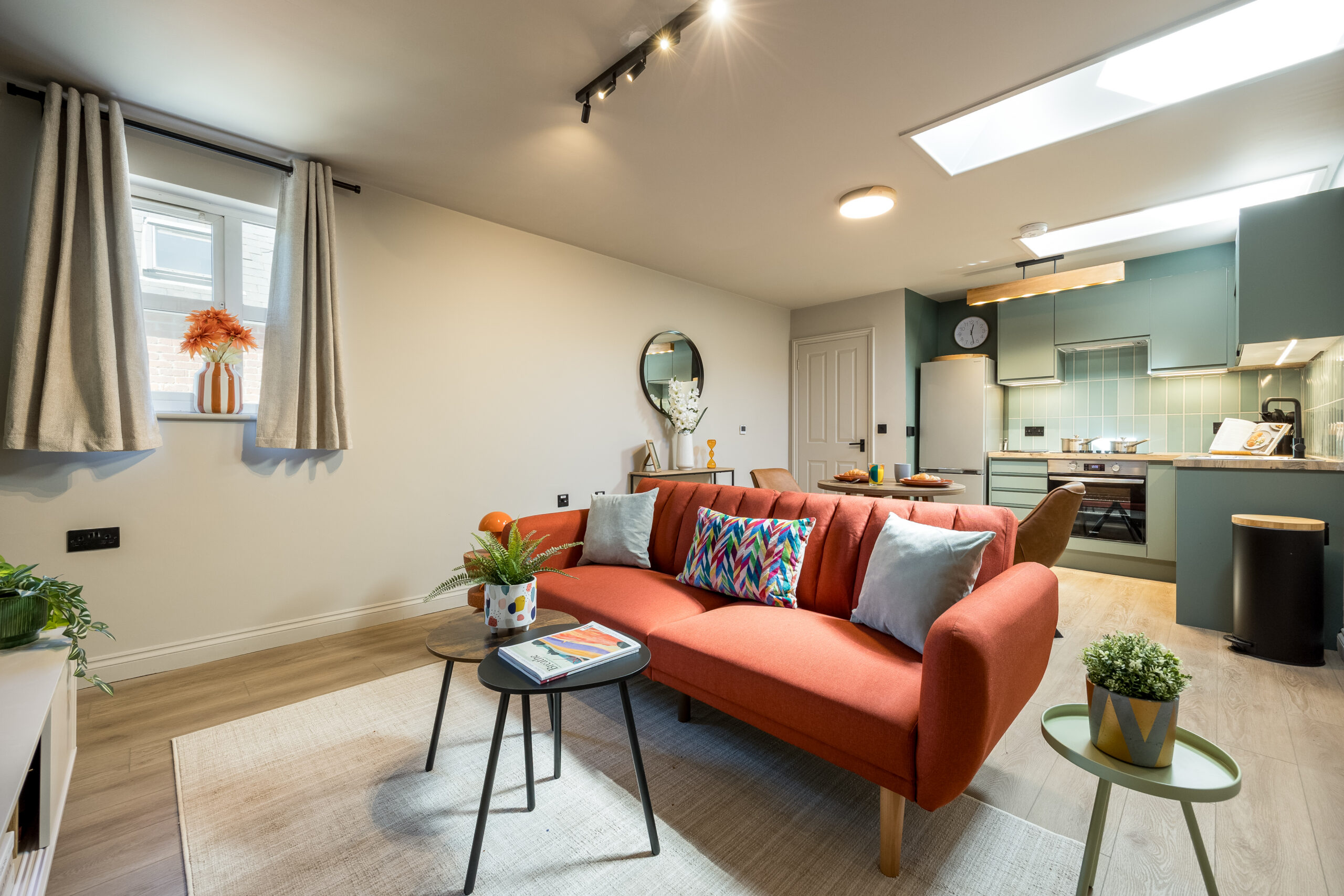
Booking corporate accommodation for construction and infrastructure teams across the Oxford to Bicester corridor comes down to three practical tests: how fast a crew reaches the site gate, how cleanly the invoices clear your finance team, and whether people actually sleep between shifts. This guide helps project managers, HR and relocation coordinators compare furnished rooms, studios and one-bedroom flats against hotels and serviced apartments, plan a booking timeline before mobilisation, and ask the right questions on billing and lease terms.
B-Hive Living provides furnished homes in Oxford and Bicester for corporate stays, built around a wellness-led coliving model for people living away from home for weeks or months.
What counts as corporate accommodation for construction and infrastructure teams
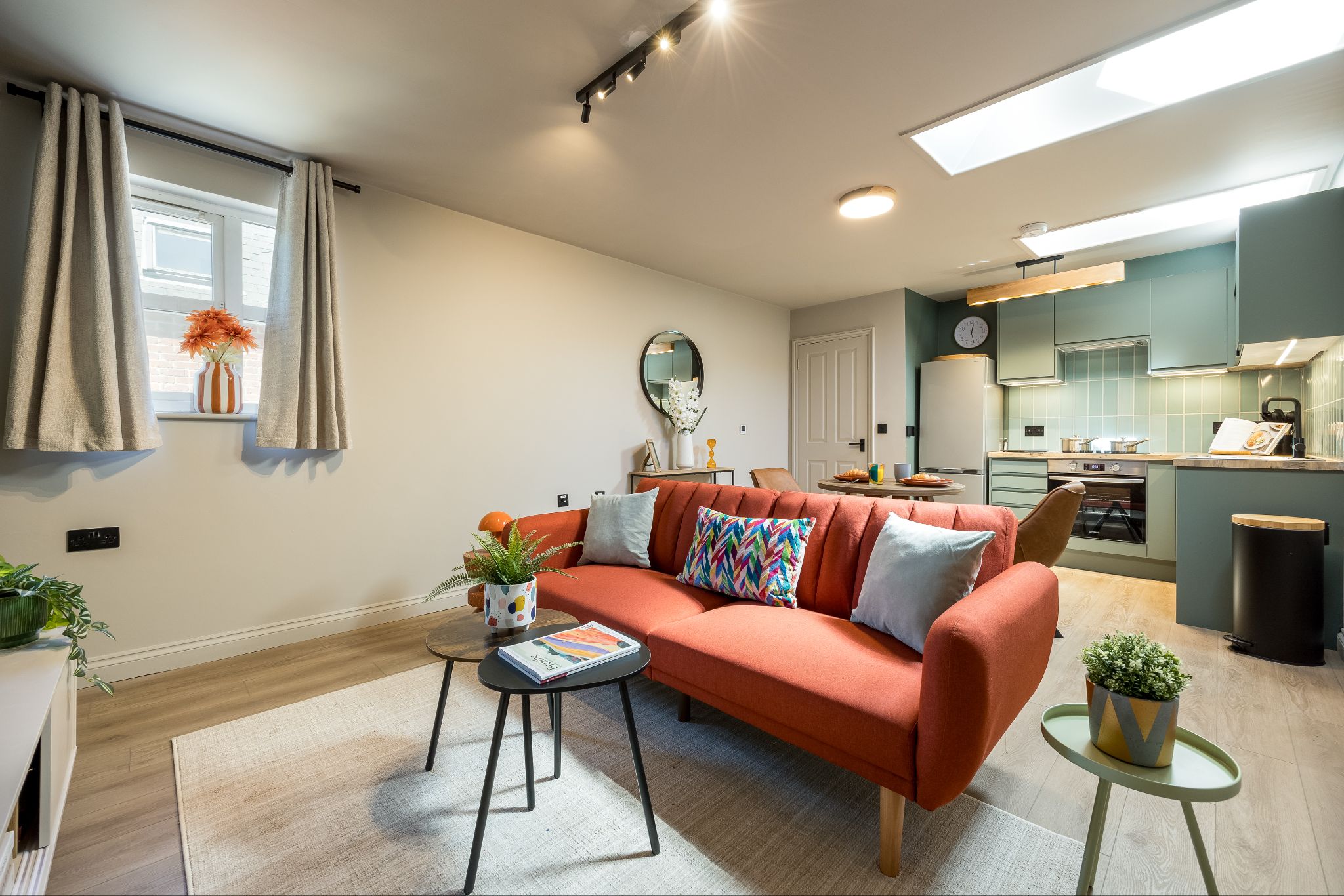
Corporate accommodation is housing booked and usually invoiced to a company rather than an individual, for a defined project period. On construction and infrastructure work that normally means furnished, ready-to-move-in homes, a single point of contact, and billing your finance team can process without chasing receipts.
Serviced apartment versus furnished room versus hotel
Each format fits a different stage of a project. A hotel covers short scoping visits. Furnished rooms and studios cover longer rotations where someone needs a base, a kitchen and a routine. Serviced apartments suit managers or small teams who need more space and privacy.
- Hotel: usually no cooking facilities, higher nightly rates over long stays, minimal storage.
- Furnished room in a shared home: lower cost per person, communal kitchen and living space, company on site.
- Studio or one-bedroom flat: self-contained, better for couples relocating or managers who need quiet.
Why the Oxford to Bicester corridor works for split teams
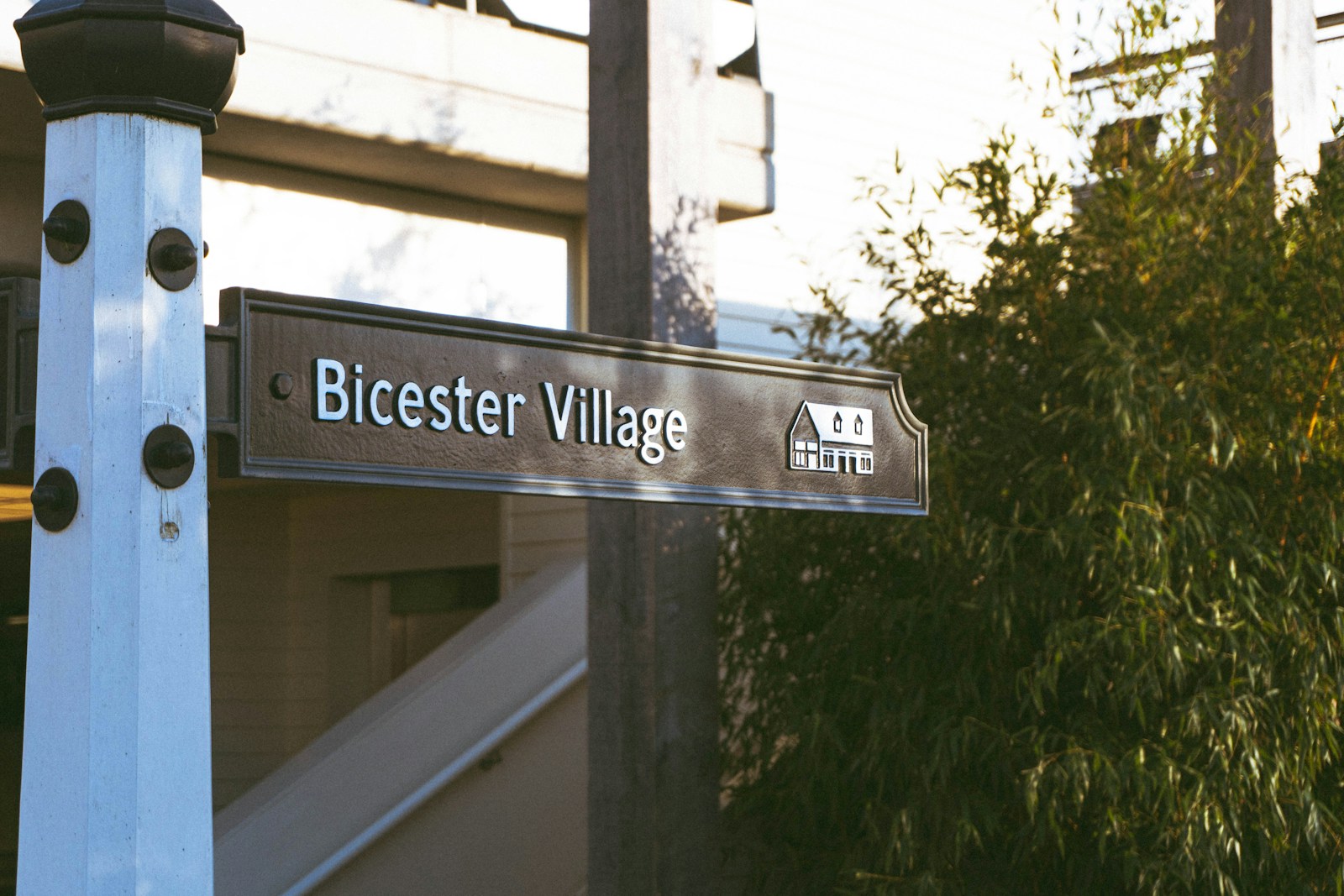
Oxford and Bicester sit on the same rail corridor, so you can house a team across both towns and still reach a single site. Oxford suits people working in the city, the hospitals and the science and research clusters. Bicester suits teams working the north-east side of the county and anyone who wants easier road access.
Planning a booking timeline for a new project
Start the accommodation conversation as early as site mobilisation allows. The further ahead you book, the more choice you have over room types and the easier it is to keep a team in one building instead of scattered across three.
- Confirm headcount and rotation pattern. How many people, arriving when, staying how long, rotating on what cycle.
- Map the site entrance, not the town centre. Travel time to a site gate can differ sharply from travel time to a postcode centre.
- Decide who signs. Company account, individual booking or a mix. This affects invoicing and who carries responsibility for damage or early departure.
- Agree the billing cycle. Monthly invoicing with a clear reference number saves admin time on both sides.
- Book a viewing or virtual walkthrough before committing a large group.

If you are coordinating a corporate stay, you can discuss a corporate stay with the B-Hive Living team and share your headcount and dates directly.
Costs, bills and lease terms to check before you commit
Ask for a written breakdown of what is included and what is not. The headline rent is rarely the full picture, and unexpected extras are the most common source of friction between a housing provider and a project finance team.
Questions to put in writing
- Which bills are included in the price, and which are billed separately?
- Is there a minimum stay, and what notice is required to extend or end a booking?
- What happens if a project overruns or finishes early?
- Is parking available, and is it charged?
- What is the deposit, and when is it returned?
- Who is the day-to-day contact if something breaks?
Comparing quotes fairly
Put every option into the same table before deciding. Compare total cost per person per week, not nightly rate, once bills and any parking charges are added. A slightly higher weekly figure that includes everything is often easier to manage than a cheaper base rate with four separate invoices.
Wellbeing and shift patterns: the part that affects safety
Rest quality is a safety issue on construction and infrastructure projects, not a nice-to-have. Long shifts, early starts and shared living can quietly erode sleep if the accommodation is noisy, overcrowded or poorly laid out.
- Check whether rooms have proper blackout curtains and whether the building is quiet at night.
- Ask how shift workers are grouped, so day and night crews are not sharing thin walls.
- Look for a real kitchen, not just a microwave, so people can eat properly.
- Check whether there is shared space to decompress, which matters more on longer rotations.
B-Hive Living designs its homes around this idea: furnished, well-planned spaces with community areas, so residents have somewhere to rest and somewhere to connect without being on top of each other. You can explore the Hives to see how the spaces are set up.
Housing teams across Oxford and Bicester
If your project spans both towns, treat them as one housing pool rather than two separate searches. That gives you more flexibility when a group arrives at short notice or when one building fills up.
When Oxford works better
Choose Oxford for teams working in the city, at the hospitals or in the research and science parks, and for anyone who would rather not drive to work. Rail and bus links within the city are strong, so a base slightly outside the centre can still be practical.
When Bicester works better
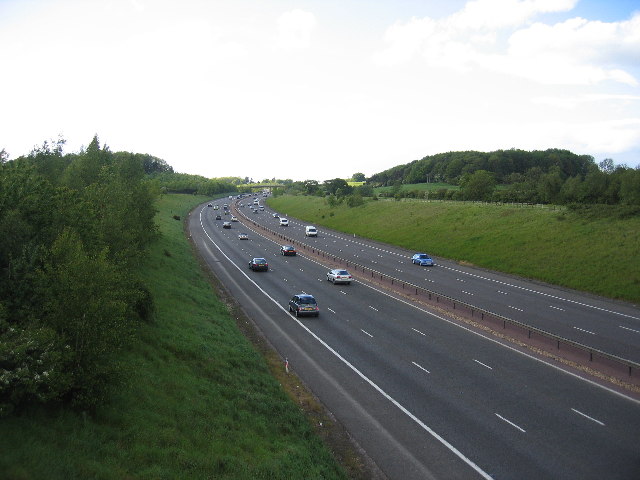
Choose Bicester for projects on the north-east side of the county, for teams arriving by car, and for anyone who wants a quieter base with easy access to the M40 and the wider road network. Bicester also tends to suit people who want more space for their money.
For employers, HR and relocation coordinators

A single accommodation partner reduces the admin load on a project team. Instead of managing dozens of individual bookings, you deal with one account, one invoicing cycle and one contact when something needs fixing.
- Nominate one person internally to own the accommodation list and keep it current.
- Give new starters a short welcome note with the address, travel options and who to contact.
- Review the arrangement at the midpoint of the project, not just at the end.
Employers and relocation teams can partner with us to set up a repeatable process for incoming staff and contractors.
For landlords and institutional partners
Corporate demand from construction and infrastructure projects is steady and often longer-term than standard lets, which can reduce void periods and turnover. The trade-off is that corporate tenants expect a professional standard of furnishing and a fast response when something goes wrong.
If you own property in Oxford or Bicester and want to discuss how it could work as corporate accommodation, you can partner with us and we can talk through the options.
Frequently asked questions
How long can a corporate stay run?
Lengths vary by project, from a few weeks to several months. Ask about minimum stay and notice periods before you book, because these terms differ between providers and are the main thing to confirm in writing.
Can a company book several rooms at once?
Yes, group bookings are common for construction and infrastructure teams. Share your headcount, dates and preferred town as early as possible so room types can be matched to your group.
Are bills included?
It depends on the property and the agreement. Always ask for a written list of what is included and what is billed separately, so your finance team knows what to expect.
Do you accommodate remote workers as well as site teams?
Yes. Furnished rooms, studios and one-bedroom flats suit remote workers, couples and professionals on longer placements, not only construction crews.
Ready to move? Apply to live with us or book a viewing to see a home before your team arrives.