Blog

  • What HR Teams Should Ask Before Signing a Corporate Let

    What HR Teams Should Ask Before Signing a Corporate Let

    When you’re arranging accommodation for a new hire or a relocating employee, the pressure to get it right quickly is real. A corporate let can solve housing stress, but signing the wrong agreement creates costs, complaints, and churn. This guide walks you through the specific questions HR teams should ask before committing to a corporate let, covering lease flexibility, bills, furnishing, community, and wellbeing support.

    What are the lease terms and exit clauses?

    The first thing to clarify is the flexibility of the lease. Corporate lets often run for 6 to 12 months, but your employee’s assignment might be shorter or longer. Ask directly: Can the term be shortened or extended? What notice period is required, and are there penalties for early exit? A good provider will offer terms that adapt to your business needs, not just a fixed contract.

    What happens if the employee leaves early?
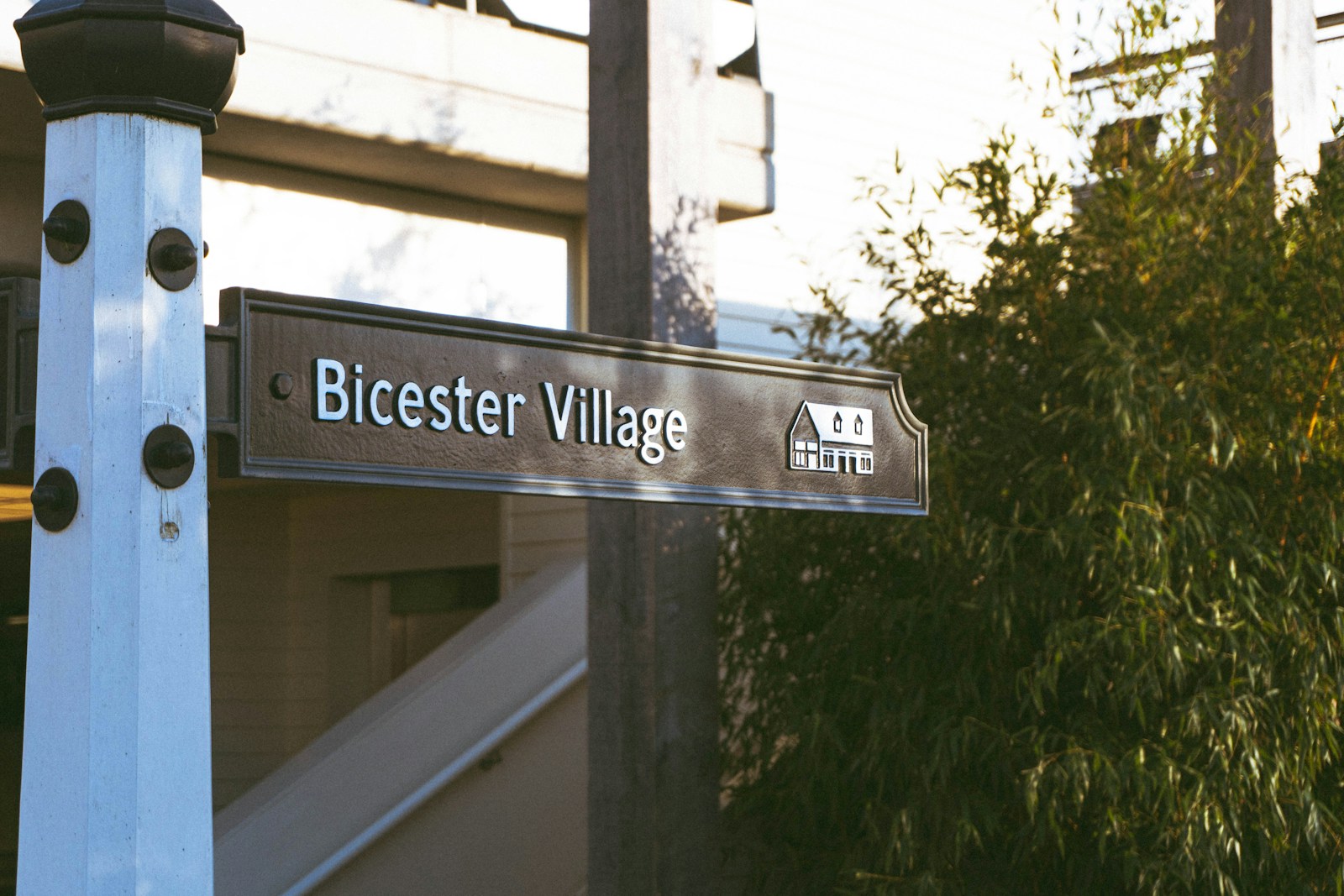
    Bicester Village sign

    Find out the process for early termination. Is there a break clause? What costs are involved? Some providers allow you to swap the employee without penalty, which is useful for rotations or replacements. Ensure the agreement is clear on this so you don’t pay for empty rooms.

    What is included in the monthly cost?

    Hidden costs are the enemy of a smooth corporate relocation. Ask for a full breakdown of what the monthly fee covers. Typically, this includes rent, utilities, Wi-Fi, and council tax, but confirm whether there are any additional charges for parking, cleaning, or maintenance. A transparent provider will give you a single all-inclusive figure with no surprises.

    Are bills and Wi-Fi really included?

    Double-check that utilities like electricity, water, gas, and high-speed internet are genuinely included and not capped. For remote workers, reliable Wi-Fi is non-negotiable. Ask about the broadband speed and whether there’s a backup if it goes down.

    How are the homes furnished and equipped?

    Train station sign, Bicester Village

    Your employee needs to move in and work immediately, not assemble flat-pack furniture. Ask about the level of furnishing: Is it fully furnished with quality pieces? Is there a desk and ergonomic chair for remote work? What about kitchen appliances, bedding, and towels? A wellness-led provider like B-Hive Living ensures homes are move-in ready with comfortable, functional spaces.

    Is there a starter pack or welcome kit?

    Some providers offer a welcome pack with essentials like tea, coffee, and toiletries, which makes the first night easier. Ask if this is included. It’s a small detail that shows the provider cares about the employee’s experience.

    What support and community do residents get?

    Relocation is stressful, and a sense of community can make all the difference. Ask what social events or communal spaces are available. Does the provider organize meetups or have a resident app? For employees moving alone, a built-in community helps them settle faster and feel less isolated.

    Is there on-site management or a helpdesk?

    UK Manager of the Year - Tenant's Choice

    Find out who handles maintenance requests and how quickly they respond. Is there a 24/7 helpline? Knowing that your employee can get help quickly reduces your administrative burden and their anxiety.

    How does the location suit your employee’s commute and lifestyle?

    Location is more than just a postcode. Ask about transport links to major employers, shops, and leisure facilities. For example, in Oxford, properties near the train station or park-and-ride are ideal for commuters to London or the science parks. In Bicester, proximity to the town centre and Bicester Village might be a plus. Provide your employee with a clear picture of the commute times and local amenities.

    What are the parking options?

    If your employee drives, ask about parking availability and cost. Some city-centre properties have limited parking, so it’s crucial to know this upfront to avoid daily parking headaches.

    Can you provide references or testimonials?

    UK Manager of the Year - Tenant's Choice-2

    Don’t just take the provider’s word for it. Ask for references from other HR teams or corporate clients who have used their services. A reputable provider will be happy to share testimonials or case studies. This gives you confidence in their reliability and quality.

    What is the booking and move-in process?

    Finally, understand the practical steps. How do you book? Is there a simple online portal? How much notice is needed? What happens on the move-in day? A streamlined process means less stress for you and your employee.

    Can you arrange a viewing or virtual tour?

    Always request a viewing or a virtual tour before signing. This lets you see the property’s condition and verify that it matches the photos. It’s also a chance to meet the team and ask any additional questions in person.

    Frequently asked questions about corporate lets

    Can we use a corporate let for a short-term internship?

    UK's Best Community Experience

    Yes, many providers offer flexible terms that can accommodate short stays, sometimes as short as a few weeks. Always ask about minimum stay requirements and whether the rate is adjusted for shorter periods.

    Are corporate lets more expensive than standard rentals?

    Corporate lets often include more services and flexibility, which can make them slightly more expensive per month. However, the all-inclusive nature and reduced hassle often make them cost-effective for businesses, especially when you factor in the time saved on setup and management.

    Can we book multiple units for a team?

    If you’re relocating a group, ask about group bookings. Providers may offer a discount or coordinate units in the same building, which can help with team cohesion. B-Hive Living, for instance, can discuss options for multiple residents.

    By asking these questions, you’ll avoid common pitfalls and secure a corporate let that supports your employee’s wellbeing and productivity. If you’re considering Oxford or Bicester, discuss a corporate stay with us to see how we can meet your relocation needs.
  • En-Suite Room, Studio or One-Bed Flat for a Corporate Relocation?

    En-Suite Room, Studio or One-Bed Flat for a Corporate Relocation?

    Relocating to Oxford or Bicester for work, you face a choice: en-suite room, studio, or one-bed flat for your corporate relocation. Each option changes your budget, commute, and how quickly you feel at home. This guide compares them across cost, space, privacy, and community, so you can match the right setup to your new role and lifestyle.

    What’s the real difference between an en-suite, a studio, and a one-bed flat?

    An en-suite room gives you a private bedroom and bathroom, with shared kitchen and living spaces. A studio combines bedroom, living area, and often a kitchenette in one open-plan layout. A one-bed flat is fully self-contained with separate rooms and your own front door. The trade-off is simple: more independence usually means a higher price and less built-in social life.

    En-suite room: the social and budget-friendly option

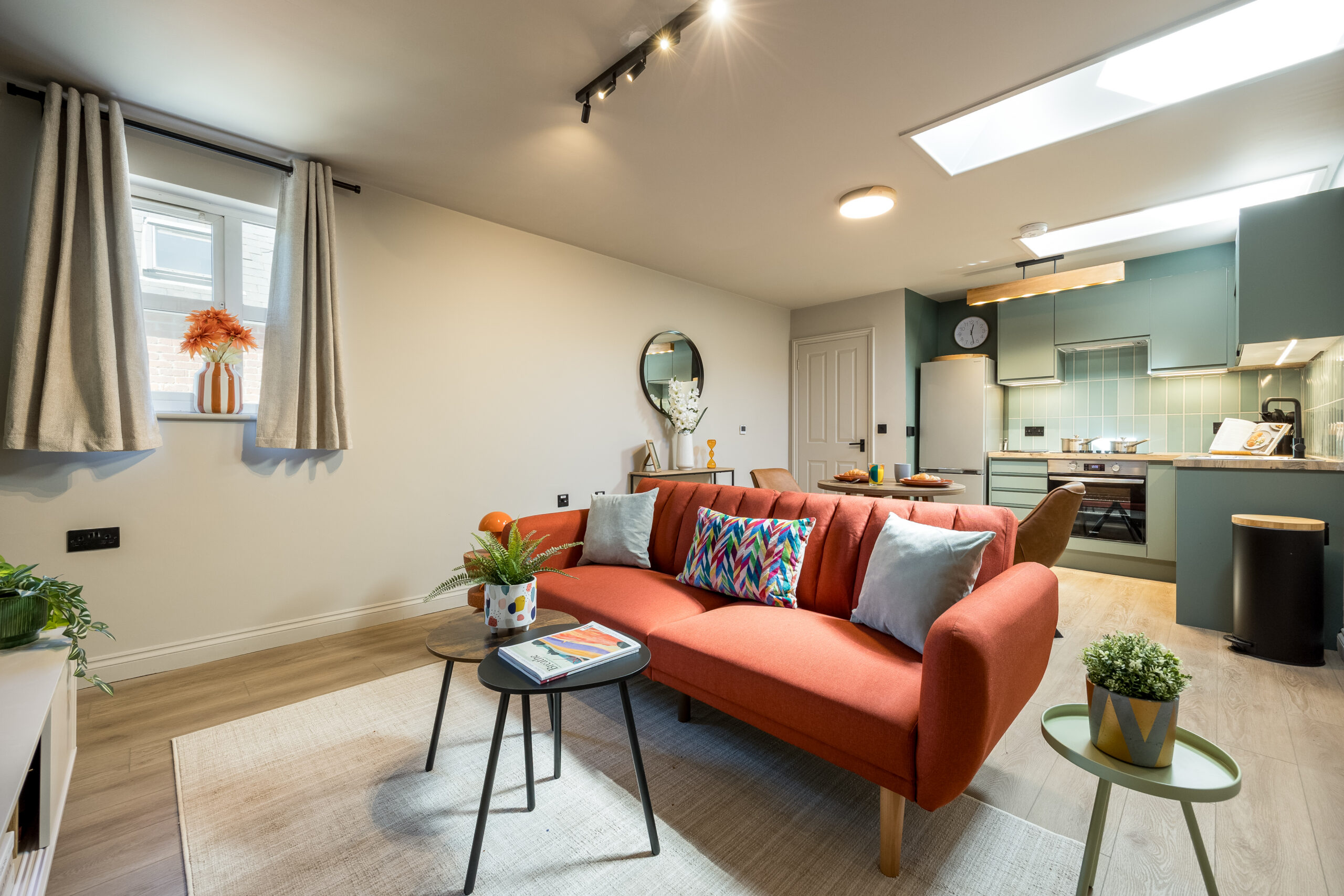
    Living room, orange sofa

    If you’re new to the area and want to build a network fast, an en-suite in a coliving building like B-Hive Living is a smart start. You get your own lockable bedroom and bathroom, but share a kitchen, lounge, and sometimes a co-working space. That setup makes it easier to meet neighbours, join group dinners, or find a running buddy, which matters when you don’t know anyone yet.

    Studio: the middle ground for focus and flexibility

    A studio suits remote workers or couples who want more control over their space without the full responsibility of a flat. You’ll have your own kitchen and living area, so you can cook at midnight or take a video call without worrying about flatmates. The catch is that studios are usually smaller than a one-bed, so you’ll need to be comfortable with an open-plan layout.

    One-bed flat: maximum privacy and independence

    For those who value total separation between work and home, a one-bed flat is the clearest choice. You get a dedicated bedroom, a separate living room, and a kitchen you don’t share. That privacy is ideal for couples, senior roles, or anyone done with shared living. The trade-off is cost and sometimes a quieter social life, unless you actively seek out community events.

    How do costs compare for corporate relocations in Oxford and Bicester?

    Rental prices vary by location and season, but the general pattern holds: en-suite rooms are the most affordable, studios sit in the middle, and one-bed flats cost the most. In Oxford, city-centre one-beds can easily exceed £1,500 per month, while a coliving en-suite might start around £900 to £1,100. Bicester tends to be slightly cheaper, though new developments are narrowing the gap. Always check current listings for exact figures.

    What’s included in the rent?

    Living room, orange sofa-2

    At B-Hive Living, our rents are all-inclusive, covering utilities, Wi-Fi, and council tax. That means no surprise bills at the end of the month, a relief when you’re juggling a new job and a move. A private landlord might quote a lower rent, but you’ll often pay extra for electricity, heating, and internet, so compare the total cost, not just the headline number.

    How do deposits and lease terms differ?

    Corporate relocations often need flexibility, so look for providers that offer short-term leases or reduced deposits. B-Hive Living works with employers to arrange stays from a few weeks to several months, and we don’t ask for a traditional six-month commitment. A one-bed flat usually requires a longer tenancy and a deposit of five to six weeks’ rent, which can tie up your cash.

    Which option gives you the best commute and location?

    Your daily commute is a major factor. If your office is in Oxford city centre, a room in a coliving building near the station or on a bus route saves time. For Bicester, look for accommodation close to Bicester Village or the mainline station, which has direct trains to London Marylebone in about 45 minutes. Studios and flats are more common in residential areas, so check the transport links before you book.

    Oxford: walkable and bike-friendly

    Oxford is compact, and many corporate workers cycle or walk to work. A central location means you can skip the car and avoid parking fees. B-Hive Living’s Oxford properties are placed near key employers and transport hubs, so you can get to the Science Park or the city centre without a long slog.

    Bicester: fast trains and new developments

    UK Manager of the Year - Tenant's Choice

    Bicester is growing fast, with new homes and offices popping up. The mainline station is a big draw for commuters heading to London or Birmingham. If you choose a flat or studio here, you’ll likely have more space for your money, but you’ll need to factor in the train fare if your office isn’t local.

    How does community and wellbeing factor into your choice?

    Where you live affects your mental health and how quickly you settle in. An en-suite room in a coliving setting gives you built-in social opportunities, which can reduce the loneliness that often comes with relocation. Studios and flats offer more privacy, but you’ll need to make an effort to meet people, whether that’s joining a local club or attending events at your building.

    Wellness-led amenities make a difference

    B-Hive Living designs its spaces with wellbeing in mind: think natural light, quiet zones, and communal areas that encourage conversation. We also host regular social events, from yoga mornings to board game nights, so you don’t have to rely on chance to make friends. That’s a benefit you won’t find in a standard flat.

    What if you’re a couple or a remote worker?

    Couples often prefer a one-bed flat for the extra space and privacy, but a studio can work if you’re both out during the day. Remote workers need a quiet spot for calls, so a studio with a separate desk area might beat an en-suite where you’d have to work in your bedroom. Think about your daily routine before you decide.

    How do you choose the right option for your relocation?

    UK Manager of the Year - Tenant's Choice-2

    Start by listing your must-haves: budget, commute time, privacy level, and social needs. Then match those against the options. If you’re on a tight budget and want to meet people, an en-suite is the safe bet. If you need quiet and don’t mind paying more, a one-bed flat is worth it. A studio is the compromise for many.

    Quick comparison table

    • En-suite: lowest cost, shared kitchen/lounge, high social potential, less privacy.
    • Studio: mid cost, own kitchen/living, moderate privacy, limited social space.
    • One-bed flat: highest cost, full independence, maximum privacy, no built-in community.

    What about corporate stays and flexibility?

    If your employer is arranging the move, ask if they have a corporate housing partner. B-Hive Living offers corporate accommodation with flexible terms, so you can extend or shorten your stay without penalty. That flexibility is a lifesaver if your project timeline changes.

    Frequently asked questions about corporate relocation housing

    Can I book a short-term stay before committing to a longer lease?

    Yes, many providers, including B-Hive Living, offer short-term stays from a few weeks. That’s a great way to test the area and the accommodation before you sign a longer contract.

    Are bills really included in the rent?

    At B-Hive Living, yes, all bills are included: utilities, Wi-Fi, and council tax. Always confirm with other landlords, as some charge extra.

    What if I need to move in quickly?

    Bicester Village sign

    Corporate relocations often happen fast. Look for providers that can move you in within a few days of your arrival. B-Hive Living aims to have rooms ready for immediate occupancy, subject to availability.

    Now that you know the trade-offs, you can make a confident choice. If you’re leaning toward a community-focused en-suite or a flexible studio, Apply to live with us or Book a viewing to see what’s available. For employer-led moves, Discuss a corporate stay with our team.

  • Corporate Accommodation vs Airbnb: Risk, Cost and Consistency Compared

    Corporate Accommodation vs Airbnb: Risk, Cost and Consistency Compared

    When you’re arranging a stay for a relocating employee or a project team, the choice between corporate accommodation and Airbnb can feel like a coin toss. But the differences in risk, cost, and consistency are significant. This article helps you compare the two options, so you can make a decision that protects your people and your budget.

    What is corporate accommodation and how does it differ from Airbnb?

    Corporate accommodation is a fully furnished home or apartment leased directly from a provider, typically for a month or longer. Unlike Airbnb, which is a peer-to-peer platform for short-term rentals, corporate accommodation is managed by a professional company that specialises in business stays. This means you get a dedicated point of contact, consistent quality standards, and services like housekeeping and maintenance built into the agreement.

    UK Manager of the Year - Tenant's Choice-2

    For example, at B-Hive Living, we offer corporate stays in Oxford and Bicester, with all bills, Wi-Fi, and weekly cleaning included. Our properties are designed for longer stays, with workspaces and community areas, so your team can settle in and focus on work.

    Cost comparison: which is more cost-effective for longer stays?

    For stays of a month or more, corporate accommodation is often more cost-effective than Airbnb. Airbnb listings typically add a service fee and cleaning fee to the nightly rate, and longer stays may not always get a discount. Corporate accommodation, on the other hand, offers a single weekly or monthly rate that includes all bills and services, so you avoid unexpected costs.

    Consider a 30-day stay in Oxford. An Airbnb might cost £100 per night, plus a £50 cleaning fee and a £60 service fee, totalling £3,110. A corporate apartment might be £1,800 per month, all inclusive, saving you over £1,300. The savings come from the provider’s ability to offer a longer-term rate and bundle services.

    Risk management: how do the two options differ in reliability and support?

    User and Community Experience

    Airbnb stays come with higher risk: the property might not match the photos, the host could cancel at short notice, and you have little recourse if something goes wrong. Corporate accommodation providers are accountable for the quality and upkeep of their properties. They have professional teams to handle issues, and contracts that guarantee the level of service.

    For example, if a boiler breaks, an Airbnb host might take days to fix it. A corporate provider will have a maintenance team on call, and they’ll often move you to another property if the issue can’t be resolved quickly. This reliability is crucial for employees who need a stable base to work from.

    Consistency and quality: what can you expect from each?

    Corporate accommodation is designed for consistency. Each property is professionally furnished and maintained to a standard, with the same amenities and support across the portfolio. Airbnb properties vary widely in quality, and you can’t be sure what you’ll get until you arrive.

    Open-plan living room with orange sofa

    At B-Hive Living, we apply the same standards to every property: comfortable beds, fast Wi-Fi, a fully equipped kitchen, and a clean, modern space. We also offer community areas and events, which can help your employees feel connected, especially if they’re new to the area.

    Which is better for your business? Key considerations

    When deciding between corporate accommodation and Airbnb, think about the length of stay, the number of people, and the level of support you need. For short, flexible stays, Airbnb might be fine. But for longer assignments, relocations, or project teams, corporate accommodation offers better value, lower risk, and a more consistent experience.

    Also consider the wellbeing of your employees. A corporate provider like B-Hive Living focuses on wellness-led living, with spaces that support a healthy work-life balance. This can make a big difference to productivity and satisfaction.

    Frequently asked questions about corporate accommodation vs Airbnb

    Can I get a discount for a long-term stay on Airbnb?

    Living room, orange sofa

    Some Airbnb hosts offer weekly or monthly discounts, but they are not guaranteed and vary widely. Corporate accommodation providers typically have set rates for longer stays, which are often lower than the nightly rate, and include all bills.

    What happens if there’s a problem with the property?

    With Airbnb, you’d need to contact the host and hope they respond quickly. With corporate accommodation, you have a professional management team that will resolve issues promptly, often with a guaranteed response time.

    Is corporate accommodation more expensive than Airbnb?

    For stays of a month or more, corporate accommodation is usually more cost-effective because the rate includes all bills and services. For very short stays, Airbnb might be cheaper, but you sacrifice reliability and support.

    Living room, orange sofa-2

    If you’re planning a corporate stay in Oxford or Bicester, consider the benefits of a dedicated provider. Discuss a corporate stay with us to see how we can support your team.

  • Corporate Accommodation for Construction and Infrastructure Teams

    Corporate Accommodation for Construction and Infrastructure Teams

    Booking corporate accommodation for construction and infrastructure teams across the Oxford to Bicester corridor comes down to three practical tests: how fast a crew reaches the site gate, how cleanly the invoices clear your finance team, and whether people actually sleep between shifts. This guide helps project managers, HR and relocation coordinators compare furnished rooms, studios and one-bedroom flats against hotels and serviced apartments, plan a booking timeline before mobilisation, and ask the right questions on billing and lease terms.

    B-Hive Living provides furnished homes in Oxford and Bicester for corporate stays, built around a wellness-led coliving model for people living away from home for weeks or months.

    What counts as corporate accommodation for construction and infrastructure teams

    Living room, orange sofa-2

    Corporate accommodation is housing booked and usually invoiced to a company rather than an individual, for a defined project period. On construction and infrastructure work that normally means furnished, ready-to-move-in homes, a single point of contact, and billing your finance team can process without chasing receipts.

    Serviced apartment versus furnished room versus hotel

    Each format fits a different stage of a project. A hotel covers short scoping visits. Furnished rooms and studios cover longer rotations where someone needs a base, a kitchen and a routine. Serviced apartments suit managers or small teams who need more space and privacy.

    • Hotel: usually no cooking facilities, higher nightly rates over long stays, minimal storage.
    • Furnished room in a shared home: lower cost per person, communal kitchen and living space, company on site.
    • Studio or one-bedroom flat: self-contained, better for couples relocating or managers who need quiet.

    Why the Oxford to Bicester corridor works for split teams

    Oxford and Bicester sit on the same rail corridor, so you can house a team across both towns and still reach a single site. Oxford suits people working in the city, the hospitals and the science and research clusters. Bicester suits teams working the north-east side of the county and anyone who wants easier road access.

    Planning a booking timeline for a new project

    Start the accommodation conversation as early as site mobilisation allows. The further ahead you book, the more choice you have over room types and the easier it is to keep a team in one building instead of scattered across three.

    1. Confirm headcount and rotation pattern. How many people, arriving when, staying how long, rotating on what cycle.
    2. Map the site entrance, not the town centre. Travel time to a site gate can differ sharply from travel time to a postcode centre.
    3. Decide who signs. Company account, individual booking or a mix. This affects invoicing and who carries responsibility for damage or early departure.
    4. Agree the billing cycle. Monthly invoicing with a clear reference number saves admin time on both sides.
    5. Book a viewing or virtual walkthrough before committing a large group.
    Bicester North railway station, which connects Bicester to Oxford, Banbury and London

    If you are coordinating a corporate stay, you can discuss a corporate stay with the B-Hive Living team and share your headcount and dates directly.

    Costs, bills and lease terms to check before you commit

    Ask for a written breakdown of what is included and what is not. The headline rent is rarely the full picture, and unexpected extras are the most common source of friction between a housing provider and a project finance team.

    Questions to put in writing

    • Which bills are included in the price, and which are billed separately?
    • Is there a minimum stay, and what notice is required to extend or end a booking?
    • What happens if a project overruns or finishes early?
    • Is parking available, and is it charged?
    • What is the deposit, and when is it returned?
    • Who is the day-to-day contact if something breaks?

    Comparing quotes fairly

    Put every option into the same table before deciding. Compare total cost per person per week, not nightly rate, once bills and any parking charges are added. A slightly higher weekly figure that includes everything is often easier to manage than a cheaper base rate with four separate invoices.

    Wellbeing and shift patterns: the part that affects safety

    Rest quality is a safety issue on construction and infrastructure projects, not a nice-to-have. Long shifts, early starts and shared living can quietly erode sleep if the accommodation is noisy, overcrowded or poorly laid out.

    • Check whether rooms have proper blackout curtains and whether the building is quiet at night.
    • Ask how shift workers are grouped, so day and night crews are not sharing thin walls.
    • Look for a real kitchen, not just a microwave, so people can eat properly.
    • Check whether there is shared space to decompress, which matters more on longer rotations.
    The M40 motorway, one of the main routes into Bicester and Oxfordshire

    B-Hive Living designs its homes around this idea: furnished, well-planned spaces with community areas, so residents have somewhere to rest and somewhere to connect without being on top of each other. You can explore the Hives to see how the spaces are set up.

    Housing teams across Oxford and Bicester

    If your project spans both towns, treat them as one housing pool rather than two separate searches. That gives you more flexibility when a group arrives at short notice or when one building fills up.

    When Oxford works better

    Choose Oxford for teams working in the city, at the hospitals or in the research and science parks, and for anyone who would rather not drive to work. Rail and bus links within the city are strong, so a base slightly outside the centre can still be practical.

    When Bicester works better

    Choose Bicester for projects on the north-east side of the county, for teams arriving by car, and for anyone who wants a quieter base with easy access to the M40 and the wider road network. Bicester also tends to suit people who want more space for their money.

    For employers, HR and relocation coordinators

    User and Community Experience

    A single accommodation partner reduces the admin load on a project team. Instead of managing dozens of individual bookings, you deal with one account, one invoicing cycle and one contact when something needs fixing.

    • Nominate one person internally to own the accommodation list and keep it current.
    • Give new starters a short welcome note with the address, travel options and who to contact.
    • Review the arrangement at the midpoint of the project, not just at the end.

    Employers and relocation teams can partner with us to set up a repeatable process for incoming staff and contractors.

    For landlords and institutional partners

    Corporate demand from construction and infrastructure projects is steady and often longer-term than standard lets, which can reduce void periods and turnover. The trade-off is that corporate tenants expect a professional standard of furnishing and a fast response when something goes wrong.

    If you own property in Oxford or Bicester and want to discuss how it could work as corporate accommodation, you can partner with us and we can talk through the options.

    Frequently asked questions

    How long can a corporate stay run?

    Bicester Village sign

    Lengths vary by project, from a few weeks to several months. Ask about minimum stay and notice periods before you book, because these terms differ between providers and are the main thing to confirm in writing.

    Can a company book several rooms at once?

    Yes, group bookings are common for construction and infrastructure teams. Share your headcount, dates and preferred town as early as possible so room types can be matched to your group.

    Are bills included?

    It depends on the property and the agreement. Always ask for a written list of what is included and what is billed separately, so your finance team knows what to expect.

    Do you accommodate remote workers as well as site teams?

    Yes. Furnished rooms, studios and one-bedroom flats suit remote workers, couples and professionals on longer placements, not only construction crews.

    Ready to move? Apply to live with us or book a viewing to see a home before your team arrives.

  • What Should Be Included in a Corporate Let?

    What Should Be Included in a Corporate Let?

    When you’re arranging a corporate let for a team member or a client, the details matter more than the lease. A corporate let isn’t just a furnished apartment; it’s a temporary home that supports productivity, wellbeing, and a smooth transition. This guide helps you compare what’s typically included, what to negotiate, and how to avoid surprises, whether you’re a relocation manager, a business owner, or an employee on assignment.

    What is a corporate let and how does it differ from a standard rental?

    A corporate let is a furnished property rented by a business for its employees, often for a few months to a year. Unlike a standard rental, the contract is usually between the company and the landlord or letting agent, and the property comes fully equipped for immediate living. The key difference is the level of service and flexibility: corporate lets often include bills, high-speed internet, and a higher standard of furnishing, with the aim of being ‘move-in ready’ for a busy professional.

    What are the essential furnishings and appliances in a corporate let?

    UK Manager of the Year - Tenant's Choice-2

    At a minimum, a corporate let should include a comfortable bed with quality linens, a sofa, a dining table and chairs, and storage for clothes. The kitchen must have a refrigerator, oven or hob, microwave, kettle, toaster, and basic cookware and utensils. A washing machine or access to laundry facilities is non-negotiable for stays longer than a week. In addition, a corporate let should provide a TV, and importantly, a dedicated workspace with a desk and an ergonomic chair, as many corporate tenants work remotely.

    What about kitchen essentials?

    Beyond appliances, check for a full set of crockery, glassware, cutlery, and cooking pots and pans. Some corporate lets go further and provide a welcome pack with tea, coffee, and basic condiments, which is a thoughtful touch that helps a new arrival settle in.

    What are the bedding and linen requirements?

    Living room, orange sofa

    Expect a fresh set of bed sheets, pillowcases, duvets or blankets, and towels. It’s worth confirming if these are provided for the entire stay or if there is a weekly changeover service. For longer lets, a weekly or bi-weekly cleaning service is often included.

    Which utilities and services should be covered in the rent?

    Most corporate lets include all utilities: electricity, gas, water, and council tax. This is a major advantage because it simplifies budgeting and avoids the hassle of setting up accounts. High-speed broadband is also a must-have, and the quality of the connection should be verified, especially for remote work. Some corporate lets also include a TV licence, which is a legal requirement if the property has a TV.

    Are there any bills that are not included?

    Living room, orange sofa-2

    Typically, phone calls (if there’s a landline) and any premium TV subscriptions are extra. Make sure you know exactly what’s covered before signing, and ask for a written list of included services.

    What level of service and support should you expect?

    A good corporate let comes with a dedicated point of contact for any issues, such as maintenance or emergencies. Many providers offer a 24/7 helpline, and some include a weekly cleaning service or a linen change. The level of service can vary, so it’s worth asking about the response times for repairs and whether there is a local property manager. For example, at B-Hive Living, we focus on wellness-led living, which means our corporate stays include not just the essentials but also a supportive community and wellbeing-focused amenities, designed to help residents feel at home and perform at their best.

    What about flexibility in lease terms and pricing?

    User and Community Experience

    Corporate lets typically offer more flexibility than standard rentals, with terms ranging from a few weeks to several months. Some providers offer discounts for longer stays, and the rent is usually all-inclusive. It’s important to clarify the notice period, the deposit (if any), and the cancellation policy. Also, check if the property can be extended if the assignment runs longer than expected.

    What are the key things to check before signing a corporate let?

    Before you commit, inspect the property or request a video tour. Verify that the furniture is in good condition, the appliances work, and the internet speed is adequate for your needs. Ask for a detailed inventory of what’s included, and confirm the service schedule. If you’re booking for an employee, consider their lifestyle: is the property in a convenient location for work and amenities? Does it offer a quiet space for work and relaxation? These factors can significantly impact their experience and productivity.

    Frequently asked questions about corporate lets

    Are corporate lets more expensive than standard rentals?

    Official winners 2022 and 2024

    They can be, because they include furniture, bills, and often services. However, the all-inclusive nature can be more cost-effective for a business, as it avoids the time and expense of setting up utilities and buying furniture.

    Can a corporate let be used for a personal stay?

    Some providers allow this, but the contract is usually with a business. If you’re an individual looking for a fully furnished, flexible stay, you might consider a serviced apartment or a coliving space like B-Hive Living, which offers similar benefits.

    What happens if something breaks during the stay?

    Report it immediately to the property manager. Most corporate lets have a maintenance service, and the provider should arrange a repair quickly. Ensure you know the procedure before you move in.

    Choosing the right corporate let is about more than just a roof over your head. It’s about providing a space where your team can work, rest, and feel settled. If you’re looking for a corporate stay in Oxford or Bicester, explore our Hives to see how we combine comfortable, furnished living with a supportive community. Discuss a corporate stay with us.

  • What Finance Teams Need to Know About All-Inclusive Corporate Rent

    What Finance Teams Need to Know About All-Inclusive Corporate Rent

    When you’re arranging accommodation for relocating employees or extended project stays, the all-inclusive corporate rent can look like a budgeting lifesaver. But without a clear breakdown, finance teams can end up chasing unexpected costs or overpaying for services that aren’t used. This guide helps you compare, plan, and negotiate all-inclusive corporate lets in Oxford and Bicester, so you can keep your budget predictable and your people comfortable.

    What Does All-Inclusive Corporate Rent Actually Cover?

    An all-inclusive corporate rent typically bundles rent, utilities (electricity, water, gas), high-speed internet, and council tax into one monthly fee. Some providers, like B-Hive Living, also include furnished living spaces, community access, and wellness amenities. This means your employee gets a move-in-ready home without the hassle of setting up accounts or managing bills.

    Why Finance Teams Prefer All-Inclusive Rentals

    The M40 motorway, one of the main routes into Bicester and Oxfordshire

    All-inclusive rentals simplify budgeting and reduce administrative work. Instead of tracking multiple invoices and reconciling utility bills, you pay one predictable amount. This is especially valuable for short-term assignments or when you need to onboard several employees at once. It also protects your team from seasonal energy price spikes, as the rate is fixed for the lease term.

    Predictable Cash Flow

    With a single monthly payment, you can forecast accommodation costs accurately. There are no surprise surcharges for extra heating or water usage, which is common in metered properties. This helps you manage your project budget without constant adjustments.

    Reduced Administrative Burden

    Your finance team won’t need to chase utility companies or reconcile multiple bills. The provider handles all that, so you can focus on core business activities. This is particularly beneficial for companies with limited HR or finance support.

    Comparing All-Inclusive vs. Traditional Rentals

    User and Community Experience

    Traditional rentals often have lower base rent but add costs for utilities, internet, and council tax. Over a year, these extras can add up to a significant amount. All-inclusive rentals bundle these costs, making it easier to compare total outlay. However, you should verify what’s actually included, as some providers exclude items like parking or cleaning services.

    What to Check in the Contract

    • Exact list of included utilities and any usage caps
    • Internet speed and whether it’s suitable for video conferencing
    • Council tax band and whether it’s included
    • Any additional fees for maintenance or community access
    • Notice period and flexibility for early termination

    How to Choose the Right All-Inclusive Option

    Start by assessing your employees’ needs. Do they need a private studio or are they open to a shared coliving space? For longer stays, a self-contained flat might be more suitable. For shorter assignments, a furnished room in a coliving community could offer more flexibility and social opportunities. Consider location relative to your office or project site, and check transport links.

    Location Considerations in Oxford and Bicester

    Oxford offers a vibrant city centre with excellent transport links, while Bicester provides a more relaxed pace and the convenience of Bicester Village for shopping. Both towns have good rail connections to London, making them viable for employees who need to commute. Choose a location that balances commute time with lifestyle preferences.

    Assessing the Provider’s Reputation

    Living room, orange sofa

    Look for providers with transparent terms and positive reviews from other corporate clients. Ask for references or case studies. B-Hive Living, for example, is known for its wellness-led approach and community focus, which can enhance employee wellbeing during their stay. Always verify current availability and pricing directly.

    Negotiating Corporate Rates and Terms

    Don’t assume the published rate is final. Many providers offer discounts for longer stays or multiple bookings. Ask about corporate accounts and whether they can tailor the package to your specific needs. Be clear about your expected usage patterns, such as whether employees will be present every day or only on weekdays.

    Questions to Ask Before Signing

    • Is there a minimum stay requirement?
    • What is the cancellation policy?
    • Are there any hidden fees, such as cleaning or maintenance?
    • Can you provide a detailed breakdown of what’s included?
    • How are maintenance requests handled?

    Managing Employee Expectations

    Once you’ve chosen an all-inclusive rental, communicate clearly with your employees about what’s covered and what’s not. Provide them with a welcome guide that includes Wi-Fi passwords, emergency contacts, and details about community amenities. This reduces confusion and ensures a smooth stay.

    Onboarding Tips for Relocating Employees

    Living room, orange sofa-2

    Share information about local transport, grocery stores, and healthcare facilities. If the accommodation is in a coliving community, encourage them to participate in social events to build connections. This can significantly improve their experience and productivity.

    Frequently Asked Questions

    Are all-inclusive corporate rents more expensive than traditional rentals?

    Not necessarily. While the monthly fee may be higher than a basic rent, it often includes utilities and other costs that would otherwise be separate. When you compare total costs, all-inclusive can be competitive, especially for short-term stays.

    Can we get a discount for multiple employees?

    Many providers, including B-Hive Living, offer corporate rates for multiple bookings. It’s worth asking about volume discounts or long-term partnerships.

    What happens if an employee needs to leave early?

    Bicester Village sign

    This depends on the contract. Some providers offer flexible terms, while others may charge a penalty. Always review the cancellation policy before signing.

    All-inclusive corporate rent can simplify your accommodation budgeting and improve employee satisfaction. By understanding what’s included, comparing options, and negotiating effectively, you can make a smart choice for your team. If you’re considering Oxford or Bicester, explore the Hives at B-Hive Living for wellness-led, all-inclusive living solutions.

  • Corporate Housing for Consultants on Short Assignments

    Corporate Housing for Consultants on Short Assignments

    You have a client project starting in Oxford in three weeks and a return train ticket booked for Friday. Finding corporate housing for consultants on short assignments means solving a specific problem: a furnished home that is ready on day one, bills already handled, and a lease that ends when the engagement does. This guide compares the practical options in Oxford and Bicester, from serviced apartments to corporate coliving, and shows what to check before you sign anything.

    What consultants actually need from corporate housing for consultants

    A consultancy assignment rarely follows a standard tenancy calendar. You need a property that is available for the exact weeks you are on site, furnished to a standard you can work and rest in, and simple to leave when the project closes. The checklist below covers the points that most often cause friction.

    Core requirements for a work-ready base

    • Flexible length of stay. Assignments often run from a few weeks to several months. Ask whether the minimum term matches your engagement dates, and what notice period applies if the project is extended or cut short.
    • Furnished and equipped. A desk, reliable broadband, a proper kitchen and laundry facilities matter more than decorative extras when you are working away from home.
    • Bills included. Council tax, utilities and broadband are usually bundled into a single monthly figure in corporate housing. Confirm exactly what is covered before comparing prices.
    • Commute realism. Check the door-to-door journey to your client site, not just the distance on a map. Oxford’s traffic and parking restrictions change the calculation.
    • Admin that fits a busy week. Digital referencing, a clear booking process and a named contact reduce the time you spend on logistics.

    Corporate coliving versus serviced apartments

    The M40 motorway, one of the main routes into Bicester and Oxfordshire

    Both formats work for consultants, but they suit different working styles. Serviced apartments give you a self-contained flat with hotel-style servicing. Corporate coliving gives you a private furnished room or studio within a shared building, with communal spaces and a built-in community. Neither is universally better; the right choice depends on how much solitude or company you want after hours.

    Quick comparison

    Factor
    Serviced apartment
    Corporate coliving

    Privacy
    Entire flat to yourself
    Private room or studio, shared communal areas

    Social contact
    Limited unless you seek it out
    Built-in community and shared spaces

    Typical setup
    Fully self-contained
    Furnished private space plus shared kitchen or lounge

    Best for
    Longer stays or those who prefer solitude
    Shorter assignments and consultants who want company

    When coliving makes sense for a short assignment

    If you are on site for six to twelve weeks and know nobody in the city, a shared building can make the evenings easier. A wellness-led coliving house typically provides communal kitchens, workspaces and social areas, so you are not relying on hotel bars or your own four walls for company. For consultants who value routine, look for quiet hours, cleaning schedules and clear house guidelines.

    Oxford or Bicester: choosing your base

    Bicester Village sign

    Both towns work for consultants, but they serve different commutes and budgets. Oxford suits assignments in the city centre, the hospitals, the university and the science parks. Bicester suits projects in the north Oxfordshire corridor, the M40 axis and companies around Bicester Motion and the town’s business parks. Your client’s location should decide this, not the postcode you have heard most about.

    Oxford at a glance

    • Best for: central client sites, university and hospital projects, consulting firms with city-centre offices.
    • Transport: strong rail links to London and the wider UK; local buses and cycle routes cover much of the city.
    • Watch out for: higher rents, limited parking and congestion in the centre. Plan your commute before committing.

    Bicester at a glance

    • Best for: assignments along the M40 corridor, Bicester Motion, logistics and engineering clients, and consultants who want more space for the money.
    • Transport: two railway stations with services towards London, Oxford and Birmingham; easy access to the M40.
    • Watch out for: fewer late-night options than Oxford, so check evening transport if you work long days.

    What to check before you book

    Corporate housing providers vary in what they include and how they handle extensions. A short, structured check protects you from surprise costs and awkward move-out dates.

    Your pre-booking checklist

    1. Confirm the minimum stay and notice period. Match these to your assignment dates and your client’s likely extension.
    2. Ask what is included. Council tax, utilities, broadband, cleaning and linen are common inclusions in corporate housing, but confirm each one in writing.
    3. Check the workspace. A desk and dependable internet are non-negotiable if you take calls from the property.
    4. Verify the commute. Test the route at the time of day you will actually travel.
    5. Read the house or building rules. Visitor policies, quiet hours and parking arrangements affect daily life more than they seem to on paper.
    6. Ask about invoicing. If your company or client is paying, confirm whether the provider can invoice a business directly.

    How B-Hive Living supports consultants

    Bicester North railway station, which connects Bicester to Oxford, Banbury and London

    B-Hive Living provides furnished rooms, studios and one-bedroom flats in Oxford and Bicester, with a focus on wellness-led coliving and corporate accommodation. For consultants on short assignments, that means a move-in-ready home, bills handled as part of the package, and communal spaces that make a new city easier to settle into. Availability changes, so the practical next step is to share your dates and let the team confirm what is open.

    • For consultants: apply to live with us and tell us your assignment dates and preferred town.
    • For employers and relocation teams: discuss a corporate stay and we will look at the options that fit your people and timeline.
    • For landlords and institutional partners: partner with us if you want your property managed within a wellness-led coliving model.

    Frequently asked questions

    What is the minimum stay for corporate housing?

    Minimum stays vary by provider and property. Some corporate housing is available for a few weeks, while other options ask for a longer commitment. Always confirm the minimum term and the notice period before booking, especially if your assignment could be extended.

    Are bills included in corporate housing?

    User and Community Experience

    Often yes, but the exact inclusions differ. Council tax, utilities, broadband and cleaning are commonly bundled into one monthly figure, yet it is worth asking for a written list so you can compare total costs fairly.

    Can my company pay for my accommodation directly?

    Many corporate housing providers can invoice a business rather than an individual. If your employer or client is covering the cost, ask about business invoicing and what documentation they need at the booking stage.

    Is coliving suitable for a short consulting assignment?

    UK Manager of the Year - Tenant's Choice

    It can be, particularly if you are new to the area and want a ready-made community. A private furnished room or studio gives you your own space, while shared kitchens and lounges provide company after work. Check quiet hours and house rules if you need a reliable routine.

  • Corporate Housing for Hybrid Employees: What a Good Setup Looks Like

    Corporate Housing for Hybrid Employees: What a Good Setup Looks Like

    When your team splits time between home and the office, the wrong accommodation can derail productivity and wellbeing. A good corporate housing setup for hybrid employees balances comfort, connectivity, and flexibility. This guide helps HR leaders, relocation managers, and employees compare options, plan stays, and discover what makes a stay productive and restful.

    What Makes Corporate Housing Different from a Hotel

    Corporate housing is a furnished home or apartment rented for a month or longer, designed for business travelers and relocating employees. Unlike a hotel, it offers separate living and sleeping areas, a full kitchen, and often laundry facilities. This setup supports longer stays and a more normal routine, which is key for hybrid work.

    Key Features to Look For

    • Reliable high-speed internet and a dedicated workspace
    • A full kitchen with cookware and appliances
    • Washer and dryer in the unit or on-site
    • Utilities, Wi-Fi, and council tax included in the rent
    • Flexible lease terms, from a few weeks to several months
    Living room, orange sofa-2

    These features let employees cook, work, and rest without hotel constraints, making it easier to maintain a healthy work-life balance.

    Designing for Hybrid Work: The Home-Office Setup

    A good corporate housing unit includes a comfortable, ergonomic workspace. Look for a desk and chair that support proper posture, and ensure the space has enough outlets and good lighting. This matters because hybrid employees often need to join video calls and focus for long stretches.

    Connectivity and Tech Support

    UK Manager of the Year - Tenant's Choice

    Fast, stable internet is non-negotiable. Ask about the provider, speed, and whether there is a backup option if the connection drops. Some providers offer tech support or a mobile hotspot as a backup, which can save a workday.

    Location and Commute: Balancing Work and Life

    Choose housing that shortens the commute to the office and offers easy access to local amenities. For hybrid employees, a location near transport links, grocery stores, and green spaces can improve daily life. In Oxford and Bicester, for example, proximity to train stations or business parks can make a big difference.

    Transport Options and Travel Times

    UK Manager of the Year - Tenant's Choice-2

    Check the actual travel time to the office by car, train, or bus. If employees will drive, confirm parking availability and costs. If they will use public transport, note the frequency and last trains. A 30-minute commute each way is often acceptable, but longer can eat into personal time.

    Wellness and Community: More Than a Place to Sleep

    After work, employees need space to unwind and connect. Look for housing that offers communal areas, fitness facilities, or easy access to parks and wellness activities. A sense of community can reduce the isolation of traveling for work.

    On-Site Amenities and Local Gems

    User and Community Experience

    Ask about on-site amenities like a gym, lounge, or outdoor space. Also research local cafés, restaurants, and walking trails. These details help employees settle in and feel part of the neighborhood, which is especially valuable for longer stays.

    Comparing Corporate Housing Providers

    When evaluating providers, ask about their experience with corporate clients, the flexibility of their leases, and how they handle maintenance and housekeeping. Read reviews from other companies and, if possible, request a virtual tour.

    Questions to Ask Before Booking

    • What is the minimum stay and are extensions possible?
    • Are all bills and Wi-Fi included?
    • Is there a dedicated point of contact for issues?
    • Can the unit be customized, such as adding a monitor or desk?
    • What is the cancellation policy?
    The M40 motorway, one of the main routes into Bicester and Oxfordshire

    Clear answers to these questions prevent surprises and ensure a smooth stay.

    Frequently Asked Questions

    How long can an employee stay in corporate housing?

    Stays typically range from 30 days to several months. Some providers offer flexible terms that can be extended weekly or monthly, depending on availability.

    Are pets allowed in corporate housing?

    It varies by provider and property. If an employee needs to bring a pet, ask upfront about pet policies and any additional fees.

    For a corporate stay that supports hybrid work, consider B-Hive Living’s furnished homes in Oxford and Bicester, designed with wellness and productivity in mind. Discuss a corporate stay with our team to find the right setup for your employees.

  • How to Manage Corporate Accommodation for Staggered Project Starts

    How to Manage Corporate Accommodation for Staggered Project Starts

    When your team arrives in Oxford or Bicester in waves, the last thing you need is a housing scramble. Staggered project starts mean some employees land weeks before others, and managing corporate accommodation for them requires a flexible, organised approach. This article will help you compare options, plan arrivals, and keep everyone comfortable and productive, whether you’re handling a handful of relocations or a full project team.

    Why Staggered Starts Demand a Different Accommodation Strategy

    Staggered project starts create unique challenges: you need to book rooms for different arrival dates, handle early arrivals who may need to work remotely, and ensure a consistent standard of comfort and support for everyone. A traditional single lease or hotel block rarely fits. Instead, you need a partner who can adapt to your timeline and provide a home-like environment that supports wellbeing and productivity from day one.

    Key Considerations for Booking Corporate Accommodation

    Flexibility in Booking and Cancellation

    Living room, orange sofa-2

    Project timelines shift. Look for accommodation providers that offer flexible booking terms, allowing you to adjust arrival dates or extend stays without heavy penalties. This flexibility is crucial when team members’ start dates change at short notice.

    Location and Commute

    Consider where your team needs to be. Oxford and Bicester have different transport links: Bicester benefits from the Chiltern Railways line to London Marylebone, while Oxford offers frequent buses and trains. Choose accommodation that minimises daily commute stress, especially for those arriving early and working remotely.

    Furnished, Move-in Ready Spaces

    Your team should arrive to a fully furnished room or flat with utilities, Wi-Fi, and essential amenities already set up. This eliminates the hassle of setting up utilities or buying furniture, letting employees focus on the project from day one.

    Wellness and Community

    Bicester Village sign

    Relocation is stressful. Accommodation that promotes wellbeing, such as access to green spaces, communal areas, and wellness-focused events, can help team members settle in faster. A supportive community also reduces isolation, especially for those arriving alone.

    Comparing Options: Hotels vs. Corporate Housing vs. Coliving

    Hotels

    Hotels offer short-term convenience but often lack kitchen facilities and can feel isolating for longer stays. Costs can escalate quickly, and they rarely provide a sense of community or home.

    Traditional Corporate Housing

    Corporate housing provides more space and privacy, but leases are often rigid, and you may need to handle multiple contracts for different team members. It also lacks the social support that helps new arrivals integrate.

    Coliving and Self-Living

    Train station sign, Bicester Village

    Coliving spaces like B-Hive Living combine private, furnished rooms with shared amenities and a community focus. They offer flexible terms, all-inclusive bills, and wellness-led environments, making them ideal for staggered starts. Team members can arrive at different times and still feel part of a community immediately.

    How to Plan for Staggered Arrivals

    Create a Detailed Arrival Schedule

    Map out each team member’s start date, expected length of stay, and any special requirements. Share this with your accommodation provider early so they can prepare rooms and welcome packs.

    Communicate with Your Provider

    Maintain open lines with your accommodation partner. Regular check-ins allow them to adjust bookings as your project evolves, ensuring you only pay for what you need.

    Arrange Welcome and Onboarding Support

    UK Manager of the Year - Tenant's Choice

    Arrange for a local contact or welcome service to greet each arrival, provide orientation, and answer questions about the area. This can be part of the accommodation package or coordinated separately.

    Plan for Remote Work Needs

    Early arrivals may need to work remotely before the project officially starts. Ensure their accommodation has reliable Wi-Fi, a desk, and a quiet space for video calls.

    Benefits of a Wellness-Led Approach

    A wellness-led accommodation strategy supports your team’s mental and physical health, which directly impacts productivity and retention. Features like natural light, quiet zones, fitness areas, and social events help reduce stress and foster a sense of belonging. This is especially valuable for employees who are far from home.

    Case Example: Managing a Staggered Project in Oxfordshire

    UK Manager of the Year - Tenant's Choice-2

    Imagine you’re relocating a team of ten to Oxfordshire for a six-month project. Five arrive in week one, three in week three, and two in week five. A coliving provider like B-Hive Living can accommodate all of them in a single building, with rooms ready as each person lands. The team benefits from shared kitchens and lounges, making it easy to bond and collaborate outside work hours. You handle one contract, one invoice, and a single point of contact, simplifying your admin.

    Frequently Asked Questions

    Can we book accommodation for different start dates?

    Yes, most flexible providers, including B-Hive Living, allow you to book rooms with different start dates under one agreement. Just provide your arrival schedule in advance.

    What if a team member needs to extend their stay?

    Extensions are usually possible, subject to availability. It’s best to communicate any changes as early as possible to secure the same room or a suitable alternative.

    Are bills and Wi-Fi included?

    Typically, yes. In coliving and self-living arrangements, utilities, Wi-Fi, and often council tax are included in the weekly or monthly rate, simplifying budgeting.

    Next Steps for Your Team’s Accommodation

    Managing corporate accommodation for staggered project starts doesn’t have to be chaotic. By choosing a flexible, wellness-led provider, you can ensure every team member has a comfortable, supportive place to call home, no matter when they arrive. Discuss a corporate stay with B-Hive Living to explore how we can tailor a solution for your project.

  • Why Reliable Wi-Fi Is Essential in Corporate Housing

    Why Reliable Wi-Fi Is Essential in Corporate Housing

    When you’re choosing corporate housing in Oxford or Bicester, the Wi-Fi is probably not the first thing on your checklist. But it should be. A slow or unstable connection can turn a promising work trip into a daily struggle, especially if you’re remote working, joining video calls, or managing a project across time zones. This guide will help you compare what to look for in a corporate stay’s internet setup, what questions to ask before booking, and why a wellness-led provider like B-Hive Living treats reliable Wi-Fi as a core part of your stay.

    What Makes Wi-Fi “Reliable” in Corporate Housing?

    Reliable Wi-Fi means more than just having a router in the room. It means a connection that supports your work without interruptions, at the speed you need, and with enough coverage for all your devices. For most corporate travellers, that translates to fibre broadband with download speeds of at least 50 Mbps, a stable upload for video calls, and a network that doesn’t drop when you move from the desk to the sofa.

    Living room, orange sofa-2

    Ask the provider for specifics: the internet provider, the speed tier, and whether the Wi-Fi is exclusive to your unit or shared across the building. In a coliving or self-living setting, shared networks can become congested during peak hours. A good provider will have a business-grade connection with adequate bandwidth for all residents.

    How Wi-Fi Affects Your Work and Wellbeing

    Your work performance and your wellbeing are directly tied to your connection. A dropped video call during an important client meeting isn’t just embarrassing; it can cost you credibility. Constant buffering and lag increase stress, which is the opposite of what you want after a long day of travel. Reliable Wi-Fi lets you separate work and rest: you can finish your tasks efficiently and then truly switch off, knowing that your next call will connect without a hitch.

    For remote workers, the Wi-Fi is your office infrastructure. If you’re on a virtual team, you need a connection that supports multiple simultaneous streams, file uploads, and cloud-based tools. For corporate travellers, the ability to log in and work from the moment you arrive is a key part of a smooth relocation or business trip.

    Key Questions to Ask Before Booking Corporate Housing

    Bicester North railway station, which connects Bicester to Oxford, Banbury and London

    Before you commit to a corporate stay, ask these questions about the internet:

    • What is the advertised download and upload speed?
    • Is the Wi-Fi exclusive to my unit or shared with other residents?
    • What is the internet provider and connection type (fibre, cable, ADSL)?
    • Is there a wired ethernet option for a more stable connection?
    • What is the policy if the connection goes down? Is there a backup or a quick fix?
    • Are there data caps or fair usage policies?

    Getting clear answers upfront avoids surprises later. A provider that is transparent about its internet setup is more likely to be reliable in other areas too.

    What to Expect from B-Hive Living’s Connectivity

    At B-Hive Living, we understand that a corporate stay should feel like a home, but work like an office. That’s why our furnished rooms, studios, and one-bedroom flats in Oxford and Bicester come with high-speed fibre broadband and Wi-Fi that’s designed for modern working. We don’t just promise “fast internet”; we make sure the connection supports video conferencing, streaming, and multiple devices without frustration.

    The M40 motorway, one of the main routes into Bicester and Oxfordshire

    Our wellness-led approach means we consider your whole experience, and a reliable connection is part of that. You can book a viewing or apply to live with us, and we’ll be happy to discuss the specific internet setup in the property you’re considering.

    Comparing Corporate Housing Internet Options

    When you’re comparing corporate housing options, look beyond the marketing. Ask for the actual speed test results or the provider’s service level. A property might advertise “Wi-Fi included”, but that could mean a weak signal in the bedroom or a shared connection that slows down in the evening. Use the questions above to compare apples to apples.

    Consider also the location: in Oxford and Bicester, most urban areas have good fibre coverage, but some rural edges may be limited. If you’re looking at a property outside the centre, check the coverage maps or ask the provider for a speed test from the property.

    FAQs About Wi-Fi in Corporate Housing

    What internet speed do I need for remote work?

    User and Community Experience

    For most remote work, a download speed of at least 25 Mbps is sufficient for video calls and cloud apps, but 50 Mbps or higher is better for multiple devices and heavy usage. If you’re uploading large files, look for higher upload speeds.

    Can I request a wired ethernet connection?

    Many corporate housing providers can arrange a wired connection for an additional fee or as part of a premium package. It’s worth asking, especially if you need the most stable connection for critical work.

    What happens if the Wi-Fi goes down during my stay?

    Reputable providers have a support process. Ask about the response time and whether there’s a backup solution, such as a mobile hotspot or a quick router reset. At B-Hive Living, we aim to resolve connectivity issues promptly to minimise disruption to your work.

    Bicester Village sign

    Reliable Wi-Fi is not a luxury in corporate housing; it’s a necessity. By asking the right questions and choosing a provider that prioritises connectivity, you can ensure your stay in Oxford or Bicester is productive and stress-free. Explore the Hives or book a viewing to see how B-Hive Living can support your work and wellbeing.