Blog

  • How to Register With a GP, Dentist, and Local Services After Moving to Bicester

    How to Register With a GP, Dentist, and Local Services After Moving to Bicester

    You have the keys, most of the boxes are unpacked, and then it hits you: you cannot actually use any of it yet. No GP, no dentist, no idea which bin goes out on which day. This guide walks you through how to register with a GP, dentist, and local services after moving to Bicester, in the order that actually matters, so you can stop living on hold and start living here properly.

    Quick answer: what to sort first in Bicester

    • Week one: register with a GP practice. Referrals, repeat prescriptions, and most NHS admin flow from having a named GP.
    • Week one: register with a dentist separately. Dental and GP registration are not linked in England.
    • Week two: council tax, the electoral roll, and your council account for bins and recycling.
    • Within the first month: utilities, water, broadband, insurance, and a pharmacy you actually like walking to.
    • Who this is for: renters, first-time buyers, and remote workers relocating to Bicester or nearby villages, whether you are new to the UK or moving from another part of the country.
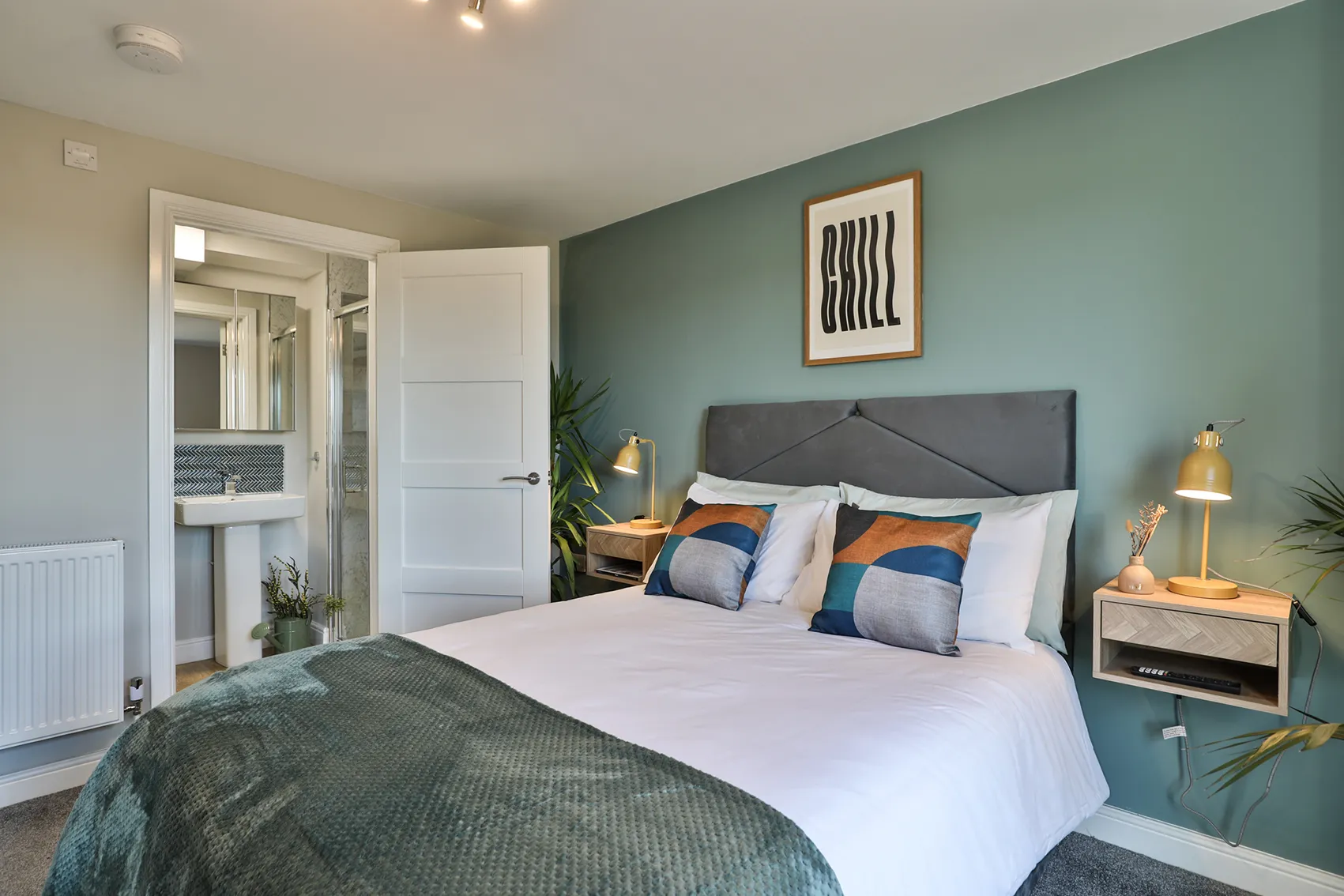
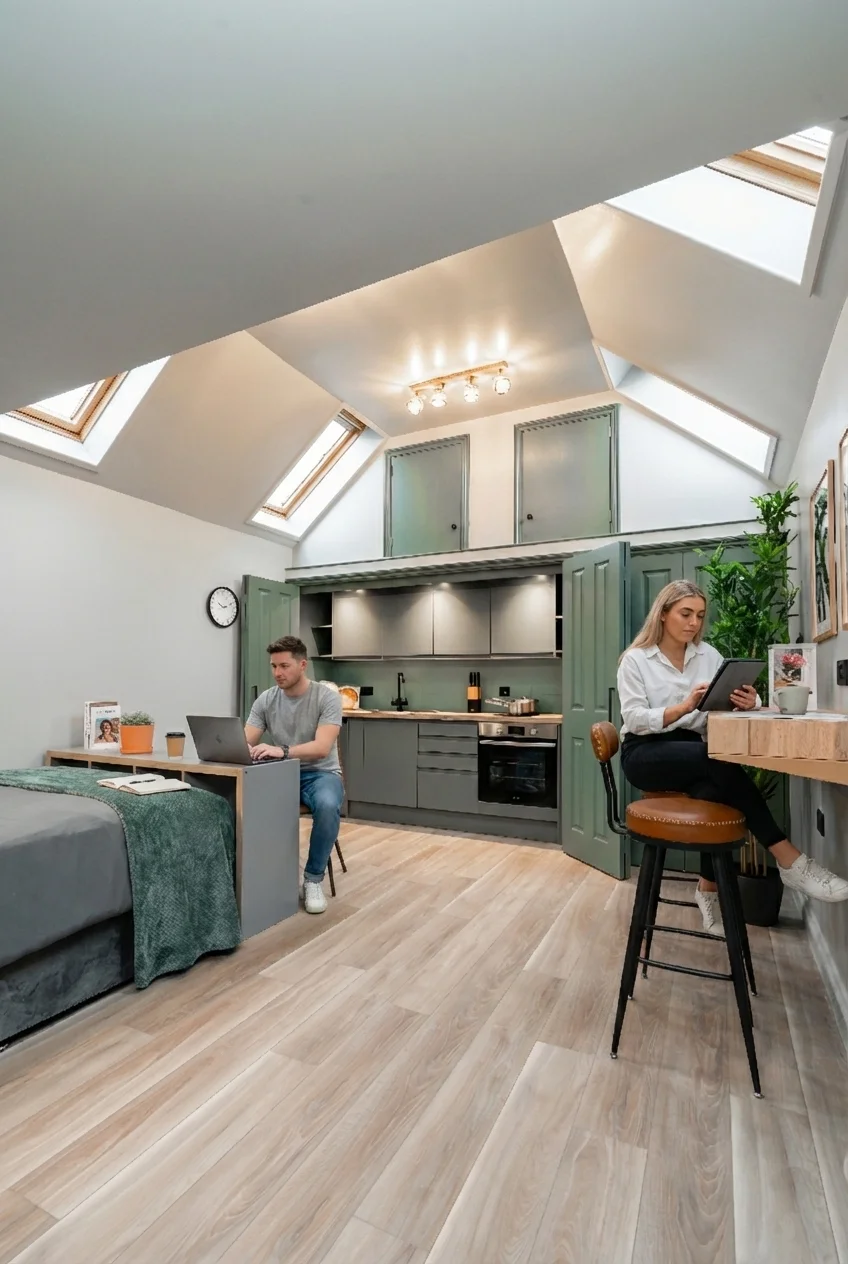
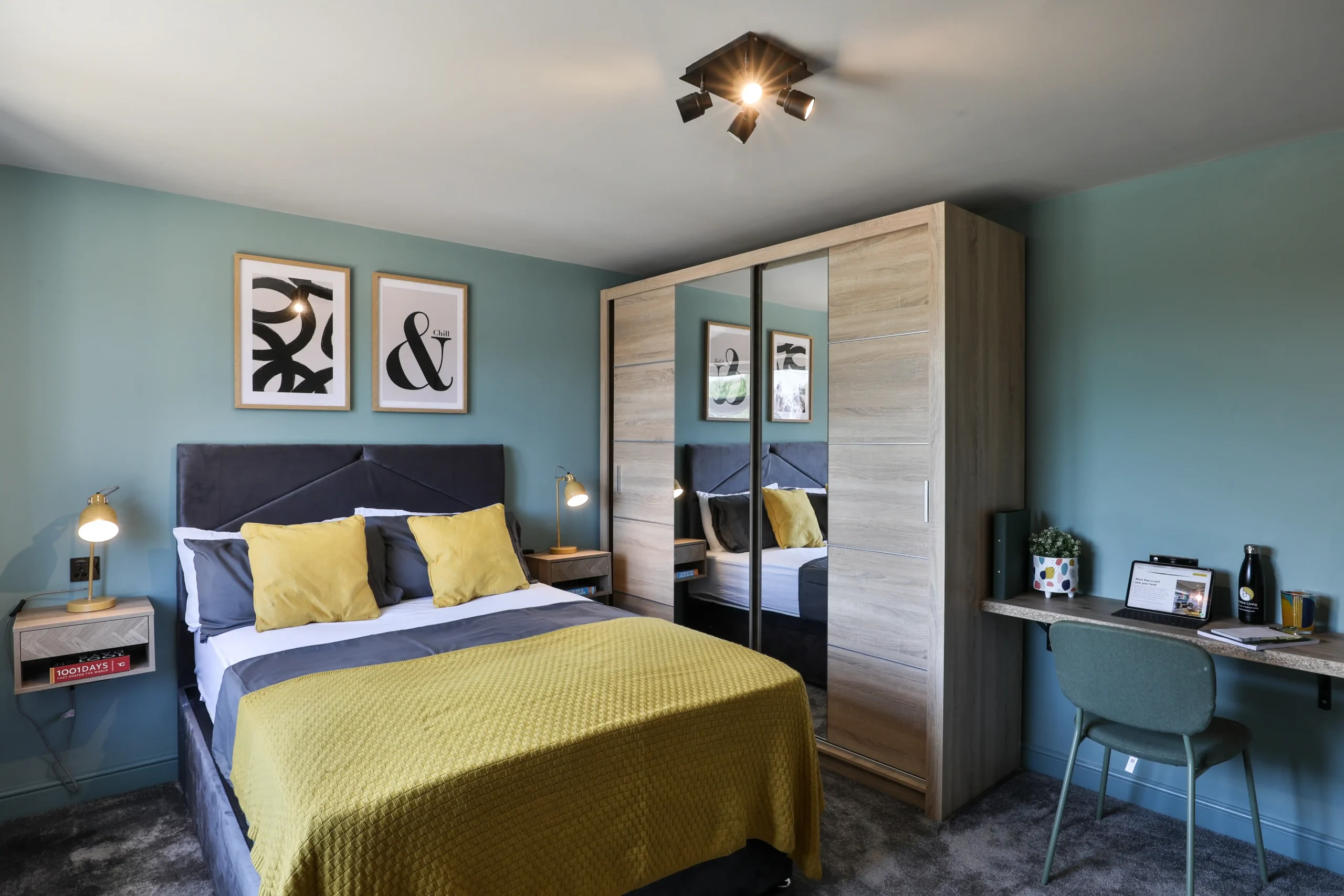
    Turnkey private en-suite bedroom at George Street in Bicester, ready for move-in and settling in smoothly

    How to register with a GP in Bicester

    You can register with a Bicester GP practice without proof of address, immigration status, or an NHS number, and you do not need to be a British citizen. That is the single most useful thing to know, because most people delay registering assuming they need paperwork they do not have.

    What you actually need

    • Photo ID if you have it (passport, driving licence, or a work ID badge).
    • Proof of address if you have it: tenancy agreement, utility bill, or bank statement. If you have just moved and have none of these yet, say so. Practices are expected to register you anyway.
    • Your NHS number if you know it. If not, you can find it through the NHS website or your previous practice.
    • Details of any repeat medication, so the new practice can set up your prescriptions.

    How to choose a practice

    Bicester practices sit across the town and the surrounding villages, and the differences that matter day to day are rarely the ones on the website homepage.

    • Travel time, not distance. A practice 1.5 miles away that you can reach on foot in 25 minutes beats one that needs two buses.
    • Appointment system. Ask whether they run a mix of pre-bookable and same-day appointments. Practices that are same-day only can mean calling at 8am sharp, which is brutal if you work shifts or have early meetings.
    • Online services. Check whether they support the NHS App for repeat prescriptions and appointment booking. This is the difference between a two-minute task and a 20-minute phone queue.
    • Out-of-hours cover. In England, evenings, weekends, and bank holidays are covered by NHS 111, not your practice. Knowing this saves you a panicked search at 10pm.

    How to actually register

    1. Use the NHS Find a GP service to list practices accepting new patients near your postcode.
    2. Check the practice website for a registration form, or collect one in person.
    3. Complete the form, including the GMS1 registration form if the practice uses it.
    4. Hand it in or submit it online, and ask how long registration usually takes to process.
    5. Once registered, download the NHS App and link your account so prescriptions and records are in one place.

    Insider tip: if you take regular medication, register the moment you have a tenancy agreement, even before you have moved in fully. Gaps in repeat prescriptions are the most common moving headache, and a new practice may need a few days to process your request.

    How to find an NHS dentist in Bicester

    Register with a dentist separately and early, because NHS dental places in and around Bicester fill up and waiting lists move slowly. There is no central queue you can join, so you have to contact practices directly.

    Realistic options

    • NHS practices taking new patients. Search the NHS Find a Dentist service for Bicester and filter for NHS. Call rather than email, and ask directly whether they are accepting new NHS patients, including for children.
    • Mixed practices. Many practices offer a limited number of NHS places alongside private plans. Ask what an NHS check-up costs and what the private equivalent looks like, so you can compare honestly.
    • Private or dental plans. If NHS places are full, a monthly dental plan often costs less than paying per treatment and covers check-ups and hygienist visits.
    • Emergency care. If you are in pain and not registered anywhere, call NHS 111. They can direct you to urgent dental care rather than leaving you to search.

    Insider tip: ask to be added to a cancellation list if the practice is full. People move, places open up, and being the person who called and left their number often beats waiting for a website to update.

    Common mistake: assuming a GP can refer you to an NHS dentist. They cannot. Dental registration in England is entirely separate, and waiting for a referral wastes weeks.

    Council services: bins, council tax, and the electoral roll

    Set up your local council account in your first fortnight, because council tax, bin collections, and voter registration all run through it and late setup creates avoidable admin.

    What to do and when

    • Council tax: register for a new account as soon as you have the keys. Single occupants can apply for the single person discount of 25%, which is worth claiming immediately rather than later.
    • Bins and recycling: check your collection day and what goes in which bin on your council’s website. Collection days vary by street, so do not copy a neighbour without checking.
    • Electoral roll: register to vote at your new address. It takes a few minutes online, and it also supports your credit file, which matters if you plan to apply for a mortgage, phone contract, or car finance.
    • Garden waste and bulky items: most councils charge separately for garden waste collection and for collecting large items. Check current fees and booking windows before leaving anything out.

    Insider tip: photograph your bin day and recycling rules and save it in your phone notes. Bicester’s collection schedules can shift around bank holidays, and the first missed bin is almost always the one you did not check.

    Utilities, broadband, and the practical setup list

    These are quick wins once your address is confirmed, and doing them in one sitting saves a fortnight of scattered phone calls.

    • Energy and water: take meter readings on move-in day and send them to the supplier. It protects you from paying for the previous occupant’s usage.
    • Broadband: check which providers serve your specific street, not just the town. Speeds vary between new-build estates and older terraced streets, and this matters if you work from home.
    • Mobile signal: test it in every room before committing to a long contract. Some parts of town and nearby villages have noticeably weaker indoor coverage.
    • Insurance: contents insurance is usually cheap and worth having from day one, especially in rented flats.
    • Pharmacy: choose one within walking distance and nominate it for repeat prescriptions through the NHS App.

    Common mistake: ordering broadband before confirming which providers actually serve your building. Some new-build blocks are tied to a specific network, and a standard contract elsewhere may not be installable.

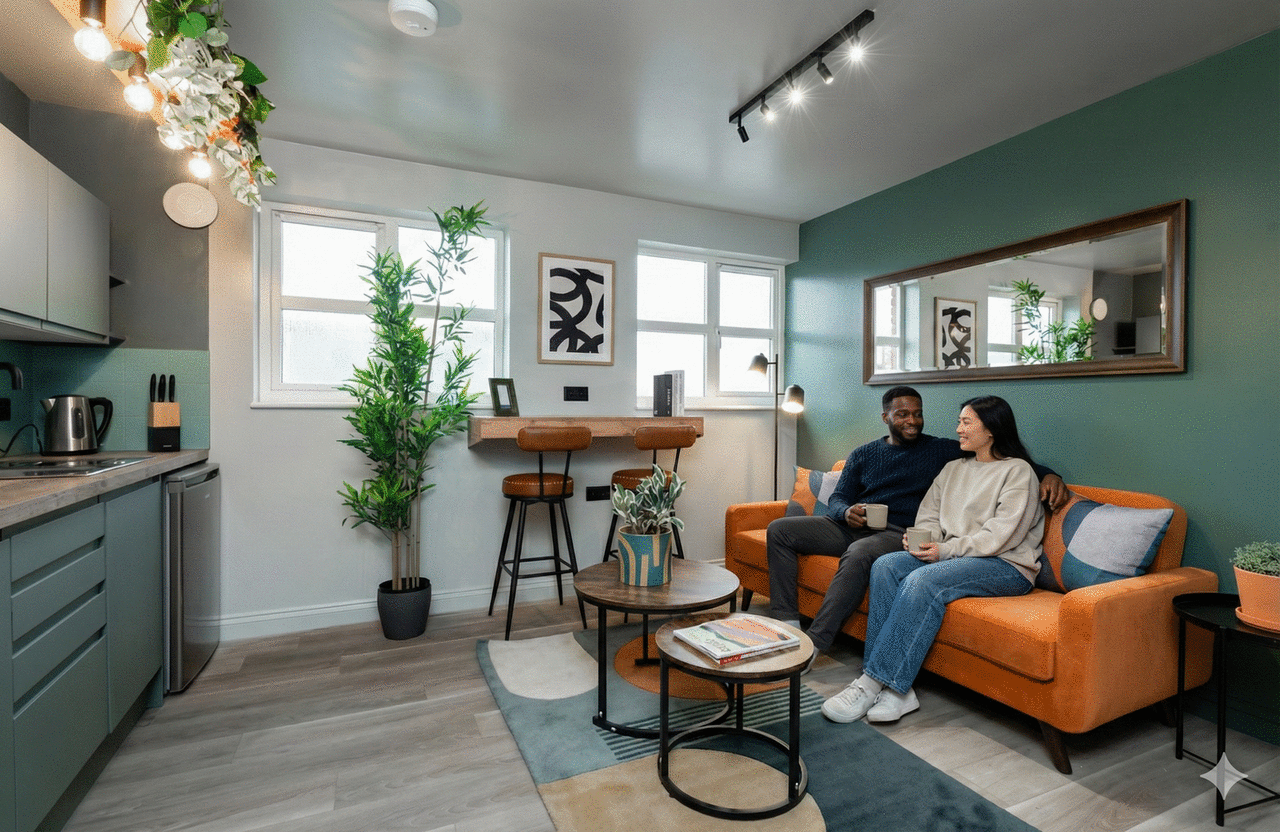
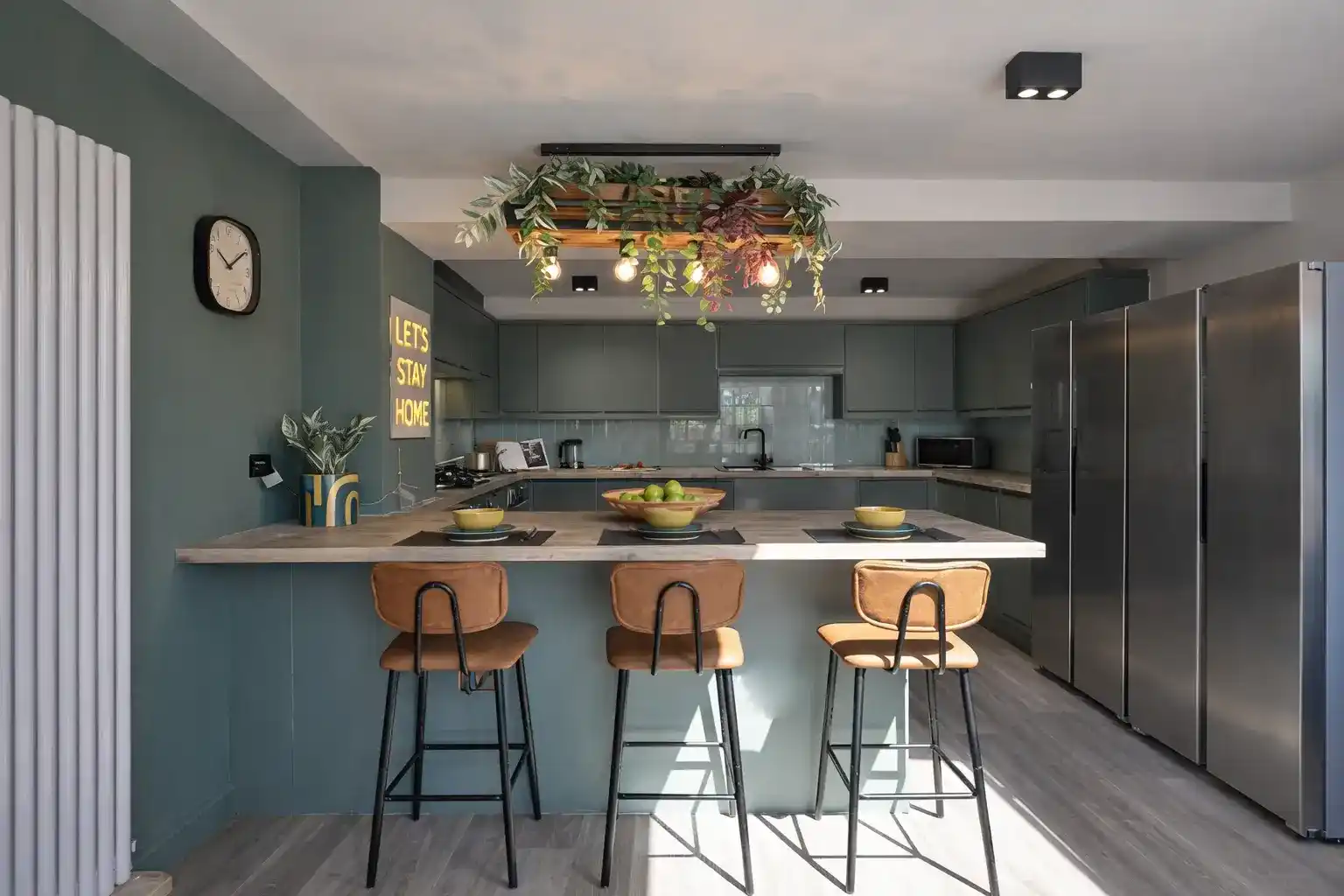
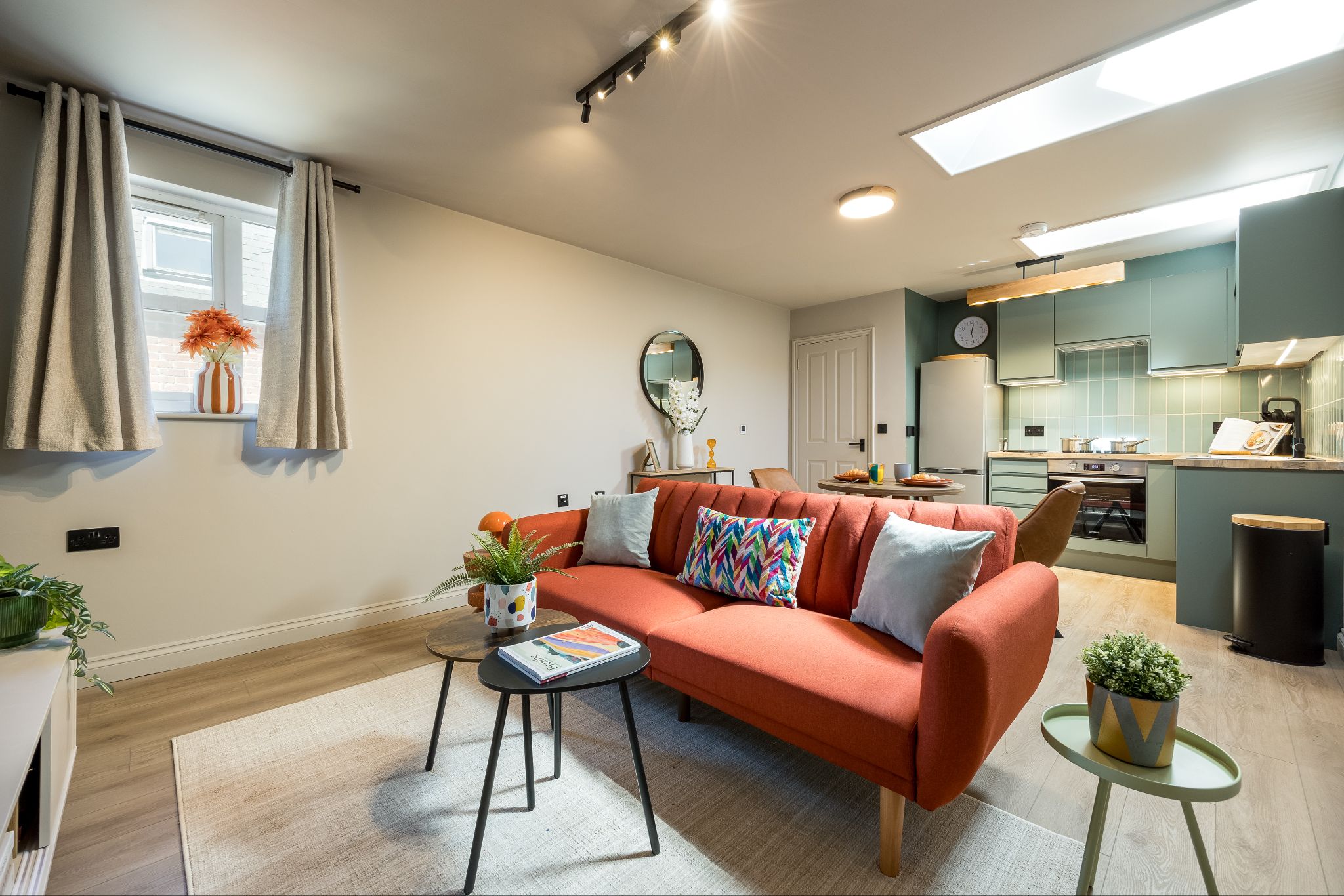
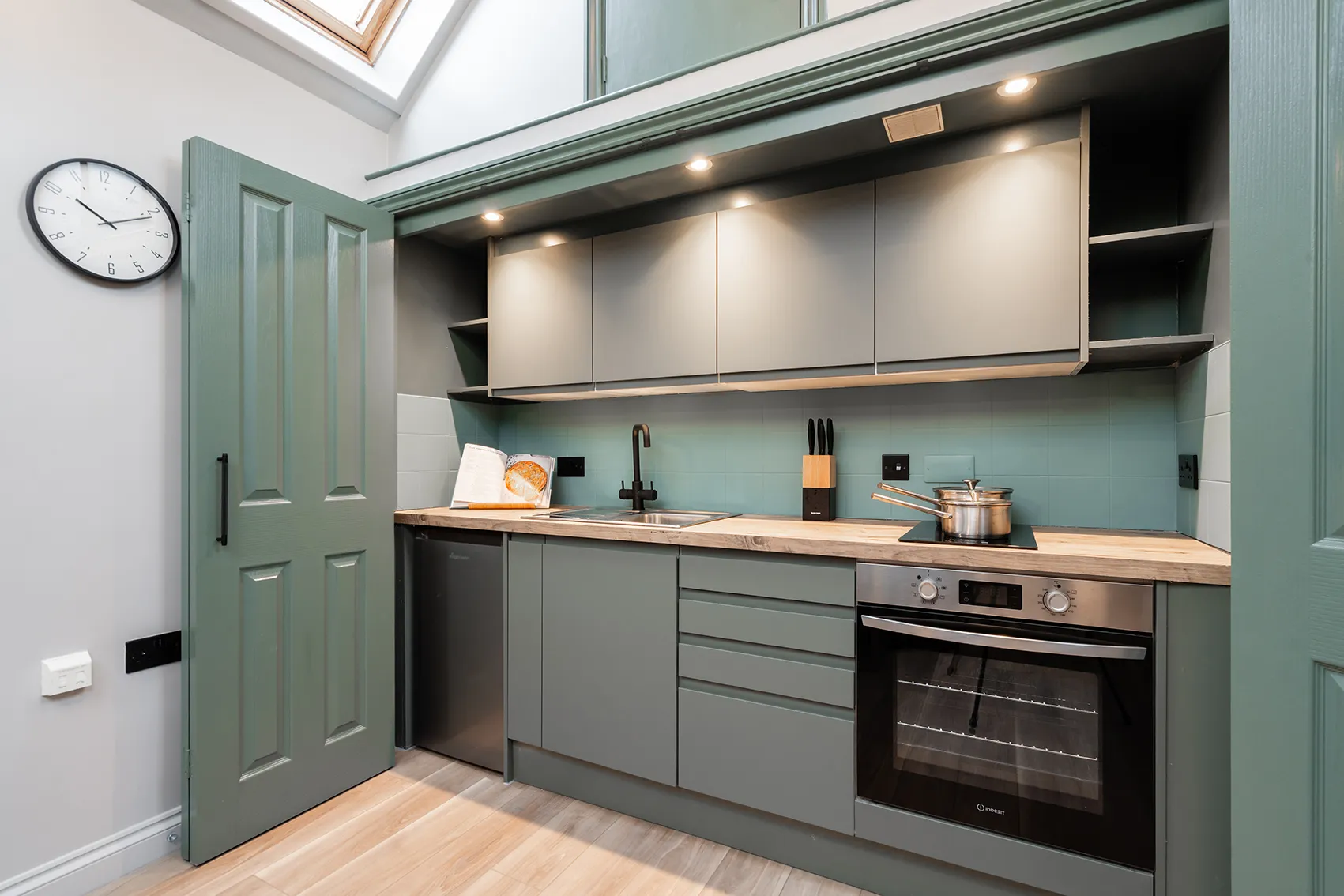
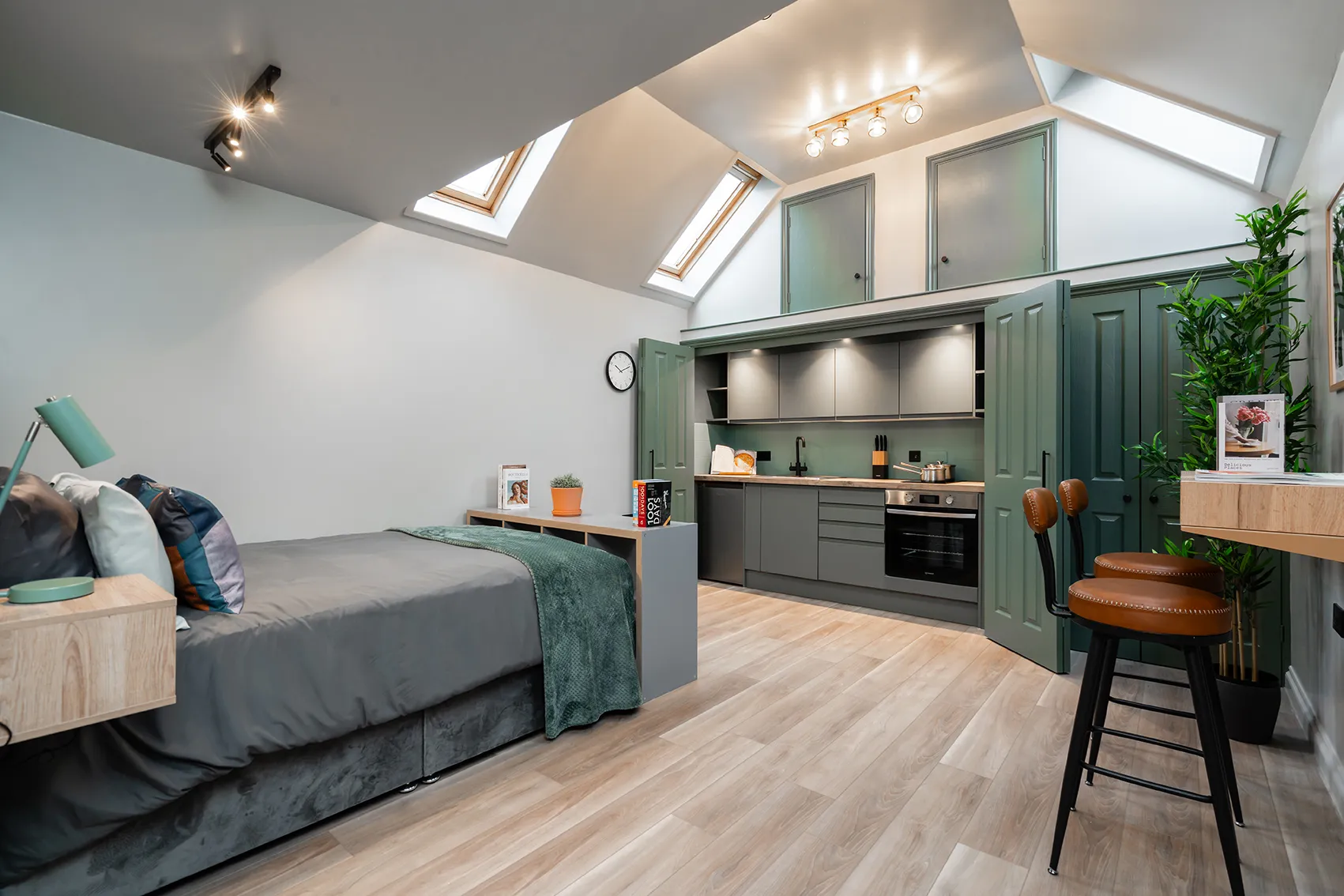
    Modern open-plan living room and kitchen at Wise Court Bicester, ready for move-in and utilities setup

    At a glance: your first-month setup checklist

    • Day 1: meter readings, photograph them, send to suppliers.
    • Day 2: register with a GP practice and download the NHS App.
    • Day 3: call two or three dental practices about NHS availability.
    • Week 1: set up council tax, apply for single person discount if eligible.
    • Week 1: register to vote.
    • Week 2: check bin day and recycling rules.
    • Week 2: sort broadband, mobile, contents insurance.
    • Week 3: nominate a pharmacy and transfer repeat prescriptions.
    • Week 4: check your NHS record is linked and your address is correct everywhere.

    Local logistics: getting around and getting things done

    Bicester is compact enough that most errands are walkable or a short cycle, and the town has two railway stations serving different directions, so check which one your journey needs before you book.

    • Getting there: Bicester sits on routes between Oxford, Banbury, and London, with good road links and regular trains. If you commute to Oxford, compare train times against driving, since peak traffic on the A34 and A41 can change the maths.
    • Best times: weekday mornings before 9am are the quietest window for GP phone lines and council phone queues. Early afternoon tends to be busier.
    • Booking notes: most GP and dental practices now expect online booking or a phone call rather than walk-ins. Check current opening hours before you travel, as they change seasonally.
    • Accessibility: if you need step-free access, ground-floor consulting rooms, or an interpreter, ask when you register rather than on the day of your appointment. Practices can usually accommodate with notice.

    FAQs about registering for services in Bicester

    Can I register with a GP without proof of address?

    Yes. GP practices in England should register you even if you cannot provide proof of address or immigration documents. Bring what you have, explain your situation, and the practice should still accept you.

    How long does GP registration take?

    It varies by practice, but many process registrations within a few working days. Ask when you submit your form, and follow up if you need repeat medication urgently.

    Do I need to register with a dentist separately from my GP?

    Yes. Dental registration is completely separate in England. Your GP cannot register you with a dentist or guarantee you an NHS dental place, so contact dental practices directly.

    What if no NHS dentist in Bicester is taking new patients?

    Ask to join cancellation lists, widen your search to nearby towns, consider a private dental plan, and use NHS 111 for urgent pain if you are not registered anywhere.

    When should I register to vote after moving?

    As soon as you have your new address confirmed. It takes a few minutes online and helps your credit file as well as your right to vote in local and general elections.

    Do I need to tell anyone I have moved?

    Yes. Update your address with your GP, dentist, bank, employer, DVLA for your licence and vehicle log book, and any subscription services. Missing the DVLA update can lead to a fine.

    Getting the admin done early is what turns a new address into an actual home. Once your GP, dentist, and council accounts are set up, Bicester stops feeling like a place you moved to and starts feeling like somewhere you live. That shift matters, and it happens faster than you would expect.

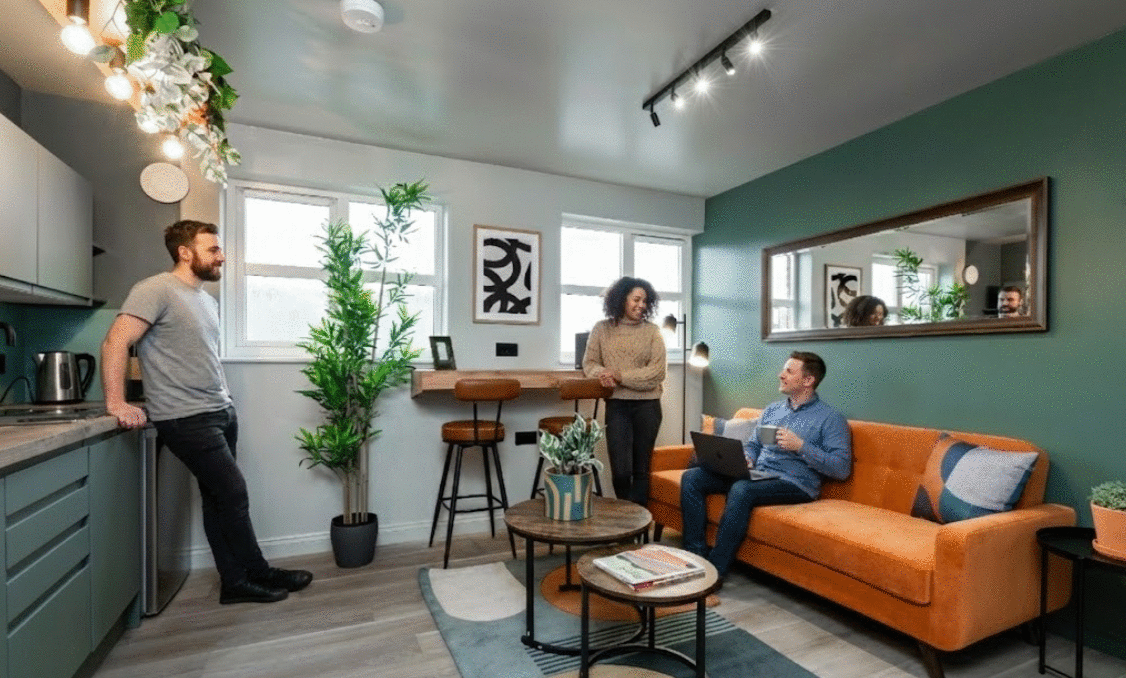
    B-Hive Living flatmates enjoying their shared home together and helping new arrivals settle into Bicester

    At B-Hive Living, we build communities for people who want exactly that: a comfortable base, good connections, and neighbours who make a new town feel familiar from the first week. If you are thinking about your next move in Oxford or Bicester, we would love to show you what living with us looks like.

    Ready to make the move properly? Apply to live with B-Hive Living and let us help you settle in from day one.

  • How to Build a Social Life in Bicester When You’re New to the Area

    How to Build a Social Life in Bicester When You’re New to the Area

    Moving to Bicester for work is rarely the hard part. The hard part is the first quiet Tuesday evening, when the boxes are unpacked and you realise you don’t yet know anyone to grab a coffee with. Whether you’ve relocated for a role at one of the business parks, gone fully remote, or simply wanted more space for your money than Oxford offers, building a social life in Bicester comes down to a handful of repeatable habits rather than luck. This guide gives you the practical routes to meeting people here, the local quirks worth knowing, and a realistic first-month plan instead of vague advice to “put yourself out there”.

    Quick answer: the fastest routes into Bicester life

    • Best for instant company: join a weekly club or class rather than a one-off meetup. Repetition is what turns strangers into friends.
    • Best for remote workers: a co-working day or two per week, plus one evening activity, gives you both workday chat and weekend plans.
    • Best time to move: late spring and early summer, when outdoor sport, walks and town events are all running and it’s easier to say yes to things.
    • Quick logistics: Bicester has two railway stations (Bicester North for Chiltern services towards London Marylebone, Bicester Village for Oxford and beyond), so Oxford and London are both realistic for evenings out.
    • Who this suits: anyone aged roughly 25 to 40 who wants a social life built around regular habits, not one-off big nights.

    Start with one recurring commitment, not five apps

    Pick one recurring commitment in week one and protect it for at least six weeks. That single decision does more for your social life than any app.

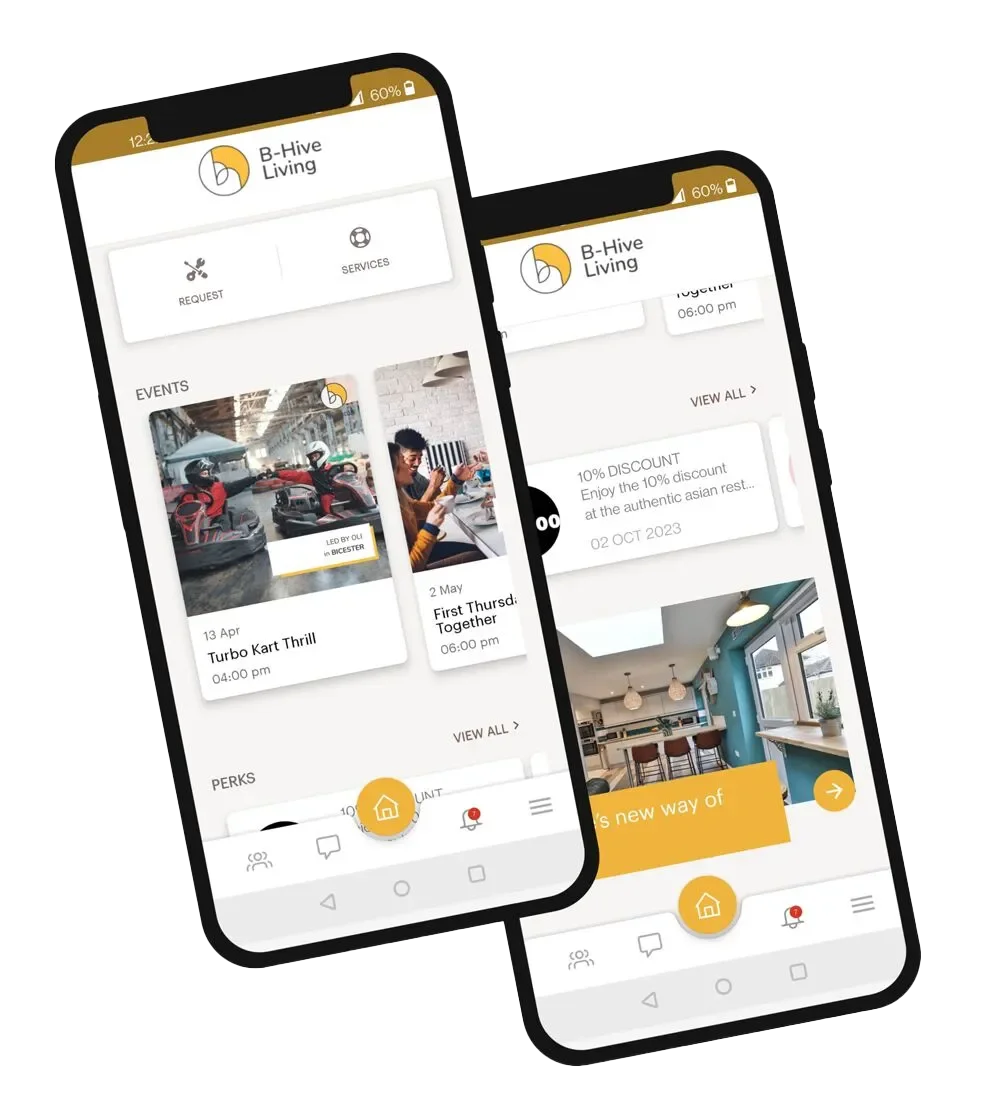
    B-Hive Living resident app showing community events and social activities in Bicester

    The biggest mistake new arrivals make is downloading every social app at once and treating each one like a lottery ticket. Recurring beats one-off because familiarity does the work. The third time you turn up to the same run, the same five-a-side pitch or the same choir rehearsal, people start expecting you. That expectation is what becomes friendship.

    Where to look for recurring groups

    • Sports and fitness clubs. Running groups, netball, badminton, rugby and martial arts all tend to welcome beginners. Look for the phrase “all abilities” and check whether there’s a social element after sessions.
    • Adult classes. Language evenings, pottery, dance and life drawing attract a mix of newcomers and long-term locals, which is exactly the balance you want.
    • Volunteering. Conservation groups, community fridges and event crews need reliable pairs of hands and tend to be genuinely sociable.
    • Faith and cultural groups. If this matters to you, a regular congregation or society is often the quickest route to a real network.

    Insider tip: ask the organiser one question before you go: “Do people usually stay afterwards?” Groups that socialise after the activity are far better for meeting people than those where everyone disperses immediately.

    Use Bicester’s geography to your advantage

    Bicester is compact, which is a social asset. You can live, work and socialise within a short cycle of each other, and that low friction is what makes spontaneous plans possible.

    Bicester town centre

    The centre around Sheep Street and Market Square is where you’ll find cafes, pubs and the market. It’s the natural place for a first coffee with someone you’ve just met, because it’s easy for both of you to reach.

    Insider tip: Saturday mornings are busier than weekday evenings in the centre. If you’re meeting someone new and want a relaxed conversation rather than shouting over music, aim for a weekday evening or a Sunday.

    Bicester Village and the eastern side

    The designer outlet draws visitors from across the region, which means plenty of cafes and a steady stream of people, but it’s a shopping destination rather than a neighbourhood. Useful for a weekend wander, less useful for building a local circle.

    Bicester North and the residential north

    This side of town is where a lot of young professionals and commuters settle. It’s quieter, with local pubs and green spaces, and it’s handy for the Chiltern line into London.

    Bicester South and the Oxford corridor

    Growth has pushed new housing and amenities south and west, and the Oxford line makes Oxford’s pubs, gigs and societies genuinely reachable. If your social life leans towards Oxford, living near the Bicester Village station end saves you real time.

    Make remote work work for your social life

    Remote work removes the accidental social contact that offices provide, so you have to replace it deliberately. Two or three co-working days a week is usually enough to rebuild that contact.

    • Co-working spaces and cafe working. Look for places with good wifi, a plug socket and a policy that welcomes laptops. Buy something every couple of hours and you’re a good citizen.
    • Workday structure. Set a lunchtime walk at the same time each day. Familiar faces at the same hour become acquaintances surprisingly fast.
    • Separate work from home. Even one day a week working somewhere else gives you a reason to leave the flat and a chance encounter you wouldn’t otherwise have.

    Common mistake to avoid: treating co-working as a solo activity. The point isn’t the desk, it’s the other people. Say yes to the lunch group in week one, even if you’d rather eat at your screen.

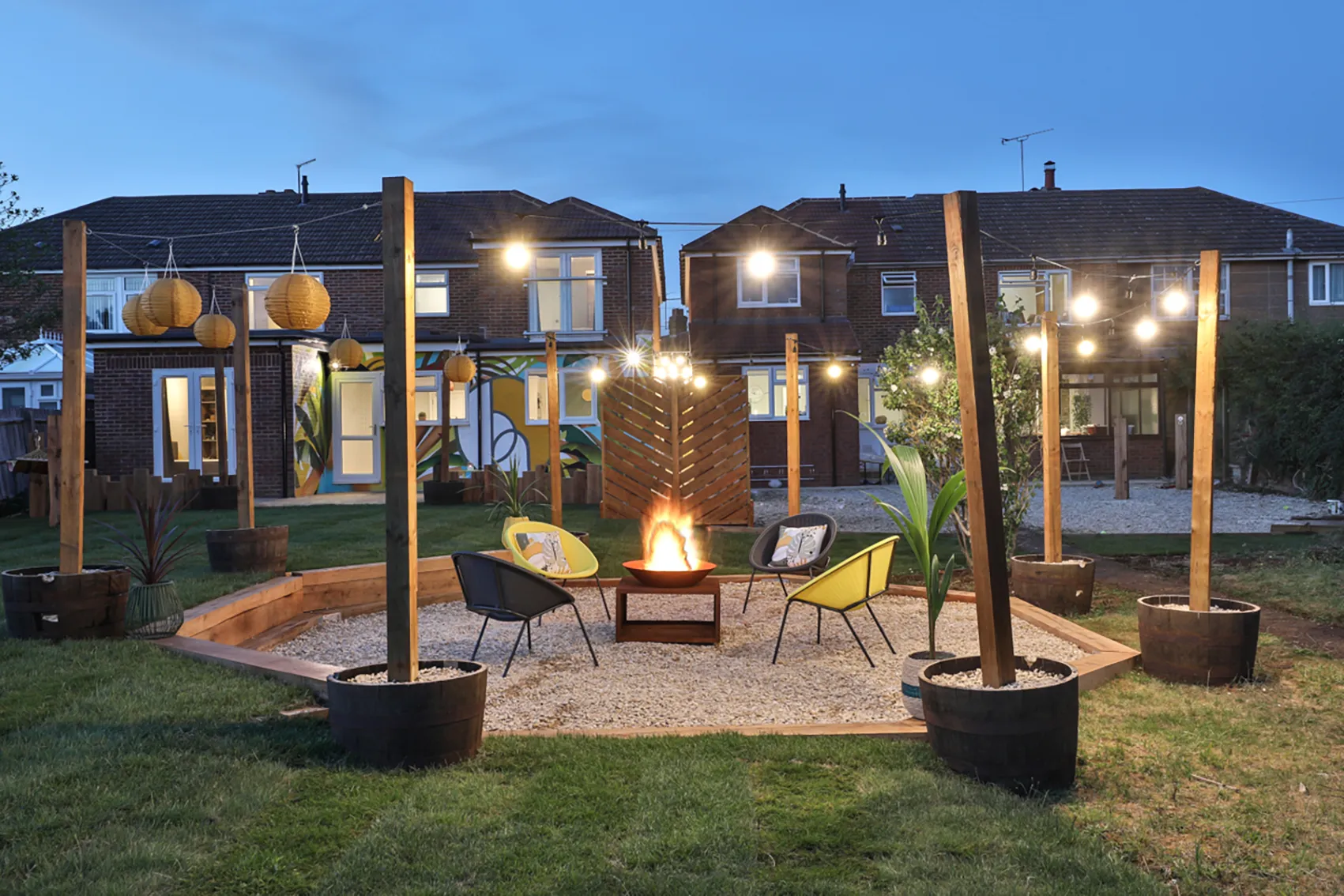
    Communal outdoor garden with fire pit and festoon lighting for evening social gatherings in Bicester

    Build a first-month plan that actually fits real life

    You don’t need a packed calendar. You need a small number of repeatable slots that fit around work and don’t exhaust you.

    At a glance: your first four weeks

    • Week 1: Join one recurring group. Attend once, even if you feel awkward. Note one person’s name.
    • Week 2: Return to the same group. Add one co-working day to your week.
    • Week 3: Suggest a specific plan to someone you’ve met: “There’s a pub quiz on Thursday, fancy it?” Specific beats “we should do something sometime”.
    • Week 4: Add one second activity, ideally in a different part of town, so your network isn’t all in one place.
    • Ongoing: Keep two fixed commitments and let everything else be optional. Consistency is the whole strategy.

    How to choose what to join

    Use four filters before you commit your evenings.

    1. Budget. Club memberships, class fees and travel add up. Decide your monthly figure first, then choose within it.
    2. Vibe. Visit once before paying for a term. If the room feels cliquey and no one speaks to you, that’s information, not a personal failure.
    3. Timing. A 7pm start is very different from a 6pm one if you finish work at 5:30. Be honest about your energy.
    4. Transport. Check the last train and bus times before you say yes to anything across town. Nothing kills momentum like an expensive taxi home.

    Common mistake to avoid: overcommitting in month one. Three groups you attend twice are worth less than one group you attend twelve times.

    B-Hive Living awards collage recognizing UK's Best Community Experience and UK Manager of the Year

    Local logistics worth knowing

    Small practical details make the difference between a plan and a no-show.

    • Getting around. The town is very cycle-friendly, and cycling often beats driving for short hops. Check cycle routes before you commit to a venue.
    • Trains. Two stations serve different lines, so always check which one your journey needs. Services and timetables change, so confirm times before you travel.
    • Best times. Weekday evenings are calmer for conversation; Friday and Saturday nights are livelier but harder for meeting new people.
    • Booking. Popular classes and club terms often fill before the start date. Enquire early, and ask about waiting lists.
    • Accessibility. Venues vary. If you have access needs, contact the organiser directly before attending rather than relying on a listing.
    • Seasonal rhythm. Summer brings outdoor sport, walks and town events; winter pushes life indoors towards pubs, classes and quiz nights. Plan your first move around the season you arrive in.

    Frequently asked questions

    How do I build a social life in Bicester if I work from home?

    Replace the contact your office would have given you. Co-work two days a week, keep a fixed lunchtime walk, and join one evening group that meets weekly. The combination of daytime familiarity and a weekly commitment is usually enough to build a real circle within a couple of months.

    Is Bicester good for people in their twenties and thirties?

    It’s a good base if you value lower costs and quick access to Oxford and London. The town itself is calmer than a city, so your social life tends to be built around clubs, classes and local pubs rather than a big nightlife scene.

    Should I look for friends in Oxford instead?

    Many people do both. Oxford has more events and societies, but the journey adds time and cost to every plan. Building one local commitment in Bicester plus one occasional Oxford activity tends to be more sustainable than relying on Oxford alone.

    How long does it take to feel settled?

    Most people notice a shift after about six to eight weeks of consistent attendance at the same one or two activities. That’s the point where you start getting invited to things rather than having to organise them.

    What if I don’t know anyone at all?

    Start with a group that has a built-in reason to talk, such as a class, a team sport or a volunteering shift. Shared activity removes the pressure of making conversation from nothing, which is why it works better than a purely social meetup for most newcomers.

    Do I need a car to have a social life here?

    No, but it widens your options. The town centre is walkable and cycle-friendly, and the two stations cover Oxford and London well. A car helps most for evening activities on the edge of town where bus services thin out after dark.

    Living well somewhere new is less about the postcode and more about the rhythm you build around it. A short commute, a regular club, a cafe where they know your order and a handful of people who’ll text you on a Thursday: that’s what makes a town feel like yours. Bicester is small enough for those connections to form quickly, and well connected enough that you never feel stuck.

    If you’re planning your move and want a home base that makes the social side easier, B-Hive Living builds shared and private living for young professionals and remote workers in Oxford and Bicester, with community at the centre rather than as an afterthought. Take a look at what’s available and start your application when you’re ready.

  • What to Do After Work in Bicester: 19 Ways to Meet People and Settle In

    What to Do After Work in Bicester: 19 Ways to Meet People and Settle In

    You’ve unpacked the last box, the commute from Oxford or London is done, and now it’s 6pm on a Tuesday. The kettle’s on, but the quiet feels a bit much. Bicester is a brilliant place to live, yet like any new town, the social life doesn’t just happen. You have to go and find it. This guide is for young professionals and remote workers who want to turn a postcode into a proper home. We’ll skip the tourist trail and focus on 19 practical things to do after work in Bicester, so you can meet people, build a routine, and actually enjoy your evenings.

    Quick answer: the best ways to settle in after work

    • Best for a quick pint and chat: Town-centre pubs such as The Lamb Inn, or a welcome drink at a co-working space.
    • Best for hobbyists: A club at Bicester Sports Association or a short course at The Mill Arts Centre.
    • Best for remote workers: Co-working days at venues like The Old Fire Station or Bicester Innovation Centre.
    • Best time to go: Weeknight evenings, Tuesday to Thursday, are quieter and easier for conversations than packed weekends.
    • Quick logistics: Most town-centre spots sit a 10 to 15 minute walk from Bicester Village station or the Sheep Street bus stops.

    Start with the town centre: pubs, bars and casual meetups

    The quickest way to feel part of Bicester is to become a regular somewhere local. You don’t need a big night out; a solo drink with a book or a chat with the bar staff can lead to introductions.

    Young professionals relaxing and socializing at home in Bicester after a busy workday

    The Lamb Inn (Sheep Street)

    A proper town-centre pub with a friendly mix of after-work drinkers. Why it’s worth it: it’s central, so you can pop in on your walk home. Insider tip: sit at the bar rather than a table if you’re on your own; it’s the easiest place to strike up a conversation.

    The Bell (Market Square)

    A historic pub with a lively but not overwhelming atmosphere. Why it’s worth it: good for a midweek pint and a bite. Insider tip: check the board for quiz nights or live music; these are low-pressure ways to meet people.

    The White Hart (London Road)

    A short walk from the town centre, with a beer garden for warmer evenings. Why it’s worth it: it attracts a slightly older crowd, including professionals. Insider tip: go on a Thursday if you want a buzz without the Friday crush.

    Bicester Hotel, Golf & Spa (near Chesterton)

    If you want a more polished setting for a drink or a coffee, the bar here is open to non-members. Why it’s worth it: a quiet spot to read or work remotely for an hour. Insider tip: check current opening times before you go, as they can vary seasonally.

    Join a club or class: the fastest route to a social circle

    Shared interests beat small talk every time. Bicester has a surprisingly active club scene for a town its size, and most welcome newcomers.

    Bicester Sports Association

    Home to rugby, cricket, football and more. Why it’s worth it: team sports give you an instant group and a weekly fixture. Insider tip: message the club secretary before you turn up so they can introduce you to the right team.

    Bicester Athletics Club

    For runners of all levels. Why it’s worth it: structured sessions make it easy to chat while you train. Insider tip: Tuesday and Thursday evening sessions tend to be the most sociable; check the club website for current times and meeting points.

    The Mill Arts Centre

    A community arts hub with workshops, theatre and film. Why it’s worth it: creative classes such as pottery, painting and drama attract a friendly, mixed crowd. Insider tip: sign up for a short course rather than a one-off; you’ll see the same faces each week.

    Bicester Library

    Not just books; it runs reading groups and author events. Why it’s worth it: free or low-cost, and a calm way to meet people. Insider tip: ask at the desk about current adult events, as evening sessions are often added quietly.

    Language and board game meetups

    Check local Facebook groups or Meetup.com for informal gatherings. Why it’s worth it: low commitment and easy conversation. Insider tip: suggest a venue yourself if none is listed; people are often waiting for someone to organise.

    Co-working and remote-worker meetups

    If you work from home, your colleagues are virtual. Co-working spaces and dedicated meetups fill that gap and get you out of the spare room.

    Modern flexible coworking lounge and collaborative workspace for remote professionals in Oxfordshire

    The Old Fire Station (Bicester)

    A community venue that sometimes hosts co-working days. Why it’s worth it: you’ll meet other freelancers and remote workers. Insider tip: check their schedule online; co-working days are often advertised a week or two in advance.

    Bicester Innovation Centre

    Offers flexible desk space and networking events. Why it’s worth it: a professional environment with like-minded people. Insider tip: ask about guest passes if you’re not ready for a membership.

    Remote-worker meetups (Oxford and Bicester)

    Search for local groups that organise casual coffee mornings or after-work drinks. Why it’s worth it: everyone is in the same boat, so conversations start easily. Insider tip: suggest a Bicester venue if the group is Oxford-centric; you might become the local organiser.

    Cafés with a laptop-friendly vibe

    Try independent cafés in the town centre or at Bicester Village. Why it’s worth it: a change of scene and a chance to nod hello to other regulars. Insider tip: avoid peak shopping hours if you want a table and a quiet corner.

    Volunteer and give back

    Volunteering is a two-way street: you help your community and you meet people who share your values.

    Bicester Food Bank

    Always looking for helping hands. Why it’s worth it: a tangible way to contribute and a team that appreciates you. Insider tip: email ahead to ask about the current volunteer induction process.

    Bicester Green

    A charity focused on repairing and reusing items. Why it’s worth it: practical, hands-on and a friendly crew. Insider tip: their workshop sessions are a good way to learn a skill while you chat.

    Local parkrun

    Free, weekly, timed 5k runs. Why it’s worth it: you can run, walk or volunteer, and the volunteer roles are very sociable. Insider tip: arrive 15 minutes early for the first-timers’ briefing and you’ll meet the core team.

    Explore Bicester’s food and drink scene

    Food is a social lubricant. Try a supper club, a tasting event, or simply become a regular at a market stall.

    Bicester Market (Tuesday and Friday)

    Why it’s worth it: chat with traders and pick up local produce. Insider tip: go late morning when it’s quieter and stallholders have time to talk.

    Bicester Village restaurants

    Why it’s worth it: convenient for a post-work bite, especially if you work nearby. Insider tip: weeknights are far less crowded than weekends, and some places offer early-evening deals.

    Supper clubs and pop-ups

    Keep an eye on local social media for one-off dining events. Why it’s worth it: shared tables mean you’re seated with new people. Insider tip: if you’re nervous, message the organiser beforehand and ask to be seated with a friendly group.

    How to choose what’s right for you

    Don’t try to do everything. Pick one regular commitment and one occasional outing, then let the rest follow.

    • Budget: Free options include parkrun, library events and volunteering. Paid options range from a pub pint to a course fee.
    • Vibe: Sporty, creative, intellectual or purely social. Match it to your energy after work.
    • Timing: Weeknights suit recurring clubs; weekends suit one-off events.
    • Transport: Bicester has two train stations, Bicester North and Bicester Village, plus good bus links. If you’re car-free, stick to town-centre options or check bus routes first.

    At a glance: your first week after work

    • Monday: Unpack the last box, then walk the town centre to get your bearings.
    • Tuesday: Try a pub quiz or a drink at The Lamb Inn or The Bell.
    • Wednesday: Join a club session, whether running, sport or arts.
    • Thursday: Book a co-working day or a remote-worker meetup.
    • Friday: Explore Bicester Market or treat yourself to a meal at Bicester Village.
    • Saturday: Parkrun or a volunteer session.
    • Sunday: Rest, or browse local Facebook groups for the week ahead.

    Local logistics: getting there, best times and booking notes

    Bicester is compact, but a little planning helps.

    • Getting there: Bicester North and Bicester Village stations connect to Oxford, London Marylebone and Birmingham. Local buses run from Sheep Street and Manorsfield Road.
    • Best times: Tuesday to Thursday evenings are ideal for meeting people; Fridays and Saturdays are busier but more transient.
    • Booking notes: Clubs and classes often require advance sign-up, so check websites or social media for current details. Pubs are generally walk-in.
    • Accessibility: Many town-centre venues are step-free, but check individual websites or call ahead if you have specific needs.

    Frequently asked questions

    What can I do after work in Bicester if I don’t know anyone?

    Start with low-pressure options: a drink at a town-centre pub, a parkrun, or a volunteer shift. These activities have built-in conversation starters and you can leave whenever you like.

    Are there any remote-worker meetups in Bicester?

    Yes, though they can be informal. Check co-working spaces like The Old Fire Station or Bicester Innovation Centre for advertised sessions, and look for local Facebook or Meetup groups. If none exist, consider starting one.

    What’s the best way to meet people in Bicester if I’m new?

    Join a club or class that meets weekly. Repeated contact is what turns acquaintances into friends. Sport, arts and volunteering are particularly effective.

    Is Bicester good for young professionals?

    It’s a growing town with a friendly feel and good transport links to Oxford and London. The social scene is smaller than a city’s, so you need to make a bit of effort, but that also makes it easier to become a familiar face.

    B-Hive Living awards recognition for UK's Best Community Experience and Coliving User Experience

    Do I need a car to get around Bicester?

    Not necessarily. The town centre is walkable, and there are bus routes and two train stations. For some clubs and rural venues, a car or a lift-share helps.

    What are common mistakes to avoid when settling in?

    Waiting for invitations instead of initiating them, and trying to do everything at once. Don’t assume everyone already has their group either; many people are in the same position and will welcome a friendly hello.

    Living well in Bicester

    Settling in is about more than finding a flat; it’s about building a life. The 19 ideas above are starting points. The real change happens when you become a regular somewhere, when the barista knows your order, and when you bump into a new friend at the market. Bicester is small enough to feel like a community but big enough to offer variety. Give it a few weeks of consistent effort and you’ll wonder why you ever worried about the quiet.

    If you’re looking for a home that makes settling in easier, B-Hive Living creates welcoming spaces for young professionals and remote workers in Oxford and Bicester. With a focus on community and location, we help you feel at home from day one. Ready to make your move? Get in touch to find out about current availability and how to apply.
  • Working From Home in Bicester: How to Build a Productive Weekly Routine

    Working From Home in Bicester: How to Build a Productive Weekly Routine

    You have the desk, the chair, and the broadband. What you have not got is a week that holds its shape. That is the part nobody warns you about when you start working from home in Bicester. Without a commute, the boundaries that used to be built into your day disappear, and by Wednesday evening every day feels the same.

    The fix is not another productivity app. It is a weekly routine built around what Bicester actually offers: two stations, a compact town centre, green space on the doorstep, and Oxford a short hop away. Here is a routine you can copy, adjust, and stick to.

    Quick answer: the working week at a glance

    • Best base for focus: a proper desk at home, plus one or two anchor days out in town.
    • Best days to work out: Tuesday to Thursday, when cafés and coworking spaces have life in them but tables are still free.
    • Best time for a walk: mid-morning or straight after lunch, before the school run fills the pavements.
    • Who this suits: remote workers, hybrid commuters, freelancers, and anyone relocating from London or Oxford.
    • Quick logistics: Bicester Village and Bicester North stations cover London and Oxford; most town-centre cafés sit within a short walk of each other.

    Build your week around three types of day

    The biggest single upgrade to remote work is deciding in advance what kind of day each day is going to be. Most people who work from home in Bicester settle into three patterns, and the pattern does the heavy lifting.

    Remote professionals working productively on laptop and tablet in an open-plan home workspace

    Deep work days (Monday and Friday)

    Keep these at home. Monday sets the tone for the week; Friday is when you want to close loops without distraction. Protect a two-hour block first thing for your hardest task, then use the afternoon for admin and planning. If the walls close in, a quiet town-centre café works well before 11am.

    Anchor days in town (Tuesday to Thursday)

    Pick one or two days a week to leave the house and work somewhere with background life. This is where coworking spaces, the library, and cafés earn their keep. The point is not the Wi-Fi. It is the separation between work and home, which makes both better.

    Hybrid commute days

    If your employer is in London or Oxford, Bicester’s rail links make a day trip realistic. Bicester Village station runs Chiltern services towards London Marylebone, and Bicester North connects towards Oxford and Birmingham. Check current timetables and book ahead for peak services, because fares vary considerably by time of day.

    Where to work in and around Bicester

    You do not need a long list of places. You need two or three you trust, each matched to a different kind of task.

    For focused mornings: a town-centre café

    Bicester’s town centre has a good spread of independent and chain cafés within a few minutes of each other. Arrive early, order properly, and treat the table as a desk for a defined block of time. Insider tip: ask about power sockets before you settle in. Cafés rarely advertise them, and knowing saves you packing up mid-task.

    For calls and collaboration: a coworking space

    Bicester has coworking options, and they are worth the day rate if you spend hours on video calls. A bookable meeting room means you are not the person whispering into a laptop in the corner of a café. Check current day rates and opening hours before you go, as both change.

    For a change of scenery: Oxford

    Oxford is a short train ride away and gives you a genuinely different working day: libraries, cafés, and a much larger coworking scene. Treat it as a once-a-fortnight trip rather than a daily habit, both for cost and for the time it takes out of your day.

    How to choose your setup

    Use four criteria to decide where you work, rather than defaulting to whatever is nearest.

    • Task type: deep work at home or a quiet café; calls in a bookable room; admin anywhere with a table.
    • Budget: set a monthly figure for cafés and coworking, then track it. Small daily spends add up faster than one membership.
    • Transport: walk or cycle where you can. Bicester is compact, and the walk between station and café is often the only fresh air you get.
    • Vibe: some people focus best with background noise, others need silence. Test both for a week before committing to a membership.

    A sample week you can copy

    This is a starting structure, not a rulebook. Move the blocks to fit your meetings and your energy.

    • Monday: home. Two-hour deep work block, then planning. Walk at lunch.
    • Tuesday: town-centre café in the morning, home for the afternoon. Batch your calls.
    • Wednesday: coworking space or library day. Take a proper lunch break away from the screen.
    • Thursday: home in the morning, then a walk or gym session before your final block.
    • Friday: home. Clear the inbox, review the week, finish at a set time.
    • Weekend: no work. Use the green space around Bicester to switch off properly.

    Insider tips most guides miss

    • Book your rail travel in two directions. Return fares bought on the day can cost far more than advance singles, so price both before you commit to a commuting pattern.
    • Use the school run as a scheduling tool. Town-centre cafés and pavements empty out between roughly 9.30am and 2.30pm on weekdays, which is your quietest working window.
    • Keep one “no-screen” errand in the week. A ten-minute walk to a shop or market does more for focus than a third coffee, because it resets your eyes and your posture.

    Common mistakes to avoid

    • Working from the sofa every day. It feels fine for a week, then your back and your concentration both suffer. A proper chair and a screen at eye level matter more than an expensive desk.
    • Treating every day as a hybrid commute day. The train is a great option, not a daily default. Use it deliberately and your energy lasts longer.
    • Never leaving the house on a weekday. Remote work quietly shrinks your world to one room. Build in at least one reason to go out, even if it is only a coffee.
    Remote worker taking an evening walk in nature along an Oxfordshire tree-lined road to disconnect after working from home

    Local logistics: getting there, timing and access

    Getting around: central Bicester is walkable, and cycling covers most of the town comfortably. For Oxford and London, the two stations give you real options. Check timetables and peak fares before you commit to a pattern.

    Best times: cafés are quietest before 11am and after 2pm. Coworking spaces are busiest midweek, so book meeting rooms ahead.

    Booking notes: day passes, meeting rooms, and rail tickets are all cheaper and easier when booked in advance. Hours and prices change, so verify before you travel.

    Accessibility: if you need step-free access or a quieter environment, contact venues directly before your first visit. Town-centre venues vary, and a quick email saves a wasted trip.

    FAQs about working from home in Bicester

    Is Bicester a good place to work from home?

    Yes, particularly if you want a quieter base with fast access to Oxford and London. The town is compact, the rail links are genuinely useful, and there is enough going on to keep your week varied without the noise of a big city.

    Do I need a coworking space to be productive?

    No. Plenty of remote workers do fine with a good home setup and one or two days a week in a café. Coworking pays off if you take a lot of calls or want a clearer line between work and home.

    How often should I commute to London?

    As often as your role genuinely needs, and no more. Once or twice a month is a common pattern for hybrid workers in Bicester. Book ahead and travel off-peak where you can.

    What is the best day to work from a café in Bicester?

    Tuesday to Thursday, arriving before 11am. You will get a table, quieter background noise, and a better chance of a free socket.

    How do I stop work bleeding into my evenings?

    Give the day a hard finish time and a closing ritual: shut the laptop, tidy the desk, and leave the house for ten minutes. A short walk around Bicester at the end of the day does more for your evenings than any productivity app.

    Outdoor garden hammock and wellness space for evening relaxation after working from home

    Living well and working well in Bicester

    A productive week is a lifestyle question, not a software one. It comes down to where you live, how easily you can get out, and whether your home supports both rest and focus. Bicester rewards people who build a routine rather than waiting for one to appear. Get the basics right and the town becomes a genuine advantage rather than somewhere you happen to log on.

    If you are planning a move to Oxford or Bicester and want a home that works as hard as you do, B-Hive Living builds communities for young professionals and remote workers. Have a look at what is available and see whether it fits the week you want to have.

  • A One-Month Bicester Budget for Relocating Professionals

    A One-Month Bicester Budget for Relocating Professionals

    You’ve landed the job in Bicester and now you’re staring at rental listings, wondering how far your salary will stretch. The town is more affordable than Oxford, but costs add up fast if you don’t plan. This guide gives you a realistic one-month budget for a young professional or remote worker, covering rent, bills, food, transport, and the small stuff that catches people out. By the end, you’ll know what to expect and how to keep your first month comfortable without draining your savings.

    Quick answer: what a month in Bicester costs

    • Rent (1-bed flat, town centre): £750–£950 per month
    • Bills (council tax, utilities, broadband): £180–£250 per month
    • Food and groceries: £150–£220 per month
    • Transport (if commuting to Oxford): £80–£120 per month
    • Best time to move: late spring or early autumn for more rental choice

    Housing: your biggest line item

    Rent will take the largest chunk of your budget, but Bicester offers more space for your money than Oxford. A one-bedroom flat in the town centre typically rents for £750–£950 per month, while a room in a shared house costs £450–£650 including bills. If you’re working remotely, prioritise a reliable broadband connection and a dedicated workspace over a prime postcode.

    Neighbourhoods to consider

    • Bicester Village area: Walkable to the outlet centre and restaurants, but can be noisy. Insider tip: check parking permits early if you have a car.
    • Kingsmere: New-build flats and houses, popular with young families and professionals. Good cycle paths into town.
    • Bure Park: Quieter residential area with a supermarket and takeaways nearby. Best for those who want calm without being isolated.

    How to choose

    Weigh commute time against rent savings. If you’re heading to Oxford daily, living near Bicester North station saves you time and taxi fares. If you’re remote, a slightly further-out spot like Bure Park gives you more square footage for the same price.

    Young professionals enjoying modern shared living and dedicated remote workspace in Bicester

    Bills and utilities: what to expect

    Budget £180–£250 per month for council tax (Band A or B for a one-bed), gas and electricity, water, and broadband. Council tax is usually paid over 10 months, so set aside a little extra for the two payment-free months. Insider tip: ask your landlord which broadband providers are already connected to the building; some new-builds have fibre included in the service charge.

    Food and groceries: eating well on a budget

    You can eat comfortably for £150–£220 per month if you cook most meals at home. Bicester has several supermarkets: Tesco, Aldi, and Lidl for budget shops, and Waitrose for top-up items. The market on Fridays and Saturdays offers fresh produce at competitive prices. Common mistake: relying on Bicester Village restaurants for weekday meals; they’re great for a treat but will blow your budget fast.

    Fully equipped modern designer kitchen at B-Hive Living, ideal for home cooking and grocery budgeting

    Transport: getting around and getting out

    If you work in Oxford, a monthly season ticket on Chiltern Railways between Bicester North and Oxford costs around £80–£120. Buses within Bicester are frequent and affordable, and many residents cycle. Insider tip: buy a railcard if you travel off-peak; it pays for itself in a couple of trips. For drivers, parking in the town centre adds up, so check if your rental includes a space.

    At a glance: your first-month checklist

    • Set a rent cap at 35% of your take-home pay.
    • Register for council tax as soon as you move in.
    • Compare broadband deals before you sign a contract.
    • Download the Chiltern Railways app for live train times.
    • Locate your nearest GP surgery and register.
    • Find the local library for free co-working space.

    Local logistics: timing, booking, and access

    Rental properties move quickly in Bicester, especially near the stations. Start your search 4–6 weeks before your move date and be ready to put down a holding deposit. Viewings are usually arranged through letting agents; book early in the day if you’re commuting. For accessibility, newer developments like Kingsmere generally have step-free access, but always confirm with the agent. If you’re arriving by train, Bicester North and Bicester Village stations both have step-free platforms.

    Young professional couple managing relocation expenses, rental deposits, and monthly living budget on a laptop in Bicester

    FAQs

    How much does a one-month Bicester budget for relocating professionals typically come to?

    For a single professional in a one-bed flat, expect total monthly outgoings of £1,200–£1,500 including rent, bills, food, and transport. Sharing a house can bring that down to £900–£1,100.

    Is Bicester cheaper than Oxford?

    Yes, rents are generally 20–30% lower than comparable Oxford properties, though you’ll need to factor in travel costs if you commute.

    What’s the best area to live in Bicester for young professionals?

    The town centre and Kingsmere are popular for their proximity to amenities and transport links. Bure Park suits those who prefer a quieter setting.

    Do I need a car in Bicester?

    Not necessarily. The town is compact, buses are reliable, and trains to Oxford and London are frequent. Many residents cycle or walk.

    How much is council tax in Bicester?

    For a Band A property, expect around £1,200–£1,400 per year, paid over 10 months. Check the Cherwell District Council website for exact rates.

    Living well in Bicester is about balancing cost with comfort. With a clear budget and a few local shortcuts, you can settle in without stress and still enjoy what the town offers, from the weekly market to the quick train into Oxford. It’s a place where you can build a routine that works for you.

    Ready to make Bicester home? B-Hive Living offers modern, community-focused rentals for professionals. Apply today and start your next chapter with us.

  • How to Choose a Bicester Neighbourhood Based on Your Commute

    How to Choose a Bicester Neighbourhood Based on Your Commute

    Choosing a Bicester neighbourhood based on your commute comes down to one question: which station, road or bus route will you actually use most mornings? Bicester is small enough to cross by bike in about 20 minutes, yet the gap between a five-minute walk to a platform and a 25-minute crawl along the A41 at 8am is the difference between a calm start and a stressful one. This guide sets out the real travel options, the trade-offs between the two stations, and how to test a postcode before you sign a lease.

    Quick answer: which part of Bicester suits your commute

    • Oxford by train: live within walking distance of Bicester Village station, which sits on the Oxford line.
    • London by train: Bicester North for Chiltern services toward Marylebone, or Bicester Village if you also want Oxford connections.
    • Remote or hybrid: town centre or Elmsbrook for walkable amenities and quieter weekdays.
    • Driving to the M40: south and east edges of town, closest to junction 9.
    • Quick logistics: two stations, one town, and a station-to-station gap you can cover on foot in roughly 15 to 20 minutes.

    Start with the station, not the street

    Bicester has two railway stations, and they serve different lines. Bicester North is on the Chiltern main line toward London Marylebone. Bicester Village sits on the line between Oxford and London, which is why it is the more useful of the two if your week splits between the two cities. Confusing them is the single most common mistake made by people new to the area, and it usually surfaces on the first Monday morning.

    Before you shortlist anything, write down three things: your main destination, how many days a week you travel, and your latest acceptable arrival time. That combination rules out more neighbourhoods than any lifestyle factor will.

    Check the timetable, not the map

    Distances in Bicester are deceptive. A property can look close to a station on a map while the walking route takes you around a retail park or over a level crossing. Chiltern and Great Western timetables change, so check the current schedule for your travel window rather than trusting an old journey planner screenshot. Look specifically at how many services stop at your station during the 7:30 to 9am window, and what the last useful train home looks like.

    Neighbourhoods by commute type

    Each area below suits a different pattern of travel, so match it to your week rather than to a general reputation.

    Couple enjoying a calm morning routine and breakfast in a modern kitchen before commuting

    Around Bicester Village station

    This is the strongest choice if Oxford is your regular destination. The station serves the Oxford line, and you can be on a platform within a few minutes from much of the surrounding residential streets. For London travel, the same station keeps you on a direct route without changing at Bicester North.

    The trade-off is footfall. The outlet centre brings traffic and crowds, particularly at weekends and during sale periods, so a Saturday errand run is not the same experience as a Tuesday one. Insider tip: visit on a weekday evening before you commit. The area feels completely different once the shoppers have gone.
    Around Bicester North

    Bicester North is the Chiltern station, which makes it the natural base for a Marylebone commute. Streets within walking distance of the station give you a genuine door-to-platform routine rather than a drive-and-park one.

    Insider tip: station car parks in Bicester fill early on weekdays. If you plan to drive and park, test the car park on a normal working morning before you sign anything, and check the current permit arrangements rather than assuming a space will be available.

    Town centre

    The centre works well for hybrid workers who need to be in London or Oxford two or three days a week and want the rest of the week to be walkable. Shops, cafes and the market are on your doorstep, and both stations are reachable by bike or a short bus ride.

    Insider tip: broadband quality varies street by street in older parts of town. Ask the letting agent or seller for the actual speed at the property, and if they cannot confirm it, check availability with the provider using the full address.

    Elmsbrook

    Elmsbrook was built as a low-carbon development on the north-west edge of Bicester, with homes designed to high energy-efficiency standards. For remote workers, the appeal is a quieter weekday rhythm and modern housing stock rather than proximity to a platform.

    Professional working flexibly from a comfortable, quiet living room in Bicester

    Insider tip: factor in the walk or cycle to the station if you travel regularly. It is manageable, but it is not a five-minute stroll, so try it once in the rain before deciding it is fine.

    Kingsmere and the southern edge

    Kingsmere offers newer housing, green space and family-friendly streets, with the M40 within easy reach by car. It suits drivers heading for Oxford, the business parks or further afield, and it also works for London commuters who do not mind a short drive to a station.

    Insider tip: the A41 and A34 are fast but unpleasant on a bike. If cycling is part of your plan, look for quieter lanes or the towpath rather than assuming the main road will feel safe at peak times.

    Langford Village and the east side

    Langford Village sits on the eastern side of town, closer to the A41 corridor and within reasonable reach of Bicester Village station. It tends to appeal to people who want a residential feel with a quick route out of town by car.

    Why it earns a mention for London travel: the combination of a quieter street to come home to and a station you can reach without crossing the whole town. Insider tip: check the walking route to the station at the exact time you would use it, because the difference between a ten-minute and a twenty-minute walk often comes down to one crossing.

    Professional planning commute schedules and unwinding comfortably in a peaceful Bicester home

    Southwold and Ambrosden

    These areas suit drivers who want more space and easier parking. Ambrosden in particular sits close to the M40 and the A34, which makes Oxford, Bicester and Milton Keynes all reachable without threading through the centre.

    Insider tip: if you rely on buses rather than a car, check the frequency and the last service of the day before you commit. Rural-edge bus timetables are not the same as town-centre ones.

    How to test a commute before you commit

    Do the journey yourself, at the time you would actually travel. A 20-minute drive at 10am can easily become 40 minutes at 8am, and no listing photo will tell you that.

    1. Travel your full route on a weekday morning, door to desk, including parking or the walk from the platform.
    2. Repeat it on a weekday evening to see how the return leg feels when you are tired.
    3. Check the current timetable for both stations rather than relying on memory or a friend’s advice.
    4. Walk the last stretch to the station in normal shoes, not trainers, and note crossings and lighting.
    5. Visit the street on a weekday evening to judge parking pressure and noise.

    At a glance: your Bicester commute checklist

    • Confirm which station serves your destination and how often trains stop there.
    • Time the walk from the front door to the platform, not from the postcode centre.
    • Drive the route at peak time if you plan to commute by car.
    • Check parking arrangements and current permit rules at your chosen station.
    • Ask for broadband speed at the specific address if you work from home.
    • Check bus frequency and the last service if you will not always drive.

    Local logistics worth knowing

    Bicester is compact, but the details decide how smooth your week feels.

    • Getting there: Bicester North serves the Chiltern route toward London Marylebone. Bicester Village serves the Oxford to London line. The M40 junction 9 is close to the southern and eastern edges of town.
    • Best times: weekday peaks run roughly 7:30 to 9am and 4:30 to 6:30pm. If your employer allows flexible hours, shifting your start by 30 minutes can change your journey noticeably.
    • Booking notes: advance fares can reduce the cost of longer journeys, but they come with restrictions. If you travel most weekdays, compare a season ticket against pay-as-you-go before committing. Check current prices directly with the operator.
    • Accessibility: if you need step-free access or assistance, check the current facilities at your specific station before travel, as provision differs between the two.

    FAQs

    Which Bicester neighbourhood is best for commuting to Oxford?

    Anything within walking distance of Bicester Village station, because it sits on the Oxford line. The town centre also works if you are happy to cycle or take a short bus ride to the platform.

    How do I choose a Bicester neighbourhood based on my commute?

    Identify your main destination and travel days first, then confirm which station serves that route. After that, test the door-to-desk journey at peak time and let the result narrow your shortlist.

    Is Bicester a good base for remote workers?

    Yes, particularly in the town centre and Elmsbrook, where everyday amenities are walkable and weekdays are quieter. Always confirm broadband speed at the exact property, since it varies between streets and buildings.

    Do I need a car if I live in Bicester?

    Not necessarily. The town is compact and both stations are reachable by bike or bus from most areas. A car helps more on the southern and eastern edges, especially if your workplace is not near a station.

    What is the difference between Bicester North and Bicester Village stations?

    They serve different lines. Bicester North is the Chiltern station toward London Marylebone, while Bicester Village connects Oxford and London. Check which one your intended service departs from before choosing an area.

    Bicester rewards people who plan their week around real journeys rather than postcodes. Pick the station that matches your most frequent trip, test the walk at the time you will actually do it, and the rest of the decision gets much simpler. That is the same logic we apply when we think about where our homes sit in Oxford and Bicester: a good location is one that fits the life you already live, not the one a brochure imagines for you.

    If you are weighing up a move and want to talk through which area suits your routine, apply to live with B-Hive Living and we will help you find a home that works with your commute, not against it.

  • Bicester North vs. Bicester Village Station: Which Is Better for Your Workday?

    Bicester North vs. Bicester Village Station: Which Is Better for Your Workday?

    You are at the ticket machine, coffee in hand, weighing up Bicester North vs. Bicester Village station again. One points you towards Birmingham, the other towards London Marylebone. Pick the wrong one and you add half an hour to your morning, or watch your connection slide out of the platform. This guide sorts both stations by destination, walk time, parking, and the small quirks regulars learn the hard way, so your workday starts calmly rather than at a sprint.

    Quick answer: which station fits your workday?

    • London Marylebone: Bicester Village station, on Chiltern Railways, is the one you want.
    • Birmingham, Leamington Spa, and the north: Bicester North, which also has the bigger car park.
    • Best time to travel: aim for departures between 09:30 and 16:00 if your diary allows; peak fares and crowding bite before 09:00 and after 16:30.
    • Who it is for: young professionals and remote workers splitting the week between home, London, and the Midlands.
    • Quick logistics: both stations sit within roughly a 15 to 20 minute walk of the town centre, and both have step-free access to platforms. Check National Rail before you travel for live lift and access updates.

    Bicester Village station: your London line

    If London shapes your week, Bicester Village station is usually the answer, with Chiltern Railways running direct services to Marylebone. The walk from the town centre is flat, the station is modern, and step-free access covers both platforms.

    Who it suits

    Remote workers who dip into London once or twice a week, anyone living in central or southern Bicester, and people whose office sits near Pioneer Square or the outlet village. It is also the handier station if your day starts with a meeting rather than a long drive.

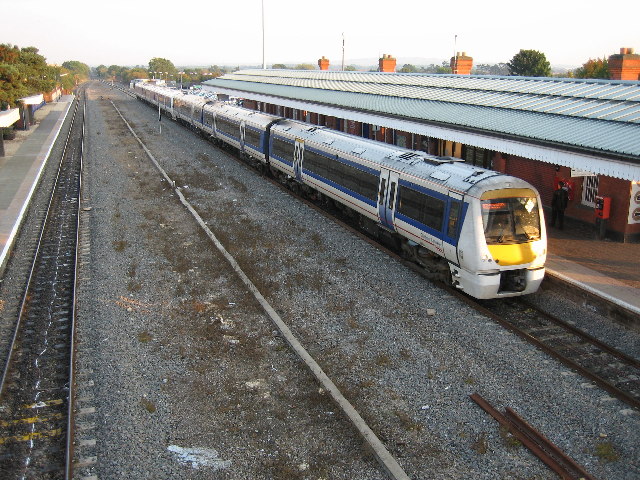
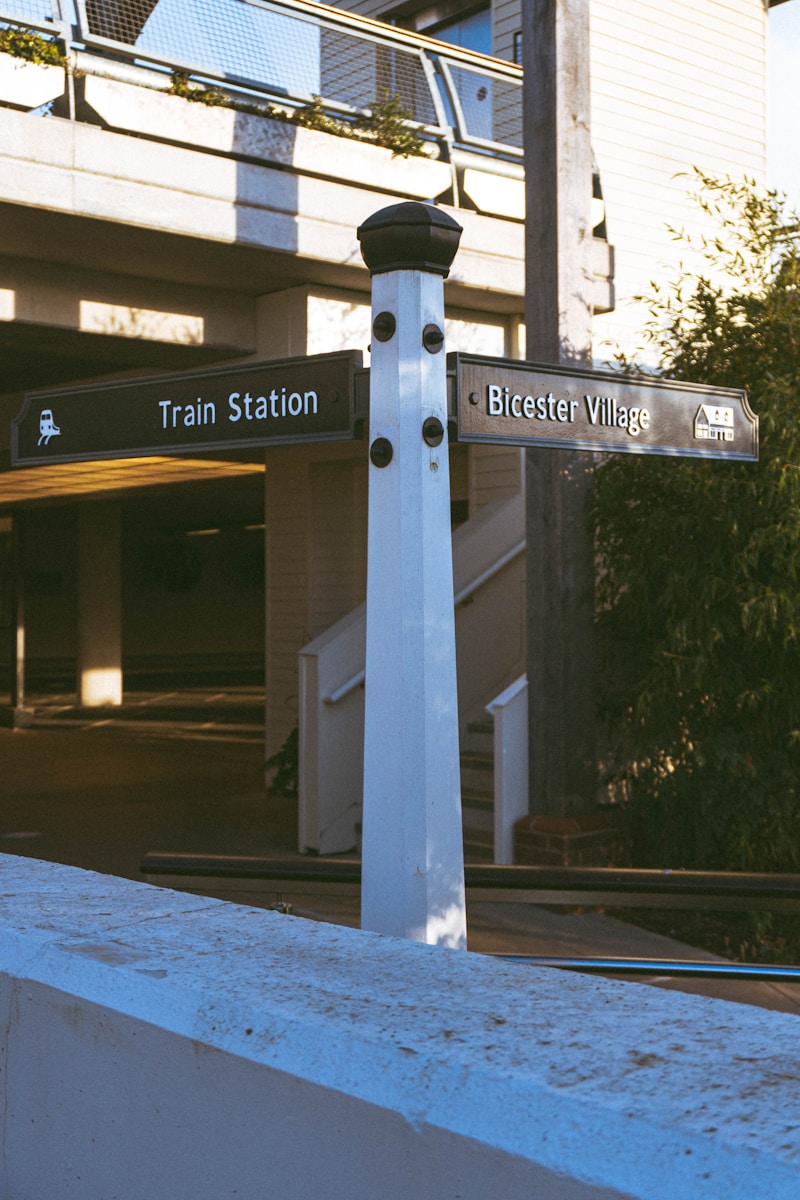
    Train station directional signpost at Bicester Village station

    Insider tips for Bicester Village station

    • Buy on the Chiltern app or use the machines on the town side; the ticket office gets busy mid-morning when day-trippers arrive.
    • If your first meeting is at 10:00, the departure just after 09:30 tends to have seats and a calmer carriage than the 08:00 crush.
    • There is no large car park here, so drivers should treat Bicester North as their default.

    Common mistakes to avoid

    • Assuming every London-bound train stops here. Some faster services pass through, so check the departure board or app before you commit.
    • Cutting the walk from Pioneer Square too fine. It is an easy 10 to 12 minutes, but not with a laptop bag and a coffee in the rain.

    Bicester North: the northern workhorse

    Bicester North is your station for Birmingham, Leamington Spa, and points north, and it carries the larger car park. It also suits residents in northern neighbourhoods such as Kingsmere and Langford Village who would rather not cross town to reach a platform.

    Who it suits

    Commuters heading to Birmingham for work, drivers coming in from surrounding villages, and anyone in north Bicester who wants a short hop to the station. The station feels more traditional than sleek, which many regulars prefer.

    Insider tips for Bicester North

    • The car park fills quickly on weekdays. Arrive before 08:15 if you want a space, or look at nearby pay-and-display options.
    • For Birmingham, the Chiltern service often works out cheaper than driving and parking in the city centre. Book ahead for the best fares.
    • The station-side café is handy for a quick breakfast, though opening hours can change, so check before you rely on it.

    Common mistakes to avoid

    • Turning up without checking that your train actually stops at Bicester North. Some evening services pass straight through.
    • Underestimating the walk from the town centre, which climbs slightly in places. Fine on a sunny day, less fun with luggage in the rain.

    How to choose between the two stations

    Weigh four factors before you commit to a regular routine: budget, vibe, timing, and transport.

    • Budget: Chiltern fares shift by time and destination, and off-peak returns to London are noticeably cheaper than peak. Check the Chiltern website or app for live prices rather than relying on last month’s figure.
    • Vibe: Bicester Village station feels newer and busier with visitors; Bicester North is quieter and more commuter-focused.
    • Timing: If you need to be in London before 09:00, start with Bicester Village. For Birmingham, start with Bicester North.
    • Transport: Bicester Village station sits closer to the town’s main bus routes, while taxis serve both. Book ahead during peak times.
    Young professionals and remote workers planning commute and hybrid work schedules

    At a glance: a workday using both stations

    • 07:45 Leave home in Kingsmere and drive to Bicester North, about five minutes, then park.
    • 08:10 Catch the Chiltern service towards Birmingham.
    • 09:00 Arrive in the city centre and walk to the office.
    • 17:30 Return train to Bicester North.
    • 18:30 Back in Bicester for a quick gym session or supermarket stop.

    If your day is London-based instead, swap Bicester North for Bicester Village station and shift the times around your meetings.

    Local logistics: times, booking, and access

    A little planning removes most of the small frustrations that make a commute feel longer than it is.

    • Getting there: Bicester Village station is roughly a 15 minute walk from the town centre, Bicester North about 20. Local buses reach both, but timetables vary by day, so check before you travel.
    • Best times: Off-peak windows after 09:30 and before 16:00 are cheaper and quieter. Friday evenings are the busiest, so travel earlier if you can.
    • Booking: The Chiltern Railways app or website handles e-tickets, and advance fares can save money when your plans are fixed.
    • Accessibility: Both stations offer step-free access to platforms, and Bicester Village station is newer, which generally makes wheelchairs and heavy luggage easier to manage. Confirm live details on National Rail before travelling.

    FAQs

    Which station should I use for London, Bicester North or Bicester Village?

    Bicester Village station serves London Marylebone directly on Chiltern Railways. Bicester North is the better pick for Birmingham and the north.

    Can I park at Bicester Village station?

    Parking there is very limited. Bicester North has the larger car park, so most drivers head there and walk or ride in.

    How far is Bicester North from the town centre?

    Allow around 20 minutes on foot, or take a short taxi ride. Bicester Village station is closer, at roughly 15 minutes.

    Is there a direct train from Bicester to Oxford?

    There is no direct rail link between Bicester and Oxford. You will usually change at Bicester North or take a bus, so check Chiltern Railways for current routes.

    What time should I travel to avoid the crowds?

    Mid-morning to early afternoon, roughly 09:30 to 16:00, is quieter and cheaper on both lines. Avoid the peak commuter windows when your schedule allows.

    Living in Bicester puts two useful rail lines within reach, and knowing which station suits each trip is part of making the week run smoothly. Whether you are heading to London for meetings or Birmingham for a project, a few minutes of planning pays you back. At B-Hive Living, we build homes for young professionals and remote workers who want a base that makes both work and weekends feel easy, in Bicester and across Oxford.

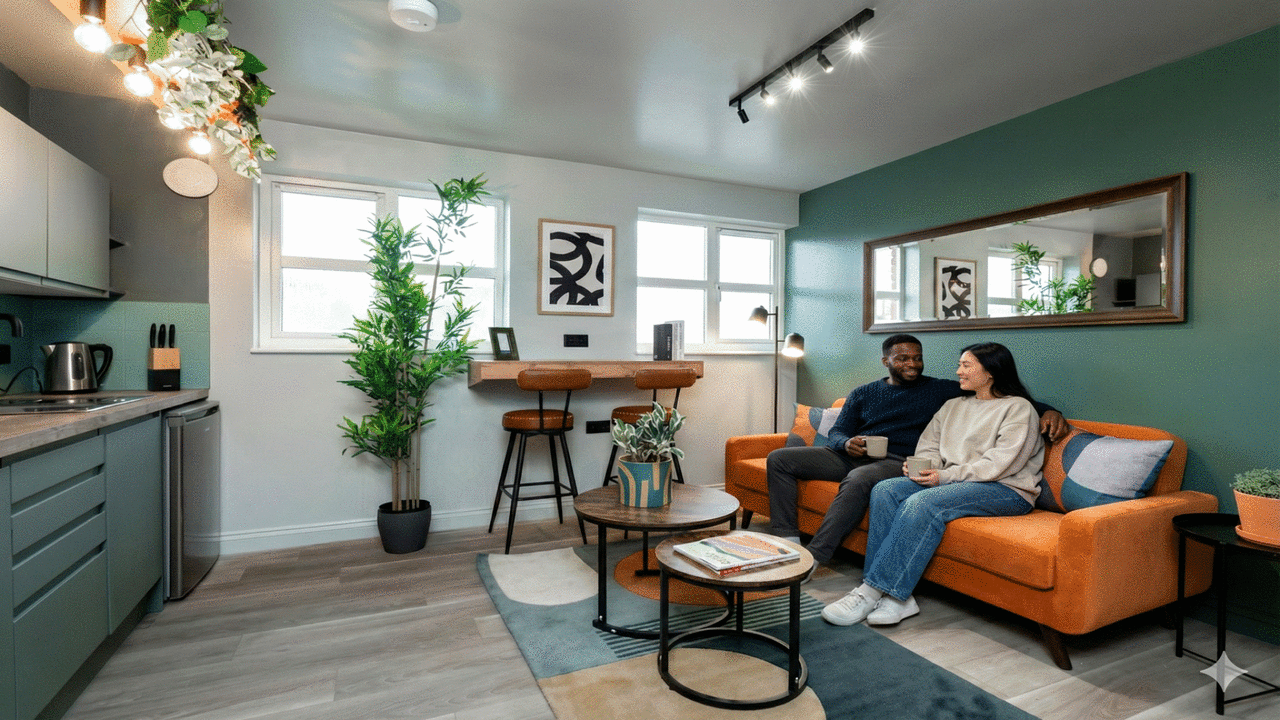
    Modern B-Hive Living coliving apartment interior with open-plan kitchen and stylish lounge

    Thinking about a move? Apply to live with B-Hive Living and join a community that understands the balance between work and home.

  • Is Bicester Walkable? A Practical Guide for New Residents

    Is Bicester Walkable? A Practical Guide for New Residents

    You’ve got the keys, the boxes are stacked in the hallway, and the car is still parked outside. Before you build a routine around driving, it helps to know whether Bicester is walkable enough to leave the car at home. For most people living in the town centre and the newer estates, the answer is yes: daily errands, a coffee, even the station can sit within a 20-minute walk. This guide covers the distances, the streets, and the shortcuts so you can plan a car-free weekday before you’ve memorised the ring road.

    Quick answer: Bicester walkability at a glance

    • Most walkable: Town centre and Pioneer Square, where shops, the library and cafes sit within 10 minutes of each other.
    • Walkable with planning: Kingsmere and Elmsbrook, connected by footpaths and green corridors but roughly 1.2 to 1.5 miles from the centre.
    • Best time to walk: Weekday mornings and early evenings. Weekends get busier around the outlet village.
    • Quick logistics: Most daily needs sit within a 20-minute walk if you’re centrally based. Outlying villages realistically need a bike or bus.
    • Who it suits: Remote workers who want a car-free weekday and anyone who prefers a stroll to a drive for groceries or coffee.

    Which parts of Bicester are actually walkable?

    Central Bicester and the newer estates are genuinely pedestrian-friendly, with wide pavements and crossings, but the town spreads out. Knowing your neighbourhood’s walking distances saves you from surprises on a rainy Tuesday.

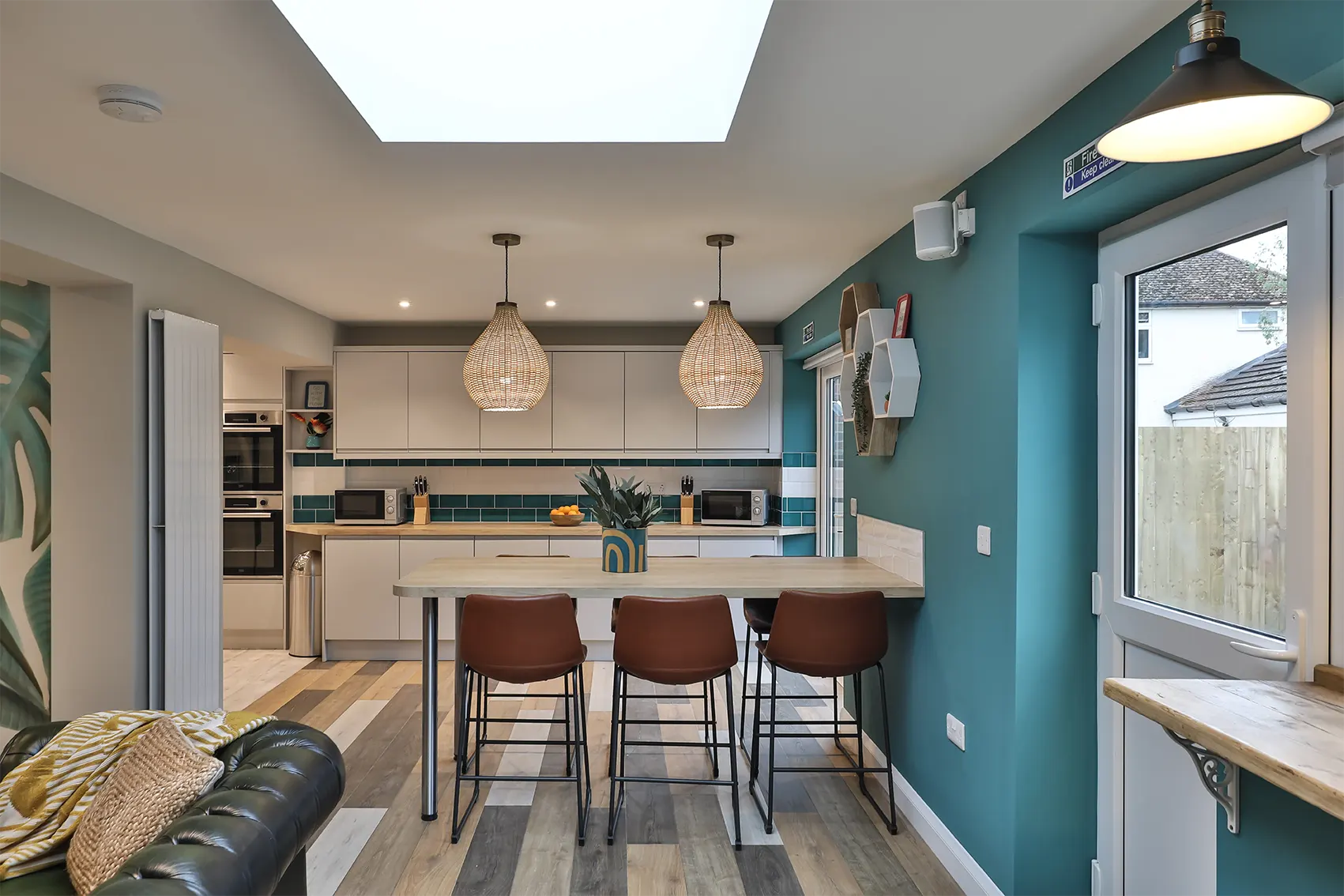
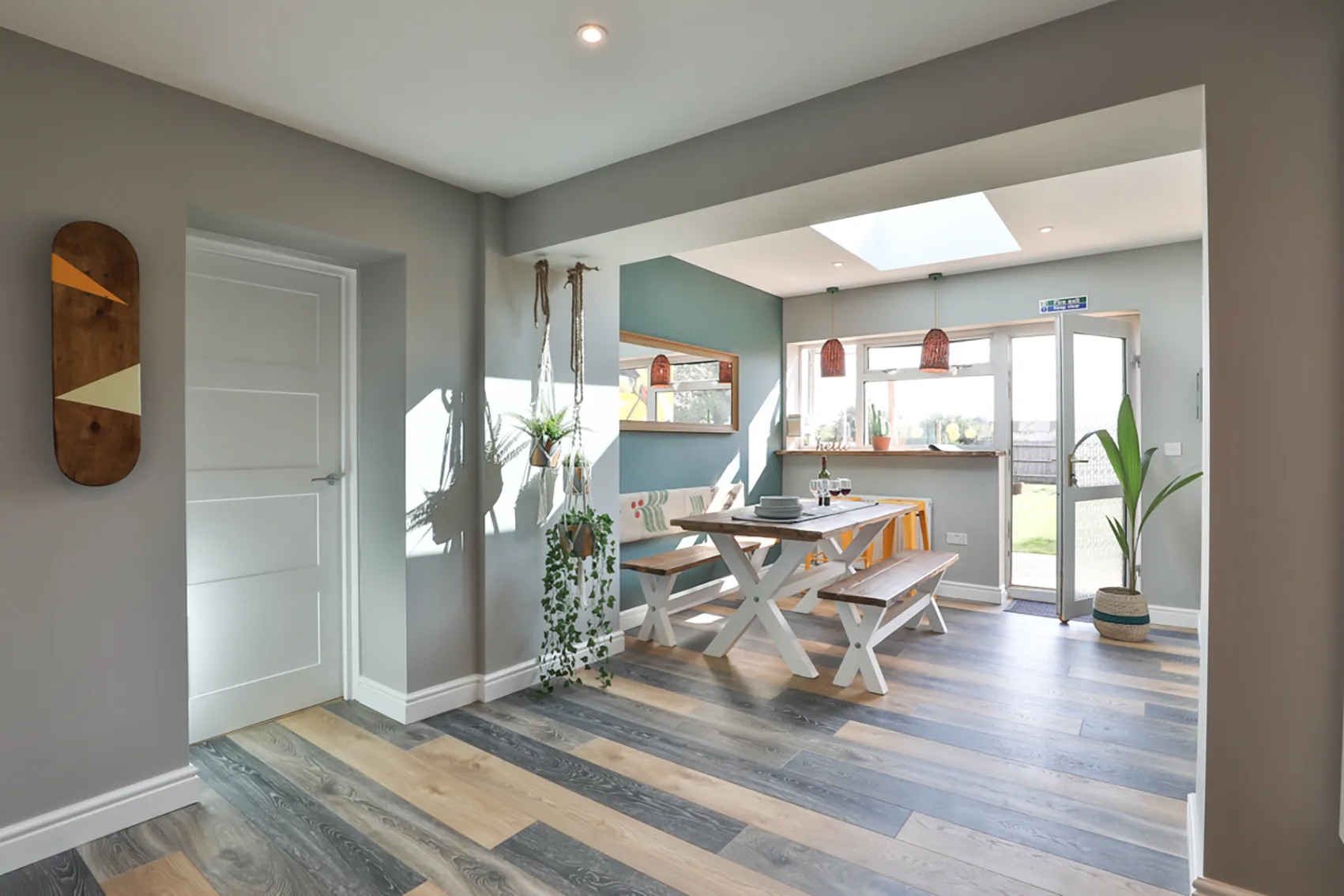
    Sunlit dining area with garden access and skylight, reflecting a relaxed, walkable town-centre lifestyle in Bicester

    Town centre and Pioneer Square

    This is the most walkable pocket. From Pioneer Square you can reach the library, the council offices and a cluster of cafes and shops in under 10 minutes. The streets are well lit and mostly flat. Waitrose on Sheep Street and the nearby convenience stores cover most of a weekly shop without a car.

    Insider tip: The underpass near the bus station connects you to the retail village without crossing the busy ring road. It’s a small shortcut locals use daily, and it’s step-free at both ends.

    Kingsmere and Elmsbrook

    These newer developments were designed with footpaths and green corridors. Kingsmere has a primary school and a small convenience store within the estate, so you can handle basics without leaving. Elmsbrook, the eco-town, prioritises walking and cycling with traffic-calmed streets.

    From Kingsmere to the town centre is roughly 1.5 miles, about 30 minutes on foot. From Elmsbrook to Bicester North station is around 1.2 miles, closer to 25 minutes. Both are realistic for a daily commute if you’re happy with the distance.

    Insider tip: Kingsmere’s paths can be confusing at first. Look for the wooden fingerposts rather than relying on your phone signal, which can drop between buildings.

    Bicester Village and the outlet area

    Bicester Village is walkable from the town centre, about 1.2 miles or a 20 to 25-minute walk, but the route along Oxford Road lacks a continuous pavement in places. Many people drive or take the shuttle. If you do walk, use the underpass near the bus station and follow signs for the village. Alternatively, cut through Garth Park and join the path near the station for a greener, quieter route.

    Common mistake: Assuming you can cut through the car parks. They’re private and often gated after hours.

    Outlying areas: Langford, Chesterton, Launton

    These villages sit beyond the ring road and have limited pavements or street lighting. Walking to town from here isn’t practical for daily errands; a bike or bus is a better bet. If you’re set on village life, check the bus timetable before you sign a lease.

    How to choose where to live if walking matters

    Prioritise proximity to a footpath network and a bus route. Even if you walk most days, having a backup for heavy shopping or wet weather makes a difference.

    • Budget: Central flats and new-build estates tend to cost more than older terraces further out, but you save on transport.
    • Vibe: Want buzz? Pioneer Square. Prefer quiet? Kingsmere or Elmsbrook.
    • Timing: Check commute times on foot to the station if you travel to London or Oxford. A 10-minute walk versus 25 minutes changes your morning.
    • Transport: Look for bus stops within a 5-minute walk. Bicester Village station is a key hub, but Bicester North is closer to the town centre.
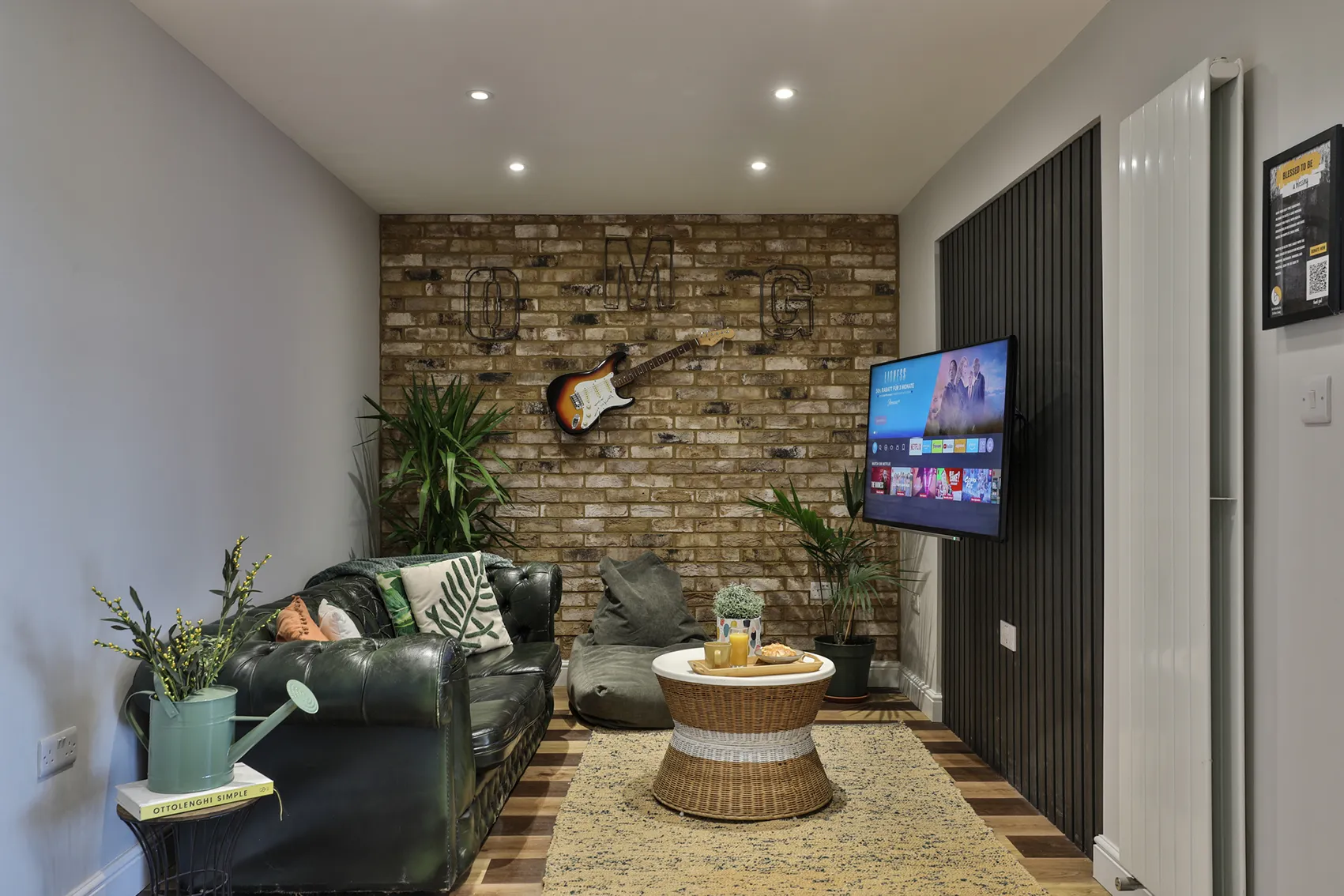
    Cozy communal lounge with brick feature wall and comfortable seating in central Bicester

    At a glance: a car-free Saturday in Bicester

    • 9am: Walk to Pioneer Square for a coffee at one of the independent cafes.
    • 10am: Browse the library or the market if it’s on (check the town council website for current days).
    • 11:30am: Stroll to Bicester Village via the underpass; window-shop or grab lunch.
    • 2pm: Walk back through Garth Park for a green breather.
    • 4pm: Pick up groceries at Waitrose on Sheep Street or a town centre convenience store.
    • 6pm: Head to a pub or restaurant within walking distance of your flat, such as one of the options on Market Square.

    Local logistics: getting around on foot

    Bicester is relatively flat, which helps. But a few practical notes make walking smoother.

    • Getting there: If you’re arriving by train, Bicester North is about a 10-minute walk from the town centre, while Bicester Village station is closer to the outlet village and the eco-estates. Both have pedestrian routes into town.
    • Best times: Avoid the school run, roughly 8:30 to 9am and 3 to 3:30pm, around Kingsmere and the town centre if you prefer quieter pavements.
    • Booking notes: No booking needed for walking, but if you plan to visit Bicester Village on a weekend, check opening hours as they can vary seasonally.
    • Accessibility: Most central pavements have dropped kerbs, and the underpass near the bus station has ramps. Some older streets have uneven surfaces, so take care with wheeled luggage or a pram.

    Insider tips for walking in Bicester

    • Use the ring road underpasses. They’re safer and faster than trying to cross the dual carriageway.
    • Download an offline map. Signal can be spotty on some paths, especially around Elmsbrook.
    • Invest in a good waterproof. Bicester’s weather is typically British; a lightweight raincoat lives in many locals’ bags.

    Common mistakes to avoid

    • Underestimating distances to the retail village. It’s a 20 to 25-minute walk from the centre, not 5. Wear comfortable shoes.
    • Assuming all estates have pavements. Some newer areas are still finishing infrastructure; check before you commit to a daily walk.

    FAQs about walking in Bicester

    Is Bicester a walkable town?

    Yes, central Bicester and many residential estates are walkable for daily needs. Outlying villages are less so, but you can still reach them via bus or bike.

    Can you walk from Bicester town centre to Bicester Village?

    Yes, it takes about 20 to 25 minutes. Use the underpass near the bus station for a safer route, or cut through Garth Park for a quieter one.

    Are there pedestrian-only areas in Bicester?

    Pioneer Square and parts of the town centre are pedestrianised or traffic-calmed. Bicester Village is pedestrian-only within its grounds.

    What’s the best way to get around Bicester without a car?

    Walking works for central areas. For longer trips, use local buses or a bicycle. The town is flat, so cycling is a good option.

    Is Bicester safe to walk at night?

    Central streets are well lit and generally safe. Stick to main routes and avoid unlit paths in outlying areas.

    Living in Bicester means you can genuinely embrace a slower pace, whether you’re strolling to a coworking space or meeting friends for dinner. At B-Hive Living, we create homes that make the most of the town’s walkable pockets, so you can spend less time in traffic and more time enjoying the community. Our spaces are designed for young professionals and remote workers who value connection and convenience.

    Resident enjoying outdoor exercise and wellness on green spaces in walkable Bicester

    Ready to find your base in Bicester? Apply to live with B-Hive and discover a home that puts you within walking distance of what matters.

  • Parking and EV Charging in Bicester: What Relocating Drivers Need to Know

    Parking and EV Charging in Bicester: What Relocating Drivers Need to Know

    Moving to Bicester with a car means learning new routines: which streets need a permit, where to park near Bicester North or Bicester Village station, and how to keep an electric vehicle charged when you do not yet have a driveway. If you are renting near the town centre or settling into a new-build on the edge of town, the first month is where most of the friction sits. This guide walks through parking and EV charging in Bicester so you can plan your commute, errands and weekend trips without collecting penalty notices along the way.

    Oxfordshire’s parking rules change more often than most people expect, and Bicester is growing quickly. Use the sections below as a starting point, then confirm current tariffs, hours and permit zones with Cherwell District Council or the relevant operator before you commit to a contract or a long stay.

    Quick answer: Bicester parking and EV charging at a glance

    • Best for commuters: Bicester North and Bicester Village station car parks, well placed for Chiltern services towards London Marylebone and the Oxford Parkway line.
    • Best for town centre errands: short-stay car parks around Sheep Street, Crown Walk and Pioneer Square, usually pay-and-display or app payment.
    • Best for EV drivers without a home charger: rapid chargers at retail and service locations on the edge of town, plus slower destination chargers at some hotels and supermarkets.
    • Who this suits: young professionals and remote workers who drive occasionally rather than daily, or who are waiting for a home charge point installation.
    • Quick logistics: check the app or council website on the day, allow extra time on Saturdays and bank holidays, and never assume a charger is working until you arrive.

    How parking works in Bicester town centre

    Most town centre parking in Bicester falls into three categories: council-run pay-and-display car parks, privately operated car parks tied to retail or leisure, and on-street bays with time limits or resident permits. Knowing which one you are pulling into saves both money and penalty notices.

    Council car parks and pay-and-display

    Cherwell District Council operates several car parks around the town centre. Payment is typically by cash, card or a parking app, and tariffs usually differ between short stay and long stay. If you work from home and only need the car for evening plans, a short-stay bay is often cheaper than a full-day ticket. Check the council’s current list before you travel, as sites are periodically reviewed or redeveloped.

    On-street bays and permit zones

    Residential streets close to the centre often sit inside controlled parking zones. If you are renting, ask the letting agent or landlord whether a resident permit is available and how long the waiting list is. Do not assume a space outside your new flat is yours; many central streets restrict parking to permit holders during weekday hours.

    Retail and leisure car parks

    Bicester Village and the retail parks around it have large car parks, but several are designed for shoppers rather than all-day commuters. Some enforce maximum stays or validate parking against a purchase. Read the signs carefully: a free few hours can turn into a charge if you overstay.

    Bicester Village retail and shopping parking destination

    Parking near Bicester’s stations

    If you commute or travel to London and Oxford regularly, station parking is the detail that shapes your morning routine. Both Bicester North and Bicester Village have station car parks, and both can fill on weekday mornings.

    • Bicester North: serves Chiltern Railways services towards London Marylebone and Birmingham. Arrive early on weekdays if you want a space, and check whether season tickets or app-based parking suit your pattern.
    • Bicester Village: serves Chiltern services and connects with the Oxford Parkway line towards Oxford. The station sits beside the retail village, so parking demand spikes at weekends and during sales periods.
    Train station directional signage at Bicester Village for commuter parking

    Insider tip: if you travel only two or three days a week, compare the cost of a season ticket against pay-as-you-go parking plus rail fares over a full month. The cheaper option is not always the one the ticket machine suggests.

    EV charging options in and around Bicester

    Bicester’s EV charging network is expanding, but it is still a patchwork of rapid chargers, destination chargers and home installations. For most new residents, the realistic plan is a mix: charge at home if you can, top up at a rapid charger when you cannot, and keep a backup location in mind.

    Rapid and ultra-rapid chargers

    Rapid chargers are typically found at service areas, retail parks and some fuel stations on the main routes around Bicester, including the A41 and M40 corridors. They are best for a quick top-up rather than a full charge, and they usually cost more per kilowatt-hour than home charging. Check the connector type your car uses and whether the site has more than one unit, because a single charger can mean a queue at peak times.

    Destination chargers

    Slower destination chargers appear at some hotels, supermarkets and leisure venues. They suit a longer stop: a weekly shop, a gym session or an evening meal. Speeds vary widely, so do not assume a destination charger will add meaningful range in 20 minutes.

    Charging at home

    If you are buying or renting a property with off-street parking, a home charge point is usually the cheapest and most convenient option. For renters, permission from the landlord is normally required, and listed buildings or shared parking areas can add complications. If you are moving into a flat with a communal car park, ask early whether charging infrastructure is planned or already installed.

    How to choose your parking and charging setup

    Work through these criteria in order, because the first one usually decides the rest.

    1. Do you have off-street parking at home? If yes, prioritise a home charge point and use public chargers only for longer trips.
    2. How often do you drive? Occasional drivers can rely on public parking and rapid chargers; daily commuters should look at season tickets and permit zones.
    3. Where do you work? If you commute to Oxford or London by train, station parking matters more than town centre bays.
    4. What is your budget? Compare permit costs, season tickets and pay-as-you-go rates over a month, not a single day.
    5. What is your backup plan? Identify a second charger or car park you can reach if your first choice is full or out of service.

    Common mistakes to avoid

    • Assuming a car park is free because it looks open. Many Bicester sites use cameras and send charges by post, so a missing ticket does not mean a missing fee.
    • Relying on a single rapid charger. If it is occupied or faulty, you need a nearby alternative. Save two or three locations in your phone before you need them.
    • Ignoring permit zone signs on residential streets. A short visit to a friend can become a penalty notice if you miss the weekday restrictions.
    • Buying an EV without checking your charging options first. Confirm what you can install at home and what is within walking distance before you commit.
    • Paying for a full-day ticket when you only need an hour. Check the short-stay tariff first, since the difference across a month adds up quickly.

    At a glance: your first week with a car in Bicester

    • Day one: check whether your street is in a permit zone and apply if needed.
    • Day two: download the parking apps used by the main car parks and register your vehicle.
    • Day three: test the station car park at the time you would normally travel.
    • Day four: locate your nearest rapid charger and your nearest destination charger.
    • Day five: if you have off-street parking, get a quote for a home charge point.
    • Weekend: try the town centre car parks on a Saturday to see how busy they get.

    Local logistics: getting around and planning ahead

    Bicester sits between Oxford and Milton Keynes, with the M40, A34 and A41 within easy reach. That makes it convenient for drivers, but it also means peak times are genuinely busy. Weekday mornings and Saturday afternoons are the worst windows for both parking and charging.

    Booking notes: some car parks and charging networks let you reserve or check live availability through an app. Where that is not possible, arrive earlier than you think you need to. Accessibility: council car parks generally include designated bays, but availability varies by site, so check the specific location if you rely on a wider space. For charging, look for sites with pull-through or accessible bays if you need extra room around the vehicle.

    Insider tip: keep a small amount of cash or a backup payment method. Not every machine or charger accepts the same cards or apps, and mobile signal can be patchy in some car parks.

    FAQs about parking and EV charging in Bicester

    Is parking free anywhere in Bicester?

    Some retail car parks offer free periods, usually with a time limit or a minimum spend. Council car parks generally charge, and on-street bays in controlled zones are restricted. Always read the signs at the specific site.

    Can I charge an EV without a driveway in Bicester?

    Yes, but it requires planning. You will rely on public rapid and destination chargers, so identify at least two convenient locations and check their live status before travelling.

    Do I need a permit to park on residential streets?

    Many streets near the town centre are in controlled parking zones. Check with Cherwell District Council and ask your landlord whether a resident permit is available for your address.

    When are Bicester car parks busiest?

    Weekday mornings around commuter times and Saturday afternoons tend to be busiest, particularly near the stations and the retail village. Allow extra time during school holidays and sales periods.

    What should I check before signing a rental contract?

    Confirm whether off-street parking is included, whether the street is in a permit zone, and whether you can install or use a charge point. These details affect both your daily routine and your monthly costs.

    Is Bicester a good base for an EV driver?

    It can be, especially if you have off-street parking at home. Without it, you are relying on public rapid and destination chargers, so test the locations near your new address before you commit to a long lease.

    Living well in Bicester

    A car makes Bicester feel smaller in the best way: a quick run to the shops, a weekend in the Cotswolds, a late train home from London. Getting the parking and charging basics right early means fewer surprises and more time for the parts of Oxfordshire you moved for. Take an afternoon to map your routes, save your backup chargers, and set up your apps. It is a small upfront effort that pays off every week.

    Modern B-Hive Living coliving interior with allocated parking for relocating residents

    At B-Hive Living, we help young professionals and remote workers settle into homes and communities in Oxford and Bicester. If you are planning a move and want somewhere that fits your commute, your car and your lifestyle, we would be glad to talk you through what is available. Get in touch to start your application and find a place that works for the way you actually live.

  • How to Get From Heathrow, Gatwick, or Birmingham Airport to Bicester

    How to Get From Heathrow, Gatwick, or Birmingham Airport to Bicester

    You have booked the flight, signed the tenancy, and now you are staring at a route map wondering how to get from Heathrow, Gatwick, or Birmingham Airport to Bicester without dragging two suitcases through central London. If you are moving for work at Bicester Motion, settling into a remote role, or visiting before you commit to a lease, the journey is manageable once you know which operator runs what, where the changes happen, and which station actually serves your new street.

    This guide covers the realistic routes with named operators, station details, and the transfer points that catch people out. The short version: Birmingham is the easiest arrival, Heathrow is the most common and workable, and Gatwick is the long haul.

    Quick answer: getting to Bicester from each airport

    • Best overall: Birmingham Airport, roughly an hour by car via the M42 and M40, or a train via Birmingham Moor Street and Banbury.
    • Most common: Heathrow, around 1.5 to 2 hours by coach or car, or a train via London Marylebone.
    • Longest journey: Gatwick, typically 2.5 to 3.5 hours, with a cross-London transfer almost always required.
    • Cheapest option: Advance-purchase coach tickets, especially from Heathrow.
    • Best for luggage: A pre-booked private transfer, particularly if you land after 9pm.

    Birmingham Airport to Bicester: the easiest of the three

    Birmingham is the most convenient airport for Bicester, and most people moving from the north or Scotland use it. The drive is about an hour via the M42 and M40, and public transport works without crossing London.

    By train

    Take the free Air-Rail Link from the terminal to Birmingham International station. From there, catch a train to Birmingham Moor Street (Chiltern Railways runs direct services from Birmingham Moor Street towards London Marylebone, calling at Bicester North). Alternatively, head to Birmingham New Street and pick up a CrossCountry service towards Oxford or Banbury, changing at Banbury for a Chiltern connection to Bicester North. Allow two to two and a half hours in total, and check connections before you travel, as Sunday services are thinner.

    By car or taxi

    If you are arriving with suitcases, a pre-booked transfer is the least stressful option. The route is straightforward motorway driving, and Bicester sits just off junction 9 of the M40. Expect toll-free roads the whole way.

    Insider tip

    If you are collecting keys to a new rental the same day, ask your letting agent whether check-in is at the property or at an office in town. Arriving at the wrong address with luggage is a common first-day frustration.

    Heathrow Airport to Bicester: the route most newcomers take

    Heathrow is the busiest arrival point for people relocating to Oxfordshire, and you have three sensible options. The coach is the simplest if you are travelling alone with manageable bags, while a car or transfer wins on comfort.

    Relocating couple relaxing with hot drinks in their bright Bicester home after completing their airport journey from London

    By coach

    National Express runs coach services from Heathrow Central Bus Station towards Oxford, with some routes continuing to Bicester. Journey times vary with traffic on the M40, so build in a buffer if you have a fixed check-in time. Book in advance for the best fares, and check the current timetable before you travel, as frequencies change seasonally.

    By train via London

    Take the Piccadilly line or Heathrow Express into central London, then a Chiltern Railways train from Marylebone towards Bicester North. This works well if you want to stop in London first, but it is slower and more expensive than the coach once you add the Underground leg. Allow three hours door to door.

    By car or private transfer

    The drive is roughly 1.5 hours outside peak times via the M4, M25, and M40. If you are arriving during the morning or evening rush, add 30 to 45 minutes. Pre-booked transfers meet you in arrivals, which matters if your flight lands after the last convenient coach.

    Insider tip

    Bicester has two stations: Bicester North (Chiltern services towards London Marylebone and Birmingham) and Bicester Village (services towards Oxford). Check which one your accommodation is closest to before booking your final leg, because they are on opposite sides of town.

    Gatwick Airport to Bicester: plan for a longer day

    Gatwick is the least convenient of the three airports for Bicester, so treat it as a half-day journey rather than a quick hop. Almost every route involves crossing London or driving around the M25.

    By train

    Take a train from Gatwick to London Victoria or London Bridge, transfer across the city, then pick up a Chiltern Railways service from Marylebone towards Bicester North. Allow three hours or more, and avoid tight connections if you are carrying heavy luggage.

    By coach

    National Express and Oxford Bus Company run services from Gatwick towards Oxford, though they are less frequent than the Heathrow routes. Check timetables carefully, as a missed connection can mean a long wait.

    By car or transfer

    Driving means the M23, M25, and M40. Outside peak hours it is around two hours; in rush hour, considerably more. A private transfer is worth considering if you are arriving after a long-haul flight.

    Insider tip

    If you have a choice of airports when booking your flight, Birmingham will almost always give you the calmest arrival into Bicester. It is worth a small fare difference if your schedule is flexible.

    How to choose your route

    Match the route to your luggage, arrival time, and budget rather than defaulting to the cheapest fare. A few criteria will make the decision quick.

    • Budget: Advance coach tickets are usually the cheapest; private transfers are the most expensive but the most predictable.
    • Timing: If you land after 9pm, assume public transport options are limited and pre-book a car.
    • Luggage: Two large suitcases plus a train change across London is a genuine challenge. A direct coach or transfer is kinder.
    • Transport: Check whether your accommodation is nearer Bicester North or Bicester Village before you book the final leg.
    Comfortable fully furnished private bedroom in Bicester welcoming relocators after their airport journey

    At a glance: arrival day checklist

    • Confirm your check-in address and time before you fly.
    • Book coach or train tickets in advance for the best prices.
    • Download offline maps in case mobile signal is patchy on the move.
    • Keep a small amount of cash for taxis, though most take card.
    • Save your letting agent’s number in case of delays.
    • Check the last service time for your chosen route on the day you travel.

    Local logistics: timings, booking, and accessibility

    Getting the small details right makes the difference between a smooth arrival and a stressful one. Here is what to plan around.

    Best times to travel

    Avoid arriving into the Bicester area between 8am and 9am or 5pm and 6pm on weekdays if you are driving, as the A41 and M40 junctions get busy. Mid-morning and early afternoon are the calmest windows.

    Booking notes

    Coach and train fares rise sharply close to travel dates, so book as soon as your flight is confirmed. For transfers, book at least 48 hours ahead and share your flight number so the driver can track delays.

    Accessibility

    Major stations on these routes generally have step-free access and staff assistance, but smaller stations and coach stops vary. If you need assistance, arrange it with the operator in advance rather than on the day.

    Common mistakes to avoid

    • Booking a train to the wrong Bicester station and then facing an unnecessary taxi across town.
    • Assuming you can buy a cheap walk-up fare on the day; prices are far higher than advance tickets.

    FAQs about getting to Bicester

    Which airport is closest to Bicester?

    Birmingham is the closest of the three, at roughly an hour by car. Heathrow is next at around 1.5 hours, and Gatwick is the furthest, usually two hours or more by road.

    Can I get from Heathrow to Bicester without going through London?

    Yes. Coaches and cars both avoid central London, using the M40 corridor. Only the train option requires a cross-London transfer.

    Is it cheaper to take the coach or the train?

    Coaches are usually cheaper, particularly when booked in advance. Trains are faster on some routes but add cost if you need to cross London first.

    Do I need to book a taxi in advance?

    It is strongly recommended, especially for late arrivals. Pre-booking also means the driver can track your flight if it is delayed.

    How do I get from Bicester station to my accommodation?

    Local taxis and buses serve both stations, and many parts of town are walkable. Check the distance before you arrive so you know whether to book a cab.

    Living well in Bicester

    Once the journey is behind you, Bicester rewards you with a compact town centre, fast links to Oxford and London, and a growing community of remote workers and young professionals. The key is choosing a home that matches how you actually live, whether that means walking distance to the station or a quieter street with parking. Get the arrival logistics right and the settling-in period becomes far more enjoyable.

    Relocating residents relaxing comfortably in their new Bicester home after arriving from the airport

    If you are planning a move and want a home that fits your working rhythm, B-Hive Living builds communities in Oxford and Bicester designed for exactly that. Take a look at what is available and start your application when you are ready.