Blog

  • Where to Live When You Work at an Oxford Science or Business Park

    Where to Live When You Work at an Oxford Science or Business Park

    You’ve accepted a role at one of Oxford’s science or business parks, and now the practical question lands: where do you actually live? The two main employment hubs sit on opposite sides of the city, and the right neighbourhood depends on which one you’re commuting to, how you plan to travel, and whether you want city energy or a quieter base with more space. This guide breaks down the realistic options, the trade-offs between Oxford and Bicester, and the questions worth asking before you sign a tenancy.

    Quick answer: where to live when you work at an Oxford science or business park

    • Best for walking to work: Littlemore and Rose Hill for the Science Park; Cowley and Temple Cowley for the Business Park.
    • Best for value and space: Bicester, with a fast train link into Oxford and noticeably lower rents than the city.
    • Best for a village feel with a commute: Kidlington, Islip, or Wheatley, but check evening bus times before committing.
    • Best for city lifestyle: Jericho, Summertown, or the centre, if you accept the premium and don’t mind a bus or bike ride to the parks.
    • Quick logistics: Both parks sit on Oxford’s edge, so a bike, car, or a reliable bus route matters more than being in the centre.

    Know the two parks before you choose an area

    The single most useful thing you can do is match your shortlist to the park you’ll actually be working at. Oxford Science Park sits in Littlemore, south-east of the city centre. Oxford Business Park sits in Cowley, east of the centre. They are close enough that some neighbourhoods work for both, but the day-to-day commute is different enough that it should shape your search.

    Elevated panoramic view of Oxford, hub for Oxford Science Park and Oxford Business Park

    Neither park is next to Oxford railway station, so if you’re arriving by train you’ll still need a bus, bike, or car for the final leg. That final leg is where most commute frustration comes from, so plan it before you fall in love with a flat.

    Neighbourhoods closest to Oxford Science Park

    Littlemore. The obvious choice if you want to walk or cycle to work. It’s a residential area with a mix of older terraces and newer builds, and it has its own high street with everyday shops. Insider tip: because it’s walkable to the Science Park, Littlemore rents can be surprisingly competitive compared with Cowley, so it’s worth checking before you assume the closer option costs more.

    Rose Hill. Just south of Iffley, Rose Hill is quieter and greener, with good access to the ring road if you drive. It’s a short cycle to the Science Park and a reasonable bus ride into the centre. Insider tip: if you’re viewing in Rose Hill, ask about parking before you commit, as some streets are permit-controlled and spaces are limited.

    Iffley. Leafy, riverside, and peaceful, with the towpath on your doorstep for walks after work. It’s pricier than Littlemore but gives you a village feel within the city. Insider tip: the towpath is a genuinely useful cycle route towards the city centre, but it’s unlit in stretches, so plan for winter evenings.

    Neighbourhoods closest to Oxford Business Park

    Cowley. The natural fit for the Business Park, and one of Oxford’s liveliest areas for independent shops, cafés, and a diverse high street. You can walk or cycle to work in most cases. Insider tip: Cowley Road is brilliant for everyday food shopping, but parking is genuinely difficult, so factor that in if you drive.

    Temple Cowley. Slightly quieter than Cowley proper but still within walking distance of the Business Park. It suits people who want the convenience without the noise of the main road. Insider tip: this is a good area to prioritise if you want a short commute and a calmer street, but you’ll still head to Cowley Road for the best cafés and shops.

    Headington. Popular with professionals and families, with a strong high street, good schools, and frequent buses into the centre. It’s a short hop to the Business Park. Insider tip: Headington’s hospital presence means parking and traffic can be heavy at shift-change times, so test your route at the times you’d actually travel.

    Bicester: the commuter town worth comparing

    Bicester has become a genuine alternative for Oxford workers because it offers more space for your money and a fast rail link into Oxford. The trade-off is that you’ll rely on public transport or a car for the final leg to either park, so the door-to-door time is longer than living in Littlemore or Cowley.

    What Bicester gives you is a different daily rhythm: a proper town centre, new-build developments with gardens and parking, and easy access to the M40 and A41 if you drive. For remote workers who only commute two or three days a week, that trade-off often makes sense.

    Where to live in Bicester

    Near Bicester Village and the stations. Modern apartments and the easiest access to rail. Insider tip: station car parks fill early on weekdays, so if you plan to drive and park, check permit options or consider a home within walking or cycling distance instead.

    Modern shared kitchen and co-working island for hybrid professionals living in Bicester

    Kingsmere. A newer development with family-friendly parks and a primary school. It’s a short drive to Bicester North station. Insider tip: newer estates can look uniform online, so visit at different times of day to get a feel for traffic and parking.

    Langford Village. Quiet, residential, and convenient for the A41 if you’re driving towards Oxford. Insider tip: if you’re driving to the Science Park from here, test the route at peak times, as the A41 and ring road can be slow.

    How to choose: the criteria that actually matter

    Don’t pick a postcode from a map alone. These are the factors that change how your week feels, in rough order of impact.

    • Commute by mode, not by miles. A 3-mile cycle and a 3-mile drive can take wildly different times at 8am. Decide your primary mode first, then shortlist areas that suit it.
    • Transport frequency and last services. Oxford’s bus network is strong on main routes, but rural and edge-of-city services thin out in the evening. Check the last bus before you commit to a village.
    • Budget versus space. Oxford city centre commands a premium. Bicester and parts of Kidlington generally offer more space for the same money, but you’re trading commute time for it.
    • Parking. If you drive, confirm both ends: does your workplace provide parking, and does your new home include a space? Many city-centre flats don’t.
    • Vibe. Decide honestly whether you want cafés and nightlife on your doorstep or a quiet street with a garden. Both are available, just not in the same place.

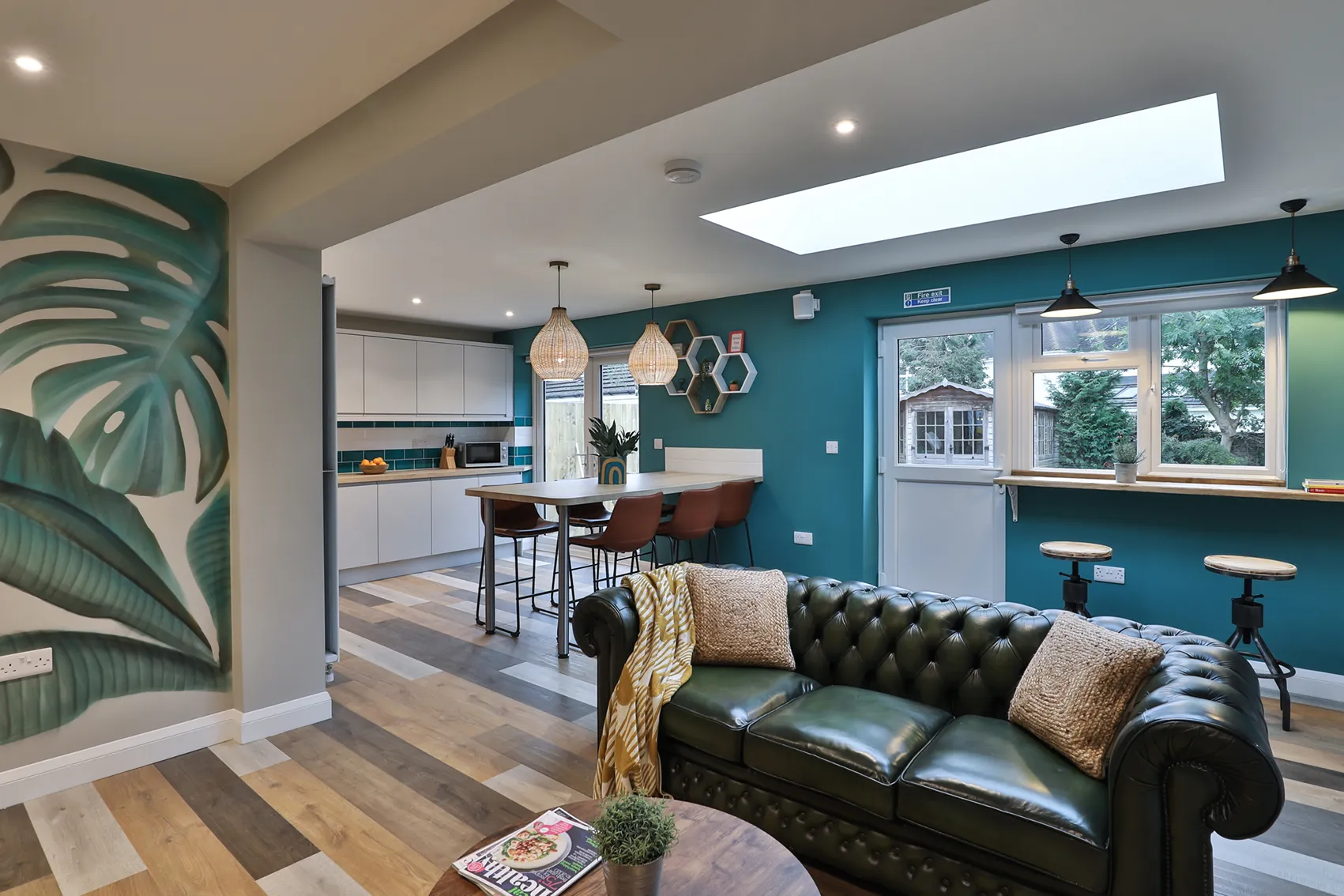
    Modern shared living room and open plan lounge offering comfortable space for science and business park professionals

    At a glance: your area shortlist by priority

    • Shortest commute to Science Park: Littlemore, Rose Hill, Iffley.
    • Shortest commute to Business Park: Cowley, Temple Cowley, Headington.
    • Best value with a rail link: Bicester.
    • Village feel with a commute: Kidlington, Islip, Wheatley (check evening buses).
    • City lifestyle: Jericho, Summertown, Oxford centre.

    Local logistics: getting there, best times, booking notes

    Getting there. Both parks are served by Oxford’s bus network and have cycle routes from the city. Bus route numbers and timetables change periodically, so check the current operator website before you rely on a specific service. Cycling is popular and often the fastest option for the final couple of miles.

    Best times. Peak travel is roughly 8–9am and 5–6pm. If your employer offers flexible hours, shifting your start and finish by 30–60 minutes can make a noticeable difference on the ring road and on peak trains.

    Booking notes. Oxford’s rental market moves quickly, especially in summer. Start your search around 6–8 weeks before your move date and be ready to view promptly. Always confirm the exact address, deposit terms, and what’s included before you commit.

    Accessibility. Oxford’s buses are generally low-floor, and both parks have step-free access, but specific routes and facilities vary. If you have mobility needs, check the current details for your particular route and building before you decide.

    Common mistakes to avoid

    • Choosing by postcode alone. Two streets in the same area can have very different bus links and parking. Check the specific address, not just the neighbourhood.
    • Ignoring the evening and weekend service. A route that works at 8am may not work at 10pm. If you’ll be out late or working weekends, check those times too.
    • Assuming you need a car. Many people commute happily by bike or bus, but the reverse is also true: a village without a car can feel isolating. Be honest about your own habits.

    FAQs

    Is it better to live in Oxford or Bicester if I work at a science or business park?

    It depends on your priorities. Oxford gives you shorter commutes by bike or bus and a livelier day-to-day, but higher rents. Bicester gives you more space and a fast rail link, but you’ll rely on public transport or a car for the final leg to the parks.

    What’s the commute like from Bicester to Oxford Science Park?

    Expect a train into Oxford followed by a bus, bike, or car for the final leg. The exact door-to-door time depends on your connections, so test the full route at the time you’d actually travel rather than trusting a single estimate.

    Do I need a car to work at either park?

    Not necessarily. Both parks are reachable by bus and cycle from the city. A car makes life easier if you live in a village or commute from Bicester, but it isn’t essential if you choose a neighbourhood close to the park.

    Are there good schools near these areas?

    Headington and Bicester both have well-regarded primary and secondary schools. Check current Ofsted reports and catchment areas before you commit, as these can change.

    When should I start looking for a rental?

    Around 6–8 weeks before your move date is a sensible window. Oxford’s market is competitive, particularly in summer, so being ready to view and decide quickly helps.

    Living well in Oxford or Bicester comes down to more than the postcode. It’s about a commute that doesn’t drain you, a street that suits your pace, and neighbours you actually see. Whether you’re drawn to Cowley’s energy or Bicester’s space, the right base makes the working week noticeably easier.

    At B-Hive Living, we create homes for young professionals and remote workers who want comfort, connection, and an easy route to the city and the parks. If you’re planning a move and want somewhere that feels like a community rather than just a room, apply to live with B-Hive and we’ll help you find your fit.

  • Where to Live When You Work at an Oxford Hospital

    Where to Live When You Work at an Oxford Hospital

    You have accepted a role at the John Radcliffe, Churchill, Nuffield Orthopaedic Centre, or another Oxford University Hospitals site, and now the practical question lands: where do you actually live? Oxford’s rental market moves quickly, hospital parking is heavily oversubscribed, and the difference between a manageable commute and a daily grind often comes down to which side of the city you choose. This guide breaks down the main neighbourhoods, what each one costs in time and money, and the logistics that matter most to NHS staff and remote workers who need a home that supports both shift patterns and quiet working days.

    Quick answer: the best areas to live near Oxford hospitals

    • Best for walking to the John Radcliffe and Churchill: Headington and Marston. Expect to pay a premium for the privilege.
    • Best for the Nuffield Orthopaedic Centre: Headington, Risinghurst, or Barton.
    • Best for value and a short bus ride: Cowley, Littlemore, and Rose Hill.
    • Best for train links and a calmer base: Bicester, roughly 15 to 20 minutes by train to Oxford Parkway or Oxford city.
    • Best for cycle commuters: Marston, Summertown, and Jericho, all within reasonable reach of the main hospital cluster.

    Start with your hospital site, not the city centre

    Most people search for Oxford accommodation as one big area, but the hospital sites sit in very different parts of the city. Getting this wrong adds 20 to 30 minutes to every shift.

    The John Radcliffe, Churchill, and Nuffield Orthopaedic Centre all sit in the Headington area, on the eastern side of Oxford. If you work at any of these, you want to be looking east, not west. The city centre and Jericho are lovely, but the cross-town commute at 7am is not.

    If you are based at the Oxford University Hospitals sites in Headington, your realistic search radius is Headington, Marston, Barton, Risinghurst, Cowley, and Littlemore. Everything else starts to cost you time.

    Headington

    Headington is the obvious choice and the most competitive. You can walk to the John Radcliffe in under 15 minutes from much of the area, and the Churchill is similarly close. The trade-off is price and availability. Flats here move within days, and landlords know exactly who their tenant pool is.

    Indicative rents for a one-bedroom flat in Headington sit around £1,100 to £1,400 per month, with two-bedroom properties typically £1,500 to £1,900. These are guide figures only; always check current listings on Rightmove or Zoopla before you budget.

    Insider tip: Look at the streets off Old Road and London Road rather than the main Headington shops strip. You get the same walkability with less noise and often better parking.

    Marston

    Marston sits just north of the hospital cluster and offers a quieter, more residential feel with a strong cycle path into the JR. It suits people who want a home that feels separate from work.

    Rents in Marston are broadly similar to Headington, perhaps £50 to £100 per month less for equivalent space. The real saving is in quality of life: you get a garden or a quieter street for the same money.

    Insider tip: The Marston cycle path is a genuine year-round commute route, not a fair-weather option. Check it on a wet Tuesday before you commit to a bike-only commute.

    Cowley and Littlemore

    Cowley Road runs a frequent bus corridor into the city and toward Headington, and rents are typically lower than Headington proper. Littlemore is quieter and closer to the hospital side than many people realise.

    Expect to pay around £950 to £1,250 for a one-bedroom flat in Cowley or Littlemore, and £1,300 to £1,600 for a two-bedroom. That can mean a saving of £150 to £250 per month compared with Headington.

    Insider tip: If you are on early shifts, check the first bus time from your specific stop, not just the route frequency. Early-morning services are thinner than daytime ones.

    Bicester

    Bicester has become a genuine option for Oxford hospital staff who want more space for their money and a calmer base. The train link into Oxford is quick, and Bicester Village and the town centre give you everyday amenities without city prices.

    Train station connection at Bicester Village for commuters travelling to Oxford hospitals

    Chiltern Railways operates services between Bicester and Oxford, with journey times of roughly 15 to 20 minutes to Oxford Parkway or Oxford city. Trains run frequently through the day, but check the timetable for your specific shift times. A one-bedroom flat in Bicester typically rents for £850 to £1,100 per month, and a two-bedroom for £1,100 to £1,400.

    Insider tip: Factor in the walk or bus from Oxford station to the Headington hospitals. The train is fast, but the final leg is not instant, so build in a buffer for early shifts.

    How to choose: the criteria that actually matter

    Work through these in order. Most people get the sequence wrong and end up optimising for the wrong thing.

    1. Shift pattern: If you do nights or early starts, prioritise walking distance or a reliable first bus over a nicer flat further out.
    2. Transport: Decide whether you are cycling, bussing, or driving. Hospital parking is limited, so do not assume a car solves the commute.
    3. Budget: Headington commands a premium. Cowley, Littlemore, and Bicester stretch the same budget further.
    4. Vibe: Headington is practical and busy. Marston is residential. Cowley is lively and diverse. Bicester is calmer and more spacious.
    5. Remote work: If you work from home on non-clinical days, prioritise a quiet room and reliable broadband over being five minutes from the ward.

    Remote work in Oxford: what to check before you sign

    If you split your week between hospital shifts and home working, your housing priorities shift. A 10-minute walk to the JR matters less than a flat where you can take a video call without background noise from a shared hallway.

    Healthcare professionals and researchers working remotely with laptop and high-speed Wi-Fi

    Broadband speed is the first thing to verify. Ask the landlord or letting agent for the current provider and, if possible, run a speed test during your viewing. Oxford’s older housing stock can have slower connections than new-builds, particularly in Headington and Jericho.

    For co-working, Oxford has several options in the city centre and around Osney Mead, but if you are based in Headington or Marston you may prefer to work from home. Look for a flat with a dedicated room or a clearly separable living area. Bicester offers newer housing stock, which often means better insulation and faster broadband as standard.

    Common mistakes to avoid

    • Assuming you can park at the hospital. Parking at Oxford hospital sites is heavily oversubscribed. Many staff are on waiting lists or use park-and-ride. Confirm your parking situation before signing a lease that depends on driving.
    • Signing a 12-month lease before testing the commute. Do the actual journey at the actual time you would travel. A 20-minute drive at 2pm can be 45 minutes at 8am.
    • Ignoring the final leg from the train station. Oxford station to the Headington hospitals is not a short walk. Budget for a bus or bike.

    At a glance: a practical moving checklist

    • Confirm your primary hospital site and which side of the city it sits on.
    • Test the commute at your real shift time before committing.
    • Check parking eligibility with your trust before relying on a car.
    • Verify broadband speed if you work from home.
    • Ask about deposit protection and tenancy length before you sign.
    • Check bus routes and first/last service times for your specific stop.
    • Visit the area in the evening, not just at midday.

    Local logistics: getting around and settling in

    Oxford is a cycling city, and for hospital staff the bike is often the fastest option between sites. The city’s bus network is extensive, with frequent services along Cowley Road and into Headington. If you are commuting from Bicester, the rail link is the backbone of the journey, with the final leg into Headington best covered by bus or bike.

    For booking and viewings, expect competition. Have your references, proof of income, and deposit ready before you view. If you have accessibility needs, ask specifically about step-free access and lift provision, as Oxford’s older housing stock varies widely.

    Check current bus times, train schedules, and hospital parking policies before you commit, as these change.

    FAQs

    Where should I live if I work at the John Radcliffe Hospital?

    Headington is the most practical choice, with Marston, Barton, and Risinghurst close behind. All are within walking or short cycling distance of the JR.

    Is Bicester a realistic commute to Oxford hospitals?

    Yes, for many people. The train into Oxford is quick, but you need to add the final leg from the station to Headington, so build in a buffer for early shifts.

    Do Oxford hospital staff get parking?

    Parking is limited and often oversubscribed. Check your eligibility and any waiting list with your trust before you rely on driving to work.

    What is the best area for a remote worker who also does hospital shifts?

    Marston or a quieter part of Cowley gives you a calmer home office and a reasonable commute. Prioritise broadband reliability and a dedicated workspace.

    How competitive is the Headington rental market?

    Very. Properties move quickly, so have your documents ready and be prepared to decide fast after a viewing.

    Living well near an Oxford hospital is about more than proximity. It is about a home that works with your shifts, your quiet days, and your downtime. B-Hive Living builds communities for young professionals and remote workers in Oxford and Bicester, with homes designed for real life, not just a postcode. If you want a base that supports both your career and your weekends, we would love to hear from you.

    Comfortable and modern B-Hive Living lounge and kitchen to relax after hospital shifts

    Ready to find a home that fits your working life? Apply to live with B-Hive Living and join a community that understands the balance you are looking for.

  • Where to Live When You Work at the University of Oxford

    Where to Live When You Work at the University of Oxford

    You’ve got the contract at the University of Oxford, and now you need somewhere to live that doesn’t swallow your salary or your mornings. The city’s rental market is among the least affordable in the UK outside London, and college housing is limited and often prioritised for specific postholders. This guide matches neighbourhoods to your actual work site, gives you rent ranges to sanity-check against your salary, and adds the transport and street-level detail that most relocation pages leave out.

    Quick answer: best areas for University of Oxford staff

    • Central departments and Science Area: Jericho, Walton Manor, Grandpont or New Hinksey. Walkable, pricier, and short on parking.
    • Hospitals and Old Road campus: Headington for shift-friendly buses, Marston for value and green space.
    • Best value with a quick commute: Cowley, Iffley and Marston, all on frequent bus corridors.
    • Hybrid contracts and fast trains: Bicester or the Oxford Parkway corridor, where rents are typically lower but travel costs need pricing in.
    • Search timing: Start eight to ten weeks before your start date. September to December is the tightest window because it collides with the academic year.

    Start with your commute, not the postcode

    Your daily route shapes your quality of life more than the postcode does, so work out which site you’ll actually be based at before you shortlist streets. The university is spread across several clusters: the Science Area and city centre, the Old Road campus and Headington hospitals, Osney Mead, and the Begbroke Science Park north of the city. Each cluster points you towards a different set of neighbourhoods.

    If you’re based in the city centre or Science Area

    Jericho and Walton Manor put you within a fifteen to twenty-minute walk of the Science Area, the Radcliffe Observatory Quarter and much of the central estate. You pay for that convenience: a one-bedroom flat in Jericho commonly lists around £1,400 to £1,800 per month, and two-bedroom period flats often sit between £1,800 and £2,400. Insider tip: look north of Walton Street towards St Margaret’s Road and the streets off it. Flats there are often slightly larger and list a little lower than equivalent Jericho addresses because they sit outside the most photographed streets.

    Spacious, peaceful double bedroom with natural light and garden access for University of Oxford staff and researchers

    If you’re based at the hospitals or Old Road campus

    Headington and Marston are the practical choices. Headington gives you shops, cafes and a direct bus corridor along London Road, with one-bedroom flats typically listing around £1,200 to £1,500 and two-bedrooms around £1,500 to £1,900. Marston is quieter, greener and often better value for a two-bedroom flat, sometimes £100 to £200 a month below comparable Headington stock. Insider tip: the Marston cycle path and the route through University Parks make a car-free commute realistic for much of the year, which can save you the cost of a city centre parking permit.

    If you’re based at Osney Mead or need fast rail links

    Grandpont, New Hinksey and the streets around Osney offer a short walk to Osney Mead and easy access to Oxford station. One-bedroom flats in Grandpont commonly list around £1,300 to £1,600. If you travel to London or Birmingham regularly, widen your search along the Oxford Parkway corridor or into Bicester. Bicester has two stations, Bicester Village and Bicester North, with fast services to Oxford and London Marylebone, and one-bedroom rents that are often £200 to £400 a month below central Oxford. Insider tip: check which station serves your specific route before you commit, because the two Bicester stations serve different lines and a property can be convenient for one and awkward for the other.

    Match the neighbourhood to your lifestyle

    Oxford rewards you for knowing what you actually want from a home, not just what looks good on a map. Here’s how the main options compare for young professionals and remote workers.

    Jericho and Walton Manor

    Why it’s worth it: Independent cafes, the Phoenix Picturehouse and a genuine village feel minutes from the centre. Best for: sociable professionals who want to walk everywhere. Insider tip: parking is restricted and expensive. Resident permit zones cover much of Jericho, so if you need a car, budget for a permit or a rented space before you sign.

    Summertown

    Why it’s worth it: A proper high street with a library, shops and good bus links, plus family-sized housing. Best for: those who want calm and convenience without moving far out. Insider tip: the Port Meadow end of town floods periodically. Ask about flood history if you’re looking at ground-floor or riverside properties, and check the Environment Agency flood map for the specific address.

    Headington

    Why it’s worth it: Walkable to the hospitals campus, strong bus connections and a good mix of flats and houses. Best for: clinical and research staff on unpredictable shifts. Insider tip: the London Road corridor is busy at peak times. A property one or two streets back can be noticeably quieter for a similar price, and it can still be within a short walk of the hospital entrances.

    Cowley and Iffley

    Why it’s worth it: Cowley Road’s food and music scene, plus Iffley’s riverside walks. One-bedroom flats here often list around £1,100 to £1,400, making it one of the better-value central-ish options. Best for: those who want energy and value. Insider tip: the Cowley Road bus corridor is one of the most frequent in the city, so you can often live further out and still reach the centre quickly.

    Marston

    Why it’s worth it: Green space, good schools and a straightforward cycle into the city. Best for: families and anyone who wants space per pound. Insider tip: check the evening bus frequency for your specific street. Some routes thin out after the early evening, which matters if you work late or do shift patterns.

    Panoramic view of Oxford dreaming spires and green parkland popular for cycling commutes to the university

    Bicester

    Why it’s worth it: Lower rents, new-build options, fast trains and a growing town centre. One-bedroom flats often list around £900 to £1,200, with two-bedrooms around £1,100 to £1,500. Best for: hybrid workers and those who only need to be in Oxford two or three days a week. Insider tip: price the season ticket or flexi ticket into your budget before comparing rents. The saving can shrink once travel is included, so run the full monthly numbers.

    How to choose: a practical checklist

    • Budget: Set a rent ceiling that includes council tax, energy and travel. Oxford’s council tax bands vary by property, so check the band before you commit.
    • Vibe: Decide whether you want nightlife and cafes on your doorstep or quiet streets and green space.
    • Timing: Search eight to ten weeks ahead. The market is busiest from September to December; spring and summer can offer more choice.
    • Transport: Test the actual commute at peak time. A twenty-minute walk beats a thirty-minute drive in traffic.
    • Contract: If you’re on a fixed-term research contract, tell letting agents early. Some landlords prefer longer tenancies, but many are used to academic cycles.

    At a glance: a two-day area-hunting itinerary

    • Day one, morning: Walk Jericho and Walton Manor, then cross Port Meadow for a sense of the green space.
    • Day one, afternoon: Bus or cycle to Summertown and Marston; check the high street and the cycle path.
    • Day two, morning: Explore Headington and Old Road; time the bus from London Road into the centre.
    • Day two, afternoon: Visit Cowley and Iffley, then finish at Osney or Grandpont for rail access.
    • Optional: Take a train to Bicester and walk from the station to the town centre to judge the commute for yourself.

    Local logistics: getting around, best times and booking notes

    Oxford is compact but traffic-heavy, so plan around the bus and cycle network rather than the car. The Oxford Bus Company and Stagecoach run the main city routes, with the Oxford Tube and X90 coaches linking to London. Park and Ride sites on the ring road are useful for occasional driving days, and the city has a growing network of cycle routes including the Marston cycle path and the riverside routes along the Thames and Cherwell. If you’re viewing properties, weekday mornings give you the truest sense of rush-hour noise and bus frequency.

    For rentals, be ready with references, proof of income or a guarantor, and a holding deposit. Ask about the deposit protection scheme and check the inventory carefully. Accessibility varies enormously in Oxford’s older housing stock; if you need step-free access or a ground-floor flat, state it at the start of your search rather than filtering later. Always verify current bus timetables, train schedules and any permit costs before you commit, as these change.

    Frequently asked questions

    Where do most University of Oxford staff live?

    There’s no single answer, but common choices include Jericho and Walton Manor for central access, Headington and Marston for the hospitals and Old Road campus, and Cowley for value and atmosphere. Many staff also live along the bus and rail corridors in Bicester and the Oxford Parkway area.

    Is it cheaper to live in Bicester than Oxford?

    Rents in Bicester are often lower than central Oxford, and the town has fast rail links. However, you need to add the cost of a season ticket or flexi ticket and the value of your time. Run the full monthly numbers before deciding.

    Do I need a car to work at the University of Oxford?

    Not necessarily. Many staff walk, cycle or use the frequent bus network. A car is helpful for some peripheral sites and for family logistics, but central parking is limited and often expensive.

    When should I start looking for a rental in Oxford?

    Aim to start eight to ten weeks before your move date. The market is most competitive from September to December, so if your start date falls in that window, begin earlier and be ready to move quickly.

    Are there areas with good schools near the university?

    Summertown, Marston and Headington are popular with families for their schools and green space. Check current catchment areas and admissions criteria directly with Oxfordshire County Council, as these can change.

    Living well in Oxford and Bicester

    Choosing where to live is really about building a routine you enjoy: a short commute, a local cafe you actually use, and neighbours who make a new city feel familiar. Oxford and Bicester both reward that approach, whether you’re cycling along the river after work or catching a fast train home to a quieter street. Take the time to visit at different times of day, talk to people in the areas you like, and let the practical details guide you.

    Modern, fully equipped shared kitchen and breakfast bar for professionals commuting between Oxford and Bicester

    If you’d like a home base that’s set up for professionals and remote workers, with community at its heart, B-Hive Living would love to hear from you. We create thoughtfully designed spaces in Oxford and Bicester for people who want to live well and connect easily. Get in touch to find out about current availability and how to apply.

  • A Relocation Guide for Graduate Jobs in Oxfordshire

    A Relocation Guide for Graduate Jobs in Oxfordshire

    Moving to Oxfordshire for your first graduate job is exciting, but the logistics can feel overwhelming. You have a start date, a salary, and maybe a week to find a room, sort transport, and figure out which neighbourhood actually fits your budget. This relocation guide for graduate jobs in Oxfordshire cuts through the noise. You will get a clear shortlist of where to live, how to get around, what to expect from rents, and the mistakes that catch out most new graduates.

    Quick answer: the essentials at a glance

    • Best areas for graduates: Cowley and Headington in Oxford; Bicester for value and fast trains.
    • Best time to move: June to September for shared houses; January to March for quieter searches and better negotiating room.
    • Who it suits: Young professionals and remote workers who want city access without London prices.
    • Quick logistics: Oxford to London Paddington in under an hour; Bicester to Oxford in about 15 minutes by train; both have good bus networks.
    • Budget guide: A room in a shared house typically ranges from around £600 to £900 per month depending on area and standard. Verify current prices before you commit.

    Where to live in Oxford for graduate jobs

    Oxford’s rental market moves fast, so knowing which neighbourhood matches your commute and social life saves weeks of wasted viewings. Most graduates cluster in a handful of areas, each with a distinct feel.

    Graduates and young professionals sharing breakfast and coffee in a vibrant co-living kitchen

    Cowley and Cowley Road

    Cowley is the social heart for graduates: independent cafés, live music, and a diverse food scene along Cowley Road. It suits people who want to walk or cycle to the city centre and Science Vale employers. Insider tip: streets closer to Magdalen Road are quieter but still a 15-minute walk to the action. Watch out: parking is scarce, so factor in a bike or bus pass instead of a car.

    Headington

    Headington works well if you are at the John Radcliffe Hospital, Oxford Brookes, or the research parks. It has a village feel with supermarkets and a regular bus corridor into town. Insider tip: the London Road buses run frequently, so you can live slightly further out for lower rent and still reach the centre in 15 to 20 minutes.

    Jericho and Summertown

    These are the polished options: period terraces, riverside walks, and easy access to the train station. They cost more, so they suit graduates on higher starting salaries or those sharing a two-bed flat. Insider tip: Summertown’s Banbury Road has fast buses, but check whether your room includes bills before comparing prices.

    Bicester

    Bicester is the value play. You get more space for your money, a growing town centre, and two stations: Bicester Village and Bicester North. Trains to Oxford take around 15 minutes, and London Marylebone is roughly an hour. Insider tip: Bicester North is often quicker for London, while Bicester Village is better for Oxford. Check both before choosing a flat.

    How to choose your area: budget, vibe, transport, timing

    Use four filters to narrow your search instead of viewing everything on the market.

    Young graduates reviewing tenancy costs and budgeting for accommodation on a laptop
    1. Budget: Set a maximum that includes bills, council tax, and travel. A cheaper room in Bicester can be cancelled out by a season ticket if you commute daily.
    2. Vibe: Do you want a lively street scene or a quiet residential road? Cowley and central Oxford are lively; Headington and Summertown are calmer; Bicester is family-friendly and expanding.
    3. Transport: Map your commute door to door. Oxford’s park-and-ride and bus corridors are reliable, but cycling is often fastest for short hops.
    4. Timing: Start looking six to eight weeks before your start date. Summer is competitive; winter gives you more choice and sometimes lower rents.

    At a glance: your first two weeks checklist

    • Book two or three viewings per area before you commit to a shortlist.
    • Ask for a bills-inclusive room if you want predictable monthly costs.
    • Register with a GP as soon as you have an address.
    • Set up a UK bank account and National Insurance number if you have not already.
    • Buy or borrow a bike; Oxfordshire’s cycle paths are excellent.
    • Join local Facebook groups and Meetup events for your industry or hobbies.
    • Keep a digital folder of your tenancy agreement, deposit protection certificate, and inventory.
    Young professionals enjoying outdoor weekend leisure and exploring Oxfordshire attractions

    Local logistics: getting there, best times, booking notes

    Oxfordshire is well connected, but the details matter for daily life.

    Getting around

    Oxford has frequent buses along the main corridors (Cowley Road, London Road, Banbury Road) and a growing network of cycle lanes. Bicester is compact and walkable, with buses linking the stations to residential areas. For London, Oxford to Paddington is under an hour, and Bicester to Marylebone is about an hour.

    Best times to search

    Late spring and early summer are busiest because of the academic calendar. If your job starts in September, begin your search in June. If you have flexibility, January and February are quieter and you may find more room to negotiate.

    Booking notes

    Always confirm whether a listing is per person or per room, and whether bills are included. Ask about deposit protection and notice periods. For short-term lets, check the minimum term before you pay a holding deposit.

    Accessibility

    Older Oxford terraces often have narrow doorways and steps. If you need step-free access, state it early and ask for ground-floor options or newer builds in Bicester. Buses in both towns are generally low-floor, but check specific routes if you use a wheelchair.

    Common mistakes to avoid

    Most relocation stress comes from a few avoidable errors.

    • Signing without viewing: Photos can be misleading. If you cannot view in person, ask for a live video tour and a floor plan.
    • Ignoring commute costs: A cheap room far from work can cost more in travel and time. Calculate the full monthly cost before deciding.
    • Forgetting council tax: If you live alone or with non-students, you are liable. Ask who pays it and how it is split.
    • Leaving the deposit unprotected: Your deposit must be protected in a government-approved scheme. Ask for the certificate.

    FAQs about relocating for graduate jobs in Oxfordshire

    Is Oxfordshire a good place for graduate jobs?

    Yes. Oxford and Bicester offer opportunities in research, healthcare, technology, and professional services, with strong transport links to London. The trade-off is higher rents in central Oxford, which is why many graduates choose Bicester or Headington.

    How much does it cost to live in Oxford as a graduate?

    A room in a shared house typically ranges from around £600 to £900 per month, depending on area and whether bills are included. Add travel, food, and council tax. Check current listings for accurate figures.

    Where do most graduates live in Oxford?

    Cowley and Headington are the most popular for their balance of price, social life, and commute. Jericho and Summertown attract those with bigger budgets, while Bicester is the value option for commuters.

    Do I need a car in Oxfordshire?

    Not necessarily. Oxford has good buses and cycle routes, and Bicester is walkable with frequent trains. A car can be useful for rural areas or late shifts, but parking in central Oxford is limited and expensive.

    When should I start looking for a room?

    Six to eight weeks before your start date is ideal. Summer is competitive, so start earlier if you can. Winter searches are quieter and may offer more choice.

    Living well in Oxfordshire is about more than a postcode. It is about a home that supports your work rhythm, a community you can plug into, and a location that keeps both the city and the countryside within reach. B-Hive Living creates shared homes for young professionals and remote workers in Oxford and Bicester, with bills included and spaces designed for real life. If you are planning your move, we would love to help you find your feet.

    Ready to make Oxfordshire home? Apply to live with B-Hive Living and join a community that makes settling in simpler.

  • A Relocation Guide for Apprentices Starting Work in Bicester

    A Relocation Guide for Apprentices Starting Work in Bicester

    You have your apprenticeship offer, and now you need to sort out a relocation to Bicester. That usually means a tight budget, a start date that is creeping closer, and a lot of questions about deposits, buses, and whether you even need a car. This guide answers those questions in order, so you can move with a plan rather than a panic.

    Quick answer: your Bicester relocation at a glance

    • Best areas for apprentices: Bicester town centre for walkability, Kingsmere for modern flats, Langford Village for quieter streets with lower rents.
    • Best time to move: Aim for two to four weeks before your start date, and book viewings early because rooms near the centre go quickly.
    • Who it is for: Apprentices and early-career movers, roughly 16 to 30, relocating from elsewhere in the UK.
    • Quick logistics: Two stations, Bicester North and Bicester Village, link the town to Oxford, London, and Birmingham. Buses reach most estates, and a bike covers the rest.
    • Budget tip: Shared housing is the norm. Have your deposit and first month’s rent ready before you view.

    Where to live in Bicester as an apprentice

    Bicester is compact, so even the edges of town are usually a 30-minute walk or a short bus ride from the centre. The right neighbourhood comes down to your budget, your commute, and how much noise you want outside your window.

    Bicester town centre

    Why it is worth it: You can walk to the shops, both stations, and most of the town’s cafes. It suits apprentices who do not drive and want to be in the middle of things.

    Insider tip: Flats above shops on Sheep Street and around Market Square have character, but check noise levels on market days before you sign.

    Kingsmere

    Why it is worth it: A modern development with a mix of houses and apartments, green spaces, and a primary school. Popular with young professionals and families.

    Insider tip: Buses run into town regularly, but if you work late shifts, check the time of the last service before you commit to a tenancy.

    Modern kitchen and dining counter in B-Hive Living shared accommodation for apprentices in Bicester

    Bicester Village and Oxford Road

    Why it is worth it: Close to the designer outlet, restaurants, and Bicester Village station for trains to Oxford and London. Good if your social life matters as much as your commute.

    Insider tip: Parking gets tight at weekends. If you have a car, look for a place with allocated parking included.

    Southwold and Langford Village

    Why it is worth it: Quieter residential areas with easy access to the M40 and A41. Rents are often slightly lower than the centre.

    Insider tip: Langford Village has a local centre with a supermarket and takeaways, which is genuinely useful in your first week before you know the town.

    How to choose your area: budget, vibe, and transport

    Score each area against four criteria before you commit, because the cheapest room is not always the best value once travel is added.

    • Budget: Keep rent and bills under about 35% of your take-home pay. Shared houses often include bills, so always confirm what is covered.
    • Vibe: Decide whether you want lively or calm, then visit at different times of day and on a weekend.
    • Transport: If you do not drive, prioritise areas on frequent bus routes or within walking distance of your workplace.
    • Future plans: If you might move to Oxford or London later, living near a station saves hassle when that time comes.

    Getting around Bicester

    Bicester punches above its size on transport. Bicester North runs Chiltern Railways services to London Marylebone and Birmingham, while Bicester Village connects to Oxford Parkway and on to London via Oxford. Both stations sit within walking distance of the town centre.

    Local buses cover most estates, and a weekly or monthly pass saves money if you travel daily. Cycling works well here because the town is fairly flat and some main roads have shared paths. If you drive, the M40 is close, but parking in the centre is limited.

    Insider tip: If you are eligible for a 16-25, 26-30, or Two Together railcard, buy one. It pays for itself after a few trips to Oxford or London.

    Cost of living: what to expect

    Bicester is cheaper than Oxford and pricier than some neighbouring towns. As a rough guide, a room in a shared house often costs around £500 to £700 per month including bills, while a one-bedroom flat may run from £800 to £1,000 plus bills. Treat these as starting points and check current listings, because prices move.

    Fully furnished private bedroom with study desk and laptop, perfect for apprentices in Bicester

    Council tax is charged per property and is usually split between tenants in a shared house. For food shopping, the town has a Tesco Extra, Aldi, Lidl, and Waitrose. Bicester Village has plenty of cafes, but they cater to shoppers, so look at independents in the town centre for everyday value.

    Common mistake to avoid: Underestimating transport costs. If you will take the train regularly, a season ticket or railcard is essential. Remember a TV licence too if you watch live TV or BBC iPlayer.

    Your first week: a mini checklist

    • Collect your keys and take meter readings for gas, electricity, and water.
    • Register with a GP surgery early, because places fill up.
    • Set up utilities and broadband, and check which providers serve your street.
    • Find your nearest supermarket, pharmacy, and bus stop.
    • Introduce yourself to housemates or neighbours. It makes a real difference.
    • Do a trial commute before your first day so the route is familiar.

    Local logistics: getting there, best times, and accessibility

    Getting there: By train, Bicester North connects to London Marylebone and Birmingham, and Bicester Village connects to Oxford. By car, the M40 at Junction 9 is a short drive from the centre. Check current timetables before you travel, as services can change.

    Best times to move: Weekday mornings are quieter on public transport. If you are moving with a van, avoid rush hour, and note that summer holidays bring extra visitors to Bicester Village.

    Booking notes: If you are renting, be ready to provide a guarantor or pay a larger deposit when you have no UK rental history. Start your search four to six weeks before your move date.

    Accessibility: Both stations have step-free access to platforms. Buses are generally accessible, but check specific routes if you have mobility needs.

    FAQs for apprentices relocating to Bicester

    What is the best area to live in Bicester for apprentices?

    Bicester town centre is the most convenient if you want to walk everywhere. Kingsmere and Langford Village offer quieter, modern housing with good bus links. Your choice depends on budget and whether you prioritise nightlife or peace.

    How much does it cost to rent in Bicester?

    As a guide, expect around £500 to £700 per month for a room in a shared house including bills, or £800 to £1,000 for a one-bedroom flat plus bills. Prices vary by area and condition, so check current listings.

    Do I need a car in Bicester?

    Not necessarily. The town is compact, and both train stations and most bus routes are reachable without a car. A bike covers shorter journeys well.

    Is Bicester a good place for young professionals?

    Yes. It has a growing social scene, good transport links to Oxford and London, and a range of housing options. It is quieter than Oxford and more affordable.

    How do I find housing as an apprentice?

    Start with SpareRoom, Rightmove, or local Facebook groups. Ask your employer whether they have recommendations or links with local landlords. Always visit the property and read the contract carefully before paying anything.

    What should I do if I am struggling to settle in?

    Join local clubs or groups. Bicester has sports teams, a leisure centre, and community events. Your apprenticeship provider may also offer a mentor or support network, so ask.

    Young apprentices and housemates building friendships in a welcoming B-Hive Living coliving home

    Living well in Bicester with B-Hive Living

    Relocating for an apprenticeship is a big step, and Bicester makes it easier with a friendly community and strong connections. At B-Hive Living, we provide comfortable, well-managed shared homes for young professionals and remote workers in Oxford and Bicester. Our properties are set up for modern living, with bills included and communal spaces that help you feel at home from day one. We are here to help you settle in and thrive, not just to hand over keys.

    Ready to make Bicester your base? Apply to live with B-Hive Living and join a community that supports your next chapter. Visit our website to see available rooms and start your application today.

  • Corporate Housing for Motorsport Engineers During Testing and Race Season

    Corporate Housing for Motorsport Engineers During Testing and Race Season

    Motorsport engineers working out of Silverstone and the surrounding Oxfordshire corridor know the pattern: a block of test days, a factory visit, a race weekend, then a gap you can’t plan around. Corporate housing for motorsport engineers needs to flex with that calendar, not fight it. This guide covers where to base yourself in Bicester and Oxford, what to check before you book, and how to make a six-week stint feel less like a hotel stay and more like a home.

    Quick answer: options at a glance

    • Best for long stays (three months or more): Serviced apartments in Bicester or Oxford with weekly housekeeping and allocated parking.
    • Best for short testing blocks: Flexible corporate lets in Bicester, within easy reach of the M40 and the A43.
    • Best for teams: Multi-bedroom houses in quiet residential areas with desk space and fast broadband.
    • Who it suits: Data, performance, and trackside engineers on rolling contracts who need a settled base between sessions.
    • Booking window: Secure your place 8 to 12 weeks before major test days. Peak motorsport season runs March to October.

    Why corporate housing for motorsport engineers is different

    Standard short-term lets rarely fit a racing calendar. A typical tenancy assumes a fixed move-in date and a six-month minimum; a hotel gives you no kitchen and no desk. Corporate housing sits between the two: furnished, bill-inclusive, and usually available in blocks measured in weeks rather than years.

    Dedicated desk workspace and high-speed setup in private corporate accommodation bedroom

    The practical difference shows up in the details. You need a reliable connection for overnight data work, a kitchen because you’re eating at odd hours, and a landlord who understands that a schedule change isn’t a cancellation. In Oxfordshire, demand tightens around major test days and race weekends, so the good places go early. Bicester and Oxford offer the best combination of transport links, everyday amenities, and quiet streets to sleep on.

    Where to stay near Silverstone

    Choosing the right town can cut your commute and protect your downtime. These are the areas that work best for motorsport professionals, with the trade-offs spelled out.

    Bicester

    Bicester is the closest sizeable town to Silverstone, connected via the A43 and M40. It has supermarkets, a retail park, and two stations, which makes it the strongest all-round base for a season.

    Why it works: You’re roughly 20 to 30 minutes from the circuit depending on traffic, and Bicester North puts London Marylebone about 45 minutes away for meetings or a weekend home.

    Insider tip: Look at Kingsmere and Bure Park. Both are quiet, have off-street parking, and sit within walking distance of shops, which matters when you get back at 11pm.

    Towcester

    Towcester is a small town minutes from the circuit. It suits engineers who want the shortest possible drive on early test mornings and don’t need a big social scene.

    Why it works: You can be at the track in under 15 minutes, which is worth a lot on a 6am start.

    Insider tip: Availability is very tight around race weekends. If you find somewhere in Towcester, treat it as a short-term option and keep a Bicester fallback in mind for the rest of the season.

    Oxford

    Oxford suits engineers who want a city base with pubs, restaurants, and a professional community. The commute to Silverstone runs about 40 to 50 minutes by car, so it’s a lifestyle choice as much as a logistics one.

    Why it works: Most amenities are walkable, rail links to London and Birmingham are strong, and there’s a large population of academics and remote workers, so you won’t feel like the only person on a contract.

    Insider tip: City-centre parking is scarce and often permit-only. Prioritise accommodation with allocated parking, or check the park-and-ride sites before you commit.

    How to choose your base

    Not all corporate lets are equal. Judge each option against four criteria before you sign.

    Budget

    Prices rise sharply in peak motorsport season. Serviced apartments in Bicester commonly sit in the £80 to £150 per night range, with Oxford higher at roughly £100 to £200. Longer bookings often attract a discount, so it is always worth asking for a monthly rate rather than accepting the nightly figure.

    Workspace and connectivity

    Ask for the actual broadband speed rather than a promise of “fast Wi-Fi”. If you’re running simulations or uploading telemetry overnight, a wired connection or a dedicated desk makes a real difference. Check whether the property has a proper chair and table, not a dining chair and a coffee table.

    Flexibility

    Your schedule will move. Look for providers offering rolling extensions, short notice periods, and clear cancellation terms. Get the extension policy in writing before you pay a deposit.

    Transport and parking

    Confirm whether parking is included and whether it is allocated or first-come. If you’re flying in, weigh rail access to Heathrow or Birmingham against the convenience of a hire car.

    Professional driver commuting along the Oxfordshire motorway corridor towards Silverstone race circuit

    At a glance: season checklist

    • 8 to 12 weeks before: Shortlist and book accommodation. Confirm parking, broadband speed, and extension terms in writing.
    • 4 weeks before: Arrange a car or rail season ticket and check the published track schedule.
    • 1 week before: Confirm check-in arrangements and set up a grocery delivery for your arrival day.
    • On arrival: Locate the nearest supermarket, gym, and coffee shop, then set up your workspace properly.
    • During your stay: Keep a single point of contact with your provider for maintenance and extensions.

    Local logistics: getting there and around

    Oxfordshire is well connected, but a little planning saves a lot of frustration in race season.

    • By car: The M40 links London, Oxford, and Birmingham, with Silverstone reached via the A43. Expect heavy traffic on race weekends and allow extra time.
    • By train: Bicester North and Bicester Village run direct services to London Marylebone in about 45 minutes. Oxford has frequent services to London Paddington and Birmingham.
    • By air: Heathrow and Birmingham airports are both roughly 1.5 to 2 hours away by car or rail, depending on traffic.
    • Accessibility: If you have specific requirements, ask the provider directly about step-free access and adapted facilities before booking.

    Best times to travel: Avoid the 7 to 9am and 4 to 6pm commuter peaks if you’re driving. Race weekends are busy across the whole area, so build in a buffer.

    Common mistakes to avoid

    • Booking on nightly rates for a long stint. A six-week stay priced nightly can cost far more than an agreed monthly rate. Always ask.
    • Assuming parking is included. In Oxford especially, parking is often limited or permit-only. Confirm it in writing, not over the phone.

    Frequently asked questions

    What is corporate housing for motorsport engineers?

    It’s a furnished, bill-inclusive rental designed for professionals on assignment. Stays usually run from a few weeks to several months and typically include utilities, broadband, and housekeeping, with more flexibility than a standard tenancy.

    How far in advance should I book?

    Aim for 8 to 12 weeks before your first test or race. Peak season runs March to October and the best-located properties near Silverstone fill quickly.

    Can I extend my stay if the schedule changes?

    Many providers allow rolling extensions, but it depends on availability. Ask about the extension policy when you book and get it confirmed in writing.

    Which area gives the shortest commute to Silverstone?

    Towcester and Bicester offer the shortest drives. Towcester is closest to the circuit, while Bicester has more amenities and better rail links.

    Is parking usually included?

    Not always. If you need a car for track access, prioritise accommodation with allocated parking, and check the terms before you commit.

    Living well during race season

    Race schedules are intense, and your downtime is what keeps you sharp. A well-located base does more than shorten your commute: it gives you a kitchen for late dinners, a quiet street for proper sleep, and a town you can actually enjoy on a rest day. Bicester and Oxford both offer that balance, whether you’re grabbing a coffee before a debrief or joining a local running club to clear your head between sessions.

    Comfortable and restful bedroom in corporate housing for downtime during race season

    At B-Hive Living, we provide thoughtfully designed homes for professionals across Oxford and Bicester, with flexible terms and a genuine community feel. If you’re looking for a base that works as hard as you do, we’d love to hear from you. Apply to live with B-Hive and make your next season a smoother one.

  • Short-Term Accommodation for Film and Production Crews in Oxfordshire

    Short-Term Accommodation for Film and Production Crews in Oxfordshire

    You have a call sheet, a unit base somewhere off the A34, and a start time that means leaving before the coffee shops open. What you do not have yet is a base that works for a six-week shoot. Production work in Oxfordshire is rarely fixed to one address: you might be at a studio in Buckinghamshire one week and on a country estate near Bicester the next, with a recce in central Oxford in between. This guide covers how to find short-term accommodation for film and production crews in Oxfordshire that keeps your commute short, your kit safe, and your downtime genuinely restful.

    The quick answer

    • Best for most crew: a serviced apartment or purpose-built co-living room in Oxford or Bicester with parking, fast broadband, and a flexible rolling contract.
    • Best timing: book four to six weeks ahead for anything longer than a fortnight; Oxford’s short-let market tightens around graduation, conferences, and the Christmas period.
    • Best for early calls: somewhere within a 20-minute drive of the A34, A41, or M40, rather than a city-centre postcode with restricted parking.
    • Quick logistics: Oxford and Bicester are linked by Chiltern rail and the M40. Check current timetables and journey times before you rely on them for a call time.
    • Who it suits: camera, sound, and lighting crew on location shoots, plus production office staff on longer contracts who want a proper desk and a washing machine.

    Why Oxfordshire suits production work

    Oxfordshire sits within a comfortable radius of several major studios and a large number of country-house and village locations. That mix is exactly why short-term accommodation for film and production crews here tends to be booked in blocks rather than single nights.

    From Bicester you can reach the M40 quickly and be heading towards London or Birmingham without crossing the city. From Oxford you have the rail links, the hospitals, the equipment hire firms, and the late-night food. Most crews end up choosing between the two rather than looking further afield.

    Bicester: the practical base

    Bicester works well when your days start early and end late. Parking is easier, supermarket runs are quick, and the M40 is close enough that a change of location does not wreck your morning.

    Insider tip: if your unit base is on the north or east side of the county, Bicester will usually beat Oxford on journey time even though it looks further from the city on a map. Check the actual postcode against your call sheet route before you decide.

    Quiet, comfortable private bedroom in Bicester ideal for film crew resting between early call times and night shoots

    Oxford: the connected base

    Oxford suits production office staff, editors, and anyone who needs to be near the station or the city’s suppliers. The trade-off is parking, congestion, and higher short-let prices in term time.

    Insider tip: Oxford’s ring road can turn a two-mile trip into a 30-minute one between 08:00 and 09:00. If you are driving to set, check your route against the school-run window before you sign anything.

    How to choose short-term accommodation for film and production crews

    Work backwards from the call sheet rather than from the listing photos. Four criteria do most of the work.

    1. Commute and parking

    Ask for the postcode and check it against your unit base before you book. Confirm whether parking is allocated, whether a van will fit, and whether there are height restrictions on any barrier. Crew vehicles are often larger than a standard hatchback.

    Insider tip: if you are working at a rural location, ask the location manager for the nearest pub or village hall with a car park. Crews often end up parking there and walking the last stretch, so a base within a short drive of that point saves time.

    2. Contract flexibility

    Shoots move. Look for rolling weekly or monthly terms with a clear notice period rather than a fixed six-month AST. Get the notice terms in writing before you pay a deposit.

    Insider tip: ask whether the contract can be paused or extended if your shoot dates shift. Some operators will hold a room for a returning crew if you give them notice, which is useful on a series that blocks in the same area.

    3. Practical setup

    Check for a proper desk and chair, reliable broadband, a washing machine, and blackout curtains if you are working nights. These matter more on a long shoot than a view.

    Cooking a wholesome home meal in a fully equipped kitchen between film shoot call times

    Insider tip: if you are on a night shoot, ask about daytime noise. A room above a delivery yard or on a main road can be unusable when you are trying to sleep from 08:00 to 15:00.

    4. Cost and what it includes

    Compare like for like. A room with bills, Wi-Fi, and cleaning included can work out cheaper than a cheaper rent plus separate utilities, council tax, and a deposit scheme. Ask what is bundled before you compare headline prices.

    Common mistakes to avoid

    • Booking on price alone. A cheap let 40 minutes from set costs you more in fuel, fatigue, and lost sleep than the saving is worth.
    • Ignoring the summer and graduation calendar. Oxford short lets get scarce and expensive when the city fills up. Book earlier than you think you need to.
    • Assuming a van can park anywhere. Many central Oxford streets have permit-only or time-limited parking. Confirm before arrival, not at 05:30 on day one.

    At a glance: a workable week

    • Sunday: arrive, unpack, do a supermarket run, and drive your route to set once in daylight.
    • Monday to Thursday: early starts from your base; keep one evening free for laundry and rest rather than a trip into town.
    • Friday: if you finish early, use the time for a proper meal in Oxford or a walk along the canal rather than admin.
    • Saturday: reset the flat, restock, and check the following week’s call times and any location changes.

    Local logistics

    Getting around Oxfordshire without a car is possible but limiting. Bicester has two railway stations, Bicester North and Bicester Village, with Chiltern services towards London Marylebone and Birmingham. Oxford station connects to London Paddington and to Bicester via Chiltern.

    If you are relying on trains, check current timetables and last-service times before booking, particularly for late wraps. Taxis in rural areas can be hard to get at short notice, so pre-book anything after 22:00.

    Most short-term lets ask for a deposit and ID, and many want a copy of a contract or a reference. Have those ready before you start viewing. If you have accessibility requirements, ask specifically about step-free access, lift dimensions, and door widths, since older Oxford properties vary widely.

    Frequently asked questions

    How far ahead should I book short-term accommodation for film and production crews in Oxfordshire?

    Four to six weeks is a sensible minimum for stays over a fortnight. For summer, graduation season, or the run-up to Christmas, allow more. If your shoot dates are confirmed, book as soon as they are.

    Is Bicester or Oxford better for a location shoot?

    Bicester usually wins on parking, space, and motorway access. Oxford wins on rail links, suppliers, and evenings out. If your unit base is rural, Bicester is often the more practical choice.

    Can I get a rolling weekly contract?

    Many serviced apartments and co-living operators offer weekly or monthly rolling terms. Ask directly, and confirm the notice period and any early-exit fees in writing before you commit.

    Do I need a car?

    For most location work, yes. Public transport covers the towns well but not the rural estates and farms where much filming happens. If you are based in central Oxford or Bicester and working in the city, a car is optional.

    What should I check before paying a deposit?

    Confirm the total cost including bills, the notice period, the deposit protection arrangement, parking, and whether cleaning is included. Get it in writing and keep a copy.

    Living well between call times

    A long shoot is easier when your base feels like somewhere you live rather than somewhere you sleep. A kitchen you actually use, a desk that is not the end of the bed, and neighbours who understand that you sometimes leave at 04:30 all make a difference over six weeks. Oxford and Bicester both reward a little local knowledge: where to shop on a Sunday evening, which road to avoid at 08:15, and which café opens early enough for a pre-call coffee.

    Crew members relaxing with a tablet in a bright apartment living space between production calls

    If you are relocating for a production and want a base that handles the practical side, B-Hive Living provides flexible, well-connected homes in Oxford and Bicester with bills and Wi-Fi included, so you can focus on the shoot rather than the admin. Take a look at current availability and send us your dates.

  • Where Should You Live If Your Job Takes You Across Oxford, Bicester, and Milton Keynes?

    Where Should You Live If Your Job Takes You Across Oxford, Bicester, and Milton Keynes?

    If your week is split between Oxford, Bicester and Milton Keynes, the usual “best place to live” advice falls apart. Bicester sits roughly midway between Oxford and Milton Keynes, with the M40 and two rail lines doing the heavy lifting, so the real question is not which town is nicest but which commute you are willing to repeat four or five days a week. This guide breaks down the realistic options, the trade-offs nobody mentions, and how to choose a base that still feels like home when work pulls you in three directions.

    Quick answer: which town fits which working week

    • Best all-rounder: Bicester, if you genuinely split your time and want one home base with reasonable access to both cities.
    • Best for Oxford-heavy weeks: Oxford itself, ideally near a station or a quick bus corridor rather than the centre.
    • Best for Milton Keynes-heavy weeks: Milton Keynes or a Buckinghamshire village close to a direct rail link.
    • Best balance of space and cost: a Bicester or Oxfordshire village with parking, accepting a short drive to a station.
    • Quick logistics: check live train times and season ticket prices before you commit to a postcode, because the difference between one change and two changes is the difference between a calm commute and a miserable one.

    Start with the commute, not the postcode

    Your commute pattern decides almost everything else. Before you view a single flat, write down how many days a week you actually travel to each city, and at what time of day.

    Bicester is the obvious geographic compromise. It sits on the Chiltern mainline towards London and on the line towards Oxford, so Oxford is a short hop and Milton Keynes is usually reached by changing at Bicester, Oxford or further along the network. That sounds convenient on paper, but the number of changes matters more than the total distance. A direct service you can sleep through beats a shorter journey with two platform sprints.

    If you drive, the A41 and M40 shape your life. The A41 link between Bicester and the Milton Keynes area is the route most hybrid workers end up using, and it behaves very differently at 8am than at 10am. Test it yourself at the time you would actually travel, not on a quiet Sunday.

    Work desk setup with laptop in an Oxfordshire home base, supporting hybrid commuting across Oxford and Milton Keynes

    How to judge a commute before you sign

    1. Run the journey on a normal weekday morning, not a weekend.
    2. Count the changes, not just the minutes.
    3. Check the last train home for any evening commitments.
    4. Price a season ticket or flexible ticket for your real pattern, not a daily one you will never use.
    5. Check parking at the station if you will drive to it, including permit rules and how early the car park fills.

    Where should you live if your job takes you across Oxford, Bicester, and Milton Keynes?

    Most people in this situation are best served by Bicester or a village on its edges, because it is the only one of the three towns that sits within a realistic reach of both cities. The exception is someone whose role is 80 per cent in one city, in which case living in that city usually wins.

    Bicester: the practical middle

    Bicester has grown quickly into a commuter town with two stations serving different lines, a large outlet shopping village, and a steady supply of newer apartments and houses. For young professionals and remote workers, the appeal is straightforward: you can work from home comfortably, reach Oxford quickly, and still get to Milton Keynes without relocating.

    Look at areas within walking distance of a station if you travel often, and slightly further out if you drive. Newer developments tend to have better broadband and parking, while older streets near the centre put you closer to cafés and the market feel of the town.

    Stylishly furnished living room in a B-Hive Living Bicester apartment, positioned conveniently between Oxford and Milton Keynes

    Insider tip: Bicester has more than one station, and they serve different directions. Work out which one your actual route uses before you fall for a flat near the wrong one.

    Oxford: best if the city is your centre of gravity

    Oxford suits people whose work, social life and identity all sit in the city. You get the colleges, the riverside walks, the pubs and a strong professional network, plus frequent buses and two stations.

    The trade-off is cost and congestion. Rents are high, parking is limited, and the historic centre is not designed for daily driving. If you only visit Oxford occasionally, paying Oxford prices rarely makes sense. If you are there most days, it often does.

    Insider tip: living just outside the centre near a park-and-ride corridor can give you city access without city parking headaches. Check bus frequency in the evening, not just at peak times.

    Milton Keynes: best value if your role is anchored there

    Milton Keynes is built around driving, with grid roads, plentiful parking and a spread-out layout of estates and business districts. If your office or clients are there, you will get more space for your money than in Oxford, and the town is well connected by rail towards London and the Midlands.

    The catch is that Milton Keynes is not a natural base for an Oxford-heavy week. The journey across is doable but rarely quick, and it is the leg most people underestimate.

    Insider tip: in Milton Keynes, the estate you choose matters more than the town. Some areas are walkable to shops and stations; others assume you own a car.

    Villages and market towns in between

    Places like Bicester’s surrounding villages, Buckingham, Brackley and the smaller Oxfordshire settlements offer quieter living, more space and often better value. They work well for remote workers who travel two or three days a week and drive to a station or straight to the office.

    What you give up is spontaneity: fewer late buses, fewer takeaways that deliver, and more reliance on a car. Visit in the evening as well as the daytime to see how quiet quiet actually is.

    How to choose: budget, vibe, timing and transport

    Use these four criteria to compare any two options honestly rather than by gut feel.

    Bright loft studio apartment with skylights in Oxfordshire, offering a balanced living space for regional professionals
    • Budget: compare rent plus travel cost plus parking, not rent alone. A cheaper flat with an expensive season ticket is not cheaper.
    • Vibe: decide whether you want a city centre, a commuter town with amenities, or a village. Be honest about how often you will actually go out.
    • Timing: match the area to your working hours. If you finish late, the last train home becomes the deciding factor.
    • Transport: favour direct routes over short ones, and check both rail and road options so you are not stranded when one fails.

    At a glance: a one-day area-check itinerary

    • Morning: travel the exact commute route you would use, at the exact time.
    • Midday: walk the town centre or estate you are considering. Buy lunch locally and see who else is around.
    • Afternoon: check broadband options at the address, plus parking rules and any permit costs.
    • Early evening: test the return journey, including the last service if you might work late.
    • Night: drive or walk the street after dark. Noise, lighting and parking pressure look different then.

    Local logistics: getting around and when to book

    Rail is the backbone here. Oxford and Bicester are linked by a frequent service, and Bicester connects onward towards London and the Midlands. Milton Keynes sits on the West Coast mainline, which makes it excellent for long-distance travel but less convenient for cross-country hops to Oxford.

    Book viewings early in the week and, where possible, in daylight. Rental stock near stations moves fast, and good flats in commuter towns are often taken within days. If you are relocating, ask about minimum tenancy lengths and notice periods before you commit, since a job pattern can change.

    Accessibility varies widely between older Oxford properties and newer builds elsewhere. If you have specific access needs, ask directly about step-free entry, lift access and station facilities rather than assuming.

    Common mistakes to avoid

    • Choosing on distance alone. A shorter route with two changes can be worse than a longer direct one.
    • Ignoring the evening network. Plenty of people love a location until their first late finish.
    • Forgetting the true cost. Add season tickets, parking permits and taxis to your rent before comparing.
    • Assuming hybrid means rare travel. Two office days a week still adds up over a year.

    FAQs

    Is Bicester a good base for working across Oxford and Milton Keynes?

    For most people, yes. Bicester sits between the two and offers rail links towards Oxford and onward connections towards Milton Keynes, which makes it the most balanced single base. Check the specific route and number of changes for your own working pattern before deciding.

    Should I live in Oxford or commute in?

    Live in Oxford if you are there most days and value the city lifestyle. Commute in if you visit once or twice a week, since you will get more space and lower costs elsewhere for the same budget.

    Is Milton Keynes a realistic option for an Oxford-based role?

    It is possible but rarely comfortable for frequent travel. Milton Keynes suits roles anchored there or along the West Coast mainline. If Oxford dominates your week, choose closer.

    What should I check before signing a tenancy?

    Confirm the commute at your real travel times, the last train home, broadband availability, parking rules and the notice period. Ask about station parking permits if you plan to drive to a station.

    Do I need a car?

    In Oxford, often not. In Bicester, a car helps but is not essential near the stations. In villages and in much of Milton Keynes, a car makes daily life considerably easier.

    Living well across three towns is less about finding the perfect postcode and more about building a week that does not exhaust you. A home base that shortens the journeys you make most often, and keeps the ones you make rarely manageable, leaves more energy for the parts of life that are not timetabled. That balance is what makes a relocation stick.

    At B-Hive Living, we create shared homes for young professionals and remote workers in Oxford and Bicester, with the practical things that matter to a hybrid week: reliable connectivity, comfortable spaces to work, and a community that makes a new town feel familiar faster. If you are weighing up a move and want a base that works with your commute rather than against it, we would love to hear from you. Apply to live with B-Hive and start with a home that fits the way you actually work.

  • Where Is Bicester? The Quietly Booming Hub for Tech & Business Travellers

    Where Is Bicester? The Quietly Booming Hub for Tech & Business Travellers

    Where Is Bicester? The Quietly Booming Hub for Tech & Business Travellers

    If you’re relocating to Oxfordshire for work (or commuting in for a few days a week), the “where exactly is it?” question comes up fast. Bicester sits in a convenient spot between Oxford and key regional routes, and it’s increasingly attractive to tech and business travellers who want calmer surroundings without losing access to meetings, airports, and city life. This guide helps you pin down where Bicester is, what it’s like day-to-day, and how to choose the best base for work trips—whether you’re staying temporarily or planning a longer move.

    Quick answer:

    • Best option: Base yourself in central Bicester for walkable essentials, or choose accommodation closer to transport links if you’re commuting.
    • Best time to arrive: Weekdays early morning for straightforward travel; evenings for a feel of the local rhythm.
    • Who it’s for: Tech workers, consultants, and business travellers who need quick access to Oxfordshire and beyond.
    • Quick logistics: Plan routes via Oxford and the rail network; confirm exact journey times before you go.

    Takeaway: Bicester is in north Oxfordshire—close enough to Oxford for work, far calmer for life.

    Bicester is a market town in Oxfordshire, positioned between Oxford and major road corridors that connect to London and the Midlands. It’s the kind of place where you can reach business meetings without feeling like you live in a constant rush.

    Where is Bicester, exactly?

    In practical terms, Bicester sits in north Oxfordshire, and it’s commonly used as a base for people working across the Oxford area and wider Thames Valley. If your travel depends on train connections and road routes, Bicester’s location is one reason it’s becoming popular with professionals.

    How close is it to Oxford?

    Oxford is nearby enough for regular commuting, but Bicester still feels distinct—less hectic, more local, and easier to settle into after work.

    Takeaway: For tech and business travellers, “where to base” matters as much as “where is it”.

    If you’re spending time in Bicester for work, your best base depends on how you’ll travel to clients and offices. Most people fall into one of two patterns: commuting into Oxford and meeting sites, or using Bicester as a calmer base while covering wider regional work.

    rooms to rent in oxford

    Neighbourhood-style areas to consider (how to choose)

    • Central Bicester: Helpful if you want shops and everyday services within an easy distance. Insider tip: if you’ll be walking between dinner and your accommodation after long travel days, prioritise a place you can reach on foot from local amenities.
    • Near transport links: Best if your schedule is built around trains or quick road access. Insider tip: check the “first/last” services for your typical day—small timing differences can make mornings smoother.
    • Quieter residential pockets: Good for sleep, wind-down time, and remote work. Insider tip: if you’ll take calls from home, ask about mobile reception or Wi‑Fi quality before you commit.

    Takeaway: The “quietly booming” feel is real—but it’s still a place you can breathe in after meetings.

    Bicester’s appeal to business travellers isn’t just about proximity. It’s the combination of practical transport access, a town-centred routine, and a slightly slower pace once your workday ends.

    Why business travellers tend to like it

    Many people choose Bicester because it balances access with ease—getting to meetings doesn’t have to mean sacrificing rest. It’s also a straightforward base for short stays when you need to work, recharge, and still have options for food and downtime.

    Local “after work” routine ideas

    • Evening walks and reset time: A practical way to decompress between meetings and dinner. Insider tip: choose routes you can repeat—consistency helps when you’re juggling travel.
    • Local dining close to where you stay: Keeps nights simple on busy weeks. Common mistake to avoid: planning only “destination” restaurants; prioritise places you can get to without a late transport scramble.
    • Coffee and casual workspace: Ideal for quick catch-ups or call prep. Insider tip: if you rely on your laptop, arrive early enough to avoid peak queues.

    Takeaway: “Best for me” depends on your schedule—weekday commutes, occasional travel, or longer work placements.

    Here’s a fast way to match your work pattern to the right approach when staying in Bicester.

    At a glance: mini itinerary / checklist for planning a work stay

    • Before booking: map your typical routes (Oxford meetings, station journeys, and any onward travel).
    • Pick your base: central for convenience, transport-linked for timing, quieter spots for sleep.
    • Account for buffer: add a little slack to mornings if your day includes trains.
    • Plan one “recovery evening”: schedule a calm dinner or a short walk so you’re not constantly on the move.
    • Check connectivity: confirm Wi‑Fi and mobile coverage if you’ll work remotely.

    Takeaway: Getting there is usually the easy bit—just make sure your timing works for your meetings.

    Bicester is well-placed for travel around Oxfordshire and beyond, but the best route depends on where you’re coming from and where you need to go that day.

    Getting to Bicester from Oxford and nearby areas

    Many people travel between Oxford and Bicester regularly, using a mix of road and rail options. If your schedule is tight, plan routes in advance and consider travel time variability.

    Best times to travel

    • Weekdays early: often the smoothest for commuting and getting set up.
    • Evenings: useful for settling in and checking how easy local errands feel.
    • Day-of travel: always verify services closer to departure, especially if you’re connecting to a meeting.

    Booking notes for business stays

    • For short trips: prioritise location and check-in simplicity.
    • For longer stays: prioritise working comfort—Wi‑Fi reliability and a quiet space matter.
    • For hybrid schedules: choose a base you can work from between commutes.

    Accessibility notes

    If you have mobility needs, check the practical details that matter for your stay—step-free access where relevant, lift availability, and whether routes from accommodation to amenities are easy to navigate.

    Takeaway: How to choose the right Bicester base (budget, vibe, timing, transport)

    Use these criteria to narrow down quickly, especially if you’re making a decision around work deadlines.

    Budget

    • Compare total cost for your number of nights, not just headline nightly rates.
    • Common mistake to avoid: assuming cheaper accommodation is always better—extra transport costs and time can quickly outweigh savings.

    Vibe

    • Decide what you need after work: a social hub, quiet focus time, or something in between.
    • Insider tip: if you’ll take calls or do deep work, bias towards quieter streets even if you’re sacrificing a bit of “nightlife convenience”.

    Timing

    • If you have early meetings, prioritise places that reduce morning friction.
    • Verify transport links for your typical day, then book around that reality.

    Transport

    • Choose your accommodation based on your most frequent route: station, client offices, or Oxford direction.
    • Insider tip: do a quick “door-to-door” check once—your commute can feel very different depending on walking time and local access.

    Takeaway: FAQs—quick answers for common “where is it?” and “is it practical?” questions

    What’s Bicester like for business travel?

    Bicester is often chosen because it offers practical access while remaining calmer than larger city centres. That balance suits professionals who need reliable days for meetings and genuine downtime at night.

    Where is Bicester in relation to Oxford?

    Bicester is in north Oxfordshire and is close enough to Oxford for regular work trips, while still feeling like its own town. If you commute, plan your route so your schedule lines up with transport times.

    Is Bicester a good base for tech professionals?

    Many tech and business travellers find Bicester convenient because it supports routine: you can work, commute as needed, and still enjoy a more relaxed local setting after meetings. If remote work is part of your plan, prioritise Wi‑Fi and quiet space.

    How do I decide which part of Bicester to stay in?

    Start with transport and your typical day. Central areas tend to be convenient for everyday errands, while accommodation closer to transport links can reduce timing pressure. Quiet residential pockets can be better for sleep and calls.

    What are the most common mistakes when booking in Bicester?

    Two big ones are: choosing purely by price without accounting for commute time, and not checking connectivity if you’ll work remotely. Prioritise door-to-door practicality and confirm Wi‑Fi quality before arrival.

    When is the best time to visit or relocate to Bicester for work?

    Weekdays are usually easiest for assessing travel routes and local routines. For relocating, consider arriving in a normal working week so you can judge transport, noise levels, and daily logistics realistically.

    Final thought: If you’re trying to get set up quickly for work, treat Bicester like a practical base—optimise your route first, then pick the accommodation that supports your evenings and remote-work needs.

    Settling into Bicester doesn’t need to feel complicated. When you pick the right base for your commute pattern, you get the best of both worlds: straightforward access for your working week and a calmer town feel for evenings that actually recharge you. For remote workers and young professionals around Oxford and Bicester, that balance is often the difference between “just getting by” and building a routine you enjoy.

    If you’re planning a move or looking for a business-friendly home in the Oxford/Bicester area, explore options with B-Hive Living and find a setup that makes workdays easier and evenings feel more like yours.

  • Analyzing the Bicester UK Map: Commute Times vs. Quality of Life

    Analyzing the Bicester UK Map: Commute Times vs. Quality of Life

    Table of Contents

    Analyzing the Bicester UK Map: Commute Times vs. Quality of Life

    If you’re considering Bicester for work and life—especially as a young professional or remote worker—you’ve probably noticed the tension right away: commute time is easy to measure, but quality of life is harder to pin down. The good news is that you don’t need to guess. By reading the map with a few practical filters (transport links, daily convenience, and who your area suits), you can make a decision that feels right on day one and stays manageable months later.

    This guide walks you through an easy way to analyse Bicester and nearby Oxfordshire locations, so you can balance commuting pressures with everyday comfort—gym walks, errands, green space, and the kind of neighbourhood vibe that supports your routine.

    Quick answer: the map approach that actually works

    • Best options: areas that give you a realistic commute and keep daily errands within short trips (by foot, cycle, or bus).
    • Best time to plan: a weekday morning and an evening (for the commute) plus a late-afternoon slot (for shops/queues).
    • Who it’s for: remote workers who still commute occasionally, and hybrid professionals trying to reduce “time cost”.
    • Quick logistics: use commute time “ranges” first, then tighten with a 7-day lived test (walk a route, check parking, try a bus).

    Start with your commute reality—then zoom out to daily life

    The key takeaway is simple: treat commute time as one input, not the decision.

    1) Pick your commute anchor points

    On your map, don’t just mark “Bicester” — mark the places you actually travel to: your office (or likely office days), a regular meeting point, and any frequent hubs (for example, station connections). If you’re remote-based, include at least one in-person weekday route so you’re not optimising for a fantasy schedule.

    2) Compare commute time bands, not exact minutes

    Commute “exactness” can be misleading (traffic, weather, and platform timing add noise). Instead, compare bands like:

    • Under 20 minutes (easy repeatable trips)
    • 20–35 minutes (manageable but check reliability)
    • 35+ minutes (evaluate alternatives—car pooling, different times, or closer amenities)

    3) Add quality-of-life signals to the same map

    Quality of life becomes measurable when you visualise daily friction. Add pins for:

    • Grocery and everyday stores
    • Healthcare basics (chemist, GP access points if relevant)
    • Green space or walking routes
    • Where you’re likely to spend your downtime (cafés, gyms, libraries)

    Neighbourhood patterns: where commute comfort meets day-to-day ease

    The takeaway: in Bicester, the “best” area often comes from match-making your routine to the nearest practical services.

    Town-centre and walkable-adjacent spots

    Why it’s worth it: you’re more likely to handle errands without a car, which is a big quality-of-life lever—especially after work. It also tends to make social plans easier because you can move around quickly.

    Insider tip: trace a 20-minute walk radius from your target listing and check what you’d actually do there on a typical Tuesday (groceries, coffee, essentials). If the radius supports your routine, commute time matters less.

    sustainable and smart living

    Station-connected areas (for hybrid and frequent travel)

    Why it’s worth it: if you commute often, being near rail connections can reduce “mental load” and shorten the time between leaving home and being at your platform. That matters when your day is meetings-heavy.

    Insider tip: test the timing around real scenarios—like leaving for the station 10 minutes later than planned. If your route still feels workable, you’re less likely to resent your commute.

    Edge-of-town and “space” locations

    Why it’s worth it: you may get more room, quieter streets, or a more residential feel. For some people, that’s a real health and wellbeing boost—especially if you like cycling, walking, or having a calmer evening.

    Insider tip: check whether the practical services you rely on are genuinely reachable without long waits. A quiet street is great—until the bus frequency forces last-minute car trips.

    Near Oxford and commuting links (if you’ll travel out regularly)

    Why it’s worth it: you might trade some local convenience for broader job access or a particular lifestyle preference. If Oxford is part of your plan, build your map around the routes you’ll repeat.

    Insider tip: compare weekdays only, then add one “wilder” day (a school holiday, a late evening, or a weather disruption) to see how fragile your routine is.

    How to choose: a simple scorecard you can run in 20 minutes

    The takeaway: decisions get easier when you score what matters, then sanity-check it with a real-week test.

    Use a 5-point score for each category

    • Commute manageability: time band and reliability feel
    • Errand friction: how often you’d need to drive
    • Evening wellbeing: safe-feeling walks, nearby options, noise level
    • Transport flexibility: buses/cycles/rail alternatives if one route fails
    • Future-proof fit: how the area supports changes (hybrid → office-heavy, or vice versa)

    Budget isn’t only rent—add “time cost”

    Quality of life is partly time. If one option saves you 15 minutes a day but adds a 20-minute errand trip and more driving, your “cheap rent” may become expensive in your week. Aim for balance, not extremes.

    Best time to assess (so you don’t get fooled)

    • Weekday morning: check how your commute feels in practice.
    • Weekday evening: listen for noise and check light/walkability.
    • Weekend late afternoon: observe queues for essentials and how busy local spots feel.

    At a glance: a mini itinerary/checklist for your viewing day

    • Pin your top route: from the property to your commute anchor (station or office cluster).
    • Walk the “errand loop”: groceries + a coffee + something practical within a short radius.
    • Check access: crossings, pavements, lighting, and how easy it is to carry bags.
    • Try a realistic departure: would you manage the route on a slightly rushed day?
    • Take two sound notes: early evening and late evening (or the closest you can).

    Local logistics: getting there, booking notes, and accessibility

    The takeaway: logistics reduce stress—so check them before you commit.

    Getting around (what to verify)

    Use your map to confirm how you’ll travel on your actual schedule: walking routes for errands, cycling where relevant, and public transport links for commute days. If you’re driving, check typical parking availability and how it changes at different times of day.

    Note: I can’t reliably state specific service frequencies or exact travel times from here without the exact address and your destination. If you share your likely commute point (e.g., your workplace or nearest station), you can run a direct “from this postcode to there” check.

    Best times to visit a potential home

    Try to view in daylight, then do a quick “after-work check” if possible. Evening visibility (footpaths, lighting, and crossings) is often the difference between “nice street” and “not for me”.

    Booking notes for viewings

    • Ask for a visit window that matches your routine (not just midday).
    • If you commute hybrid, ask for the plan to work from home days—does the area feel calm enough?
    • Bring a printed map and do a 10-minute walk comparison on-site.

    Accessibility and comfort details to look for

    • Footpath continuity and any pinch points (steps, narrow sections).
    • Crossing safety near main roads.
    • Level access from transport stops to local services.

    Insider tips and common mistakes to avoid

    The takeaway: small checks now prevent big regret later.

    Insider tips (3+)

    • Do a “bags test”: can you carry groceries comfortably from the nearest shop to your likely home route? This is a quality-of-life multiplier.
    • Check your fallback plan: if the most convenient route is disrupted, what’s your backup—alternate bus, earlier departure, or cycle lane access?
    • Measure the emotional commute: even if two areas are similar on time, one may feel calmer or easier to start your day from.

    Common mistakes to avoid (2+)

    • Over-optimising for fastest commute: the quickest route on a perfect day can still create weekly friction if errands and downtime are inconvenient.
    • Ignoring “after-work reality”: rush-hour and evening queues change the feel of an area. You’re choosing a routine, not a screenshot.

    FAQs about analysing the Bicester UK map

    The takeaway: the most useful answers help you act quickly on your shortlist.

    How do I analyse the Bicester UK map for commute times versus quality of life?

    Mark your commute anchors, compare time bands (rather than single minutes), then layer in daily friction points like errands, walkability, and evening options. Finish with a short “lived test” (walk routes and check one weekday morning and evening) to confirm it fits your routine.

    Is it better to live closer to station links or closer to everyday amenities?

    It depends on how often you commute and whether you rely on quick errands. Frequent in-person days usually favour station-connected convenience, while regular errands and social plans often favour walkable access. Many people find the best balance sits between the two.

    What should remote workers in Bicester prioritise on the map?

    Prioritise convenience for daily life (shops, green space, and stress-free routes), then verify the commute plan for your occasional in-person days. A calmer home base can outweigh a slightly longer commute if your workdays are mostly remote.

    What’s the best time of day to check an area before renting?

    A weekday morning (commute reality), a weekday evening (walkability and noise), and a late-afternoon weekend slot (queues and atmosphere) are the most revealing for lifestyle fit.

    Should I plan using an exact travel time or an estimate?

    Use estimates and ranges first, then validate with a short on-the-ground test. Exact travel times can vary, and the lived experience—lighting, walking routes, and waiting times—often matters more.

    Looking after your week matters as much as your commute

    Choosing where to live in Bicester is about building a routine you can actually sustain: a commute that doesn’t steal your energy, and a local area that makes errands feel simple and downtime feel easy. When you analyse the map with quality-of-life signals—not just travel minutes—you give yourself a clearer path to a home that supports work, health, and community.

    If you’re relocating or planning your next move in Oxfordshire, B-Hive Living can help you find a place that feels well-connected and easy to live in. Check what’s available and apply when you find the right fit.

    Ready to make Bicester (and Oxfordshire) your base? Apply to live with B-Hive and choose a home that balances location, comfort, and a community-minded way of living—so your days run smoother from the moment you arrive.