Category: Blog

  • The 2026 Guide: Solving the “Where to Stay in UK” Problem for Professionals

    The 2026 Guide: Solving the “Where to Stay in UK” Problem for Professionals

    The 2026 Guide: Solving the “Where to Stay in UK” Problem for Professionals

    If you’re a young professional juggling work trips, remote days in a new city, or a relocation to Oxford or Bicester, “where to stay” can feel like a spreadsheet problem with human consequences. You want somewhere that’s easy to settle into, gives you reliable Wi-Fi and space to focus, and doesn’t waste your evenings. The good news: once you match your stay type to your schedule and budget, the decision gets much simpler. This 2026 guide helps you choose the right accommodation style across the UK—then narrow it down to a short list you can actually book with confidence.

    • Best options: serviced apartments (for work focus), aparthotels (for convenience), and short-lease rentals (for longer stays).
    • Best time to book: 2–6 weeks ahead for most city stays; closer to 8–12 weeks for peak periods.
    • Who it’s for: remote workers, relocating professionals, and anyone who needs calm, practical living—not just a bed.
    • Quick logistics: confirm Wi-Fi reliability, workspace setup, deposit terms, and check-in timing before you commit.

    Start with one question: what’s your stay for?

    The fastest way to solve “where to stay in UK” is to match accommodation to purpose. Different needs should lead to different choices—otherwise you end up paying for the wrong trade-offs.

    Work-focused short stays (1–14 nights)

    If your main goal is to work effectively, choose somewhere with a proper desk area and a predictable environment. Look for serviced apartments or aparthotels because they typically support a more settled routine than a standard hotel room.

    • Why it’s worth it: more “home rhythm” (kitchen, laundry options in many cases) helps you keep evenings yours.
    • Insider tip: message ahead to ask what the Wi-Fi is used for best (video calls vs general browsing) and whether there’s a dedicated workspace.

    Relocation and settling-in (2–8+ weeks)

    When you’re moving to Oxford, Bicester, or anywhere else, the priority often shifts to stability. A short-lease rental or corporate let can reduce the stress of living out of a suitcase while you find a longer-term home.

    • Why it’s worth it: you can build habits—groceries, local routines, and a consistent work setup.
    • Insider tip: budget for viewing time. A place near transport can save you time when you’re house-hunting.

    Visiting friends/family while you plan (weekends to 1 month)

    If you’re in the UK briefly and trying to keep costs down, you may still want a “workable base”. Consider a short-term stay that supports your schedule, even if you’re not there all day.

    • Why it’s worth it: you get independence without losing your personal plans.
    • Insider tip: don’t assume “free parking” means “easy parking” in central areas—confirm access details.

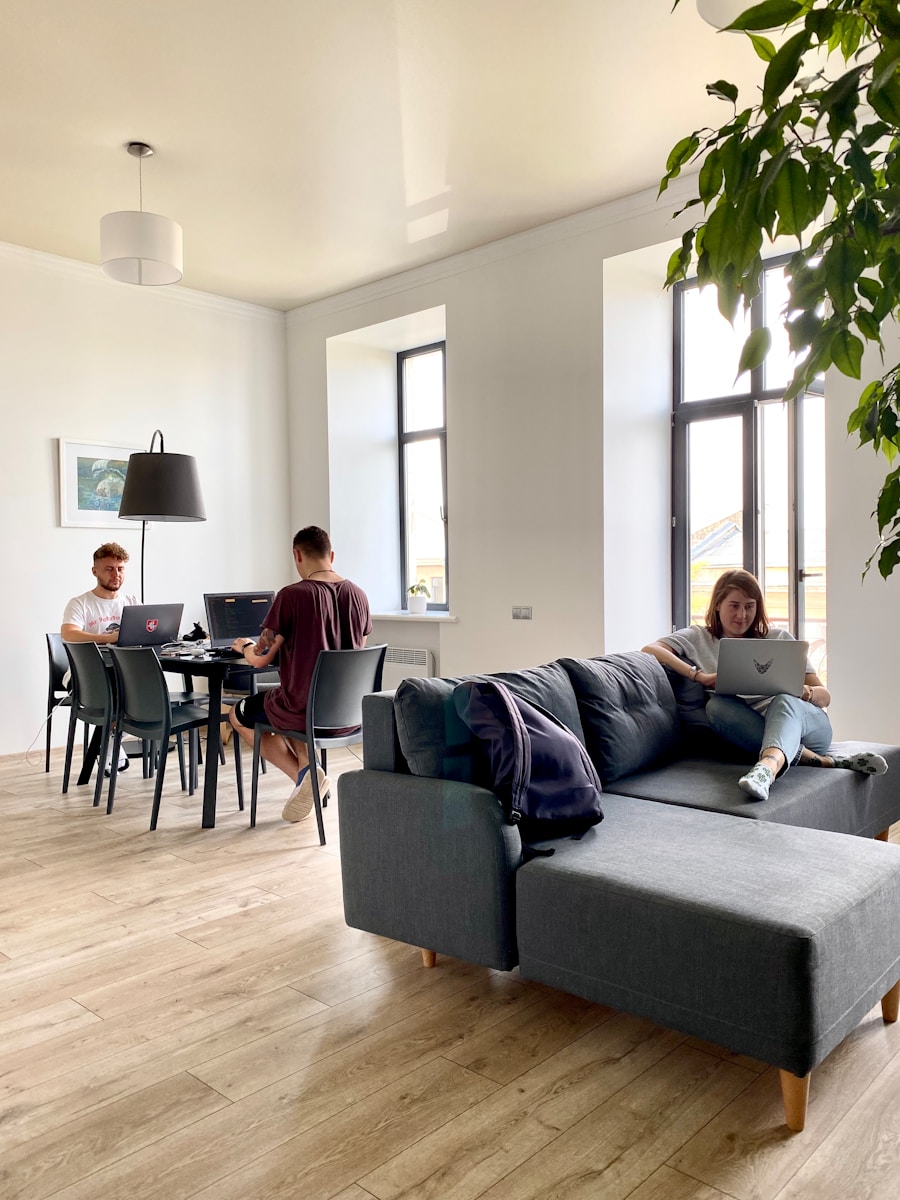
    three men using MacBooks

    Choose the right accommodation type for professionals

    Once you know your purpose, the accommodation type becomes clearer. Here are the main options professionals tend to shortlist—and when each one makes sense.

    Serviced apartments

    Typically ideal for people who need a predictable workspace and a more private routine than a hotel. They often suit longer short stays and remote work patterns.

    • Best for: remote workers, project work, and “arrive and settle” relocations.
    • Common mistake to avoid: assuming every unit has an ergonomic chair and desk. Check photos and ask questions.

    Aparthotels

    A practical middle ground: hotel-style convenience with apartment-style living. This can work well for business travel that needs flexibility.

    • Best for: easy check-in/out, quick stays with a home feel.
    • Insider tip: verify laundry arrangements if you’ll be there more than a week.

    Short-lease rentals / corporate lets

    For longer stays, this is often the “feels like home” option. It’s useful when you’re waiting for a move-in date or finalising a longer-term lease.

    • Best for: 2–8+ week stays and people building routines.
    • Common mistake to avoid: overlooking deposit terms and what’s included (utilities, council tax, internet).

    Hotels (usefully, but selectively)

    Hotels can still be right when your priority is convenience, location, or a very short trip. The downside is often the workspace setup and the cost per night for longer stays.

    • Best for: 1–5 nights, meetings near the hotel, or quick turnarounds.
    • Insider tip: ask about early access to rooms if your workday starts before check-in.

    How to choose: a 10-minute checklist that saves money

    Before you book, run this quick criteria check. It prevents the most common professional “regrets” (Wi-Fi, noise, and hidden costs).

    1) Workspace and Wi-Fi reliability

    Don’t just ask “is Wi-Fi included”. Ask whether it supports video calls and how strong the signal is in your room. If the desk is an afterthought, your productivity will suffer.

    2) Total cost, not just the headline price

    Confirm what’s included: cleaning schedule, utilities, internet, and any service charges. For longer stays, this is where costs can quietly stack up.

    3) Transport and commute reality

    A location that looks great on a map might be inconvenient in real life. Consider walking time to stations, the evening vibe around you, and whether you’ll need to use taxis late on.

    4) Timing and availability

    If you can, book earlier for popular periods (major events, school holidays, and mid-week weekdays). If you can’t, focus on flexibility terms and cancellation policies.

    5) House rules, deposit terms, and quiet hours

    If you’re working remotely, quiet matters as much as comfort. Check noise policies and how security works for your routine.

    Brunch Spots in Oxford

    At a glance: mini itinerary for booking in 4 steps

    • Step 1: Decide your stay purpose (work, relocation, or planning).
    • Step 2: Pick your accommodation type (serviced apartment, aparthotel, short-lease, or hotel).
    • Step 3: Shortlist 3 options and ask the same 5 questions about Wi-Fi, workspace, total costs, transport, and check-in timing.
    • Step 4: Confirm cancellation/deposit terms and take a final look at photos for desk setup and light (day and evening).

    Local logistics: getting to Oxford and Bicester without the stress

    If your “where to stay in UK” search is really about Oxfordshire, your logistics should reduce friction, not add to it.

    Getting there

    For professionals, the best base is usually the one that reduces transfers and keeps your evenings predictable. Aim for easy links to key workplaces, offices, and the places you’ll visit most—especially if you’ll be commuting after long workdays.

    Best times to book

    Generally, booking 2–6 weeks ahead gives a wider choice of dates and accommodation styles. For busier periods, earlier can matter more—especially for longer stays where availability can narrow.

    Booking notes to check (before you click confirm)

    • Wi-Fi speed expectations for video calls (ask directly).
    • Workspace layout (desk space, chair, and whether it’s comfortable for 4–6 hours).
    • Noise levels and how the building manages late arrivals.
    • What “included” means (internet, utilities, cleaning, and laundry arrangements).

    Accessibility and comfort

    If you need step-free access, lift access, parking arrangements, or specific bathroom/bed requirements, check early. Don’t wait until after you’ve booked—policies and unit availability can vary.

    Insider tips professionals use (but most guides don’t mention)

    These are the small details that typically decide whether a stay feels smooth or stressful.

    • Insider tip 1: Do a “work test” at booking time—ask if the desk is positioned for natural light and whether you can comfortably take calls without facing a wall or window glare.
    • Insider tip 2: Check the household rhythm: ask how cleaning is handled during your stay so you can plan conference calls and quiet hours.
    • Insider tip 3: If you’ll cook, confirm kitchen basics (not just “a kitchen”): kettle, pan set, and whether essentials like coffee/tea are provided (if that matters to you).

    Common mistakes to avoid

    A few predictable missteps can waste money and time—especially for professionals working on tight schedules.

    • Common mistake 1: choosing based on photos alone. Desk setup and sound insulation can’t be fully judged—ask questions and compare listings.
    • Common mistake 2: underestimating total stay costs. Deposits, utility structures, and cleaning fees can change the real budget.

    HMO Investment

    FAQs

    Where to stay in UK? The best answer depends on your purpose: for work-focused stays, serviced apartments or aparthotels usually fit better; for longer settling-in periods, short-lease rentals can feel more stable. Define your timeline and working needs first, then shortlist options and confirm Wi-Fi, workspace, and total costs.

    How early should professionals book for short stays?

    For many UK city stays, booking 2–6 weeks ahead often works well. For peak times or longer stays, 8–12 weeks can improve availability—always check the listing’s cancellation policy.

    Is it better to choose a serviced apartment or a hotel for remote work?

    Generally, serviced apartments and aparthotels are more likely to support remote work routines thanks to dedicated living space and often a kitchen. However, some hotels can work for very short stays—confirm Wi-Fi and desk setup either way.

    What should I ask before booking accommodation?

    Ask about Wi-Fi for video calls, workspace setup, total costs (including utilities and cleaning), check-in timing, and noise/quiet hours. If you’ll cook or use laundry, confirm what’s available.

    What’s the safest way to compare three options quickly?

    Use a consistent checklist: workspace + Wi-Fi, transport convenience, total cost, deposit/cancellation terms, and the practical “evening experience” (noise, access, and convenience). Then choose the option that supports your routine—not just your trip.

    How do I avoid hidden costs?

    Read the “what’s included” section carefully and ask directly if it’s unclear. Pay attention to deposits, utility charging, cleaning frequency, and any service charges that apply for longer stays.

    Soft landing: living well is part of the plan

    Staying somewhere that supports your routine—quiet enough to focus, practical enough to cook, and well connected enough to keep evenings free—makes relocation and remote work feel manageable. Whether you’re deciding where to stay in Oxford, Bicester, or elsewhere in the UK, the best move is to choose the accommodation style that matches how you actually work and live. You’ll spend less time troubleshooting and more time building momentum.

    Want a more settled base while you focus on life and work? Explore living options with B-Hive Living and apply to join a community designed for professionals relocating or living locally. If you tell us your timing and what matters most (workspace, location, and ease), we’ll help you take the next step.


  • Turning Last Minute UK Breaks into a Flexible Month-Long Residency

    Turning Last Minute UK Breaks into a Flexible Month-Long Residency

    Turning Last Minute UK Breaks into a Flexible Month-Long Residency

    If you’ve ever booked a last-minute UK break and then thought, “I could stay longer if I sorted the logistics,” you’re not alone. For many young professionals and remote workers, a month away can be the sweet spot: long enough to feel settled, short enough to keep plans flexible. This guide shows you how to transform a quick trip into a month-long residency without stress—by choosing the right base, setting up practical routines, and avoiding the common booking traps that leave people scrambling.

    Whether you’re staying in Oxford, near Bicester, or somewhere else in the UK, you’ll walk away with a clear plan for dates, accommodation style, and day-to-day comfort—so your extended stay feels like real living, not extended admin.

    Quick answer: how to do it smoothly

    Tip: If you want month-long flexibility, focus on accommodation that’s designed for longer stays and can flex with your schedule.

    • Best options: serviced apartments, extended-stay rentals, or purpose-built co-living/short-let style stays
    • Best time: start planning 2–4 weeks before your intended month so you can secure the right base
    • Who it’s for: remote workers, relocators, and anyone trying to trial a new area
    • Quick logistics: confirm Wi-Fi suitability, check cleaning frequency, and lock in move-in/move-out flexibility

    Start with your intent (then pick the right “base”)

    Takeaway: Month-long success comes from matching your accommodation choice to why you’re extending the stay.

    Choose your residency goal

    • Work-focused: prioritise reliable Wi-Fi, a quiet workspace, and predictable cleaning
    • Relocation trial: pick a location with easy commuting links and local amenities
    • Social reset: look for communities or neighbourhood areas with regular routines (cafés, gyms, co-working)

    Consider these residency styles

    • Serviced apartments: usually come with essentials and clear support—helpful when you’re extending late.
    • Extended-stay rentals: can suit longer plans, but double-check contract length and flexibility.
    • Co-living or flexible stays: often built for travellers and working professionals, which can make month extensions simpler.

    How to choose your month-long accommodation

    Takeaway: Use a checklist so you don’t discover problems after you’ve committed to a longer stay.

    Budget reality check (without overcommitting)

    Before you extend, confirm what’s included. Some stays include utility bills and broadband; others require add-ons. If you’re working remotely, treat “internet quality” as a non-negotiable—not a nice-to-have.

    • Ask what’s included: Wi-Fi, utilities, cleaning, and any service charges
    • Plan for your peak usage: video calls, uploads, and any time-sensitive work
    • Leave a buffer: month-long stays can add “small” costs (transport top-ups, laundry, kitchen extras)

    Vibe and routines

    Month-long living is about comfort, not just cost. Think about noise levels, privacy, and whether you’ll feel able to settle into a routine.

    • Quiet factor: you want a workspace that doesn’t get disrupted during your working hours
    • Community factor: if you’re relocating or going solo, it helps to have social rhythm nearby
    • Daily convenience: shops, gyms, and reliable transport routes

    Timing and flexibility

    Last-minute breaks can become month-long residencies only if the accommodation supports changes to dates.

    • Confirm move-in and move-out flexibility: how strict are the dates?
    • Check extension rules: is a month extension straightforward, or does it reset terms?
    • Watch cancellation cut-offs: ensure you know the window before your payment becomes locked

    At a glance: your month-long residency checklist

    Takeaway: If you tick these boxes, you’ll reduce the “scramble” factor massively.

    • Wi-Fi check: ask about reliability and whether the workspace is suitable for calls
    • Work setup: desk space, lighting, and chair comfort (if not provided, plan alternatives)
    • Cleaning schedule: confirm frequency and what’s included
    • Utilities: understand what’s covered
    • Laundry and kitchen: clarify how laundry works and whether basics are supplied
    • Transport: plan your commute or local travel routes before you arrive
    • Post-plan: where you’ll receive deliveries and how you’ll handle returns

    Local logistics: make it feel like home, wherever you land

    Takeaway: The quickest way to settle is to plan your everyday essentials first.

    Getting there without last-minute stress

    On an extended stay, travel becomes part of your routine rather than a one-off event. Choose travel times that keep your first day calm: arrive when you can handle keys, check-in, and basic errands.

    • Arrive with margin: aim for daylight check-in when possible
    • Keep documents ready: ID and any booking references
    • Plan one “first day errand”: groceries or a pharmacy run—then stop, so you can rest

    Best times to book or extend

    If you’re trying to turn a last-minute break into a month-long stay, your best window is usually when the accommodation’s availability is still open. As a rule of thumb, aim to confirm your extended dates at least a couple of weeks ahead—especially during busier periods.

    Booking notes that prevent headaches

    • Ask about room changes: if you’re extending, will you keep the same space?
    • Clarify guest policies: if friends or family may visit, confirm limits
    • Confirm Wi-Fi setup: especially if you have work security requirements

    Accessibility considerations (worth checking early)

    If you need step-free access, lift availability, or specific facilities, check the accommodation’s access details early. Don’t assume “accessible” means “accessible for your exact needs”—ask directly.

    Insider tips: what most people miss when extending

    Takeaway: These details are where extended-stay comfort is won or lost.

    Insider tip 1: run a “work-day test” before you commit

    If you’re extending for remote work, ask whether the space is stable for calls and video meetings. Even a short test day after arrival can help you spot issues quickly—then you can raise them while you still have options.

    Insider tip 2: treat cleaning like part of your schedule

    For month-long living, cleaning days affect your calendar. Confirm the usual timing and what’s included so you can plan deep-work blocks without surprises.

    Insider tip 3: lock your local routine within the first 7 days

    Don’t wait until you’re “settled” to build habits. Within a week, identify your go-to café, a grocery option, and one exercise route—then you’ll stop feeling like you’re always adjusting.

    Local Business

    Common mistakes to avoid

    Takeaway: Avoid these and your month-long residency will feel effortless.

    Common mistake 1: assuming your last-minute booking can simply be extended

    Many short stays can’t be extended without changing terms or moving spaces. Always confirm extension rules, cut-off dates, and whether you’ll keep the same accommodation.

    Common mistake 2: forgetting “small life admin” for a full month

    Post, deliveries, laundry, and transport add up. If you’ve only planned for a weekend break, you’ll feel it quickly in week two—so plan those essentials early.

    FAQ: turning a last-minute UK break into a month-long stay

    Takeaway: Clear answers now prevent uncertainty later.

    What’s the best way to turn a last-minute UK break into a month-long residency?

    Choose accommodation designed for longer stays, confirm Wi-Fi and cleaning details, and check extension rules and date flexibility before you commit. If you can, secure your extended dates a couple of weeks ahead to improve availability.

    Is it cheaper to book a month-long stay than extend a shorter one?

    It can be, but it depends on the accommodation provider and their extension terms. Compare the total cost of extending versus booking a month from the start, including any differences in cleaning and utilities.

    How soon should I start planning a month-long residency?

    If you want flexibility, start as early as practical—ideally 2–4 weeks before your intended month. Last-minute extensions may still be possible, but earlier planning improves your options.

    Do I need to set up anything for remote work while staying long-term?

    Yes—confirm your workspace setup, broadband suitability, and any practical needs like a reliable place for documents and deliveries. Also consider your daily routine for calls and quiet time.

    What should I check in the accommodation before I extend?

    Confirm what’s included (Wi-Fi, utilities, cleaning), understand extension and cancellation cut-offs, and check accessibility details if you need step-free access or specific facilities.

    Next steps: make your stay feel settled, not temporary

    Takeaway: A month-long residency is easiest when your base supports real living.

    Extending a UK break into a month-long residency is one of the best ways to balance spontaneity with stability—especially when you’re working remotely or testing out a new area. With the right accommodation setup, a simple local routine, and clear logistics, you’ll stop feeling like you’re waiting for “real life” to start. You’ll be living it from day one.

    If you’re considering Oxford or Bicester and want a comfortable base for a longer stretch, B-Hive Living can be a practical option. Apply to live with B-Hive and choose a setup that supports your daily rhythm—work, rest, and community—without the constant move-around feeling.

  • The 1-Month Test Drive: Upgrading Standard UK Breaks with Coliving

    The 1-Month Test Drive: Upgrading Standard UK Breaks with Coliving

    Table of Contents

    The 1-Month Test Drive: Upgrading Standard UK Breaks with Coliving

    If you’ve ever booked a “standard” UK break and thought, it’s lovely, but I can’t quite settle, you’re not alone. For young professionals and remote workers moving around (or simply trying to reset), the real challenge isn’t finding somewhere nice—it’s finding somewhere that feels like yours after day one. This one-month test drive shows you how to use coliving as a practical stepping stone: a structured, social base in Oxford or Bicester that keeps your costs predictable and your routines easier to maintain.

    By the end, you’ll know what to pack, how to choose the right coliving setup for your work style, and how to decide whether you’re ready to stay longer—without guesswork.

    Quick answer: the best way to try coliving for a UK break

    • Best options: coliving stays with flexible entry dates and “pay-as-you-go” style plans (or monthly agreements).
    • Best time: aim for 3–4 full weeks so you experience at least one full work rhythm and a weekend social pattern.
    • Best for: remote workers, relocating tenants, and anyone who wants community without committing to a long lease first.
    • Quick logistics: confirm internet speed, key access, guest policy, and cleaning/laundry inclusions before you pay.

    Why a 1-month test drive beats a standard UK break

    A short trip can be restful, but it usually doesn’t teach you whether your day-to-day life will actually work. A one-month coliving trial is different: you test routine, privacy, work setup, and community while keeping your base stable.

    Takeaway: you’ll learn how it feels after the novelty wears off

    On day one, any place can feel great. After two or three weeks, you’ll notice the details that matter—noise levels, how easy it is to focus, whether shared spaces are calm when you need them, and how quickly you find your people.

    Takeaway: it’s “try before you sign” for your lifestyle

    Unlike a typical holiday with constant change, coliving gives you a consistent home base. That makes it easier to judge commute reality, household rhythms, and whether the social side supports your mental wellbeing.

    Takeaway: you can upgrade comfort and still keep your budget tidy

    Standard UK breaks can have hidden extras (trains, meals out, last-minute bookings). With coliving, you can compare costs more clearly: accommodation + utilities + shared facilities, depending on the provider. If anything is unclear, ask early so there are no surprises.

    How the 1-month test drive works (week by week)

    A good trial has structure. Here’s a simple timeline you can follow to make the decision easier at the 4-week mark.

    Week 1: settle and run your essentials

    Your mission is to establish routine. Check Wi-Fi reliability during video calls, test your key/door access, work out laundry logistics, and figure out where you prefer to work—your room, a quiet nook, or a shared space.

    Insider tip: schedule one “normal day” at the same hours you’ll use long-term. If you only test evenings or weekends, you’ll miss what workdays feel like.

    Week 2: measure privacy and focus

    Coliving can be sociable, but you still need a working environment. Pay attention to sound levels, room layout, and how easy it is to get quiet when deadlines land.

    Common mistake to avoid: assuming “shared house” means “always lively”. Ask how quiet time is handled and whether there are designated work-friendly areas.

    Week 3: test community without overcommitting

    Join one or two activities, chat with housemates naturally, and observe how the community supports you—without forcing yourself to be “on” every day.

    Insider tip: take note of who feels like your “weekend people” versus who helps with practical stuff (local routes, work accountability, recommendations). Both matter.

    Week 4: decide based on evidence, not vibes

    By week four, you’ll have enough signals. Write down what improved your routine and what didn’t—then compare it to your current setup.

    Insider tip: rank three categories: workability, comfort, and social fit. If one category is weak, you’ll know whether it’s a deal-breaker.

    What to check before you book your coliving trial

    The best 1-month upgrade starts with smart questions. Here’s a checklist you can use to compare coliving options properly.

    Internet, work setup, and daily routine

    • Internet: ask about reliability for calls and streaming; confirm whether common areas have good coverage.
    • Desk options: check if you can work from your room comfortably or if you’ll need to use communal spots.
    • Noise: ask how the space manages quiet times and whether rooms vary by sound exposure.

    House life, cleaning, and practicalities

    • Cleaning: what’s included (and what isn’t)?
    • Laundry: where it is and how it works (times, access, costs if any).
    • Kitchen access: can you cook reliably, and how is shared equipment managed?

    Logistics: keys, guests, and mail

    • Access: how keys/entry works and whether it supports flexible work hours.
    • Guests: check the policy if friends or family visit.
    • Post: confirm how deliveries and mail are handled.

    How to choose: your decision criteria (simple and specific)

    Use these four filters so you can decide quickly:

    • Budget: compare all-in monthly cost, including any expected extras.
    • Vibe: look for a community style that matches your personality (quiet, active, hybrid).
    • Timing: choose a start date that gives you a full month of workdays, not just weekends.
    • Transport: test your commute plan for Oxford or Bicester—especially mornings and evenings.

    Oxford and Bicester angle: making the most of your base

    In Oxford and Bicester, your coliving location will shape your weekdays more than most “holiday” factors. A good base can shorten your commute, make after-work plans easier, and reduce decision fatigue.

    Oxford: for walkable days and bigger-city energy

    Oxford can suit you if you want shops, cafes, and study-friendly spaces nearby, plus plenty of places to meet people. Insider tip: plan one evening out using public transport and one “homebody day” where you stay local—then compare how effortful each feels.

    Bicester: for calmer routines and efficient connections

    Bicester often appeals to people who want a less intense daily rhythm while still having access to Oxford and surrounding areas. Insider tip: check your quickest route options at the times you’ll actually travel (not just off-peak).

    Remote-work reality check: choose where you’ll feel steady

    Whether you’re in Oxford or Bicester, your best “upgrade” is the one that makes workdays repeatable. If you constantly commute farther than expected, social plans become effort instead of ease.

    At a glance: your 4-week coliving checklist

    • Internet works for calls during your typical hours
    • You can find a comfortable work spot (room or shared space)
    • You understand laundry and cleaning routines
    • Kitchen access fits your cooking habits
    • Noise level feels manageable on deadline days
    • Community is supportive, not pressuring
    • Transport plan is simple and reliable
    • Overall monthly cost matches your expectations

    Local logistics: getting set up quickly in Oxford/Bicester

    If you want your trial month to feel effortless, you’ll want the practical side sorted early.

    Getting there

    Plan your arrival around key access and settling time. If you’re flying in or arriving late, confirm entry instructions and whether there’s any orientation guidance.

    Best times to settle in

    Try to start at a point that gives you at least a couple of weekdays in your first week. That way you can test work routines and local transport rather than only enjoying weekends.

    Booking notes

    Before you commit, ask what’s included in the monthly rate (utilities, cleaning, laundry, and any communal costs). If anything is unclear, get it in writing or through a clear written summary.

    Accessibility and comfort

    If mobility needs matter to you, ask about step-free access, lift availability (if relevant), and bathroom/room layout. Don’t assume—coliving setups vary.

    FAQs about using coliving as a 1-month test drive

    Is a 1-month coliving trial enough to decide?

    For many people, yes. A month covers multiple workdays and at least one full weekend pattern, which helps you judge routine, privacy, and community fit. For complex moving plans, you may still want a longer trial—check options with the provider.

    What should I prioritise when upgrading standard UK breaks with coliving?

    Prioritise “workability” and daily comfort. In a trial, internet reliability, noise levels, and the ease of your commute usually matter more than the most attractive shared area.

    How do I know if the coliving community will suit me?

    Look for a balance between structure and choice: people should be friendly, but you should also feel able to step back when you need quiet. In your first weeks, join one or two activities and observe how you feel afterwards.

    Can I cook and keep my routine during a trial month?

    Most coliving setups aim to make daily life practical, but specifics vary. Confirm kitchen access, shared equipment rules, and cleaning expectations so your cooking habits stay consistent.

    What common mistakes should I avoid?

    Don’t judge based on weekends alone, and don’t assume “shared house” means you’ll always have noise or you’ll always feel excluded. Ask direct questions about quiet times, guest policies, and how common spaces are managed.

    Next step: make Oxford/Bicester feel like home

    A good home doesn’t just look good—it supports your days. A 1-month coliving test drive can turn an uncertain move into something grounded: you get a base you can work from, a community you can choose to lean into, and a routine that’s easier to maintain. If you’re exploring life in Oxford or Bicester, it’s a sensible way to upgrade your stay without rushing your decision.

    Interested in trying coliving with B-Hive Living? If you want a thoughtful, community-led approach to renting in Oxford or Bicester, consider applying for a stay. It’s a practical first step—designed for people who want to live well, not just visit somewhere nice.

  • A Slower Pace: Navigating Bicester Town Centre Shops and Local Culture

    A Slower Pace: Navigating Bicester Town Centre Shops and Local Culture

    A Slower Pace: Navigating Bicester Town Centre Shops and Local Culture

    If you’ve moved to (or back to) Oxfordshire for work, you’ll know how quickly a day can blur into meetings, commutes, and emails. A slower pace can feel like a luxury—until you build it into your week. Bicester Town Centre is a practical place to do that: it’s easy to pop in between errands, browse at a relaxed tempo, and catch the local rhythms without having to plan a whole day out.

    This guide helps you navigate the town centre shops and local culture in a way that suits modern schedules—whether you’re grabbing essentials, finding something nice for the weekend, or just taking a breather between work and home.

    Quick answer: where to go in Bicester town centre

    • Best options: start with High Street essentials, then browse giftware/independent-style shops for something more personal.
    • Best time to visit: weekday late morning for calmer browsing, or early evening for an easier stroll.
    • Who it’s for: remote workers planning a low-effort break, and newcomers who want to learn the town quickly.
    • Quick logistics: aim for a short loop, keep 1–2 “missions” (e.g., groceries + a treat), then leave before you overplan.

    Your town-centre loop (that doesn’t feel rushed)

    The trick in Bicester is to plan a simple loop—one or two priorities—so you can enjoy the browsing rather than sprint through it.

    Step 1: Start with the High Street basics

    Begin on or near Bicester’s main shopping streets to cover the “need it now” items: everyday essentials, quick errands, and any service stops you’ve been postponing.

    Insider tip: if you’re working from home or hybrid, build your loop around a natural break—after lunch or just before your evening walk—so it feels like a pause, not an extra chore.

    Step 2: Add one “culture” stop

    Local culture in town centres often shows up through smaller independent shops, community-focused spaces, and seasonal displays. Pick one place you can linger in—something you can return to later.

    Insider tip: take two minutes on your first visit to note what you’d come back for (a shop type, a service, a stall style). Your next trip will be smoother.

    Step 3: Finish with a treat that slows you down

    Whether it’s a coffee, a sweet, or a casual sit-down, end your loop with a moment to reset. This is where the “slower pace” becomes real.

    Insider tip: choose somewhere with comfortable seating rather than the fastest takeaway spot—your nervous system will thank you after a busy week.

    How to choose what to browse: budget, vibe, and timing

    Choosing by “mission” helps you avoid spending time—and money—on the wrong things.

    Budget filters

    • Low spend: focus on essentials plus a single under-£20 treat (set a ceiling before you enter).
    • Mid spend: shortlist one item you’ve been needing (shoes, toiletries, home basics) and make that the anchor.
    • Splurge: only browse luxury categories after you’ve completed your essentials, so you don’t lose track of priorities.

    Vibe filters (how you want to feel)

    • Calm browsing: go for weekdays or earlier evenings when footfall is lighter.
    • Energy: if you like bustle, aim for busier periods—then keep your route short so it doesn’t become overwhelming.
    • Comfort: pair shops with one sit-down stop to create a predictable rhythm.

    Timing filters (remote-worker friendly)

    • Before work: quick errands if you’re starting early.
    • Lunch break: a “one stop + walk” plan works best when time is tight.
    • After work: a short loop feels easier when you’re unwinding rather than rushing.

    At a glance: a mini itinerary you can repeat

    Use this checklist as a default plan when you don’t want to think too hard.

    • Pick 2 missions: one essential + one “nice-to-have”.
    • Set a time box: 60–90 minutes for a satisfying, not exhausting loop.
    • Walk the perimeter first: get your bearings before you browse deeply.
    • Stop for a sit-down: schedule it halfway through (or at the end).
    • Leave with one win: a restock, a new habit, or a small cultural find.

    Local logistics: getting there and making it easy

    Making logistics straightforward is part of how you keep the slower pace.

    Getting there

    Choose the option that suits your week: walk from nearby areas where possible, or use public transport/car where it saves you time and stress. If you’re unsure about the most convenient route, check current travel options before you set off.

    Best times to go

    For calmer browsing, aim for weekday late mornings or early evenings. If you’re looking for a livelier atmosphere, visit during busier periods—but keep your route tight.

    Booking notes and opening hours

    Shop opening hours can vary by day and season. Before you plan a specific outing, check the latest details for the places you want to visit (especially if you’re going after work).

    Accessibility

    Town centre streets can include uneven pavement and busy junctions. If you’re managing mobility needs, consider planning a route with fewer crossings and allowing extra time for comfortable browsing.

    Insider tips (that many people miss)

    A few small choices can make the whole experience feel more relaxed.

    • Bring a “soft list” instead of a strict list: write three items you’d like (not just must-buys). You’ll feel less pressure and enjoy the browsing.
    • Use the “loop then browse deeper” rule: first walk the area, then commit to the shops that fit your vibe.
    • Ask staff what’s new: in smaller town-centre shops, staff often have the best quick pointers on current stock or seasonal favourites. It’s a fast way to discover what’s worth your time.

    Common mistakes to avoid

    These are the habits that accidentally turn a relaxed trip into a stressful one.

    • Trying to do everything in one visit: when you stack too many missions, you rush and you miss the local culture.
    • Going at only one time of day: if your first visit felt busy, try a different slot. Bicester town centre can feel very different depending on the hour.

    FAQs about Bicester town centre shops and local culture

    Here are quick answers to common questions when you’re planning a slower-paced visit.

    What are the best Bicester town centre shops for a first visit?

    For a first trip, start with the main shopping streets for essentials, then add one browse for something personal (giftware-style shops or specialty retailers). Since shop mixes and opening hours can change, it’s worth checking current listings or signs once you arrive.

    When is the quietest time to shop in Bicester town centre?

    Weekday late mornings and early evenings are often easier for browsing. If you’re aiming for a calmer experience, avoid peak commute times and plan a shorter loop.

    How long should I spend in town centre shops?

    A solid starting point is 60–90 minutes. If you enjoy browsing, you can extend it by adding one sit-down stop rather than trying to fit everything in.

    Is Bicester town centre good for remote workers?

    Yes—because it supports “low-planning breaks”. You can do a quick loop between work commitments, grab essentials, and reset with a short walk or coffee without needing a whole day.

    What should I look for to experience the local culture?

    Look for seasonal displays, independent-style retailers, and community-focused touches along the main streets. Local culture here is often in the small, everyday details rather than large attractions.

    Do I need to book in advance?

    Many shops don’t require bookings, but services or events might. Check any specific places you plan to visit before you go, especially for after-work or weekend timings.

    Soft brand close: In Oxfordshire, a good week isn’t only built from productivity—it’s built from recovery. When you take a slower stroll through Bicester town centre shops, you’re not just running errands. You’re switching off the constant “next task” feeling and giving yourself something small but real: local variety, friendly interactions, and a rhythm that fits how young professionals actually live.

    CTA: If you’re relocating to Oxfordshire and want a home base that supports balanced living, consider applying to live with B-Hive Living. We’ll help you settle in and find your everyday routines—so your new chapter feels calm from the start.

  • The Ultimate Upgrade for Your Search: Ensuite Room to Rent

    The Ultimate Upgrade for Your Search: Ensuite Room to Rent

    Why an ensuite room is the upgrade your search needs

    If you’re working remotely or commuting around Oxford and Bicester, sharing a bathroom can quietly drain your energy. An ensuite room to rent gives you privacy, easier mornings, and fewer “can we use the shower?” moments. This guide helps you compare options, spot good-value listings, and shortlist with confidence—so you spend less time scrolling and more time settling in.

    We’ll cover what to look for (and what to avoid), how to choose between Oxford and Bicester, and the local logistics you’ll want to get right before you book viewings.

    Quick-answer box

    • Best options: professionally managed houseshare/room-to-rent listings, or verified landlords with a clear contract.
    • Best time: midweek mornings for viewings; listings often refresh earlier in the week.
    • Who it’s for: young professionals and remote workers who want privacy and smoother routines.
    • Quick logistics: check bills (and Wi-Fi), deposit terms, and cleaning responsibilities before committing.

    What to expect from an ensuite room to rent

    Not every “ensuite” means the same thing—so it’s worth understanding the common setups before you fall in love with a listing.

    Typical ensuite layouts

    • Private shower + toilet with a shared sink (less common, but sometimes happens).
    • Full private bathroom (shower/bath, toilet, and sink) inside your room.
    • Smaller ensuite pods (compact spaces can be perfectly functional—just check ventilation and water pressure).

    What to check in the viewing

    • Ventilation: ask about extractor fans and whether the bathroom clears quickly after showers.
    • Water pressure: run the tap and shower if possible.
    • Sound and privacy: listen for plumbing noise and check door/lock quality.
    • Shared spaces: confirm kitchen access, storage, and how cleaning rota works.

    Insider tips for finding the right ensuite in Oxford or Bicester

    A few smart moves will help you spot the good rooms early and avoid awkward surprises later.

    Insider tip 1: Ask for a “bills clarity” breakdown before you visit

    For remote workers, predictability matters. Request what’s included (rent, council tax, utilities, broadband) and whether costs are fixed or variable. If the listing is vague, treat it as a red flag.

    Insider tip 2: Use travel time, not just distance, when choosing a base

    Oxford and Bicester can feel close on a map, but real commuting depends on bus/rail timing and how reliable the route is for your working hours. If you’re hybrid or travel occasionally, prioritise the route you’ll actually use.

    Rooms for Couples for Rent

    Insider tip 3: Check storage and desk setup for remote days

    Ensuite privacy is great, but your day-to-day comfort depends on desk space, chair fit, and where you’ll store chargers, towels, and groceries. If the room is “en-suite only” but lacks basic practicality, you’ll feel it quickly.

    Common mistakes to avoid

    • Skipping the contract details: ensure you understand length of stay, notice period, and deposit protection. If it’s unclear, ask.
    • Assuming “ensuite” guarantees cleanliness: clarify who maintains the bathroom and the inspection/cleaning routine.

    Oxford vs Bicester: where an ensuite room can feel best

    Your best location depends on your routine—office days, social life, and how often you’ll get out of town.

    Oxford: great for walkability and variety

    Living closer to Oxford’s hubs often makes it easier to run errands between meetings, meet friends, and access libraries and study spaces. Insider tip: prioritise transport links to where you’ll spend most of your day (office, co-working, or a regular café).

    Bicester: often calmer and easier to settle into

    Bicester can suit people who want a quieter base with straightforward travel options. It’s especially appealing if you’re working flexibly and value a “home routine” over constant movement. Insider tip: check evening transport reliability if you’re out late, not just daytime travel.

    How to choose an ensuite room to rent (fast checklist)

    Use a simple scoring method so you can compare listings quickly and avoid getting distracted by photos.

    1) Budget and total monthly cost

    • Confirm what’s included and what’s extra.
    • Ask how broadband/utility charges are handled.
    • Look at the “all-in” cost, not just rent.

    2) Vibe and house dynamics

    • Are housemates professionals? Students? A mix?
    • How are boundaries handled (shared kitchen rules, quiet hours)?
    • Do you share cleaning responsibilities, and how often?

    3) Timing and flexibility

    • Check your ideal move-in date and how flexible it is.
    • Confirm the notice period and what happens if plans change.

    4) Transport and everyday friction

    • Test the route once at a time you’d realistically travel.
    • Consider how you’ll get groceries and laundry done.

    At a glance: your ensuite viewing checklist

    • Bathroom: ventilation, water pressure, lock, cleanliness standard.
    • Room: desk fit, storage, natural light, heating.
    • Bills: rent includes what? broadband? council tax? utilities?
    • House rules: kitchen access, cleaning rota, quiet hours.
    • Contract: deposit terms, notice period, end date/rolling.

    Local logistics for Oxford and Bicester renters

    Good rentals are as much about timing and paperwork as they are about the room itself.

    Getting there and getting around

    • Oxford: routes can vary significantly by time of day. If you’ll commute, plan a test journey from the area to your usual destination.
    • Bicester: check evening travel times if you’re likely to socialise after work.

    Best times to book viewings

    Schedule viewings earlier in the week and during daylight hours if possible. You’ll see the room’s natural light and be better able to judge noise levels.

    Booking notes and what to prepare

    • Bring proof of affordability (if required) and be ready with your move-in date.
    • Prepare a short list of questions about bills, internet, and the cleaning rota.

    Accessibility and comfort checks

    If you need step-free access, confirm it before viewing. For ensuite rooms, also check bathroom door width and whether there’s adequate space for safe movement.

    FAQs about ensuite room to rent

    Here are the questions people most often ask before they commit to an ensuite setup.

    How do I know if an ensuite room to rent is truly private?

    Ask exactly what’s included: whether the toilet and shower are within your room, whether the extractor fan vents properly, and whether any parts are shared (like a sink). During a viewing, check the lock and confirm cleaning responsibility for your ensuite.

    Are bills usually included with ensuite rooms in Oxford or Bicester?

    It depends on the property. Some listings include certain utilities or broadband; others charge separately. Always ask for a clear bills breakdown before agreeing.

    What should I ask about internet for remote working?

    Confirm the broadband type/speed if stated, whether Wi-Fi is included, and how stable it is at peak times (ask how it’s managed). If you work in video calls, prioritise reliability over “cheap but fast”.

    What’s a normal deposit and notice period?

    There’s no single standard you can assume—deposits and notice periods vary by landlord/agent and contract type. Request the terms in writing and clarify when the deposit is protected and how it’s returned.

    Should I choose Oxford or Bicester for an ensuite room?

    Pick based on your routine. Oxford can suit people who want more frequent options and easier walkability, while Bicester can be better if you prefer a quieter base and simpler everyday living.

    What are the biggest red flags for ensuite rooms?

    Vague “ensuite” descriptions, unclear bills, pressure to decide quickly without paperwork, and no clarity on house rules or cleaning responsibilities are common problems. If details are missing, ask before you proceed.

    Make your move feel easier—one room, better days

    An ensuite room to rent can change your day-to-day comfort more than you’d expect—especially when you’re balancing work calls, commuting, and trying to keep a steady routine. Whether you’re heading into Oxford for meetings or keeping life calmer in Bicester, the right room can help you feel settled fast.

    At B-Hive Living, we focus on how it feels to live: privacy where it matters, practical shared spaces, and a community that’s designed for modern schedules.

    Ready to upgrade your search? If you’d like to live in a home that supports your routine and helps you feel part of the local community, apply to live with B-Hive. Share your move-in timing and what matters most to you (privacy, bills clarity, transport), and we’ll guide you from there.

  • 2026 Cost Audit: Rooms to Rent Oxford vs. All-Inclusive Living in Bicester

    2026 Cost Audit: Rooms to Rent Oxford vs. All-Inclusive Living in Bicester

    Table of Contents

    2026 Cost Audit: Rooms to Rent Oxford vs. All-Inclusive Living in Bicester

    If you’re relocating to Oxford or trying to make remote work life feel a bit more stable, rent is only part of the story. The “hidden” extras—bills, internet, council tax arrangements, deposits, and admin—can quietly push your monthly spend far higher than you planned. This 2026 cost audit helps you compare the reality of rooms to rent in Oxford against all-inclusive living in Bicester so you can choose a setup that’s affordable and low-effort.

    By the end, you’ll have a practical way to estimate your true monthly cost, spot common pricing traps, and decide which option fits your routine, transport needs, and work schedule.

    Quick answer

    • Best for predictable budgeting: all-inclusive living in Bicester (fewer monthly variables).
    • Best for maximum “central Oxford” convenience: rooms to rent in Oxford (but check bill inclusion line-by-line).
    • Best time to review costs: before you sign—ask for the last 3–6 months of typical bills or ask what’s included.
    • Who it’s for: remote workers and young professionals who want fewer admin tasks and clearer monthly totals.

    Takeaway: The “cheapest” rent is often the most expensive once bills and deposits are included.

    To compare rooms to rent in Oxford with all-inclusive living in Bicester, focus on your total monthly outlay and your upfront move-in friction. Many listings quote rent only, while all-inclusive options bundle the basics so you’re not constantly recalculating your budget.

    What to price into a rooms-to-rent comparison

    When you’re looking at rooms to rent in Oxford, ask questions early. In practice, the main cost variables tend to be:

    • Bills: gas/electric, water, and sometimes council tax (or a shared contribution).
    • Internet: included or paid separately, and whether it’s “business reliable”.
    • Household setup: cleaning, shared consumables, or admin fees.
    • Deposits: often a larger upfront amount, plus the time it takes to release.

    Insider tip: don’t just ask “Are bills included?” Ask “Which bills are included, and how are they calculated?”—monthly fixed amounts versus quarterly adjustments can change your true spend.

    What typically sits inside all-inclusive living

    All-inclusive living in Bicester is designed for fewer moving parts. Typically, you’re budgeting one monthly figure with day-to-day necessities wrapped in. Use your shortlist to confirm exactly what’s included for your room, including:

    • Utilities and internet: confirm both, and whether upgrades are available.
    • Household essentials: what’s covered in shared living (and what you’ll still pay for personally).
    • Service or admin expectations: what happens if something breaks or needs attention.

    Insider tip: ask how charges are handled if you’re away for part of the month. Some models are genuinely flat-rate; others still adjust based on usage.

    Takeaway: Budgeting by “monthly total” beats budgeting by “headline rent” every time.

    For a 2026 cost audit, build a simple comparison grid. Even if exact figures vary by property, you’ll quickly see where one option becomes more predictable.

    Your 2026 cost grid (use this as a worksheet)

    • Monthly rent: headline cost.
    • Monthly bills estimate: utilities + internet + any predictable household payments.
    • Upfront move-in: deposit, referencing/fees, inventory/admin costs.
    • Transport (if applicable): time and travel cost to Oxford/Bicester depending on your routine.
    • Work-from-home impact: reliability and downtime risk (internet stability matters more than you think).

    How to choose based on your pattern (remote work + weekday habits)

    Different lives need different cost structures. Decide which option aligns with your week:

    • If you’re in-office 2–3 days/week: rooms in Oxford can be worth it if bills are genuinely included or reliably capped.
    • If you’re mostly at home: all-inclusive living can reduce day-to-day admin and surprise costs.
    • If you’re new to the area: choose the option with clearer monthly responsibilities to avoid “learning curve” expenses.

    Takeaway: Oxford convenience can be real—just verify the day-to-day cost reality first.

    Living close to Oxford is often about saving time and reducing travel friction. But with rooms to rent, the financial trade-off can be less visible than you’d expect.

    Oxford neighbourhoods/areas to consider (and what to check)

    Oxford is varied, and pricing shifts depending on where the room sits. If you’re scanning listings, you’ll often see options around:

    • City-centre areas: convenient for errands and social plans; check bill inclusion carefully because older shared housing can vary widely.
    • Headington and nearby routes: popular for transport links; confirm internet quality because home-working matters daily.
    • North Oxford and west-side areas: you may see higher rent; still verify how council tax and utilities work.

    Insider tip: check whether the current tenants are paying “estimated” bills or “actual” bills. Estimated bills can feel predictable—until the true reconciliation lands.

    Common mistakes to avoid when renting a room in Oxford

    • Assuming bills are included: even when they are, confirm what’s covered (and whether there are caps).
    • Ignoring deposit friction: move-in costs and release timelines can matter more than the monthly figure in your first 3–6 months.

    Takeaway: Bicester all-inclusive living can simplify your budget without forcing you to give up Oxford.

    Bicester is a strong base if you want a calmer living arrangement while keeping access to Oxford for work or weekends. In a cost audit, the key is whether “all-inclusive” truly reduces uncertainty for your specific situation.

    Bicester living considerations (vibe, routine, and logistics)

    When you’re comparing all-inclusive living in Bicester, think about daily practicality:

    • Commute balance: if you travel to Oxford regularly, factor in travel time as part of your cost.
    • Routine stability: a single predictable monthly payment can make planning easier—especially for first-year moves.
    • Community feel: all-inclusive models are often set up to reduce household friction.

    Insider tip: ask how disputes or maintenance requests are handled. A smooth process can be worth more than a small difference in headline rent.

    Common mistakes to avoid with all-inclusive options

    • Assuming “all-inclusive” means everything: confirm what’s included versus what you pay personally (especially for shared household items).
    • Not checking contract terms: look at notice periods and what happens if you need to move mid-year.

    Takeaway: Compare by “total cost of living”, then “total cost of living well”.

    Cost audits should reflect your real life. If you’re remote or hybrid, your living setup affects your work day, stress levels, and time spent dealing with admin.

    At a glance: mini checklist for your decision day

    • What’s included in the monthly price? Utilities, internet, household admin.
    • How are bills calculated? Fixed, estimates, quarterly reconciliations.
    • What’s the deposit and move-in admin? And when is it returned.
    • What’s the internet like for video calls? Ask about consistency, not just speed.
    • What’s the transport reality? Your routine, not someone else’s.

    Takeaway: Local logistics matter—factor commute time and booking notes into your cost audit.

    Getting there: Oxford vs. Bicester in practice

    Your choice might hinge on how often you’re travelling. If you work in Oxford or need frequent city access, include commute cost and time in your “total monthly outlay” (it’s not just fuel/train tickets—think after-hours time too).

    Best times to ask questions and book viewings

    For rooms to rent, viewings in the evening can reveal more about noise and household dynamics. For all-inclusive living, ask about day-to-day routines (cleaning schedules, support process, and internet performance) when you’re likely to notice how the place actually runs.

    Accessibility notes

    If you have mobility, sensory, or working-from-home requirements, ask directly about step-free access, Wi-Fi coverage in your room, and workspace setup options. Don’t rely on “it should be fine”—confirm what matters to you.

    Takeaway: FAQs can save you from the last-minute surprises.

    Is rooms to rent in Oxford cheaper than all-inclusive living in Bicester?

    It can be cheaper on headline rent, but it depends on what’s included (particularly bills, internet, and deposits) and how predictable your costs are. The safest comparison is your monthly total plus upfront costs spread across the first few months.

    What should I ask about bills for rooms to rent in Oxford?

    Ask which utilities are included, how they’re calculated (fixed versus reconciled), and whether there are any additional household payments. If possible, request recent bill averages or a clear explanation of the billing method.

    What’s usually included in all-inclusive living in Bicester?

    Typically, all-inclusive living bundles key essentials such as utilities and internet, but details vary by provider and room type. Always confirm what’s included and what’s paid separately before you commit.

    How do I compare deposits fairly?

    Compare both the deposit amount and the return process/timeline. Also consider your initial month’s costs: some arrangements include additional admin or move-in fees that change the real upfront total.

    Does the commute change the cost audit?

    Yes. Even if Bicester is cheaper on paper, frequent travel to Oxford can add time and cost. Include transport costs and your tolerance for travel when you decide.

    Takeaway: A cost audit is only useful if it leads to a lifestyle that works.

    Living well in Oxford and the surrounding area is about more than price tags. It’s about having a routine that doesn’t break your budget, a home base that supports remote work, and a setup where you don’t constantly chase admin. If predictability matters to you, all-inclusive living in Bicester can be a calmer way to manage your month—without giving up access to Oxford.

    Next step: If you’d like to explore a simpler, community-led home in the Oxfordshire area, consider applying to live with B-Hive Living. We’ll help you understand what’s included and whether the fit matches your work-from-home rhythm.

  • Beyond Oxford Rooms to Let: Why Professionals Are Choosing Bicester Coliving

    Beyond Oxford Rooms to Let: Why Professionals Are Choosing Bicester Coliving

    Beyond Oxford Rooms to Let: Why Professionals Are Choosing Bicester Coliving

    If you’re a young professional or remote worker, you’ll know the tension: Oxford is vibrant, but finding the right room can be slow, costly, or simply not built for how you live now. You might be weighing shorter commutes, flexible working, and a home that feels calmer than a bare-bones rental. This guide explains why more professionals are looking beyond “rooms to let” and choosing Bicester coliving instead—so you can make a confident move with a clear shortlist and practical logistics for day one.

    • Best for: remote workers, hybrid commuters, and early-career professionals wanting community without the long-term hassle.
    • Best option: coliving in Bicester if you value shared spaces, bills/house basics handled, and a predictable routine.
    • Best time to look: aim for 4–6 weeks ahead of your move (visibility improves, and availability is steadier).
    • Quick logistics: check commute options (car vs rail), your preferred move-in date, and what’s included (Wi-Fi, utilities, cleaning).

    Takeaway: Coliving swaps “find a room” stress for a more supported way of living.

    Traditional rooms to let often focus on the bedroom—everything else can be patchy (or time-consuming to manage). Coliving usually centres the full home: shared spaces, house standards, and day-to-day ease. For busy professionals in Oxford and beyond, that difference is easy to feel within the first couple of weeks.

    What changes when you choose coliving

    • Less admin: fewer bill-splitting headaches and clearer expectations around shared areas.
    • More “you time” structure: reliable common spaces make it simpler to work, unwind, or socialise on your terms.
    • Community by default: you’re more likely to meet people naturally—useful when you’re new to Oxfordshire or working remotely.

    Takeaway: Bicester is a practical pivot for Oxford commuters—without committing to Oxford prices.

    Bicester sits nicely for people who want access to Oxford’s opportunities while keeping day-to-day living simpler and often more affordable. The appeal isn’t just budget—it’s also about choosing a base that supports your routine.

    Bicester for professionals: the everyday benefits

    • Better fit for hybrid weeks: you can balance office days with remote work at home without the “constant travel” feeling.
    • Local life is easier: you’ll find supermarkets and everyday errands are more straightforward than in the centre of Oxford.
    • Fresh-start energy: moving to Bicester can feel like a clean reset—particularly if you’re relocating for work.

    Takeaway: Professionals succeed with coliving when they evaluate the details, not just the marketing.

    Coliving can be a brilliant match, but it’s not “one size fits all”. Use a structured checklist so you know what you’re signing up to—and what you can realistically expect day-to-day.

    How to choose: your 5-point criteria

    • Budget & all-in cost: confirm what’s included (utilities, Wi-Fi, housekeeping) to compare fairly with Oxford rooms to let.
    • Work setup: ask how people typically work in shared spaces—quiet zones, desk areas, and etiquette matter.
    • House rhythm: check whether there are shared activities, quiet hours, and how visitors are handled.
    • Transport reality: consider your commute pattern (car, rail, or bus). If you’ll travel 2–3 times a week, timings matter more than route maps.
    • Move-in flexibility: confirm notice periods, change-of-room options, and what happens if your job shifts.

    Couple cooking together in a modern kitchen.

    Insider tips (that people often miss)

    1. Visit at the right time: if you can, view the space during your usual working hours. It reveals whether shared areas feel usable for your routine.
    2. Ask about “shared space behaviour”: not just the rooms themselves—how noise is managed and where calls are best handled.
    3. Plan your first week like a local: identify your nearest grocery stop and a couple of quiet cafés/green spaces for focus days. It makes any new home feel instantly familiar.

    Common mistakes to avoid

    • Comparing rent only: compare total monthly cost and what you get for it (utilities, Wi-Fi, and cleaning).
    • Assuming coliving always means social: great coliving offers community, but you should still be able to enjoy quiet, especially if you work from home.

    Takeaway: How to compare coliving versus Oxford rooms to let without getting overwhelmed.

    Instead of treating it like a single “yes/no” decision, make it a side-by-side comparison. Below is a simple way to decide what matters most for your lifestyle as a professional.

    At-a-glance comparison checklist

    • Privacy: do you need uninterrupted focus time, and where will it happen?
    • Facilities: is there a reliable kitchen set-up, laundry arrangements, and workspace access?
    • People: do you want to meet others, or do you prefer a quieter environment?
    • Location: how does it work for your commute and weekly errands?
    • Terms: check notice, deposit structure, and what happens if your schedule changes.

    Takeaway: Your shortlist in Bicester should reflect your work style, not just availability.

    When you’re choosing coliving, the “best” option is the one that matches your working habits and your comfort level with shared living. Professionals who thrive usually choose based on routine fit—quiet when needed, community when desired.

    Who Bicester coliving tends to suit best

    • Remote workers: you get a home base with built-in social options and shared spaces that reduce loneliness.
    • Hybrid professionals: easy evenings and a practical base help you reset between office days.
    • Relocators to Oxfordshire: moving from elsewhere becomes less stressful when daily life includes familiar faces.

    How to choose the right fit (by vibe)

    • Choose a calmer household if you’re on calls often: look for clear quiet expectations.
    • Choose a more social rhythm if you want regular light-touch community: check for events or shared activities.
    • Choose flexible workspaces if your role involves changing schedules: confirm where you can work comfortably.

    Takeaway: Local logistics in Bicester—what to check before you commit

    Coliving is convenient, but you’ll make a better choice when you verify the practical stuff. These are the items most professionals wish they had checked sooner.

    Getting there and commuting

    Because people commute in different ways, treat this as a “confirm your route” step. Check the most realistic travel option for your pattern (for example, rail times if you’ll commute on set days, or driving if you’ll be flexible). If you’re unsure, plan two trial journeys before you move.

    Best times to look and move

    • Viewing windows: mid-week afternoons often show you the day-to-day feel of shared spaces.
    • Move-in planning: aim for a timeline where you can complete admin (bills, bank address updates, and any work setup) without rushing.

    Booking notes and what to ask

    When you book, ask for clarity on what’s included and what isn’t. If the property uses communal standards, ask how they’re enforced and what happens when house expectations aren’t met.

    Accessibility notes

    If you have accessibility needs, confirm step-free access, bathroom layout, and lift availability (if relevant) before you commit. Don’t rely on general descriptions—ask directly and get confirmation in writing.

    Takeaway: FAQs about choosing Bicester coliving over Oxford rooms to let

    Is Bicester coliving cheaper than rooms to let in Oxford?

    In many cases, it can be more affordable than renting within Oxford. However, pricing depends on the specific room, inclusions, and contract terms. Always compare the all-in monthly cost and what’s included (utilities, Wi-Fi, cleaning).

    What’s the best time to look for Bicester coliving?

    For steady availability, aim to start your search about 4–6 weeks before your intended move. If you have a fixed work start date, earlier is better so you have time to verify commute fit and house rules.

    Will I have privacy if I choose coliving in Bicester?

    Coliving typically includes private bedrooms, but privacy in shared spaces depends on house layout and community expectations. Ask how quiet time and working calls are managed, and whether there are designated areas for focused work.

    How do I decide if I’ll like shared living?

    Think about your daily rhythm: do you prefer to socialise casually, or do you want a quieter home most days? The best approach is to ask how residents use common areas and to evaluate noise expectations during a viewing.

    Is coliving suitable for remote workers?

    Often, yes—especially if you want a home that reduces isolation while keeping day-to-day routines easy. Confirm the work-friendly nature of shared spaces and whether Wi-Fi and desk areas meet your needs.

    Can I commute from Bicester to Oxford easily?

    Many people do commute between Bicester and Oxford, but “easy” depends on your schedule and travel method. Check your realistic timetable and do a trial journey so your weekly routine feels workable.

    Local voice note: If you’re used to the rhythm of Oxford, give yourself a little adaptation time in Bicester. The first week is usually where you build habits—where you buy essentials, where you focus, and where you reset after work.

    Choosing beyond Oxford rooms to let can be about more than money—it’s about getting a home that supports your working life, your downtime, and your social wellbeing. Bicester coliving offers that balance for professionals who want community without chaos, and a practical base when Oxford is where your work meets opportunity. With the right checklist and a realistic commute plan, you can move confidently and feel settled faster.

    If you’re considering a better fit for your next chapter, you’re welcome to explore B-Hive Living and see whether our coliving approach matches your lifestyle. Apply when you’re ready—our team can guide you through the next steps so your move feels straightforward.

  • The Local’s Guide to Bicester Oxfordshire — Beyond the Shopping Village

    The Local’s Guide to Bicester Oxfordshire — Beyond the Shopping Village

    Table of Contents

    The Local’s Guide to Bicester Oxfordshire — Beyond the Shopping Village

    If you’ve moved to (or are considering) Bicester, you’ll probably hear the same thing at first: “It’s great for shopping.” That’s true—but it’s only the headline. In real life, you’ll want places to eat properly, quiet corners to reset after work, straightforward ways to get around Oxfordshire, and a few local routines that feel normal fast.

    This guide is built for young professionals and remote workers who need practical recommendations and an Oxfordshire feel—without guesswork. You’ll leave with a clear shortlist of neighbourhood vibes, go-to spots for coffee and brunch, and an easy mini-plan for your first week in town.

    Quick answer: where to start in Bicester

    • Best overall for everyday plans: the town centre area around Bicester Village and the nearby cafés and restaurants (it’s where you’ll find the easiest variety).
    • Best time to explore: weekday late morning or early evening—shops and eateries are busy, but not hectic.
    • Best for remote-work energy: cafés with comfortable seating plus a quick route to quieter public spots nearby.
    • Best for day trips: catch a train or plan a short drive into Oxford and nearby villages.
    • Who it’s for: anyone relocating to Bicester and wanting “local life”, not just retail days.

    1) Learn the layout: how Bicester actually “works” day to day

    Once you understand the main zones, planning your week gets much easier.

    Town centre vs. edge-of-town convenience

    In Bicester, you’ll feel the difference between the built-up town centre feel (walkable errands, cafés, practical services) and the out-of-town approach for bigger supermarkets and longer car journeys. If you’re remote-working, you’ll likely base your routine around a tight cluster—then use longer trips for bigger errands.

    Insider tip: pick a “two-basket” routine

    • Basket 1 (walk/short trips): coffee, lunch, daily essentials, quick pharmacy needs.
    • Basket 2 (planned trips): larger grocery shops, bulk household supplies, weekend browsing.

    Common mistake to avoid

    Don’t plan your whole week around one location. Even in a smaller town, your best routine comes from pairing convenience with a couple of “special” places you actually enjoy.

    2) Eat well without turning it into a mission

    You don’t need a spreadsheet—just a few reliable go-tos for weekdays and a treat list for weekends.

    Weekday lunches and casual dinners

    Look for places that are comfortable for a short meal and easy to revisit. If you’re balancing work calls, prioritise venues where you can grab food quickly and still hear yourself think.

    Brunch energy for “we’ve earned it” weekends

    For weekends, choose somewhere with a relaxed atmosphere and a menu that covers both cravings (sweet and savoury). If you’re meeting friends from Oxfordshire or commuting in, brunch is also a reliable meeting-point format.

    Insider tip: check seating before you commit

    When you arrive, scan for spacing and sound level. If tables are tightly packed and the room is loud, you’ll feel it after the first few minutes—especially if you’re planning to post-meal relax or do quick admin on your laptop.

    Common mistake to avoid

    Don’t assume “popular” means “best for you”. The best options are the ones that suit your routine: weekday pace, weekend vibe, and your preferred noise level.

    3) Coffee, co-working, and remote-work-friendly spots

    Your best remote-work day in Bicester is usually built around comfort, power access, and easy resets.

    What to look for in a remote-work café

    • Seating that suits your session length: booths and tables for longer stays are often easier than high stools.
    • Noise level: background chatter is fine; constant loud music can be draining.
    • Charging practicality: don’t arrive expecting every outlet will be available—use a short extension lead if you’re sensitive to battery life.
    • Food rhythm: a place where you can buy a drink and settle in (rather than feeling rushed).

    How to choose (quick checklist)

    Pick based on what your day needs:

    • Deep focus: earlier in the day and quieter seating areas.
    • Light admin: late morning works well if you’re keeping tasks shorter.
    • Meet-ups: choose somewhere with space for groups and reasonable turnaround time between drinks and food.

    Insider tip: do a “two-visit test”

    Try your top shortlist twice—once on a weekday and once on a weekend. Your experience changes a lot depending on local footfall and seating turnover.

    4) Walks, parks, and green breaks (when you need to switch off)

    Even a short walk nearby can reset your energy after a screen-heavy day.

    Make it practical: a route that fits your calendar

    If you’re working from home, you’ll want breaks that are easy to start: somewhere close enough to be “on the way”, not a whole outing. Aim for routes you can repeat so you don’t waste time thinking.

    Insider tip: time your walk to your attention span

    • 10–20 minutes: after deep-focus blocks to stop your brain “looping”.
    • 30–45 minutes: mid-afternoon to avoid the late-day fatigue spiral.

    Common mistake to avoid

    Don’t wait for “the perfect day” to get outdoors. A predictable routine beats occasional big plans.

    5) Getting around Bicester and into Oxfordshire

    A smooth commute (even if it’s just errands) is how you feel settled faster.

    Local transport basics (what to plan for)

    If you’re travelling to Oxford for work or social plans, check the train times and your most reliable connection. For shorter trips around Bicester, walking and short drives often work best—especially if you’re aiming to reduce “car decision fatigue”.

    Note: I haven’t included specific timetable details here because services and schedules can change. Check current local transport information before you lock in plans.

    How to choose your commute style

    • If you’ll go to Oxford often: prioritise routes with predictable timing.
    • If you’ll stay local most weeks: plan parking/drive times once and treat it like a system.
    • If you’re new and still learning: keep “buffer time” until you know the real flow.

    Insider tip: build one “no-stress” journey

    Pick one route you repeat—same departure window, same stop—so your body learns it. It’s a small thing, but it reduces planning anxiety fast.

    technology HMOs management

    At a glance: your first week in Bicester mini-itinerary

    • Day 1: easy arrival walk + coffee in town. Keep it short and get orientated.
    • Day 2: groceries and essentials in one planned trip (no wandering needed).
    • Day 3: remote-work test day—work from two places (morning + afternoon if possible).
    • Day 4: a long lunch or early dinner with a friend or colleague.
    • Day 5: green break route + casual treat (something you’ll look forward to).
    • Weekend: one day outside Bicester (Oxford or a nearby village) and one “stay local” evening.

    6) Insider notes for young professionals (what locals do differently)

    These habits help you feel connected and functional, not just “visited”.

    Insider tip: treat your calendar like a pilot programme

    For the first month, don’t overcommit. Test what works (coffee spot, lunch style, commute rhythm) and repeat the winners. You’ll learn your preferences quicker than trying everything at once.

    Insider tip: plan social around repeatable locations

    Meeting people is easier when you have 2–3 reliable venues. Choose places that suit both weekdays (quick) and weekends (longer catch-ups).

    Insider tip: keep a “local errands” list

    Write down the errands you actually do—pharmacy, post, supermarket, a favourite stationery shop—and cluster them. It stops random trips and saves time.

    Common mistake to avoid

    Don’t chase variety over consistency. Variety is great later; early on, consistency helps you settle.

    FAQs

    What is the best thing to do in Bicester if you’re not shopping? Start with everyday experiences: a comfortable café for remote work, a reliable lunch/dinner spot, and a repeatable walk route. From there, build one Oxfordshire day trip so you still feel connected to the wider area.

    Is Bicester good for remote workers?

    It can be—especially if you find cafés or other calm places where you can stay comfortable for a few hours. The key is matching venue vibe to your work style and doing a quick “two-visit test”.

    Landlord Guide

    What’s a good first-week plan in Bicester?

    Orient with short walks and coffee, do one planned essentials shop, test a remote-work café shortlist, then add one social meal and one green break. Keep it simple so you build momentum.

    How do I get from Bicester to Oxford?

    Train routes can be a straightforward option, but services can change. Check current timetables and choose connections that fit your working hours, then allow a little buffer until you’re confident.

    Are there good weekend plans if you don’t drive?

    Yes—focus on walkable town routines plus planned trips into nearby destinations. If you’re not driving, it helps to choose your main transport method early and build around it.

    Where should I go first: town centre or Oxford?

    If you’re trying to feel settled quickly, start in Bicester with repeatable daily spots. If you need variety or a wider social scene, add Oxford once your local routines are in place.

    Living well in Bicester, not just visiting

    Bicester is more than one day out or a retail weekend. When you find your rhythm—good coffee, easy errands, green breaks, and a couple of reliable places to meet people—it starts to feel like home fast. And because Oxfordshire is right there, you still get the bigger-city pull when you want it, without losing the calm of your day-to-day base.

    Want to make Bicester (and Oxfordshire) feel like yours sooner? If you’re looking for somewhere comfortable to live and a community that understands the Oxford commute and remote-work routine, explore options with B-Hive Living and apply when you find a home that fits your pace.

  • The Professional Coliving Alternative to Unique Stays UK

    The Professional Coliving Alternative to Unique Stays UK

    The Professional Coliving Alternative to Unique Stays UK

    If you’re relocating to Oxford or Bicester, working remotely, or juggling a short project with flexible dates, you’ll know the trade-off: serviced stays can be convenient, but they’re not always built for day-to-day professional life. You might want a comfortable place to sleep, space to work, and a way to meet people without turning every evening into a networking event.

    This guide compares a professional coliving setup with the Unique Stays UK-style experience—so you can pick what fits your routine, budget, and preferred level of community. By the end, you’ll have a clear shortlist, the right questions to ask, and practical logistics for moving quickly and settling in well.

    Quick answer

    • Best option for routine + community: professional coliving with on-site support and shared social spaces.
    • Best option for “turn up and go”: unique/serviced stays when you want minimal involvement.
    • Best time to book: aim 2–6 weeks ahead for relocations; shorter stays depend on availability.
    • Who it’s for: remote workers, consultants, contractors, and early-career professionals.

    Coliving vs unique stays: what changes day-to-day?

    The biggest difference isn’t just the room—it’s how your week is supported.

    What “unique stays” typically give you

    Unique stays (often serviced apartments or boutique short lets) usually focus on independence: your own space, a curated feel, and a smooth arrival process. That can be perfect if you mainly need a private base and don’t want structured community.

    What professional coliving is designed to do

    Professional coliving prioritises your workday and your social rhythm. You’ll typically get a house-style setup with shared areas, resident-friendly norms, and (in many cases) staff support for practical living—helping you settle faster and avoid the “new town” loneliness.

    Insider tip #1: decide based on your evenings, not just your bedrooms

    Ask yourself: do you want a quiet home most nights, or do you want easy, low-pressure opportunities to meet people? If you’re new to Oxford, that difference matters more than you’d expect.

    How to choose between a Unique Stays UK approach and coliving

    Use a few criteria to match the accommodation style to your work pattern.

    Budget fit (and what’s included)

    Check what’s included in the weekly or monthly rate. Some stays bundle bills and utilities; others may add costs later. With coliving, shared services and community spaces can be part of the value—so compare “total cost of living” rather than just the nightly headline price.

    Vibe and boundaries

    Look for clarity around quiet hours, visitor rules, and how residents manage shared spaces. Professional coliving tends to work best when boundaries are explicit, so you can focus on work.

    Transport to your work (Oxford and Bicester context)

    Many remote professionals still need occasional in-person days. Consider how easily you can get to your office, co-working space, or client locations—then choose a base that reduces daily friction.

    Timing: short-term comfort vs longer-term stability

    If your dates are uncertain, it’s worth asking about extensions. Coliving can be helpful when you want stability without committing to a long tenancy immediately.

    Insider tip #2: ask how the place handles “late arrival” days

    Whether you’re landing after work or arriving mid-week, you want a clear process for keys, check-in, and getting set up. The smoothness of that first week is a strong predictor of whether you’ll enjoy the stay.

    Best coliving alternatives if you’re comparing “Unique Stays UK”

    Here are the common alternatives people in Oxford and Bicester consider when they want more professional structure than a typical short let.

    Option 1: Professional coliving with shared work-friendly spaces

    Why it’s worth it: you get a place that supports both focus and social life, which is useful if you’re working remotely or splitting time between home and hubs.

    Insider tip: check whether there are quiet corners or bookable spaces—open-plan communal areas can vary by house.

    rooms to rent in oxford

    Option 2: Serviced apartment style (private-first)

    Why it’s worth it: if you prefer independence and don’t want shared living norms, a serviced apartment can feel more “hotel-like” while still being comfortable.

    Insider tip: confirm the Wi-Fi setup and workspace suitability before you commit—some properties are great for evenings, but less ideal for long, laptop-heavy days.

    Option 3: Co-living communities with scheduled resident events

    Why it’s worth it: a steady social calendar can help you build local connections faster without forcing awkward small talk.

    Insider tip: look for events that fit your lifestyle (e.g., weekday meetups rather than only weekend plans).

    At a glance: a mini checklist for your shortlist

    • Workday setup: desk comfort, Wi-Fi reliability, and quiet options.
    • House flow: where you’ll spend time (kitchen, lounge, shared workspace).
    • Inclusion clarity: bills, utilities, cleaning, and any shared charges.
    • Check-in realities: late arrivals, keys, and getting settled quickly.
    • Boundaries: quiet hours, visitor rules, and respectful conduct.

    Local logistics: getting it right in Oxford and Bicester

    Choosing well is half the move—planning the practical bits makes it feel effortless.

    Getting there (what to check)

    Before you decide, confirm transport links from the area you’re considering to your usual destinations—your workplace (if applicable), co-working sessions, supermarkets, and getting back late after meetings.

    Best times to view or book

    If you can, view during normal working hours so you can judge noise levels and how shared spaces feel when people are actually using them.

    Booking notes to take seriously

    Ask what happens if you need to extend your stay, and whether there’s a smooth process for moving rooms (if the arrangement is flexible). For relocations, clarity around dates and agreements prevents stress.

    Accessibility notes

    If you need step-free access, lift availability, or particular facilities, check early. Shared houses can vary significantly, so don’t assume.

    Common mistakes to avoid when comparing Unique Stays UK vs coliving

    These are the pitfalls that cost time and lead to mismatched expectations.

    Common mistake #1: choosing based on photos alone

    Photos don’t reveal noise patterns, Wi-Fi performance, or whether shared spaces feel comfortable at 9am on a weekday. If possible, get a walkthrough or ask for details about day-to-day living.

    Common mistake #2: ignoring how you’ll meet people (or not)

    If you want community, a private-first stay may feel isolating. If you need a quiet bubble, coliving without strong boundaries could be draining. Match the living style to your social needs.

    Insider tip #3: run a “one-week reality test”

    Write down your week: work calls, gym time, shopping errands, and the most likely nights you’ll want company. Then check whether the accommodation makes that easy or awkward.

    FAQs

    What is the best professional coliving alternative to Unique Stays UK?

    The best fit depends on what you want day-to-day: if you need a private base with minimal social involvement, a serviced apartment-style stay may suit you. If you want a work-friendly routine plus built-in community, professional coliving is often the better match. Compare inclusion details, Wi-Fi/work setup, and house boundaries before you decide.

    Is coliving good for remote workers?

    Often, yes—provided the property supports focused work (reliable Wi-Fi, comfortable seating, and quiet space options). When you’re comparing, ask about workspace suitability for long calls and deep-focus tasks.

    How do I decide between short lets and longer coliving stays?

    If you’re unsure about your timing, consider the flexibility to extend. If you’re relocating and want to settle fast, a longer coliving stay can reduce the need for constant re-booking and help you build local routines.

    What should I ask before booking?

    Ask what’s included (bills/utilities), how check-in works for later arrivals, house rules (quiet hours/visitors), Wi-Fi reliability, and whether the community support is hands-on or mostly self-managed.

    Will I feel crowded in a coliving house?

    It depends on the property layout and resident mix. Look for clear shared-space rules and spaces designed for different moods—quiet time versus social time—so you can control your experience.

    Is it easy to transition to living in Oxford or Bicester?

    It can be, especially if your accommodation makes it easy to meet people and settle into daily routines. Choose a base with convenient transport access and clear living norms so your first couple of weeks feel manageable.

    Soft landing: living well with the right kind of space

    The accommodation you choose should support your actual life: your work rhythm, your evenings, and the way you want to feel in a new place. Whether you’re leaning towards a Unique Stays UK style setup or exploring professional coliving, the key is to match the experience to your needs—not just your preferences.

    Interested in a professional coliving experience in Oxford or Bicester?

    If you’re ready for a home that’s built for working professionals—comfortable, practical, and connected—consider applying to live with B-Hive. We’ll help you find the right fit so you can spend less time settling in and more time enjoying your Oxford or Bicester routine.

  • How to Coordinate Move-In Dates for Several Employees

    How to Coordinate Move-In Dates for Several Employees

    Coordinating move-in dates for several employees can quickly become a logistical puzzle, especially when you’re managing relocations to Oxford or Bicester. Between varying notice periods, travel schedules, and the need for a smooth start, a little planning goes a long way. This guide will help you compare options, plan a staggered arrival, and ensure every team member feels settled from day one.

    Why Move-In Date Coordination Matters

    When you’re relocating multiple employees, the move-in date affects everything from productivity to morale. A well-coordinated schedule ensures that everyone has a place to stay when they arrive, avoids last-minute chaos, and helps new hires focus on their new role rather than housing stress. It also shows your team that you value their wellbeing, which is a key part of the B-Hive Living approach.

    Step-by-Step Planning for Staggered Arrivals

    1. Assess Each Employee’s Timeline

    Living room, orange sofa-2

    Start by asking each employee for their ideal arrival date, notice period, and any flexibility. This gives you a clear picture of the range of dates you’re working with. Some may need to arrive weeks early for training, while others might have a buffer. Collect this information in a simple spreadsheet to spot overlaps and gaps.

    2. Choose a Coordination Strategy

    You have two main options: a single group move-in or a staggered schedule. A single date is simpler for logistics and team bonding, but it can be stressful if travel plans clash. Staggered arrivals ease pressure on your accommodation provider and let each employee settle at their own pace. For most corporate relocations, a staggered approach works best, especially if employees come from different regions.

    3. Communicate with Your Accommodation Provider

    Bicester Village sign

    Once you have a rough schedule, share it with your accommodation provider early. At B-Hive Living, we work with corporate partners to align move-in dates with availability. We can often hold rooms or adjust start dates to fit your team’s needs, but only if we know in advance. Clear communication prevents double-bookings and ensures a seamless handover.

    4. Prepare a Welcome Pack

    Send each employee a welcome pack before they arrive, including their move-in date, address, key collection details, and a local guide. This reduces anxiety and helps them hit the ground running. Include practical info like Wi-Fi codes, nearby supermarkets, and transport links to Oxford or Bicester town centre.

    Comparing Oxford and Bicester for Corporate Relocations

    Train station sign, Bicester Village

    Both Oxford and Bicester offer distinct advantages for relocating employees. Oxford is a bustling university city with excellent transport links and a vibrant cultural scene, while Bicester is a growing town with a more relaxed pace and the famous Bicester Village shopping outlet. Your choice may depend on where your office is located and what your employees value most.

    Oxford: The Academic Hub

    Oxford is ideal for employees who thrive in a dynamic environment. It has frequent trains to London (about an hour), a historic centre, and a wide range of restaurants and cultural venues. B-Hive Living offers furnished rooms and studios in Oxford, designed for professionals who want convenience and community. The city’s cycle-friendly streets and park-and-ride system make commuting easy.

    Bicester: The Growing Town

    UK Manager of the Year - Tenant's Choice

    Bicester is perfect for those who prefer a quieter lifestyle with easy access to major transport routes. It sits on the Chiltern Main Line, with trains to London Marylebone in about 45 minutes, and is close to the M40 motorway. Bicester Village attracts shoppers from around the world, but the town itself has a friendly, community feel. Our Bicester properties offer a wellness-led living experience with shared spaces that encourage connection.

    Practical Tips for a Smooth Move-In Day

    • Stagger arrival times: If several employees move in on the same day, assign different arrival slots to avoid crowding and ensure each person gets personal attention.
    • Provide clear directions: Share maps and parking instructions in advance. For employees flying in, include details on the nearest airport and transfer options.
    • Arrange a welcome meal: A group dinner or casual meet-and-greet on the first evening helps break the ice and builds team spirit.
    • Check in after a week: Follow up with each employee after a week to address any issues and gather feedback for future relocations.

    How B-Hive Living Supports Corporate Relocations

    At B-Hive Living, we specialise in furnished accommodation for professionals, with a focus on wellbeing and community. Our properties in Oxford and Bicester are designed to be a home away from home, with comfortable furnishings, high-speed Wi-Fi, and shared spaces that encourage social interaction. We offer flexible lease terms to accommodate varying move-in dates, and our team is happy to discuss corporate stays for your team. Discuss a corporate stay with us to see how we can help.

    Frequently Asked Questions

    Can we have different move-in dates for each employee?

    UK Manager of the Year - Tenant's Choice-2

    Yes, we can accommodate staggered move-in dates. Just let us know your schedule in advance, and we’ll do our best to align availability.

    Do you offer discounts for corporate bookings?

    We provide competitive rates for corporate partners, but specific pricing depends on the number of rooms and length of stay. Contact us for a tailored quote.

    What is included in the rent?

    Our rents typically include utilities, Wi-Fi, and access to communal areas. Exact inclusions vary by property, so we’ll confirm the details in your booking agreement.