Blog

  • No Bidding Wars, No Hidden Fees: Navigating Toughest Couples Accommodation Markets

    Table of Contents

    No Bidding Wars, No Hidden Fees: Navigating Toughest Couples Accommodation Markets

    Searching for a place with a partner is already a balancing act—commute times, budget, and a “non-negotiables” list that somehow keeps growing. When you add a tight market, the stress ramps up fast: viewings you miss, landlords who move quickly, and terms that don’t feel transparent. This guide helps you stay in control. You’ll learn how to spot red flags, reduce the risk of surprise costs, and build a shortlist of options in tough couples accommodation markets—so you can move forward confidently, even when competition is intense.

    Quick answer

    • Best options: fixed-term tenancies with clear schedules, larger managed properties, and listings that explicitly state what’s included.
    • Best time: target the first 2–3 weeks after new listings appear, and book viewings immediately.
    • Who it’s for: couples relocating or downsizing who want stability without cash surprises.
    • Quick logistics: prepare a “ready-to-offer” pack (IDs, references, affordability) before you view.

    Start by understanding how tough markets actually work—so you don’t get pushed off your plan.

    The “bidding war” feeling usually comes from demand outpacing supply, quick decision-making, and vague listings that invite last-minute negotiation. Your job is to move faster, ask clearer questions, and prevent ambiguity from turning into extra cost.

    Signals you’re in a competitive couples market

    • Listings go “under offer” quickly (often within days). If that’s happening, your viewing and paperwork timeline must be shorter.
    • Fees and bills aren’t listed in the advert or inventory. That’s not automatically a deal-breaker, but it increases your risk of hidden costs.
    • Lots of similar enquiries from other couples—if the agent says “we’re taking best offers”, treat that as a negotiation environment, not a normal viewing.

    Insider tip: build a “value-first” shortlist, not a “hope-first” one

    Before you book anything, rank your options using a simple scoring method: rent vs. what’s included, transport practicality, and how likely the property is to suit your day-to-day routines. In competitive markets, this prevents you from falling for a place that looks great online but fails in the fine print.

    No bidding wars: use process and evidence to strengthen your position—without overpaying.

    You can’t control how other applicants behave, but you can control how you respond. The goal is to signal reliability (and clarity) early, so you’re a low-friction choice rather than someone they pressure into a higher figure.

    How to show you’re a serious, low-risk tenant

    • Be ready with affordability proof (payslips, references, and a quick summary of your income situation).
    • Agree on a maximum budget as a couple before viewings. If you don’t set it, you’ll negotiate under pressure.
    • Ask about timelines: when decisions are made, how offers are compared, and what “priority” looks like.

    Insider tip: negotiate terms you can control (not just price)

    If the agent frames it as “best offer”, steer the conversation towards what you can improve: move-in date flexibility, contract start date, and whether the landlord will confirm inclusions in writing. Even when you can’t get a better rent, you can reduce the risk of extra costs later.

    Common mistake to avoid: assuming the rent is the only cost

    In tough markets, the rent might be competitive, but the total monthly cost can still jump due to service charges, utilities, parking, or broadband. Always calculate “true monthly” before you fall in love with the photos.

    No hidden fees: turn the listing into a checklist and demand clarity in writing.

    Hidden fees don’t always appear as obvious “fees”. They often show up as vague wording—“bills included” without detail, admin charges without amounts, or conditions attached to deposits and renewals.

    What to confirm before you agree to anything

    • All-in monthly cost: rent plus expected utilities and any service charges.
    • Deposit terms: how it’s protected and what can reduce it.
    • Admin and move-in costs: what’s charged, when it’s charged, and the amounts.
    • Inventory clarity: what inventory is provided and whether it will be checked at move-in.

    Insider tip: ask for a “breakdown line-by-line” message after viewing

    After the viewing, send a short email requesting a written breakdown of rent and any additional charges you should budget for. This both slows down sloppy communication and protects you from misunderstandings.

    Common mistake to avoid: relying on verbal promises

    If something is included (parking, broadband, utilities, or council tax arrangements), ask for it to be confirmed in writing—ideally reflected in the tenancy agreement or an accompanying document.

    How to choose accommodation for two people under pressure—use criteria that reduce regret.

    In competitive markets, “best deal” isn’t just about the headline rent. Use criteria that affect daily life and risk: shared bills, layout fit, contract length, and how quickly you can move if needed.

    Budget criteria (so you don’t get trapped)

    • Target rent range plus a contingency buffer for bills.
    • Service charge and maintenance approach: if it exists, confirm what it covers and how it’s calculated.
    • Contract terms: avoid uncertainty where you can—especially if you might need to relocate for work.

    Vibe and lifestyle criteria (so it feels right day-to-day)

    • Layout match: check storage, kitchen practicality, and whether both of you can comfortably work (even if it’s “just sometimes”).
    • Noise and privacy: listen at different times if you can, and ask about how noise is managed in the building.
    • Commute reality: map the likely journey, not the “best case” commute.

    Timing and transport criteria (so you can move quickly without panicking)

    • Viewings pipeline: aim to see multiple options in a short window, with paperwork ready.
    • Deliverability: ask when keys can be released and whether there are dependencies (references, admin checks).

    At a glance: a couples-ready checklist for tough markets

    • Budget: rent + expected bills + buffer agreed as a couple.
    • Documents pack: IDs, reference details, affordability proof.
    • Listing verification: “what’s included” confirmed in writing.
    • Deposit and admin costs: amounts clarified before you commit.
    • Offer strategy: maximum offer and negotiation points agreed in advance.
    • Decision timeline: when the landlord/agent decides and what “priority” means.

    Local logistics: how to get ahead when demand is high

    In places where demand runs ahead of supply, speed matters—but speed without a checklist increases your risk. Use a quick rhythm: scan, shortlist, view, verify, decide.

    Getting there and scheduling viewings

    If you’re relocating, build a viewing day plan that avoids rushing. Aim for early viewings when possible—so you can ask questions and still compare options later.

    Best times to look (practical guidance)

    New listings can appear at any time, but in competitive markets it’s common for the first serious enquiries to move quickly. Consider checking listings more frequently and booking promptly when a place clearly fits your “true monthly cost” and inclusion needs.

    Booking notes and accessibility

    If mobility or accessibility matters, don’t wait until you’re at the door—ask upfront about step-free access, lift availability, or property layout constraints. If you need specific adjustments, request them early so you’re not forced into a last-minute decision.

    FAQs

    How do I avoid bidding wars when renting with my partner?

    Focus on readiness and clarity. Prepare affordability proof, agree a maximum budget in advance, and ask how offers are evaluated. If the agent uses “best offer” language, negotiate terms you can control (move-in date flexibility and written confirmation of what’s included) rather than trying to win purely on price.

    What counts as a “hidden fee” in couples accommodation?

    Usually it’s anything not clearly stated in the advert or confirmed in writing—service charges, admin charges, utilities expectations, or conditions affecting deposits and renewals. Ask for a line-by-line breakdown before you commit.

    Should we sign quickly in a tough rental market?

    Only if you’ve verified costs and key terms. A competitive market shouldn’t stop due diligence—especially around what’s included and what additional charges might apply.

    What questions should we ask at the viewing?

    Ask what’s included (and what isn’t), how bills and service charges are handled, deposit protection details, and the decision timeline. Also confirm what the inventory covers and how move-in checks work.

    Can “bills included” still lead to extra costs?

    Yes—sometimes “included” refers to specific bills or a capped estimate. That’s why you should request a written explanation of what is included, how costs are calculated, and whether there are any pass-through charges.

    What documents should we prepare to be considered quickly?

    Typically you’ll want ID, reference information, and proof of affordability. Exact requirements vary by landlord and agent, so check what they ask for and ensure any documents are up to date.

    Finally, a competitive market is more about process than luck. With a clear budget, verified inclusions, and a ready-to-offer pack, you can move confidently—even when demand is high. You’ll spend less time guessing, more time comparing what truly matters, and your next home can feel steady rather than stressful.

    If you’re looking for a place to settle with your partner and build a comfortable routine, explore living options with B-Hive Living. We’re big on community, good standards, and helping you get through the move with less friction—because Oxford and Bicester are better when your home supports your day-to-day.

  • Beyond the 12-Month Lease: Flexible Accommodation for Couples Relocating to Oxfordshire

    Table of Contents

    Beyond the 12-Month Lease: Flexible Accommodation for Couples Relocating to Oxfordshire

    If you and your partner are relocating to Oxfordshire, the “just sign a 12-month lease” advice can feel unrealistic—especially if work start dates, renovations, or house-hunting are still up in the air. You want a place that feels like home quickly, without locking yourselves in before you’ve learned the area. The good news: there are practical, flexible accommodation options around Oxford and Bicester that can bridge the gap and reduce relocation stress.

    In this guide, you’ll find the best flexible options for couples, what to check before you commit, and how to choose somewhere that matches your budget, commute, and lifestyle—so you can settle in confidently.

    Quick answer: what to choose (and when)

    Takeaway: Choose flexibility first, then narrow by your budget and your “must-have” routines (commute, parking, work-from-home space).

    • Best overall for short-to-medium stays: serviced apartments or corporate lets (usually more predictable for couples).
    • Best for a quicker move: furnished rentals with a break clause or rolling terms (if available).
    • Best time to book: aim to secure before you’re within 4–6 weeks of your move, especially around Oxford.
    • Who it’s for: couples relocating for work, sabbaticals, contract roles, or a period before buying.
    • Quick logistics: confirm utilities, Wi-Fi, check-in process, and what happens at the end of the stay.

    What “flexible” really means when you’re relocating as a couple

    Takeaway: Flexibility is about terms, not just furniture—so read the lease or booking terms like you would a contract.

    Common flexible alternatives to a 12-month lease

    • Serviced apartments / corporate-style lets: often include utilities and Wi-Fi, and suit remote work routines.
    • Short-term furnished rentals: may be month-to-month or have shorter fixed periods (availability varies).
    • Rolling tenancies: where the landlord or letting agent permits ongoing extension with notice periods.
    • Sublets or arrangement stays: sometimes offered when someone needs to pause their own tenancy (always verify the legal position).
    • Stays through relocation partners: some employers use approved providers for temporary accommodation.

    Insider tip #1: ask the “end-of-stay” question early

    Before you fall in love with a space, ask: How does the move-out work at the end date? For many short-term options, the key is not just “can we leave”, but how much notice you need and whether there are any extra fees.

    Common mistake to avoid #1: assuming furnished means hassle-free

    Furnished often covers the basics, but it may not include everything you rely on daily—think bedding quality, desk setup, laundry access, or whether Wi-Fi is included. Confirm what’s in the listing (and what’s not).

    Top flexible accommodation options for Oxfordshire (Oxford and Bicester)

    Takeaway: Different parts of Oxfordshire work better depending on your commute, budget, and what “settling in” looks like for you.

    Option 1: Serviced apartments (best for remote work and an easy landing)

    Serviced apartments are designed for people who need a smooth start: you usually get a fully furnished setup, and many include utilities and Wi-Fi. That matters when you’re unpacking while juggling work and life admin.

    • Why it’s worth it: less setup friction and fewer “first-week surprises”.
    • Insider tip #2: check the work-from-home reality—desk space, lighting, and whether the Wi-Fi is reliable in the bedroom area.

    Option 2: Short-term furnished rentals (good if you want a local neighbourhood feel)

    If you’d rather live like locals from day one, furnished rentals in Oxford and Bicester can be a great fit. The key is targeting properties with shorter terms, flexible arrangements, or a break clause.

    • Why it’s worth it: you’re more likely to get a familiar, residential feel (and space for routines).
    • Insider tip #3: ask whether viewings are possible on weekdays after work—that can help you assess noise levels and evening transport.

    Option 3: Rolling terms or break clauses (best when you need an exit plan)

    Some landlords and letting agents offer rolling agreements or terms that can be ended with notice. This can be perfect if you’re waiting for a longer-term place to become available.

    • Why it’s worth it: you maintain control while you decide what you truly want long-term.
    • Insider tip: clarify what “notice” means in practice—how many days and whether it’s calendar-based.

    Where to look: Oxford vs Bicester (and why it changes your priorities)

    • Oxford: ideal if you need to be near central Oxford for work, study, or social life. Expect competition—book earlier if you have a fixed move date.
    • Bicester: often easier for couples who want a calmer base and efficient access to surrounding areas. It can be a strong choice while you scout longer-term plans.

    How to choose the right flexible setup for you and your partner

    Takeaway: Use a short checklist so you can compare options quickly and avoid regret later.

    Choose by budget (and the real monthly cost)

    When comparing properties, don’t just look at rent. Confirm what’s included and what changes if you extend your stay. If you’re working from home, factor in Wi-Fi reliability and any utility caps.

    Choose by vibe and routine

    Ask yourselves what you need most: a quiet place for meetings, somewhere close to groceries, or a bed-and-bath setup that feels comfortable quickly.

    Choose by timing

    • If you need to move fast: prioritise serviced apartments or places with short lead times.
    • If you can wait: furnished short lets with rolling terms might give you better local value.

    Choose by transport and “commute reality”

    Check travel at your actual hours, not just daytime. For Oxford and Bicester, timing can make a big difference to how exhausting (or manageable) commuting feels.

    Choose by practicalities: parking, storage, and internet

    • Parking: confirm if it’s included and whether it’s allocated or on a first-come basis.
    • Storage: if you’re between homes, you may need wardrobe and box space.
    • Internet: confirm Wi-Fi speeds and any limits (especially if you both work online).

    Common mistake to avoid #2: not checking cancellation or extension terms

    Flexible doesn’t always mean “free to change your mind”. Read extension options, notice periods, and what happens if your move date shifts.

    At a glance: a couple-friendly “move-in” checklist

    Takeaway: Print this mentally—these are the questions that prevent awkward surprises.

    • Utilities: what’s included (and how are they billed, if applicable)?
    • Wi-Fi: included and reliable for video calls?
    • Furniture: enough storage for two people?
    • Bed setup: bedding provided and comfortable for you both?
    • Checkout: notice requirements and cleaning expectations.
    • House rules: any restrictions on visitors, pets, or smoking.
    • Repairs: who to contact if something breaks during your stay?

    Local logistics: getting there, best times to search, and what to book

    Takeaway: A relocation plan beats last-minute searches—especially in Oxfordshire.

    Getting there (Oxford and Bicester planning)

    If you’re commuting, map your likely routes before you commit. Oxford traffic and parking can affect daily routines, while Bicester may suit couples who prefer a calmer base and straightforward access to surrounding routes.

    Best times to book and view

    • Book earlier than you think: Oxford can move quickly, so aim to secure a viewing or reservation well ahead of your start date.
    • View at your “real” times: evenings and weekends help you gauge noise, lighting, and how the neighbourhood feels after work.

    Booking notes: what to prepare for applications

    Even for flexible stays, expect some admin. Prepare identity documents, proof of income (if requested), and a short timeline of your move. If you’re working remotely, mention it—so the provider understands your Wi-Fi needs.

    Accessibility notes

    If you or your partner has mobility needs, clarify access early: stairs vs lift, step-free entry, and bathroom configuration. Don’t assume; verify in writing.

    FAQs for couples relocating to Oxfordshire

    Takeaway: These are the questions most couples ask before they commit to flexible accommodation.

    What is the best flexible option for couples relocating to Oxfordshire?

    For many couples, serviced apartments or corporate-style lets offer the smoothest setup when you’re moving quickly and working from home. However, furnished short-term rentals with rolling terms can be a better fit if you want a more traditional neighbourhood feel. The “best” choice depends on your move date, budget, and how you’ll use the space day to day.

    Can we find a shorter stay than a 12-month lease in Oxford?

    Yes—shorter furnished options can exist, but availability changes frequently. If you have a fixed date, start your search earlier and check extension and notice terms before you pay any deposit.

    What should we check before paying a deposit?

    Confirm exactly what’s included (utilities and Wi-Fi especially), the end-of-stay process, and whether there are cleaning or admin fees. If you’re unsure about any term, ask for it in writing.

    Is parking usually included in flexible rentals around Bicester?

    Parking inclusion depends on the specific property and agreement. Some places include it, while others require arrangements or have limited spaces. Always verify the exact parking setup before booking.

    How do we handle uncertainty if our move date changes?

    Prioritise listings that clearly state extension options and notice periods. If your timeline is likely to move, ask how far in advance you need to confirm changes.

    Are flexible stays suitable for remote work?

    They can be, but you should validate the practical details: Wi-Fi reliability, desk space, and whether the living area supports calls. Where possible, test Wi-Fi quality during your viewing.

    Make Oxfordshire feel like home, even before you commit

    Takeaway: Flexibility isn’t about postponing your life—it’s about starting it well.

    When you’re relocating as a couple, the first weeks matter. The right flexible accommodation can give you breathing room to settle, get used to commuting, and explore your neighbourhoods—without the pressure of a long lease before you’re ready.

    At B-Hive Living, we’re all about helping people build a routine that works: comfortable spaces, a community feel, and a location that makes daily life easier in Oxford and beyond.

    If you’d like a more supported way to settle in, consider applying to live with B-Hive. Share your timeline and what you need from a home, and we’ll help you find a set-up that fits the way you and your partner want to live while you’re making Oxfordshire your next chapter.

  • Cost Analysis: Month-to-Month Coliving vs. Hotels Near Bicester UK

    Cost Analysis: Month-to-Month Coliving vs. Hotels Near Bicester UK

    Cost Analysis: Month-to-Month Coliving vs. Hotels Near Bicester UK

    If you’re working remotely from the Oxfordshire area (or you’re between home moves), “where should I stay?” quickly becomes a budget question. Hotels can feel easy—book a room, turn up, done—but the costs can creep up when you need weeks or months. Month-to-month coliving can be steadier, with more of your day-to-day handled in one place. This guide breaks down the typical cost drivers, compares the two options in a practical Oxfordshire context, and helps you choose confidently based on your timeline, routine, and travel plans.

    Quick answer: which is usually cheaper (and when)?

    • Best overall value for longer stays: month-to-month coliving (often lowers the “total weekly spend”).
    • Best for short, flexible trips: hotels (especially if you only need a few nights).
    • Best time to compare prices: mid-week for hotels; confirm coliving availability and bills upfront for coliving.
    • Who it’s for: remote workers, relocators, contractors, and anyone waiting for a tenancy to start.

    Takeaway: the “headline rate” isn’t the full cost—add up the real essentials.

    When people compare coliving and hotels, they often look only at the nightly or monthly figure. The better approach is to estimate your total cost per week, including bills, Wi‑Fi, cleaning, and day-to-day convenience. That’s usually where month-to-month coliving starts to win for longer stays near Bicester.

    What to include in your comparison

    • Accommodation cost: nightly rate vs monthly rent (or per-week equivalent).
    • Bills and utilities: check what’s included (electricity, heating, water, and internet).
    • Wi‑Fi reliability: for video calls and focused work, confirm the setup and any fair-use limits.
    • Cleaning: hotel cleaning is built in; coliving may include regular communal cleaning and sometimes laundry options.
    • Kitchen access: hotel dining can raise costs fast—being able to cook changes everything.
    • Transport assumptions: decide whether you’ll rely on taxis, driving, or buses/trains.

    Insider tip #1: Create a “minimum viable week” budget. Estimate two meals out, one takeaway, and groceries for the rest. Then compare both options using those same assumptions—this prevents coliving and hotel prices from being misread.

    Insider tip #2: Ask what happens if you extend by a week. Hotels often re-price heavily; month-to-month coliving typically behaves more predictably, but you’ll want confirmation.

    Takeaway: month-to-month coliving tends to spread costs, so your budget feels calmer.

    Month-to-month coliving near Bicester is usually designed for people who want a proper base: a room, a workable setup for remote work, and shared spaces that reduce decision fatigue. Costs are often structured to include essentials, which helps you plan your month.

    technology HMOs management

    Where coliving can save you money

    • Included internet and utilities: reduces the “surprise” factor compared with paying for extras line-by-line.
    • Lower daily spend: access to a kitchen can cut the cost of eating out.
    • Less admin time: fewer bills to manage and fewer bookings to juggle.
    • Community spaces: can replace the need for paid co-working days (depending on your routine).

    How to choose (coliving)

    • Budget clarity: confirm exactly what’s included (and what isn’t).
    • Work setup: check desk space, lighting, and whether quiet areas exist.
    • Timing: ask about move-in dates and how month-to-month extensions work.
    • Transport: be realistic about how you’ll get to Oxford/Bicester sites most days.
    • Vibe fit: if you like quiet evenings, find out house norms around noise and visitors.

    Common mistake to avoid #1: comparing coliving rent with a hotel’s “best-case” bargain price. Hotels vary wildly by day and season—always compare with a realistic range.

    Takeaway: hotels near Bicester can be convenient, but the weekly total can climb quickly.

    Hotels are great when you need a short stay, want minimal planning, and don’t mind dining out. But if you’re staying for multiple weeks, the nightly cost plus meals and transport can outgrow the simplicity.

    Where hotels can cost more than you expect

    • Meals: breakfast, lunch, and dinner costs add up fast if you eat on-site or order in.
    • Transport and parking: depending on where you are and how you travel, these can add weekly spend.
    • Work-from-room limitations: if Wi‑Fi is patchy or desk space is tight, you might pay for co-working days.
    • Extensions at short notice: last-minute hotel re-pricing is common.

    How to choose (hotels)

    • Location for your routine: pick the area that reduces daily travel, not just the cheapest rate.
    • Wi‑Fi and workspace: confirm connectivity and whether there’s a desk suitable for laptop work.
    • Cancellation terms: if your move date is uncertain, look for flexible booking conditions.
    • Parking and extras: factor these into your total cost per week.
    • Meal plan assumptions: decide whether you’ll eat out most days or actually stay local and eat simply.

    Insider tip #3: When comparing hotels, check the “total price” including taxes/fees and parking, not just the room rate. It’s the fastest way to avoid a false bargain.

    Common mistake to avoid #2: forgetting you may need laundry. Hotels often offer laundry services, but using them every week can noticeably raise your spend.

    At a glance: a simple checklist to work out your real weekly cost

    • Accommodation: estimate the weekly cost (nightly × nights, or monthly ÷ 4.3).
    • Internet and bills: confirm what’s included for each option.
    • Food plan: set your baseline (e.g., 2 meals out per week, groceries rest).
    • Cleaning and laundry: confirm what’s included and what’s extra.
    • Transport: decide whether you’ll use buses, trains, taxis, or a car.
    • Work location: decide if you’ll rely on the room or pay for co-working.

    sustainable and smart living

    Takeaway: the best choice often depends on your length of stay and how stable your schedule is.

    If you need 1–7 nights

    Hotels can be the simplest fit: you can book quickly, benefit from daily servicing, and avoid a longer commitment. If your dates are firm, hotel pricing may be easier to manage.

    If you need 2–8 weeks

    This is where coliving commonly becomes more cost-effective. You’ll likely spend more time in your accommodation, so included utilities, a kitchen, and predictable monthly costs matter.

    If you need 2+ months

    Month-to-month coliving often makes the most sense for remote workers and relocators: the setup is geared towards living rhythm, and your budget is less exposed to day-to-day price swings.

    Local logistics: getting near Bicester and planning your stay

    Near Bicester, your transport needs will depend on where you’re working in Oxfordshire (Oxford, Bicester town, and nearby business parks are common destinations). Before you lock in a booking, map your commute and check how often you’ll need to travel.

    Getting there (practical steps)

    • Work out your route: decide whether you’ll drive, use buses, or rely on trains for most trips.
    • Check the “last mile”: even short distances can take longer without parking or direct routes.
    • Confirm arrival timing: if you’re late arriving, ask about check-in/entry instructions for your chosen option.

    Best times to book

    • Hotels: mid-week can sometimes be cheaper than weekends, but verify current rates.
    • Coliving: confirm availability early if you have a move-in date tied to work.

    Accessibility notes

    If you need step-free access, lifts, or specific bathroom/room features, ask directly before booking. Hotel accessibility can vary by room category, and coliving homes may have different layouts.

    FAQs: month-to-month coliving vs hotels near Bicester

    Is coliving near Bicester usually cheaper than hotels for longer stays?

    Often, yes for stays measured in weeks, because monthly costs can include essentials (such as utilities and reliable internet) and a kitchen can reduce daily food spending. However, the right answer depends on your exact dates, how you travel, and whether you’d be eating out a lot in a hotel. Compare the total weekly spend, not just the headline rate.

    What costs should I check in hotel “extras”?

    Check parking/fees, Wi‑Fi terms (if any restrictions apply), breakfast inclusions, and laundry options. Also confirm cancellation terms if your move date isn’t fully locked in.

    What should I ask before committing to month-to-month coliving?

    Ask what’s included (bills, internet, cleaning), the house expectations around quiet hours and visitors, how extensions work, and what the work setup is like (desk space and connectivity).

    How do I compare Wi‑Fi suitability for video calls?

    Look for what’s promised for remote work, and if possible confirm typical performance expectations. If you need highly reliable calls, ask about any shared-network constraints and whether there are quiet work areas.

    Can I switch from a hotel to coliving if my dates change?

    It’s often possible, but you’ll need to check availability and the terms for your current booking (especially for hotels). If you’re flexible, you may reduce costs by planning a short hotel buffer while you secure longer accommodation.

    What’s the simplest way to budget for a move to Oxfordshire?

    Use a weekly plan: estimate accommodation cost, bills/internet, meals (including groceries), transport, and any co-working/extra services you expect to pay for. That makes it easier to see which option is better for your real routine.

    Soft close: choose a base that supports your working week

    Whether you go for a hotel room or a month-to-month coliving setup near Bicester, the goal is the same: settle into a routine that helps you focus, sleep well, and spend calmly. With the right comparison—especially around bills, Wi‑Fi, and food—your choice stops being a gamble and becomes a practical lifestyle decision. In Oxfordshire, location and day-to-day comfort matter just as much as price.

    Next step: apply to live with B-Hive

    If you’re relocating to Oxford or Bicester and want a more predictable monthly base, consider applying to B-Hive Living. We’ll help you understand what’s included, what the house is like, and whether it fits your work routine—so you can get moving with confidence.

  • Life in Bicester Oxon UK: An Honest Review for Relocating Professionals

    Life in Bicester Oxon UK: An Honest Review for Relocating Professionals

    Life in Bicester Oxon UK: An Honest Review for Relocating Professionals

    If you’re relocating to Oxfordshire for work, you’re probably weighing two things at once: convenience for your week (commute, groceries, errands) and the kind of neighbourhood feel that helps you actually settle in. Bicester sits in a sweet spot—close enough to Oxford and commuting routes, but with a more relaxed pace than the city. This honest review is here to help you picture day-to-day life in Bicester, what it’s like for remote and hybrid schedules, and how to choose where to live before you sign anything.

    By the end, you’ll know the practical pros and cons, a simple checklist for shortlisting areas, and local logistics to make your move smoother.

    Quick answer: is Bicester Oxon UK good for relocating professionals?

    Takeaway: It’s a strong option for professionals who want easier daily logistics and manageable access to Oxford and London, without living in the middle of the city.

    • Best overall: If you value a calmer routine, good retail/amenities, and straightforward commuting.
    • Best time to move: Spring or early autumn, when it’s easier to do viewings and get a feel for daily routes.
    • Who it’s for: Remote workers, hybrid professionals, and anyone relocating from elsewhere in the UK.
    • Quick logistics: Plan your commute during peak hours once before you commit, and check bus/train connections from your exact postcode.

    What day-to-day life feels like in Bicester

    Takeaway: Bicester is built for practical living—shops, services, and everyday essentials—so your week runs without constant planning.

    Neighbourhood vibe (the “settle in” factor)

    Bicester tends to feel purpose-shaped rather than historic-and-chaotic. You’ll find a mix of residential estates, planned areas, and a growing sense of community. For many professionals, the benefit is psychological as much as practical: fewer “where do I even go?” moments, and more routine-friendly spaces for evenings and weekends.

    Where people tend to spend their time

    Day-to-day, most routines revolve around local supermarkets, gyms/fitness classes, and convenient shopping areas. For weekends, people often head out toward Oxford (for culture and big-city variety) or stay local for parks and casual dining.

    Insider tip #1: When you view potential rentals, do a “two-basket test”: walk to a nearby supermarket and imagine carrying groceries home. It’s an unglamorous check, but it quickly reveals whether the location will suit your actual lifestyle.

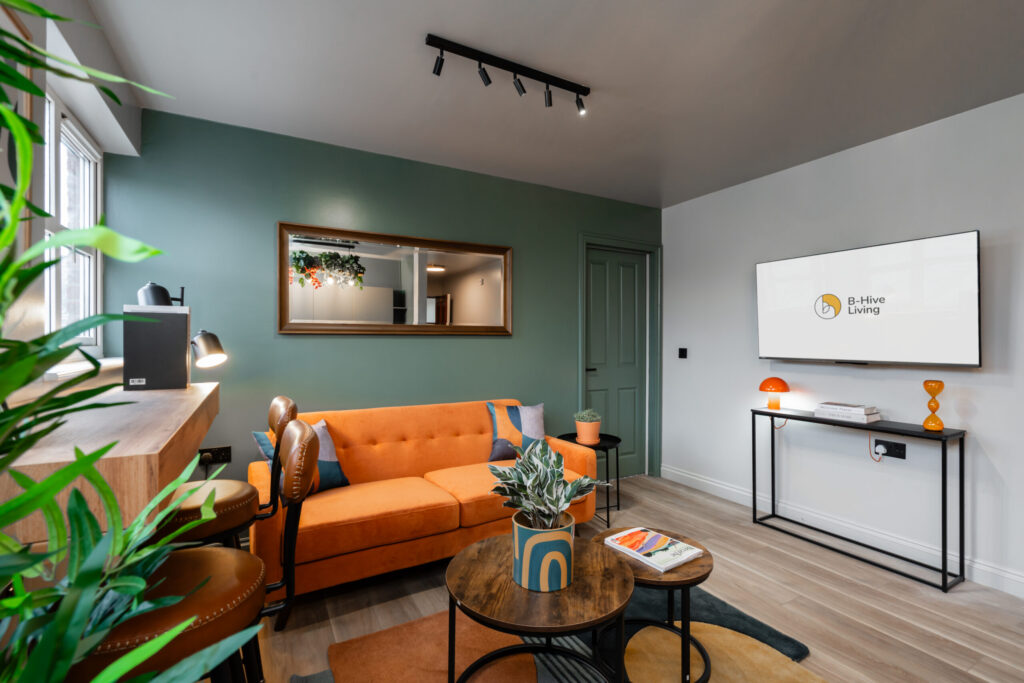
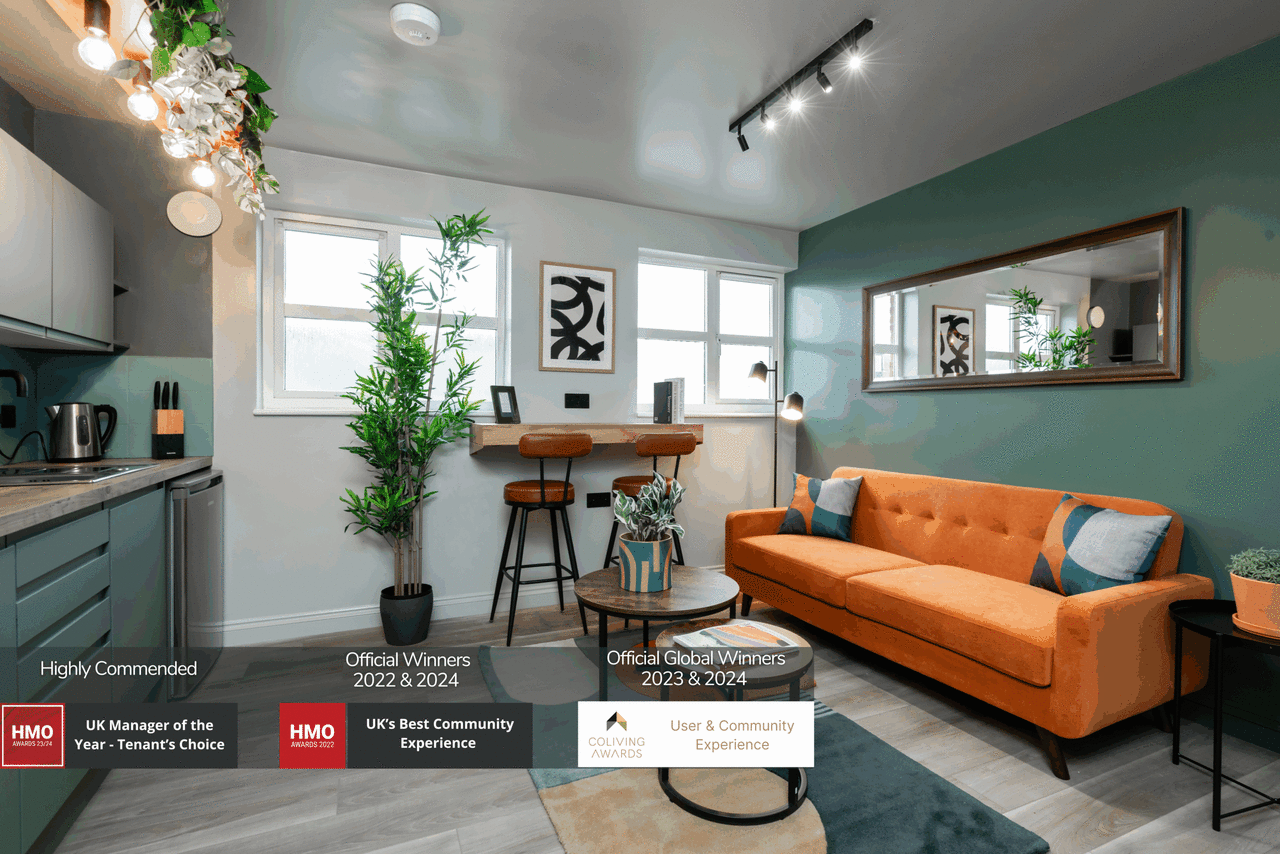
    Open-plan living room with orange sofa

    Commute reality: Oxford, London, and your actual options

    Takeaway: Your commuting experience will depend on where you live within Bicester and how you plan your connections.

    Commuting into Oxford

    If Oxford is part of your routine—workdays, meetings, or a favourite social spot—build your plan around transport times rather than assumptions. Some routes are straightforward; others involve switching or longer door-to-door travel.

    Commuting farther (London and beyond)

    Many relocating professionals explore whether services can support hybrid schedules that occasionally require longer travel. The key is to check journey times at the times you’ll actually travel (early mornings and evenings), not just averages.

    Common mistake to avoid #1: Only checking train time from the station once. Your door-to-door time includes walking to/from stops, waiting, and whether you’ll feel comfortable with the last leg at night.

    Insider tip #2: If you’re hybrid, test your “two-day rhythm”: commute or travel once on a day you leave earlier than usual, and once on a day that’s closer to your normal schedule. You’ll spot delays or connection gaps that averages hide.

    Remote-work friendly life: co-working, cafés, and focus spaces

    Takeaway: Bicester can work well for remote professionals if you choose your weekday spaces on purpose.

    Cafés and local “change of scene” spots

    For many people, a nearby café is where work breaks become productive. Look for places with steady lighting and seating that lets you work comfortably for a couple of hours. If you’re taking calls, consider noise levels at the time you’ll usually work.

    Home setup matters more than you think

    Remote work isn’t just about Wi-Fi—it’s about desk placement, daylight, and whether your building is quiet. During viewings, ask about background noise and test the signal in the room you’ll use as an office.

    Common mistake to avoid #2: Assuming that because a property “has internet,” it will be reliable enough for video calls. Check mobile data strength and (if possible) confirm broadband performance with the provider or landlord/agent.

    Cost of living and practical budgeting (without guesswork)

    Takeaway: Bicester is often more wallet-friendly than central Oxford, but the real difference depends on your housing choice and commute pattern.

    Rent and where budget can stretch

    Relocating professionals usually care about value: space, parking (if relevant), commute time, and how close you are to essentials. Even small differences between nearby areas can change your weekly spending—on taxis, fuel, and convenience shopping.

    Weekend spending patterns

    If you’re moving from a city centre, you might also notice a change in how you spend on weekends. Bicester-style weekends often balance local errands with day trips, which can help you control costs—if you plan your travel rather than defaulting to spontaneity.

    Insider tip #3: Before you sign, map your “usual five”: supermarket, pharmacy, gym, your most frequent work location (home/café/co-working), and one social place. If any of them are far by walking or require frequent taxis, factor that into your budget.

    What’s good about Bicester (the honest pros)

    Takeaway: The best parts of Bicester are the everyday ones—where you feel comfortable, not just impressed.

    • Daily convenience: Essentials and errands are generally easier to manage than in larger, more traffic-heavy areas.
    • Easy to build routines: Weekdays feel predictable, which matters when you’re busy with work and settling into a new place.
    • Local-to- Oxford access: You can get big-city variety when you want it, without living with constant city pressure.
    • Residential variety: You’ll find different housing types across Bicester, so you’re more likely to match your personal style and needs.

    What to watch out for (the honest cons)

    Takeaway: The main trade-offs are about transport planning and choosing the right base within town.

    • Your commute depends on your exact location: Two addresses a short distance apart can feel very different for travel time and convenience.
    • Not “city everything”: If you expect late-night options, constant events, or walk-everywhere convenience, you may find you still need Oxford for certain things.
    • Moving busy weeks can highlight frictions: The first month can be admin-heavy (GP/dentist, registrations, local transport setup), so build in time.

    Best areas to consider in Bicester (how to shortlist)

    Takeaway: Instead of chasing a “best” neighbourhood, shortlist based on your routine and transport tolerance.

    How to choose (budget, vibe, timing, transport)

    1. Budget: Set a comfortable monthly range that leaves room for move-in costs and the first few weeks of settling.
    2. Vibe: Decide whether you want a calmer residential feel or something closer to busier amenities.
    3. Timing: Visit viewings at the time you’ll actually be commuting or running errands.
    4. Transport: Check bus and walking routes from the exact streets you’re considering, not just “near the town”.

    Local voice note: Many relocating professionals find they settle quickest when they’re within a short, predictable route to groceries, and when their evenings have a realistic plan (walkable options or an easy taxi/bus back).

    At a glance: your Bicester relocation checklist

    Takeaway: Use this mini itinerary to pressure-test your decision in a day or two.

    • Do one route to work location (home/office/co-working) during your usual start time.
    • Walk your “two-basket test” to a supermarket and back.
    • Test phone signal in the room you’ll use as an office.
    • Check the nearest pharmacy and how long it takes in a normal evening.
    • Pick one evening plan: a local activity or restaurant, then check how you’ll get back.

    Local logistics: getting there, best times, and booking notes

    Takeaway: A little planning now prevents frustration later—especially in your first month.

    Getting around

    For commuting and errands, you’ll likely use a mix of walking, buses, and possibly a car depending on your household and work pattern. If you’re car-free, double-check routes and waiting times for your most common trips.

    Best times to explore

    Visit during daylight for walking routes, and again near early evening for the practical reality—parking, lighting, and how busy areas feel at typical social times.

    Booking viewings and settling-in admin

    When you’re comparing properties, ask for details that reduce uncertainty: broadband provider options, parking arrangements (if relevant), and any noise considerations. For settling-in admin (GP/dentist and local services), allow extra time in your first two weeks.

    Accessibility notes

    If you need step-free access or specific transport accessibility, check routes and building access during your viewing. Don’t rely on “generally accessible” descriptions—confirm how you’ll reach your door from the closest drop-off point.

    FAQs about living in Bicester Oxon UK

    Takeaway: Quick answers to the questions relocating professionals usually ask first.

    What is life in Bicester Oxon UK like for professionals?

    It’s generally practical and routine-friendly, with easier day-to-day errands than you might expect from larger Oxfordshire areas. Many professionals like the balance: you get local convenience, and Oxford is close enough for cultural and lifestyle options when you want them.

    Is Bicester a good place for remote workers?

    Yes, if you plan your work setup. Prioritise reliable internet and a quiet desk space at home, and pick at least one “change of scene” location you can use consistently for focus days.

    How do I choose the right area in Bicester?

    Shortlist based on your routine: where you’ll do your weekly essentials, how you’ll commute from that exact street, and how easy evenings feel. The “best” neighbourhood is the one that makes your normal week effortless.

    What should I check during property viewings?

    Check signal strength where you’ll work, noise in the evenings, and walking routes to essentials. Also confirm any parking arrangements if you’ll need them.

    Rooms for Couples for Rent

    Do I need a car in Bicester?

    Not necessarily, but it depends on your work schedule and how you prefer to travel. If you’re car-free, test your main routes at the times you’ll travel most often and confirm accessibility of stops and crossings.

    What’s the easiest way to settle into Bicester quickly?

    Create a simple routine: one supermarket you’re happy with, one regular fitness option, and one local social plan. That consistency tends to help people integrate faster than chasing too many new spots at once.

    Final thoughts: building a comfortable life, not just finding a place

    Relocating is busy, and the best move is the one that reduces friction. Bicester can offer that: a calmer rhythm, practical local living, and quick routes to the wider Oxfordshire experience. At B-Hive Living, we focus on helping professionals settle with less stress—so you can spend your energy on work, friends, and finding your stride in Oxford and Bicester.

    If you’re considering a move to the area, take a look at B-Hive Living and see whether our community-style approach fits your lifestyle.

    When you apply to live with B-Hive, you’re choosing more than a home—you’re joining a place designed to support everyday routines and build connections in the area. Explore the options and apply when you’re ready.

  • Work-Friendly and Design-Led: Rethinking Unusual Accommodation UK

    Work-Friendly and Design-Led: Rethinking Unusual Accommodation UK

    Table of Contents

    Work-Friendly and Design-Led: Rethinking Unusual Accommodation UK

    If you’re working remotely (or switching between meetings and deadlines), “unusual accommodation” needs to do more than look good in photos. You need reliable Wi-Fi, space to focus, and a layout that supports your routine—whether you’re based in Oxford, commuting from Bicester, or relocating for a new chapter. This guide helps you rethink what to prioritise, spot the right set-up faster, and choose stays that feel intentional rather than improvised. You’ll come away with a practical shortlist framework, local booking logistics, and a few insider checks that prevent common hassles.

    Quick answer: what to choose when you want work + design

    Start here—these options and checks typically deliver the best balance of comfort, style, and day-to-day usability.

    • Best for most remote workers: serviced apartments or design-led studios with a proper desk and dedicated workspace area.
    • Best for short “reset” trips: boutique stays with flexible check-in and strong connectivity (verify speeds).
    • Best for teams or longer stays: larger self-contained rentals where you can create a consistent work zone.
    • Best time to book: a few weeks ahead for weekdays; for weekends, book earlier if demand spikes locally.
    • Best for: people in Oxford/Bicester who want to work comfortably without losing their style or routine.

    Takeaway: “Unusual” works best when it’s planned for daily use, not just aesthetics.

    The best design-led stays are thoughtful about how you actually live and work. Instead of being wow-factor only, they make it easy to set up quickly, keep meetings smooth, and switch off properly afterwards.

    What “work-friendly” really means (in plain terms)

    • Stable Wi-Fi: enough for video calls—ask about reliability, not just availability.
    • A real desk or desk-like surface: not just a dining table that’s cramped or awkward for long sessions.
    • Lighting that supports focus: desk lamp or bright, glare-free overhead light.
    • Sound and privacy: quieter rooms, good insulation, or a layout that reduces background noise.
    • Storage and workflow: somewhere to stow bags, chargers, and documents so you can reset daily.

    Design-led doesn’t have to mean impractical

    Look for stays where style supports function: comfortable seating, sensible power sockets, and a layout that doesn’t constantly push you into awkward postures. If you’re filming calls, consider reflectivity and window placement too.

    Bohemian living room in a coliving property in Brussels

    Takeaway: the UK has more unusual-but-practical choices than you might think.

    When you broaden your search beyond standard hotels, you often find spaces that are better suited to remote work—provided you check a few essentials first.

    Design-led studios and serviced apartments

    These can be ideal because they’re set up for longer stays and everyday routines. You’re more likely to get a proper kitchen, storage, and a steadier “home base” feel.

    Insider tip: message the host or property manager with a simple question about desk set-up (space, chair comfort, and where you’ll likely place a laptop for calls).

    Common mistake to avoid: booking purely on photographs and assuming the Wi-Fi will handle video calls.

    Converted spaces (warehouses, coach houses, quirky flats)

    These are often spacious and characterful. The trade-off can be acoustics or inconsistent connectivity, so you’ll want to verify details rather than rely on vibes.

    Insider tip: check where the router is described (or ask). Even a great Wi-Fi connection can be patchy if your desk is far from the source.

    Common mistake to avoid: ignoring noise sources—busy roads, shared hallways, or thin internal doors.

    Boutique stays with intentional layouts

    Some smaller, design-led properties prioritise comfort, lighting, and calm. If the stay is marketed for “workation” or longer stays, it’s usually a good sign.

    Insider tip: look for mentions of “workspace” or “long-stay” features rather than only “aesthetic” descriptions.

    Private rooms in smart shared accommodation

    Shared can work well when the property has clear rules, quiet hours, and a genuine communal/work area. If you need focus for calls, pick a place with privacy safeguards.

    Insider tip: ask how phone calls are handled in shared areas and whether there are quiet zones.

    Takeaway: a simple checklist will help you filter fast (and avoid regret later).

    Use this as your “at booking” checklist. It’s designed for busy working lives: minimal back-and-forth, maximum clarity.

    At a glance checklist (copy/paste)

    • Desk reality: Can you comfortably work for 3–4 hours without rearranging furniture?
    • Wi-Fi confidence: Is video calling feasible in your workspace zone?
    • Noise check: Are there likely interruptions (thin walls, street noise, shared entry)?
    • Power access: Enough sockets for laptop, chargers, and headphones.
    • Bathroom and routines: Hot water reliability and sensible shower timing.
    • Transport fit: Can you get to your meetings easily without daily stress?

    Takeaway: how to choose the right unusual accommodation (without overthinking)

    Here’s a practical way to compare options when the descriptions all sound appealing.

    Budget (and what it should actually buy you)

    Design-led stays can be priced higher because of finishes and space. Prioritise the features you’ll use daily: desk comfort, storage, and stable connectivity. If you’ll be on calls, treat Wi-Fi reliability as “must-have”, not “nice-to-have”.

    Vibe and focus mode

    Think about your working style. Do you need quiet, or are you okay with a lively environment as long as you can retreat? A calm, uncluttered room often makes a bigger difference than you expect.

    Timing and booking strategy

    If you’re planning around weekday meetings, book earlier for quieter, work-friendly availability. For weekends, double-check noise expectations—design-led spaces can attract social activity in certain buildings.

    Transport and local life

    If you’re in Oxford or relocating to the Oxford/Bicester area, convenience matters. Prioritise stays with easy access to the roads and public transport routes you’ll actually use.

    Takeaway: local logistics matter—especially when you’re working, not just touring.

    Below are the kinds of “small” details that tend to affect remote-work stays in Oxford and the surrounding area.

    Getting there (what to check in the listing)

    • Parking and drop-off: if you’re driving, confirm parking terms and where you can stop safely.
    • Public transport links: check walking distance to your usual station/bus stop route.
    • Late arrival access: if your meetings run long, confirm self check-in and key collection.

    Best times to book and settle in

    If you can, choose arrival times that give you enough daylight to set up your workspace properly and test Wi-Fi. Even a quick “two-hour check” on day one saves time when deadlines land.

    Booking notes to ask before you commit

    • “Is there a dedicated desk area, and where would I place my laptop for calls?”
    • “How reliable is Wi-Fi for video calls in that room?”
    • “Are there quiet hours or noise limitations in the building?”

    Accessibility considerations

    When stays are quirky or converted, accessibility can vary (stairs, split levels, narrow doors). If you need step-free access, ask the host about lift access, step heights, and bathroom layout.

    Takeaway: insider tips that most people miss

    A few checks can significantly improve your experience—especially if you’re juggling calls and focused work.

    Insider tip 1: test your “call corner” before a full workday

    Once you arrive, set up exactly how you’d work. Do a short test call and watch for audio issues and dropped connections. Don’t wait until you’ve got a real meeting booked.

    Insider tip 2: measure your lighting, not just your space

    Window glare and harsh overhead light can make video calls look unprofessional and make focus harder. If possible, position your screen so light falls evenly.

    Insider tip 3: check the “reset routine” (kitchen, washing, storage)

    Design-led places sometimes look minimal. That can be great, but you still need practical storage for chargers, clothes, and work items. A simple drawer or cupboard makes a surprising difference to daily calm.

    Takeaway: common mistakes to avoid when searching “unusual” work stays

    • Choosing aesthetics over usability: a beautiful space can still be uncomfortable for long sessions if the desk and chair aren’t right.
    • Assuming all rentals have good Wi-Fi: connectivity can be inconsistent depending on room location and building layout.

    FAQs

    How do I find work-friendly unusual accommodation UK options?

    Look for listings that mention workspace features (desk, seating, quiet), then confirm Wi-Fi reliability for video calls and ask about noise levels. Comparing desk set-up and power sockets in the specific room will save you time.

    What should I ask the host before booking?

    Ask about desk space for laptop work, Wi-Fi reliability for video calls in the room you’ll use, and whether there are quiet hours or building noise you should expect.

    Are boutique or converted properties good for remote work?

    They can be excellent for comfort and atmosphere, but they vary more than standard stays. Prioritise acoustics, router distance to your desk, and the practicality of the workspace layout.

    What’s the best length of stay for settling into a new setup?

    For most remote workers, a longer block gives you time to test your routine and adjust your workspace. If you’re unsure, start with a shorter stay and reassess after you’ve done a couple of test calls.

    How can I make sure my accommodation is quiet enough for meetings?

    Check reviews for noise mentions, ask about shared spaces or building soundproofing, and plan your desk location away from hallways and any likely sound sources.

    Takeaway: living well is about the details you can control.

    Design-led accommodation is at its best when it supports your working rhythm—clear lighting, a genuinely usable workspace, and calm you can return to after meetings. Whether you’re in Oxford for a season or based near Bicester and exploring flexible stays, the right set-up helps you feel grounded and productive. Aim for practical comfort first, style second, and you’ll find places that actually fit your life.

    Ready for a place that works the way you do? If you’re looking to live well in Oxford or the wider area while staying connected to your work, consider applying to live with B-Hive Living. Share what you need from your day-to-day space—we’ll help you find a home base that supports both productivity and community.

  • Vetted Communities and Premium Design: A Guide to Oxford Rooms UK

    Vetted Communities and Premium Design: A Guide to Oxford Rooms UK

    Vetted Communities and Premium Design: A Guide to Oxford Rooms UK

    If you’re relocating to Oxford or Bicester while working remotely, housing decisions can feel like a full-time job. You want somewhere that looks good, feels calm to live in, and doesn’t come with surprises—especially when you can’t easily view properties in person. This guide walks you through what “vetted communities” and “premium design” should mean in practice, how to spot genuinely well-run setups, and what to check before you commit. By the end, you’ll know how to compare options confidently and choose a room that supports your routine, budget, and commute.

    Primary search query: Oxford Rooms UK

    Quick answer: how to approach Oxford Rooms UK

    • Best options: look for properties with transparent tenancy terms, clear service standards, and recent photos that match the room layout.
    • Best time: start browsing mid-week and book viewings/virtual tours early—availability can move quickly.
    • Who it’s for: young professionals and remote workers who want convenience, design-led living, and a reliable community feel.
    • Quick logistics: shortlist 3–5 options, compare costs and inclusions, then confirm bills, internet reliability, and house rules before paying anything.

    What “vetted communities” should look like (not just a label)

    The most trustworthy communities feel organised in everyday life: clear standards, consistent communication, and fewer awkward unknowns.

    Look for screening you can actually understand

    “Vetted” should translate into something practical. Ask how the screening works and what it’s designed to achieve (for example, compatibility, reliability, or maintaining shared-space standards). If the process is vague, treat that as a warning sign.

    Community is about behaviour, not buzzwords

    A good community setup reduces friction—quiet hours, cleaning expectations, and shared-space etiquette are usually spelled out. If you’re told “we’ll sort it out” without specifics, it’s harder to predict how the house will feel once you move in.

    Insider tip: ask about recent changes

    Rather than only asking what’s “included”, ask what’s been improved recently—cleaning routines, maintenance response times, or how noise issues are handled. Strong operators tend to have clear answers and examples.

    Common mistake to avoid: trusting only marketing photos

    Premium claims often come with staged images. Always request current room shots, including the parts people forget (wardrobes/lighting/storage, bathroom condition, and soundproofing where possible).

    Premium design: how to judge it in a real-life room

    Premium design is felt in daily comfort—light, acoustics, storage, and practical layout—not just a stylish headboard.

    Check the “lived-in” details

    • Lighting: can you work comfortably in the evening without harsh glare?
    • Storage: wardrobes, shelving, and desk space for cables and chargers.
    • Bathroom usability: ventilation, water pressure, and whether the space stays clean easily.

    Insider tip: assess sound and routine compatibility

    If you’re remote working, sound matters. When you view (or during a virtual tour), stand near the door and ask how noise is managed—especially at typical evening and morning times.

    Common mistake to avoid: ignoring internet and working setup

    A “designed-for-professionals” room should support your work. Confirm broadband type/speed if available, ask where the router sits, and check whether Wi‑Fi reaches your desk area consistently.

    How to choose an Oxford room that fits your life

    Use a simple checklist so your decision is about fit—budget, vibe, timing, and transport—rather than pressure to move quickly.

    Budget: compare total cost, not just rent

    When costs vary, it’s usually due to inclusions. Confirm what’s covered (bills, council tax treatment if applicable, cleaning support, and any service fees). If anything is unclear, get it in writing or ask for a breakdown.

    Vibe: consider your comfort with shared living

    Do you want a social house, a calmer environment, or a mix? Ask about shared-space expectations and how new residents are introduced.

    Timing: match availability to your move plan

    If you’re working in Oxford and commuting, avoid moving on a date that creates gaps in your setup (for example, delayed internet activation). Ask about move-in timing and how quickly maintenance requests are handled.

    Transport: plan your route before you fall in love with a room

    Oxford and Bicester can feel close, but commute times vary. Check whether you’ll rely on buses, trains, cycling, or parking. Even within Oxford, walking time to local amenities can change your day-to-day ease.

    Insider tip: do a “two-visit” sanity check

    Try to see the place once in daylight and once around an evening period. It’s the quickest way to understand lighting quality, noise levels, and how the space feels when you’re actually home.

    At a glance: your Oxford Rooms UK checklist

    • Terms: understand length of stay, deposit handling, and notice period.
    • Bills: confirm what’s included and what you’ll pay separately.
    • Internet: ask about Wi‑Fi coverage where you’ll work.
    • Shared spaces: kitchen cleanliness expectations and how often cleaning happens.
    • Maintenance: response times and how requests are submitted.
    • Design: storage, desk setup, bathroom usability, and light quality.
    • Community: house rules, quiet hours, and resident expectations.

    Local logistics for Oxford and Bicester living

    Living well is about more than the room—it’s also access to daily essentials and smooth connections across Oxfordshire.

    Getting there: plan for your most common journey

    Before committing, map your primary commute and your usual “after work” route (groceries, gym, or a coffee stop). If you’re in Bicester, your travel pattern may differ significantly from central Oxford.

    Best times to view

    Mid-week viewings tend to give you the most realistic sense of how people use the space. If possible, aim for an evening slot to judge noise and lighting.

    Booking notes and readiness

    Prepare documents early where required and keep a list of questions so you don’t lose clarity under time pressure. If a company offers virtual tours, still ask for close-up detail of bathroom and Wi‑Fi/work setup.

    Accessibility notes

    If mobility, step-free access, or specific facilities matter for you, confirm details during your first enquiry. Don’t rely on general building descriptions—ask for specifics about entrances, bathrooms, and any stairs or lifts.

    FAQs about Oxford Rooms UK

    Q1: How do I choose the right Oxford Rooms UK option for remote work?

    Prioritise internet reliability, desk lighting, noise levels, and the kitchen/bathroom setup you’ll use daily. During a viewing or virtual tour, ask where the router sits and whether the Wi‑Fi covers your work area.

    Q2: What does “vetted community” mean in practice?

    It should mean you can understand the standards and expectations: how residents are selected, what house rules exist, and how issues (noise, cleanliness, maintenance) are handled consistently.

    Q3: Is premium design worth it?

    Premium design is worth it when it improves comfort and routine—storage, lighting, acoustic comfort, and a bathroom you can maintain easily. If the aesthetic doesn’t translate to daily usability, it may not be the right fit.

    Q4: What should I ask before paying a deposit?

    Ask for a clear breakdown of costs and inclusions, confirmation of bills responsibility, the tenancy terms (especially notice period), and how maintenance requests work. If anything is unclear, request it in writing.

    Q5: Can I view rooms without travelling to Oxford?

    Many providers offer virtual tours, but you should still request current photos and close-ups for the details that affect day-to-day living (bathroom condition, storage, and work setup). If you can, do at least one in-person visit before signing.

    Q6: What common mistakes do people make when renting in Oxford?

    Two frequent issues are trusting staged images without checking practical details (sound, storage, bathroom usability) and overlooking internet/work suitability for remote roles.

    Insider tip recap: ask about recent improvements, assess sound and Wi‑Fi coverage where you’ll work, and do a daylight + evening viewing if you can.

    If you’d like, share what matters most (budget range, commute pattern, preferred vibe, and whether you need strong Wi‑Fi) and I’ll help you refine a shortlist approach for Oxford Rooms UK.

    Soft close

    Moving to Oxford (or settling into Bicester) is easier when your home supports your rhythm: a space that’s designed for focus, run with clear standards, and placed in reach of your everyday essentials. When you choose with the right checks—community standards, premium-feel comfort, and real logistics—you’re not just renting a room; you’re building a routine that works. That’s the kind of living we like at B-Hive Living: calm, connected, and genuinely local to your life.

    CTA

    If you’re considering a room that combines thoughtful design with a community-minded approach, explore opportunities with B-Hive Living. Apply when you’re ready, and we’ll help you move in with clarity—so Oxford feels like home from day one.

  • Skip the 12-Month Lease: Alternatives to Traditional Houses to Rent in Bicester

    Skip the 12-Month Lease: Alternatives to Traditional Houses to Rent in Bicester

    Skip the 12-Month Lease: Alternatives to Traditional Houses to Rent in Bicester

    If you’re moving to Oxfordshire for a new job, a contract role, or a gradual relocation, a standard 12-month lease can feel like a trap. You might only need flexibility for a few months, but still want somewhere safe, comfortable, and properly set up for day-to-day life. The good news is that Bicester offers more rental routes than “one size fits all”. This guide walks you through practical alternatives, what each option suits best, and how to choose without getting caught by hidden terms.

    Primary search query: alternatives to rent in Bicester without a 12-month lease.

    Quick answer

    • Best overall for flexibility: furnished rentals with shorter terms (often 3–6 months, sometimes rolling).
    • Best for steady professionals: corporate/stay-style lets where leases can be shorter and bills may be bundled.
    • Best for maximum flexibility: serviced apartments or short-term lets (useful for transitions, but check cost).
    • Best time to plan: start your search 4–6 weeks before you need to move.
    • Who it’s for: remote workers, early-career professionals, and anyone relocating to Bicester (or commuting into Oxford).

    Flexible rental options in Bicester (what to consider first)

    The easiest way to avoid a 12-month lease is to choose a rental route built around shorter stays, furnished living, or shared arrangements.

    1) Furnished rentals with shorter terms (3–6 months)

    Takeaway: If you want a proper home, furnished lets are usually the closest match to traditional renting—without committing for a year.

    These are ideal if you’re waiting for a longer-term place or you’re unsure how long your role will last. They typically come with essentials already in place, so you’re not starting from scratch.

    • Why it’s worth it: you get normal home-life while keeping your timeline flexible.
    • Insider tip: ask whether utilities, council tax, and broadband are included in the monthly price or handled separately.
    • Common mistake to avoid: assuming “furnished” means everything—confirm kitchen equipment, bedding, and whether towels/linens are provided.

    2) Rolling or periodic contracts (shorter than fixed 12 months)

    Takeaway: Some tenancies run on a rolling basis or include break clauses that let you move sooner (depending on the agreement).

    This is a strong option if you want stability but need an exit plan. You’re not simply hoping the landlord will be flexible—you’re checking the contract structure first.

    • Why it’s worth it: you can often adjust plans without renegotiating from scratch.
    • Insider tip: look for clarity on notice periods and what happens at the end of a fixed term.
    • Common mistake to avoid: signing a “fixed term” without confirming whether there’s any break option.

    3) Serviced apartments and short-term lets (transition-friendly)

    Takeaway: For a short landing period, serviced accommodation can reduce friction—though the total cost can add up.

    Serviced apartments are often useful when you’re between places, starting a new job, or travelling while your search for the right longer-term home continues.

    • Why it’s worth it: you can move quickly with less admin and typically more “ready-to-live” features.
    • Insider tip: confirm what’s included (Wi-Fi, cleaning, linens) and whether there are extra charges for additional guests.
    • Common mistake to avoid: treating it like a cheaper long-term option—compare the total monthly figure, not just the nightly rate.

    4) Room lets or house shares (flexibility with community)

    Takeaway: If you’re open to shared living, a room in a house share can deliver flexibility and lower upfront costs.

    This can be a great fit for remote workers who want a calm, well-managed setup and don’t need a whole house to themselves right away.

    • Why it’s worth it: you can move sooner and test the area before committing.
    • Insider tip: ask about shared responsibilities (cleaning rota, bills splitting, waste rules) before you sign.
    • Common mistake to avoid: focusing only on rent—budget for bills, deposit terms, and shared-living rules.

    5) Corporate or professional lets (often furnished, sometimes shorter)

    Takeaway: Corporate-style lets can suit people relocating for work when you need a reliable setup and flexible move dates.

    Depending on the provider and property, terms may be shorter than a standard residential lease, and you may find paperwork is more straightforward.

    • Why it’s worth it: you’re likely to get an organised “move-in and live” experience.
    • Insider tip: clarify the contract type and whether you’re responsible for council tax and utilities separately.
    • Common mistake to avoid: assuming corporate equals “no contract”—always read termination/notice terms.

    How to choose the best alternative to a 12-month lease in Bicester

    Choosing well means matching your timeline and lifestyle to the contract terms—not just the asking price.

    Use these criteria (quick checklist)

    • Budget: compare the all-in monthly cost (rent + bills + broadband + council tax) rather than headline rent.
    • Timing: check whether the place is available immediately or only after a fixed date.
    • Vibe and routine: if you work from home, prioritise sound levels, desk space, and reliable Wi-Fi.
    • Transport: if you commute into Oxford, consider travel time and whether you’ll rely on parking.
    • Contract terms: look for shorter fixed terms, rolling arrangements, and explicit notice periods.
    • House rules (if shared): understand visitor rules, quiet hours, and cleaning expectations.

    Insider tips that save time

    • Ask “end dates” first: before touring, ask what the minimum stay is and how you can leave early.
    • Get the Wi-Fi answer in writing: remote work needs reliability—confirm speed/coverage and any limits.
    • Check the practicals: confirm parking arrangements, recycling bins, and whether any works or inspections are scheduled.

    Common mistakes people make when they try to avoid 12 months

    • Choosing on flexibility alone: a short term isn’t helpful if the property isn’t practical for your routine.
    • Skipping the paperwork details: “flexible” listings can still include conditions—always review termination and deposit terms.

    At a glance: a mini plan for finding a shorter let in Bicester

    If you follow a simple order of operations, you’ll filter faster and reduce the risk of unpleasant surprises.

    • Step 1: define your move-in date and your ideal minimum stay (e.g., 3 months, 6 months).
    • Step 2: shortlist 5–8 listings that clearly state the term length and what’s included.
    • Step 3: confirm bills, broadband, and council tax responsibilities before viewing.
    • Step 4: ask about early exit options and notice periods.
    • Step 5: do a practical check on layout (desk, storage, heating, and daily living flow).

    Local logistics: getting around Bicester and touring efficiently

    Bicester is straightforward to navigate, but the best choice depends on how you’ll travel day-to-day.

    Getting there and around

    • By rail: if you commute, prioritise proximity to stations and plan your travel time around peak hours.
    • By car: clarify parking from the start—some lets include spaces, while others rely on street arrangements.
    • By bike/walk: if you’ll use local routes, ask about cycle storage and safe access.

    Best times to search and book viewings

    • Search midweek: listings often update on working days.
    • View late morning/early evening: it helps you assess noise levels and daylight for working from home.
    • Be ready with documents: have proof of employment/income and references to speed up short-term processes.

    Accessibility notes to check

    • Confirm step-free access if mobility is a factor.
    • Check whether heating controls are easy to use and whether there’s lift access (for flats/serviced accommodation).
    • Ask about broadband reliability if you rely on video calls or remote work for work-critical tasks.

    FAQ: alternatives to a 12-month lease in Bicester

    Here are the most common questions people ask when they’re looking for alternatives to a 12-month lease in Bicester.

    What are the best alternatives to a 12-month lease in Bicester?

    Typically, furnished rentals with shorter terms, rolling/periodic contracts, and serviced or short-term lets. House shares and professional/corporate lets can also work well depending on your timeline and budget.

    Are shorter lets usually more expensive?

    They can be, especially serviced accommodation. The key is to compare the full monthly cost (including bills and any extra fees) rather than focusing on the rent alone.

    Can I move out early on a shorter contract?

    Sometimes, but it depends entirely on the contract terms. Always check the notice period and whether there’s an early exit clause or replacement-tenant arrangement.

    What should I ask before I book a viewing?

    Ask about the minimum stay, how the end date works, bills and council tax responsibilities, broadband details, and (if it’s shared) house rules and cleaning expectations.

    Is it worth paying for furnished accommodation?

    Often yes, if you’re moving quickly or you want to avoid buying basics. If you’re doing it, confirm exactly what’s included (and what isn’t) so you’re not left needing essentials at short notice.

    How far in advance should I start?

    For most transitions, starting 4–6 weeks ahead gives you enough time to view, compare terms, and negotiate specifics.

    Bringing it back to living well in Bicester

    When your home base fits your real life—your commute, your work rhythm, and your evolving plans—it’s easier to settle in without feeling boxed in. Whether you choose a shorter furnished let, a rolling contract, or a transition stay, you can still build routines that make Bicester feel like yours. If you’re looking for a community-minded place with the right balance of comfort and flexibility, we’ll help you find the best match.

    Ready for a smoother move? If you’re relocating to Bicester or simply want options beyond a standard lease, consider applying to live with B-Hive Living. Share your timeline and priorities, and we’ll guide you towards a home that supports the way you actually work and live.

  • Escaping the Oxford Surcharge: Finding a Better Room in Oxford

    Escaping the Oxford Surcharge: Finding a Better Room in Oxford

    Table of Contents

    Escaping the Oxford Surcharge: Finding a Better Room in Oxford

    If you’re moving to Oxford for work or remote days, it can feel like your budget is constantly being stretched—especially on rent. The good news is that you don’t have to choose between “overpaying” and “living somewhere that doesn’t fit”. With a few smart comparisons and the right search strategy, you can find a room that’s more reasonable and still well connected to your routine. This guide walks you through practical ways to spot the Oxford surcharge, compare like-for-like options, and shortlist areas in Oxford (and nearby) where your money goes further.

    Quick answer: what to do first

    • Best options: rooms in shared houses in student-adjacent areas, weekday commuters’ zones, and parts of Oxford with better value per room—plus select nearby towns if you commute.
    • Best time to search: late spring to early autumn often brings more listings; keep an eye on short-notice replacements year-round.
    • Who it’s for: young professionals, remote workers, and anyone trying to reduce rent without losing transport convenience.
    • Quick logistics: ask for bills included/excluded and check commute times during rush hours before you commit.
    • Most important move: compare total monthly cost (rent + bills + broadband) rather than the headline rent alone.

    Why the “Oxford surcharge” happens (and how to spot it)

    The Oxford surcharge isn’t always a single fee—it’s usually the combination of high demand, tight supply, and listings that aren’t comparing properly. Your goal is to spot when you’re paying for location benefits you don’t actually need.

    Look beyond the advert price

    Two rooms with similar headline rent can cost very different totals once you add electricity, gas, water, council tax (if applicable), and broadband. Always request a breakdown and ask what the current monthly bills typically run to.

    Check “what you’re really buying”

    A higher rent can be justified if the room includes a better setup (storage, desk space, or more practical shared areas). But if you’re remote most days, you may not need the absolute most central location.

    Insider tip: compare by commute, not distance

    “Near the city centre” can still mean a long, change-heavy commute. Use typical travel times for your routine—weekday evenings and mornings matter more than a quick daytime map check.

    Common mistakes to avoid

    • Comparing headline rent only: always compare total monthly cost.
    • Assuming all bills are equal: broadband speeds and heating costs vary widely by property.

    buy-to-let

    Where to look in Oxford for better room value

    In Oxford, value often comes down to micro-location, house type, and how well the room fits your day-to-day. The best areas for you depend on whether you commute, work from home, or split your week.

    Consider value-led Oxford neighbourhoods

    When you’re trying to reduce the surcharge, it often helps to explore areas that still give you access to Oxford but aren’t priced like the most central parts of town. Keep your shortlist flexible and check each listing’s transport links and house condition.

    • Jericho: can suit people who want walkable access, but prices can vary a lot by property. Insider tip: prioritise room quality (storage, lighting, desk space) over “cool area” photos.
    • Headington: often works for professionals and commuters, and some listings can be more affordable than you’d expect depending on the road and house layout. Insider tip: check how easy it is to reach your everyday destination without lots of transfers.
    • Summertown: can be convenient, but rental levels may be higher—so use a like-for-like comparison on bills and room size. Insider tip: ask whether the rent includes broadband and whether heating is efficient.

    Note: Availability and pricing fluctuate, so treat area names as starting points and verify pricing and transport from each specific listing.

    Don’t ignore Oxford-adjacent alternatives (if you can commute)

    If your role is flexible or you’re remote most days, living just outside Oxford can reduce rent while keeping life practical. This is where you can often find more choice in rooms.

    • Bicester: useful if you can commute by rail or car and want more budget-friendly options. Insider tip: check your travel plan for early mornings and late evenings, not just off-peak.
    • Kidlington: can be a practical compromise between Oxford access and cost. Insider tip: confirm how you’ll get around locally (bus vs bike vs car) from the exact address.

    How to choose the right room (without paying extra for the wrong things)

    When you’re trying to beat the surcharge, “fit” matters as much as price. Use a checklist to compare listings quickly and confidently.

    Budget check: compare total monthly cost

    • Rent headline + expected bills
    • Broadband included or separate
    • Any deposit, admin fees, or additional charges

    Vibe and house dynamics

    A room can be great value and still feel wrong if the household doesn’t match your rhythm.

    • Are you likely to work from home in shared spaces?
    • Quiet hours and expectations for shared areas
    • Cleanliness routines and shared responsibilities

    Timing: match the listing to your moving date

    Some of the best opportunities appear as “replacement rooms” or short-notice listings. If you can move quickly, you can sometimes get better value.

    Transport: plan your real route

    • Check how you’ll get to work in rush hour
    • Consider evening travel time (post-work plans matter too)
    • If you cycle, confirm bike storage and safe access to the house

    Room practicality: the details people miss

    • Desk space (or space to set up your own)
    • Natural light and where the window faces
    • Storage (wardrobe vs “just a rail”)
    • Bathroom access and shower pressure (ask)

    At a glance: your shortlist checklist

    • Total cost: rent + bills + broadband confirmed in writing.
    • House layout: shared areas suit your routine (especially if you WFH).
    • Transport reality: travel time checked for your commute pattern.
    • Room essentials: desk/storage/light assessed in person.
    • Move-in terms: notice period, contract length, deposit and admin costs clarified.
    • Communication: responsive landlord/agent and clear answers to questions.

    Local logistics: getting there, booking notes, and accessibility

    The fastest way to reduce decision stress is to be organised before you view. A few steps now will save you from costly mismatches later.

    Getting there for viewings

    For viewings in Oxford, plan your route with buffer time. If you’re considering cycling, check whether the property is practical for bike storage and safe access.

    Best times to view and confirm details

    Try to view when you can assess noise levels and light. Also ask the landlord/agent or current residents to show you how heating and hot water work (and how bills are estimated).

    Booking notes: what to ask before you commit

    • What’s included in the rent (and what isn’t)?
    • What are the usual monthly bills for this specific room/house?
    • Who manages repairs and how quickly do they respond?
    • What are the terms for ending the tenancy early?

    Accessibility considerations

    If mobility, step-free access, or bathroom access matters for you, confirm the layout early. Ask about stairs, bathroom access (shared vs private), and whether there’s reliable lift access (if applicable).

    Insider tips you can use immediately

    These are the small moves that can help you land better value rooms without cutting corners.

    Insider tip #1: Ask for a “like-for-like” room comparison

    When a household has multiple rooms, request whether the current pricing is consistent across rooms and how the bills are split. If you’re paying more, you want to know exactly why.

    Insider tip #2: Confirm broadband speed and Wi-Fi coverage

    For remote work, poor Wi-Fi can turn a “good deal” into an expensive frustration. Ask whether the broadband supports video calls and how coverage works in bedrooms.

    Insider tip #3: Negotiate the details, not just the rent

    If rent is fixed, look for other ways to reduce your cost and stress: move-in date flexibility, inclusion of essentials, or confirmation of bills estimates.

    FAQs about finding a cheaper room in Oxford

    Here are answers to the questions people most often ask when trying to beat the Oxford surcharge.

    rooms to rent in oxford

    How do I avoid the Oxford surcharge when searching for a room?

    Compare total monthly cost (rent plus bills and broadband), assess practical room features, and choose areas based on your real commute time—not just proximity to the centre.

    Is it worth looking at nearby towns like Bicester?

    It can be, especially if you’re remote part of the week or can commute at consistent times. Always check your travel plan for your everyday schedule, including evenings.

    What should I ask about bills before I view?

    Ask what’s included in the rent, how heating and hot water are handled, and what the usual monthly bills look like for the specific property and room.

    When is the best time to find room availability in Oxford?

    Availability varies, but many people find more options around late spring to early autumn. Still, replacement rooms can appear at any time, so keep alerts running.

    What common red flags should I watch for?

    Be careful with vague bill estimates, unclear tenancy terms, and rooms described with only generic photos. If you can’t confirm basics before paying a deposit, slow down and ask more questions.

    How can I make sure a room works for remote work?

    Confirm desk space or space to set up, check Wi-Fi coverage, and clarify expectations around shared spaces. If possible, view at a time that lets you judge noise and light.

    Make Oxford feel affordable—without making life harder

    Moving to Oxford (or settling in after a contract starts) shouldn’t mean sacrificing comfort or day-to-day flexibility. By comparing total monthly costs, checking your commute reality, and prioritising room practicality, you can often find a better fit that feels calmer and more sustainable. Whether you choose a value-led Oxford location or a nearby option, the aim is the same: a home base that supports work, friendships, and the routine you actually want.

    Want to live somewhere that supports your pace in Oxford? Apply to live with B-Hive Living to find a room designed for modern routines and community-minded living—right where you want to be.

  • Why Coliving HMOs is the ultimate buy-to-let strategy to invest?

    Why Coliving HMOs is the ultimate buy-to-let strategy to invest?

    Rising inflation, market volatility and geopolitical tensions are propelling investors back into the stability offered by the UK buy-to-let market as a reliable pillar of wealth creation and preservation. In a year set to be marked by political uncertainty and market volatility with more than 26 elections worldwide and rising geopolitical tensions, the UK buy-to-let market can provide a safe haven for domestic and overseas investors in 2024 when compared to investments like stocks, which are way more susceptible to market events. 

    The UK rental market is however changing and the ingredients for building a resilient and stable stream of income from the UK buy-to-let are no longer the same. In the past, investors often favoured single-lets and cheap property markets like Liverpool and Leeds for property investment. Yet, high-interest rates and souring construction costs mean that single-lets and low-rent markets are no longer an assurance of a secure and consistent return on investment. That’s why high-yield strategies such as coliving HMOs in mature markets like Oxford provide a more compelling investment proposition in 2024. 

    buy-to-let

    To start with, let’s explain what a Coliving HMO is. House of Multiple Occupation (HMOs) have been the strategy of choice of most professional property investors in the UK for a while now. By splitting a property into rooms which are let separately, investors can achieve a lower void rate and higher yield from multiple streams of income. Coliving HMOs are an evolution of this strategy where progressive investors and operators layer design, services, and technology to offer a superior product, achieving an even higher yield and pound per sqm than traditional HMOs.

    Coliving is poised for growth in 2024 for the following reasons. It delivers a sound and practical solution to some of the UK’s most pressing housing challenges – namely, the high cost of living and appetite for higher quality as many professionals now work extensively from home. It suits the moment as its premium product and service make it easier to rebase rents in the current high inflation climate. Finally, it is most popular among 25-35-year-olds, which is the age group with the highest wage growth in the UK.

    buy-to-let

    At B-Hive Living, we’ve been at the forefront of the coliving movement since its inception having won multiple national and international awards for our innovative business model and best-in-class management practices. Whether you wish to make your first step into property investment in 2024 or have a traditional HMO or building in Oxford and surrounding areas you wish to reposition as a professionally managed coliving asset we’re here to support you every step of the way through our know-how, technology and innovative business model. 

    Williams Johnson is the co-founder and CEO of B-Hive Living – a multi-award winning coliving brand, operator and asset manager of coliving properties with a strong track record of best-in-class design, investment and management. Our mission is to empower professional renters to lead a more connected, healthy and fulfilling lifestyle through co-living. This relentless focus on our residents’ wellbeing ensures a sustained demand wherever we operate.

  • Corporate Housing in Bicester: The Smarter Alternative to Hotels

    Corporate Housing in Bicester: The Smarter Alternative to Hotels

    When your company needs professional accommodation in Bicester, whether for a project team, relocating employees, or extended business travel, the default choice is usually a hotel or Airb&b. However, there is a more efficient solution gaining traction: corporate housing in Bicester that actually feels like home.

    At B-Hive Living, we offer a superior alternative. Our self-living spaces provide everything a professional needs for an extended stay, combining the privacy of a private flat with the flexibility that modern businesses require.

    The Limitations of Traditional Business Travel

    Hotels are adequate for a night or two. But when searching for serviced apartments in Bicester for weeks or months, hotel limitations become a drain on resources. You often pay premium rates for cramped rooms, eat every meal out, and work from a desk squeezed next to a bed.

    For employees, “living out of a suitcase” takes a mental toll. Productivity and morale often drop when there is no space to settle in. From a finance perspective, the hidden costs of room service and laundry fees add up faster than most departments would like.

    Corporate Housing Bicester

    A Superior Alternative: Living, Not Just Staying

    B-Hive Living offers fully furnished studios and private flats designed to change the equation. Unlike a standard room, our business accommodation in Bicester includes:

    • Private En-suite Bathrooms: Total privacy for every resident.
    • Fully Equipped Kitchens: The ability to cook healthy, home-made meals.
    • Dedicated Workspaces: Room for video calls without sitting on the bed.
    • On-site Laundry: Maintain a routine without hotel service charges.
    • Access to a curated international vetted community and a regular calendar of events.

    It’s the difference between existing somewhere temporarily and actually living there.

    Corporate Housing Bicester

    Professional Standards vs. Managed-by-Owner Uncertainty

    While platforms like Airbnb are often the next stop after hotels, they frequently fall short for long-term corporate needs. For stays of a month or more, Airbnb’s “service fees” and cleaning charges can inflate the nightly rate to a point that exceeds even luxury hotels. 

    Beyond the cost, there is the issue of consistency; a private host’s idea of “high-speed Wi-Fi” or “laptop-friendly workspace” often falls short of professional standards. B-Hive Living eliminates the unpredictability of the gig economy. We provide a managed, professional environment with transparent corporate billing, reliable infrastructure, and a consistent quality of service that an individual host simply cannot guarantee.

    Flexible Housing Built for Modern Business

    We understand that corporate needs are fluid. Timelines shift, and projects extend. Our approach to corporate rentals in Oxfordshire is built around this reality. Whether you are housing a project team for three months, providing a base for a relocating manager, or covering an extended training programme, B-Hive Living fits your situation perfectly.

    Your team shouldn’t have to compromise on their well-being while delivering important work. If you are looking for corporate housing in Bicester that genuinely supports your business and your people, let’s talk.

    Apply to live with us here 

    About B-Hive Living: B-Hive Living is a multi-award-winning coliving brand, operator, and asset manager with a strong focus on wellness-driven design and tech-enhanced operations. Our mission is to empower professional renters to lead a more connected, healthy, and fulfilling life. This relentless focus on our residents’ well-being ensures sustained demand wherever we operate. For more information, visit www.b-hiveliving.com or contact info@b-hiveliving.com.