Blog

  • What’s included in coliving rent in Oxford?

    What’s included in coliving rent in Oxford?

    Moving into Oxford’s coliving scene offers a practical, community-minded way to live in a city known for its universities, tech firms and cultural heritage. For young professionals and remote workers, understanding what your monthly rent covers is crucial to budgeting and planning. In Oxford, many coliving operators bundle essentials into one transparent figure, which can simplify finances and reduce admin. This guide explains what’s commonly included in coliving rent in Oxford, what might be extra, and how to verify inclusions before you sign.

    Whether you’re relocating for work, starting a new contract, or dipping into Oxford’s vibrant scene, knowing what’s in the price helps you compare options quickly. We’ll cover typical inclusions such as utilities, internet and cleaning, plus what a landlord may charge separately. You’ll also find insider tips to spot hidden fees and how to check contracts so you can move with confidence. By the end, you should have a clear, practical sense of value across Oxford coliving options.

    Rent in Oxford coliving often bundles utilities, internet and cleaning into a single monthly figure, to help you budget with confidence.

    Before you sign, map out what you actually use each month and ask for a breakdown of any ancillary charges, so nothing comes as a surprise.

    What’s typically included in coliving rent in Oxford

    Common inclusions in Oxford coliving rents tend to be bundled into a single monthly payment, making it easier to budget. The exact mix varies by operator, but the core set tends to cover the essentials of daily living while you focus on your work and routine.

    Utilities and connectivity

    Most landlords or operators include core utility costs such as electricity, heating or air conditioning where available, water, and sometimes gas. In practice, this means your monthly rent covers these services for communal areas and usually for your private room as well, so you’re not faced with fluctuating bills. High‑speed broadband or fibre internet is also common, often offered as part of the package or with a predictable monthly add‑on. It’s worth confirming speeds, data allowances and whether usage is standard across the building.

    Insider tip: ask about energy efficiency and thermostat controls in the building; a well‑insulated property can help keep bills manageable even if energy prices rise.

    Furnishings and room setup

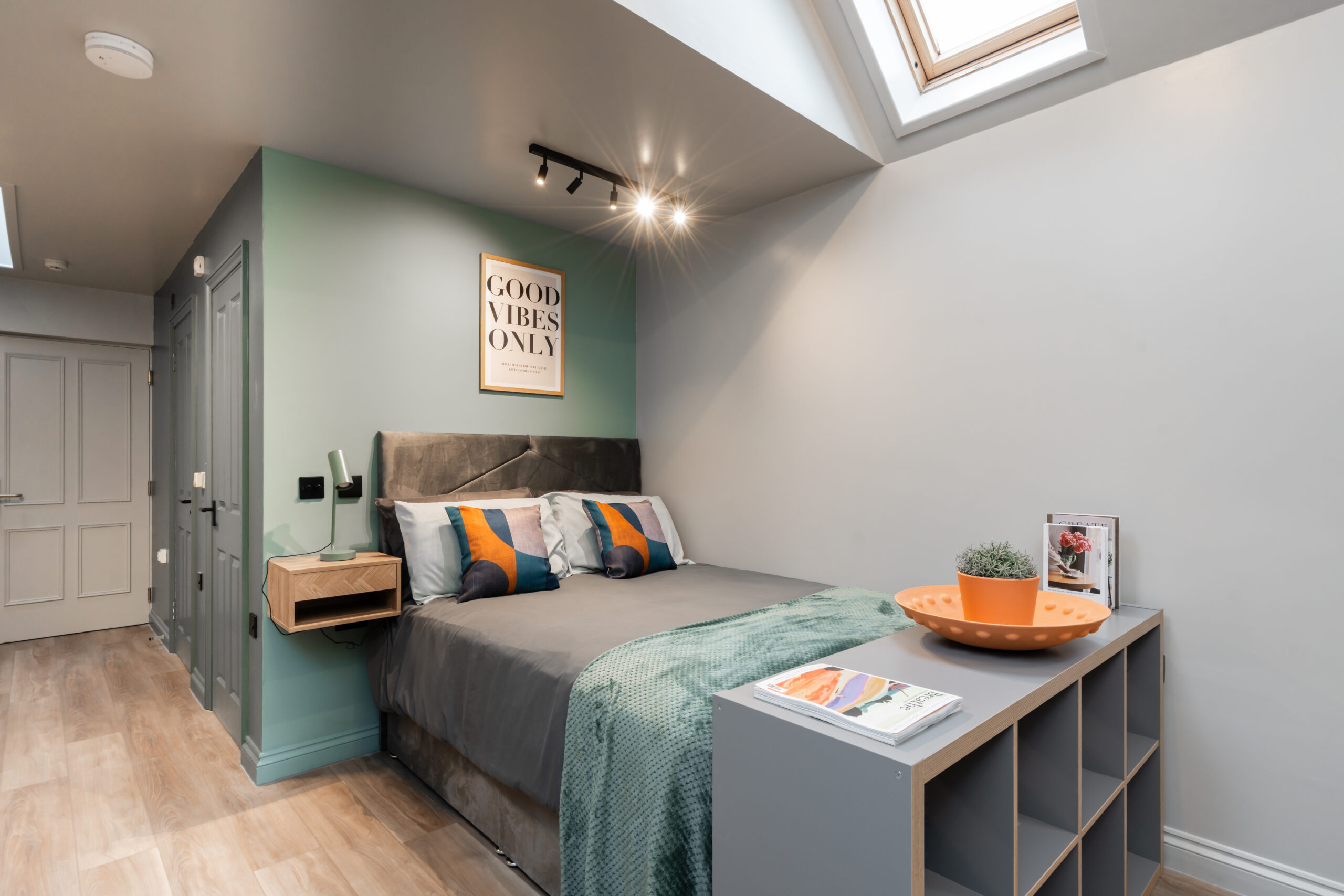
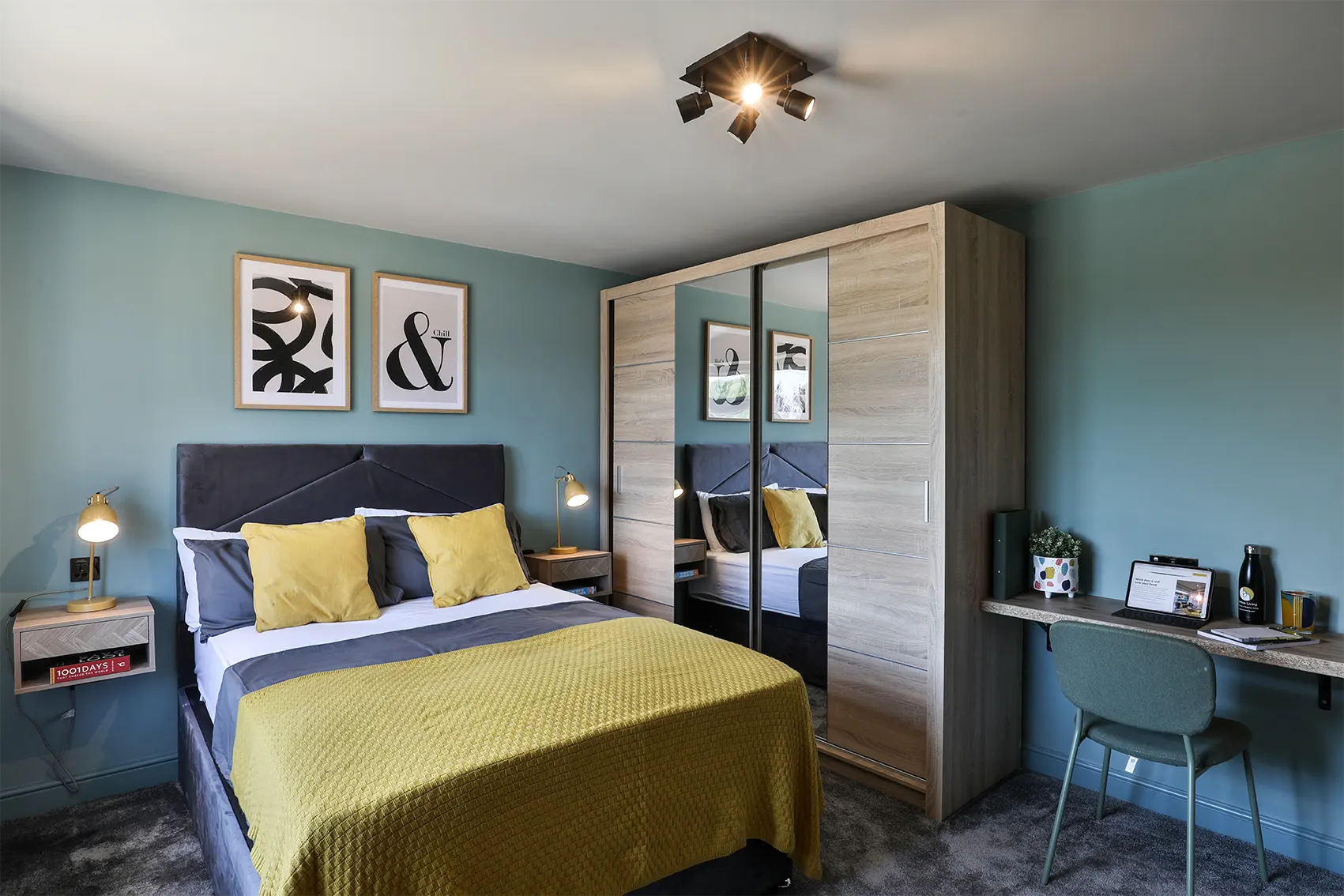
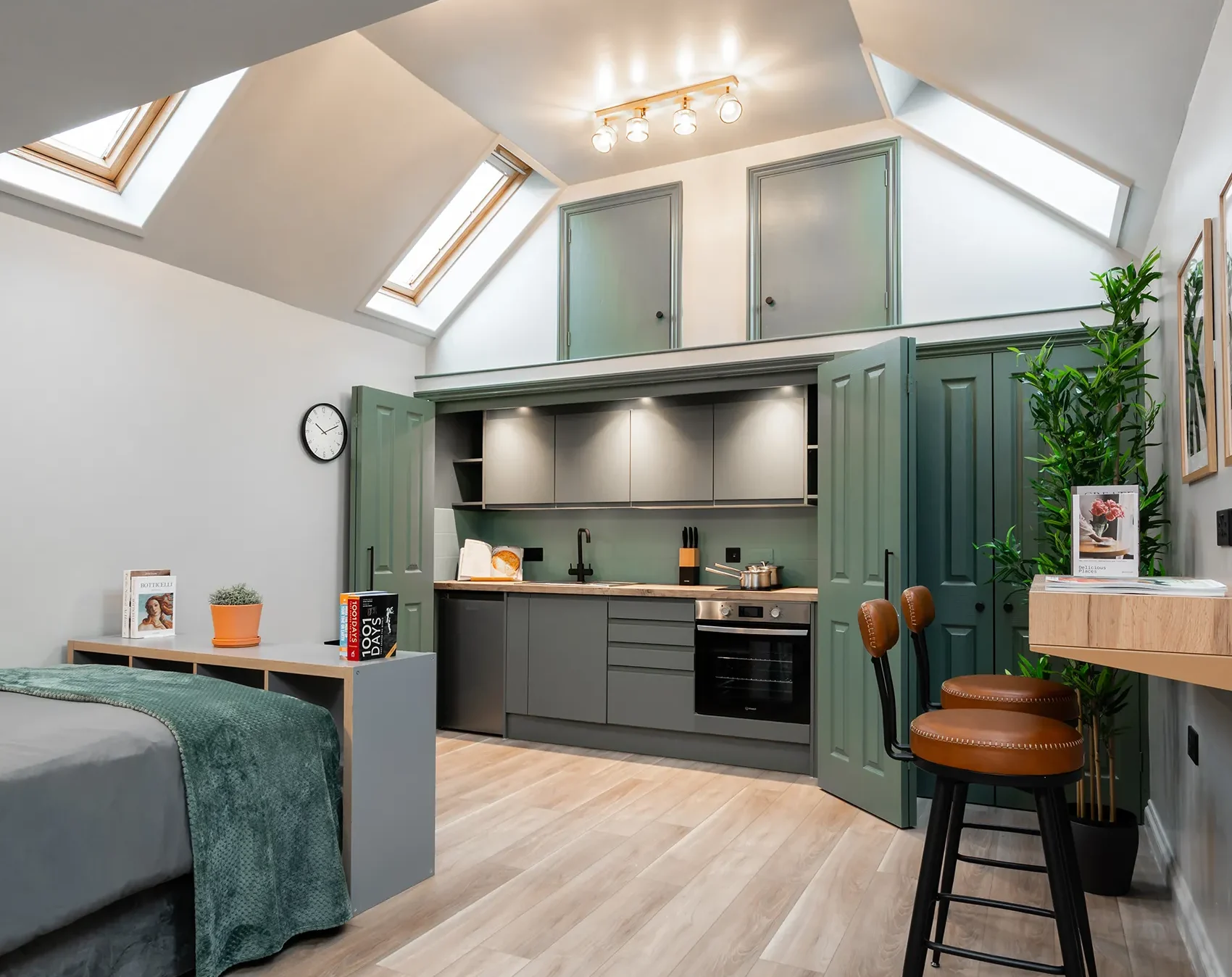
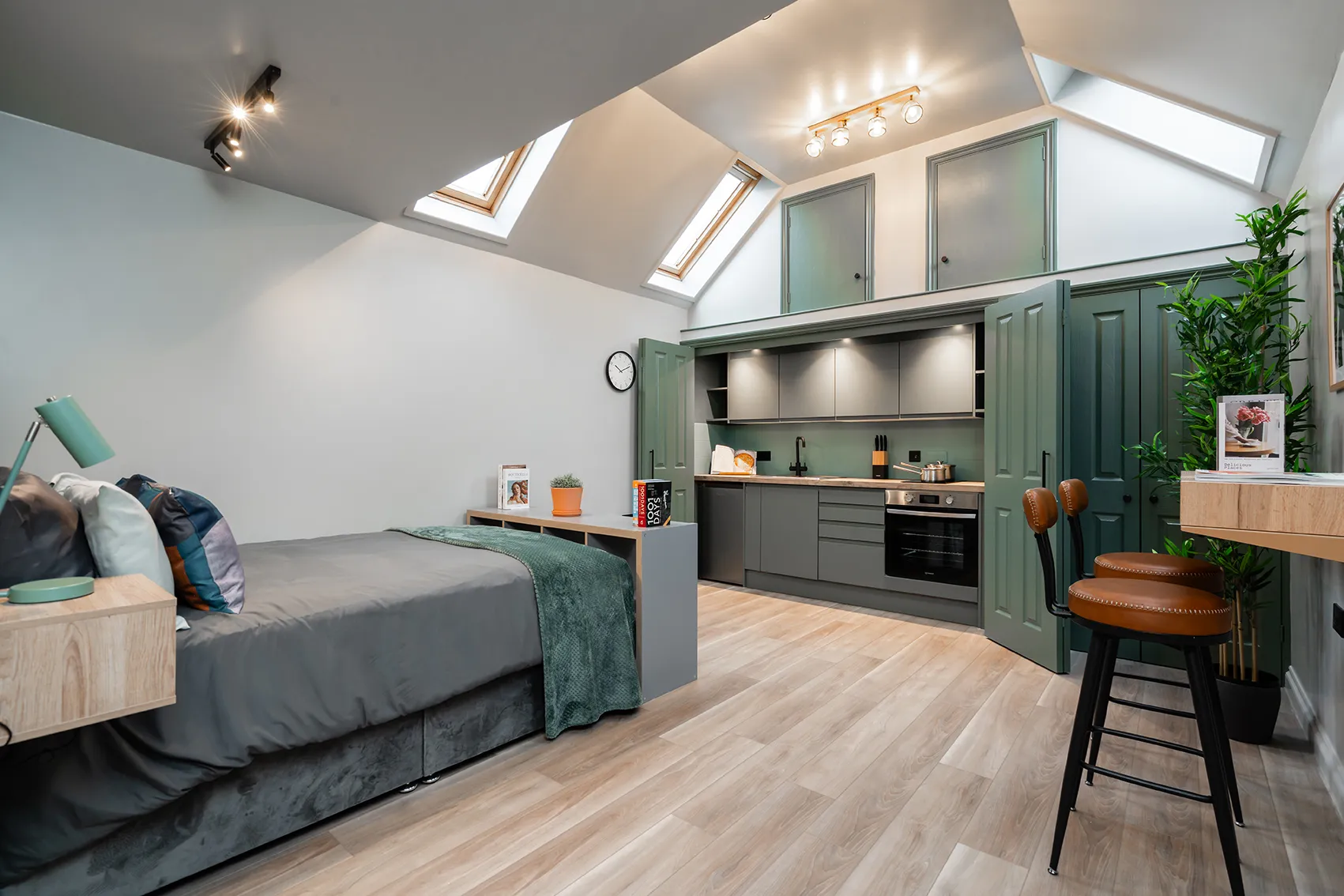
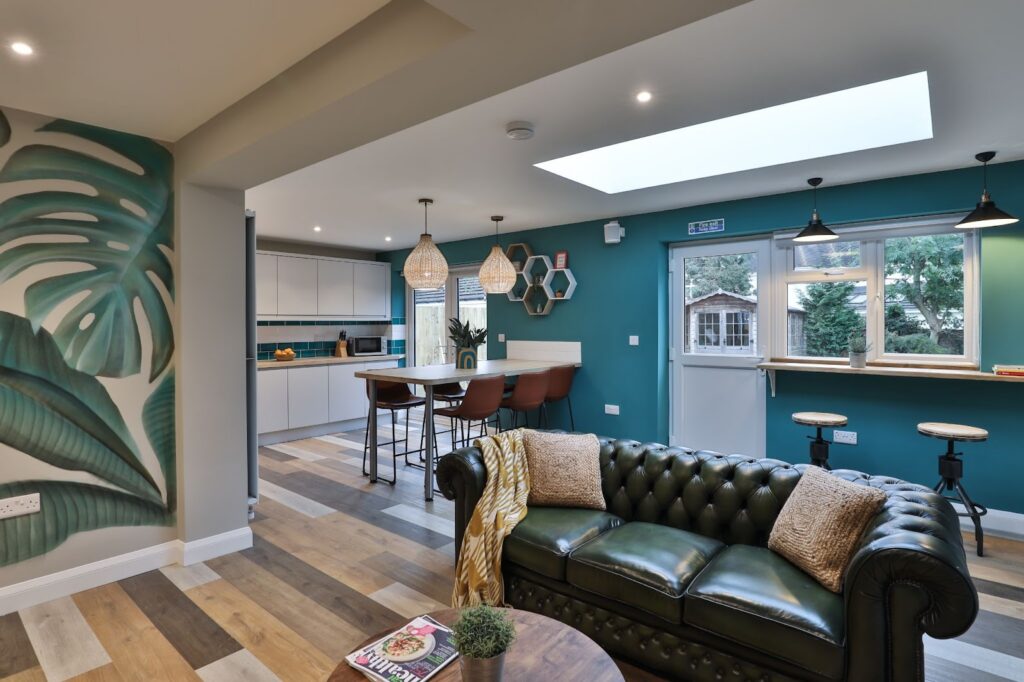
    In most Oxford colive properties, private rooms come fully furnished with a bed, desk and chair, wardrobe or hanging space, and window coverings. Shared kitchens typically include major appliances, dishware and storage, while living rooms offer seating and social zones to support community life. If you’re moving from an unfurnished flat, you will want to check which items are included in your room and which belong to the operator and may not be transfered between properties.

    Insider tip: verify the condition of furniture at the viewing and ask for a care plan for wear and tear so you don’t end up paying for pre‑existing damage.

    Maintenance, cleaning and communal spaces

    Maintenance services and cleaning of communal spaces are common inclusions in Oxford coliving rents. A dedicated property manager or community host may handle repairs, collect feedback, and organise communal events. Cleaning of shared areas—such as kitchens, lounges and corridors—often runs on a weekly schedule, while bedrooms may be the resident’s responsibility. However, some operators offer optional room cleaning for an extra charge. It’s useful to understand how quickly issues are addressed and who covers replacement consumables.

    Insider tip: look for a clear service level agreement (SLA) on response times for urgent repairs, and ask about after-hours contact options.

    What may be charged extra and how to check

    Even when rent includes many essentials, there can be extras that affect your total monthly outgoings. The best approach is to get a transparent breakdown before you sign and to compare like with like across options.

    Common add-ons to watch for

    Some operators offer optional services or charge extras for specific facilities. Examples might include on-site parking, access to premium gym facilities, extra laundry credits, or enhanced wi‑fi services beyond the standard plan. There may also be one‑off or monthly administration fees, or charges for late payments, replacement keys or high usage of certain utilities. Understanding which items are fixed in your rent and which are billed separately helps you avoid sticker shock.

    Common mistake to avoid: assuming everything is included unless the contract clearly lists each item. Ask for a line-by-line breakdown, not a single figure.

    Contract terms, deposits and notices

    Look for standard tenancy elements such as the deposit amount, its protection, length of tenancy, renewal terms and any break clause. Some Oxford coliving operators use flexible contracts; others may require fixed-term agreements. Clarify notice periods for both you and the landlord, and confirm whether early exit fees apply. Ensure you understand how the rent could change if your occupancy varies or if there are price adjustments tied to inflation or energy costs.

    Insider tip: request a sample tenancy agreement early in the viewing process so you can review it at your leisure and flag any terms you don’t understand.

    How to compare Oxford coliving options (budget, vibe and inclusions)

    Oxford offers a range of coliving options, from central, campus-adjacent properties to quieter residential pockets. The right choice depends on your work pattern, social preferences and how much you value predictable monthly costs. When comparing, look beyond the headline rent and consider how the inclusions align with your daily routine and commute.

    Location, transport and vibe

    Location matters: a short walk to the city centre, easy access to rail links, or proximity to major employers can trim commute times and boost your day-to-day convenience. If you value a vibrant community, check for resident events, common spaces and the availability of quiet study corners. If you need a calmer setup for video calls, verify soundproofing in private rooms and the layout of shared areas.

    Insider tip: when viewing, map your typical week (commute, gym, grocery runs) and see how the building’s timing and layout would fit in.

    Budget, inclusions and value

    Compare the total monthly cost for similar inclusions. A higher monthly rent may be worth it if it bundles reliable broadband, weekly cleaning of communal spaces, and strong energy efficiency. Conversely, a lower rent could end up costing more if the package omits essential services or imposes frequent extra charges. The key is to check whether the included services meet your needs and whether you’d rather pay a little more for simplicity and predictability.

    Insider tip: request a recent energy bill estimate for your unit if possible to gauge monthly spend, especially during colder months.

    Six steps to check inclusions before you sign

    1. Ask for a written inclusions schedule that lists utilities (electricity, water, heating), internet speed and data allowances, and whether council tax or service charges are included or billed separately.
    2. Get a line-by-line breakdown of what is included in the rent, plus any extras such as admin fees, parking, or premium facilities.
    3. Confirm the cleaning schedule for communal spaces and clarify whether room cleaning is included or charged as an extra.
    4. Check the furnishings in your room and in shared spaces, and confirm what happens if items are damaged or missing when you move in.
    5. Verify access to facilities (laundry, bike storage, gym, social spaces) and any booking requirements or usage limits.
    6. Read the tenancy terms carefully, noting the deposit details, notice periods, renewal options and any price-change clauses tied to energy costs or inflation.

    Final reminder: always confirm inclusions in writing and keep a copy of the schedule to avoid miscommunication after you move in.

    Oxford’s coliving option can align well with a busy professional life, offering a straightforward budget, ready-made communities and a strong sense of place. By understanding what’s included in the rent and what isn’t, you can move with clarity, save time on admin, and focus on settling into your new daily rhythm in this dynamic city. This approach supports not only practical living but the wider aim of thriving in a vibrant Oxford environment.


  • Coliving in Oxford for young professionals

    Coliving in Oxford for young professionals

    Oxford, with its blend of historic streets, world-class universities, and a thriving professional scene, offers a distinctive backdrop for coliving. For many young professionals and remote workers relocating to the city, coliving provides a pragmatic route to quick settlement, built-in community, and flexible leases. It can be particularly appealing if you’re prioritising convenience, a sociable routine, and easy access to work hubs, coworking spaces, or transit links. The model may suit those who value structure, shared resources, and a supportive neighbourhood vibe as they establish themselves in Oxford’s networked economy.

    In this guide, you’ll find practical insights on where to look around Oxford and the nearby Bicester corridor, what to prioritise in a contract, and how to balance budget with lifestyle. You’ll also encounter insider tips and common mistakes that tend to trip people up when they’re choosing a coliving space. Whether you’re joining a fast-growing tech team, a campus-affiliated research role, or a remote role with occasional on-site requirements, the aim is to help you move confidently into a space that feels like home, not just a room with a key.

    The Oxford coliving landscape: where options cluster

    Takeaway: In Oxford, coliving options tend to cluster around well-connected urban cores and neighbourhoods with strong transport links, balancing professional convenience with a lively local scene.

    City centre and Jericho: proximity, pace and potential noise

    Living near the city centre or in Jericho can shave minutes off your commute and put you in the heart of cafés, eateries, and post-work social spaces. These areas tend to attract professionals who enjoy a buzzing vibe and quick access to cultural amenities. The upside is clear: you may merge work with after-hours networking and a rich local arc of services. The trade-off can be higher rents and livelier night-time activity, which may influence your desired quiet periods or early starts. If you prefer a balanced plan, look for properties that offer clearly designated quiet hours or soundproofed rooms, and ask about how the building manages shared spaces during peak times. For context on local planning and housing considerations, you might review guidance from Oxford City Council.

    Headington and East Oxford: value and calmer living

    Headington and the eastern parts of Oxford often present a calmer environment with more space per room and a touch more suburban feel, which can be appealing if you’re balancing deep work with home comforts. These areas typically provide convenient access to hospitals, campuses, and bike routes, while still offering reasonable commutes into central zones. If you’re prioritising value, you may find coliving offerings here that include generous communal spaces or more flexible lease terms. As with all options, verify inclusions (wifi, bills, cleaning) and the level of support from house managers or community hosts to ensure the balance between independence and community remains right for you.

    5 Tips Before Moving to Bicester Oxford

    Bicester corridor and outskirts: green spaces and viable commuting options

    The Bicester corridor and nearby outskirts can offer a different rhythm—more open space, cycling-friendly infrastructure, and the potential for calmer days if you’re not tethered to central Oxford every day. This location can be particularly attractive for remote workers who value study-friendly nooks, larger rooms, and easier parking or bike storage. Connectivity is the key here: check stated travel times to your principal work sites and confirm whether the property provides or supports flexible transit options during peak periods. Local authorities and housing guides can provide a sense of how these outer edges integrate with city life.

    • City centre/Jericho: proximity, vibrant amenities, higher rent
    • Headington/East Oxford: value, space, calmer pace
    • Bicester corridor: space, green surroundings, commuting considerations

    How to choose the right coliving vibe

    Takeaway: The right coliving space in Oxford balances budget, community culture, and your daily workflow, with transport links and contract terms guiding the decision.

    A practical step-by-step selection guide

    1. Define your non-negotiables: room size, privacy, usable workspace, and the level of shared spaces you’re comfortable with.
    2. Set a realistic budget that includes all inclusions you value (bills, cleaning, internet, and any required deposits).
    3. Check inclusions and service standards: what is included in the rent, how often is cleaning, and who maintains the spaces?
    4. Assess lease flexibility: length of tenancy, renewal terms, and any penalties for early departure.
    5. Visit or tour virtually: inspect noise levels, heating/air flow, and how well the common areas align with your work and life routines.
    6. Confirm move-in readiness and accessibility: how keys are handed over, pest controls, repairs, and response times for issues.

    At a glance: a quick checklist to guide your early decisions

    • Budget and must-haves: bed, desk, chair, storage, and reliable wifi
    • Neighbourhood vibe: central buzz vs. quieter, greener settings
    • Lease terms: length, renewal, and notice periods
    • Inclusions: bills, cleaning, maintenance response times
    • Move-in logistics: access, keys, and any onboarding introductions
    • Community fit: house rules, guest policies, and social calendars

    Insider tips and common mistakes to avoid

    Insider tip: during a tour, ask to meet current residents and observe how shared spaces are used at different times of day—this helps you gauge real-world dynamics, not just what’s on paper.

    Insider tip: clarify energy costs and heating arrangements, especially in Oxford’s cooler months; know what is included and what you’ll pay separately.

    Common mistake to avoid: assuming all coliving contracts are alike. Read the lease carefully for guest policies, quiet hours, maintenance responsibilities, and notice periods before signing.

    Frequently asked questions

    • What is coliving? Coliving is a housing model where you have a private bedroom and share common spaces such as kitchens, lounges, and sometimes bathrooms, with others in a house or building.
    • Is coliving common in Oxford? It is one of several housing options for young professionals and remote workers in Oxford, often offering flexible leases and built-in communities.
    • What affects price? Prices vary by neighbourhood, inclusions, room size, and the extent of shared facilities; always check what is included in the stated rent.
    • What’s typically included in a coliving contract? Common inclusions are furnished rooms, internet, and some shared cleaning; utilities and council tax policies can differ by property, so read the contract carefully.
    • How long can I stay? Tenancies can range from short-term to longer commitments depending on the operator and lease structure; flexibility is a key selling point for many coliving schemes.
    • How do I start looking? Start with listings on reputable platforms, then organise tours or virtual walkthroughs and speak to current residents when possible.

    Oxford’s coliving scene can be a smart way to establish a foothold in a city that blends academic prestige with modern work life. It offers practical benefits for busy professionals who value community without sacrificing autonomy, and it can help you test different areas before committing to a longer-term home. If you’re navigating a move to Oxford or Bicester for work, a thoughtful approach to choosing a space that matches your routine can make a meaningful difference in your daily balance and sense of belonging.

  • Flexible room rentals in Oxfordshire with no long-term contracts

    Flexible room rentals in Oxfordshire with no long-term contracts

    Moving to Oxfordshire for work can be exciting, yet arranging a place to live often feels daunting, especially when you value flexibility. For many young professionals and remote workers, a flexible room rental with no long-term contracts offers a smoother transition. You can try different neighbourhoods, adapt to hybrid work patterns, and avoid being tied down while you settle in. This approach tends to suit those juggling project briefs, rotations between home and office, or a temporary stay while you scout for a longer-term home in the county.

    Oxfordshire combines historic charm with a practical, commuter-friendly network, from central Oxford to business parks near Didcot and Bicester. No-long-term contracts are increasingly available in co-living setups, serviced rooms, and share houses, which may suit a hybrid schedule or a short assignment when you’re still exploring options. This guide explains how to identify genuinely flexible options, what terms to check, and how to set up your space quickly so you can focus on work, community, and discovering the county’s varied neighbourhoods, from university hubs to tranquil town centres.

    Flexible room rentals in Oxfordshire offer short commitments without sacrificing stability.

    Top neighbourhoods for flexible rooms

    • Central Oxford and surrounding areas like Jericho and East Oxford, which tend to have quick access to work hubs and transit links.
    • Bicester, where newer developments can offer shorter, serviced-style room options.
    • Didcot and the science-and-technologies corridor, popular with engineers and researchers seeking flexible stays.
    • Abingdon-on-Thames and surrounding towns for a quieter pace with good rail links to Oxford and London.
    • Witney and the western corridor, which can provide more affordable, flexible options with village connections.

    Flexible leases can help you adapt as life and work change, without long ties.

    Rooms for Couples for Rent

    Knowing where to look helps you find genuinely flexible options across the county.

    What to search for on listings

    • Look for explicit no-end-date language, or clearly stated month-to-month or short-term terms.
    • Clarify what is included in the rent—bills, internet, cleaning services, and any shared utilities.
    • Ask about furnishings, availability of a dedicated workspace, and the reliability of essential services (hot water, heating, Wi‑Fi).
    • Check cancellation policies and notice periods in writing so you can plan around project timelines.
    • Inquire about access to communal spaces, privacy options, and how shared areas are managed.
    • Consider parking, bike storage, and nearby amenities such as shops, green spaces, and libraries.

    “You can test a neighbourhood before committing.”

    How to evaluate a no-long-term rental agreement before signing.

    Key clauses to check

    • Minimum stay and renewal terms: ensure there is clarity on how the contract can be extended or terminated.
    • Deposit terms and refund conditions: understand how the deposit is protected and when it’s returned after check-out.
    • What is included in the rent: verify which utilities, internet speed, and services are covered.
    • Maintenance and repairs: who is responsible for what and typical response times for fix requests.
    • Move-in/move-out procedures: timing, handover checks, and any cleaning requirements on exit.
    • Access and privacy: confirm how often the landlord or housemates may access your room and communal spaces.
    1. Clarify your dates and budget, and note how flexible the arrangement truly is beyond advertised terms.
    2. Review the contract length and renewal options, paying attention to any price changes on renewal.
    3. Confirm what is included in the rent (bills, internet, laundry) and what could incur extras.
    4. Inspect the room and shared facilities in person or via a video tour, documenting any issues.
    5. Agree move-in and move-out processes, including handover checks and deposit refunds.
    6. Get everything in writing and keep a record of emergency contacts and maintenance arrangements.

    At a glance: mini itinerary

    • Define your move-in window and daily work pattern.
    • Filter listings by clear no-long-term terms and inclusive bills.
    • Schedule viewings and confirm logistics (keys, access, move-in day).
    • Confirm the exact inclusions and sign with a written agreement.
    • Plan a 2-week trial period to assess fit and routines.

    Insider tips to optimise your setup in Oxfordshire living spaces.

    Three insider tips for smoother stays

    • Prioritise spaces with reliable Wi‑Fi and a dedicated workspace; ask for a speed estimate and a backup option if needed.
    • Ask about parking, bike storage, and proximity to green spaces, libraries, and cafés that suit your working style.
    • Prepare a simple settling-in plan: map out your weekly routine, local amenities, and a short grocery/meal-prep strategy to minimise friction during the first weeks.

    “A well-settled base makes hybrid work feel effortless, not exhausting.”

    Common mistakes to avoid

    • Signing without a clear end date or renewal terms, which can trap you in a contract you didn’t intend to keep.
    • Assuming utilities are included without verification; always request a written breakdown and check energy use expectations.

    Frequently asked questions about flexible room rentals in Oxfordshire

    What defines a flexible room rental?

    In this context, a flexible room rental typically means a room rental with shorter terms—often month-to-month or fixed short durations—where you can extend or end the agreement with limited notice, subject to the contract. It is important to read the end-date and renewal language carefully to avoid misunderstandings.

    Are utilities included?

    In Oxfordshire, inclusions vary by listing. Some rooms include bills as part of the rent, while others itemise utilities separately. Always request a written list of what is included and check any caps or limits on usage.

    Can I move out on short notice?

    Move-out notice periods differ between landlords and agents. Flexible arrangements typically require a shorter notice, but there may be minimum stay requirements or fees for early termination. Always confirm the notice period in writing before signing.

    Do I need a deposit?

    Deposits are common in room rentals, including flexible options. Ensure the deposit terms are clear, including conditions for its return, the method of refund, and any deductions for damages beyond reasonable wear and tear.

    How quickly can I arrange a move-in?

    Move-in speed depends on the listing and the landlord’s readiness. Some spaces are available immediately, while others require a short lead time for cleaning, handover checks, and key collection. It helps to have documents ready and a flexible schedule when viewing.

    Living in Oxfordshire as a flexible renter can be a practical, community-minded choice for young professionals and remote workers. It lets you explore different neighbourhoods, balance work with life, and settle gradually without the pressure of a long lease. The county’s mix of city buzz, market towns, and countryside offers something for every rhythm. If you’re ready to test the Oxfordshire scene with ease and support, consider applying to live with B-Hive Living. }

  • Coliving in Oxford vs renting a flat: full cost comparison

    Coliving in Oxford vs renting a flat: full cost comparison

    Coliving in Oxford versus renting a flat is a decision that often comes down to how you want your money, time and daily life to intertwine. For young professionals and remote workers relocating to the city or commuting to nearby towns, the cost picture can be more complex than a headline rent figure. In Oxford, where the housing market is competitive and prices can reflect proximity to the centre, it’s worth weighing all cost components—not just the monthly rent. This guide focuses on a full cost comparison, highlighting what’s typically bundled in coliving, what you’ll pay separately in a private rental, and how to assess value in a practical, local context.

    Beyond the obvious price tag, the choice between coliving and renting a flat in Oxford tends to influence your budgeting, flexibility, and day-to-day life. Coliving can streamline budgeting by including utilities, internet, cleaning, and sometimes meals, but the all-inclusive approach may come with trade-offs in space or contract terms. Private rents offer more control over location and privacy but can lead to higher outgoings if you must manage utilities, council tax, and furnishings yourself. By walking through the cost elements and testing scenarios, you’ll be better placed to decide which route aligns with your career plans, social needs, and lifestyle in Oxford and the wider Oxfordshire area.

    Total cost picture: coliving vs private rental

    Takeaway: Coliving tends to bundle many ongoing costs into one predictable monthly payment, while renting a flat usually exposes you to separate bills and services that can add up over time. This distinction matters for cash-flow planning, especially when you’re starting a new job or moving to a city with a high cost of living.

    Coliving inclusions and price structures

    In Oxford, coliving offerings often advertise an all-inclusive monthly price that covers a furnished bedroom, shared spaces, utilities, fast internet, cleaning of common areas, and building maintenance. Some operators also include access to communal areas, events, and basic amenities such as a gym or laundry. Because the price is typically presented as one figure, it can simplify budgeting and reduce the need to negotiate separate services. However, it’s essential to confirm exactly what’s included and whether there are exclusions, such as meals or premium services, that could push the total cost beyond your expectation.

    Coliving can simplify budgeting by bundling several living costs into one predictable monthly payment.

    Private rental realities

    Renting a flat usually means a stated rent for the dwelling, with utilities like gas/electricity, water, and sometimes heating billed separately. Internet and council tax are commonly additional costs, though some landlords may include them in the overall rent. Furnishings are rarely included unless you opt for a furnished unit, which can come with a higher monthly rent. Deposits, tenancy fees (where applicable under current rules), and potential maintenance charges also factor in. In Oxford’s market, where house shares and private flats may sit at different price points, the total monthly cash outlay can vary significantly depending on location (city centre vs outskirts), building age, and the level of included services. For a broader view of council tax responsibilities, you can consult government guidance on council tax bands and reliefs. Council tax bands and related guidance are useful reference points.

    When you rent privately, you may pay more for utilities if you choose a high-speed, energy-heavy setup or live in a property with poor insulation.

    Upfront and ongoing costs: what changes between options

    Takeaway: Upfront costs and ongoing cash-flow differ markedly. Coliving typically reduces upfront friction with deposits and moving-in logistics by offering furnished spaces and all-inclusive pricing, whereas private renting can demand larger initial deposits and multiple bills to set up and manage.

    Upfront costs

    With coliving, the move-in process is often smoother: a single security deposit (sometimes combined with one weeks’ or one month’s rent, depending on the operator) and a straightforward tenancy agreement can be the norm. Furnished spaces reduce the need to purchase or transport furniture, which is especially helpful if you’re relocating from afar. Private rentals usually require a more traditional deposit, which acts as a safeguard against damages, plus checks, referencing, and sometimes an agent’s administrative charges. In both routes, you may face one-off costs for removal, utility set-up, and furnishings if you choose unfurnished accommodation. In Oxford, it’s common to plan for a deposit and a few initial months’ commitments, then reassess as your circumstances evolve. If in doubt, verify current tenancy deposit protections and whether any agency fees apply, as regulatory changes have aimed to simplify the process for tenants. For reference on deposit protection, you can explore guidance from official sources such as the government site. Tenancy deposit protection.

    Ongoing monthly costs

    Coliving’s all-inclusive model means many recurring costs are bundled into one payment, which can help with budgeting and timing, especially if you want a stable monthly outgoings figure. Private rentals may require you to budget separately for rent, utilities, council tax, and internet, with the potential for price fluctuations based on usage, season, and energy prices. In Oxford, energy prices and heating costs can vary by property type and efficiency, so it’s prudent to estimate utility bills with a buffer and to weigh insulation and energy efficiency when evaluating a private rental. If you’re unsure about typical bills in a particular property, talk to current residents or the landlord about average usage patterns and any included services. For context on energy price considerations, you can consult Ofgem or energy-industry guidance as needed. Ofgem.

    How to compare costs: a practical step-by-step guide

    Takeaway: A disciplined, apples-to-apples comparison helps you avoid surprises and choose the option that best fits your finances and lifestyle.

    1. Identify all components of the quoted price for each option (rent, bundled services, and any extras) and note which are included in coliving versus private rental.
    2. Clarify inclusions and exclusions in writing (utilities, internet speed, cleaning frequency, meals, access to common facilities, and any maintenance fees).
    3. Estimate council tax obligations for the property you’re considering; check whether the coliving operator covers it or if you would be responsible in a private rental. See government guidance for council tax arrangements and reliefs if relevant.
    4. Project utilities and internet costs based on your expected usage; factor seasonal changes (heating in winter, cooling in hotter months) where applicable.
    5. Account for upfront costs (deposit, moving costs, furnishings) and potential one-off fees (administration, reference checks) in both scenarios.
    6. Build a simple monthly cash-flow model that compares total monthly outgoings and one-off upfront costs over a practical horizon (e.g., 12–24 months) to see which option offers better predictability and value for you.

    Insider insights and common mistakes

    Insider tips for Oxford coliving vs private renting

    Tip 1: In Oxford’s market, consider location relative to your daily routine. A coliving space near bus routes or cycling corridors can reduce transport costs and time, which can be as valuable as a lower headline price. Tip 2: If you value flexibility, check the minimum stay and renewal terms in both options—shorter, predictable contracts in coliving may suit project-based work, while private rents may offer longer stability if you plan to stay put. Tip 3: Validate what “all included” really means; some operators price aggressively but charge for premium services or specific add-ons later, so read the contract carefully and ask for a transparent breakdown.

    Common mistakes to avoid

    Mistake 1: Failing to account for council tax when budgeting for a private rental; some listings may imply that council tax is included when it isn’t. Mistake 2: Underestimating the cost and effort of decorating or furnishing a private flat; even furnished units may require changes or upgrades over time, which can add to your initial outlay and make budgeting trickier if you’re moving again soon.

    technology HMOs management

    FAQs

    Is coliving always cheaper than renting a private flat in Oxford?

    Not necessarily. Coliving can offer greater cost predictability by bundling several expenses, but the monthly all-inclusive rate may be higher than a private room with separate utilities in a well-located flat. It depends on location, inclusions, and your personal usage patterns.

    What should I ask a coliving operator before signing a contract?

    Ask about inclusions (utilities, internet speed, cleaning frequency, meals), the length of stay and renewal terms, deposit protections, access to facilities, any restrictions on guests, and how price changes are handled at renewal. Clarity on these points helps prevent unexpected costs later.

    What should I verify in a private rental agreement in Oxford?

    Check what the rent includes, the exact council tax responsibility, electricity and heating arrangements, the length of the tenancy, notice periods, and whether any additional charges apply for maintenance, gardening, or building facilities. Also confirm deposit protection and how refunds are calculated at the end of the tenancy.

    How can I estimate energy costs accurately in Oxford?

    Energy costs depend on the property’s insulation, heating system, and your usage. If you can access previous energy bills or the landlord’s energy performance certificate, use them as a baseline, and add a sensible buffer for seasonal variations. For policy context and consumer guidance, Ofgem provides general information about energy prices and consumer rights.

    Conclusion

    Choosing between coliving and private renting in Oxford hinges less on a single monthly figure and more on how the cost structure aligns with your life: the predictability you need, your tolerance for managing multiple bills, and the value you place on community, flexibility, and location. Both options can support a balanced, productive lifestyle in Oxfordshire, but it’s crucial to validate inclusions, anticipate all ongoing costs, and test a few budgeting scenarios before committing. If you’re ready to explore living with B-Hive in Oxford or Bicester, start by evaluating the total cost picture against your personal schedule and objectives.

  • Rooms to rent in Bicester for professionals

    Rooms to rent in Bicester for professionals

    Finding a comfortable room to rent as a professional in Bicester can feel like a simple housing decision, but it often shapes daily routines, commute times, and how you unwind after busy days. For many young professionals relocating to Oxfordshire, Bicester offers a practical balance: reasonable rents, a friendly town vibe, and rail or road links that keep Oxford and the wider region within easy reach. This guide focuses on practical steps, local dynamics, and insider tips to help you secure a room that supports a productive work week and a balanced social life.

    Whether you’re moving for a new role, transitioning between contracts, or returning to the area after remote-work stretches, rooms geared toward professionals tend to prioritise reliable Wi‑Fi, flexible tenancy terms, and accessible public transport. In Bicester, you’ll find options ranging from modern studio-style rooms within purpose-built houses to straightforward house shares that come with shared kitchens and living spaces. The aim here is to cut through ambiguity, highlight common setups, and show how to evaluate value without compromising your work rhythm or your downtime in Oxfordshire’s countryside surroundings.

    • Budget and tenancy length align with your work schedule and contract type
    • Area choice considers commute to key workplaces and transport options
    • Viewing windows and documentation are prepared to avoid delays
    • Inclusions (bills, Wi‑Fi, furnished space) are clear and fair

    Why Bicester suits professionals

    Takeaway: Bicester tends to offer sensible rents, straightforward access to Oxford, and practical amenities that support a professional life. The town’s regeneration and ongoing housing options mean there are spaces designed with modern working patterns in mind. You may find that rooms come with flexible terms, good storage, and recoverable deposits if you choose carefully. The key is to identify a pocket of the town that lines up with your commute, work hours, and weekend routines.

    Neighbourhoods to consider for commuting

    Within a short drive or train ride, areas around Bicester can connect you to Oxford, Banbury, or Aylesbury, depending on your job. If you prioritise quick access to the rail station, look for rooms near the town centre or the Kingsmere development, where new housing tends to appear and where landlords often offer flexible terms to attract professionals. For those who prefer quieter mornings, a slightly outward location with good bus links can still deliver reliable connectivity.

    “A well-located room can shave minutes off every morning, letting you start the day more focused.”

    Where to look for rooms

    Takeaway: Start with trusted channels and a mix of direct landlord outreach plus reputable letting platforms to widen your options. In Bicester, professional-friendly room rentals tend to appear in a few common channels, and knowing how each works can save time and stress. Being clear about expectations from the outset helps you move quickly when the right opportunity comes along.

    Estate agents and letting platforms

    Letting agencies in the area often list rooms as part of house shares or as private bedrooms within house packs. They can speed up the process by handling viewings, reference collection, and contracts. Platforms that specialise in room lets tend to filter for furnished rooms with inclusive bills and flexible terms, which can be convenient for someone balancing work travel or rotating shifts. When you contact an agent or platform, have your references ready and be explicit about your preferred move date and required amenities.

    “A quick, well-prepared enquiry can set you apart when demand is high.”

    Direct landlords and word of mouth

    Some rooms are advertised directly by landlords, either via local noticeboards, social media groups, or word of mouth in the professional community. Direct arrangements can offer more flexible terms and transparent communication, though they require careful reading of the tenancy contract and a clear view of what is included in bills and responsibilities. If you have colleagues or friends in the area, tapping into existing networks can yield reliable options with less admin overhead.

    Six steps to secure a room in Bicester

    Takeaway: A structured search with clear criteria helps you secure a room quickly and with less back‑and‑forth. Following a simple sequence, you can view, decide, and move in with confidence.

    1. Define your budget, desired tenancy length, and non‑negotiables (e.g., fast fibre, parking, on‑site laundry).
    2. Pinpoint areas around Bicester that fit your commute and lifestyle (proximity to work, shops, and green spaces).
    3. Survey a mix of channels: letting platforms, local agencies, and direct landlord listings, then build a shortlist.
    4. Request concise viewings and bring essential documents (references, proof of income, right to work) to each meeting.
    5. During viewings, verify what’s included in the rent (bills, Wi‑Fi, cleaning) and assess the quiet hours and overall vibe of the house.
    6. Read the tenancy letter carefully, confirm the deposit protection, and agree on move‑in dates before signing.

    What to check before you rent

    Takeaway: Clarity on terms, safety, and inclusions prevents nasty surprises once you settle in. Work hours and the ability to work from home are common considerations for professionals, so verify the space supports your routine and any company policy you may need to align with.

    Tenancy terms, deposits and bills

    Ensure the tenancy length matches your plans and that the deposit is protected in a recognised scheme. Clarify whether bills are included or charged separately and what utilities you’ll be responsible for (electricity, water, internet). If you’re remote‑working, confirm reliable broadband speed and a conducive workspace within the room or shared areas. For some contracts, there may be guest limits or quiet‑hours rules—check these so they fit your schedule.

    Safety, maintenance and access

    Ask about fire safety procedures, smoke alarms, and emergency contacts. Confirm who is responsible for repairs, how fast issues are addressed, and how access is arranged for maintenance visits. A straightforward contract with clear notice periods helps prevent friction if you need to change your plans or extend a stay.

    How to settle in and thrive

    Takeaway: Creating a comfortable, functional space supports both productivity and leisure, which is essential when living away from family or a familiar city centre. Small touches—an organised desk, good lighting, and quiet corners for calls—can make a big difference to your daily routine.

    Workspace and routines that travel well

    Even a modest room can become a productive workspace with a tidy desk, a comfortable chair, and a reliable power source. Consider a dedicated corner with good natural light, and if possible, a separate area for relaxation to help you switch off after work. Sharing spaces can be sociable but set expectations early about quiet hours and cleaning rotas to maintain harmony with housemates.

    “A thoughtful setup turns a simple room into a practical home office you’ll actually look forward to using.”

    Insider tips and common mistakes to avoid

    Insider tips

    • Ask for a short trial period or a flexible move‑in date to test the space without long commitment.
    • Request a printed inventory and take photos on move‑in day to avoid disputes on the deposit at the end of the tenancy.
    • Network with local professionals’ groups or co‑working communities in Bicester for nuanced recommendations and timely openings.

    Common mistakes to avoid

    • Don’t assume all bills are inclusive; clarify exact inclusions and how billing cycles work.
    • Don’t overlook the fine print on notice periods or guest rules, which can complicate short‑term stays or evening work commitments.
    • Don’t rush into a room without a viewing if you’re not satisfied with the space, even if the price seems attractive.

    Living well while working in Oxfordshire often comes down to choosing a room that fits your professional pace and your personal rhythm. If you’re ready to explore options that match a practical lifestyle in Bicester, B‑Hive Living can help you connect with flexible, professional‑friendly rooms and supportive landlords across the area. For those who are relocating, a careful selection process now can pay dividends in calm, focused days and a smoother transition into a new community.

  • Ensuite rooms in Oxford: prices, what’s included & how to apply

    Ensuite rooms in Oxford: prices, what’s included & how to apply

    Ensuite rooms in Oxford offer a practical blend of privacy and community, especially for young professionals and remote workers relocating to the city. In Oxford’s competitive housing market, an ensuite means a private bathroom attached to your bedroom within a rented flat or house share, usually with access to a shared kitchen, lounge, and study spaces. It’s a popular setup for people who want personal space without the hassle of a whole-house tenancy, and it can cut down on weekly chores while keeping social connections alive. This guide focuses on what you can expect, what tends to affect price, and how to apply efficiently so you can move quickly when a suitable room becomes available.

    Prices and inclusions vary by area, building type, and whether bills are bundled into rent. You’ll see differences between city-centre options, close to universities and business hubs, and more affordable pockets a short commute away. The goal here is to help you compare options in a structured way, understand common inclusions, and navigate the application process with confidence. Whether your aim is a stable long-term base or a flexible setup during a relocation, the following sections lay out practical steps, insider tips, and common pitfalls to avoid as you search for the right Oxford ensuite.

    What an ensuite room in Oxford usually includes

    Takeaway: A typical ensuite pairs a private bathroom with a comfortable bedroom and access to shared amenities, with variations mainly in furnishings, space, and how bills are handled.

    Private bathroom and room features

    • Private bathroom with shower (and sometimes a bath), toilet, and basin; some rooms include heated towel rails or brushed chrome fittings.
    • A bedroom that is ready to live in, often with a bed, wardrobe or storage, a desk, and reliable Wi‑Fi given current remote-working needs.

    In practice, the size of the room and the quality of the bathroom can vary quite a bit. Newer builds may offer larger ensuites with higher-end fixtures, while older conversions can be more compact but perfectly functional for daily use. If you rely on a strong internet connection for work, check the advertised speed and whether the building has a dedicated signal booster or on-site technician support.

    Furnishings and shared spaces

    • Furnished rooms are common, including a bed, desk, chair, and storage. Some properties offer flexible furniture options or a choice of layouts.
    • Shared spaces typically include a kitchen, dining area, and a lounge; laundry facilities and bike storage are frequently available.

    Good shared spaces can make a big difference to daily life, especially for remote workers who need a quiet corner for calls or a social area to unwind after a long day. Consider the number of occupants in the property and how the communal areas are maintained, as well as whether there’s a resident manager or on-site team you can contact with issues.

    Prices in Oxford and what affects them

    Takeaway: Rent for an ensuite in Oxford isn’t fixed; it depends on area desirability, whether bills are included, and the length of the tenancy, among other factors. Always compare total monthly costs.

    Prices can vary even within a short distance—always verify what’s included in the rent instead of focusing on the headline figure alone.

    By neighbourhood and proximity to work or study

    Market differences are real. City-centre or highly sought-after neighbourhoods such as central Oxford, Jericho, or Headington can command higher rents due to convenience, proximity to campuses, and access to amenities. Areas a bit farther out may offer better value for similar room sizes, with cheaper transport costs balanced against longer commutes. Transport links, cycle routes, and walkability all play a role in what you pay for an ensuite.

    Bills-included vs bills-excluded models

    Several ensuite options bundle all utilities and internet into one monthly rent, which simplifies budgeting. Others separate the rent from bills, meaning you’ll pay utilities and internet on top of rent. Gas, electricity, water, and council tax (where applicable) can swing monthly costs quite a bit, depending on your usage and the efficiency of the building. If bills aren’t included, ask for a realistic monthly estimate based on similar properties to help you compare apples with apples.

    Duration and demand

    Demand in Oxford tends to rise around academic terms and recruitment cycles. Short-term lets or flexible contracts can carry higher nightly or weekly rates in some schemes, while longer tenancies may provide more predictable monthly costs and fewer tenancy turnover fees. It’s worth confirming the minimum stay and whether deposits are refundable at the end of the term, subject to condition checks.

    When evaluating prices, focus on the whole package—location, condition, inclusions, and contract length—rather than the first rent figure you see.

    How to compare offers and what to look for

    Takeaway: A structured comparison helps you spot genuine value and avoid hidden costs; use a simple framework to evaluate each listing against your needs.

    1. Set your budget and decide whether bills are included to keep costs predictable or to allow for flexible usage.
    2. Confirm what’s included in the rent: furniture, appliances, internet speed, cleaning schedules, and access to shared facilities.
    3. Check location against your routine: distance to work, study spots, groceries, and gym or café options for a productive day.
    4. Review tenancy terms: minimum lease length, notice periods, deposits, and any break clauses or renewal options.
    5. Inspect safety and maintenance provisions: fire safety measures, secure entry, emergency contacts, and typical response times for repairs.
    6. Ask about property management: who handles queries, how quickly issues are resolved, and whether there is an on-site team or a letting agent.
    7. Look for real-world feedback: if possible, talk to current tenants or read available reviews to gauge noise, management quality, and reliability.

    “Ask for a written breakdown of what’s included; this reduces surprises at checkout.”

    Rooms for Couples for Rent

    How to apply: steps and tips

    Takeaway: The application path is usually straightforward, but being prepared with the right documents and timing can speed things up and improve your chances of securing a room you love.

    Documents you’ll usually need

    • Proof of identity (passport or driving licence).
    • Proof of income or employment, or confirmation of student status.
    • Guarantor details if required by the landlord or agent.
    • References from previous landlords or employers where applicable.
    • Recent payslips or bank statements to demonstrate affordability.
    • Consent to undertake a basic credit or reference check, if asked.

    Having digital copies ready can speed things up: a scanned ID, recent utility bill for address verification, and a short reference letter from a previous landlord can save time when you’re asked to upload documents during an online application.

    Timeline and tips to speed up the process

    Start by reaching out as soon as you spot a suitable room. Arrange viewings promptly, preferably during daylight or at a time convenient for your work schedule. If you’re applying with others, confirm who will be named on the tenancy and how the deposit will be handled. Request a written outline of the tenancy terms before signing so you can compare with other offers side by side. Keep contact details for the letting agent handy and respond quickly to any requests for additional information.

    “Prompt responses and prepared documents can turn a good lead into a secured room faster than you might expect.”

    Oxford’s ensuite market can move quickly, so it’s worth keeping a short list of preferred neighbourhoods, price ranges, and feature priorities. If a room ticks most boxes but not all—perhaps the bills aren’t bundled, or the commute is slightly longer—consider whether the trade-off aligns with your broader routine and budget.

    Ultimately, the goal is to arrive at a space that supports your work-from-home days and your social life without forcing a compromise on comfort. B-Hive Living works to provide well‑maintained rooms in friendly communities across Oxford and Bicester, with reliable Wi‑Fi, clean shared areas, and a practical, neighbourhood-aware approach to moving you in smoothly. If you’re ready to explore options and join a like-minded community, start your application to live with B-Hive today.

  • B-Hive Living Crowned Best Global Coliving Community Experience

    B-Hive Living Crowned Best Global Coliving Community Experience

    London, September 2024 – B-Hive Living, the trailblazing UK developer and operator of coliving spaces, has proudly received the Best User & Community Experience Award at the 2024 Coliving Awards held in Amsterdam. This prestigious accolade marks the second consecutive year that B-Hive Living has been recognized with this honour on both a global and UK level.

    Celebrating Excellence in Coliving

    Williams Johnson Mota, CEO and Co-Founder of B-Hive Living, accepted the award, reflecting the company’s ongoing commitment to excellence. “We are deeply honoured to receive the Best User & Community Experience Award for the second year in a row,” said Johnson. 

    “This recognition highlights our enduring commitment to delivering a life-enhancing rental experience and high level of service to our residents in an industry where the tenant’s wellbeing are all too often overlooked. We’re however fully devoted to our mission to foster meaningful connections among our residents and empower them to lead a more fulfilling lifestyle through our innovative community engagement strategies and technology which we see as key to the long-term sustainability and resilience of our business model” 

    Leading the Charge in Coliving Innovation

    As coliving continues to gain momentum among millennial and GenZ professional renters in the UK who are now the largest consumers of rental housing in the country, B-Hive Living ethos and standards continue to set them apart based on their strong focus on community engagement, wellness led interior design and technological integration. In a market where housing standards and service quality often fall short of tenant’s expectations, B-Hive Living’s exceptional commitment to elevating the quality of life of their residents and meeting their evolving needs continues to place them on a league of their own in the UK and the international build-to-rent market.

    B-Hive Living’s award-winning properties, located primarily in Oxfordshire in the UK, are designed to enhance residents’ quality of life, health, and well-being. These recent accolades reinforce B-Hive Living’s status as a leader in the coliving sector, celebrating their innovative approach to creating high-quality living environments and thriving communities.

    User and Community Experience at Coliving Awards

    B-Hive Living’s spacious shared spaces encourage socialising, making connections, and productive work. Technology is used to boost connections within the community and enable efficient communication.

    A Commitment to Excellence in Customer ExperienB-Hive Living Crowned Best Global Coliving Community: A Winning Experience

    Since its inception in Bicester, Oxfordshire, B-Hive Living has grown into an international leader in coliving. Despite challenges in the UK’s private rental sector, the company continues to set itself apart with rental units that exceed national spatial standards and offer a range of benefits to residents.

    Lodewijk van Grootel, Chief Judge of the Coliving Awards, commended B-Hive Living’s distinctive approach, stating: 

    “The presentation highlighted a great variety of activities both within the communities and focusing on the local environment and the world. I was very impressed by the innovative methods used to measure community activation and resident engagement. These methods while advanced maintained a personal approach which is important for an activated community. The mission to bring the right people together has resulted in a very well thought out vetting process. The impressive result of 93% of residents feeling connected within the community is a testament to the effectiveness of this approach. Their OKR (Objectives and Key Results) system showcases real dedication to creating seamless resident experiences and ensuring operational excellence. The focus on team member satisfaction and development is clearly reflected in the positive experiences of the residents. This alignment between team well-being and resident satisfaction is a critical factor in the overall success of the community.”

    Looking Ahead

    As a multi-award-winning company, B-Hive Living has previously been recognized as the UK Winner for Best Community Experience at the HMO Awards for 2022/2023/2024, and as the global leader in User & Community Experience at the Coliving Awards 2023. The company’s future plans include expanding both domestically and internationally. B-Hive Living is actively seeking private and institutional partners to extend their innovative coliving model to a broader audience and new locations.

    For more information, please contact:
    Email: info@b-hiveliving.com

    For press inquiries, please reach out to:
    B-Hive Living Marketing Team
    Email: marketing@b-hiveliving.com

    About B-Hive Living: B-Hive Living is a multi-award-winning coliving brand, operator, and asset manager with a strong focus on wellness-driven design and tech-enhanced operation. Our mission is to empower professional renters to lead a more connected, healthy, and fulfilling life. This relentless focus on our residents’ well-being ensures sustained demand wherever we operate. For more information, visit www.b-hiveliving.com or contact marketing@b-hiveliving.com.

  • 10 Things to Do in Oxfordshire This Winter

    10 Things to Do in Oxfordshire This Winter

    As winter settles over Oxfordshire, there’s no shortage of exciting and cosy activities. Whether you’re seeking adventure, relaxation, or a mix of both, this historic region offers something for everyone looking to make the most of the season. Here are 10 fantastic things to do in Oxfordshire this winter:

    Oxfordshire Winter Highlights

    • Culture: Guided alumni tours of Oxford University and live shows at the Oxford Playhouse.

    • Adventure: Padel tennis, escape rooms, and Silverstone driving experiences.

    • Atmosphere: Festive shopping at Bicester Village and historic walks at Blenheim Palace.

    • Relaxation: Cosy afternoons in historic pubs like The Bear Inn.

    • Stay with Us: Make the most of the season from our Bicester and Oxford coliving homes designed for wellness and community.

    1. Embark on a Guided Walking Tour in Oxford

    Explore the charming streets of Oxford with an alumni-led guided walking tour. Take in the stunning architecture, historic university buildings, and iconic sites such as the Bodleian Library and the Radcliffe Camera. Learn about the city’s rich history, legends, and famous alumni who shaped the world. This is a great way to appreciate Oxford’s beauty in the crisp winter air.

    2. Relax in Historic Oxfordshire Pubs

    Warm up with a visit to one of Oxfordshire’s historic pubs, like The Bear Inn in Oxford. Known for its quirky collection of over 4,500 neckties, The Bear offers a cosy atmosphere where you can unwind with a pint. Many pubs in the region boast centuries of history and a perfect winter vibe, making them ideal spots to enjoy the season’s chill.

    3. Try Padel Tennis

    Padel tennis is a thrilling and fast-paced sport that combines elements of tennis and squash and Oxfordshire is home to several venues offering padel tennis. Whether you’re a beginner or an experienced player, this sport is an engaging way to stay active while having fun with friends this winter. Find a padel court near you!

    4. Explore Bicester Heritage

    Bicester Heritage is a unique site dedicated to the preservation and celebration of historic motoring and aviation. Once a World War II RAF base, it has been transformed into a hub for classic car enthusiasts, featuring a range of workshops, showrooms, and events focused on vintage automobiles.

    Things to Do in Oxfordshire

    5. Silverstone Racing Experiences

    For thrill-seekers, Silverstone offers an exhilarating range of racing experiences. Known as the home of British motorsport, you can take part in driving experiences where you can get behind the wheel of iconic race cars on the famous Silverstone Circuit.

    6. Enjoy a Scenic River Cruise in Oxford

    There’s no better way to enjoy the beauty of Oxford than from the water. Oxford River Cruises offers tours that provide a relaxing way to explore the city’s picturesque riverside. Whether you choose a sightseeing cruise or a cosy picnic outing, the winter landscape offers a tranquil experience perfect for a calm day in Oxfordshire.

    7. Shop at Bicester Village

    If winter shopping is on your agenda, make your way to Bicester Village, a luxury retail outlet offering designer brands at discounted prices. During the festive season, the village is beautifully decorated, making for a magical shopping experience. Don’t forget to check out the seasonal events that often take place, adding extra charm to your visit.

    8. Marvel at Blenheim Palace

    A UNESCO World Heritage Site, Blenheim Palace is a must-see during the winter months. The palace, surrounded by sprawling gardens, is perfect for a winter walk. Inside, you’ll find seasonal decorations that bring the grand estate to life. Whether you’re touring the palace or enjoying the grounds, Blenheim offers a spectacular winter experience.

    9. Attend a Live Performance in Oxford

    Oxford has a thriving arts scene, with venues such as the Oxford Playhouse and the New Theatre Oxford offering a variety of performances throughout the winter. There’s no shortage of entertainment for a night out in the city, from theatre productions to live concerts. Be sure to check the seasonal listings for special winter performances.

    10. Challenge Yourself at an Escape Room

    If you’re up for an interactive winter experience, challenge yourself at one of Oxfordshire’s escape rooms. These immersive and thrilling puzzle-solving experiences are perfect for gathering friends and testing your teamwork skills as you race against the clock to escape.

    With these top 10 activities, Oxfordshire provides a perfect blend of adventure, culture, and relaxation this winter. Make sure to add these winter activities to your list and enjoy the best that Oxfordshire has to offer!

    B-Hive Living is a multi-award winning brand, developer and operator of coliving spaces in Oxford and Bicester (UK) and now expanding internationally. We drive social change by exploring and promoting the concept of living well. We place it at the heart of our coliving design for a more connected, healthy, and fulfilling lifestyle for our residents. If you are looking for places to stay in Oxford or Bicester you can apply to live with us here.

    Apply Now

  • Christmas in Oxford: Best Things to Do

    Christmas in Oxford: Best Things to Do

    Oxford, a city brimming with history and charm, transforms into a winter wonderland during Christmas. Whether you’re strolling through cobbled streets adorned with twinkling lights or discovering festive treasures at local markets, there’s magic at every corner. Here’s how to make the most of your Christmas in Oxford.

    Explore the Best Christmas Markets

    Oxford’s Christmas markets are a feast for the senses, offering everything from handcrafted gifts to seasonal treats. Here are the highlights you can’t miss:

    Wander Through Oxford’s Festive Streets

    The city itself is a delight during Christmas. Wander down Oxford Street and Cornmarket, where festive lights illuminate the historic architecture. Stop by the Covered Market to pick up local delicacies and unique gifts.

    Christmas in Oxford

    Ice Skating at The Great Skate

    Embrace the festive spirit with a spin on the ice at Blenheim Palace ice rink. It’s a great way to add winter fun to your visit, perfect for friends, couples, or even solo adventurers.

    Attend a Christmas Concert or Service

    Oxford’s iconic churches and chapels host a variety of Christmas concerts and services throughout December. Catch a choral performance at Christ Church Cathedral or join a carol service at St Mary’s. The music and ambience will leave you feeling truly festive.
    Indulge in Festive Dining

    Warm up with a hearty meal at one of Oxford’s many cosy pubs and restaurants. Many venues offer special Christmas menus featuring seasonal classics like roast turkey, mince pies, and mulled wine. For a luxurious treat, book afternoon tea at The Randolph Hotel or Ashmolean Rooftop Restaurant.

    Enjoy Winter Walks in Oxford’s Countryside

    Escape the hustle and bustle with a peaceful winter walk. Port Meadow, University Parks, and the surrounding Cotswolds countryside offer breathtaking landscapes, perfect for a tranquil Christmas escape.


    Spending Christmas in Oxford is about embracing the festive charm of a city steeped in history. From bustling markets to serene winter walks, there’s something for everyone. So wrap up warm, grab a mulled wine, and let Oxford’s Christmas magic enchant you.

    At B-Hive Living, we’ve been at the forefront of the coliving movement since its inception having won multiple national and international awards for our innovative business model and best-in-class management practices. Whether you wish to make your first step into property investment in 2025 or have a traditional HMO or building you wish to reposition as a professionally managed coliving asset, we’re here to support you every step of the way through our know-how, technology and innovative business model. Get in touch today!

  • Top 6 Coliving Trends to Watch for in 2025

    Top 6 Coliving Trends to Watch for in 2025

    As we head into 2025, coliving is evolving rapidly to meet the changing needs of today’s renters. From the rise of remote work to the increasing role of technology in everyday life, here are our top 6 coliving trends shaping the future of shared living in 2025.

    1. Hybrid Coliving for Remote Workers

    Remote work is here to stay, and coliving spaces are adapting to this shift. In 2025, expect to see even more hybrid coliving models that combine affordable housing with the convenience of workspaces. These spaces will feature high-speed internet, private offices, and collaboration areas, catering to remote workers, freelancers, and digital nomads. Events and networking opportunities will be built into these communities to foster both productivity and social interaction.

    2. Coliving as cost-effective way to reuse office buildings

    Reports shows that some big cities have been grappling with high office vacancy rates in their central business districts after businesses cut costs and remote work took hold post pandemic. While a number of large downtown office buildings aren’t well-suited to be transformed economically into conventional apartments because of poorly located plumbing for bathrooms and kitchens, microunits with bathrooms smaller than the average studio apartment along former office perimeters with centrally located kitchens, laundry and other common areas could be a lower-cost approach.

    3. AI-Driven Personalization

    Artificial intelligence is playing an increasingly significant role in coliving spaces. In 2025, AI will be used to further personalise the living experience by analysing resident preferences and behaviours. From recommending events based on interests to optimising energy consumption through smart systems, AI will enhance convenience, sustainability, and resident satisfaction. AI chatbots will provide customers with personalised assistance and enhanced experience by fostering better communication and convenience. AI tools will also improve operational efficiencies with administrative duties like managing bookings and payments to community-related activities such as event planning and resident support services.

    4. Wellness-Centred Living

    As mental and physical health become top priorities, wellness-focused coliving spaces will take centre stage in 2025. These spaces will include on-site fitness centres, yoga studios, and meditation rooms, as well as access to mental health resources. Communal kitchens will cater to healthy eating, and outdoor spaces will provide opportunities for physical activity and relaxation. Coliving will be as much about holistic wellbeing as it is about affordability and community. If you are curious about mental health and coliving you can download this free e-book here.

    5. Flexible Leases and Room Customization

    Flexibility is the name of the game in 2025. Modular leasing will become the norm, allowing residents to adjust their stays as their needs change, whether for a few weeks or several months. Room customization options will also be a big trend, with residents able to personalise their spaces with flexible furniture or decor. This will cater to the growing desire for both autonomy and community in shared living environments.

    sustainable and smart living

    6. Sustainable and Smart Living

    With the UK committed to reaching net zero by 2050, sustainability will continue to be a top priority in coliving spaces, with smart technologies designed to reduce energy consumption and promote eco-friendly living. In 2025, we can expect solar panels, energy-efficient appliances, and water-saving systems to be standard in most coliving developments. Smart home features like app-controlled lighting, climate control, and security will make shared living more convenient and sustainable, aligning with the growing demand for greener lifestyles.

    As we move into 2025, the coliving sector will evolve in exciting ways. Hybrid workspaces, re-purposed office building, AI-driven personalization, wellness-focused designs, flexible leasing options, and sustainability will define the future of shared living. For residents, this means more convenience, better experiences, and a stronger sense of community. 

    These coliving trends demonstrate the adaptability and innovation at the heart of coliving, offering a glimpse into a future where shared spaces are tailored to meet diverse needs and lifestyles.

    At B-Hive Living, we’ve been at the forefront of the coliving movement since its inception having won multiple national and international awards for our innovative business model and best-in-class management practices. Whether you wish to make your first step into property investment in 2025 or have a traditional HMO or building you wish to reposition as a professionally managed coliving asset, we’re here to support you every step of the way through our know-how, technology and innovative business model. Get in touch today!